


Travel has a way of making the world feel smaller, and that’s both a gift and a responsibility. Every trip you take ripples outward, touching the lives of people in ways that are easy to overlook when you’re caught up in the excitement of being somewhere new.
According to Booking.com’s 2025 research, nearly three quarters of travelers now want the money they spend to go back to the local community, and two thirds want to leave places better than when they arrived. That research, drawing on insights from 32,000 travelers across 34 countries, suggests something real is shifting in how people think about travel. The question is how to turn that intention into something tangible.
1. Shop Local and Skip the Chain Stores

One of the simplest, most direct things you can do is make deliberate choices about where your money goes. For every $100 spent on a tour to a developing country, only $5 stays in the local economy, which is a sobering reminder that not all travel spending reaches the people who live and work at your destination.
Every pound spent at independent restaurants stays in the local economy roughly three and a half times longer than money spent at large chains. That simple switch from a global fast food stop to a family-run restaurant compounds over the length of a trip.
Prioritizing locally owned accommodations, restaurants, and tours ensures your spending directly benefits the community. Avoiding large corporate chains and instead seeking out unique experiences like farm-to-table dining, artisan workshops, or village home stays makes a real difference.
2. Eat at Local Food Markets and Farm-to-Table Spots

Food is one of the most powerful entry points into a community’s culture, and how you choose to eat on a trip has an outsized economic effect. Visitors often spend a significant portion of their travel budget on dining, food tours, and related experiences, which benefits local restaurants, food producers, tour operators, and accommodation providers. In fact, research shows that many travelers dedicate roughly a quarter or more of their total travel expenditure to food and drink.
Studies show that culinary travelers spend roughly a third more per trip than regular tourists. That premium tends to flow into local hands when the dining choice is a market stall or neighborhood eatery rather than a global brand.
Farm-to-table restaurants present a meaningful alternative. Research indicates they can reduce carbon emissions by up to 57% compared to large, meat-focused chains, and by prioritizing local sourcing, these establishments cut down on transportation and packaging waste while supporting nearby farmers and producers.
3. Book Community-Based Tourism Experiences
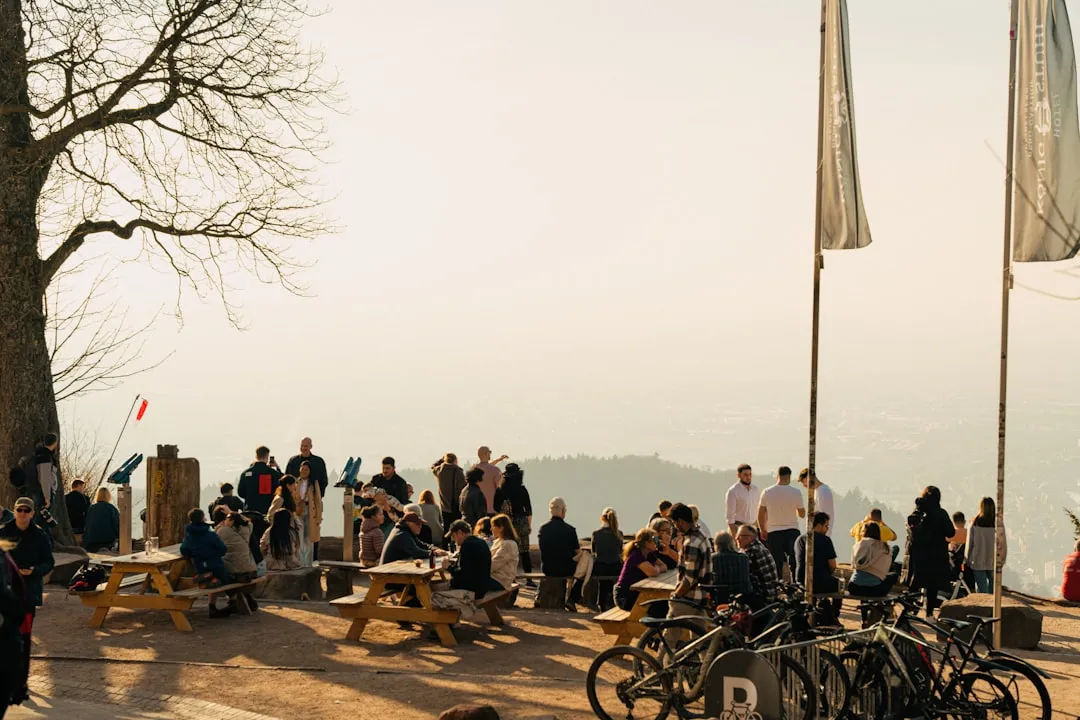
In the tourism landscape in 2024, there was a growing demand for authentic and immersive experiences, aligning perfectly with the principles of community-based experiential tourism. These aren’t just marketing terms. They describe a genuine shift in what travelers are actually seeking.
By capitalizing on local assets and engaging community members as active participants in tourism development, community-based tourism initiatives create diverse income streams that contribute to sustainable economic growth. Initiatives such as community-owned guesthouses, guided tours led by locals, and artisanal craft cooperatives not only generate revenue but also empower residents to take ownership of their tourism enterprises.
The majority of global travelers, roughly two thirds, say they want authentic travel experiences that represent the local culture and communities. Booking through a community-led operator rather than an international aggregator is how you close the gap between that aspiration and real impact.
4. Embrace Slow Travel and Stay Longer in One Place
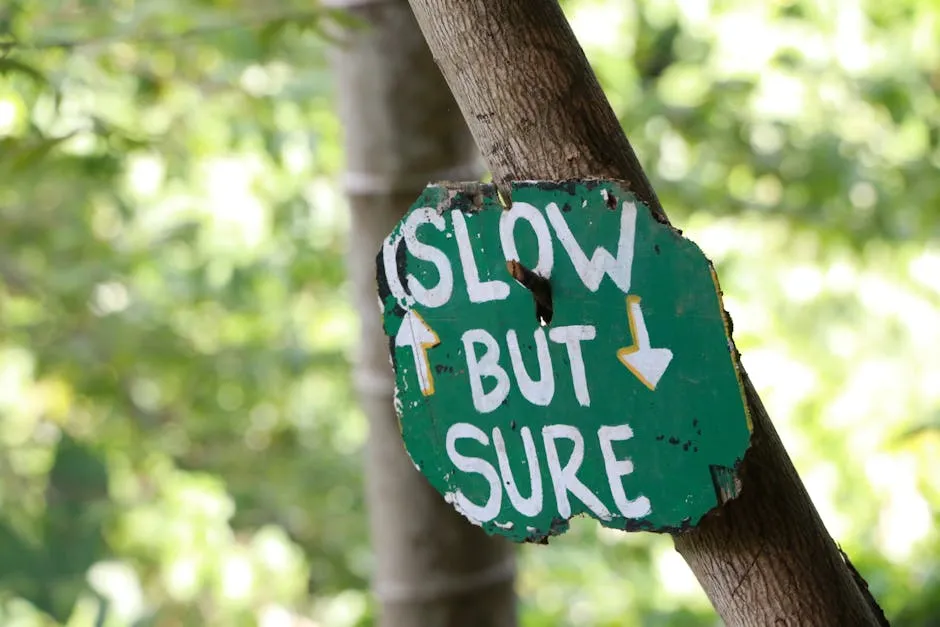
Rushing between three cities in five days might tick boxes, but it rarely leaves much behind. Instead of rushing through multiple destinations, spending more time in one place allows you to connect deeply with the local culture, people, and environment. Walking or cycling to explore reduces your carbon footprint while truly experiencing the essence of the destination.
The rise of slow travel aligns perfectly with the growing demand for sustainability. According to Accor’s 2025 report, roughly more than a quarter of British travelers are planning sustainable trips, and online searches for “eco-nature holidays” have surged by 250%. Travelers are increasingly seeking ways to reduce their footprint while exploring responsibly.
Supporting family-run inns or farm stays that are deeply connected to the land and community contributes directly to local livelihoods while offering a richer, more personal travel experience. Staying put for a week instead of a night changes what’s possible.
5. Volunteer Thoughtfully and With Real Skills

Voluntourism has an enormous range of quality, and that gap matters. The global volunteer tourism market was estimated at nearly $849 million in 2023 and is expected to reach over $1.27 billion by 2030, driven by increased global awareness of social and environmental challenges and the rising interest in meaningful travel experiences.
Effective voluntourism projects are conceived in response to direct requests from the community rather than assumptions made by outsiders. They are flexible, adapting to the community’s evolving needs, and designed with a deep respect for local knowledge and practices. This approach ensures that your efforts are both relevant and respectful, contributing to solutions that are sustainable and valued by the community.
Hosting volunteers also gives locals a chance to connect with people from different cultures, while receiving tangible support, such as help with infrastructure, education, or shared knowledge. The key is making sure the project was designed with the community, not just for it.
6. Learn the Local Language Basics Before You Arrive

It sounds small, but even a handful of phrases signals respect and genuine interest. Mindful travel emphasizes being present in each moment, respecting the cultures you encounter, and making sustainable choices that reduce your environmental footprint. Unlike traditional travel, which prioritizes convenience and sightseeing, mindful travel encourages slowing down to absorb and appreciate the local way of life.
Language learning also changes the texture of daily interactions. When a traveler orders coffee or thanks a market vendor in the local tongue, it shifts the dynamic from consumption to connection. That kind of exchange has a quiet ripple effect that statistics can’t really capture.
Cultural exchange is a two-way street, where you are imparting your knowledge and skills and learning from the local culture, traditions, and ways of life. Such interactions can dismantle stereotypes, build bridges between diverse groups, and cultivate a deeper appreciation for the global tapestry of human experiences. By engaging in cultural exchange, you contribute to a legacy of tolerance and global citizenship, creating bonds that endure well beyond your stay.
7. Stay in Locally Owned, Eco-Certified Accommodation

A third of travelers surveyed said they had stayed in sustainable accommodation in the past year, and based on the over 65 million American citizens who traveled abroad, this means roughly 21 million people chose sustainable accommodation in 2023 alone. The number continues to grow.
Cities like Helsinki, Stockholm, and Copenhagen are leading the sustainable tourism charge, offering extensive green-certified hotels, walkable city centers, and robust ecotourism programs. Travelers can now easily find accommodations with international certifications like B Corp, EarthCheck, and Green Globe, ensuring their stays support responsible tourism practices.
For many communities, tourism is a cornerstone industry that creates meaningful employment opportunities, supports entrepreneurship, and helps sustain vibrant streets and local economies. Choosing a locally operated guesthouse over an internationally owned chain keeps more of that value circulating where it’s needed most.
8. Respect Cultural Norms and Ask Before You Photograph

For the first time, over half of travelers are aware of tourism’s impact not just on the environment, but also on local communities. While almost half of locals feel there is the right amount of tourism, many have common concerns such as traffic congestion, littering, overcrowding, and rising costs of living. Those concerns are worth taking seriously before arriving.
Photographing people without permission is one of the most common and least discussed ways that tourists show disrespect. It treats people as landscape rather than as individuals. A simple gesture, asking first, transforms the interaction entirely and often leads to a far more genuine moment than any rushed snapshot would have.
Volunteers and visitors alike should research local customs, beliefs, and culture to avoid causing harm or offense to the community. This applies whether you’re there for two weeks or two days. Preparation is a form of courtesy.
9. Use Local Transport and Reduce Your Carbon Footprint on the Ground

About 43% of travelers plan their vacations to be able to walk, ride bikes, or ride local public transit. That’s a figure that’s been growing, and for good reason. It keeps money circulating locally while cutting emissions at the same time.
Reducing your carbon footprint by packing only what you need and avoiding single-use plastics makes a real difference. Many mindful travelers also choose sustainable transportation options such as trains or buses, which have lower emissions than flying.
Using local transit also puts you closer to everyday life in a place. You end up in neighborhoods and conversations that the rental car or private transfer would have bypassed entirely. It’s one of those cases where the more sustainable choice is also just the more interesting one.
10. Spread Awareness and Share Your Experience Responsibly After Your Trip

Many volunteer tourists continue raising awareness after their trips. Sharing their experiences can help highlight important social or environmental issues and inspire others to get involved. The same principle applies to any thoughtful traveler, not just volunteers.
By 2025, fully 93% of global travelers say they want to make more sustainable travel choices. That’s a huge potential force, but intentions need somewhere to go. When travelers share specific places, people, and practices that genuinely support local communities, they help others make better choices too.
The best way to recognize tourism’s potential to shape the social and economic aspects of local communities is to approach the subject with a regenerative mindset rather than a purely extractive one. That shift, from taking to giving back, is ultimately what mindful travel asks of us, and what destinations increasingly need from the people who visit them.
Conclusion: Small Choices, Lasting Impact

None of these approaches require a dramatic overhaul of how you travel. Most of them just require a bit of advance thought and a willingness to redirect familiar habits. Tourism employs over 270 million jobs globally, roughly one in every twelve in the global workforce. The choices travelers make have real consequences for those livelihoods.
While 57% of travelers feel that tourism has a positive overall impact where they live, the challenges are real. Only 16% of travelers think visitor numbers should be capped in their home destination, with most instead emphasizing a need for investment in communities through infrastructure upgrades. The direction of travel, so to speak, is toward engagement rather than restriction.
What matters most isn’t perfection. It’s the cumulative effect of many travelers choosing the locally-owned restaurant, the community guide, the slower route. Places remember the visitors who treated them as communities rather than backdrops. That’s the kind of travel worth doing.
AI Disclaimer: This article was created with the assistance of AI tools and reviewed by a human editor.