
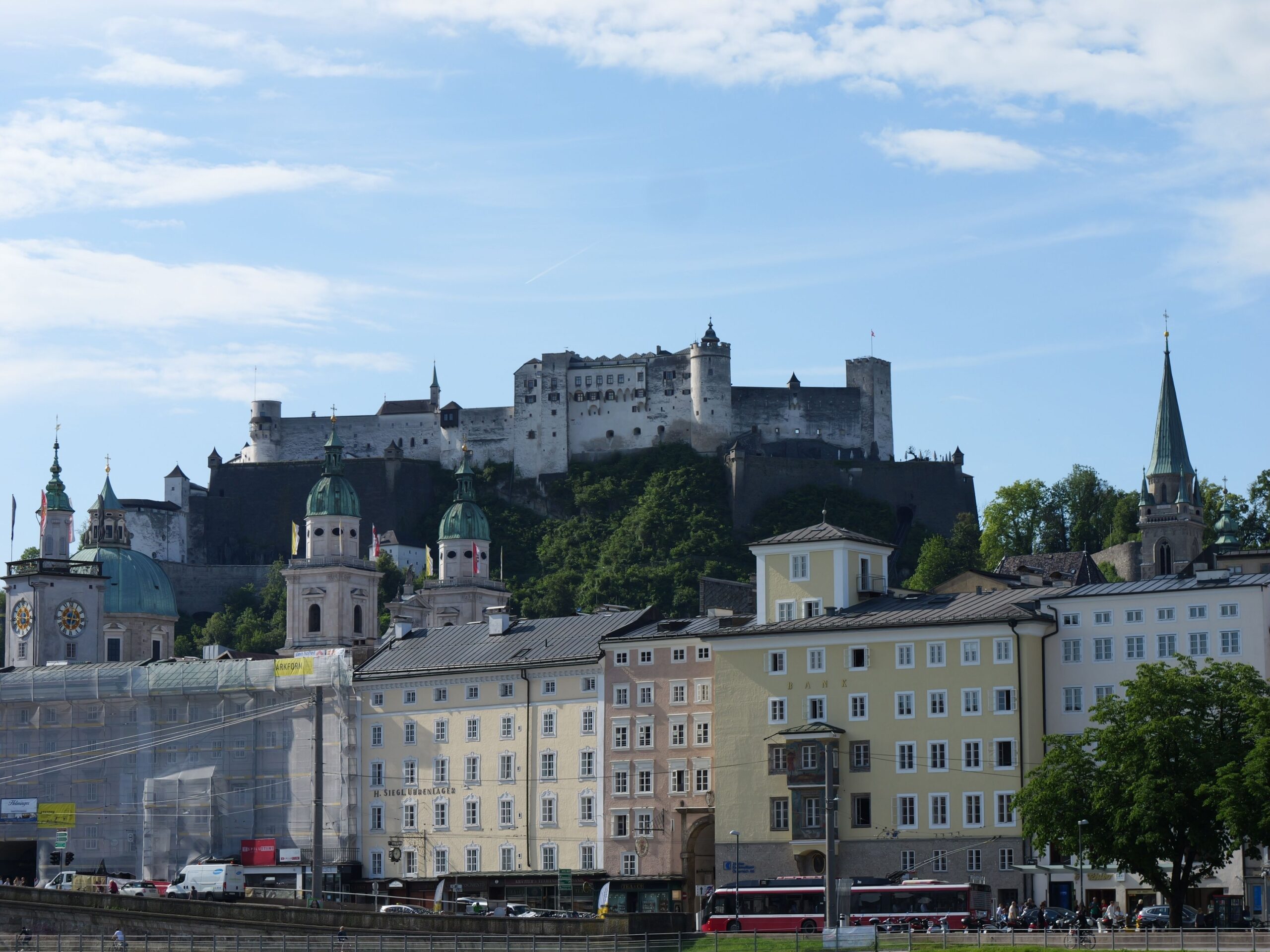
Few countries in Europe manage to compress so much variety into such a compact space. Within a single day in Austria, you can stand beneath frescoed cathedral ceilings, ride a cable car into silence above the clouds, and linger over coffee that nobody will ever rush you to finish. It’s a place that rewards travelers who want depth, not just a checklist.
The numbers suggest the world is paying attention. Tourism in Austria reached record levels in 2025, with approximately 157.27 million overnight stays and 48.17 million tourist arrivals, according to new figures from Statistics Austria. That kind of momentum doesn’t happen without good reason. Here are five of the most compelling ones.
1. The Numbers Speak for Themselves: Austria Is Having a Historic Moment
Austria has become one of the leading tourism destinations worldwide over the past decades, and despite its small size and population, it ranks among the 15 most visited countries globally. That is a remarkable achievement for a landlocked alpine nation of around nine million people.
The 2025 record represents a 1.9% rise in nights spent and a 3.1% increase in arrivals compared to 2024, previously the strongest year on record. Growth is steady, not frantic, which tells you something meaningful: visitors are not just coming once. They return.
Converting the total number of tourists to the number of inhabitants of Austria, with 3.6 travelers per inhabitant, Austria ranks very far ahead in a global comparison. That density of visitor-to-resident ratio reflects how deeply tourism is woven into the fabric of daily life here, and how well the country handles it.
2. Vienna: Imperial Grandeur That Still Feels Alive
Vienna recorded a historic 18.86 million overnight stays in 2024, a 9.3 percent increase from the previous year, making it Austria’s single fastest-growing city destination. The surge is not a fluke. Vienna consistently offers travelers one of the continent’s richest urban experiences.
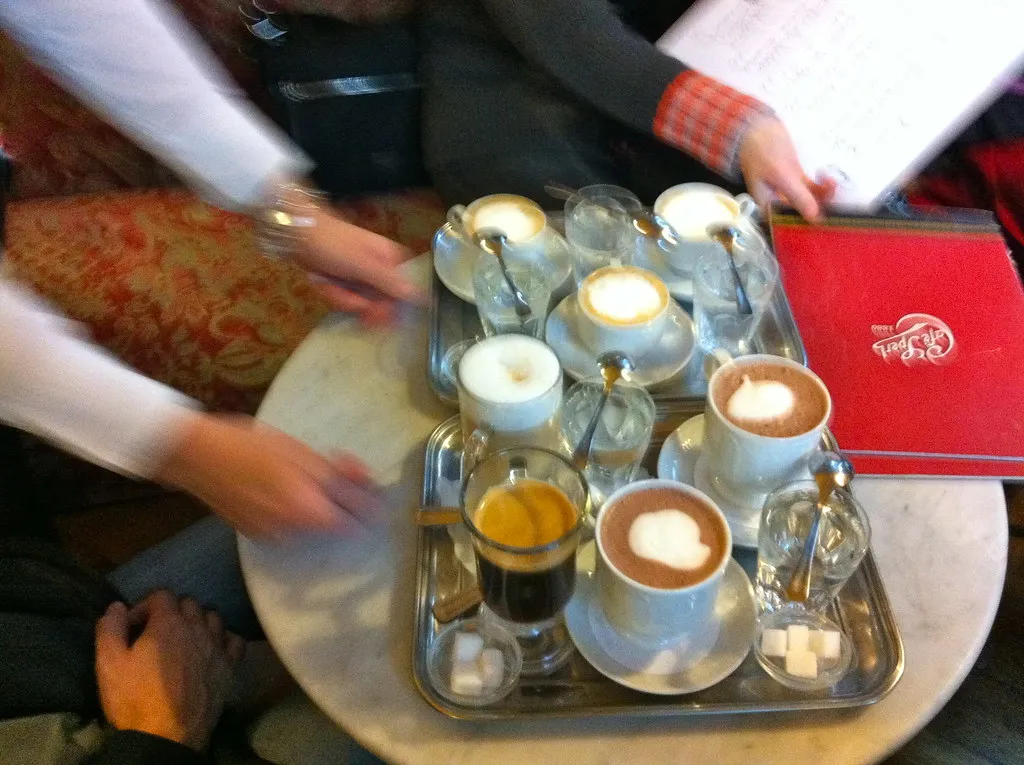
Vienna’s legendary coffeehouse culture, recognized as a UNESCO Intangible Cultural Heritage, is reason enough to visit, and the wine taverns in the hillside districts of Grinzing and Neustift am Walde offer an atmosphere found nowhere else. These aren’t attractions in the conventional sense. They are living social rituals, still practiced the way they have been for generations.
Vienna is an imperial and cultural powerhouse that consistently ranks among the world’s most livable cities. The Hofburg and Schönbrunn palaces, St. Stephen’s Cathedral, the Kunsthistorisches Museum, the Belvedere, and the Vienna State Opera are just the headline attractions. Beyond them lies a city of independent galleries, vibrant markets, and a contemporary food scene that rarely gets enough credit internationally.
3. UNESCO Heritage at Nearly Every Turn
As of early 2025, Austria is home to 12 UNESCO World Heritage Sites, showcasing its rich cultural, historical, and natural heritage. Twelve inscriptions in a country this size is genuinely extraordinary, and they span a remarkable range of experience.
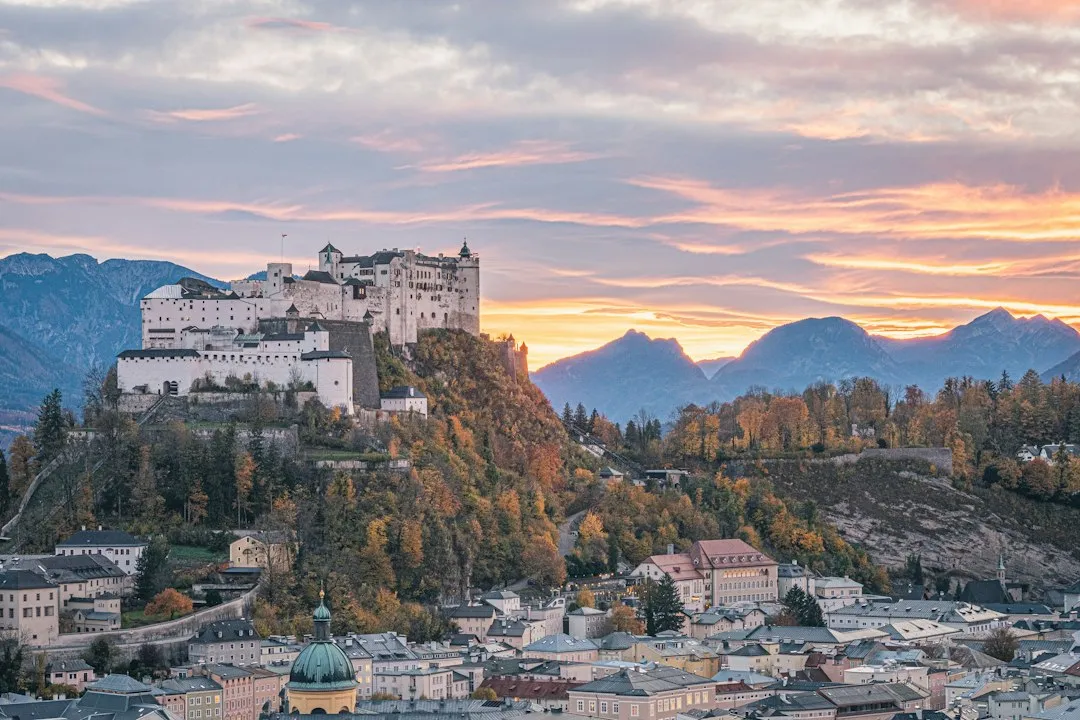
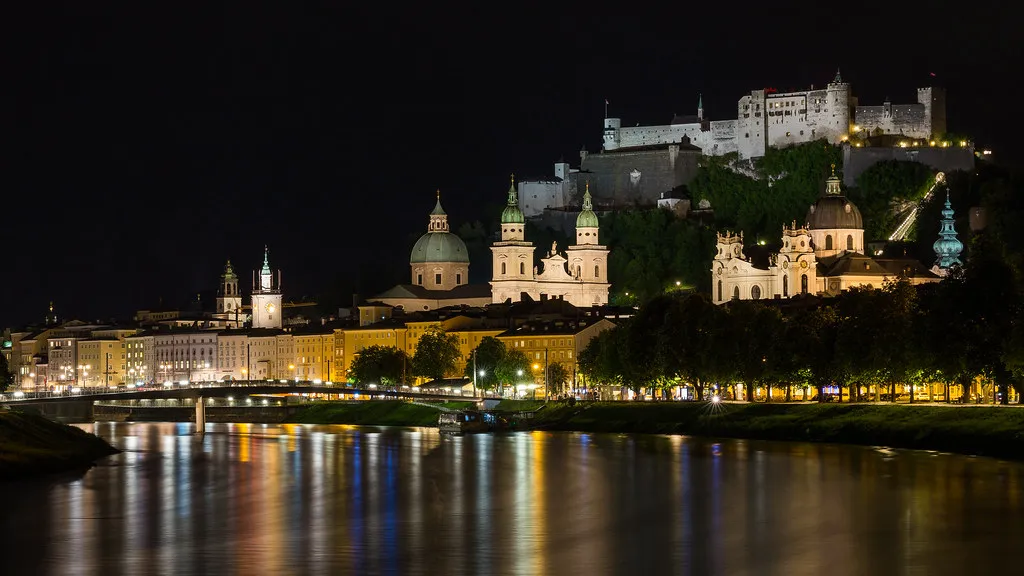
As the birthplace of Wolfgang Amadeus Mozart, Salzburg resonates with a deep musical legacy, further cemented by the world-famous Salzburg Festival. Salzburg’s Old Town is a UNESCO World Heritage Site where cobbled medieval streets, ornate facades, and charming squares transport visitors back in time, and every corner of the city tells a story of artistic brilliance and imperial elegance.
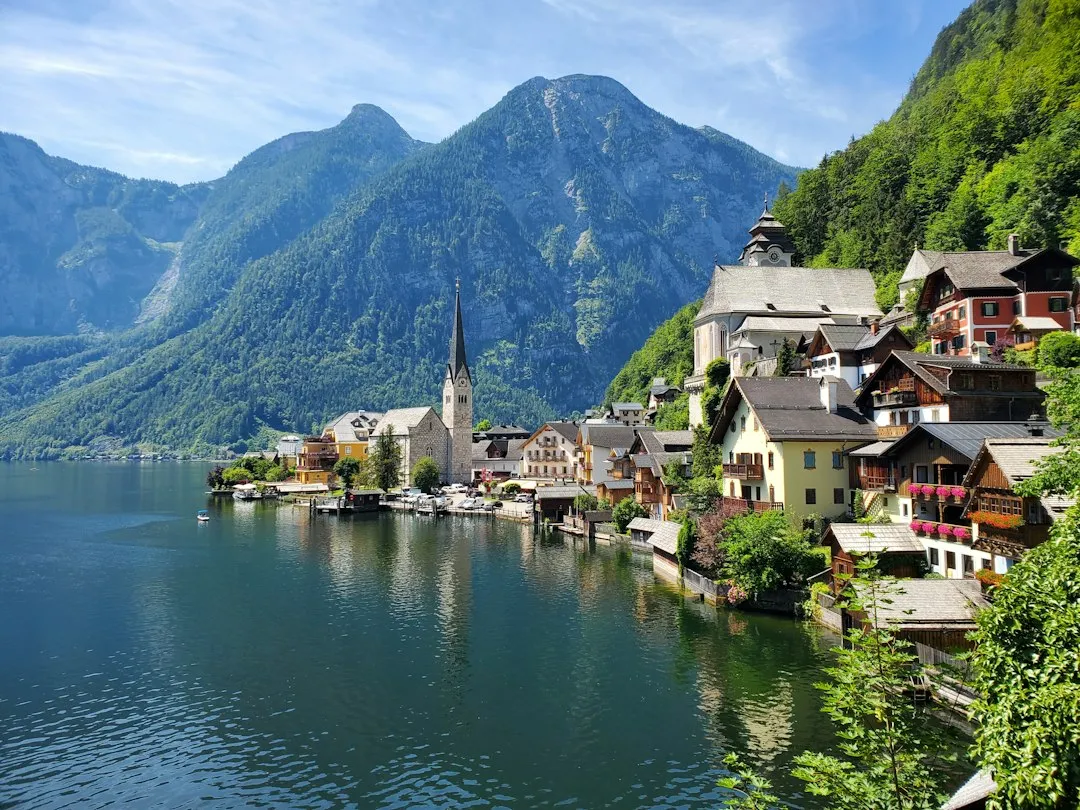
The Hallstatt-Dachstein region in the Salzkammergut has been a UNESCO World Heritage Site since 1997, where Europe’s oldest salt landscape, thousands of years of mining, alpine nature, and living traditions come together in a unique cultural setting. Hallstatt itself is one of those rare places that earns every photograph taken of it.
4. Alpine Landscapes That Work in Every Season
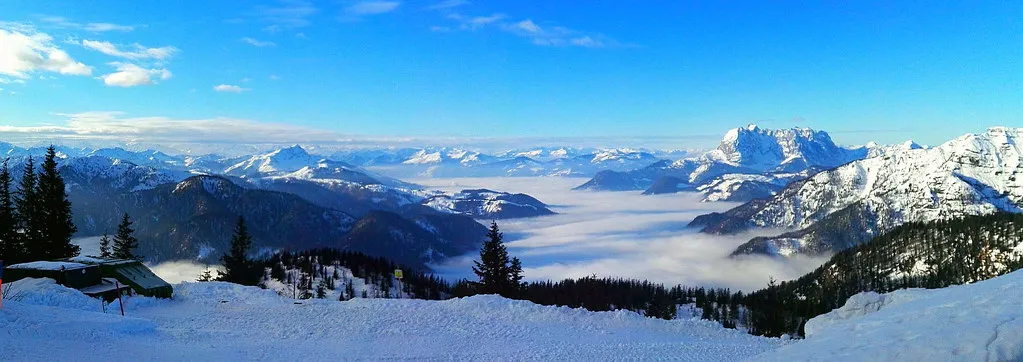
Although Austria is known as the winter sports capital of Europe, it is just as popular for summer tourists who visit its historic cities and villages and hike in the magnificent scenery of the Alps. That year-round appeal is a genuine strength, not a marketing slogan.
Austrian winter tourism has once again grown, with Austrian hotels recording 72.38 million overnight stays during the 2024-25 winter, up 1.8% from the previous season. Ski culture here goes far deeper than the slopes. Mountain villages in Tyrol and Vorarlberg carry centuries of alpine tradition, from the architecture to the cuisine.
No matter whether you love the beach or have zero interest in tanning, this mountainous nation more than delivers with outstanding, crystal-clear lakes. You can kitesurf at Lake Neusiedl, marvel at the turquoise fringes of Lake Achen in Tyrol, or head to Lake Constance, where you can hop on a boat after bathing to visit two other countries, Germany and Switzerland, all on the same day. Summer in Austria, in other words, requires no apology for the absence of a coastline.
5. A Musical and Cultural Heritage Unlike Any Other
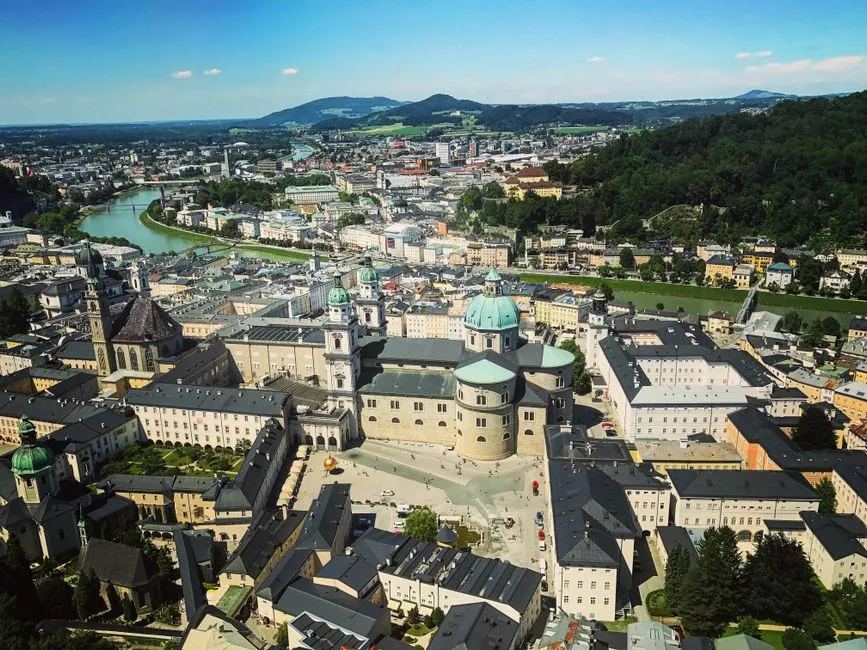
Austria was once part of the influential Austro-Hungarian Empire and has a rich musical heritage, being the birthplace of many famous composers like Mozart and Strauss. That legacy isn’t just a historical talking point. It shapes what a traveler encounters on the street, in concert halls, and in the architecture of everyday civic life.
Lying in the heart of the continent, the country showcases how nature, culture, and a zest for life blend together in a completely unique manner. Past history entwines with modern life from Alpine peaks to creative urban spaces, visible in landscapes rich in variety, at music festivals, cultural events, and in living traditions. Austria makes it genuinely difficult to separate the past from the present.
Graz, Austria’s second-largest city and a UNESCO City of Design, blends a medieval old town, also UNESCO-listed, with striking modern architecture like the Kunsthaus Graz “friendly alien” art museum. For those who think Austria is only about imperial nostalgia, Graz is a satisfying counter-argument.
6. Accessibility and Practicality That Actually Matters
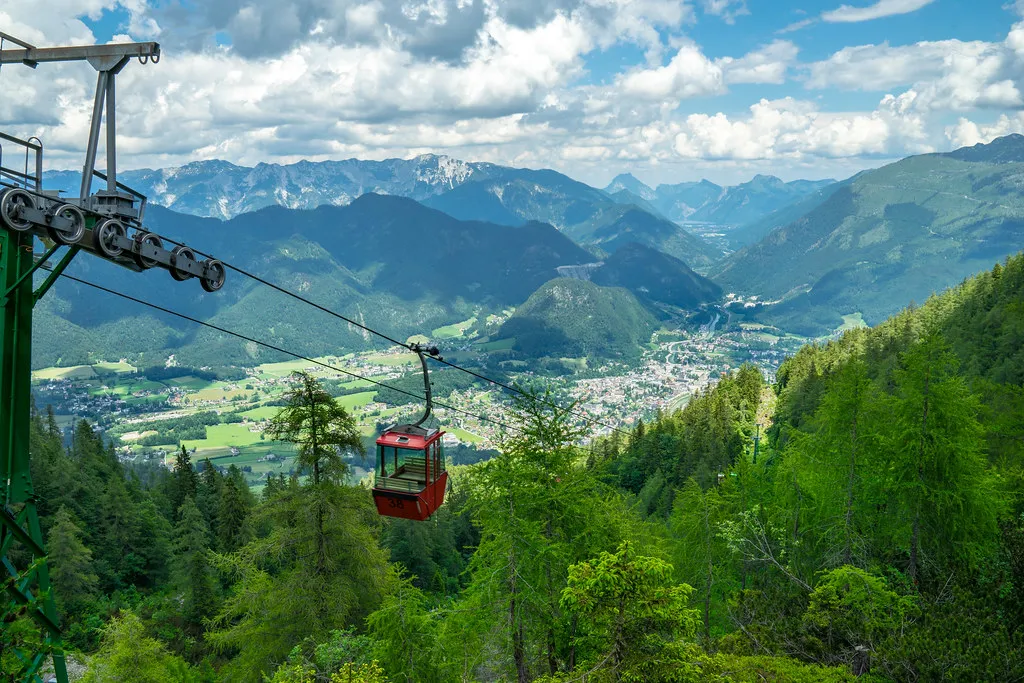
Austria sits right in the middle of Europe, and is ridiculously well-connected. You can hop on a train to Munich, Prague, Budapest, or even Venice in just a few hours, making it a perfect base if you’re planning to see multiple countries in one trip. That central position makes Austria an intelligent anchor for any broader European itinerary.
Citizens of 59 countries, including the US, UK, Canada, and Australia, can visit Austria without a visa for up to 90 days within any 180-day period. Entry logistics are straightforward, and the country’s public transport infrastructure is widely regarded as among the best on the continent.
People are polite but not pushy, public transport actually works, and it is perfectly normal to explore on your own. That blend of quality, ease, and quiet dignity makes Austria particularly rewarding for travelers who prefer substance over spectacle.
7. The Economic Weight of Tourism Signals Long-Term Investment
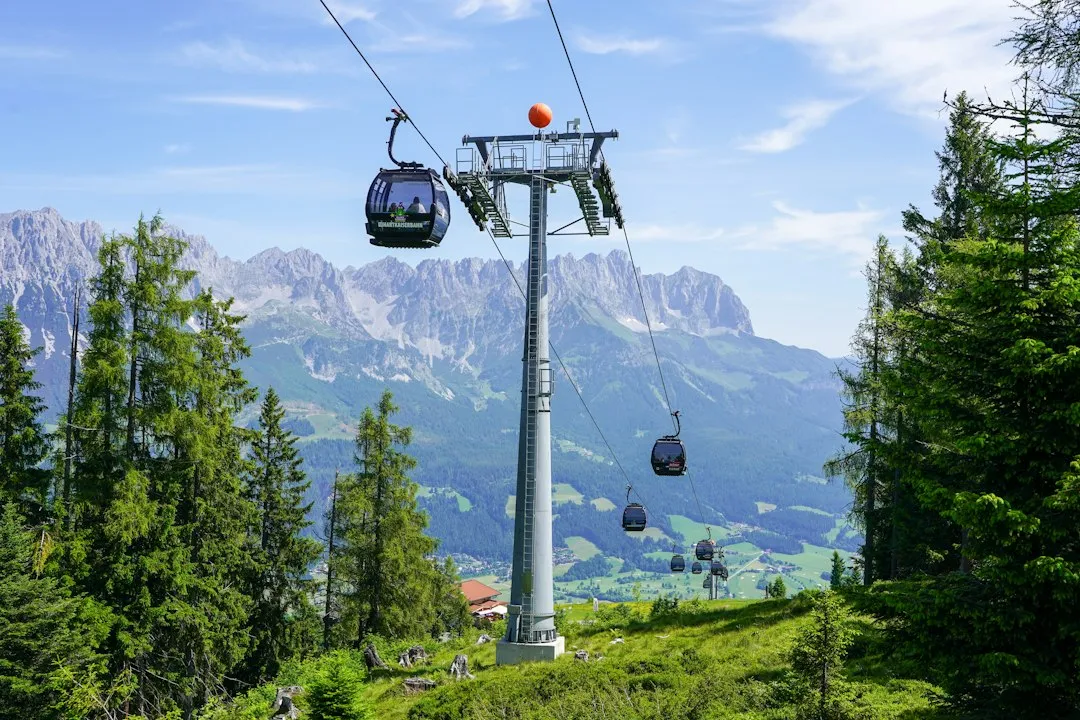
According to the Austrian Tourism Satellite Account, tourism is estimated to have contributed 6.5% to GDP in 2025, compared with 6.4% in 2024. That consistent share of national output reflects how seriously Austria treats its travel infrastructure, hospitality training, and destination management.
Domestic and foreign guests spent around EUR 41.5 billion in 2025, an increase of 5.8% compared to 2024. When travelers spend at that level, it creates incentive for continued investment in preservation, quality, and visitor experience. The cycle is visible in everything from well-maintained historic centers to the reliability of mountain transport systems.
In 2024, the Austrian conference industry recorded 4,714 international congresses, conferences, and seminars. Austria is not only a leisure destination. Its cities have developed genuine expertise in hosting international gatherings at the highest level, which keeps infrastructure sharp across the board.
8. Tyrol and Salzburg: The Heart of the Alpine Experience
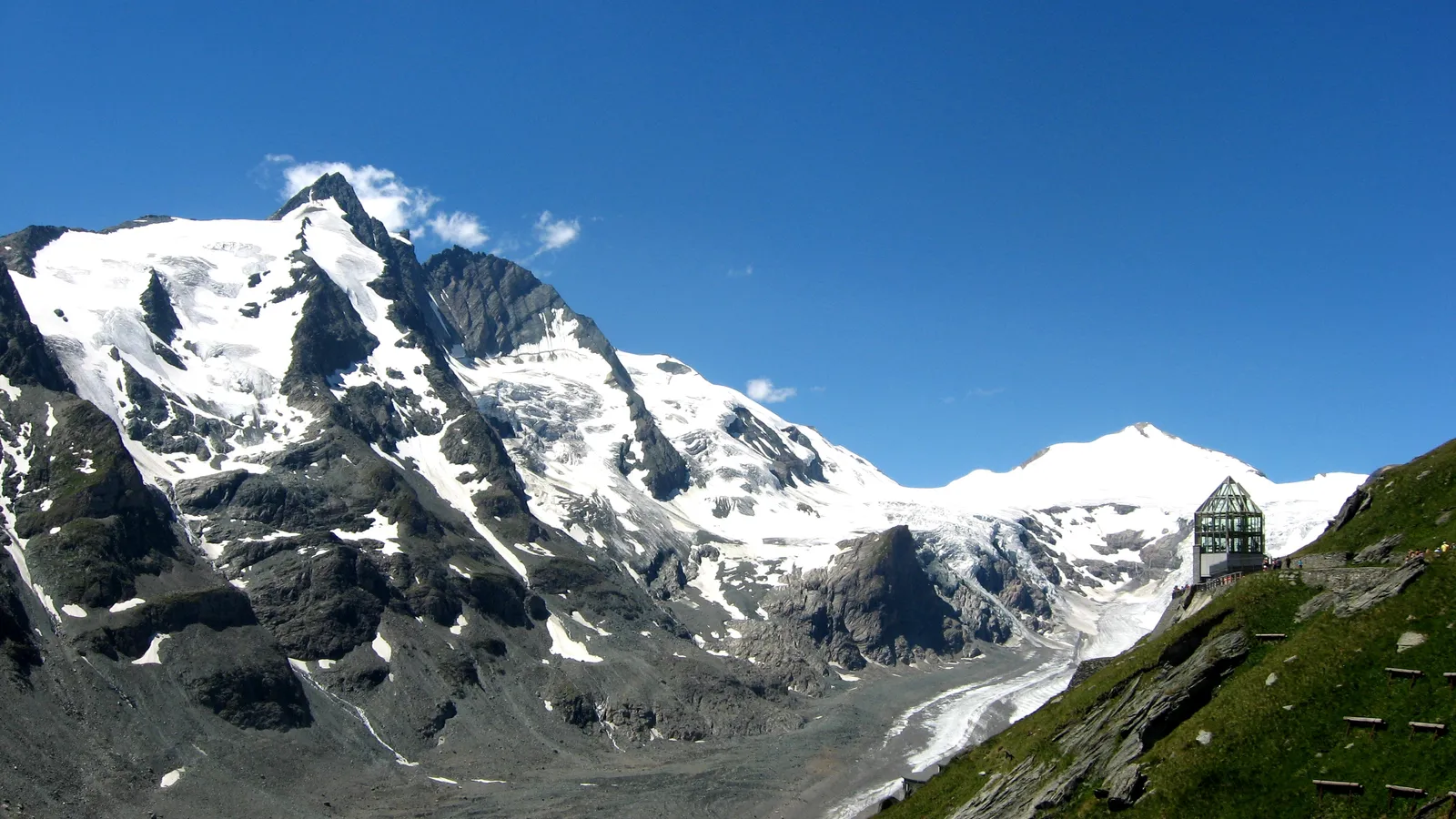
The western alpine provinces of Tyrol and Salzburg remained the most popular destinations, together making up more than half of all overnight stays. That statistic reflects a deep, lasting affection for this particular corner of the Alps, not a passing trend.
In 2025, the majority of guests travelled to Tyrol, followed by Salzburg and the capital, Vienna. Together, Tyrol and Salzburg accounted for more than half of all overnight stays, totalling nearly 81 million. The draw is easy to understand once you arrive. The mountains here feel genuinely immersive rather than scenic in a distant, postcard way.
The country’s landscape is predominantly mountainous, with the majestic Alps covering a large area, and Austria boasts the Grossglockner as its highest peak at 3,798 meters. The Grossglockner High Alpine Road, which winds through this terrain, is one of the most celebrated mountain drives anywhere in Europe.
9. Wachau Valley: Where Wine, History, and the Danube Converge
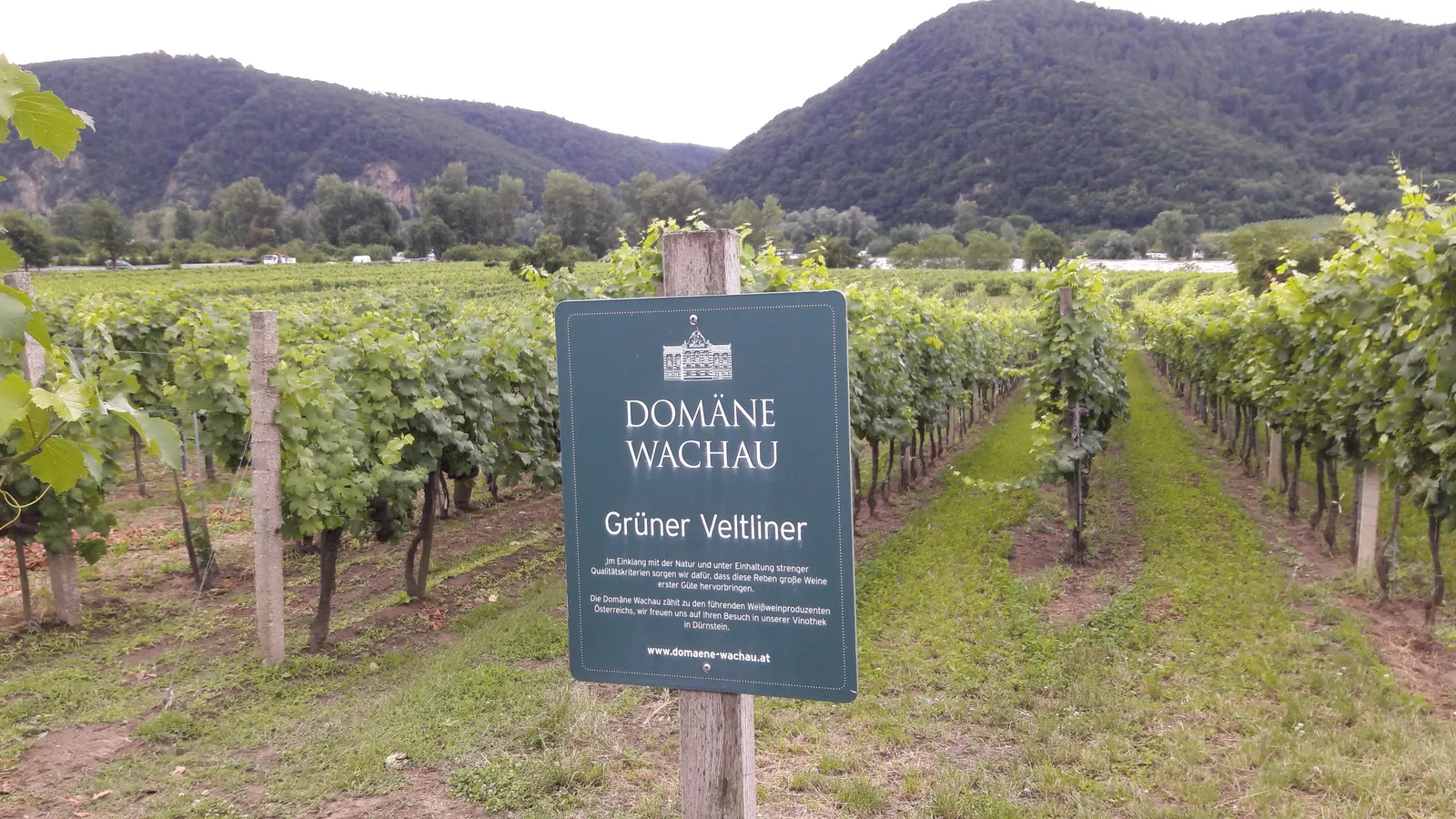
The Wachau valley in Lower Austria has been a UNESCO World Heritage Site since 2000. It is one of the oldest settled areas in Europe, and owes its wine culture to the Romans. Cycling or boating through this stretch of the Danube remains one of the more unhurried and genuinely restorative travel experiences the country offers.
The valley’s Grüner Veltliner and Riesling wines are considered among Austria’s finest expressions, shaped by the steep terraced vineyards that cling to the riverbanks. Villages like Dürnstein and Melk anchor the route with medieval towers and one of the most photographed baroque monasteries in Central Europe.
Traveling through the Wachau slowly, ideally by bicycle with an overnight stop in one of the small guesthouses, reveals a version of Austria that feels unhurried and extraordinarily intact. It is the kind of place that tends to show up in memory long after a trip ends.
10. A Year-Round Calendar of Cultural Events Worth Planning Around
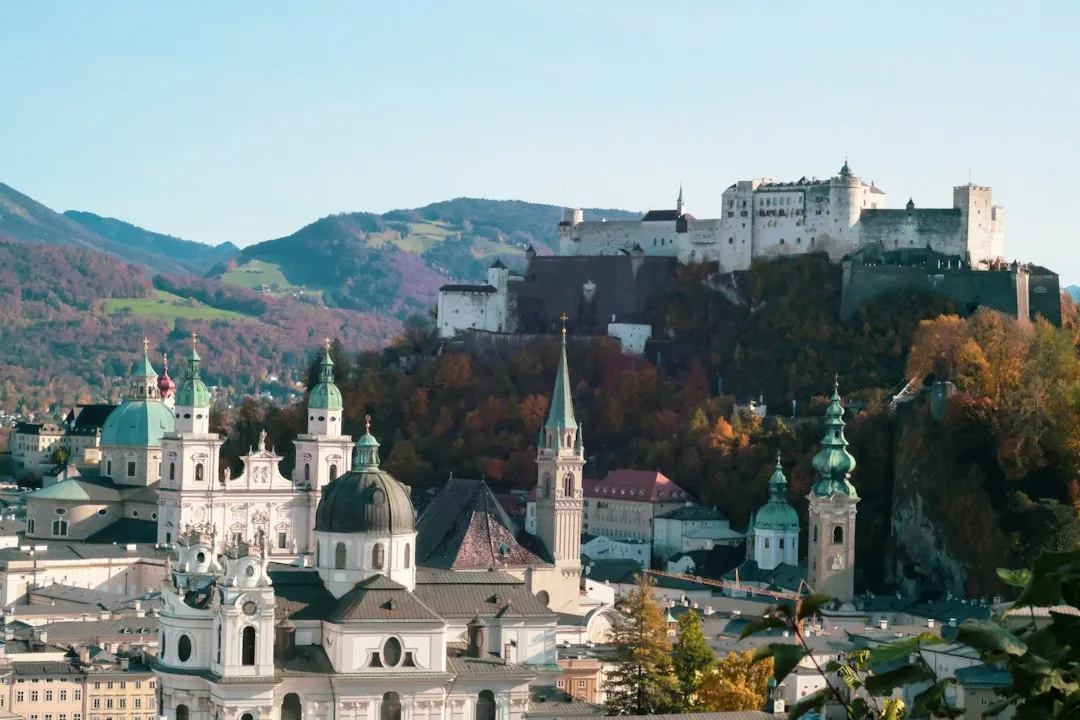
The Salzburg Festival, held each summer, draws performers and audiences from across the world to one of the most celebrated arts gatherings on the planet. Its origins date back to 1920, and its reputation for orchestral and operatic programming remains unmatched in the German-speaking world.
Increasingly evenly distributed tourism throughout the year in Austria demonstrates growing demand across all seasons, particularly noteworthy increases in December and January, from both domestic and international guests. Austria’s Christmas markets, particularly those in Vienna, Salzburg, and Innsbruck, have become destinations in their own right, drawing visitors who plan entire trips around them.
Snowcapped mountains, swimmable lakes, cultural festivals, and unique traditions make exploring Austria a joy at any time of year. That is not a promotional line. It reflects a genuine structural truth about how the country is organized for visitors who arrive with different motivations at different moments.
The Takeaway
Austria rewards travelers who pay attention. It doesn’t demand spectacle or shout for recognition. The quality is quiet, accumulated, and real, from the mountain trails in Tyrol to the reading rooms of Vienna’s imperial libraries.
Austria will be on everyone’s list of highlights for exploring Europe in 2026. Lying in the heart of the continent, the country showcases how nature, culture, and a zest for life blend together in a completely unique manner, intimate, vibrant, and full of unexpected surprises.
The record visitor numbers are meaningful, but they shouldn’t be the deciding factor. What keeps people coming back to Austria is something the statistics can’t fully capture: a country that has tended its landscapes, architecture, and cultural life with unusual care, and that tends to stay with you long after you’ve left it behind.
AI Disclaimer: This article was created with the assistance of AI tools and reviewed by a human editor.