
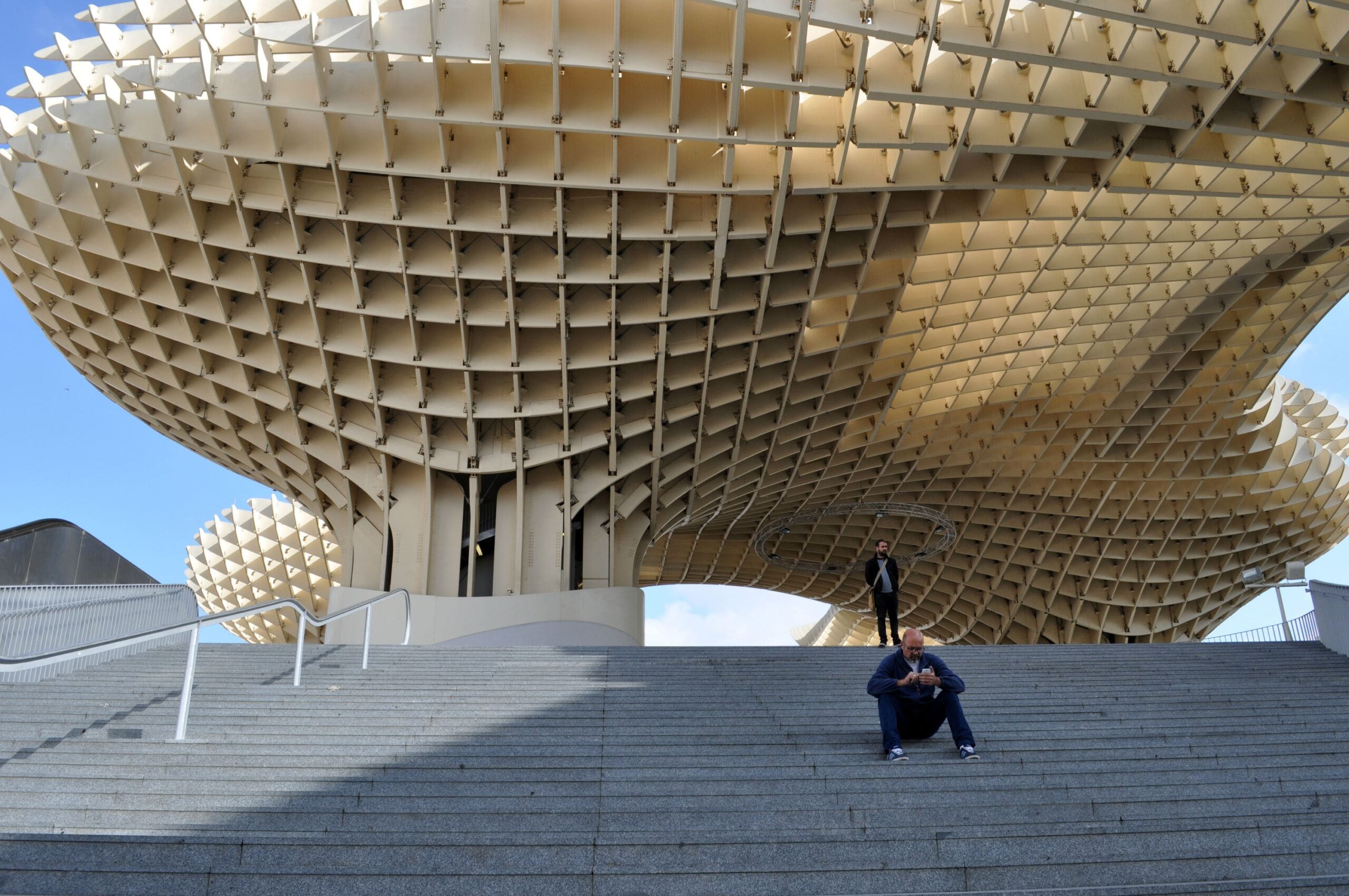

Some countries reward you once, maybe twice. Spain keeps rewarding you for a lifetime. It’s the kind of place where a second visit to Seville feels nothing like the first, where a road trip through rural Castile opens up a completely different country from the one you thought you knew. There’s a reason this peninsular nation has been pulling people back across centuries, not just years.
The numbers back this up in a remarkable way. Spain set a new tourism record in 2025, welcoming nearly 96.8 million foreign visitors according to figures released by the National Statistics Institute. It was Spain’s third record-breaking year since 2019, the year before the COVID-19 pandemic that paralyzed international leisure travel. That kind of sustained momentum doesn’t happen by accident.
1. It Is, Quite Simply, the World’s Most Visited Country
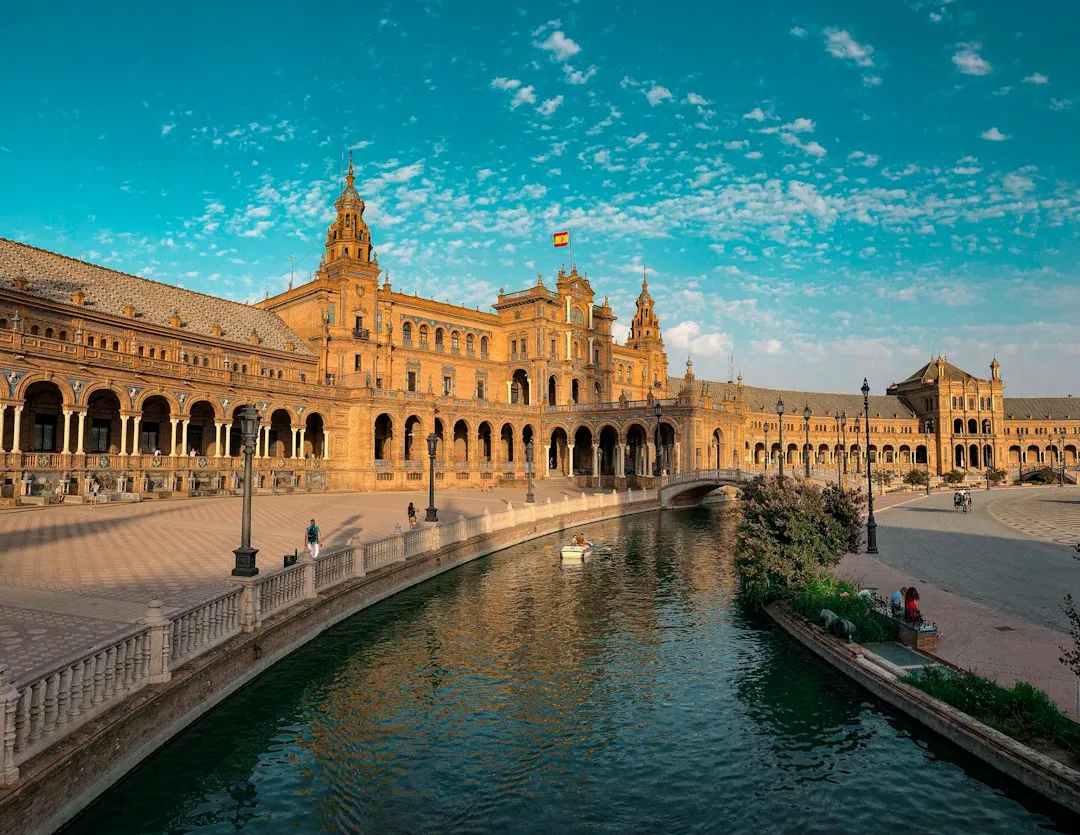
Spain recorded approximately 105 million international tourist arrivals in 2024, the most of any country in the WTTC Economic Impact Research 2025 dataset, ahead of France at 98 million and Italy at 66.7 million. These aren’t soft numbers. They represent real choices made by real travellers who looked at a map of the world and chose Spain.
If you convert the total number of tourists to the number of inhabitants of Spain, a somewhat more comparable picture emerges: with nearly 2.8 travellers per inhabitant, Spain was very far ahead in a global comparison. That ratio is staggering when you think about it. The country receives almost three visitors for every single resident. The pull here is genuine and remarkably broad.
2. The Culinary Scene Has No Ceiling
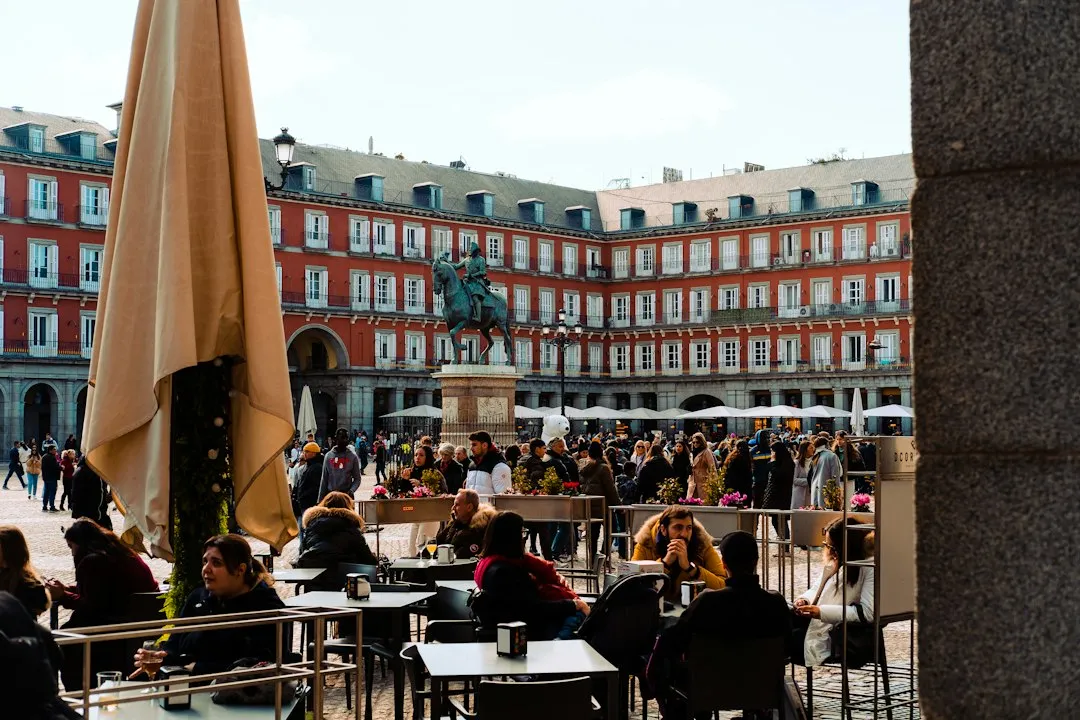
According to the 2025 Michelin Guide Spain, there are 291 star restaurants in Spain and Andorra, making Spain one of the countries with the highest number of Michelin-starred restaurants in the world, regularly featuring in the world’s top culinary rankings. That figure alone would be impressive. What makes it extraordinary is how evenly this excellence is distributed across the country.
Spain’s culinary scene offers visitors a dynamic mix of traditional flavors, Michelin-starred innovation, and sustainable dining, with Catalonia’s World Region of Gastronomy status and Madrid’s culinary capital title leading the charge. Madrid, named Europe’s Culinary Capital for 2025 by Time Out, blends historic taverns with cutting-edge dining. From Galician seafood to Basque pintxos, each region reads like its own distinct food culture, not a chapter in someone else’s story.
3. Fifty UNESCO World Heritage Sites Spread Across the Country
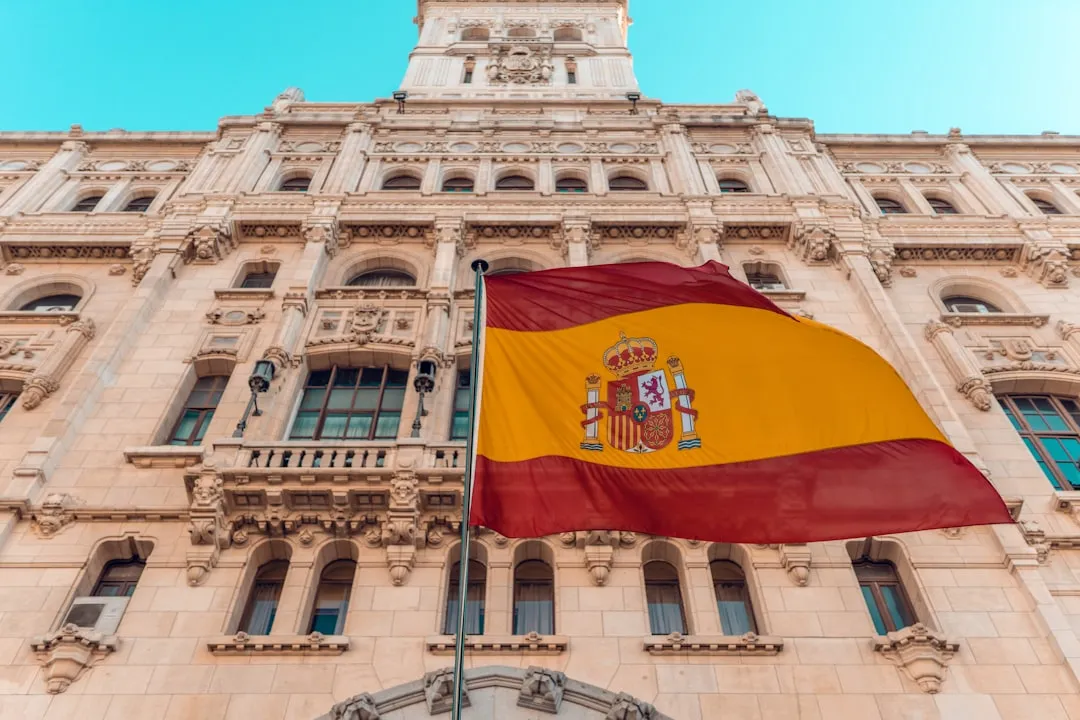
Spain holds a millennium of history, with everything from Roman ruins to modernist architecture dotted across its landscape, and a huge part of this incredible heritage is officially recognised by UNESCO, placing Spain in the top tier globally for its World Heritage Sites. The country currently has 50 World Heritage Sites and ranks among the leading countries worldwide in terms of recognised heritage properties.
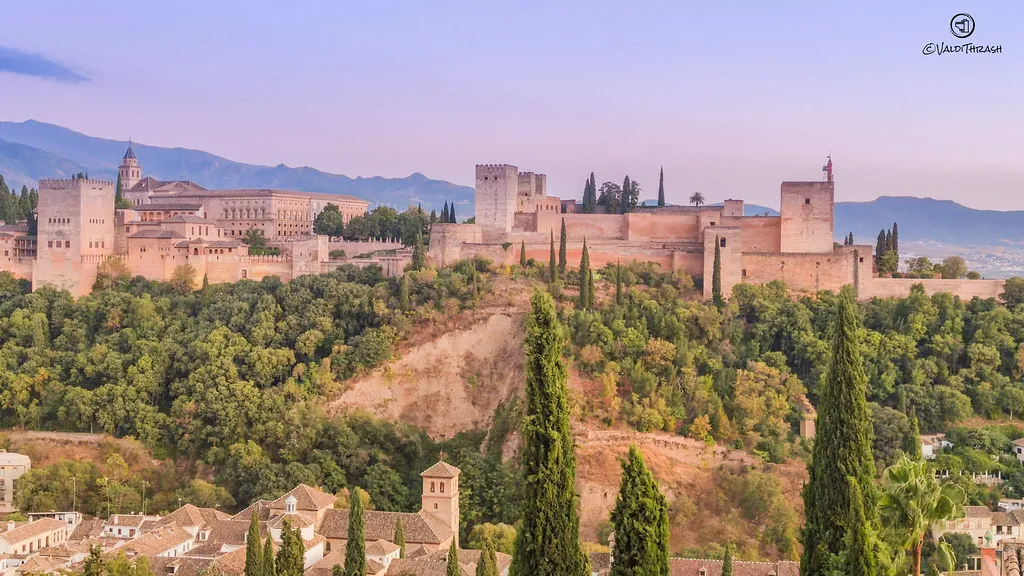
Spain’s UNESCO World Heritage Site list covers entire historic city centres, monumental buildings, vast natural parks, and ancient pilgrimage routes. The majority of its sites are cultural properties, reflecting a strong emphasis on historical and architectural heritage. Think of the Alhambra, the works of Antoni Gaudí, the Cave of Altamira, and the ancient pilgrimage route of Santiago de Compostela. No single trip can cover them all.
4. Every Region Feels Like a Different Country

Spain is not one country with regional accents. It is, in many ways, several distinct nations woven into one constitutional framework. The North, encompassing Galicia, Asturias, and the Basque Country, shares more in feel with Ireland and Wales than with the Mediterranean south, with an Atlantic climate that creates lush landscapes and a culture that is reserved and hardworking. Contrast that with sun-scorched Almería or the flamingo-pink wetlands of Doñana.
The Canary Islands sit off the coast of West Africa, the Balearics float in the Mediterranean, and the landlocked plateau of Castile belongs to a third world entirely. Catalonia was the most visited destination in Spain in 2024, welcoming nearly 19.94 million international tourists. Yet Andalusia, the Basque Country, and the Canaries each draw tens of millions of their own. The variety is simply inexhaustible.
5. The Gastronomy Is Rooted in Place and Season
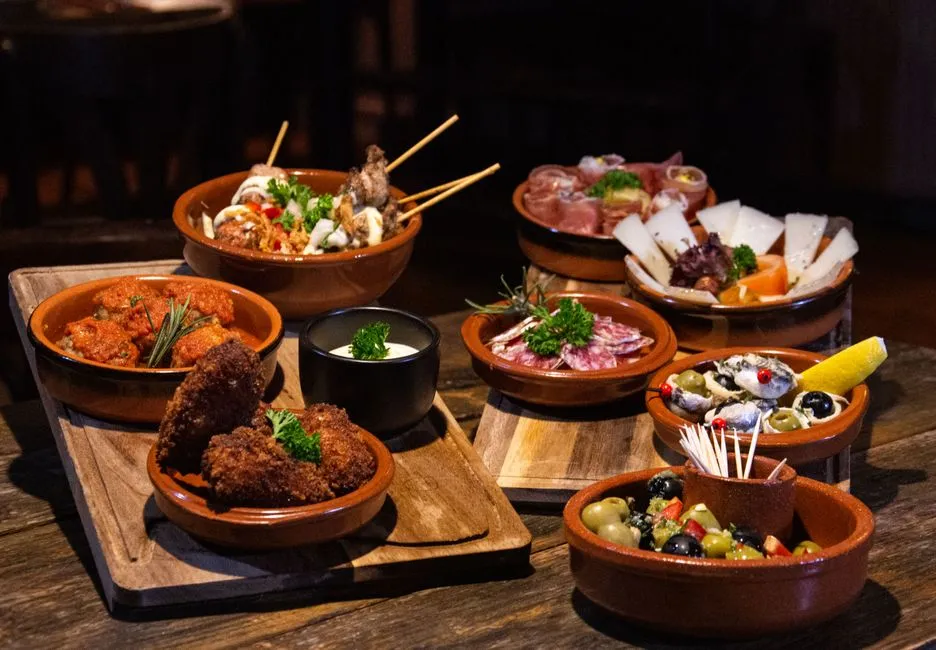
Spanish food culture isn’t a trend. It’s a deeply embedded social practice tied to season, landscape, and local identity. Andalusia revels in its gazpacho, jamón ibérico, and fresh seafood, where Seville’s tapas bars and traditional eateries in the Santa Cruz quarter offer flavours rooted in centuries of local tradition. Head north and the story shifts entirely.
San Sebastián and Bilbao are renowned for pintxos and experimental cuisine, where Michelin-starred restaurants and traditional family-run eateries coexist, offering dishes like hake or txuleta steak. San Sebastián holds the world’s highest concentration of Michelin stars per square metre. For food travellers, that single fact alone justifies a dedicated journey.
6. Flamenco, Fiestas, and a Culture Built Around Community

Spain’s festival calendar is not a tourism product. These celebrations are deeply embedded in community life, and attending them as a visitor means witnessing something that would exist whether you were there or not. The Semana Santa processions in Seville, the explosive Las Fallas in Valencia, and the Running of the Bulls in Pamplona draw millions of people each year. These events aren’t staged for cameras – they’re lived.
Flamenco carries its own weight as a living art form. Recognised by UNESCO as an Intangible Cultural Heritage of Humanity, it continues to evolve through new generations of performers while remaining anchored to its Andalusian roots. Spain’s culinary and cultural scene reflects a dynamic mix of tradition and innovation that appears across art, music, and gastronomy alike. This restless creativity is part of what keeps the country feeling alive.
7. The Coastline Is Extraordinarily Diverse
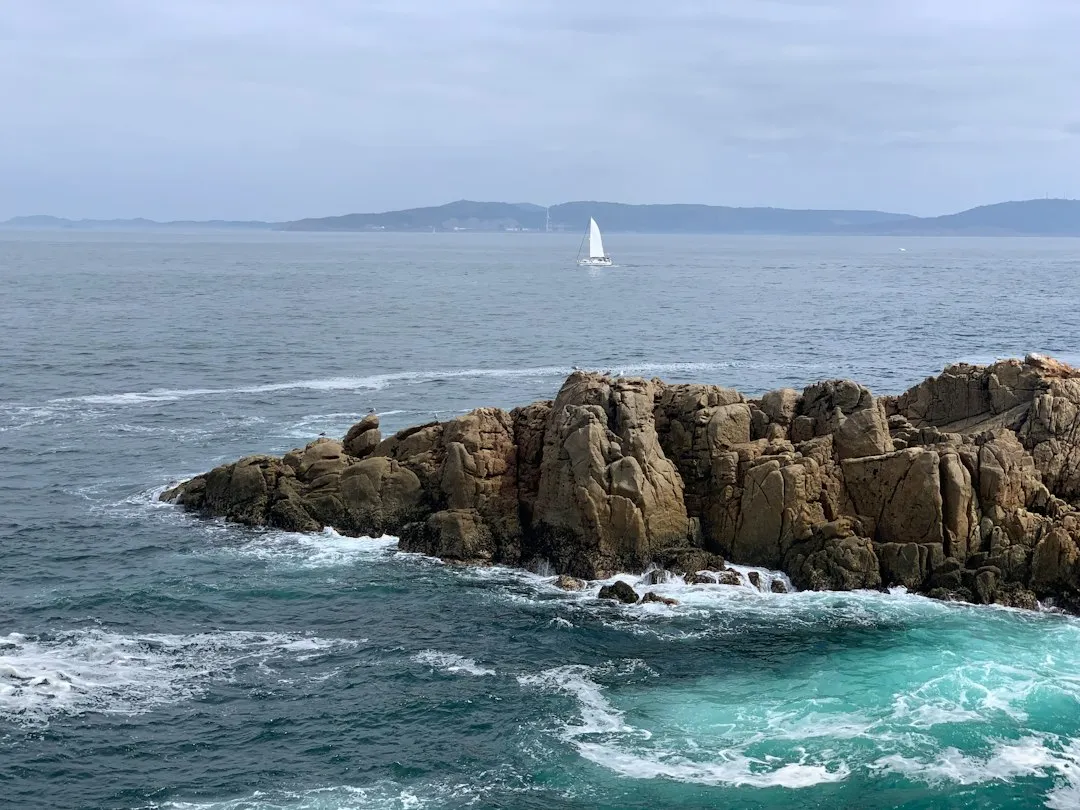
Spain has well over 7,000 kilometres of coastline, and no two stretches feel alike. The Costa Brava in Catalonia offers rugged coves and medieval fishing villages. The Basque coast is wild and Atlantic-facing. The Costa de la Luz in Cádiz province is windswept and relatively unhurried, while the Balearic Islands each carry their own distinct character. The Mediterranean islands and the Canary Islands remain flagship destinations for sun and beach tourism for which Spain is known worldwide.
August is the busiest month for coastal tourism, with nearly 10.93 million visitors driven by peak-summer beach holidays, nationwide fiestas, and school vacations across Europe. The smart move, of course, is to visit the coast in May, September, or October – when the light is softer, the sea is still warm, and the crowds have thinned to a reasonable scale. Shoulder season Spain is genuinely one of Europe’s great travel secrets.
8. The Architecture Spans Three Thousand Years of History
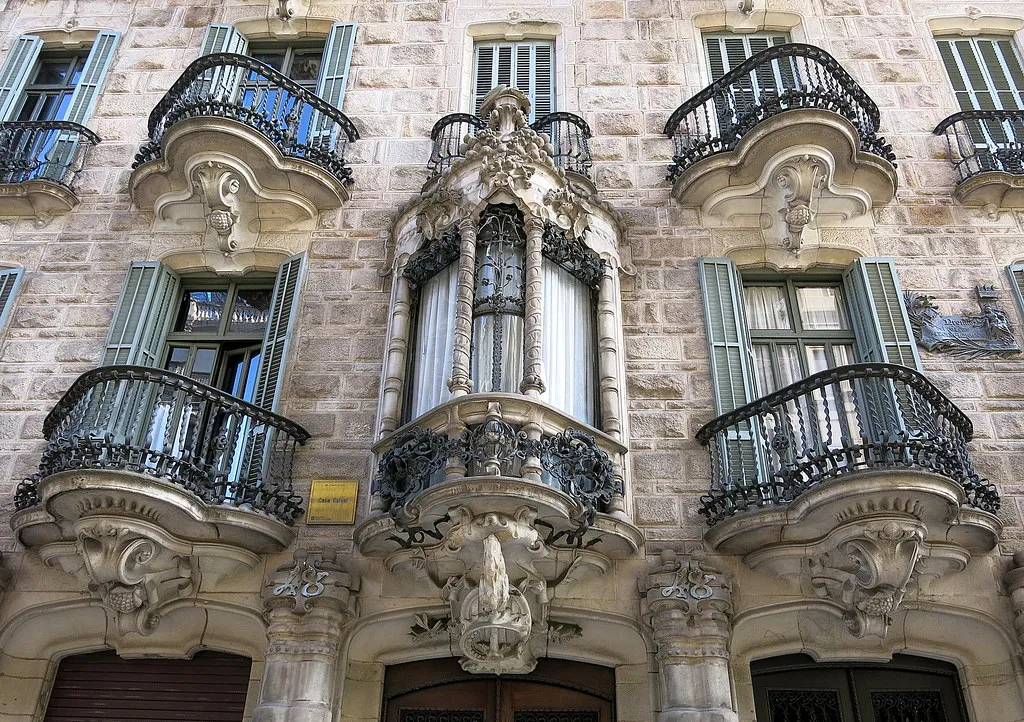
Nowhere else in Europe contains such a layered architectural conversation spanning so many civilisations. Roman amphitheatres in Mérida, Moorish palaces in Granada, medieval Gothic cathedrals in Burgos and León, and modernist masterworks by Antoni Gaudí in Barcelona all occupy the same country. Seven buildings in and around Barcelona designed by Antoni Gaudí hold UNESCO World Heritage status, including the Basilica of La Sagrada Família and the fantastical Casa Batlló.
Toledo may offer the most concentrated example of this layering. Toledo was important both to the Romans and the Visigoths, and is noted for the co-existence of Jewish, Christian, and Islamic communities across its long history. Walking its narrow streets is less like sightseeing and more like moving through stacked geological layers of time. That experience, repeated across dozens of Spanish cities, never quite gets routine.
9. Sustainable and Responsible Tourism Is Growing Quickly
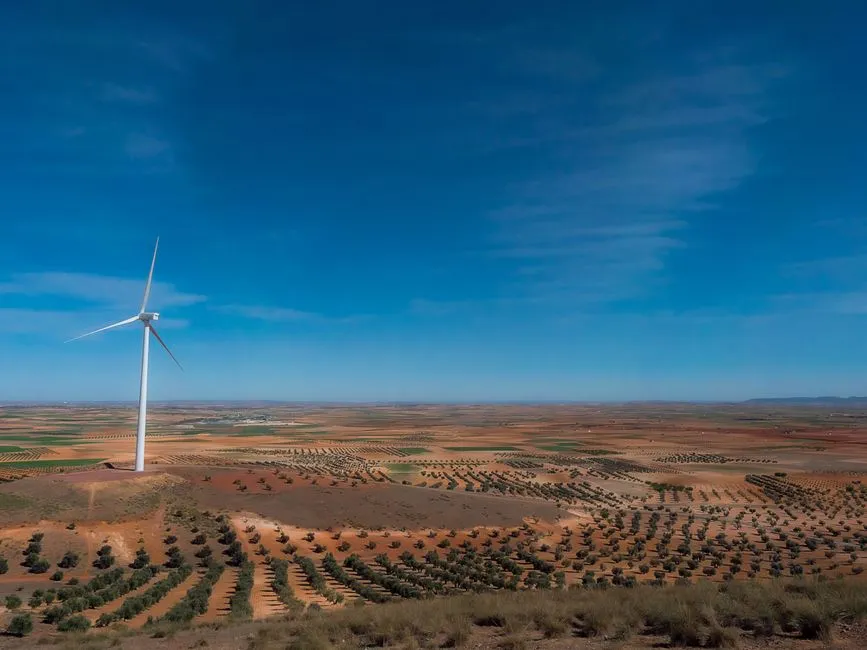
Spain isn’t just attracting more visitors. It’s actively working to manage tourism in a more thoughtful and sustainable way. Spain’s Ministry of Tourism has stated that increases in visitor numbers and spending meet the objective of transforming the tourism model into one that is more sustainable, based on prioritising quality over quantity. That shift in language matters, and it’s backed by real policy changes around short-term rental regulations in major cities.
On the culinary side, sustainability has also become a meaningful part of the story. Nine restaurants were awarded the Michelin Green Star for sustainable gastronomy in 2025, recognised for their close collaborations with local producers, focus on local terroir, and a particularly creative approach to zero waste. Travellers who choose these restaurants, local markets, and independent accommodation are participating in a more thoughtful version of tourism that Spain is actively building toward.
10. The Slower Spain Remains Beautifully Intact
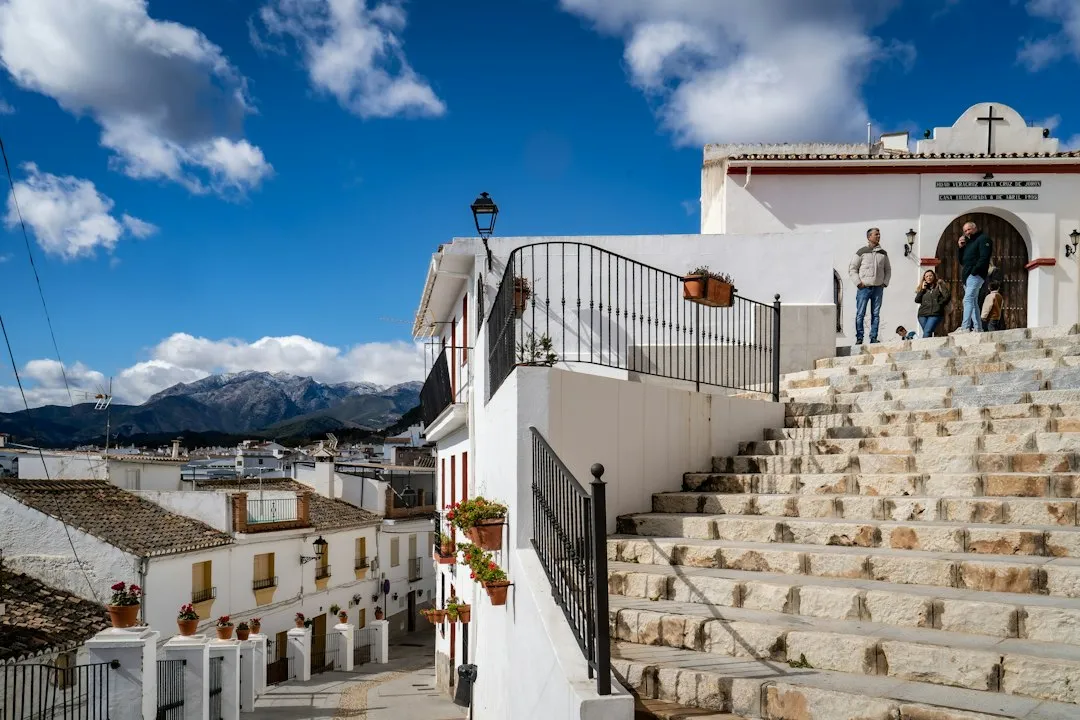
Beyond the headline cities, a quieter Spain persists. Small villages in Extremadura, the ancient hillside towns of the Alpujarras south of Granada, the wine roads of La Rioja, and the pilgrim paths leading into Santiago de Compostela all offer a pace and texture that feels worlds removed from mass tourism. Andalusia was the most popular travel destination among domestic tourists in 2024, registering nearly 32 million trips by residents of the country – which says a great deal about how much Spaniards themselves value their own land.
La Rioja offers centuries-old winemaking traditions with vineyard tours and tastings, complemented by local cheeses and hearty stews – a quietly absorbing way to spend several days that requires no famous monument to justify the journey. Tourism now accounts for around 12.6% of Spain’s GDP and supports more than 2.7 million jobs, which means that spending in local restaurants, small bodegas, and family-run guesthouses makes a direct and meaningful difference to real communities.
The Takeaway
Spain’s enduring appeal isn’t a mystery. It’s the product of extraordinary geographic variety, a food culture rooted in genuine passion, millennia of layered history, and a warmth toward visitors that has never felt performative. Spain closed 2025 with 97 million international visitors, marking a 3.5% increase compared with 2024 and keeping the country among the most visited nations worldwide. The numbers grow because the reasons to return keep multiplying.
Whether it’s your first time landing in Madrid or your tenth time returning to a favourite Andalusian village, Spain has a reliable way of making you feel like you’ve only just scratched the surface. That feeling, more than any single monument or meal, is the real reason this country never gets old.
AI Disclaimer: This article was created with the assistance of AI tools and reviewed by a human editor.