
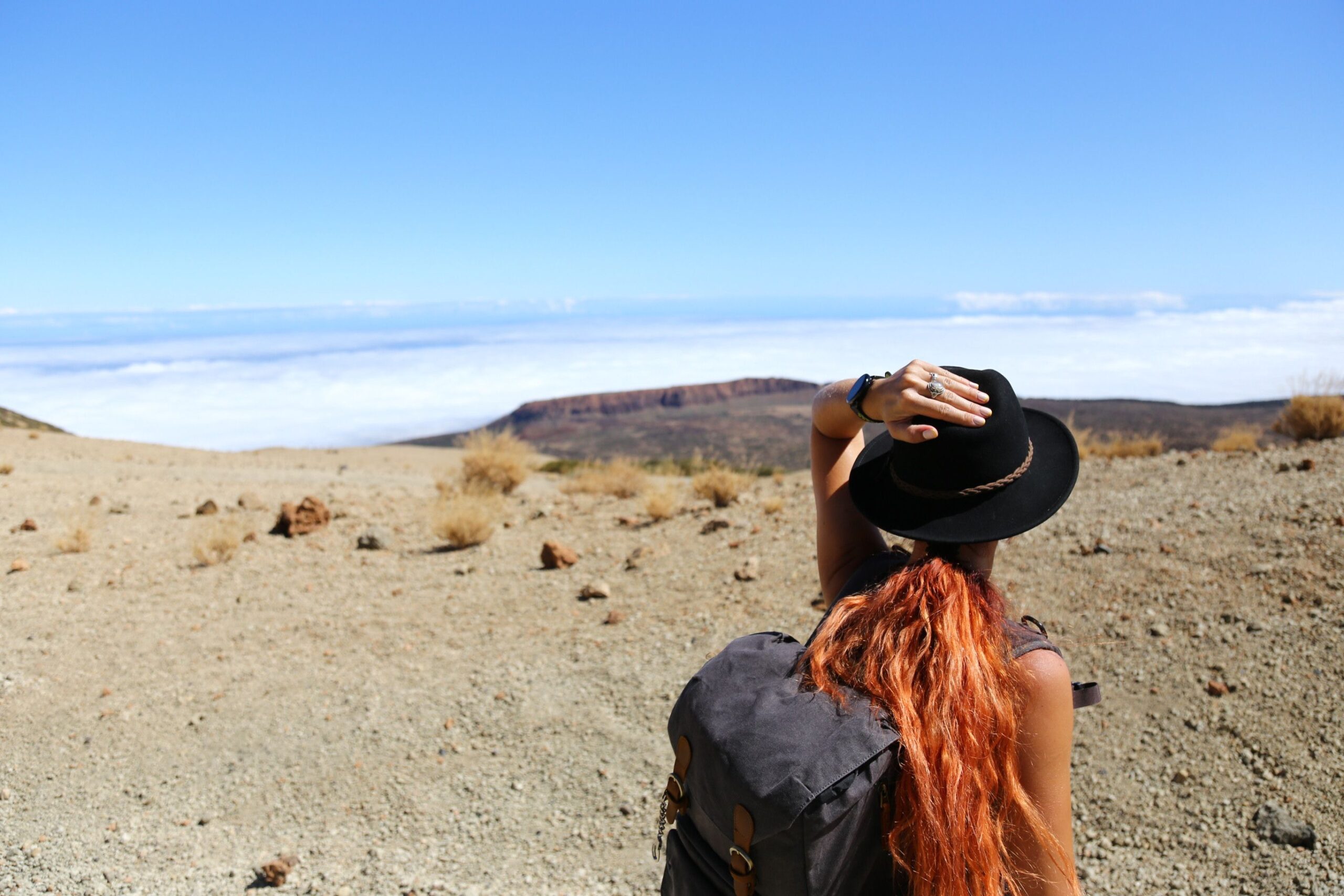
There’s something subtle happening in the way people are choosing to travel again. The frantic pace of post-pandemic “revenge travel” has lost much of its appeal, and in its place, a quieter, more intentional way of moving through the world is gaining ground. It doesn’t look entirely new – because it isn’t.
Revenge travel is now considered a thing of the past. Rather than traveling at any cost, consumers are slowing down and moving through the world more meaningfully, even if that means they travel less often. What’s filling the space looks a lot like what travel felt like in the 1990s: longer stays, handwritten notes, train carriages, and a genuine curiosity about local life. Here are five slow-travel habits from that era that are quietly but unmistakably returning.
1. Riding the Rails Without a Fixed Itinerary
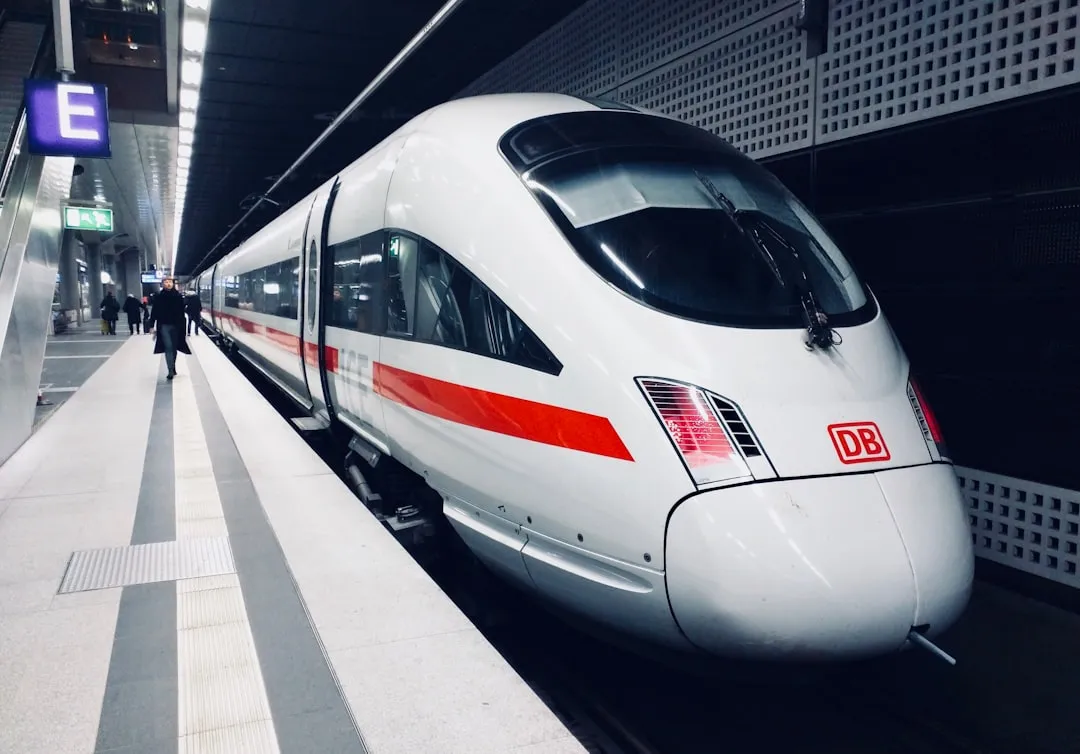
In the 90s, the Interrail pass was practically a rite of passage. You bought a pass, threw a rucksack over your shoulder, and let the timetable guide your plans more than any pre-booked schedule. That spirit is very much alive again.
Over 746,000 Interrail passes were sold in 2024 alone, a number that reflects a genuine appetite for open-ended rail exploration. Rail packager Railbookers reported a record year in 2024 with 30% growth in revenue, with bookings already running 31% ahead the following year.
As the movement toward flight-free travel gains traction and the popularity of interrailing continues to grow, European train journeys are making a remarkable comeback. New overnight routes are expanding the map: one of the most closely watched launches in 2026 is a revived Paris to Berlin night train, which became a symbol of Europe’s rail revival after European Sleeper stepped in to announce a new thrice-weekly connection beginning in March 2026.
2. Staying Longer in One Place Instead of Collecting Countries
The 90s backpacker didn’t always race through ten cities in two weeks. Many lingered. They found a cheap guesthouse in a town they liked and stayed until they felt ready to move on. That approach is returning, and it has a new name: the “slowcation.”
A survey of 2,000 US adults revealed that roughly six in ten travelers planned their vacations in 2024 with the main intention of slowing down and switching off, driven by mental health and wellbeing becoming a priority. Slow travel is more about a mindset than a pace of movement – it’s exploring somewhere on a deeper level, making space mentally and physically for things to happen spontaneously.
With slow travel on the rise, more travelers are exploring secondary cities and destinations instead of the overcrowded tourist hotspots. Slow travel is gaining momentum, increasing from 22% in 2025 to 26% in 2026 among long-haul travelers planning trips to Europe, according to the European Travel Commission’s Long-Haul Travel Barometer – a meaningful jump in a single year.
3. Keeping a Physical Travel Journal

Before everyone had a blog, travelers kept notebooks. Ticket stubs were tucked between pages. Pressed flowers marked chapters. Sketches filled the margins. It was a way of processing a journey that digital tools still haven’t quite replicated.
Long before blogs or vlogs, travelers documented their journeys with notebooks, ticket stubs, and pressed flowers – and that tactile approach is back. Journals and scrapbooks give people a way to reflect without screens, creating keepsakes that feel personal and lasting. Stationery brands report growing sales of travel-themed notebooks, stickers, and photo corners, and for many, journaling is both a mindfulness practice and a creative outlet.
Unlike fleeting digital posts, these journals become physical archives to revisit years later. There’s something in the act of writing by hand that forces you to be selective – to decide what actually mattered about the day rather than uploading everything and curating it later.
4. Sending Postcards and Handwritten Notes

The postcard was a ritual in the 90s. You’d find one at a corner shop, write something short and honest on the back, and mail it to someone at home knowing it might arrive after you did. The charm of that exchange is coming back around.
The tradition of sending postcards has declined in recent years, largely due to the rise of instant digital communication and increasing postage costs, yet more than 2.4 billion presorted postcards were still sent via first-class mail in the US in 2024. What is more interesting is how younger travelers are reinventing the postcard rather than abandoning it. Platforms like Postcrossing had facilitated the exchange of over 80 million postcards as of January 2025, with around a million registered every two to three months.
Tactile activities ranging from writing letters to TikTok communities showcasing calligraphy skills and wax seals are giving retro writing instruments a resurgence, providing opportunities to reduce technology use, be more intentional with time, and build meaningful connections with others. As the potential TikTok ban loomed in the US in early 2025, one mail club creator’s community grew from 25 fans to a community of 1,600 and counting.
5. Choosing Hostels and Communal Guesthouses Over Solitary Hotel Rooms
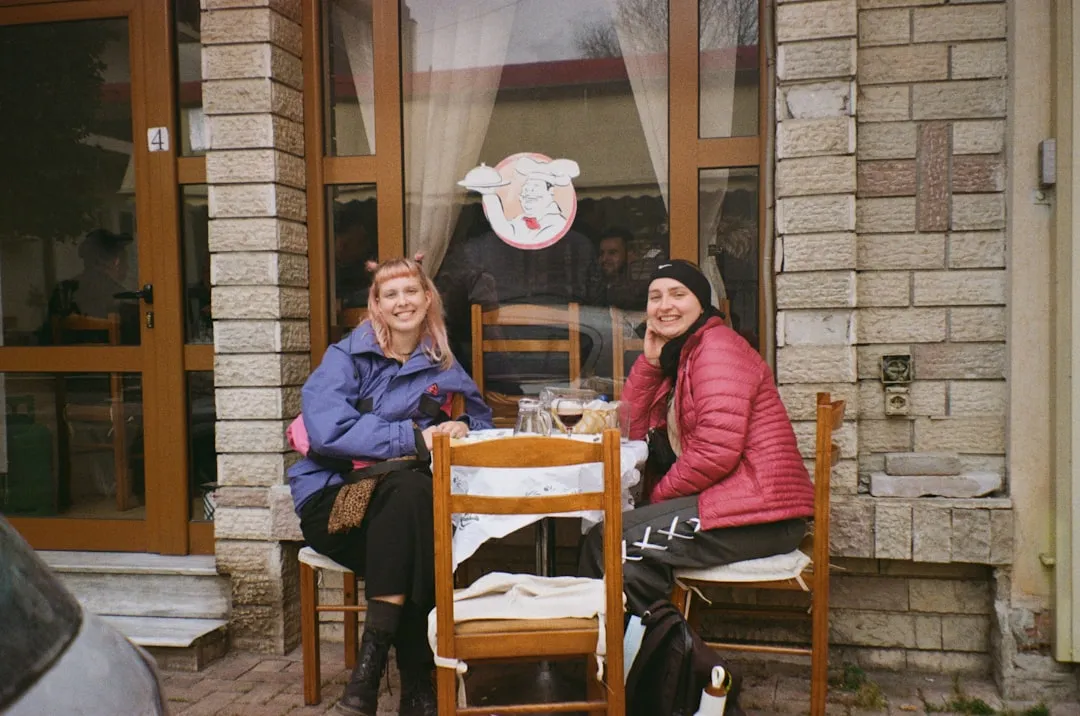
In the 90s, budget travelers didn’t just tolerate hostels – they loved them. Shared kitchens, bunk beds, and the certainty that someone interesting would walk through the door created a kind of spontaneous community that no hotel lobby could replicate. That pull is being felt again.
Back in the 90s, hostels were the budget traveler’s go-to. In 2025, they’re popular again, even for travelers who could afford more expensive options. Hostels now balance affordability with style, offering private rooms, coworking spaces, and community kitchens. Travelers are choosing connection and shared experiences over sterile luxury stays.
This connects to a broader shift in what travelers say they want from a trip. This robust expansion in slow travel reflects a fundamental shift in traveler preferences toward meaningful, immersive experiences that prioritize quality over quantity, with the primary growth catalyst being an accelerating global shift toward conscious consumption. Staying somewhere that throws you into conversation with other travelers – at breakfast, around a shared table – turns out to be a feature, not an inconvenience.
6. Embracing Unplanned Days and Wandering Without a Schedule
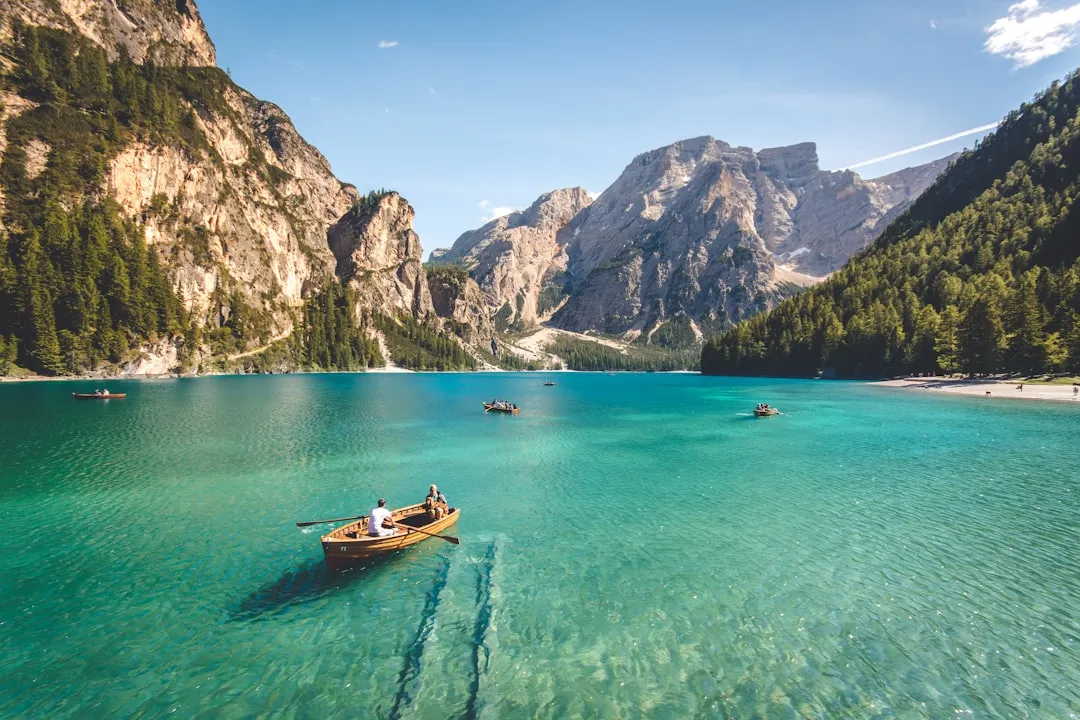
Perhaps the most defining habit of 90s slow travel was the willingness to do nothing in particular. No Google Maps walking tours, no pre-booked experiences. Just wandering a neighborhood, following what looked interesting, and seeing what the day offered.
A busy vacation with lots of pre-planned activities is less popular right now. Instead, having ample time to unwind and embrace local culture at a relaxed pace is the aim of the game for most travelers in this period. Slow travel, defined simply as traveling without a fixed plan, emerged as one of the most popular forms of travel in 2024 alongside road trips and multi-generational family trips.
The traveler of 2026 seeks connection over consumption. They want to understand the soul of a destination, not just its statistics. Unstructured time isn’t laziness – it’s often where the most lasting travel memories come from. A conversation in a bakery, a spontaneous detour to a market, an afternoon that went nowhere and felt perfect.
7. Traveling by Sleeper Train and Overnight Connections

Before budget airlines took over, the sleeper train was a beloved, practical, and faintly romantic way to cross borders. You climbed into a narrow bunk, felt the rhythm of the rails, and woke up somewhere entirely different. That experience is actively being revived across Europe right now.
Domestic night trains in France enjoyed double-digit passenger growth in 2024, prompting the government to order new rolling stock and to pledge the restoration of around ten national sleeper routes by 2030. Italy is also experimenting with heritage-inspired tourist trains that blur the line between transport and experience, with the Espresso Riviera launched in 2024 and expanded in 2025, offering vintage-style night and day services between Rome and the French Mediterranean coast.
Over the past year alone, there has been a wave of new investments in train trips, along with a resurgence in night trains in Europe as travelers look for more affordable and sustainable alternatives to flying across the continent. When you fly from London to Paris, you release fourteen times more carbon dioxide into the atmosphere than you would by taking a train – a fact that is becoming harder for environmentally aware travelers to ignore.
8. Taking the Scenic Route Literally (Road Trips With No GPS Rush)
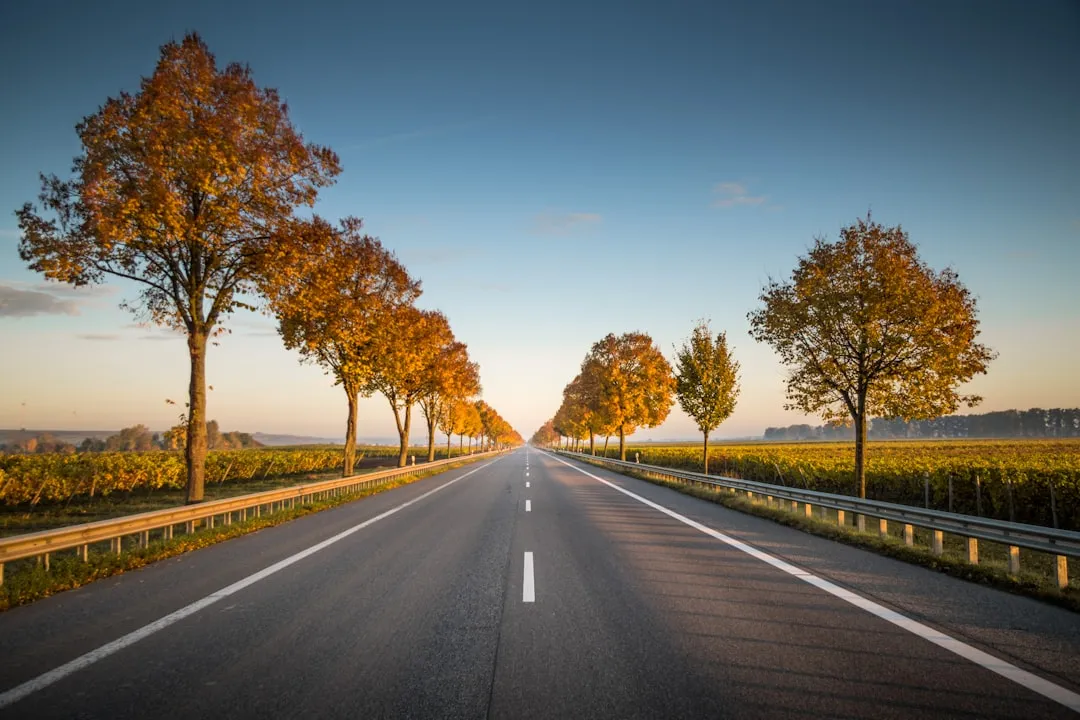
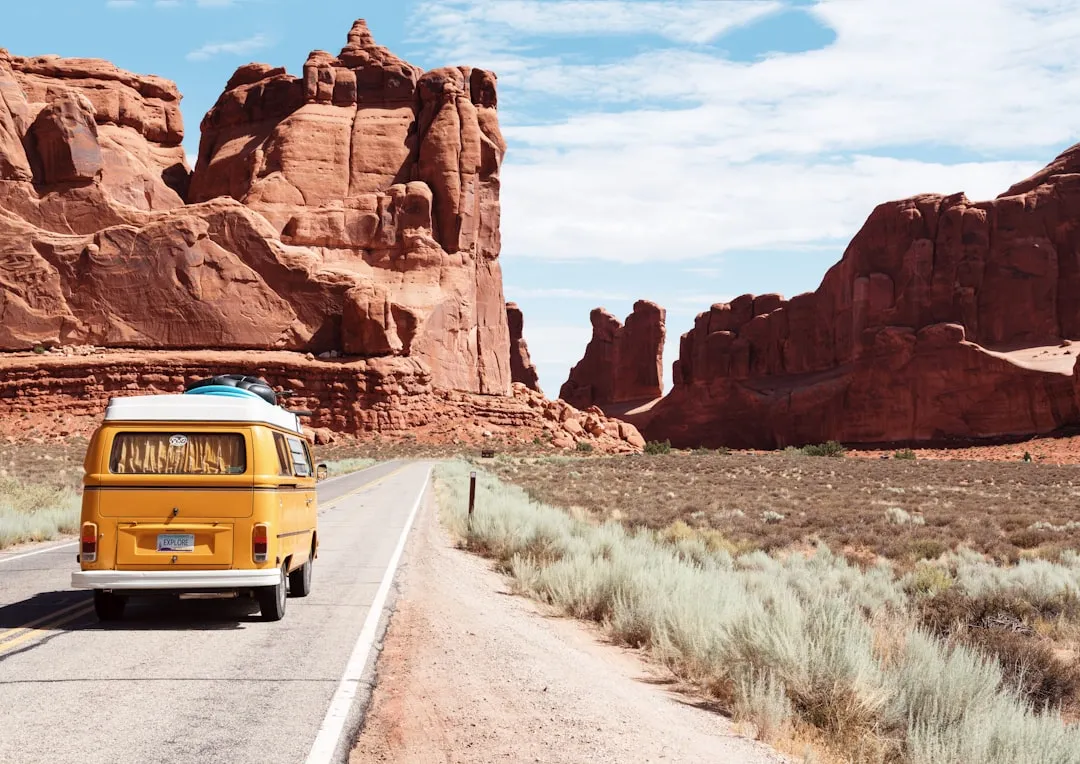
In the 90s, road trips involved paper maps, pulled-over conversations about which junction to take, and a real relationship with the landscape passing by the window. The destination mattered, but so did everything between. That sensibility is staging a quiet return.
Almost twice as many American travelers prefer to drive to vacation destinations than fly, and road trips were the most popular form of travel in 2024, chosen by roughly four in ten travelers surveyed. Road trips are set to remain among the hottest travel trends for 2025, with roughly a third of travelers reporting they are planning one.
What’s changed is the intention behind the journey. Today’s slow road trip isn’t just a practical choice – it’s a deliberate embrace of in-between time. The stops at small towns, the meals at roadside spots that don’t appear on any ranked list, the gradual sense of distance traveled. That’s the 90s road trip spirit finding its footing again.
9. Traveling With Analog Tools Alongside Digital Ones

Paper maps, guidebooks with dog-eared pages, hand-drawn directions from a guesthouse host – in the 90s these weren’t charming affectations, they were simply how travel worked. Today, some travelers are choosing to bring them back alongside their phones, not to be contrarian, but because they genuinely change the experience.
Old school travel is back, with paper maps, postcards, rail passes, and human help returning alongside smart payments and offline digital maps. Albums are becoming short photo books rather than infinite cloud folders, with fewer shots, better edits, and images that capture air, texture, and distance instead of adding to a scroll that forgets.
There’s a practical dimension to this too. Navigating by map means you look at your surroundings to orient yourself, not at a screen. You notice the street, the architecture, which direction the sun is. It’s a different quality of attention – and it’s one that slow travel depends on.
10. Seeking Out Secondary Cities and Overlooked Towns
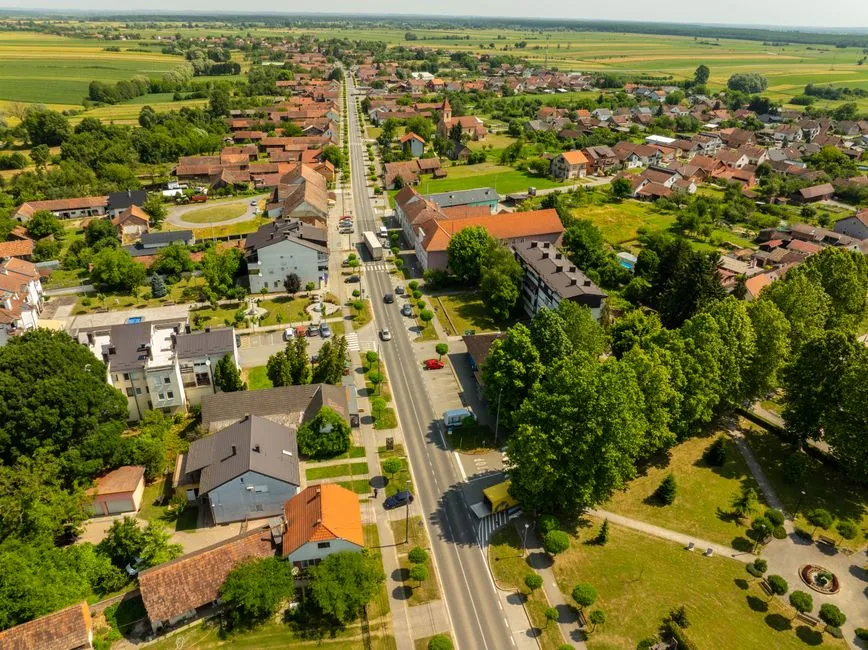
The 90s traveler didn’t always head straight to the most famous city on the continent. Budget constraints and word-of-mouth recommendations sent many of them to smaller places – towns that weren’t on every list, where the guesthouses were cheaper and the locals were less weary of tourists. That instinct is returning, and the data supports it.
In 2024, roughly seven in ten nights booked by travelers tracked in one major survey were in non-hotspot locations – a significant shift in where people are actually choosing to sleep. Sardinia, for example, saw a 90% year-over-year increase in US travelers at one Hilton property between 2023 and 2024, and a 150% increase in US travelers at another, alongside sharp increases from UK and Czech Republic visitors.
There is a certain wisdom in an older travel habit reasserting itself: spend longer in fewer places, and you actually get to know them. Secondary cities reward patience in ways that famous capitals often can’t. The rhythms are more visible. The culture is less performed. And the sense of discovery, so easy to lose in an over-documented world, is still genuinely intact.
The Quiet Return of Something That Was Always Worth Keeping
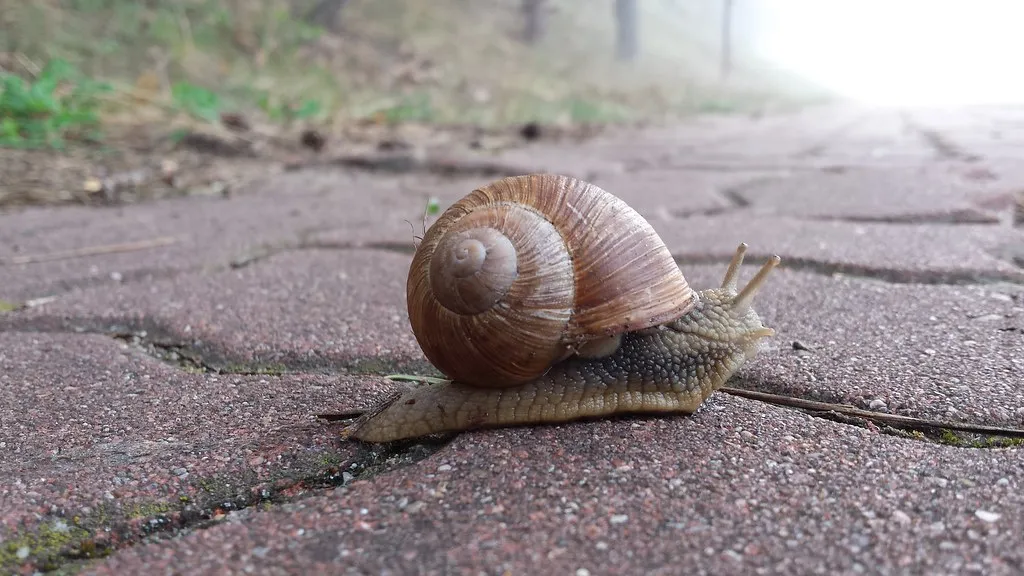
None of these habits ever entirely disappeared. They were just drowned out for a while by the noise of budget flights, packed itineraries, and the pressure to document everything in real time. The global slow travel market reached an estimated USD 120.4 billion in 2024, reflecting a robust and growing demand for immersive and mindful travel experiences.
Modern travelers, particularly in developed economies, are increasingly rejecting the traditional checklist tourism model in favor of extended stays, and the digital nomad community has grown exponentially, with approximately 35 million digital nomads globally as of 2025, many of whom adopt slow travel principles. The scale of this shift suggests it isn’t a passing aesthetic trend.
What the 90s got right about travel was something deceptively simple: being somewhere instead of just passing through it. The habits listed here are all expressions of that same instinct. They’re not about nostalgia for its own sake. They’re about recognizing that the slower ways of traveling still produce something the faster ones reliably don’t – the feeling that you were actually there.
AI Disclaimer: This article was created with the assistance of AI tools and reviewed by a human editor.