
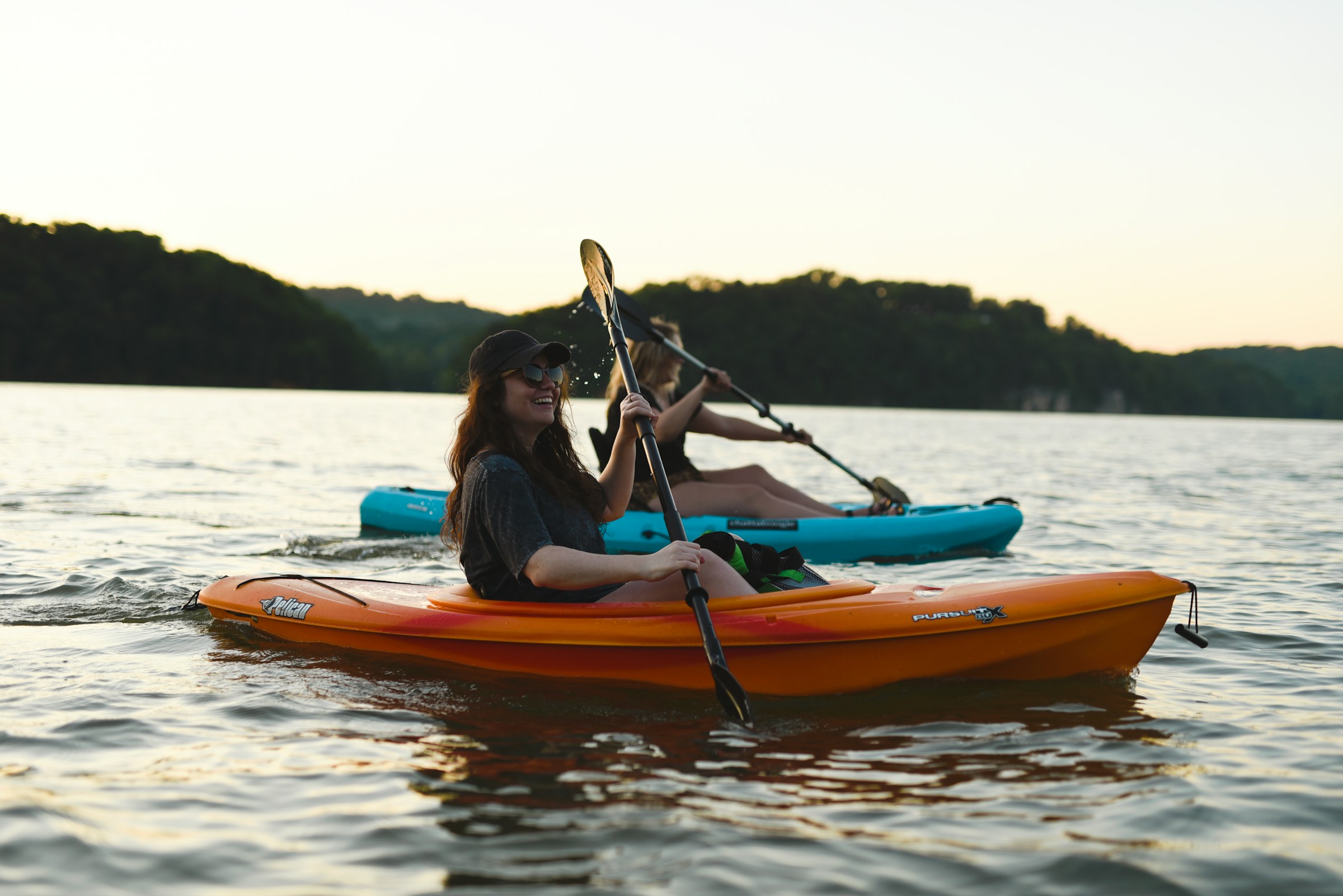

There are roughly 18 million people in the United States who kayak at least once a year, and many of them are heading out for a single-day paddle on a lake, a calm river, or a stretch of coastline. A day trip sounds simple. You’re not camping. You’re not crossing open ocean. What could go wrong?
Quite a lot, as it turns out. The difference between a beautiful day on the water and a serious emergency often comes down to what you packed before you launched. These five essentials deserve a place in your dry bag every single time.
1. A Properly Fitted Personal Flotation Device (PFD)
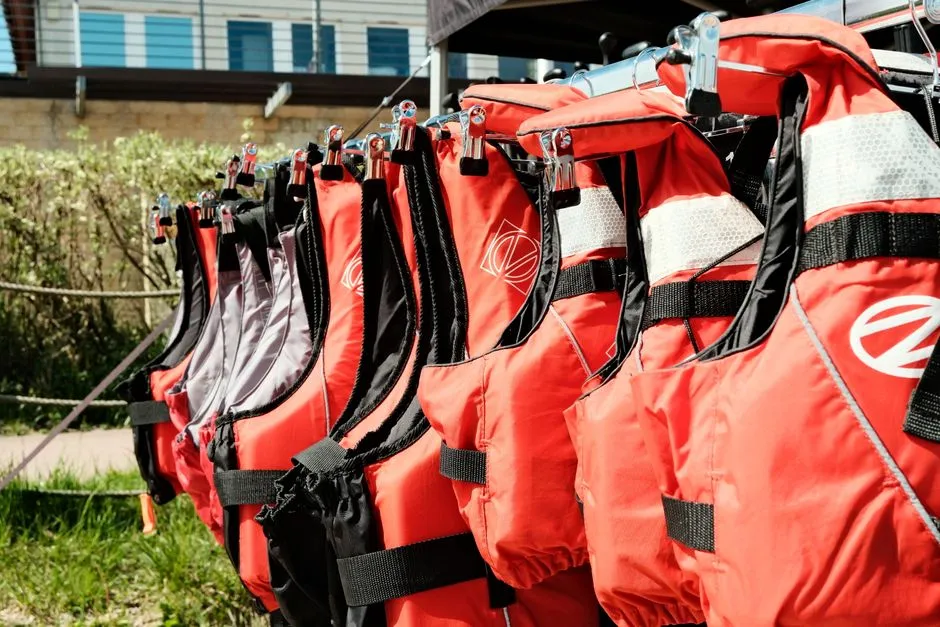
No item on this list carries more weight than a personal flotation device. According to U.S. Coast Guard statistics for 2024, in cases where cause of death was known, 87% of drowning victims in recreational boating accidents were not wearing a life jacket. That figure holds steady across multiple years of reporting, and it tells a sobering story.
While open motorboats were involved in most incidents, the 2024 report highlights a growing concern for paddlers specifically. Kayaks, canoes, and stand-up paddleboards accounted for a combined 26% of all boating fatalities. Being in a small craft doesn’t make you safer. In many conditions, it makes you more vulnerable.
A kayak life jacket keeps you afloat if you capsize or fall overboard. In a trauma or unexpected-immersion scenario, a PFD keeps your head above water so you can focus on your next move rather than fighting to stay afloat. Modern paddling PFDs are slim, comfortable, and designed not to restrict arm movement. There’s genuinely no good reason to leave it behind.
2. Appropriate Clothing for Water Temperature
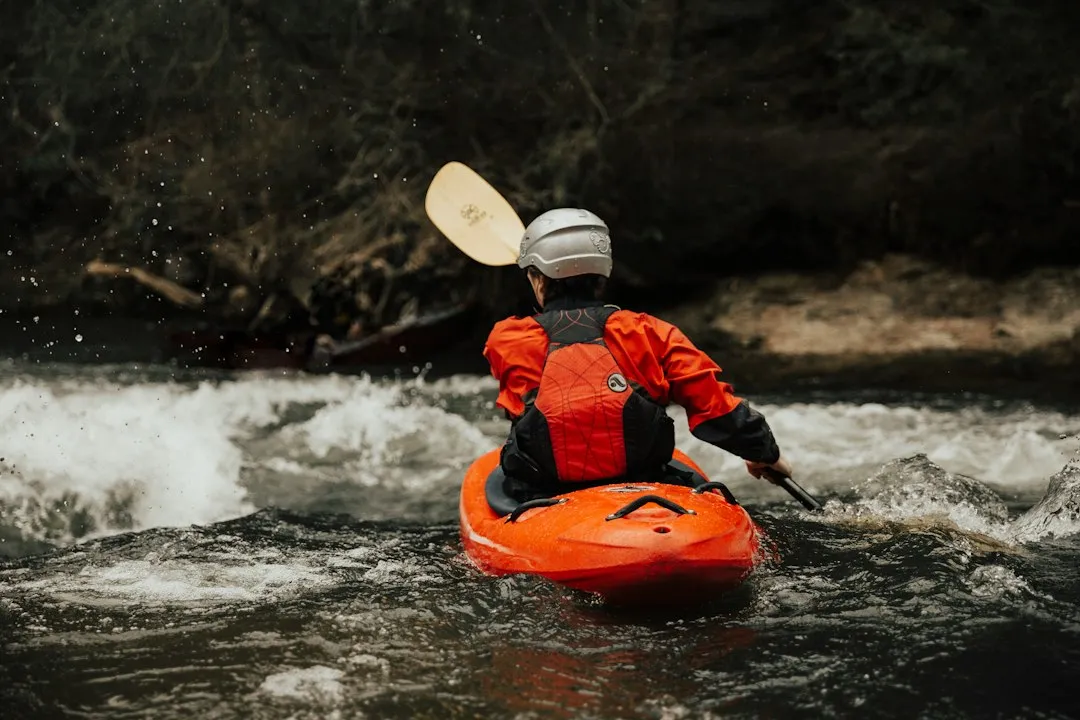
This is the packing decision that kayakers get wrong most often, and the consequences can be severe. The single most-broken rule in kayaking is dressing for the air rather than the water. A 75°F sunny day with 52°F water is cold-water conditions. If you capsize, hypothermia starts immediately, and you may have only 10 to 20 minutes of functional swimming before muscles fail.
Cold water draws heat from the body roughly 25 times faster than air, and no amount of sunshine can offset that. Statistics show that roughly 55% of kayak drownings occur in water temperatures below 60 degrees Fahrenheit. That’s a meaningful pattern, and it points directly to clothing choices made on shore before paddling begins.
Cotton absorbs water, holds it against your skin, provides no insulation when wet, and in cold conditions accelerates heat loss rather than preventing it. Synthetic or merino wool quick-dry layers are the standard recommendation from guides and safety instructors alike. For colder water, a wetsuit or drysuit may be necessary regardless of the air temperature.
3. Sun Protection
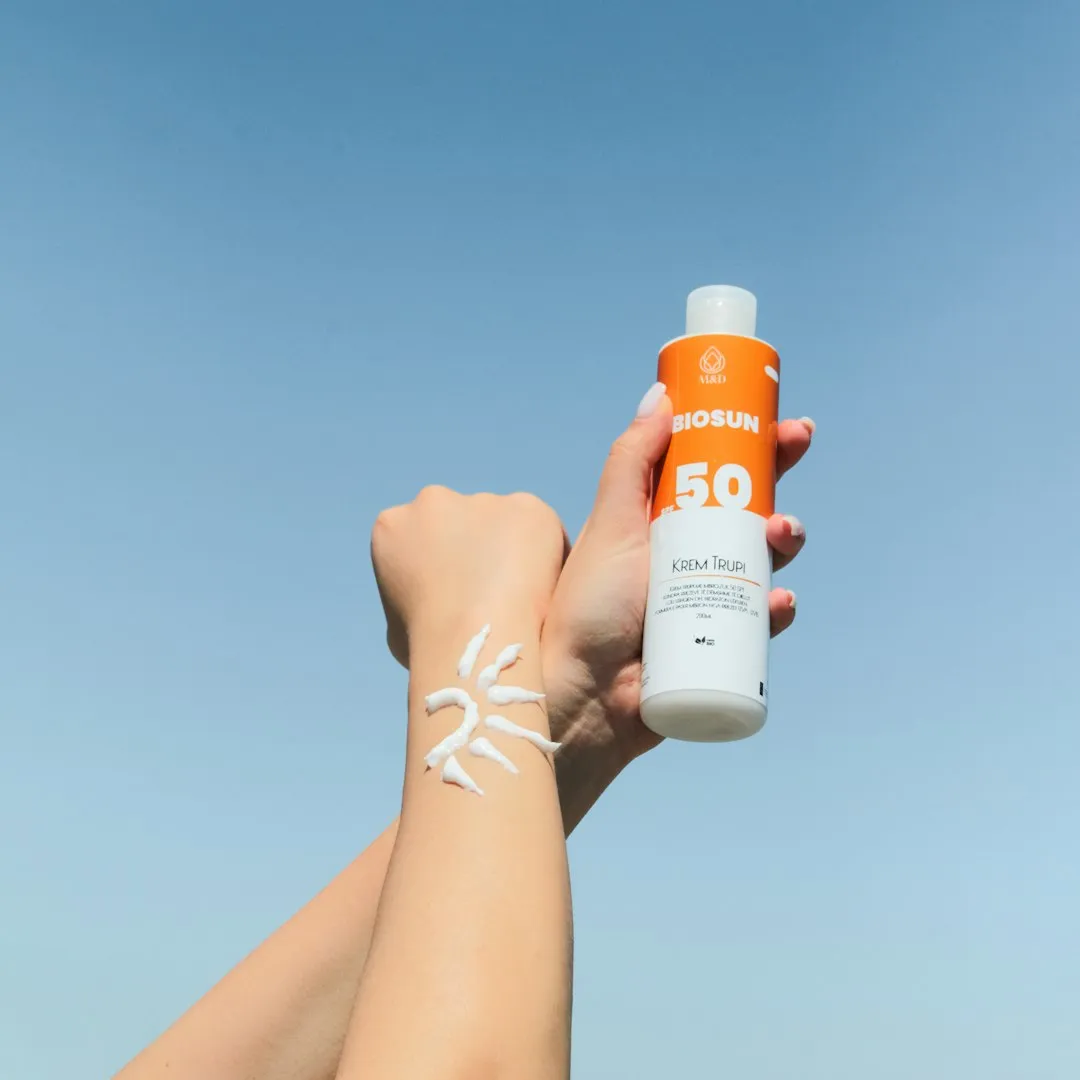
Sun exposure on the water is more intense than most people expect. Water reflects ultraviolet radiation back upward, meaning you’re receiving UV from two directions at once. A sun hat with a brim, UV-protective paddling gloves, and a good water-resistant SPF 50 sunscreen are essential if you’re going to be out for more than an hour.
A UPF 50 long-sleeve shirt is your single best skin-cancer prevention. Wide-brim hats with chin straps are preferred over caps, since caps blow off easily. Polarized sunglasses with a strap protect against permanent eye damage caused by water glare over time. Reef-safe sunscreen with SPF 30 or higher should be applied to hands, neck, ears, and any exposed skin.
On warm-water paddles, sun protection isn’t just comfort. It’s the primary safety concern once hypothermia risk drops away. Don’t underestimate how quickly a full day of paddling can turn into a serious burn, especially at higher elevations or in open water without shade.
4. Water and Snacks
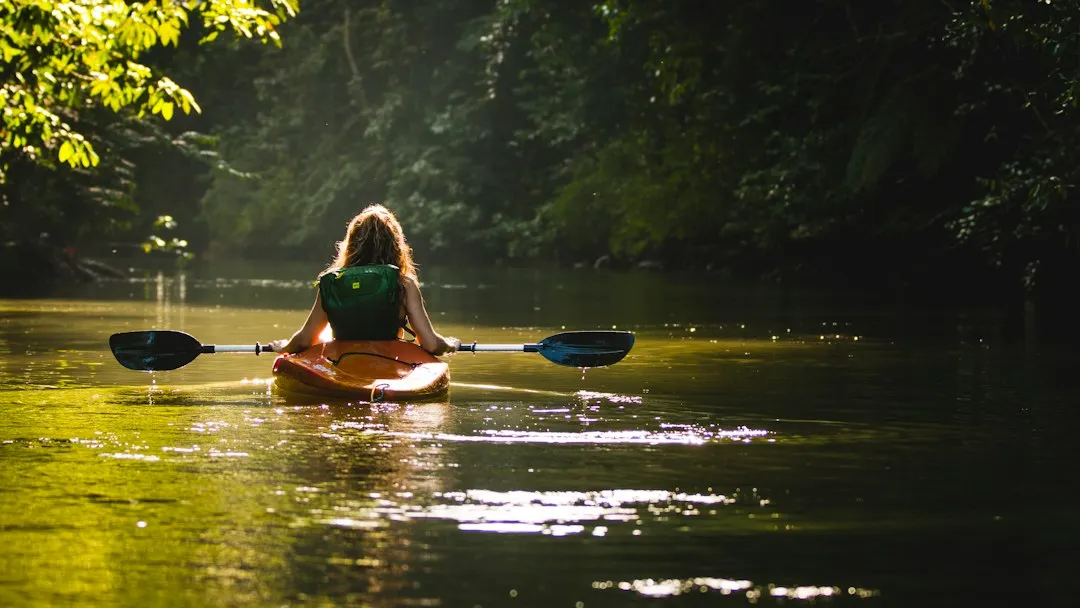
Dehydration sneaks up on kayakers for a simple reason: you’re surrounded by water and rarely feel thirsty in the conventional sense. Wind, sun, and sustained physical effort all accelerate fluid loss even when the temperature feels mild. A general guideline is to carry at least one liter of water per two to three hours of paddling.
Hydration is critical, especially under the sun. Bringing at least one large reusable water bottle per person is the baseline recommendation. Insulated bottles help keep water cool for hours. On longer or warmer-day paddles, a second bottle is sensible. Running out of water halfway through a trip is an easy problem to prevent and a miserable one to experience.
Keep frequently needed items like snacks, sunscreen, a water bottle, and your camera within arm’s reach, either in the cockpit or on the deck. High-energy, compact snacks like nuts, energy bars, or dried fruit work well. You don’t need a full meal, but steady fueling keeps your paddling strong and your decision-making sharp throughout the day.
5. A Dry Bag with Safety Essentials
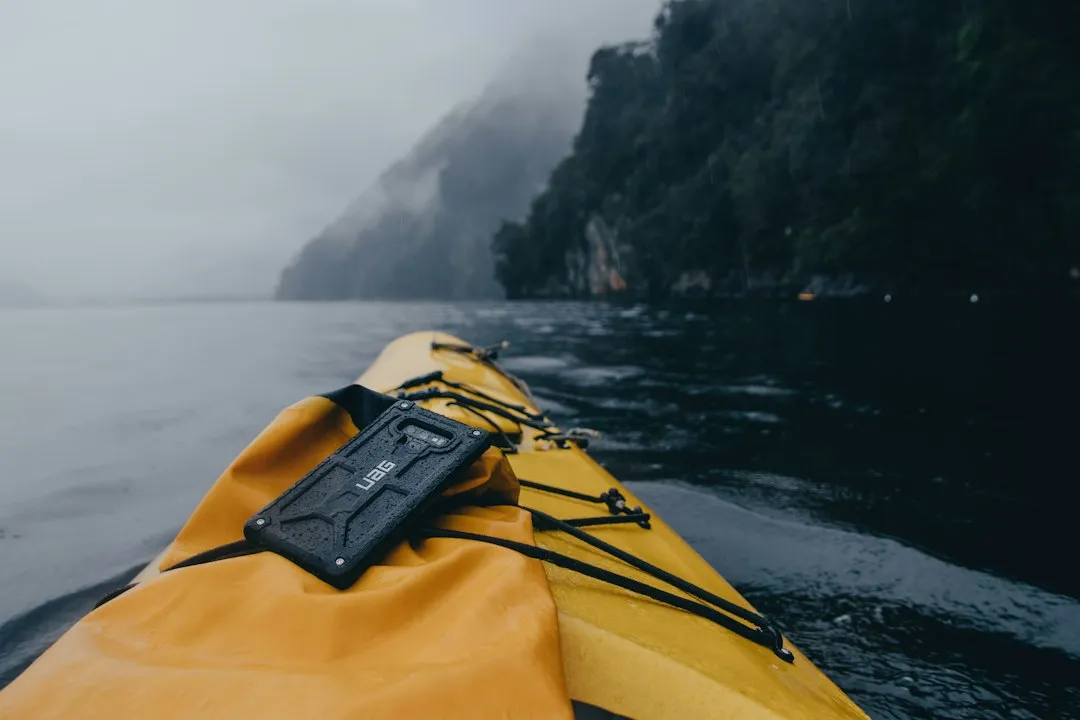
Every item you bring on a kayak is at risk of getting wet. A dry bag solves that problem cleanly. Even on a calm river, splashes are inevitable. A dry bag keeps your phone, wallet, snacks, and other items safe and dry. A small or medium-sized bag that fits comfortably in your kayak is the practical choice.
Inside that dry bag, a few safety items matter most. A fully charged phone in a waterproof case or dry bag is valuable both as a navigation tool and for emergencies. In more remote areas, a VHF radio or personal locator beacon is worth considering. A whistle attached to your PFD is also a Coast Guard requirement for paddlers in the United States, and it’s one of the most effective signaling tools you can carry.
When using dry bags, roll the tops down at least three times and clip them shut. Color-coding your bags by category, such as red for first aid and blue for food, makes digging through a loaded kayak far less frustrating. A compact first aid kit, a spare layer, and your emergency contacts written on a waterproof card round out a well-prepared safety kit for any day on the water.
6. Navigation Tools
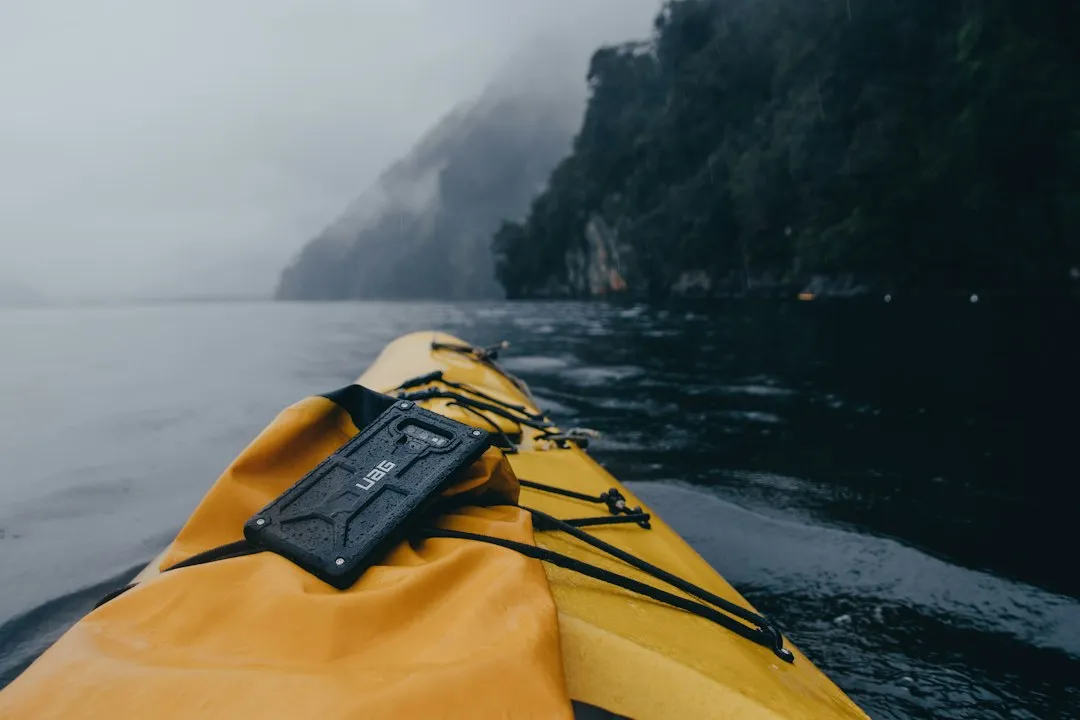
Essential navigation tools for a kayak day trip include a chart or map, a compass, and a GPS device. Even on familiar waterways, conditions can change. Fog can roll in, currents can shift, and landmarks that seemed obvious from shore can become disorienting once you’re low on the water. A simple plan filed with someone onshore gives rescuers a starting point if something goes wrong.
A phone with an offline map downloaded is a reasonable starting point for most calm-water day trips. On open water or in areas with poor cell coverage, a dedicated GPS unit or a waterproofed paper chart adds real security. Only about one in five kayakers involved in accidents had received formal safety instruction, which suggests that basic preparation, including understanding how to navigate your route, remains widely overlooked.
7. A Whistle and Signaling Device
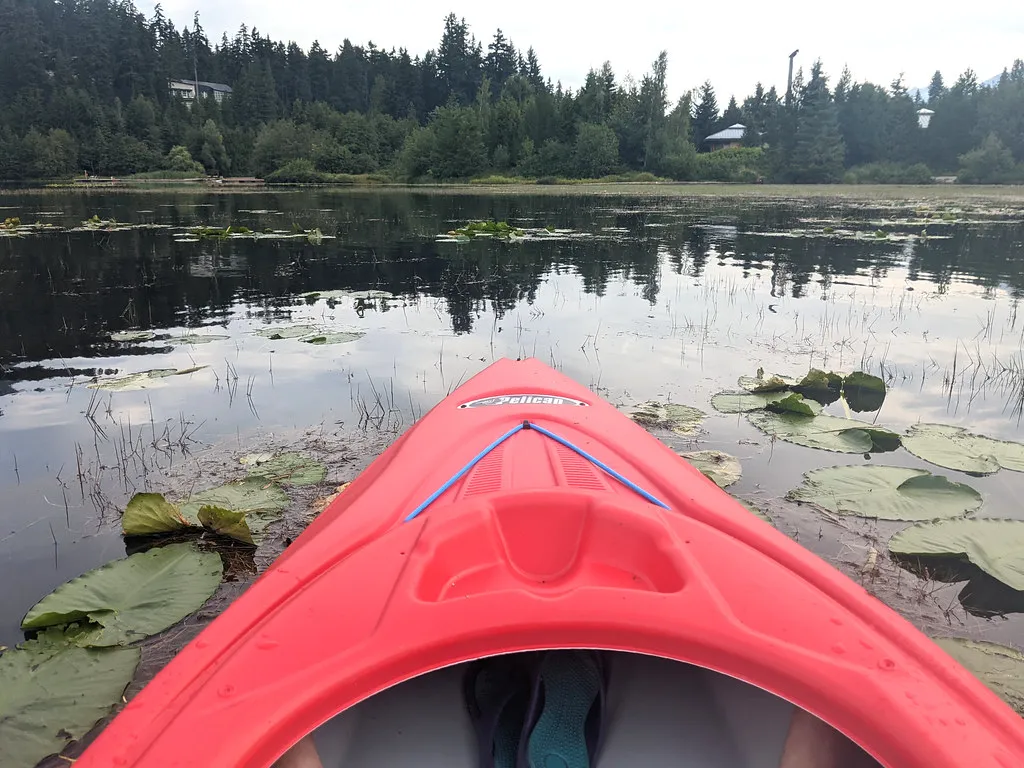
A whistle is one of those items that weighs almost nothing and takes up essentially no space, yet it’s frequently left behind. In the United States, federal regulations require that kayakers carry a sound-producing device. A whistle attached to the PFD is the standard and most practical option. It keeps the device accessible without any searching or fumbling.
Three ways to call for help in an emergency is a solid standard to aim for: a whistle, a signaling mirror, and a device to communicate with no cell service. That combination covers a range of scenarios, from signaling a nearby boater to reaching emergency services in a dead zone. It’s a low-cost, lightweight investment with a potentially significant return.
8. An Extra Layer of Clothing

Weather on the water is rarely as predictable as the morning forecast suggests. Temperatures drop once the sun moves behind clouds, and wind off the water can feel dramatically colder than the air temperature would imply. Pack an extra layer even if the forecast looks perfect. Weather changes, wind and rain can come unexpectedly, and a dry fleece or windbreaker stuffed in a stern hatch is easy to be grateful for.
This extra layer doesn’t need to be bulky. A lightweight packable windbreaker or a thin synthetic fleece compresses down small and fits easily into a dry bag. The goal is simply to have something dry and insulating available if conditions shift. Extra hot weather can also pose a risk for dehydration, heat exhaustion, and sunburn, but these are fairly easily managed with sunscreen, sun-blocking apparel, and plenty of drinking water.
9. A First Aid Kit
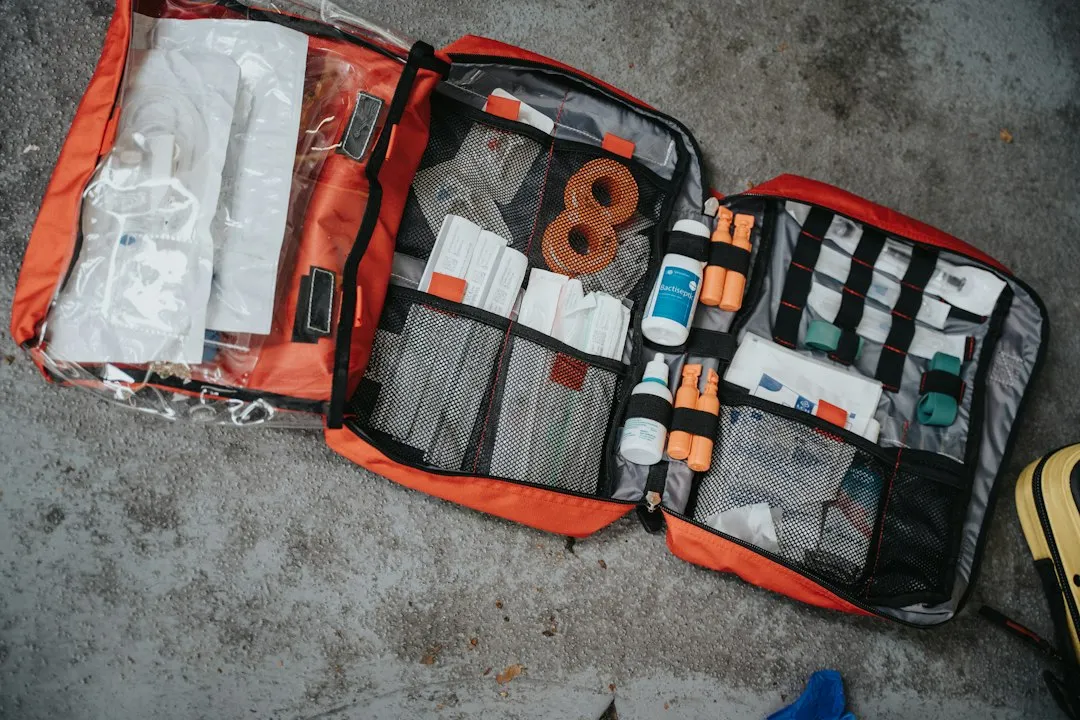
A compact, waterproofed first aid kit is one of those items that feels unnecessary right up until the moment it isn’t. Cuts, blisters, minor sprains, and abrasions are all realistic outcomes of a day on the water, especially on rocky shores or in surf. A comprehensive kit should include emergency gear such as first aid supplies and repair tools alongside personal items, medications, and navigation gear.
For a day trip, you don’t need a wilderness medicine kit. Adhesive bandages, antiseptic wipes, blister pads, pain relievers, and any personal medications cover the majority of situations. Keeping the kit sealed in a small dry bag inside your larger dry bag ensures it stays usable even if everything else gets soaked.
10. Footwear That Stays On

Footwear might seem like a minor consideration, but it matters in ways that aren’t obvious until you’re scrambling over wet rocks at a launch site or wading out to retrieve your kayak. Flip-flops and bare feet are common choices that consistently cause problems. Sturdy water shoes are essential, particularly for any hiking, rocky terrain, or muddy conditions that come with the territory.
Water shoes or secure footwear are a standard recommendation across kayaking packing guides. Look for a shoe with a heel strap and a non-slip sole. Neoprene booties are another solid option in cooler conditions, offering both grip and some thermal protection for the feet. The goal is footwear that will still be on your feet if you unexpectedly end up in the water.
Ready for the Water

A kayaking day trip is one of the most rewarding ways to spend time in nature. Calm mornings on a glassy lake or a slow paddle down a tree-lined river can feel genuinely restorative. The packing list doesn’t have to be overwhelming. These ten essentials, led by a properly worn PFD and rounded out by thoughtful preparation, cover the vast majority of what the day can throw at you.
The data from the U.S. Coast Guard and paddling safety organizations consistently points to the same conclusion: most kayaking accidents involve people who were underprepared rather than unlucky. A little time spent checking your bag before you leave the car is time very well spent.
AI Disclaimer: This article was created with the assistance of AI tools and reviewed by a human editor.