
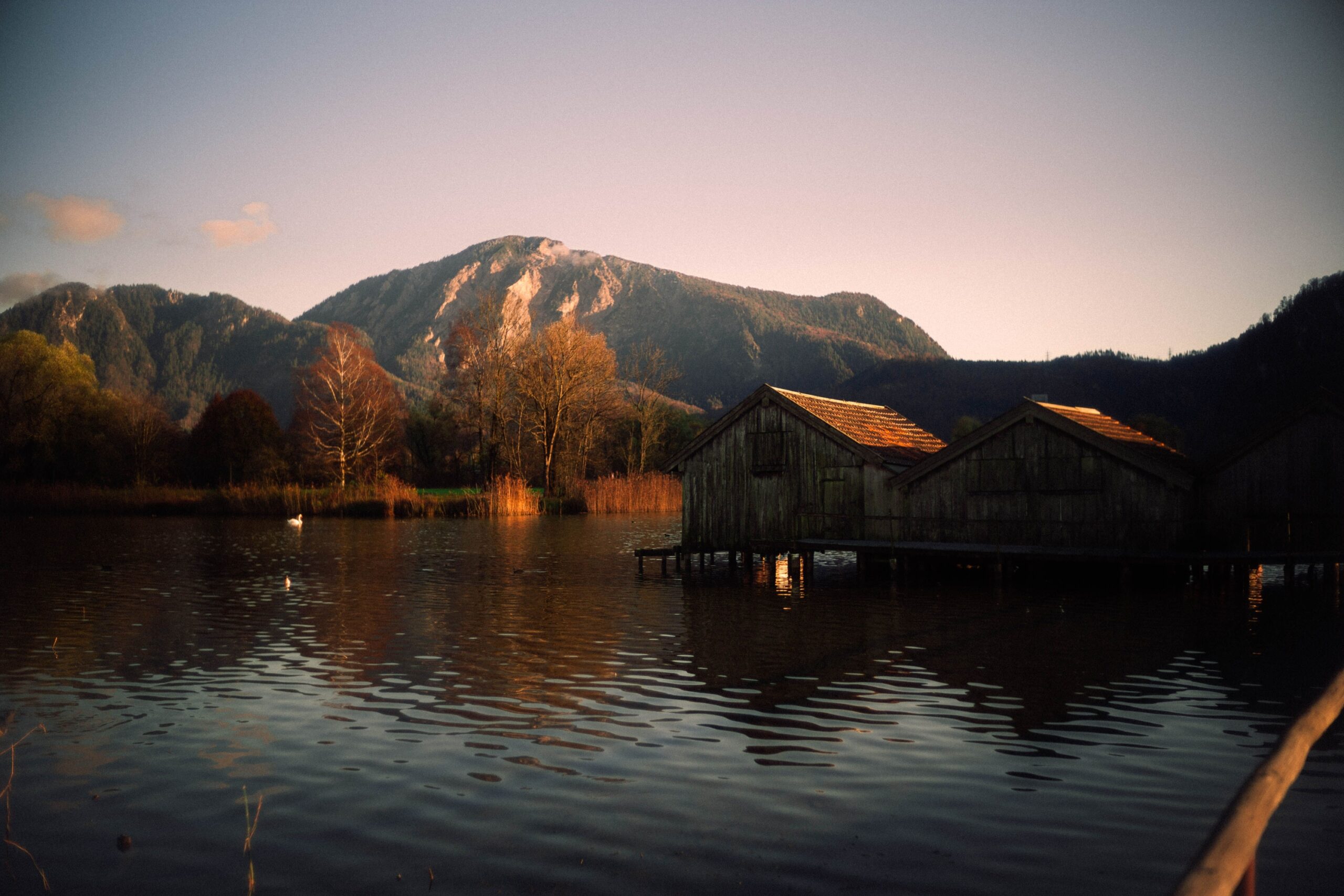

1. Layered Clothing for Every Hour of the Day

Lake air has a personality all its own, and it tends to shift fast. Pack comfortable layers that work from morning to night. Lightweight shirts, sweatshirts, leggings, joggers, jeans, and a rain jacket can all come in handy. Even in the warmer months, evenings by the lake can feel cooler than expected.
For spring and fall visits, pack light layers, a waterproof jacket, and comfortable hiking shoes, as temperatures can change quickly and versatility is key.
Adding something cozy for the cabin itself matters too. A favorite sweatshirt, soft socks, or lounge clothes make mornings and evenings feel more relaxed. Cabin time is all about settling in, not dressing up.
2. Swimsuits and Lake-Friendly Gear
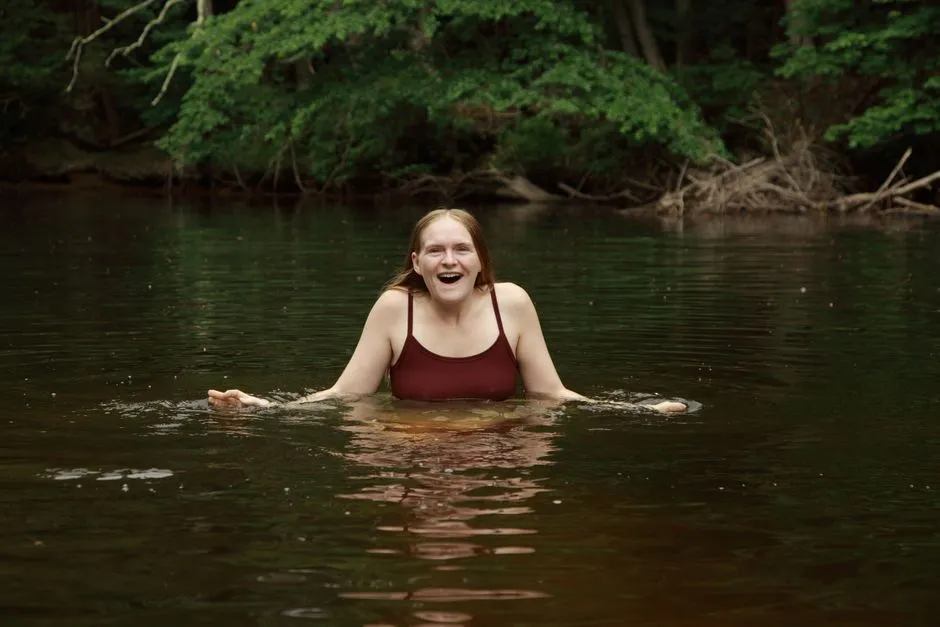
Include lake-friendly clothes. Swimsuits, coverups, quick-change outfits, and clothes that can handle a little sand or grass make the day feel easier. If you’re traveling with kids, pack more dry clothes than you think you’ll need.
If your cabin is on a lake, a bathing suit is an absolute must. Water shoes are worth the small amount of space they take up, especially on rocky shorelines or slippery docks.
A dry bag for valuables on the boat or dock is also a smart addition to your lake weekend essentials. Phones and cameras near water rarely end well without one.
3. Broad-Spectrum Sunscreen, SPF 30 or Higher
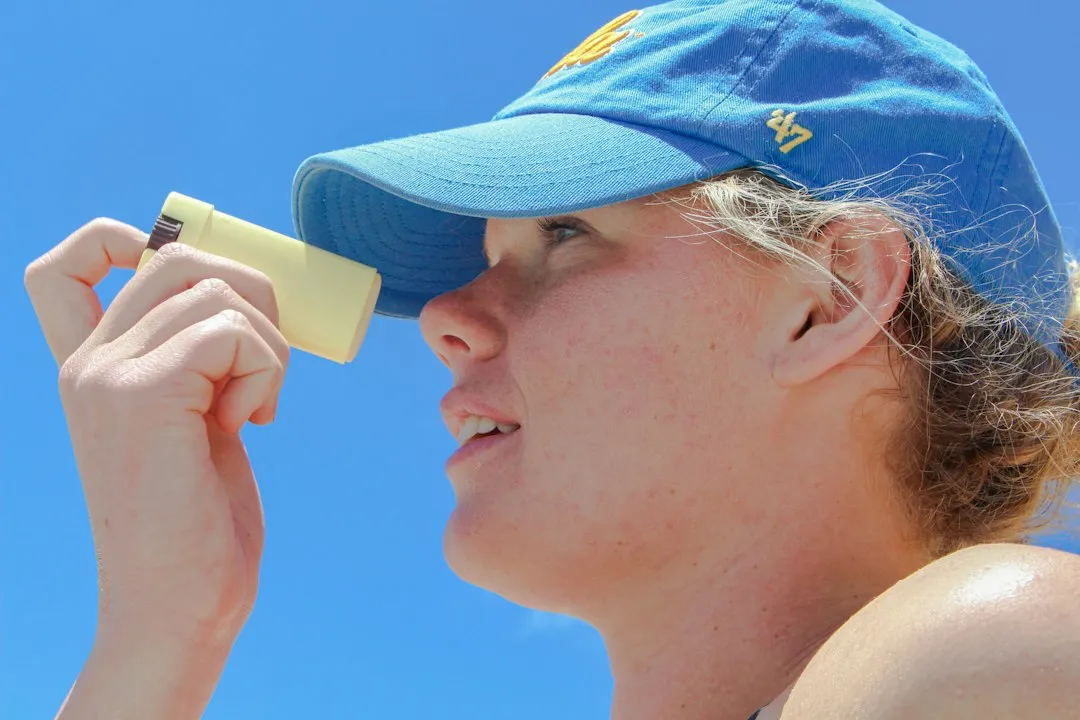
Spending long hours near reflective lake water significantly increases your UV exposure. The protection math here is worth knowing. SPF 15 offers protection from about 93% of UVB radiation, while SPF 30 blocks 97% and SPF 50 blocks 98%.
No matter what SPF you use, the protective effects of sunscreen wear off after about 90 minutes. Reapplication isn’t optional when you’re out on a dock or paddling across open water.
Apply sunscreen 30 minutes before going outside, and reapply at least every two hours and after swimming or sweating. Dermatology organizations recommend daily use of a broad-spectrum, water-resistant sunscreen with an SPF of 30 or higher, applied in sufficient quantity and reapplied regularly when outdoors.
4. Effective Bug Spray
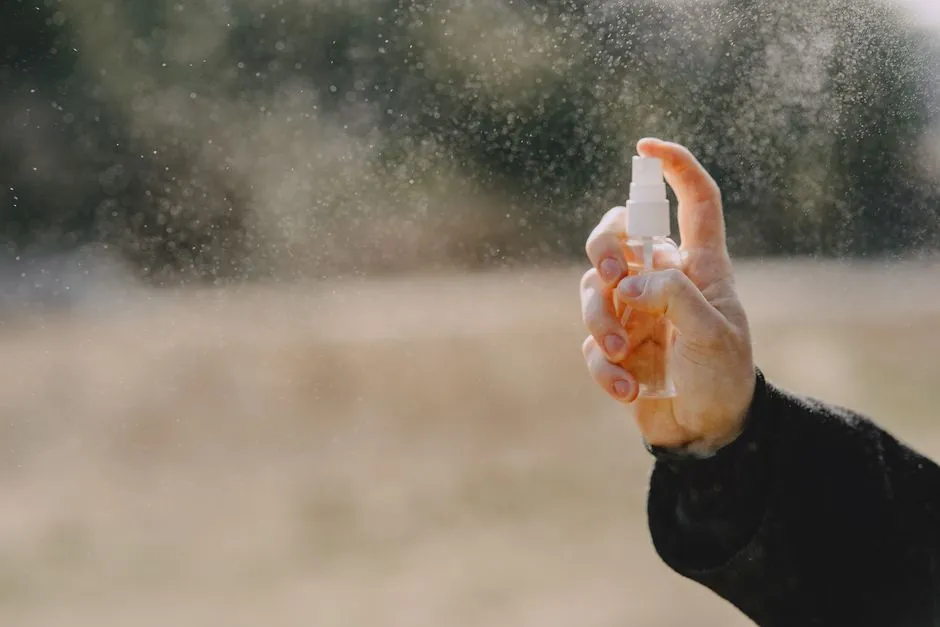
Lakeside settings and mosquitoes go hand in hand. This is genuinely non-negotiable. Evenings near the water in particular can turn from lovely to miserable quickly without proper protection.
Since you’ll be outside a lot, both at night and during the day, keeping bug spray on you is a must. Look for formulas with DEET or picaridin, both of which are well-supported by evidence for effectiveness.
It’s also worth packing citronella candles as a softer backup for the porch or fire pit area, where bugs tend to gather most as the sun goes down.
5. A Reliable First Aid Kit

A first aid kit is recommended for any vacation home stay, in case of unexpected small injuries. Have bandages, gauze, antiseptic wipes, antibiotic creams, tweezers, medical tape, and pain relievers for a solid basic kit.
A first aid kit is especially useful for minor cuts or scrapes that happen during outdoor activity. Hiking around the lake, handling firewood, and climbing in and out of boats are all common sources of minor injuries that most people don’t anticipate.
Always bring any medications you’ll need as well. Prescription medications in particular can’t be improvised, and the nearest pharmacy may be farther than you’d expect.
6. A Headlamp or Flashlight
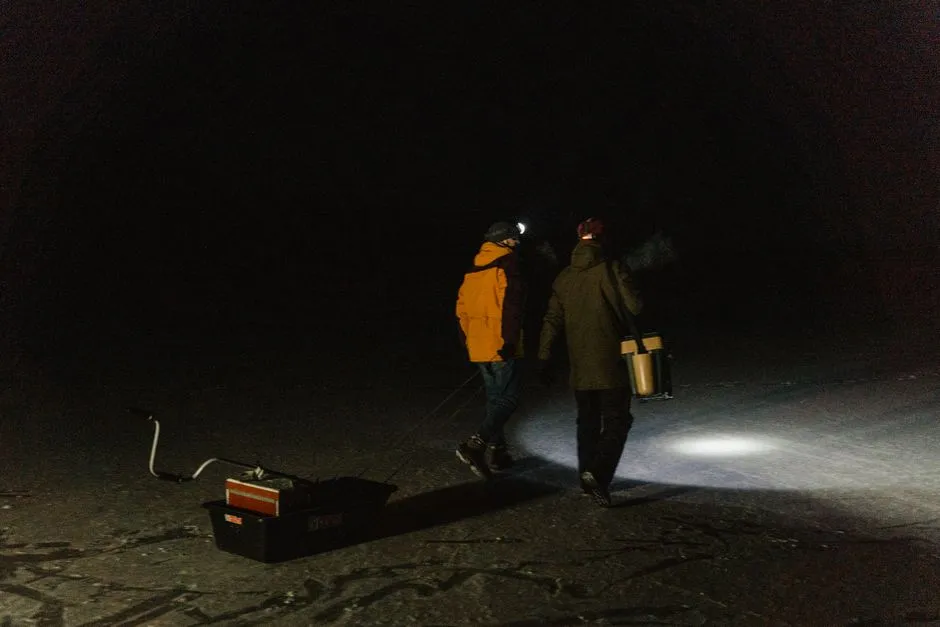
During a first cabin stay, the lights can go out without warning, so you never know when you’ll need a flashlight. Lakeside properties often sit in areas where the grid is less reliable, and full, dark nights in the woods are genuinely dark.
A headlamp is often more practical than a handheld flashlight since it leaves both hands free for navigating a trail to the dock, tending a fire, or finding the woodpile after dark. Bring fresh batteries or ensure the unit is fully charged before you leave home.
If cell service is spotty, it also helps to download a map on your phone in advance and print a physical backup just in case. Navigation and emergency access matter more when you’re far from town.
7. A Quality Cooler Stocked for the Weekend
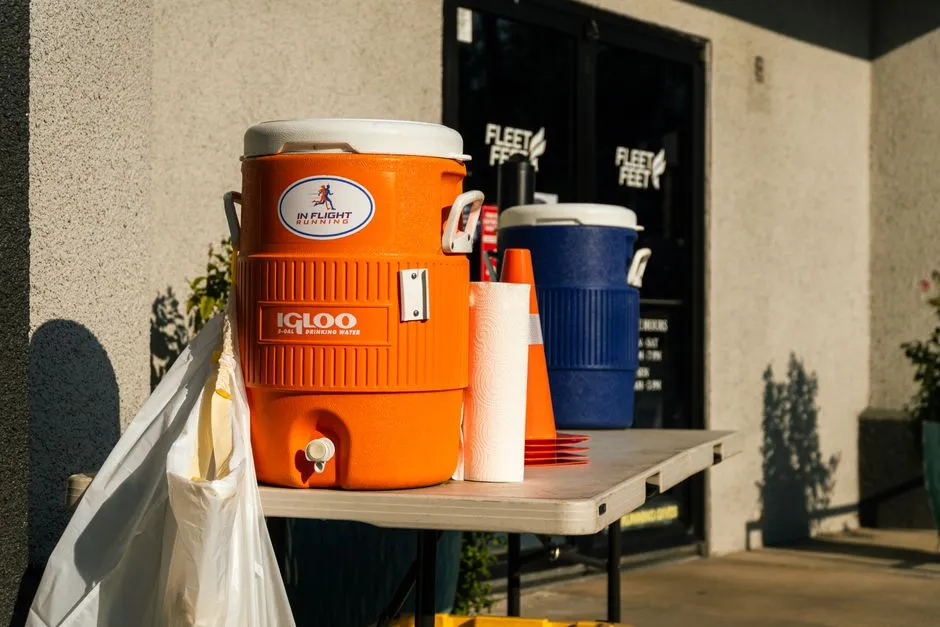
Keep perishable food at 40°F or below and follow the two-hour rule, or the one-hour rule when temperatures exceed 90°F. This is food safety guidance from established health bodies, and a lakeside weekend in warmer months puts you close to that threshold regularly.
Bring cooking oil and butter, basic spices, aluminum foil for campfire packets, bread and sandwich supplies, raw meats, fresh produce, and easily portable snacks. Simple is the right approach for cabin cooking. The less complicated the prep, the more time you spend enjoying the lake.
A dependable cooler with adequate ice keeps everything safe and saves you from a rushed grocery run on day one. Choose one with a solid seal and enough capacity for your full group’s needs across the entire stay.
8. Cozy Blankets and Indoor Comfort Items

Most cabins have bedding, but your own blanket adds instant comfort. It keeps you warm during those chilly movie nights and feels genuinely familiar.
Pack a lightweight but warm throw. Fleece or sherpa works great. Lakeside nights are often cooler than you’d expect, even in summer, and the cabin porch is one of the best places you’ll spend your evening. Being comfortable out there matters.
Once you’re inside, cozy slippers or warm indoor socks are a genuine upgrade. Cabin floors tend to be cold, and slipping out of hiking boots into something soft is one of those small pleasures that quietly defines the whole weekend.
9. A Portable Power Bank and the Right Tech Minimums

Confirm cell signal, Wi-Fi availability, and electricity at your cabin before booking, as these vary considerably across properties. Some lakeside rentals are fully off-grid, others have reliable power but no cell service, and it’s worth knowing which you’re dealing with before you arrive.
A phone, charger, and portable battery pack belong in any lake weekend essentials list. A fully charged power bank is particularly important if you’re hiking, kayaking, or spending time away from the cabin where outlets won’t be available.
A Bluetooth speaker for music by the fire pit is a worthwhile addition. Keep tech intentional rather than excessive. A cabin weekend is genuinely improved by disconnecting somewhat, so the goal with electronics is to have what you need for safety and communication, not to recreate your home setup in the woods.
10. Outdoor Recreation Gear for the Lake Itself
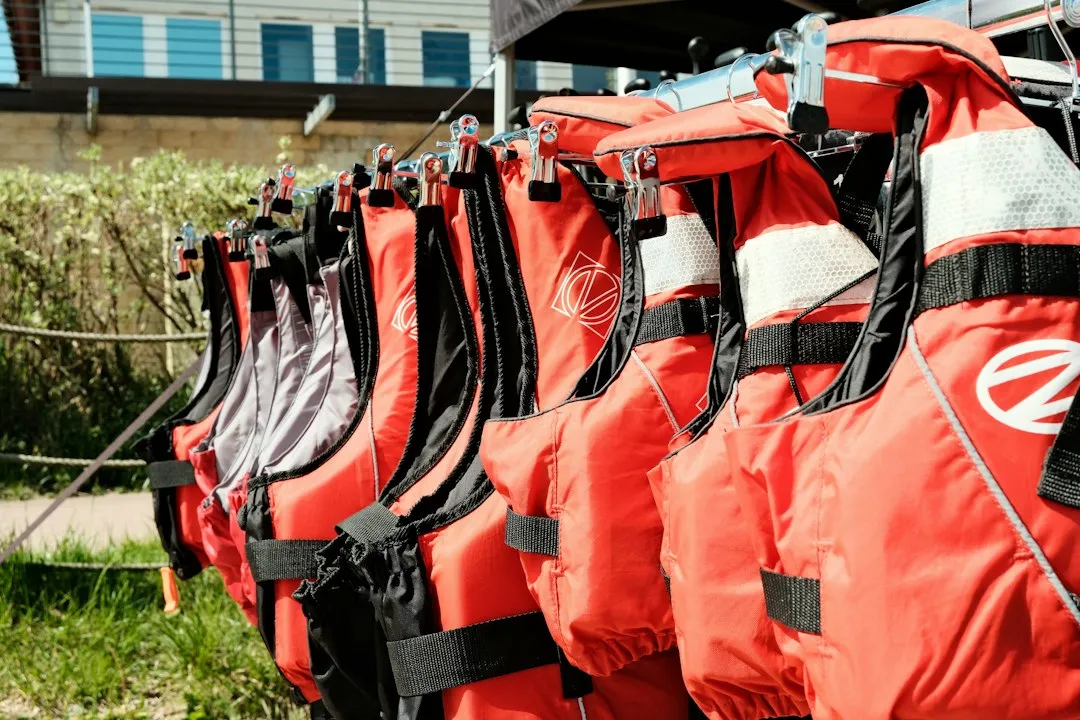
Pack for both water activities and cooler evenings, including sun protection, insect repellent, layers, water shoes, and properly fitted life jackets. Life jackets in particular are often overlooked by adults who assume they’ll only need them for formal boating, but any time on open water warrants proper personal flotation devices.
A daypack for hiking essentials, reusable water bottles for staying hydrated, and sturdy, broken-in hiking shoes to prevent blisters all belong in your outdoor kit. The terrain around a lakeside cabin is rarely flat, and a worn trail to the water’s edge can be surprisingly uneven.
A hammock is a wonderful optional addition for relaxing in the woods or by the lake. Just make sure you also have the proper hammock straps that don’t damage trees. Responsible enjoyment of natural spaces is part of what makes them worth returning to.
A Weekend Worth Coming Back To
AI Disclaimer: This article was created with the assistance of AI tools and reviewed by a human editor.