
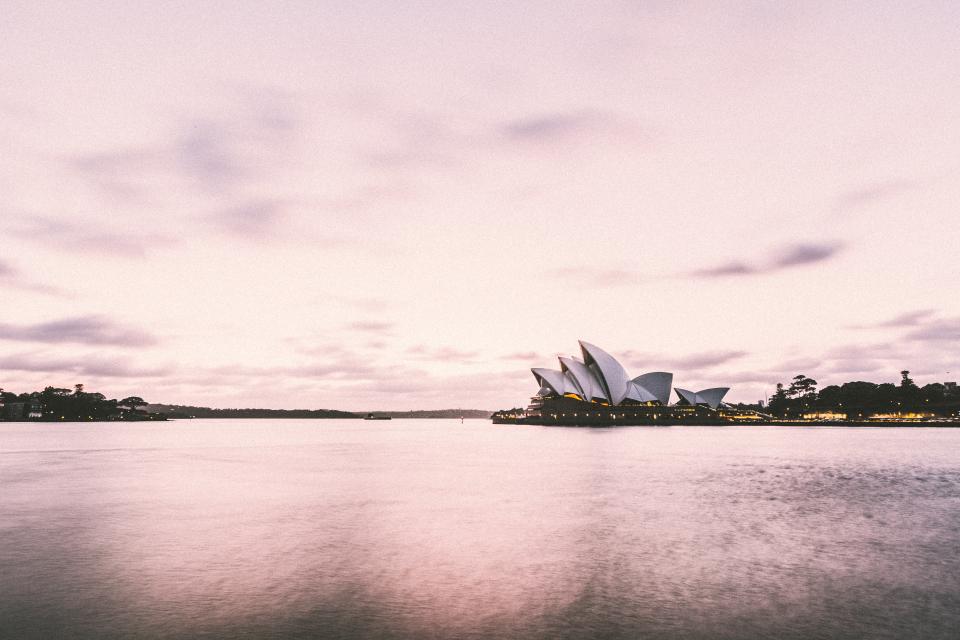

Australia is, by most honest measures, genuinely unlike anywhere else on earth. It’s a continent with its own evolutionary logic, its own rhythm, its own light. In 2024, Australia’s visitor economy welcomed 15% more international visitors than in 2023, with 8.3 million international arrivals recorded for the year – and the country generated record-high tourism spend alongside a record number of filled tourism jobs. Those aren’t numbers that happen by accident.
Some places get visited out of habit or convenience. Australia gets visited because people deliberately plan for it, save for it, and fly the better part of a day to reach it. What follows are ten experiences that justify every hour of that journey.
The Sydney Opera House and Harbour
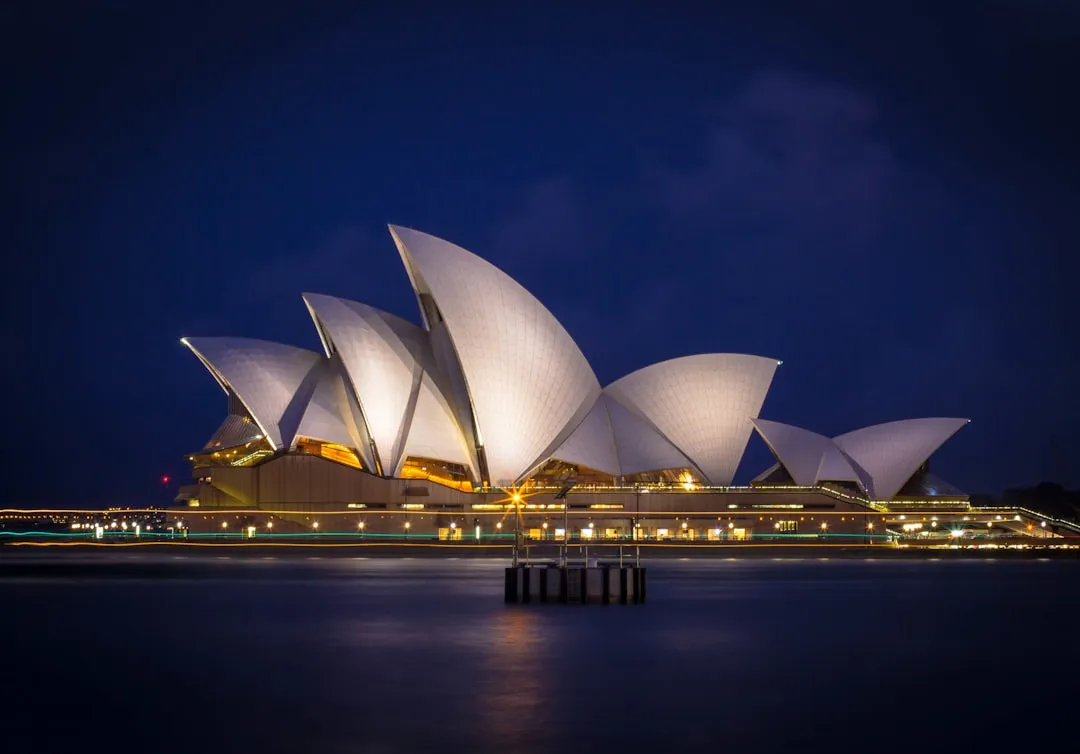
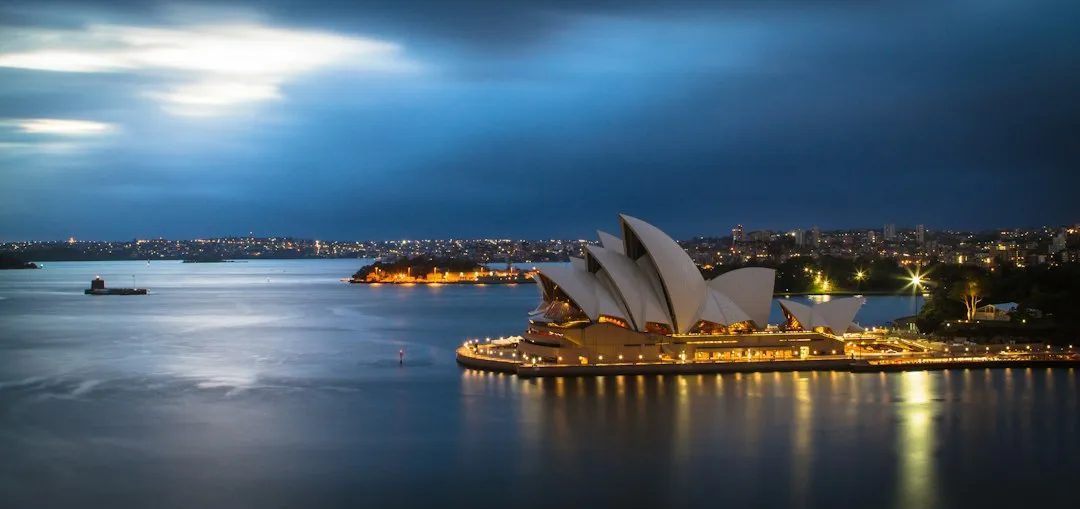
The Sydney Opera House is one of Australia’s most recognizable landmarks, its sail-like shape sitting perfectly against the curves of Sydney Harbour. Every year it hosts over 1,500 performances, from opera to concerts, and guided tours tell the story of Danish architect Jørn Utzon who designed this UNESCO World Heritage site.
Over 1.8 million tourists visit the Sydney Opera House each year, with the number reaching approximately 2 million in 2024. That figure reflects something real: this is a building that lives up to photographs. Visitors also flock to the Harbour Bridge, where bridge climbs offer panoramic views, while Bondi Beach draws sun-seekers and surfers year-round and nearby Manly and Coogee provide more relaxed coastal escapes.
Bondi Beach, Sydney
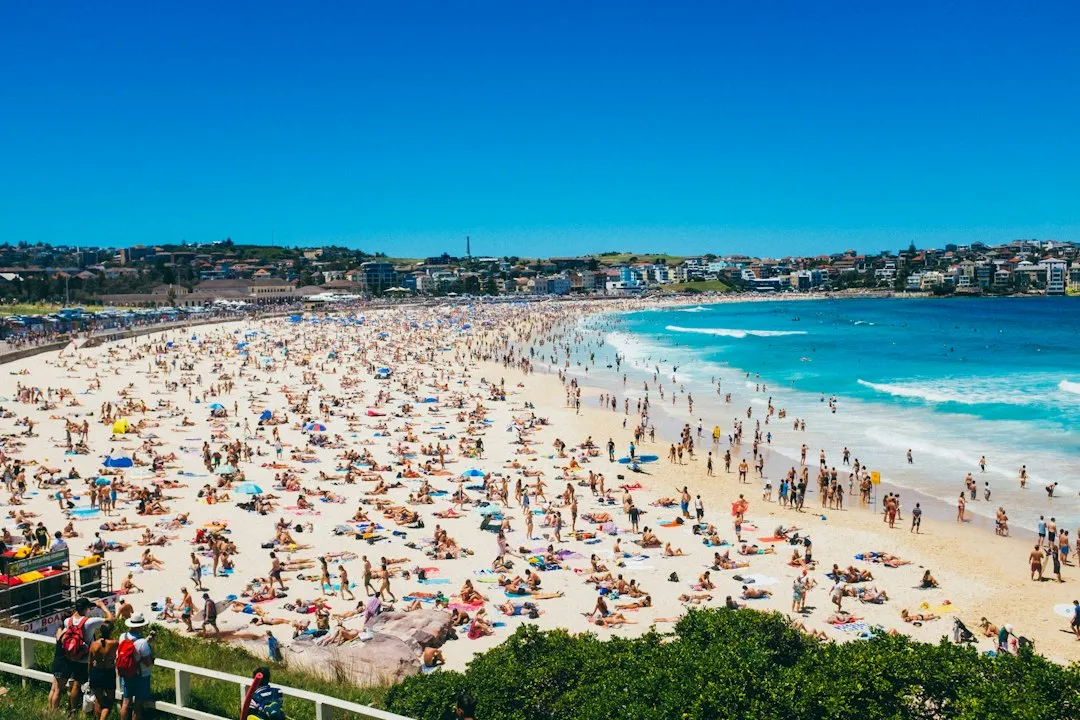
Bondi Beach, located in Sydney, is a world-famous coastal destination known for its golden sands, surf culture, and stunning ocean views. It’s one of those places that has become so iconic it risks feeling like a cliché – until you’re actually standing on it. Approximately 2.64 million international and domestic tourists visited Bondi Beach in 2024, representing a 5.6% increase on 2023.
In 2024, Bondi Beach welcomed an average of roughly 7,200 visitors per day, with numbers reaching up to 40,000 on peak summer days. Beyond sunbathing, the clifftop Bondi to Coogee coastal walk is one of the finest urban walking routes anywhere in the world, offering views that stretch all the way down the New South Wales coastline.
The Great Barrier Reef, Queensland
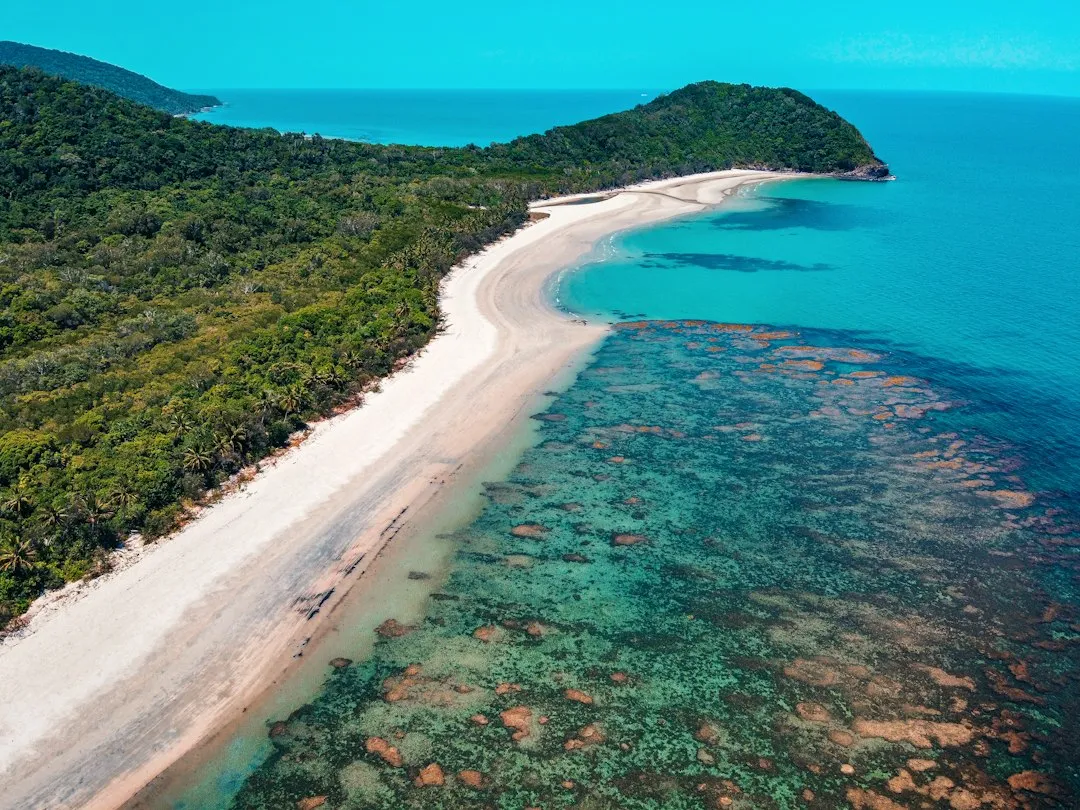
There is no other marine environment on earth that compares in scale or complexity. The Great Barrier Reef is made up of 3,000 individual reefs and is home to thousands of species of marine life. Visiting it honestly requires acknowledging what’s at stake for it right now. The 2024 mass coral bleaching event was the fifth such event on the GBR since 2016, and it had the largest spatial footprint ever recorded, with high to extreme bleaching prevalence observed across all three regions.
Average hard coral cover on the Northern Great Barrier Reef declined by nearly a quarter in 2025 – the largest annual decline ever recorded for the region – though cover still remains above the long-term average. This is still a reef worth experiencing and worth caring for. While local conservation measures remain essential, the future health of the GBR ultimately hinges on global climate action, and without sustained recovery periods, its capacity to rebuild will continue to diminish. Going as a thoughtful, responsible visitor still matters.
Uluru–Kata Tjuta National Park, Northern Territory
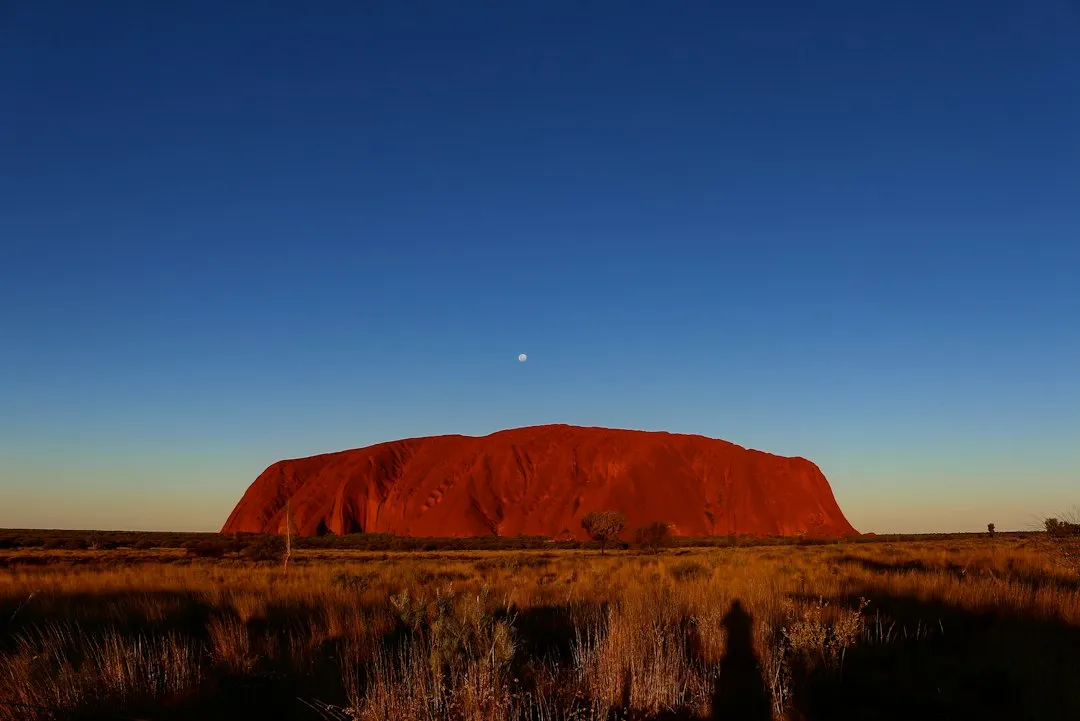
Uluru is a massive red sandstone monolith in the heart of the outback and a symbol of Australia, with nearby Kata Tjuta and Kings Canyon offering stunning hikes. Numbers don’t quite capture it. Uluru stands 24 metres higher than the Eiffel Tower, though most visitors find its vast, low profile at ground level far more striking than any height comparison suggests.
Uluru is sacred to the Anangu people, the Traditional Owners of this land, and the climbing of the rock was permanently closed in 2019 in respect of their wishes. Today, guided walks around its base, cultural experiences, and the extraordinary Field of Light installation have replaced the climb – and for many visitors, what they find is deeper and more lasting than a summit ever would have been. The night sky out here, far from any city light, is an experience entirely its own.
Daintree Rainforest, Queensland
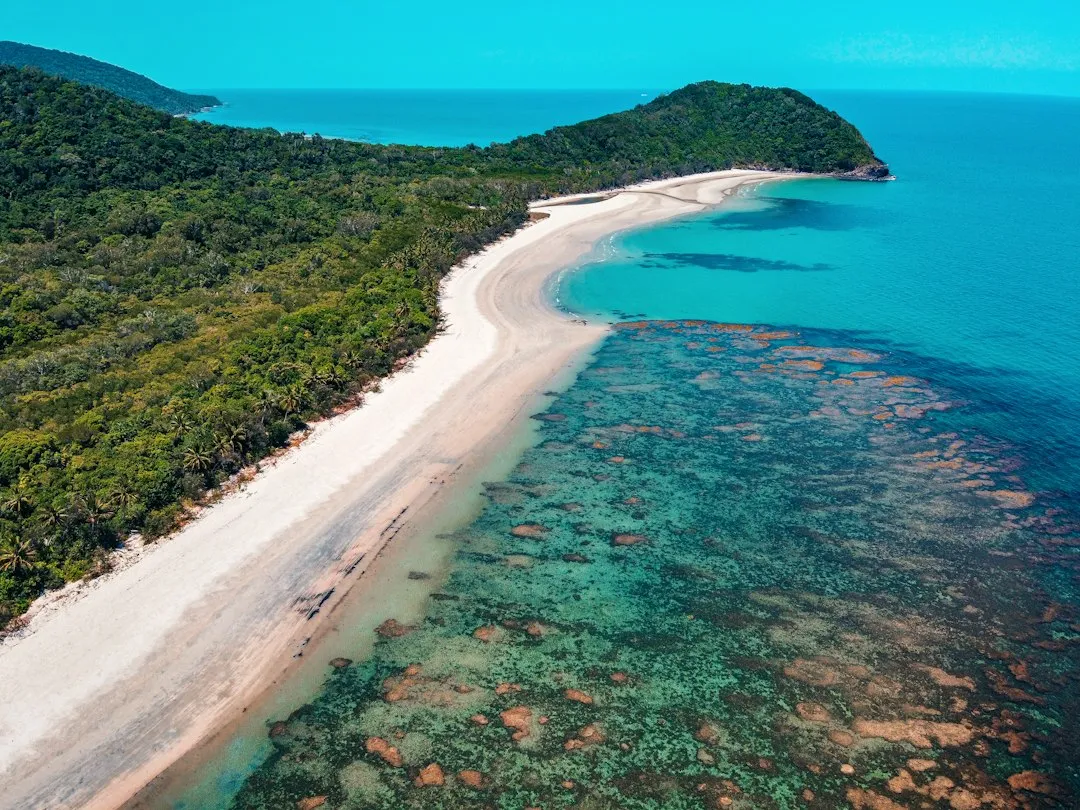
The Daintree Rainforest in Tropical North Queensland is over 135 million years old, making it the oldest rainforest in the world. To put that in perspective, it was ancient long before the Amazon existed. Just 2.5 hours from Cairns, the Daintree shelters wildlife including crocodiles, tree kangaroos and cassowaries amid more than 3,000 species of plants.
There are two sections to Daintree National Park: the mountainous Mossman Gorge area and the coastal Cape Tribulation section. Where the rainforest meets the Coral Sea is genuinely one of the world’s most unusual coastal landscapes – green canopy cascading directly into turquoise water, with no development for miles. The wet season from December to April brings gushing waterfalls and the forest at its most lush, while the dry season from May to September is ideal for long hikes through the national park.
Kakadu National Park, Northern Territory
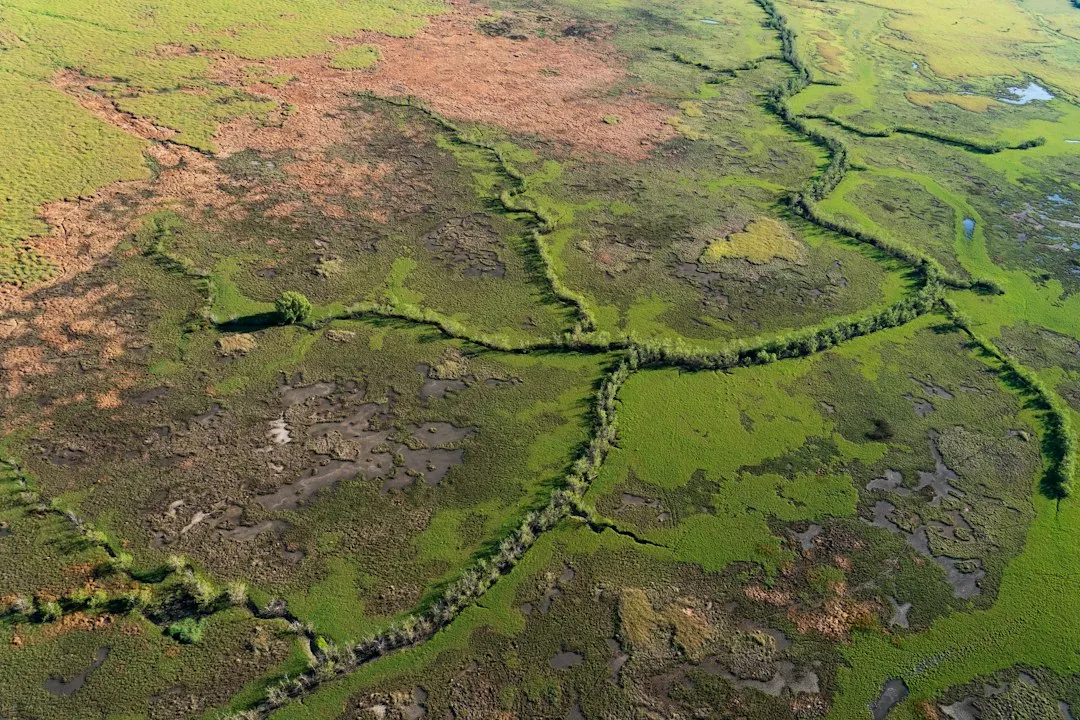
Kakadu National Park covers over 19,800 square kilometres and is a place of immense cultural and natural significance, known for its diverse ecosystems ranging from wetlands to sandstone escarpments. It is both a UNESCO World Heritage natural site and a cultural one – a rare double distinction. Within it you’ll find rugged escarpments, lush rainforest, and rock art galleries up to 20,000 years old, along with the opportunity to learn directly from the Bininj/Mungguy people, the Traditional Owners.
Waterways snake through monsoon rainforests, sandstone escarpments give way to cascading waterfalls, and billabongs come alive with birdlife and crocodiles. It’s a place that genuinely rewards slowing down. Six distinct ecological seasons govern life here, each bringing its own conditions and its own reason to visit.
The Blue Mountains, New South Wales
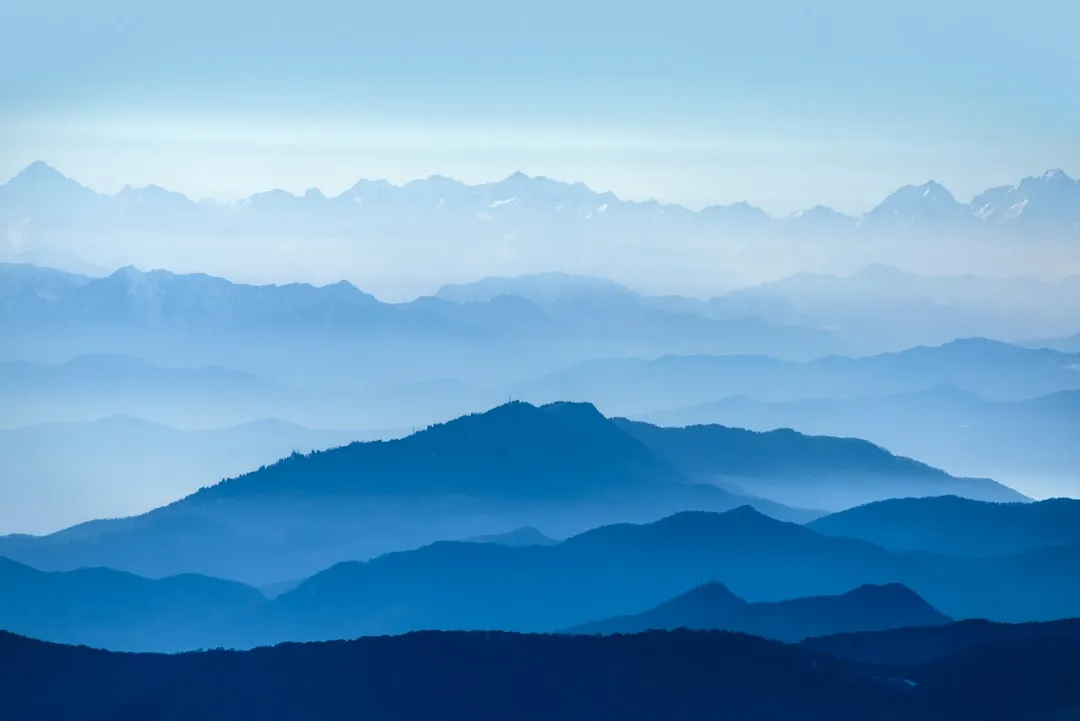
Just a one-hour drive from Sydney, the Blue Mountains region is aptly named for its blue-hued sandstone ridges soaring over dense bushland – a World Heritage-listed area and a paradise for nature lovers. The colour is real, caused by eucalyptus oil dispersing in the air over the valleys. The Blue Mountains form a one-million-hectare wilderness with 140 kilometres of hiking trails, and highlights include Aboriginal cultural sites, cascading waterfalls, and the underground rivers of Jenolan Caves.
The Three Sisters rock formation at Echo Point in Katoomba is the most photographed view, and it earns it – especially at dawn when mist still hangs in the valleys below. Regional areas like the Blue Mountains are increasingly popular for their scenic beauty and diverse experiences, drawing visitors who might otherwise not venture beyond Sydney. This proximity to the city makes it accessible without diminishing what it actually is: genuine, old wilderness.
The Great Ocean Road, Victoria
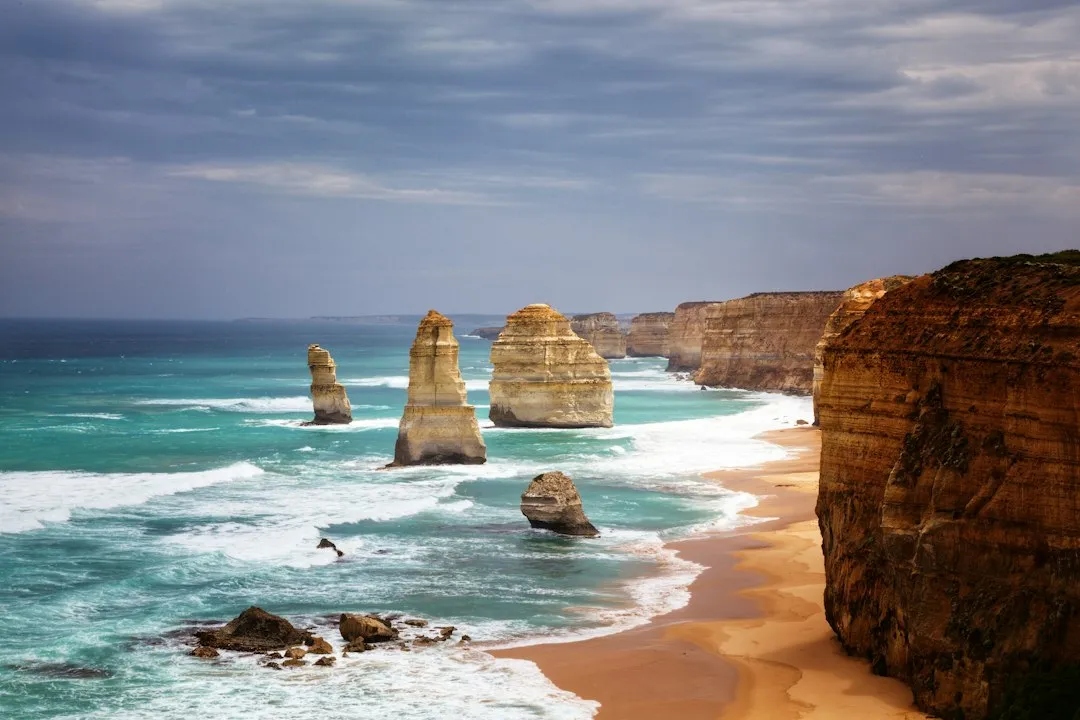
The Great Ocean Road is widely considered one of the most spectacular drives in the world, stretching 243 kilometres along Victoria’s wild coastline with the Twelve Apostles as its most famous landmark – enormous limestone stacks rising directly from the Southern Ocean. Of all tourist attractions across Victoria, the Twelve Apostles draws the most visitors from far and wide, and the famed limestone stacks continue to amaze despite several of the formations having succumbed to the elements over the years.
Victoria is the second most popular state for international visitors, likely due to its concentration of attractions, including the Great Ocean Road. The road was built by returned soldiers after the First World War and is itself a monument, dedicated to those who served. Travelling it slowly – stopping for koalas in the Otways, watching the apostles at sunset, pulling over when something simply looks good – is the only way to do it properly.
The Kimberley, Western Australia
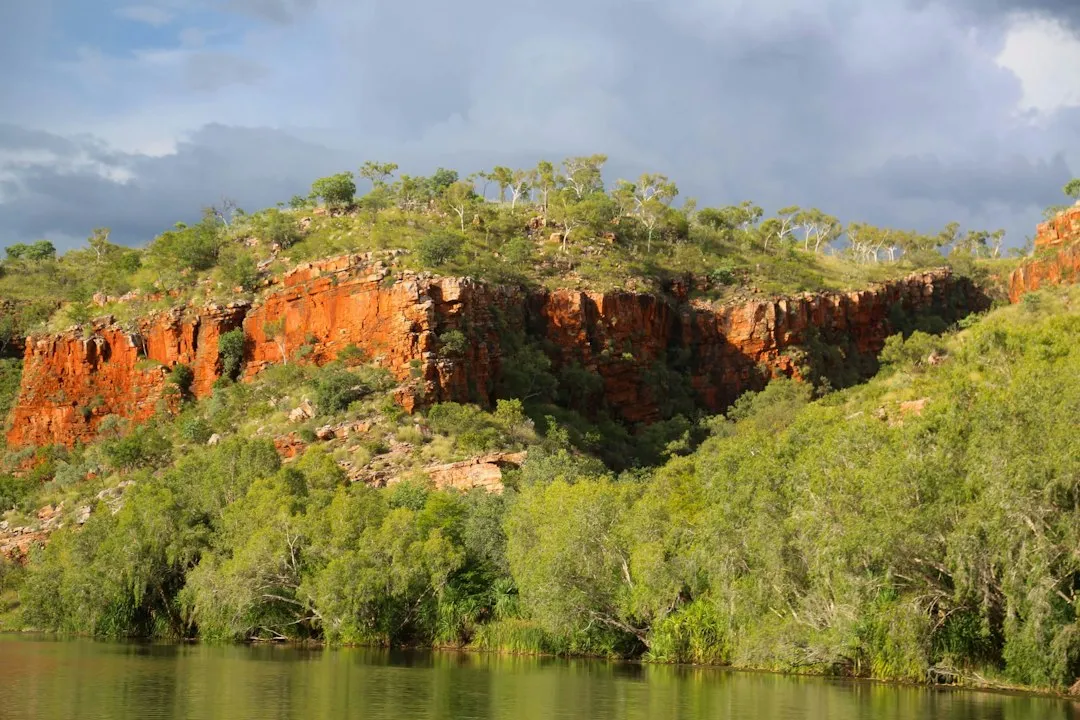
Western Australia draws a steady flow of tourists with particular interest in regional areas like Broome and the Kimberley, which are growing in popularity due to their remote and rugged beauty. This is the kind of landscape that makes you recalibrate your sense of scale. The Bungle Bungle Range in Purnululu National Park – a UNESCO World Heritage site – consists of enormous beehive-shaped sandstone towers striped in orange and black, largely unknown outside Australia until the 1980s.
In Australia’s far-flung north, the Dreamtime shapes primal terrain where human cultures have been integrated with the land for more than 65,000 years. Places like Purnululu National Park sit so far from urban areas that the skies are genuinely dark – among some of the darkest on earth – making stargazing an experience unto itself. The Kimberley isn’t casual tourism. It rewards people who come prepared, move slowly, and pay attention.
Tasmania’s Wild Wilderness
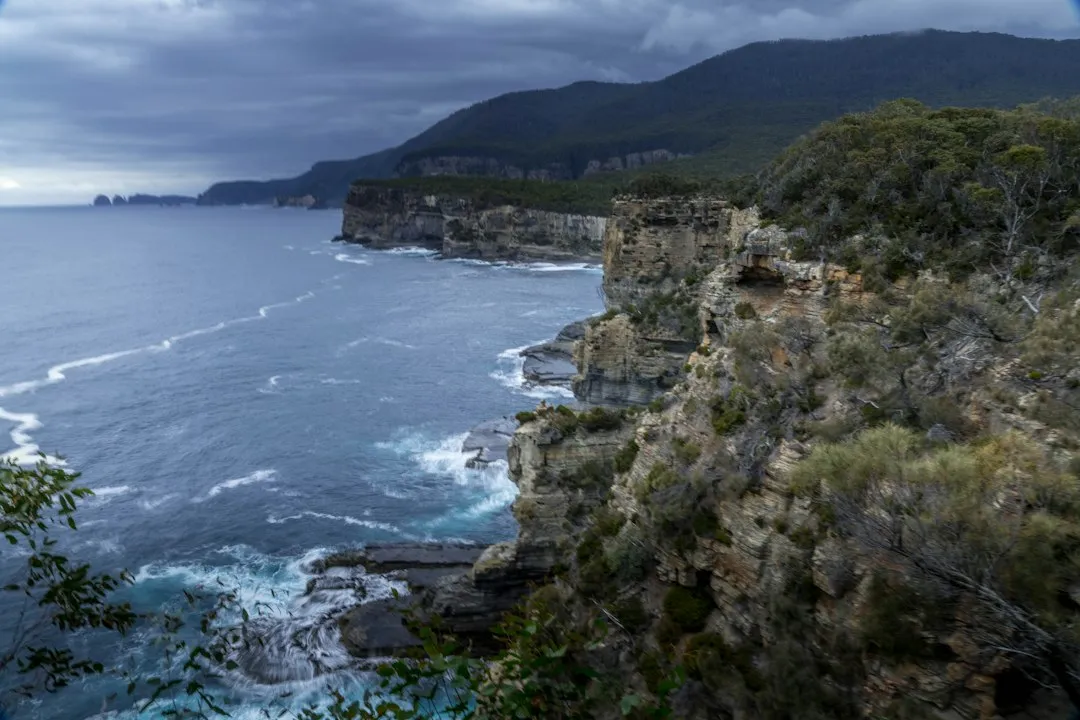
Tasmania is the part of Australia that surprises people most. It’s cooler, quieter, and stranger in the best possible sense – a place where the light is different and the landscape feels older. Tasmania remains a popular choice for domestic travellers, with Hobart and Launceston as key destinations, and in March 2024 alone, three million visitors spent four billion dollars in the state.
The Tasmanian Wilderness World Heritage Area covers roughly a fifth of the island, encompassing ancient temperate rainforest, dolerite mountain ranges, and remote button-grass plains. The Overland Track, one of Australia’s great multi-day hikes, crosses this country from Cradle Mountain to Lake St Clair. From the 180-million-year-old Daintree in Queensland to Tasmania’s cool, misty temperate rainforests, Australia’s rainforests span the full breadth of the continent – and Tasmania’s version, in particular, offers a quiet that is increasingly hard to find anywhere in the world.
A Final Word on Going
Australia remains one of the world’s most sought-after travel destinations in 2026, with continued growth in both international arrivals and global recognition, ranking 5th globally in the World Economic Forum’s Travel and Tourism Development Index. What that ranking can’t measure is the texture of the place – the scale of it, the quality of the silence in the outback, the specific green of the Daintree canopy, the feeling of standing on a continent that has been shaped by 65,000 years of human culture.
Every entry on this list carries some version of that weight. Australia isn’t a single destination so much as a collection of genuinely distinct worlds sitting under one name. For most travellers, one trip is enough to start a lifelong desire to return.
AI Disclaimer: This article was created with the assistance of AI tools and reviewed by a human editor.