
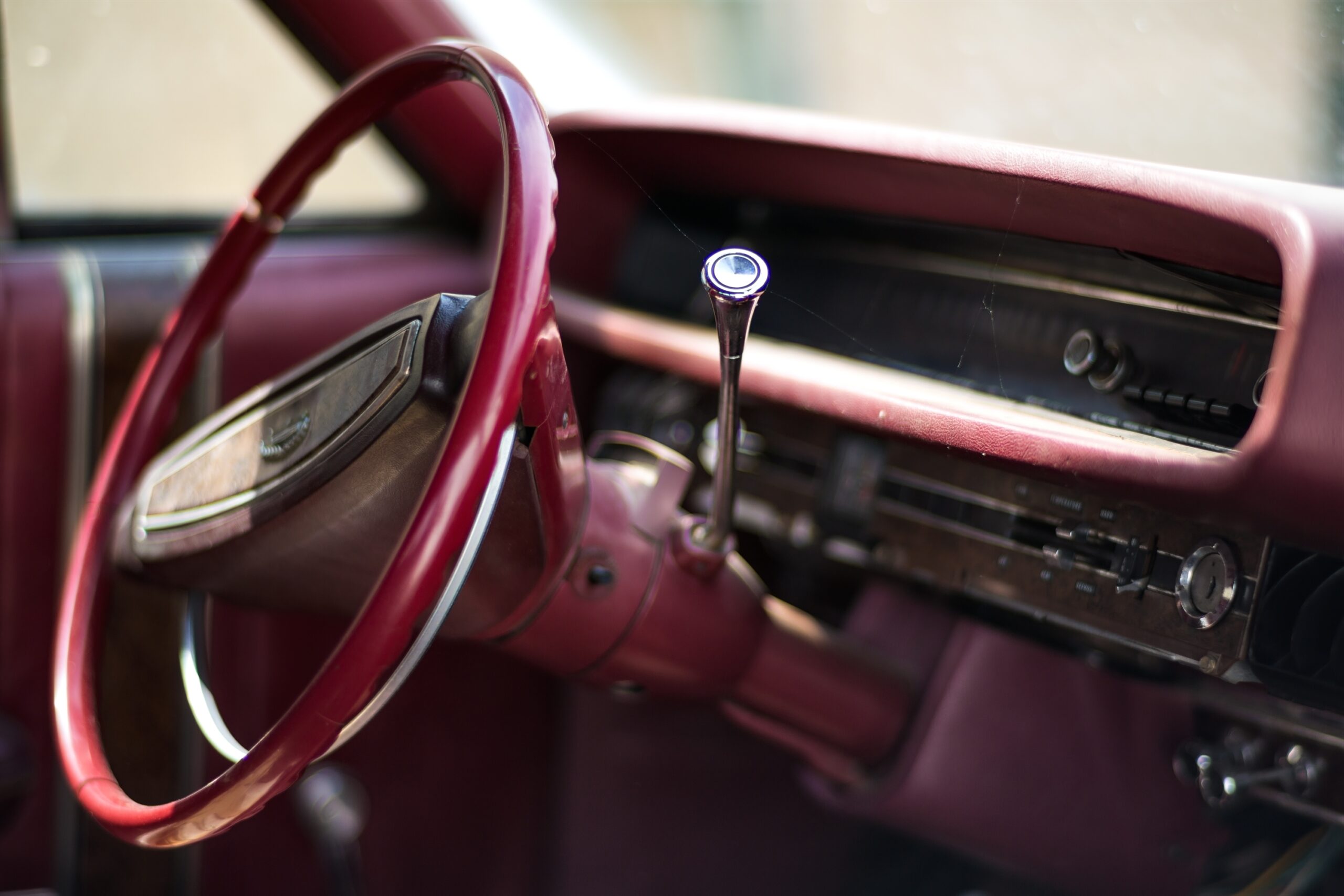

There was a particular kind of summer morning in the 1970s. The car was packed the night before, the thermos was full, and the whole family had agreed on a departure time nobody actually kept. Then you were moving, the suburbs dissolving behind you, and the open highway stretching ahead with no screen to stare at and nowhere to be until you got there.
During the 1970s alone, Americans logged 14.4 trillion highway miles. That is not a typo. Surprisingly, roughly four out of five Americans took vacations during the 1970s, up from about three in five the decade before. What follows are the things only those who lived it will truly recognize.
1. The Station Wagon Was Your World
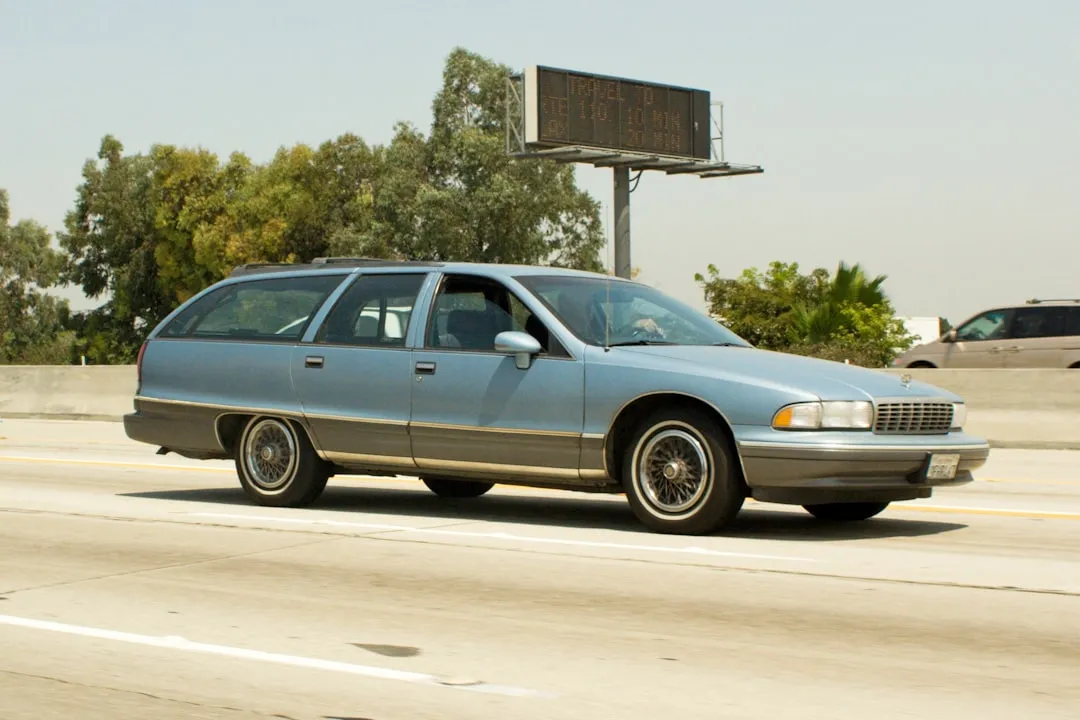
Starting in the fifties and going strong throughout the sixties and seventies, the station wagon was practically synonymous with “family car” for most Americans, the same way minivans would be for children of the eighties, nineties, and early 2000s. It was a rolling living room, a cargo hold, and a mobile argument chamber all in one.
The station wagon was the only vehicle on the market that combined luggage, cargo, and passenger space with a car’s smooth ride and luxury options. In an era when most family vacations and holiday trips were made by car, not plane, there was no other way to get there with two adults, three kids, a dog, and a mountain of wrapped gifts.
Station wagons experienced the highest production levels in the United States from the 1950s through the 1970s, due to the American mid-twentieth century baby boom. The station wagon was the chariot of choice for these cross-country endurance tests, complete with that coveted rear-facing seat where you could make faces at the car behind you.
2. Paper Maps and the Parent Who Couldn’t Read Them
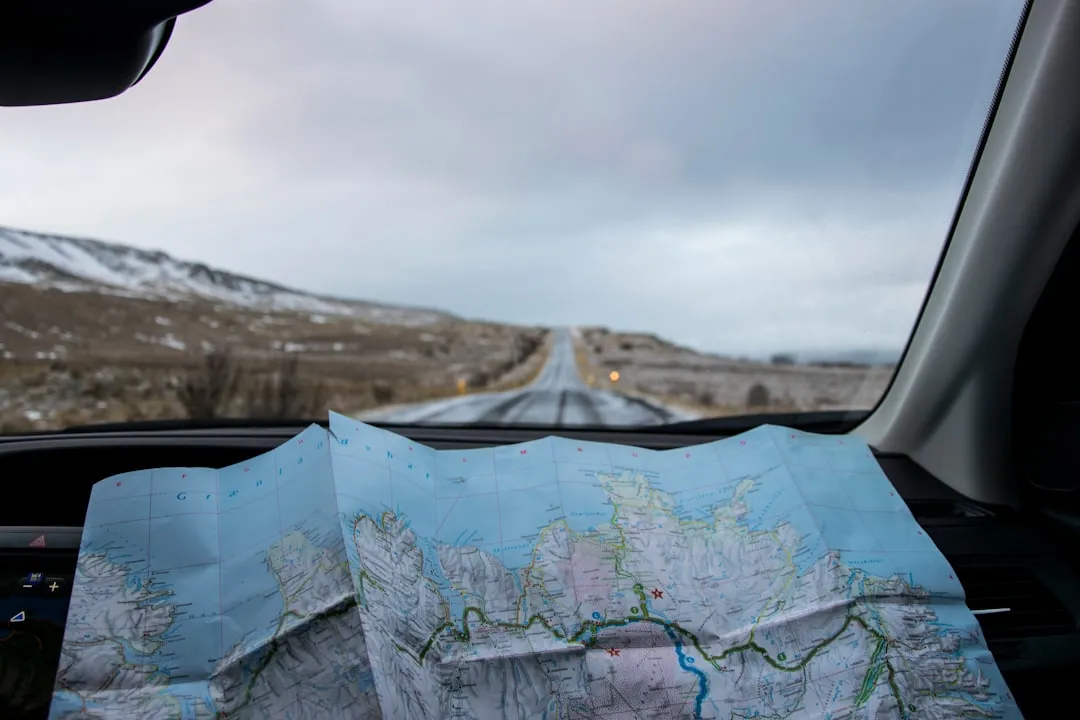
Embarking on a classic family road trip during this iconic era meant intentionally detaching from the rest of the world, navigating vast geographic expanses using massive, unyielding paper maps stashed inside the glove compartment. There was no recalculating. There was only the map, the front seat passenger, and a quiet tension that could fill a car for miles.
Navigating a road trip meant relying on physical maps and atlases to guide the way, with the front passenger often taking on the role of reading these maps to direct the driver. This required skill in map-reading and an understanding of road signs and landmarks, adding an element of teamwork and planning to every journey.
The stakes felt real in a way GPS has quietly erased. A wrong turn wasn’t a voice prompt, it was a half-hour detour through a town nobody recognized. The completion of the Interstate Highway System extended into the seventies, with the final stretches being completed towards the end of the decade. This meant that travelers often encountered sudden transitions from smooth, newly constructed highways to older roads or temporary routes, making navigation more challenging.
3. The 8-Track Was King (Until It Jammed)
A car journey soundtrack was often at the mercy of the local radio station’s range, leading to a mixtape of regional sounds as families traveled. Somewhere in rural stretches, you crossed an invisible line where familiar stations gave way to country or religious programming, and there was nothing you could do about it.
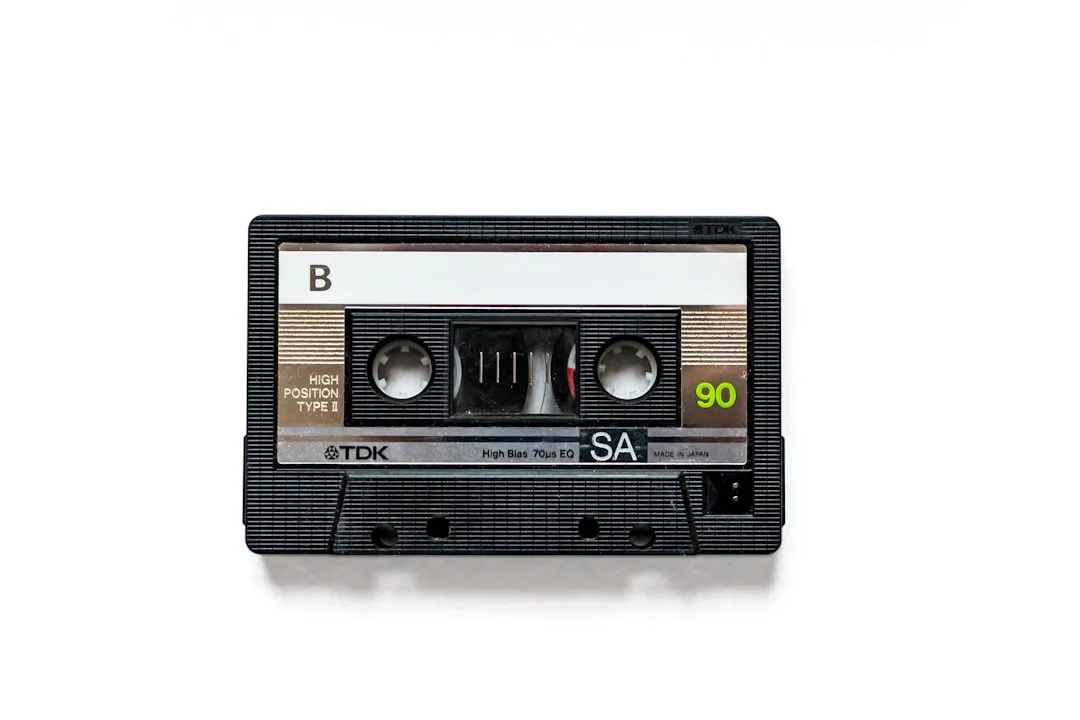
The introduction of the 8-track tape player in cars provided a more consistent and personal music selection, allowing families to bring their favorite albums along for the ride, though changing tapes frequently could be a hassle on longer trips. The 8-track was liberation and frustration in equal measure.
In addition to AM/FM car radios introduced in the 1950s, the 8-track and cassette players became popular in the 1960s and 1970s. On weekend travel days, families prayed to find a station playing Casey Kasem’s “American Top 40,” a familiar voice that reminded everyone that, one day, they’d be back home. The music was the trip’s emotional core in a way nothing digital has quite replicated since.
4. Backseat Games Were Survival, Not Entertainment
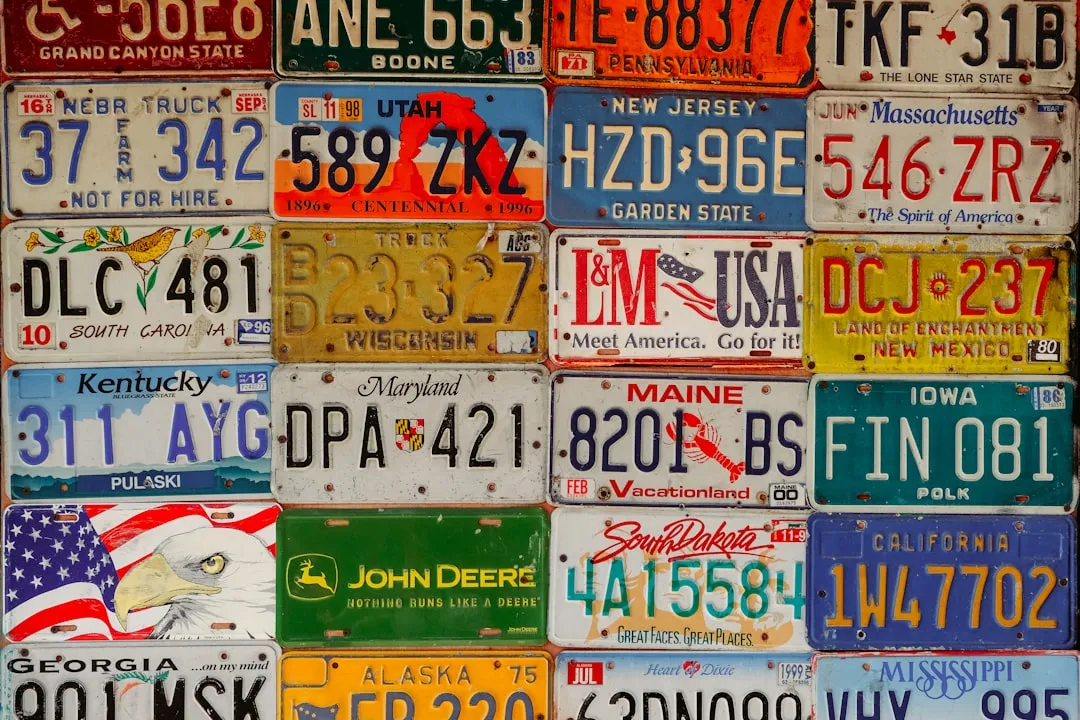
Before digital diversions kept the backseat peace, families passed the hours with the license plate game, Mad Libs, and Etch-a-Sketch. These were not optional enrichment activities. They were the only buffer between boredom and total sibling warfare.
Before smartphones and streaming, long car rides meant getting creative with entertainment. In the 1970s, road trip games were everything, and families had a blast with nothing but their imaginations. The License Plate Game rewards those with sharp vision and curiosity. The task is simple: spot license plates from as many different states as possible. This game is educational and adventurous, as it often leads to conversations about geography and state trivia.
In the backseats of cars in that era, where families once played games like the license plate game and the alphabet game, there was a deep sense of collective participation in the journey. The group games of 1960s and 1970s road trips were a collective experience, something that tied the family to a shared stretch of highway and a shared set of rules, however briefly.
5. The OPEC Oil Embargo Changed Everything Mid-Decade

In the early 1970s, gas was around 36 cents per gallon. However, after the OPEC oil embargo of 1973, gas became much more expensive. For families who had built their summer rhythms around the open road, this was a genuine disruption, not just a minor inconvenience.
The sharp rise in gas prices after the OPEC embargo led to the first instances of fuel rationing since World War II, with “odd-even” rationing days being introduced, where drivers could only purchase gas on days that matched the last digit of their license plate. Planning a road trip suddenly meant planning around the gas station.
The 1973 oil crisis saw oil prices jump from three dollars a barrel to twelve dollars a barrel. Even if you could find gas to fill the family car, it was hard to pay for it. This period of economic adjustment forced Americans to rethink their driving habits and contributed to the increased popularity of smaller, more fuel-efficient cars in the following decades.
6. Spotting the Orange Roof of Howard Johnson’s
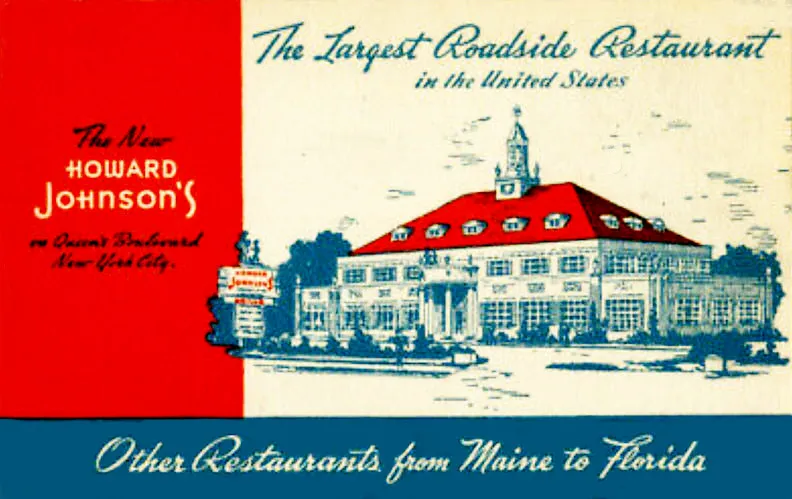
Howard Johnson’s reshaped the American roadside, turning a patchwork of unpredictable stops into a network of bright, dependable landmarks. Its orange roofs, neon signs, and motor lodges became part of the visual grammar of mid-century travel, signaling consistency in an era when the open road beckoned for families.
Families planned their trips around where the next Howard Johnson’s would be. Kids pressed their faces to the car windows looking for that orange roof. It was a ritual as much as a meal. Howard Johnson’s offered twenty-eight flavors of ice cream long before gourmet shops became a trend. Vacationers still remember the taste of buttercrunch, burgundy cherry, and mocha chip.
The chain, with its iconic teal-and-orange roofs and 28 flavors of ice cream, was so well-known on the East Coast that when the Pennsylvania Turnpike opened in 1940, all of its rest stops included a Howard Johnson’s. By the early 1970s, the chain had over 1,000 restaurants and 500 accompanying motor lodges nationwide. Finding one on a long stretch felt like finding a friend.
7. The Rear-Facing “Way Back” Seat
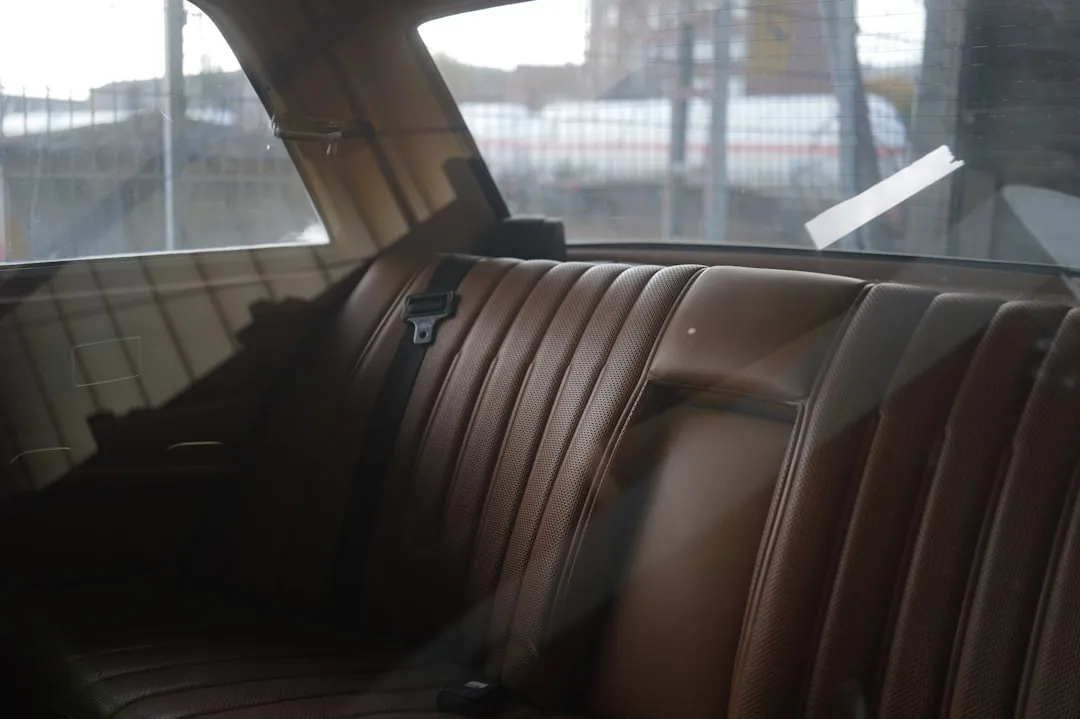
Long, lumbering, and lined with faux wood paneling, these station wagons were the epitome of family road-trip style. The rear-facing backseat made for some entertaining interactions with following cars. Children who rode back there faced the world they had already passed, watching the highway unspool backward while everything else moved forward.
Station wagons were so popular because of their numerous advantages over the sedan, chief among them being space, with some even able to seat nine passengers. This made them, by default, the poster child for family vacations during their heyday. Somebody always wanted the way-back seat, and somebody else always resented them for getting it.
The way-back was its own territory with its own rules, mostly made up by whoever got there first. Families packed themselves tightly into vinyl-seated station wagons or wood-paneled conversion vans, rolling down the windows for natural ventilation and trusting their mechanical luck to get them through remote desert stretches. That particular combination of vinyl heat and open-window wind is something no air-conditioned SUV has ever quite matched.
8. Breakdowns Were Part of the Plan
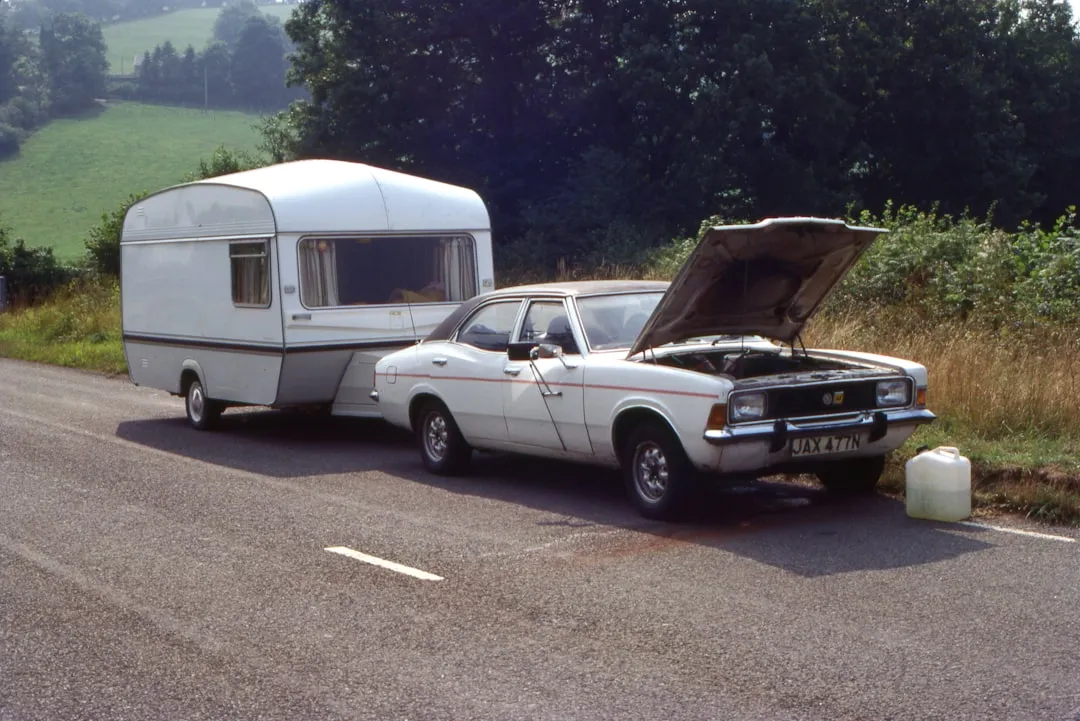
In the 1970s, you wouldn’t leave for a road trip without some spare parts and tools for your car. It wasn’t so much a question of if you’d break down as when. Cars were less reliable back then and often lacked the advanced technology and materials used in today’s vehicles, making breakdowns a more common part of the road trip experience.
Drivers would often carry essential tools and spare parts like fan belts, hoses, and even extra oil or coolant as a precaution against the frequent mechanical issues faced on long journeys. The roadside breakdown was a ritual unto itself. Someone checked under the hood, someone fanned themselves with the map, and everyone waited.
There was something oddly bonding about a breakdown on a lonely stretch of highway. The family had nowhere to go and nothing to do but be together. The incredible spatial freedom, mechanical resilience, and deep sense of family unity displayed by these early generations of drivers proved that crossing the continent was once a profound cultural milestone rather than a routine commute.
9. Roadside Attractions Were the Whole Point
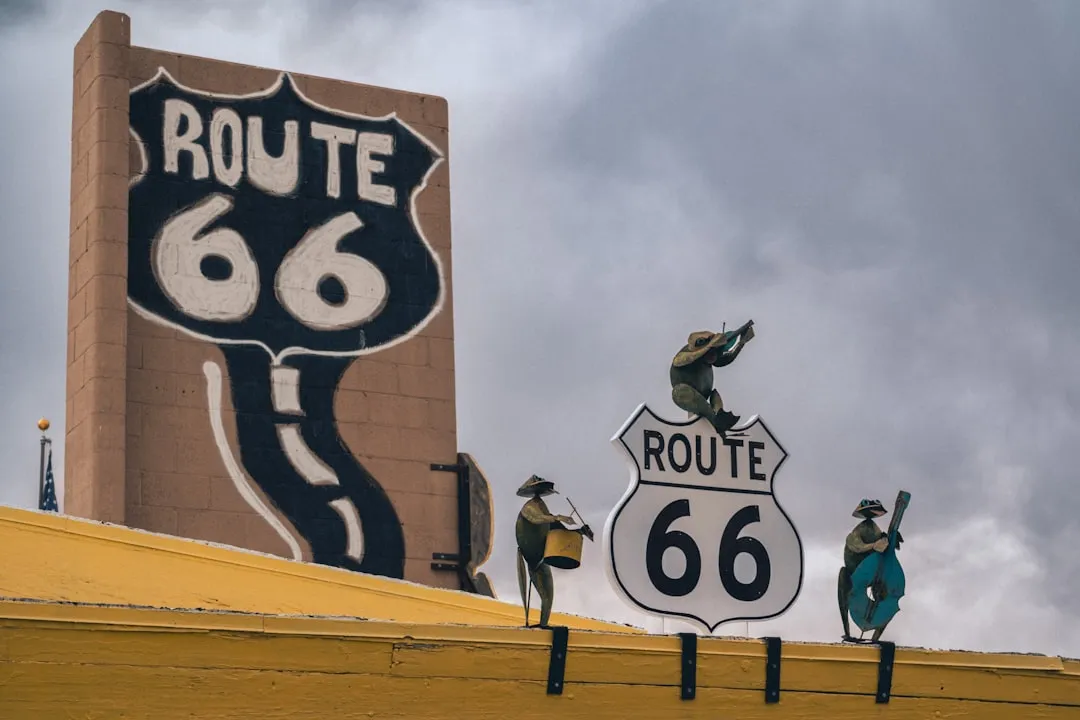
Attendance at historic sites, national parks, and other attractions surged in the 1970s, and most visitors arrived by car. Interstate highways opened the door to thousands of miles of adventure, making road trips one of the decade’s defining pastimes. You didn’t just drive to a destination. The stops along the way were the destination.
Roadside attractions like these started to pop up in the 1950s as more people took to the highway and entrepreneurs looked to make a buck off bored families looking for any form of entertainment. Places like Wall Drug, Stuckey’s, and South of the Border dotted the highways with the promise of tchotchkes, peanut brittle, and bathroom breaks framed as adventure.
Families also looked forward to frequent stops at Stuckey’s, which introduced generations to peanut brittle and coconut patties. Ticket stubs, postcards, and pressed flowers weren’t thrown out; they were glued into scrapbooks with handwritten captions and doodles. The souvenir was proof you had really been somewhere, not just that you had traveled through.
10. Flying Simply Wasn’t an Option
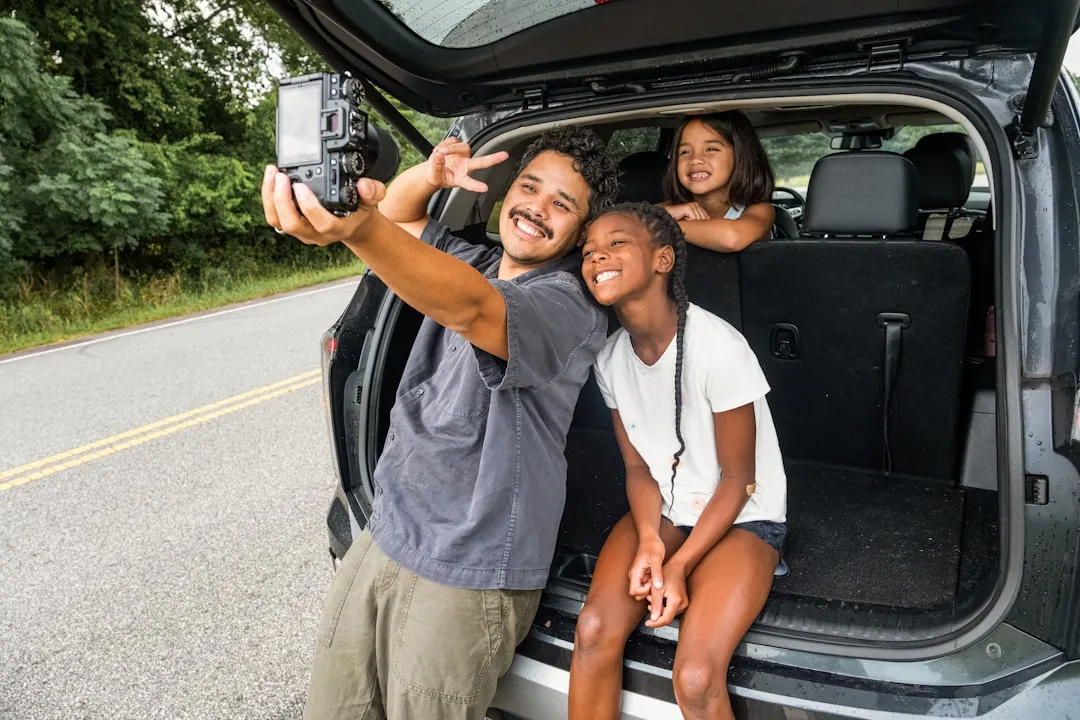
In the 1970s, flying just wasn’t affordable for the average family. As a result, yearly road trips to beaches, amusement parks, national parks, and historical sites became the norm. The car wasn’t a compromise. It was simply how families moved across the country.
Air travel at that time was prohibitively expensive. On average, a traveler would pay anywhere from two to eight times as much as what we would pay today for the same air ticket. That economic reality pushed millions of families onto the highway and into each other’s company for days at a time.
Despite the flagging economy, Americans continued taking vacations throughout the seventies in record numbers, if only for a couple of weeks each year. The road trip was not a trend or a lifestyle choice. It was simply what families did, what they could afford, and what, in retrospect, so many of them are still glad they did.
The Lasting Pull of the Open Road
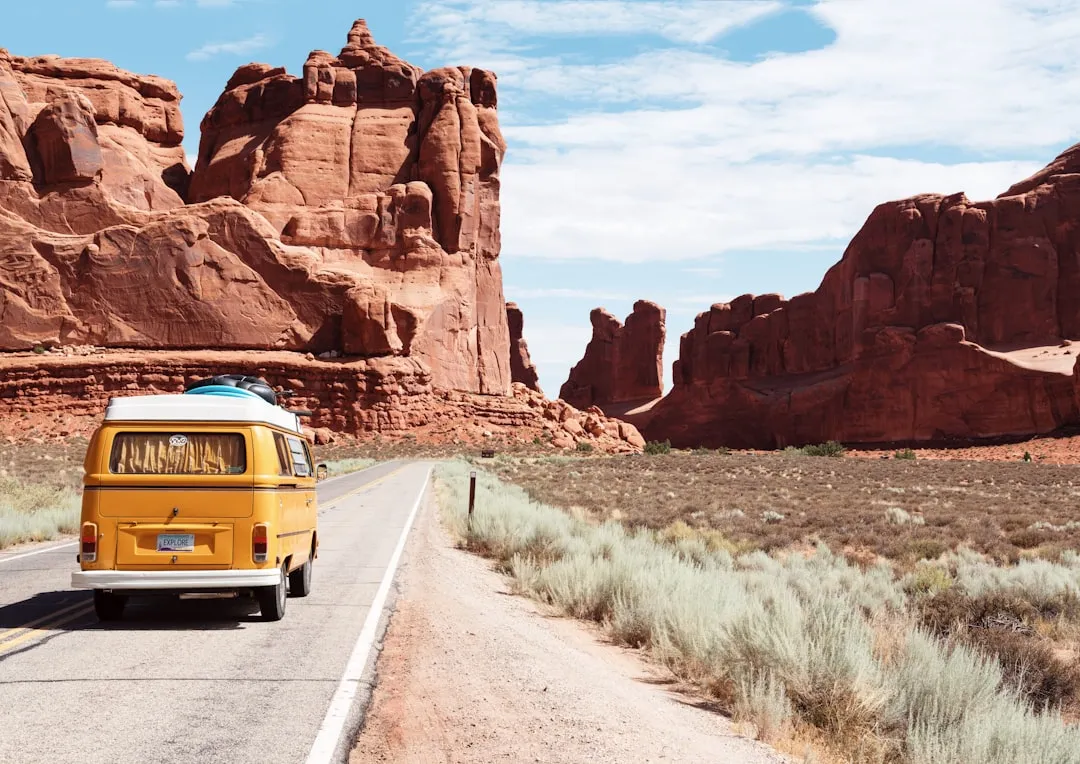
Those 1970s road trips were imperfect by almost any modern measure. The cars broke down, the maps were wrong, the gas lines were long, and the backseat was never quite big enough. Yet something about that era of family travel has proven surprisingly durable in memory.
The golden age of road trips ran from the 1950s to the 1970s, and the families who lived through it carried it with them. The license plate games, the orange roofs, the 8-tracks, the way-back seat. None of it was glamorous. All of it was real.
What those trips gave, more than anything, was uninterrupted time together in a moving box with nowhere else to be. That, it turns out, is harder to replicate than it sounds.
AI Disclaimer: This article was created with the assistance of AI tools and reviewed by a human editor.