


Most travelers have stood at the edge of an overstuffed suitcase at least once, wondering how a two-week trip came to require what looks like a small relocation. It’s a surprisingly common trap. The instinct to pack for every possible scenario, every weather shift, every unexpected dinner invitation, quietly turns a bag into a burden.
Packing light doesn’t mean roughing it or making do. Done thoughtfully, it means arriving with exactly what you need, nothing more, nothing less. The distinction sounds simple, but it changes the entire texture of a trip.
1. Understand Why the Habit of Overpacking Is So Hard to Break
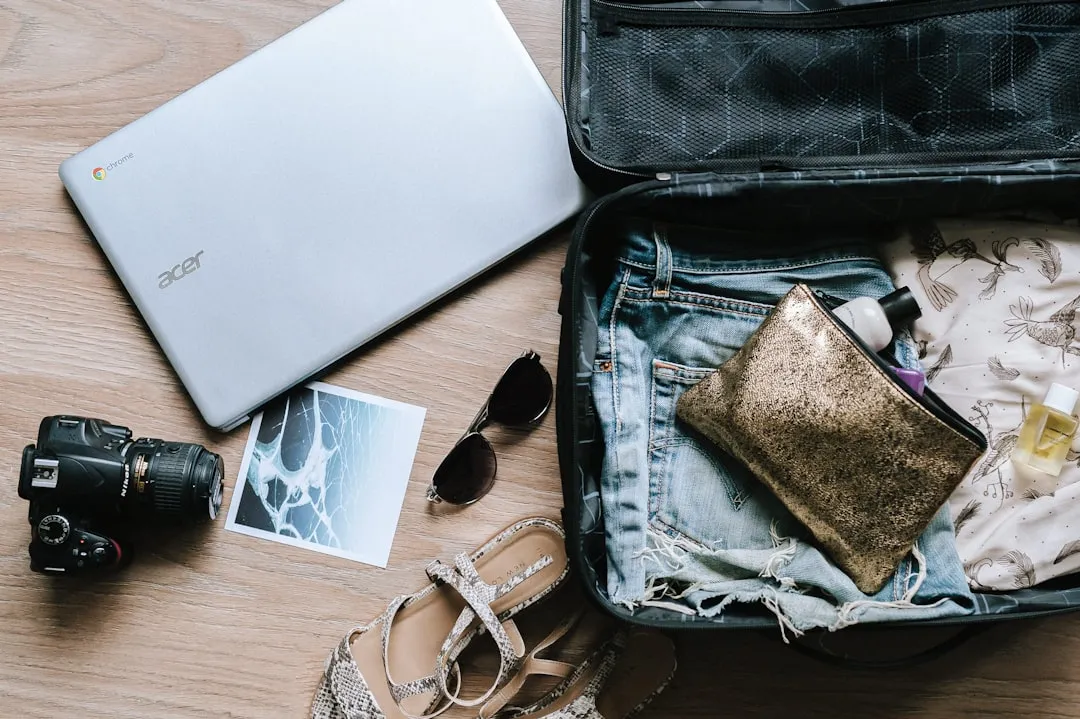
Before any practical tips land, it helps to recognize what’s actually driving the overpacking impulse. No matter how big or small a bag is, most people feel compelled to fill it. How many of us have packed an extra dress or t-shirt we never ended up wearing, simply because there was space for it?
For most travelers, learning how to pack lighter is an evolutionary process. Getting it right takes experimentation, practice, and refinement. There’s no shame in admitting that the first few attempts won’t be perfect. What matters is the direction of travel, quite literally.
Packing light means different things to different people at different times and to different destinations. What works for one traveler may not work for another. Recognizing this frees you from following someone else’s checklist blindly and encourages you to build your own system instead.
2. Choose a Smaller Bag on Purpose
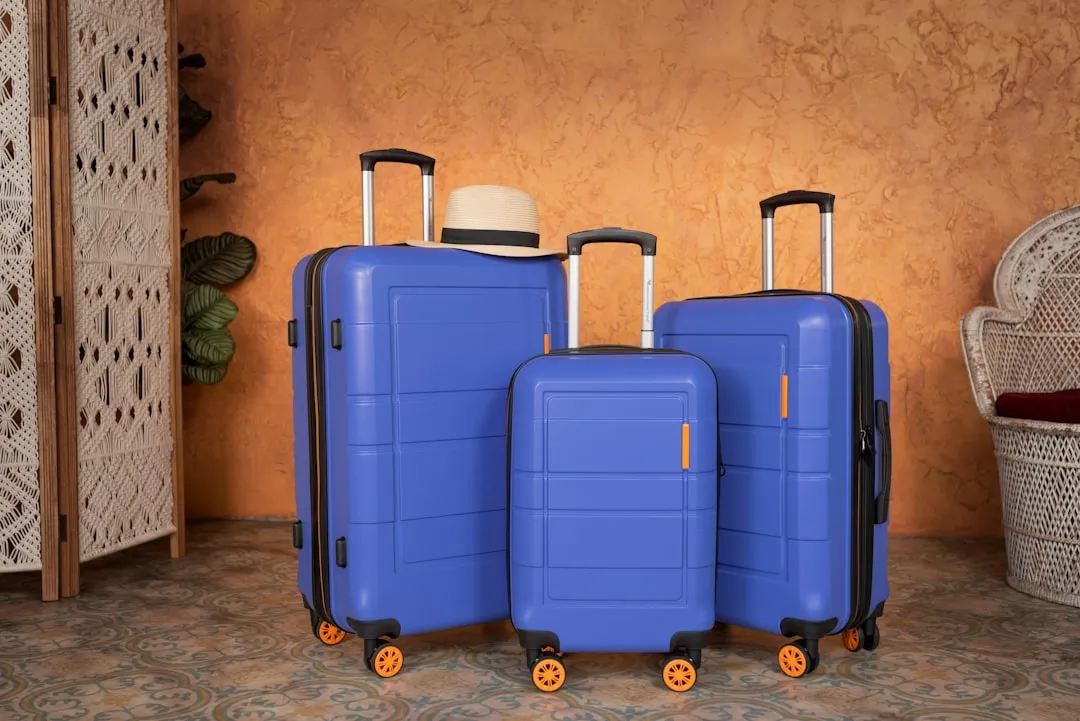
One effective approach is to find a bag that’s about ten liters smaller than what you currently carry. It acts as a forcing function to limit your packing list and reevaluate what you really need when you travel. The constraint is the whole point.
While some ultralight packers travel for weeks or even months with a small 20-litre backpack, most light packers aim to stay within an airline’s carry-on allowance. That’s a reasonable and attainable goal for most trip types. Start there.
Owning a great piece of carry-on luggage is a money-saving investment. If that carry-on rolls effortlessly through airport hallways, onto escalators and stairs, and along grassy stretches and bumpy cobblestones, that’s one less travel hassle to deal with. The right bag makes the whole system work better.
3. Use a Written Packing List and Then Cut It Down

Creating a detailed packing list where you write down every single item you plan to bring, including every item of clothing with specific descriptions, is an essential step in packing light. The act of writing things out makes the excess obvious in a way that mental planning rarely does.
It seems obvious, but making a checklist of things you need versus things you want matters. Then cut that list of wants in half. If you’re not absolutely sure you’ll need something, don’t take it, because you can typically buy, rent, or find most things at your destination.
Several innovative digital apps now assist travelers with creating comprehensive packing lists. Studies show that meticulously planned packing leads to fewer items being brought along in the first place, with users of such apps packing roughly a fifth less than those who pack impulsively. That’s a meaningful reduction for most bags.
4. Master the Art of Versatile Clothing
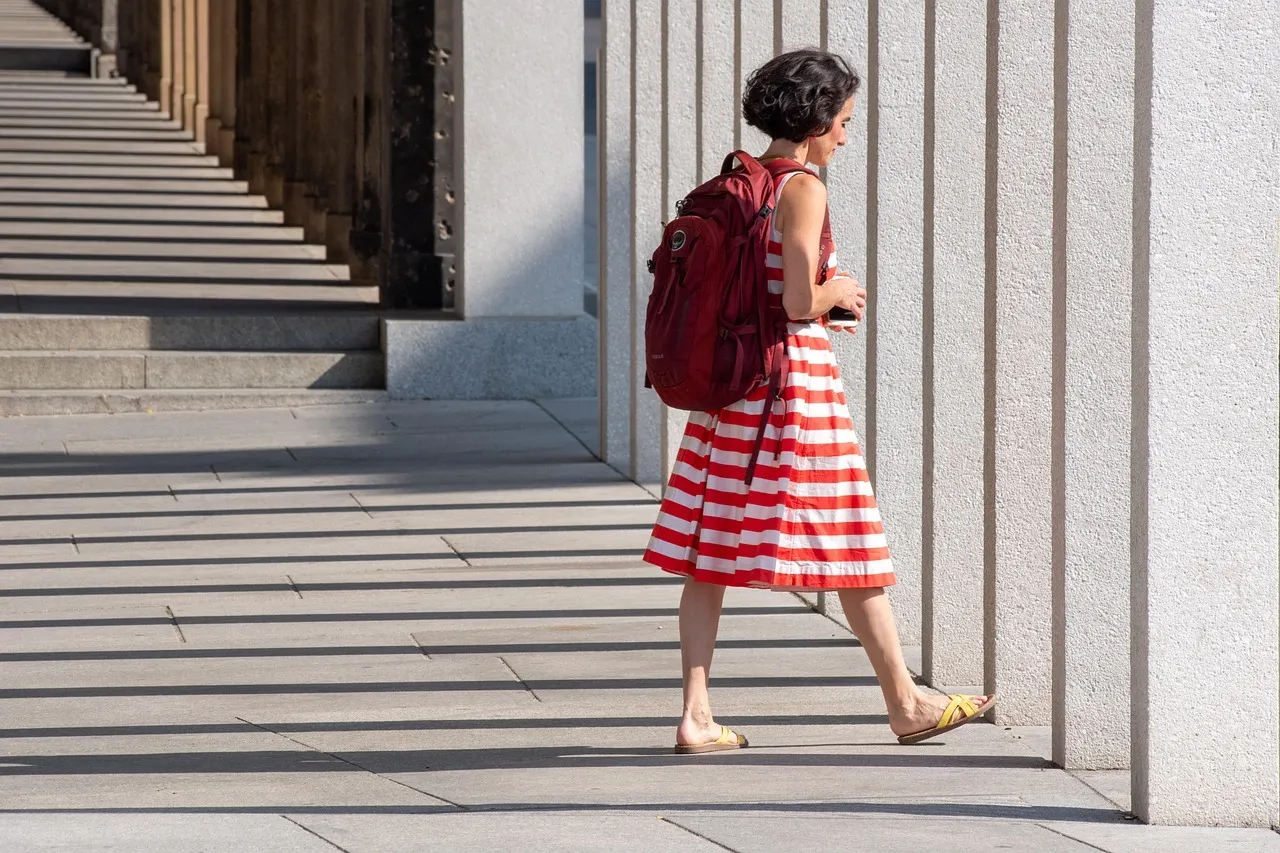
Clothes should mix and match. Make sure every top can be worn with every bottom, and choose items where you won’t need a bunch of different undergarments. Selecting darker-colored, lightweight clothes adds versatility across different settings.
Packing versatile layers you can put on or take off as weather and temperature change makes a real difference. Rather than pack one bulky sweater, layer a short-sleeve shirt with a long-sleeve top. In colder climates, add a lightweight packable jacket. This gives you many more outfit combinations without adding too much weight or volume.
Sticking with a simple color palette makes it easy to mix and match tops and bottoms for several outfit combinations. Black and darker colors look cleaner longer than lighter colors and tend to be more sophisticated for dinner or an evening out. It’s one of those tips that sounds like a small thing until you’re three days into a trip and grateful for it.
5. Invest in Fabrics That Work Harder

Pick performance fabrics that breathe well, keep moisture away from your body, wrinkle less, and dry quickly. If you splurge on one thing, choose clothing made of merino wool, which doesn’t retain odor after multiple uses, breathes well, and is lightweight.
Merino wool naturally resists odor because its fibers trap bacteria, making it an excellent choice for multi-day trips without laundry options. Synthetics, on the other hand, often require more attention to keep fresh, though advancements have improved their odor control properties.
Research from the Woolmark Company backs this up at a scientific level. A study funded by Australian Wool Innovation and led by AgResearch in New Zealand investigated how many days base-layer garments made from merino wool, cotton, and polyester could be worn before laundering was required. The results showed that polyester garments required washing after fewer days of wear when compared to wool and cotton. In practical terms, you can wear a merino base layer for three to seven days of active use without noticeable odor, one of the most practical advantages of merino wool for travel.
6. Plan Around Laundry, Not Around Packing More

Rather than packing fresh clothes for each day you’ll be gone, look for accommodations that come with laundry facilities. This way, even if you’ll be away for a few weeks, you can get away with packing enough clothes for just four or five days.
No matter how long the trip, try to limit yourself to no more than seven days’ worth of clothing. Get used to wearing clothing more than once, because no one really notices or cares. Plan on doing laundry on the road. It’s a habit shift more than a sacrifice.
Planning to do laundry, or investing in articles of clothing that are odor resistant and don’t need to be washed as often, helps significantly. Hand-washing a few items in a morning shower with a simple bar of soap is a quick and surprisingly effective habit. Most seasoned light travelers cite this as the single shift that opened up the most space in their bags.
7. Use Packing Cubes to Multiply Your Space
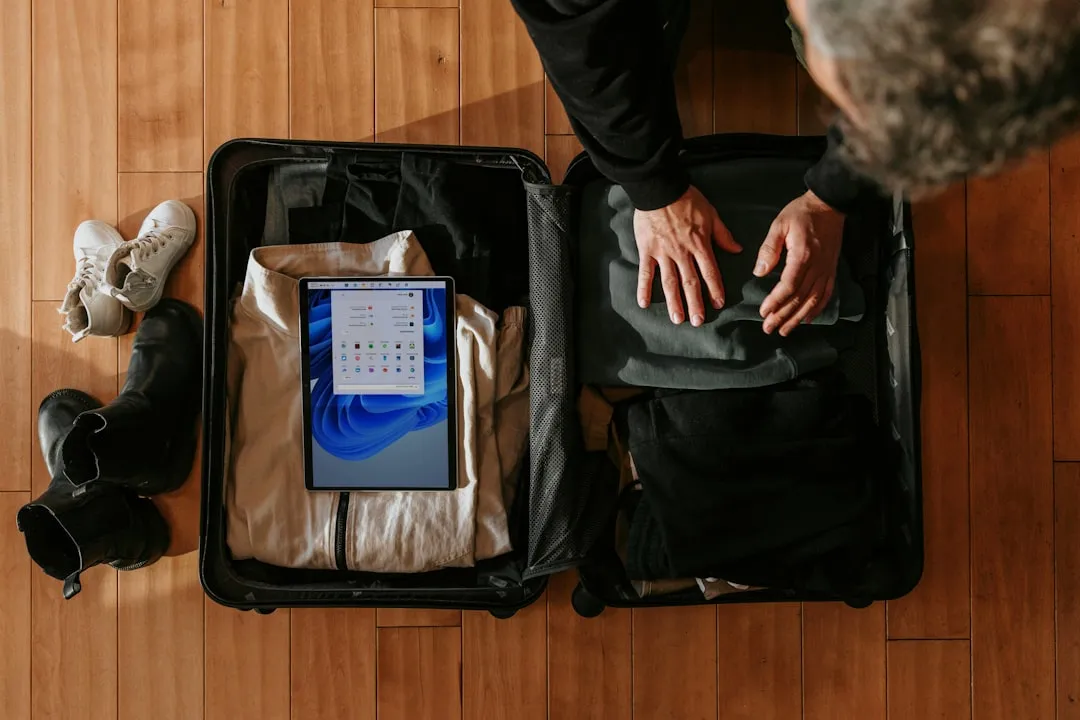
Research suggests that the use of packing cubes can increase a bag’s carrying capacity by roughly twenty to thirty percent. This highlights the value of carefully planning luggage contents to maximize space and minimize the need for checked bags.
When combining the rolling technique with packing cubes, it results in an extremely tidy and optimized arrangement of clothes within the luggage. You can separate various kinds of clothing while still taking advantage of the efficient space-saving inherent to the rolling method.
Beyond the physical aspect, the act of meticulously organizing clothing seems to carry mental benefits as well. Psychological research suggests that order and organization can reduce anxiety, leading to a more enjoyable travel experience, especially when striving for carry-on-only travel. That’s a quiet but real benefit that rarely gets mentioned in standard packing guides.
8. Apply the 10-Dollar Rule for Toiletries and Basics
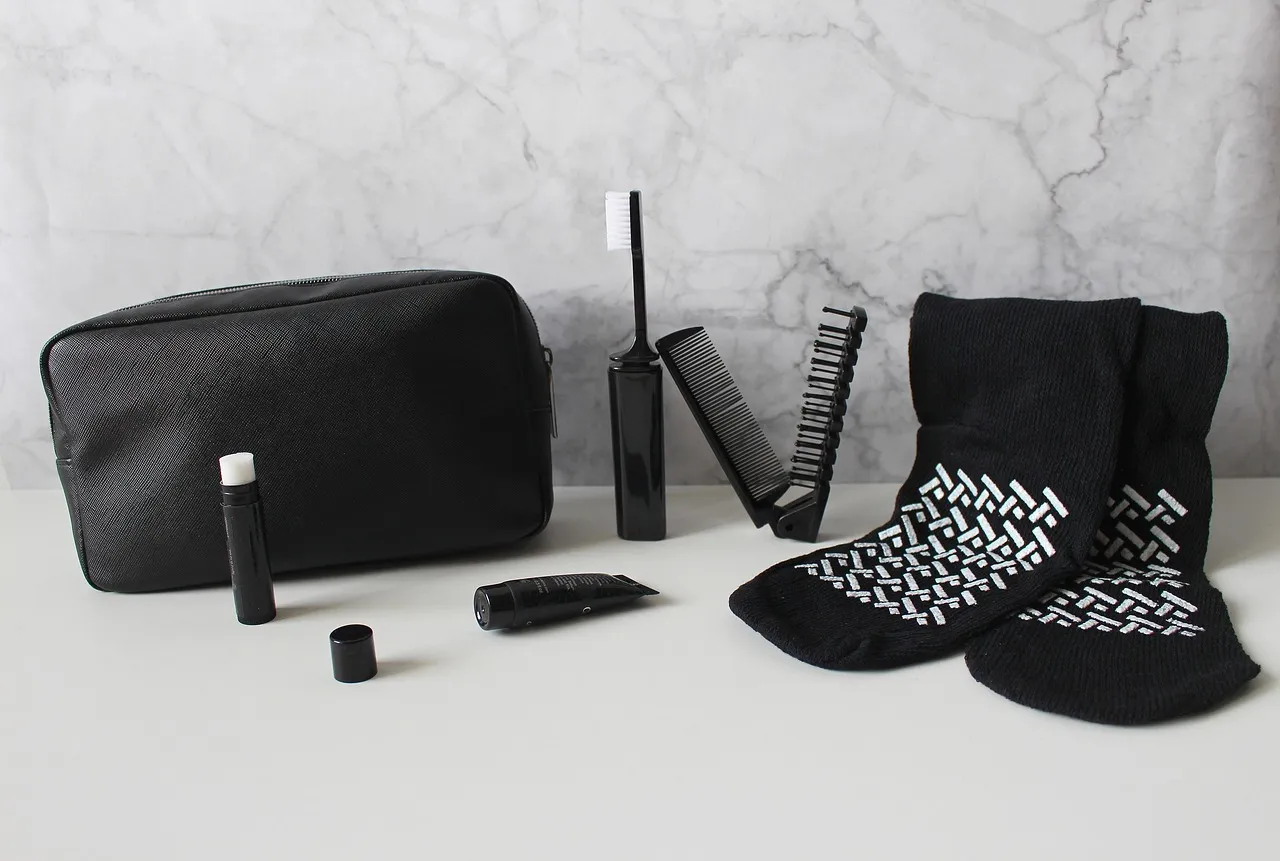
One useful trick is to rely on the fact that almost everywhere you go will have stores. Shopping at your destination is particularly helpful for goods you won’t need to bring back with you, like sunscreen, shaving cream, and shampoo. This somewhat mirrors the 10-dollar rule, a packing strategy where, if you can acquire the item upon arrival in under ten minutes for less than ten dollars, you should just buy it there.
Consider what’s already available at your destination. Leave behind items that are offered where you are going, which often means a hairdryer, iron, soap, and other toiletries. Unless you absolutely have to, it’s best to just use what is there, and as an added bonus, you won’t need an electrical plug adapter.
This rule doesn’t just save space. It subtly changes the psychology of packing, shifting you from “what if I need it” toward “I can handle it when it comes up.” Most travel anxiety around forgetting things evaporates once you adopt that mindset reliably.
9. Know the Real Financial Cost of Checking a Bag
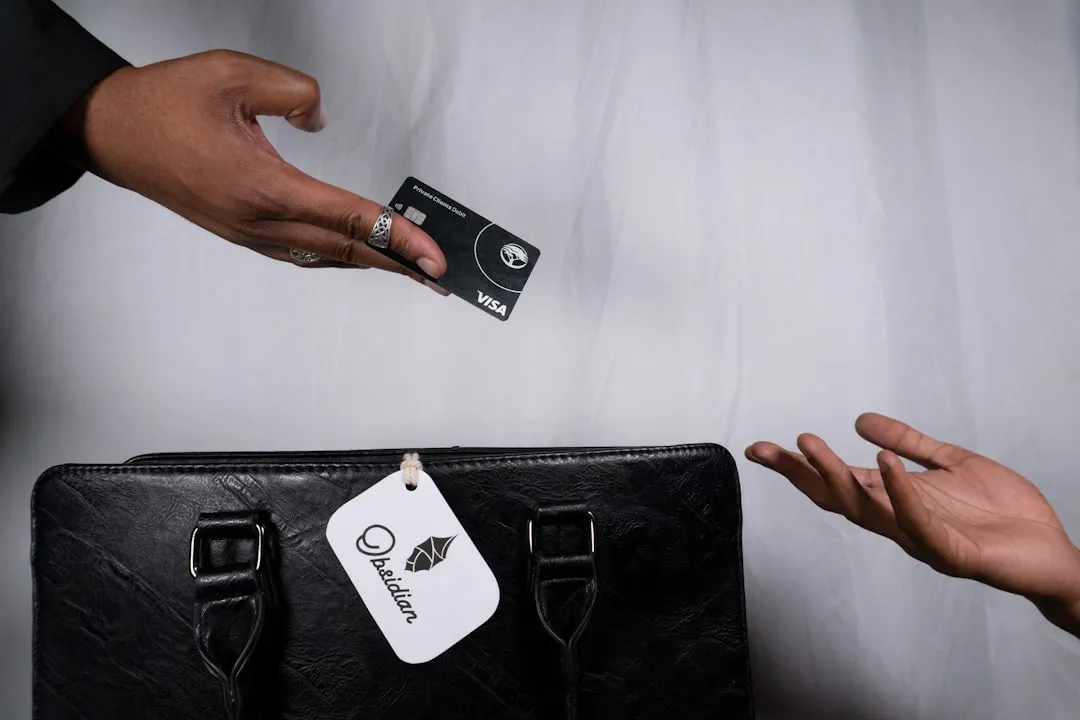
All major U.S. airlines collectively raised their checked bag fees in 2026. The typical first checked bag fee is now forty-five dollars, ten dollars higher than it was before. That number adds up fast on any multi-leg trip or frequent travel schedule.
Checking one bag on a round-trip flight at a major U.S. carrier now costs around ninety dollars. Two bags on a family trip of four can easily exceed three hundred and sixty dollars in baggage fees before any overweight charges apply. Seen through that lens, a good carry-on bag pays for itself quickly.
Baggage fees have long been a reliable revenue stream for airlines. According to the Bureau of Transportation Statistics, U.S. airlines made close to 5.5 billion dollars in revenue off baggage fees alone in 2025. The financial incentive to pack light has never been stronger than it is right now.
10. Keep Your Non-Negotiables Non-Negotiable
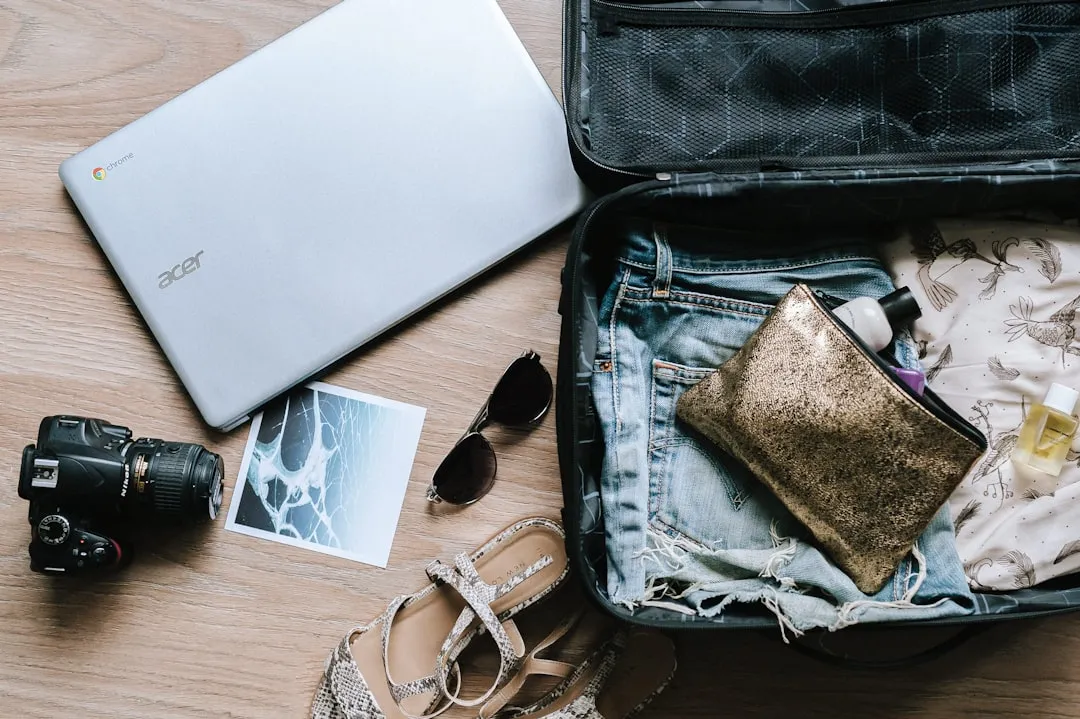
Packing light should never mean arriving without what genuinely matters. Medications, important documents, a reliable phone charger, the one item that makes you sleep well on the road, these are worth their weight without question. The goal is not deprivation. It’s clarity.
Evaluate the likelihood of using each item. If there isn’t a strong chance you’ll actually wear or use it, don’t pack it. Only pack clothes that make you feel good when wearing them. That second part is easy to overlook when everything fits, but it matters for how a trip actually feels day to day.
Packing light is not only good for your wallet and your back, it’s also freeing for your mind. You realize just how little you need to survive and thrive. Fewer belongings mean fewer things to worry about getting stolen or lost. The lightest version of your bag almost always turns out to be the right one.
Conclusion: The Right Bag Is the One You Can Carry Easily

There’s a particular kind of confidence that comes from arriving somewhere with exactly what you need and nothing slowing you down. It’s not about being a minimalist for its own sake. It’s about preserving the ease and spontaneity that make travel worth doing in the first place.
The tips above aren’t rules. They’re a collection of ideas developed across many trips, tested by real travelers, and backed by data that keeps getting harder to ignore as baggage fees climb and airline policies tighten. Take what fits your style and leave the rest.
At the end of a trip, almost no one wishes they had packed more. Quite a few wish they had packed less. That asymmetry is worth remembering the next time you’re standing in front of an open suitcase, trying to decide whether to bring the extra pair of shoes.
AI Disclaimer: This article was created with the assistance of AI tools and reviewed by a human editor.