

There’s a particular kind of energy that comes from stepping into a city for the first time. The streets feel both electric and slightly disorienting, the language might be unfamiliar, and the layout exists only as a loose sketch in your mind. That mix of wonder and mild uncertainty is actually one of travel’s most honest pleasures.
Still, exploring an unknown city does carry real considerations. Travel-related risk alerts, covering safety, severe weather, geopolitical crises, and disease outbreaks, rose roughly fifteen percent from 2024 to 2025. Knowing how to move thoughtfully through an unfamiliar place doesn’t diminish the adventure. It protects it.
1. Research the City’s Neighborhoods Before You Arrive

One of the most valuable things you can do before a trip is simply understand the geography of where you’re going. One of the best ways to stay safe in an unfamiliar city is to do your homework before you get there, since thorough research can save you from a lot of unnecessary trouble. This doesn’t require hours of study, just a focused thirty minutes with a reliable source.
Look up safe neighborhoods, common tourist scams, and local emergency numbers. Websites like TripAdvisor and Lonely Planet, along with local government and tourism sites, can provide valuable insights. Government travel advisories are especially worth checking, since they reflect current, verified conditions.
It’s important to look at what’s happening at your destination right now and take precautions like reading the State Department’s travel advisories before going overseas. Conditions shift, and a safety rating from several months prior may not capture the full picture of where things stand today.
2. Understand the Petty Theft Landscape at Popular Attractions
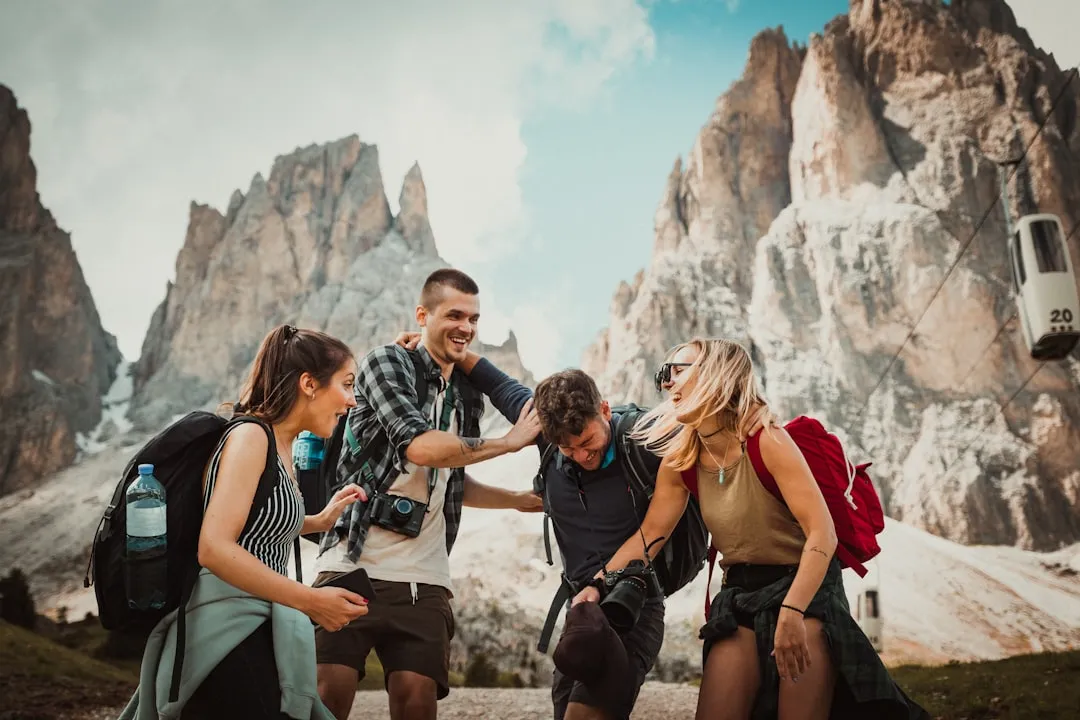
Petty theft is, without question, the most consistent risk tourists face in crowded urban environments. Pickpocketing is the most common crime against tourists: it’s easy to commit in crowds and often goes unreported. Knowing which cities and which spots carry the highest exposure is genuinely useful preparation.
According to a 2025 study by Radical Storage analyzing over 13,000 tourist reviews, Paris ranks first globally, accounting for sixteen and a half percent of all theft-related mentions. Rome ranked second with just over ten percent of theft-related reviews, and the local crime stats back it up. The city reported a sixty-eight percent increase in pickpocketing between 2019 and 2024, alongside a broader twenty-three percent rise in overall crime.
Paris, Barcelona, and Rome share three risk factors: dense tourist corridors, crowded metro and bus lines, and pre-rehearsed distraction crews. The same defensive approach, including under-clothing money belts, RFID sleeves, and keeping nothing in back pockets, neutralizes the dominant theft pattern in every high-risk city. Simple habits, consistently practiced, make a real difference.
3. Plan Your Public Transportation Routes in Advance

Public transportation is often the best way to get around an unfamiliar city, but it can also come with risks. To make sure your journey is both safe and efficient, it’s important to plan ahead. Knowing your route before you leave your accommodation means you’re not visibly confused at a busy transit station.
Before leaving your accommodation, figure out which trains, buses, or trams you’ll need to take and where you’ll need to get off. This prevents you from fumbling around with maps or smartphones in public, which can make you an easy target for theft. It also keeps your attention free to observe your surroundings rather than stare at a screen.
Try to avoid public transportation during off-peak hours, especially late at night. Fewer people around can make you more vulnerable to theft or other safety concerns, so traveling during busier times is generally a safer bet. Downloading a city’s local transit app before you arrive is a small step that pays off quickly.
4. Use Guided Walking or Bike Tours Early in Your Visit

One of the most underrated ways to orient yourself in a new city is also one of the most enjoyable. Walking, biking, and other guided tours are some of the best and safest ways to get to know the layout of a foreign location, and oftentimes they are free or low-cost for travelers. Beyond the practical navigation benefit, they give you a sense of which areas feel lively and welcoming.
The guides who run these tours are typically local residents with deep knowledge of the city’s rhythms, safer streets, and cultural nuances. One of the best ways to feel confident in a new destination is to prepare before you leave home, and a little research and planning can remove much of the uncertainty that makes travelers nervous. Combining a guided orientation with your own prior research creates a confident foundation.
Starting with a tour on your first full day also helps you identify areas you want to return to independently, and areas that locals themselves tend to avoid after dark. That kind of local knowledge is simply not available in any guidebook.
5. Stay in Well-Lit, Populated Areas After Dark

Nighttime in an unfamiliar city requires a slightly different awareness than daytime exploration. As tempting as it is to explore off-the-beaten-path destinations, it’s best to stick to well-lit, busy areas, especially at night. Empty streets or poorly lit alleys are perfect hunting grounds for those with less-than-friendly intentions.
This isn’t about fear. It’s about choosing the conditions that allow you to stay relaxed and present. Being aware of your surroundings, understanding local customs, and taking certain precautions can significantly reduce the risks and make your travel experience both enjoyable and secure.
Staying sober is one of the simplest ways to stay safe. Whether you’re alone or with others, staying sharp ensures you can make clear decisions. The last thing you want is to be vulnerable, especially when you’re in an unfamiliar place. A city’s nightlife can be vivid and memorable. Just experience it with your full attention engaged.
6. Keep Your Devices and Documents Secure at All Times
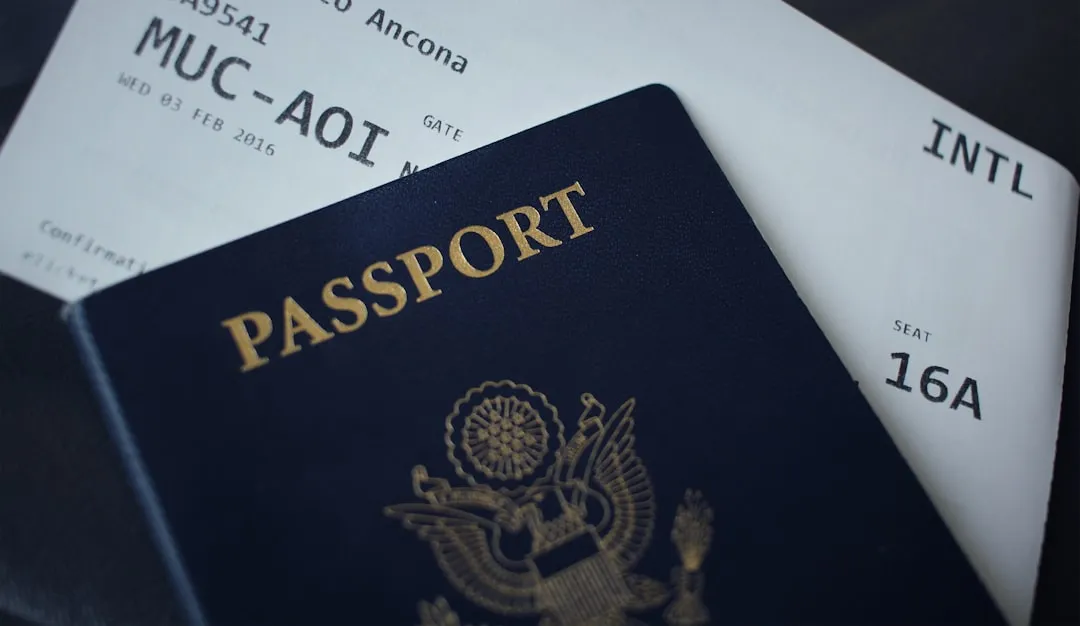
Your phone, passport, and payment cards are the three things most likely to cause serious disruption if lost or stolen. Carrying them thoughtfully is one of the most practical habits you can build. If you plan to use a taxi or rideshare, still put the location in your phone to navigate to, so you can keep your driver accountable. Never assume a driver’s chosen route is the most direct.
Keeping your passport in a hotel safe when not needed for identification is a widely recommended practice. Carrying a photocopy or a clear phone photo of your passport’s data page is a reasonable backup. Ensuring you have a working phone to make emergency calls or use GPS is essential. Buying a local SIM card or opting for an international plan can keep you connected.
According to a May 2024 survey, roughly nine in ten UK tourists say they feel they have to take active steps to protect themselves and their valuables from pickpockets while abroad. Cross-body bags, anti-theft backpacks, and RFID-blocking wallets are all practical investments that travelers in 2025 and 2026 are increasingly adopting.
7. Register Your Travel Plans With Your Government

This tip is practical, free, and takes about five minutes. Using the Smart Traveler Enrollment Program, known as STEP, lets the government know your travel plans. This way, if there’s an emergency in a country and they are evacuating citizens, they will know you are there. Many other governments operate equivalent registration programs.
Setting up safe reference points near where you are staying, such as hospitals, police stations, or the embassy, is also a wise habit. Always have the embassy address and phone number on your phone. Look up the country’s emergency number as well, since it isn’t always 911.
This kind of preparation doesn’t signal paranoia. It’s the same logic as knowing where the fire exits are in a building. You hope you never need any of it, but having it ready keeps your mind clear for the parts of travel that actually deserve your full attention.
8. Buy Travel Insurance Before You Leave Home
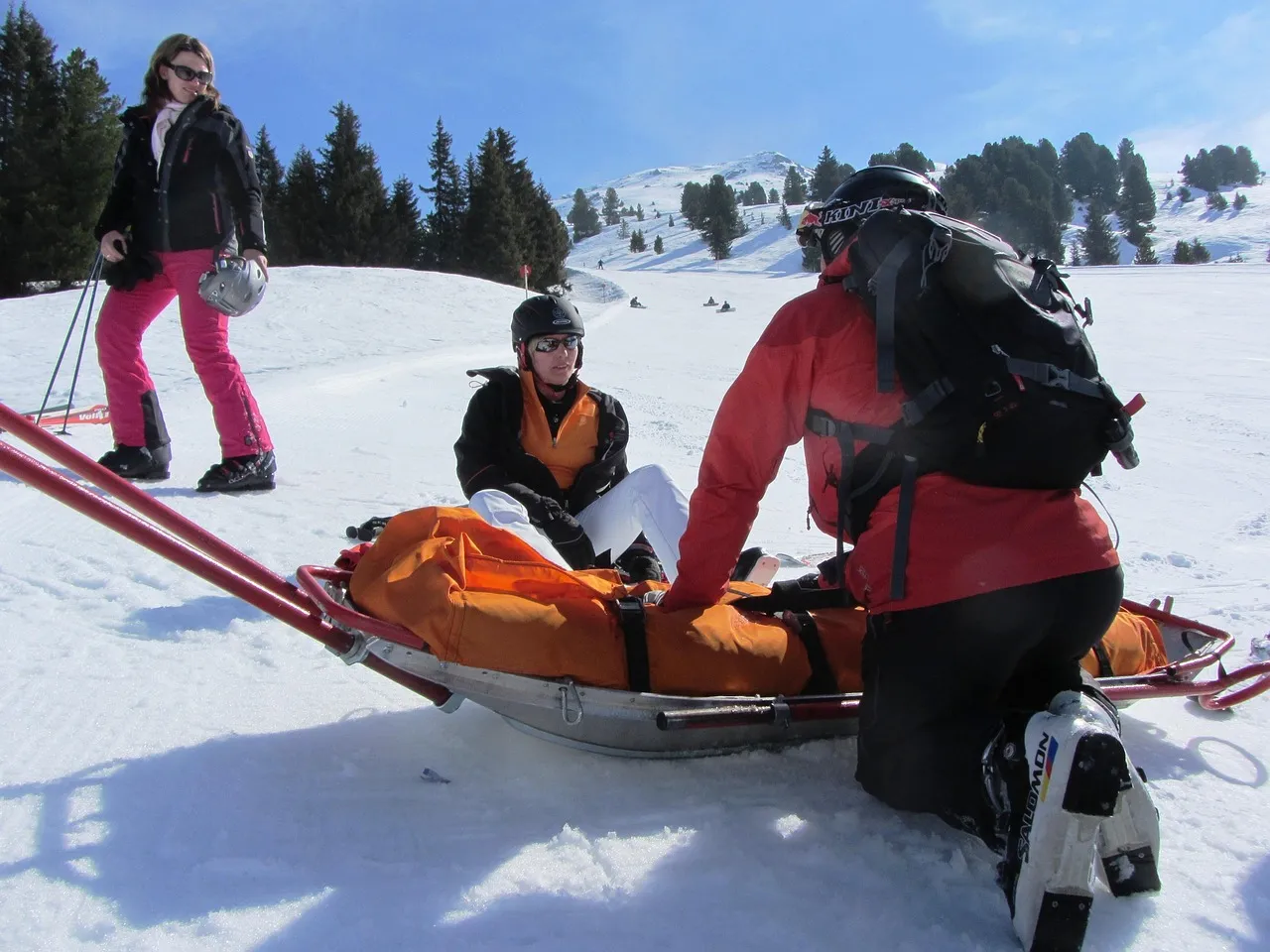
Travel insurance is one of those things that feels unnecessary until the moment it isn’t. Nearly one in five U.S. travelers have lost money by skipping travel protection, and most say the experience made them more likely to buy it in the future. The financial stakes of international travel make this a sensible precaution.
The most striking trend in 2025 travel insurance data is the increase in travel medical coverage adoption. Medical insurance attachment rates jumped from roughly seventy-four to nearly eighty-one percent, a significant shift that signals a fundamental change in traveler priorities. This surge reflects travelers’ heightened awareness of health risks when traveling abroad. Post-pandemic, travelers are no longer viewing medical coverage as optional; they’re treating it as essential protection.
Emergency medical claims lead the way in 2026, representing over a quarter of all paid travel insurance claims. The demand for travel insurance grew by fourteen percent in 2024, driven by more expensive itineraries and evolving travel habits. Given rising trip costs, the math on coverage is increasingly straightforward.
9. Trust Your Instincts and Maintain Situational Awareness

Every experienced traveler will tell you that gut feeling matters. If a situation feels off, if someone is standing unusually close on a metro platform, or if a street shifts noticeably quiet without explanation, those signals deserve attention. Being safe while traveling isn’t about being overly cautious; it’s about being smart and strategic.
Situational awareness simply means staying present in your environment rather than absorbed in your phone. It’s the difference between noticing someone reach toward your bag and not noticing until it’s already gone. Travel confidence is not something you either have or do not have. It is something you build through preparation, awareness, and a willingness to learn as you go.
Being aware doesn’t mean being tense. In fact, the two are almost opposites. A traveler who has done their research, knows their route, and carries their valuables securely is generally a relaxed traveler, because there’s very little left to worry about.
10. Use Technology as a Safety Tool, Not Just a Navigation Aid

The tools available to travelers in 2026 go well beyond a basic maps app. Technological advancements, including AI translation, real-time tracking, and safety alerts, are transforming travel by increasing safety and control for travelers. Knowing how to use these tools intentionally is a genuine advantage.
Downloading offline maps before you go out is a habit worth forming. Map apps that let you download maps to your phone before going out exploring mean you always know where you are, even when your data signal drops, which it will at the worst possible moment in any unfamiliar city.
Travel-related risk alerts rose roughly fifteen percent from 2024 to 2025. This might seem like a significant year-over-year increase. However, travel industry experts weren’t alarmed, attributing the rise in alerts to broader visibility into disruption rather than a blanket surge in danger. Apps that surface these alerts in real time let you adjust your plans before a minor disruption becomes a real inconvenience.
The Takeaway

Exploring a city you’ve never visited is one of the most genuinely rewarding things travel offers. The preparation described here doesn’t add friction to that experience. It removes it. When you know your route, understand the environment, carry your valuables sensibly, and have a basic safety net in place, the city opens up rather than closes down.
The goal was never to visit only the familiar. It was to explore the unfamiliar well, with enough awareness to stay safe and enough freedom to be fully present. Those two things are not in tension. They belong together.
AI Disclaimer: This article was created with the assistance of AI tools and reviewed by a human editor.