


People who fly for a living see patterns most travelers never notice. They observe which habits protect passengers and which ones lead to avoidable problems, flight after flight, year after year. Flight attendants spend hundreds of hours in the air every year, navigating crowded airports, delayed flights, and constantly changing schedules, and over time they develop habits that help them travel efficiently while avoiding common frustrations.
The tips below aren’t cabin crew theory. They’re the practical, often unglamorous habits that experienced flight crews carry with them every time they step onto an aircraft, whether they’re on the clock or traveling on their own time.
1. Keep Your Seatbelt Fastened Even When the Sign Is Off
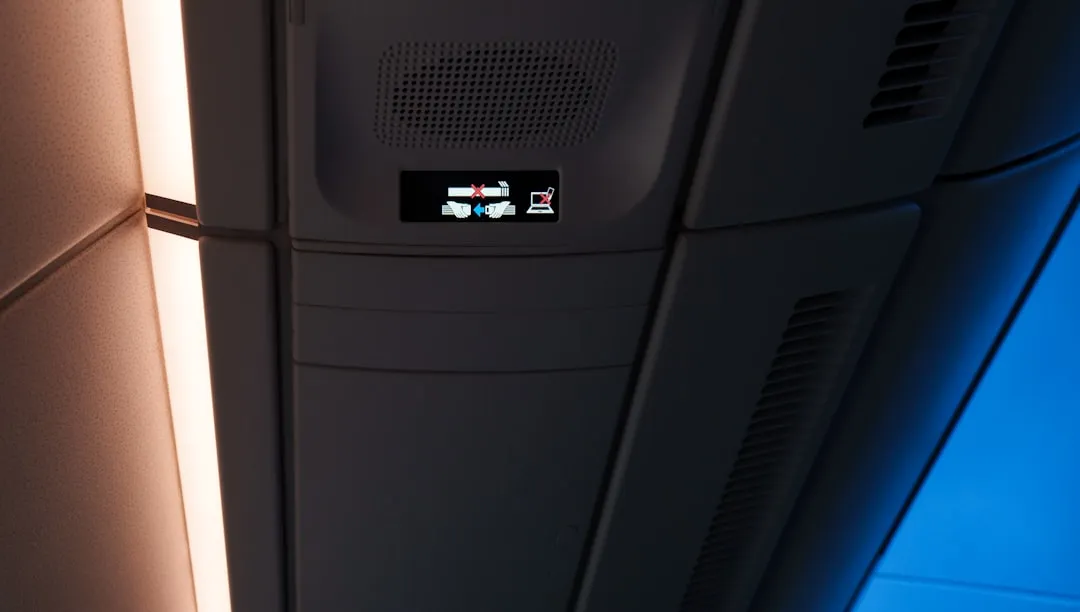
This is perhaps the most repeated piece of advice from cabin crews, and with very good reason. Statistics consistently show that the vast majority of injuries sustained during turbulence involve passengers who were not wearing their seatbelts. A 2019 FAA study revealed that over 90% of injuries during turbulence were to unbuckled passengers.
According to the NTSB, among U.S. air carriers, more than one-third of all accidents are the result of injuries due to turbulence, making it the most common type of accident among air carriers. Severe turbulence can strike without any warning whatsoever.
Passengers are often nervous about turbulence, but as long as you keep your seatbelt securely fastened and follow the seatbelt sign, it is nothing to worry about. According to the BBC, there are over 5,000 incidents of severe turbulence a year over a total of 35 million flights worldwide. A loosely worn seatbelt won’t protect you the way a properly fitted one will.
Seat belts on airplanes restrain and help keep you safe while you’re seated during critical phases of flight and during turbulence. The seat belt is intended to be worn low and tight on the hips, not across the abdomen. Flight attendants keep theirs buckled almost every moment they’re seated, and they’d encourage you to do the same.
2. Drink Water Constantly and Avoid Coffee or Tea from the Cart

Cabin air is drier than most people realize. Roughly half of the air in a plane cabin is pulled from the exterior of the plane. At high altitudes, the humidity levels outside the plane are almost zero, and in the cabin they are close to 10 to 20 percent – by comparison, most deserts have a humidity level of 21 percent.
Humidity levels routinely drop below 20%, leading to a rapid loss of bodily fluids. Studies suggest men might lose up to 2 liters and women up to 1.6 liters of water on a 10-hour flight. That’s a significant amount, and most passengers don’t even notice it happening until the damage is done.
According to the Federal Aviation Administration, even mild dehydration impairs cognitive function, affecting your ability to think clearly and make decisions. Flight attendants are well aware of this and drink water proactively rather than waiting until they feel thirsty. Many experienced crew members also advise avoiding tea or coffee from the flight attendant cart. The hot water tanks used on planes can contain bacteria. Ask for bottled water instead.
3. Always Note Where the Nearest Emergency Exit Is
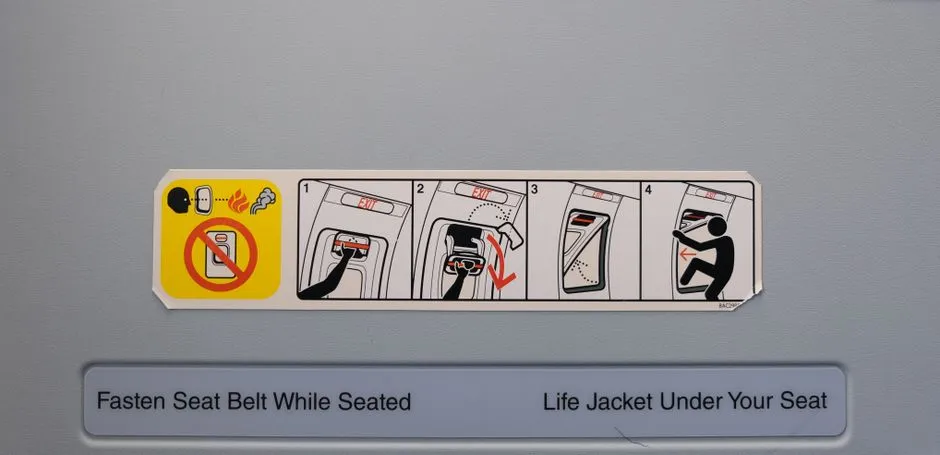
This is a habit so ingrained in cabin crew that it happens automatically, whether they’re working a flight or sitting as passengers themselves. The FAA advises passengers to pay attention to the flight attendant safety briefing at the beginning of every flight and to read the safety briefing card. Most passengers skip it. Flight attendants never do.
Some passengers think they’ve seen it all before and don’t need to watch the safety briefing again. The reality is that not all aircraft are the same, and although most airline procedures are very similar, there may be differences. Knowing your specific exits on your specific aircraft matters in a genuine emergency.
Cabin safety is about preventing injury and preventing the escalation of an abnormality into an emergency. Cabin crews note not just the nearest exit but also the one behind them, since smoke can sometimes obscure forward visibility. Counting the rows between your seat and the exit is an old crew trick that works just as well for passengers.
4. Protect Your Personal Information, Including on Your Luggage Tag
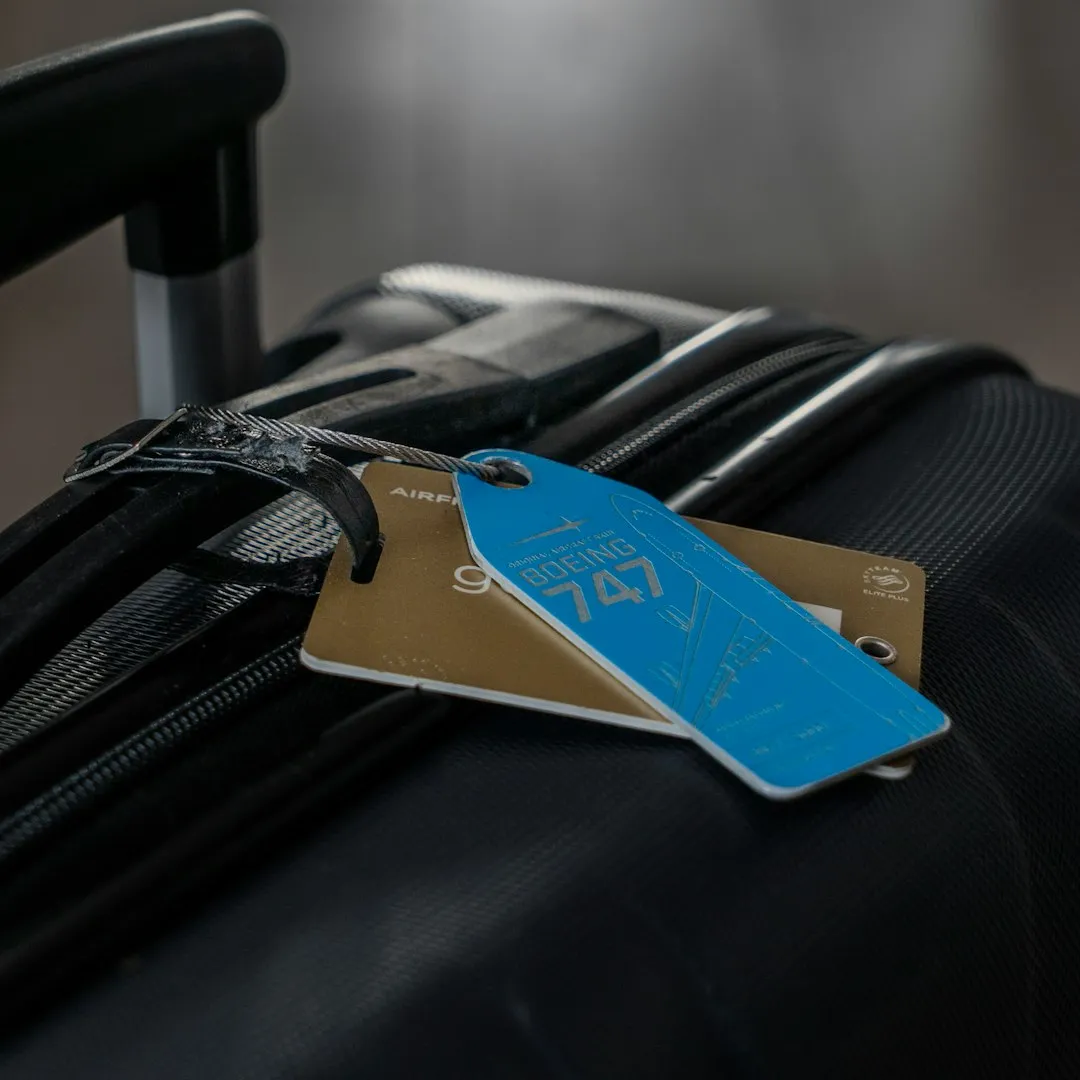
This one came to wider public attention in 2024 when an American Airlines flight attendant shared a safety tip that racked up hundreds of thousands of views online. The tip focused on the safety risk of personal information being disclosed on a passenger’s luggage tag.
Instead of leaving your personal information for all to see on your luggage tag, experienced crew members recommend travelers turn over the insert within the tag so that it is available when needed but not for just anyone to see. Your home address displayed openly in a busy airport or baggage claim is an unnecessary risk.
It’s also a good idea to take pictures of your travel documents and email them to yourself so they are available even if you should lose everything. Flight attendants who travel frequently keep digital copies of passports, IDs, and travel insurance documentation stored securely in cloud-based email accounts they can access from anywhere in the world.
5. Keep Essential Items in Your Carry-On, Always
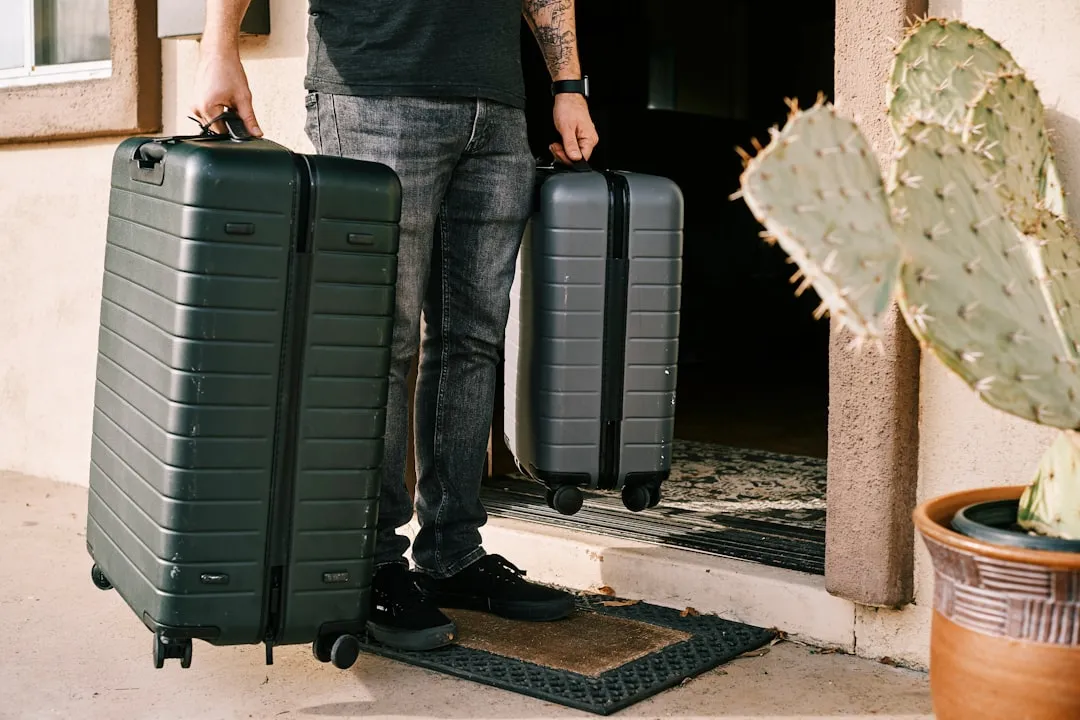
Experienced crew rarely checks a bag if they can help it. The reasoning is both practical and safety-oriented. Lost luggage can happen even with the best airlines. Flight attendants rarely place important items in checked bags and encourage passengers to do the same. Your carry-on essentials should include medications, chargers, travel documents, a change of clothes, toiletries, and any valuable electronics.
You’ll rarely see a flight attendant with checked luggage: they prefer the convenience of a carry-on bag and personal items for navigating airports. Boarding with all your bags means less time checking in and waiting at the baggage carousel at the end of your flight. That efficiency has a safety dimension too, particularly when connections are tight or disruptions occur.
Medications deserve special emphasis here. Missing a critical dose because your checked bag was delayed can have real consequences. Taking extra medication beyond what you think you’ll need, along with a small first aid kit with painkillers and bandages, is standard practice for well-traveled cabin crew.
6. Stay Aware of Your Surroundings in the Cabin at All Times
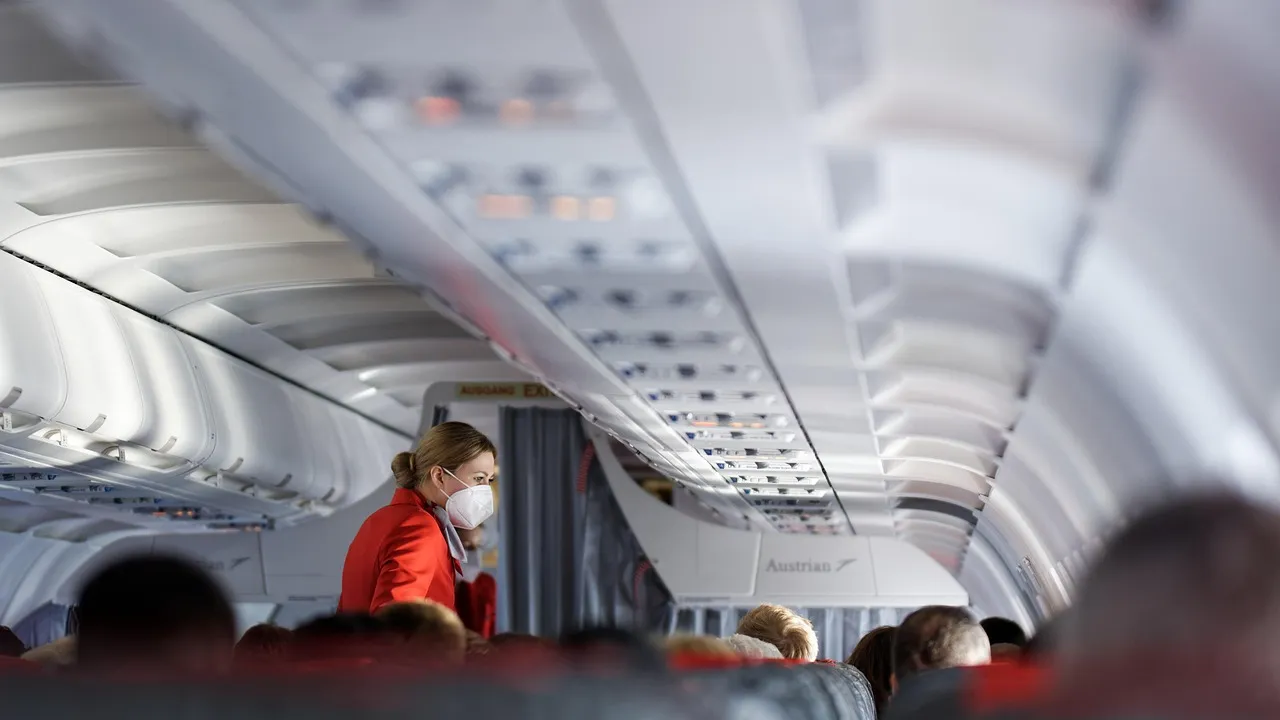
Flight attendants are trained observers. Even when they appear to be going through routine motions during boarding, they’re scanning the cabin, noting passenger behavior, identifying potential issues, and mentally mapping the space. Much of a flight attendant’s most important duties occur behind the scenes. A flight attendant’s primary role is ensuring the safety of all passengers and crew before, during, and after the flight.
Cabin crew receive over 160 hours of safety and emergency procedures training prior to their first flight. This includes de-escalation training, and airlines have responded by extending it to address passengers who become hostile or panic. That training makes them keenly attuned to the dynamics of the cabin environment. Passengers can adopt a similar mindset, even a mild version of it.
According to the International Air Transport Association, more than 53,500 disruptive passenger incidents were reported globally in 2024, averaging one incident every 395 flights. Being situationally aware means knowing who is around you, where the crew stations are, and how to summon help quickly if something goes wrong. It costs nothing and it matters more than most passengers expect.
7. Move Your Body During Long Flights
Flight attendants are on their feet, bending, lifting, and walking the length of the aircraft repeatedly during a shift. What looks like routine service work is also a form of continuous movement that protects circulation. Passengers sitting still for hours don’t have that same natural rhythm working in their favor.
Prolonged immobility at altitude increases the risk of deep vein thrombosis, particularly on flights lasting more than six hours. The combination of reduced cabin pressure, lower oxygen levels, and extended sitting creates conditions that slow blood flow in the legs. Walking the aisle periodically, even just to the galley and back, makes a measurable difference.
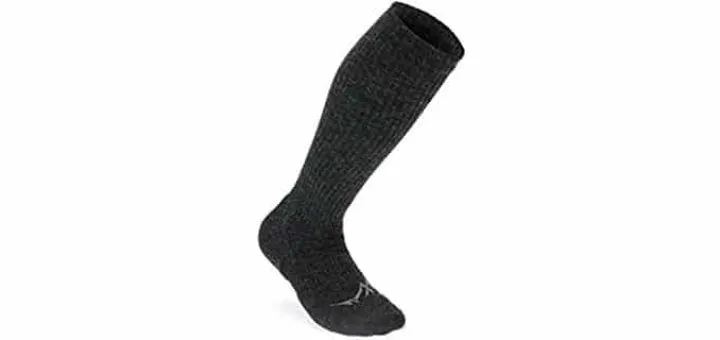
Cabin pressure causes swelling, which can be uncomfortable if you wear tight clothing. Experienced cabin crew also recommend wearing compression socks on long-haul routes, an underrated piece of travel gear that works quietly and effectively regardless of where you’re seated on the aircraft.
8. Be Thoughtful About What You Eat and Drink Before You Board

Experienced cabin crew pay attention to what they consume before a long flight, and the reasoning goes beyond comfort. Preparing for long-haul flights begins with adequate hydration prior to departure. Flight attendants need to be prepared for the challenges presented by the low humidity environment, and a pre-flight hydration routine coupled with continuous water consumption during the flight can significantly enhance well-being and performance.
While it might be tempting to have a cup of coffee to stay alert or a glass of wine to relax, alcohol and caffeinated beverages can contribute to dehydration. They act as diuretics, causing your body to lose more water. Alcohol also interacts with altitude and lower air pressure in ways that can amplify its effects more quickly than it would at sea level.
If your preferred meal option runs out, it’s always smart to bring your own food. It’s challenging to predict how many people will prefer one option over another, and space on board is limited. Sticking to easy snacks like granola bars, fruit, nuts, or crackers is a reliable backup.
9. Dress Practically, Not Just Comfortably
Cabin crew dress codes are strict for practical safety reasons. Closed-toe shoes, for instance, aren’t just professional protocol. In an emergency evacuation, passengers and crew running barefoot or in flip-flops across debris can suffer serious injuries. Cabin temperatures can vary dramatically between departure and arrival. Flight attendants often recommend dressing in layers to stay comfortable throughout the journey, with loose-fitting clothing and breathable fabrics being ideal for long flights.
Synthetic fabrics are also worth reconsidering from a safety standpoint. Natural fibers like wool and cotton are more resistant to fire and heat than many synthetic blends. Flight attendants are specifically trained to be aware of fabric choices in relation to fire risk, a consideration that applies to passengers too.
Layering also gives you more flexibility as cabin temperatures shift without warning, which they often do. Experienced cabin crews rely on versatile clothing that can be mixed and matched rather than packing separate outfits for every occasion. A lightweight jacket, comfortable shoes, and wrinkle-resistant clothing can cover almost any travel situation.
10. Listen to the Safety Briefing Every Single Time
It might be the most universally ignored piece of in-flight advice, and yet it’s the one flight attendants feel most strongly about. The briefing isn’t a formality. It’s specifically designed to orient you to the equipment and exits on the aircraft you’re actually on right now, not the one you flew last month.
Cabin crew contribute to safe, effective, and efficient operations in normal, abnormal, and emergency situations. They play an important role in preventing serious incidents and accidents, including in-flight fires, unruly passengers, depressurization, and turbulence. Their briefings reflect that full range of possibilities, not just the ones passengers tend to think about.
The concerns of cabin safety go beyond the safety demonstration before a flight. They encompass a range of different disciplines, topics, and processes which are not always evident to airline customers. The role of cabin crew is varied, but all tasks are carried out with a focus on safety. Listening closely is the simplest way any traveler can participate actively in their own safety from the very first moment of the flight.
The Takeaway
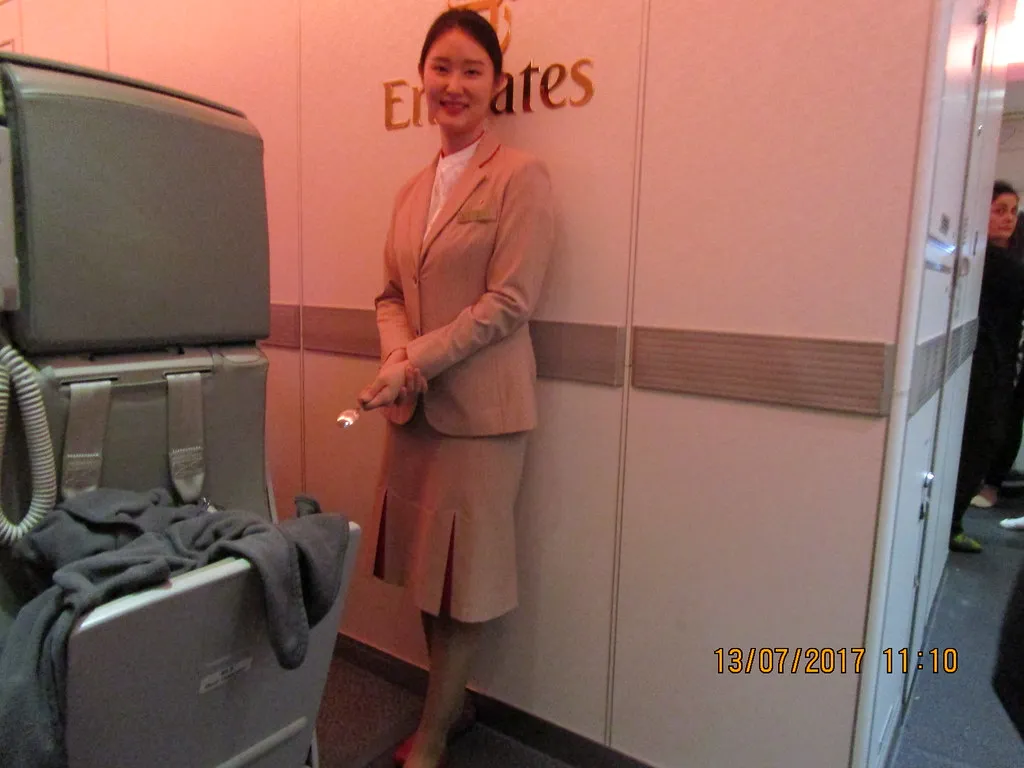
Flight attendants aren’t fearless about flying. They’re simply prepared. The habits listed above didn’t emerge from a rulebook or a safety manual alone. They emerged from thousands of hours in the air, watching what works and what doesn’t, flight after flight, route after route.
The good news is that none of these practices require special access or expensive gear. They require attention, a little planning, and the willingness to take the same quiet, consistent steps that experienced crew members take every time they board. That kind of preparedness travels well.
AI Disclaimer: This article was created with the assistance of AI tools and reviewed by a human editor.