
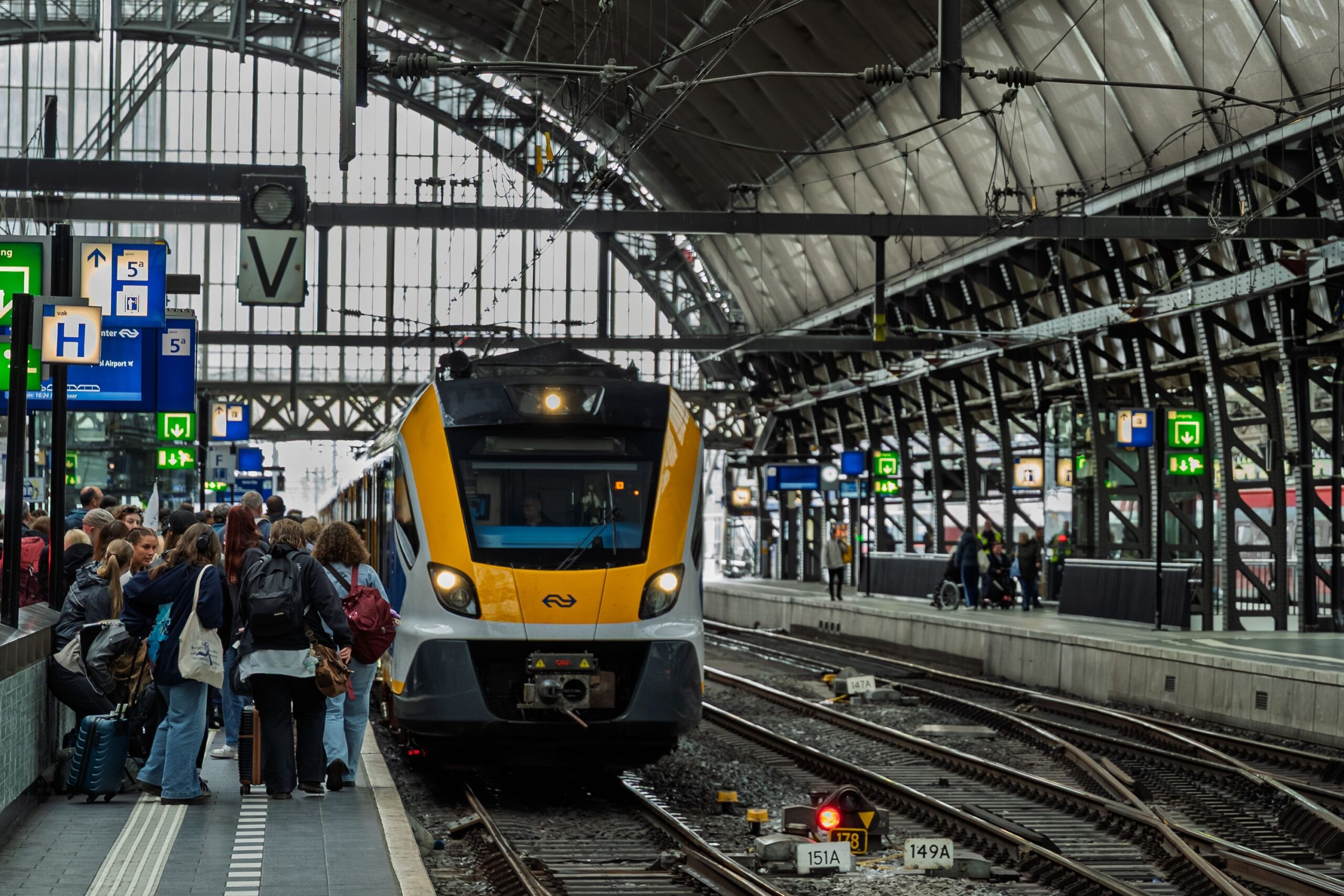

There’s something quietly satisfying about boarding a sleeper train at dusk and waking up somewhere new. You’ve covered hundreds of miles without a hotel, without an airport, and without losing a full day to transit. It’s a form of travel that rewards preparation.
In 2024, Europeans alone travelled 443 billion kilometres by rail, a nearly six percent increase over the prior year, reflecting a growing interest in train travel as a genuine alternative to short-haul flights. The global sleeper train market stood at roughly 34.7 billion dollars in 2024 and is projected to expand at a rate of around seven percent annually through 2033. More people are choosing overnight rail, and a good number of them are learning, sometimes the hard way, that comfort and alertness don’t just happen by themselves.
1. Choose Your Berth Wisely Before You Book
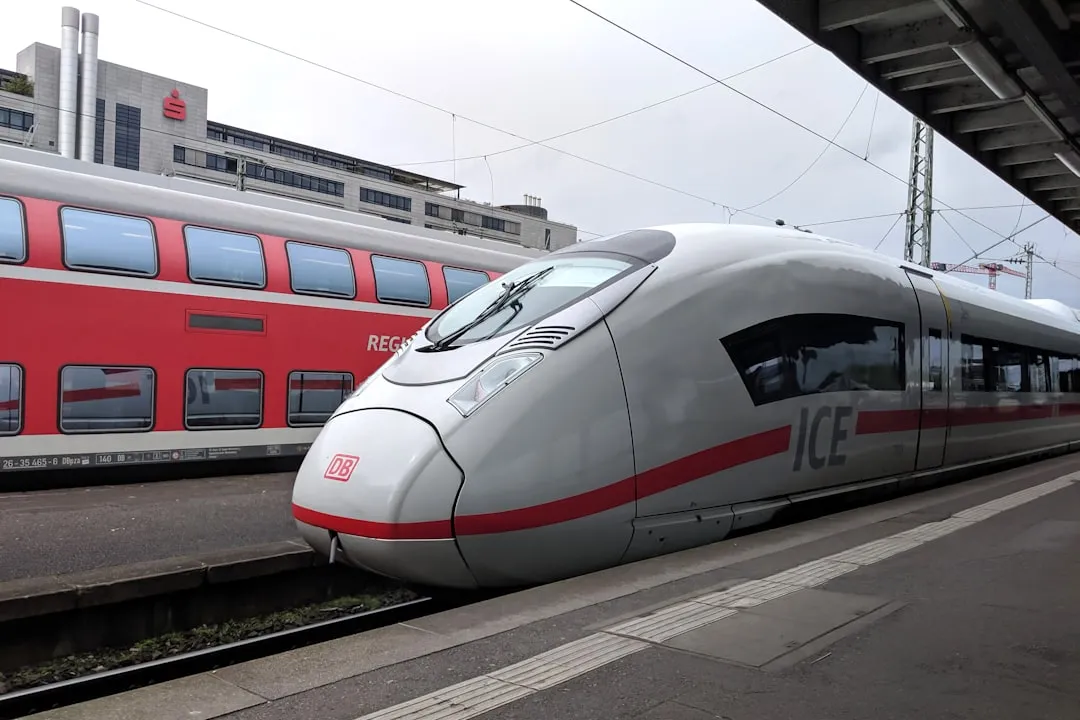
Most European and Asian overnight trains offer two-berth or four-berth compartments with lie-flat bunks, and upper berths tend to be preferable: they’re warmer, less disrupted by door-opening activity, and experience lower vibration relative to the rails. This is a small but meaningful detail that most first-time sleeper passengers overlook entirely when booking.
Top bunks are generally considered more secure than bottom ones, and locking your train compartment door when you’re settled in adds another layer of peace of mind. Even in open-carriage seating, choosing a window seat removes one side of potential disturbance, and positioning yourself with your back toward the direction of travel can reduce the sensation of forward motion jerks.
On many routes, berth choice is locked in at the time of booking, so it’s worth spending an extra few minutes researching the specific train configuration before you confirm your ticket.
2. Pack a Personal Sleep Kit – Don’t Rely on the Train’s
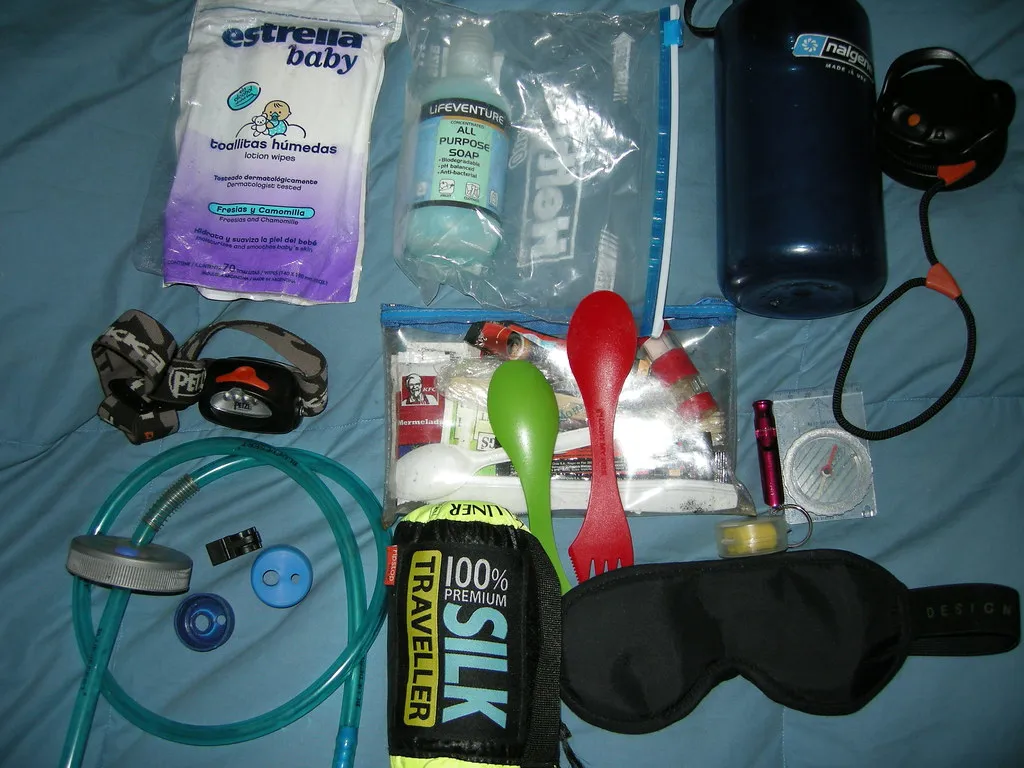
For a peaceful night’s sleep, a good travel pillow can help avoid neck pain and ensure enough comfort to nod off; many overnight trains offer bedding or a small cushion, but bringing your own can make a real difference, especially for those who struggle with standard train seats. A compact, inflatable travel pillow that’s easy to pack but still provides adequate support is worth considering, along with a lightweight blanket or travel throw to stay warm during the journey.
Sleep masks, noise-cancelling headphones, and earplugs are near-essential for any overnight train traveler, since you genuinely never know if you’ll end up next to a snorer or someone with their phone screen at full brightness. These items weigh almost nothing and can be the difference between six hours of real rest and six hours of frustration.
3. Dress for the Journey, Not the Destination
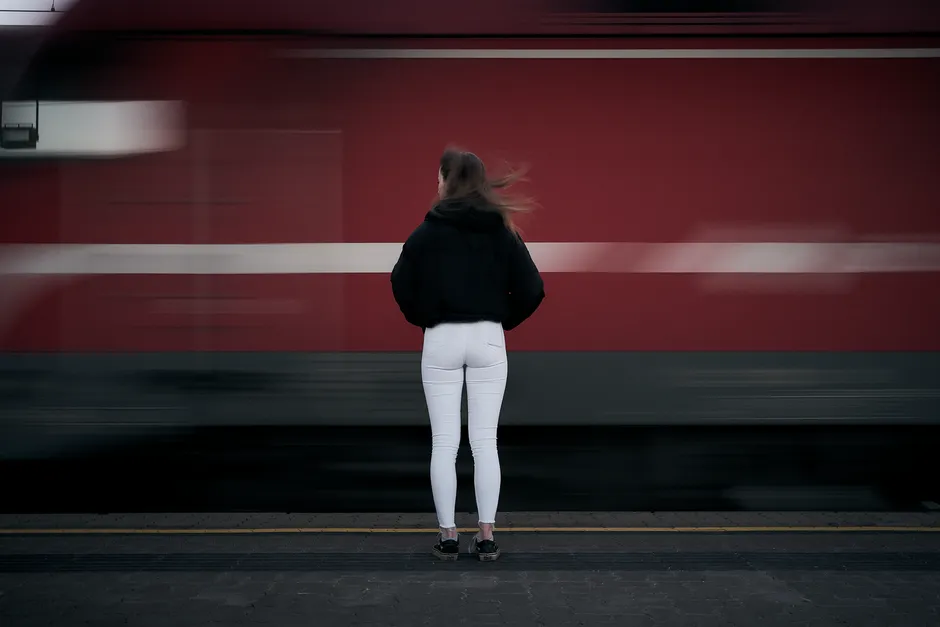
Comfort is paramount on an overnight train, since you’ll likely be sitting or lying down for a prolonged period; opting for loose clothing such as sweatpants, leggings, or soft cotton layers makes a genuine difference, especially given that temperatures can fluctuate between stations and throughout the night.
A light jacket or sweater is worth packing since train carriages can feel chilly, and comfortable footwear matters too – slip-on shoes or sandals are ideal if you’re walking to the bathroom facilities, while tight, restrictive shoes can cause real discomfort after several hours seated.
The goal is to arrive rested, not wrinkled and stiff. Save your smarter travel outfit for the bottom of your overnight bag and change in the morning.
4. Keep Your Valuables Close, Always
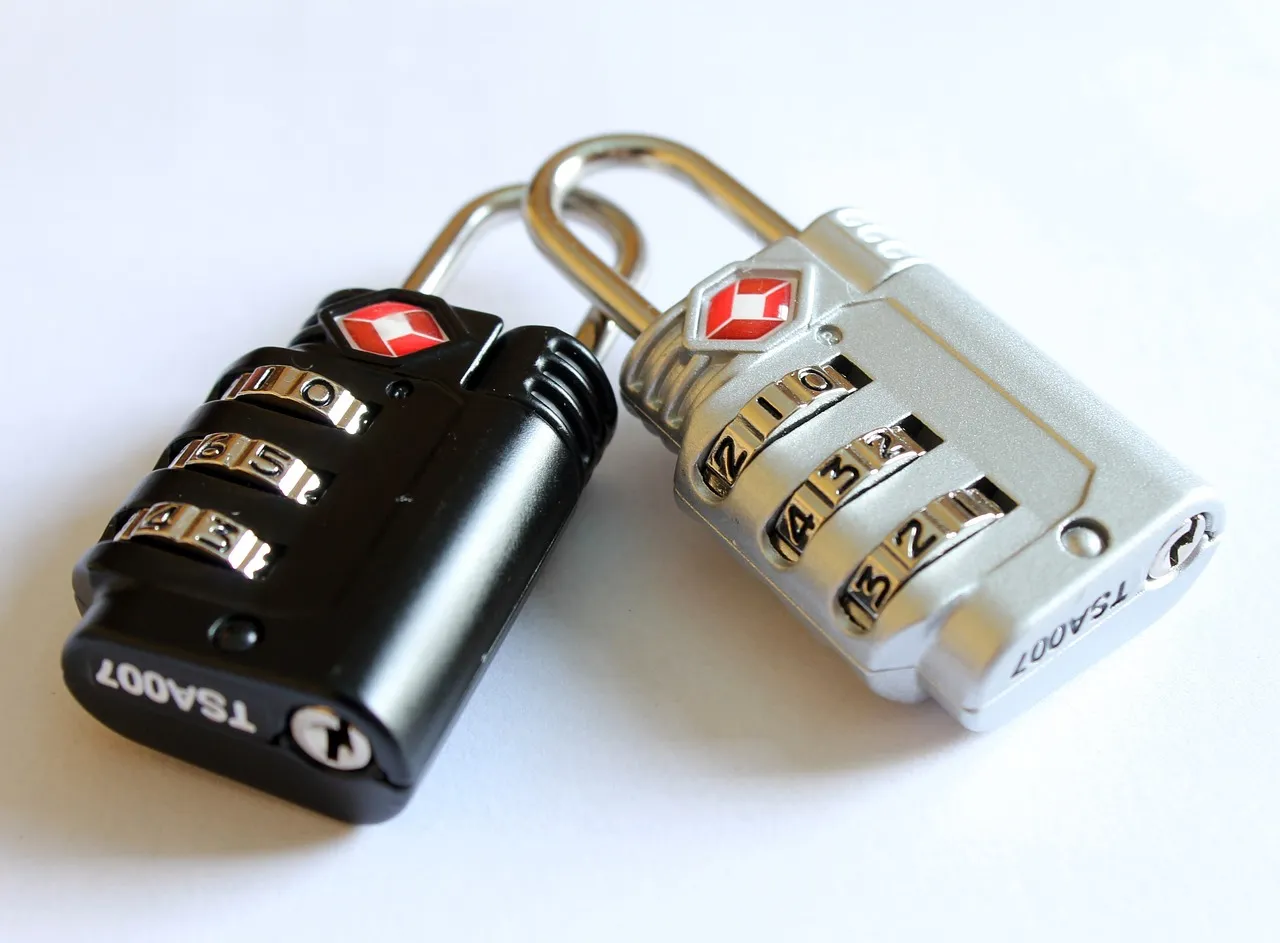
Always keeping valuables such as electronics, passports, money, and essential documents in a smaller bag you carry with you at all times ensures that even if your larger luggage is out of sight, your most important items remain safe. This is especially relevant during the hours when you’re asleep and your awareness naturally drops.
Luggage chains or cables can be an effective way to secure bags in sleeper coaches, fastened to under-seat rails or other fixed objects using a sturdy chain and lock – this not only deters theft but also prevents bags from shifting during the journey. Locking or chaining a bag to the luggage rack is practical, since daypacks and smaller bags are often bigger targets than large suitcases, as thieves know that’s where passengers store their most valuable items.
5. Manage Sleep Smartly Around the Schedule

For shorter overnight journeys of six to eight hours, a low-dose melatonin of around 0.5 to 1 milligram taken about thirty minutes before your intended sleep time can help initiate sleep without residual morning sedation, while for longer journeys of ten or more hours, the natural sleep pressure from a full day of travel is typically sufficient without supplements.
Avoiding alcohol before overnight transit sleep is also worth noting, since it fragments the second half of sleep and dehydrates – transit vehicles are already dry environments. This catches many passengers off guard, particularly those who treat a glass of wine on the train as a sleep aid.
Set multiple alarms well before your stop, with the volume low enough not to disturb your cabin. Arriving rested and on time is the whole point of the exercise.
6. Stay Hydrated and Feed Yourself Well Before Boarding

To avoid having to leave your seat during the night, consider bringing your own snacks and water – it helps you stay comfortable and hydrated throughout the journey. Train environments, much like planes, tend toward dry air, and dehydration quietly erodes the quality of sleep.
Eating a balanced, not-too-heavy meal before boarding makes a practical difference. A large, rich dinner can disrupt sleep just as effectively as noise or an uncomfortable pillow. Think of the pre-boarding meal as part of your sleep strategy, not an afterthought.
7. Organise Your Bag the Night Before, Not on the Platform
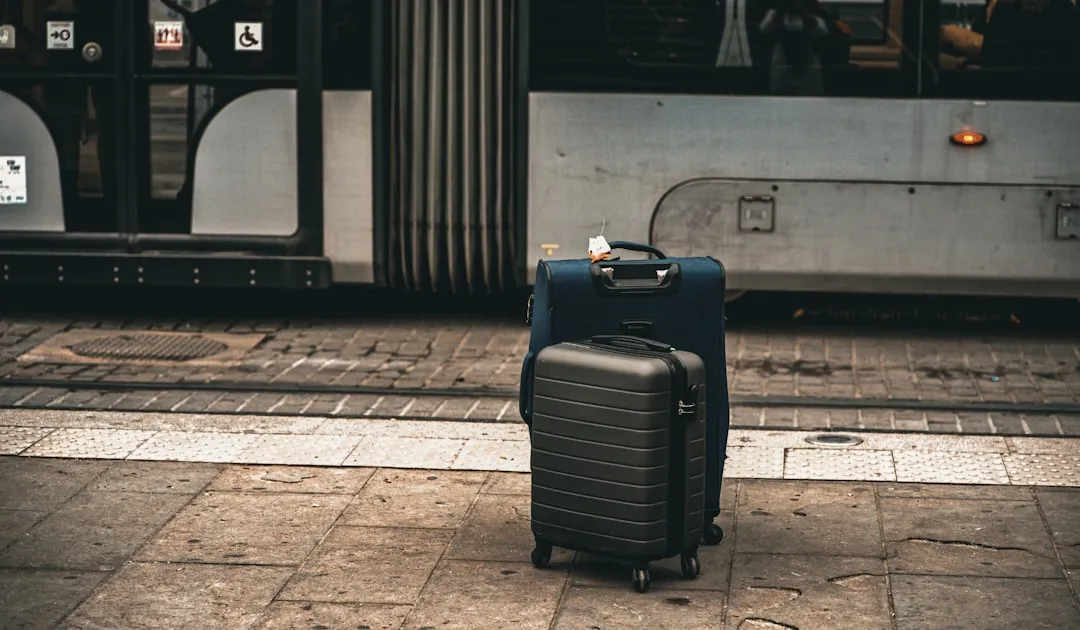
Packing light is important when preparing for train journeys; while there will be a place to stow main luggage, cabin space is limited, so dividing luggage into what you need overnight and what can wait saves considerable stress once you’re aboard. Fumbling for your toothbrush at midnight in a small compartment while trying not to wake a fellow passenger is the kind of experience that lingers.
Having a dedicated cabin bag ready with a change of clothes for the next day and a toiletry bag containing your essentials means everything you need is immediately accessible. This two-bag system, one for the cabin and one stowed away, is a small discipline that experienced sleeper train passengers rely on almost universally.
8. Know Your Train’s Safety Profile
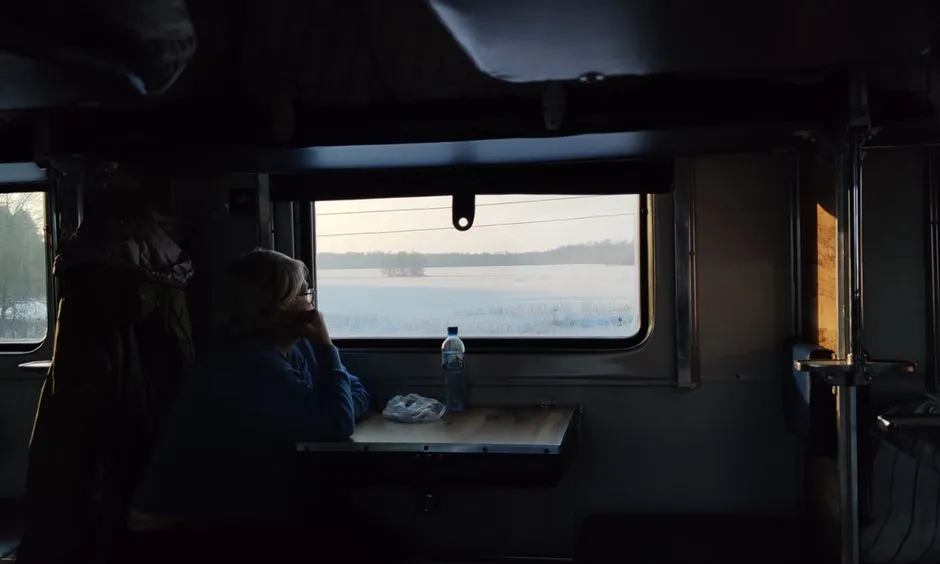
Rail travel has a consistently low fatality rate, and in the EU, rail-related deaths account for less than one percent of all transport fatalities, according to the European Union Agency for Railways. That context matters, because many first-time overnight travelers carry an exaggerated sense of risk about sleeping on a moving train.
Overnight trains ensure the visibility of staff nearby, with conductors and representatives patrolling regularly, though solo travelers should still stay aware of their surroundings and keep their belongings in check. On some trains, travelers can book sleeping pods and private cabins for extra privacy and security. Knowing what’s available on your specific service before you travel means you can make a genuinely informed choice.
9. Set Up Your Space as Soon as You Board
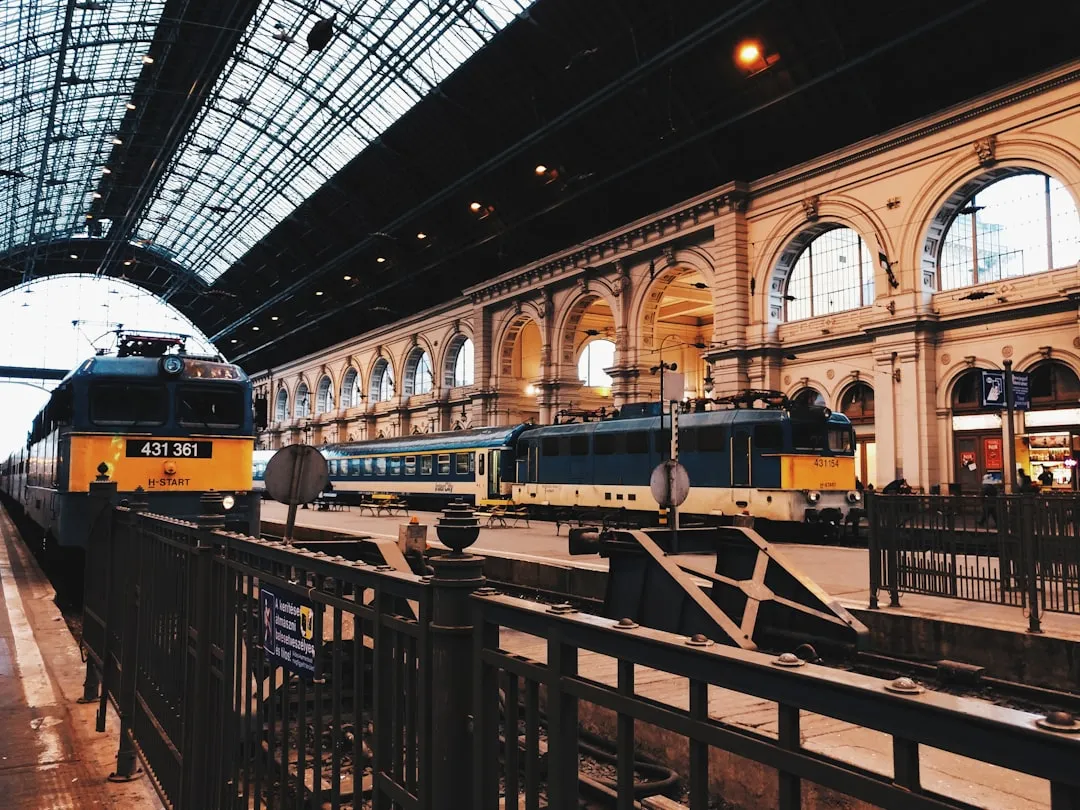
Overnight train sleeping compartments can be quite small and tight – on some routes, a standard compartment may be only about 1.5 metres wide and 2.5 metres long, with two bunk beds stacked one above the other. Getting organised immediately, before the train is moving, means you’re not navigating a cramped space in the dark at speed.
Lay out your sleep kit, plug in any devices that need charging, locate the nearest toilet, and introduce yourself briefly to any cabin-mates. A small courtesy goes a long way in a shared space. Passengers who settle in quickly tend to sleep earlier and arrive in better shape.
10. Embrace the Rhythm of the Journey
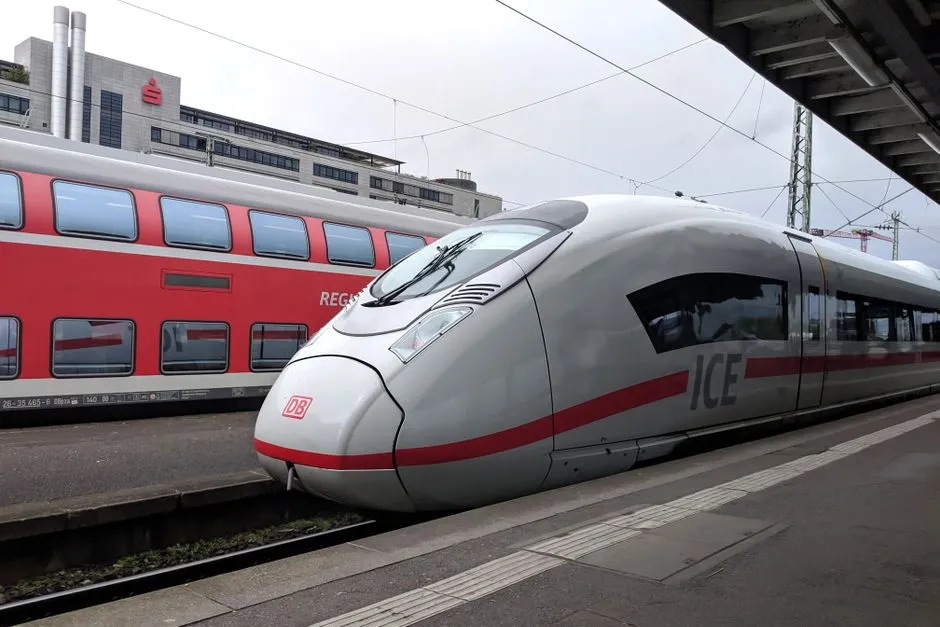
Train travel is a significant travel trend right now, especially across Europe and Asia, where networks are exceptionally well connected. More than 230,000 travellers have already boarded the European Sleeper’s Good Night Train between Brussels, Amsterdam, Berlin, Dresden, and Prague in just two years of operation. There is a renewed cultural enthusiasm for this mode of travel that goes beyond mere practicality.
A survey across Germany, Poland, France, Spain, and the Netherlands found that roughly seven in ten respondents were willing to take night trains, and more than a third would accept travel times of over five hours when shifting from flying. That willingness reflects something real: overnight train travel, done right, is its own kind of experience, not just a means to an end.
The steady rhythm of the rails, the darkness sliding past the window, the sense of crossing distance while the world sleeps – these are not minor things. Lean into them rather than fighting for a perfect replica of your bedroom at home, and the journey becomes part of what you’ll remember about the trip.
The Takeaway
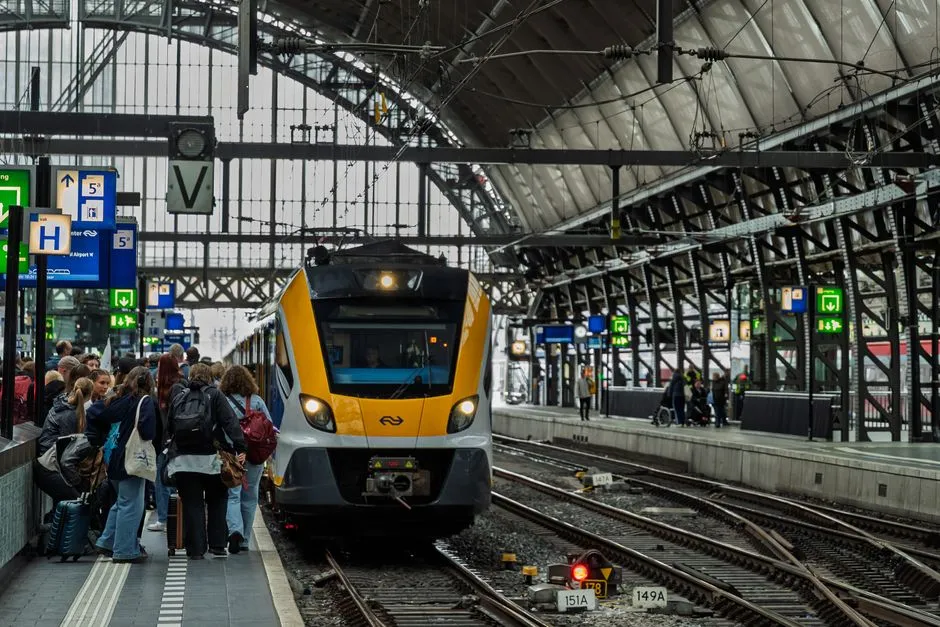
Overnight trains reward travelers who prepare thoughtfully and approach the experience with a degree of flexibility. The fundamentals are not complicated: choose the right berth, pack your own sleep essentials, secure your valuables, eat and hydrate sensibly, and organise your space early.
This growth in overnight rail is being driven by renewed consumer interest in sustainable travel, enhanced onboard experiences, and the expansion of rail networks globally. As new routes open and rolling stock improves, the case for choosing a sleeper train over a short-haul flight or an anonymous hotel room gets steadily stronger.
The best overnight train journeys feel almost effortless in hindsight. That effortlessness is always earned in advance.
AI Disclaimer: This article was created with the assistance of AI tools and reviewed by a human editor.