

The Science Behind the Color: Rock Flour and Refracted Light

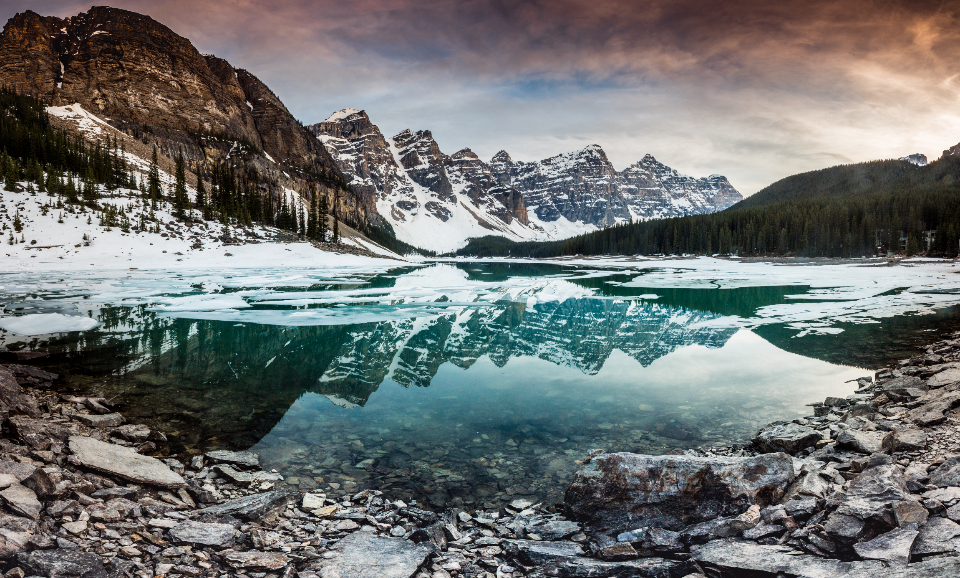
The reason these lakes look painted is not magic, though it’s easy to assume so on first glance. The lakes get their iconic color from rock flour, which is similar in appearance to baker’s flour. Rock flour is made from glaciers grinding rocks into powder, which can take thousands of years.
The small particles of rock flour find their way to the lake via meltwater streams. Glacial flour, being so light, is suspended in the water – a murky appearance referred to as glacial milk. It’s one of those phenomena where the explanation is almost as remarkable as the visual itself.
As the water takes in the long waves of light – the reds – the rock flour absorbs the shortest – the purples. What’s left scattering back to your eyes is mostly green and blue. The result is that unmistakable turquoise that photographs have never quite managed to capture faithfully.
Lake Louise: The One That Started It All
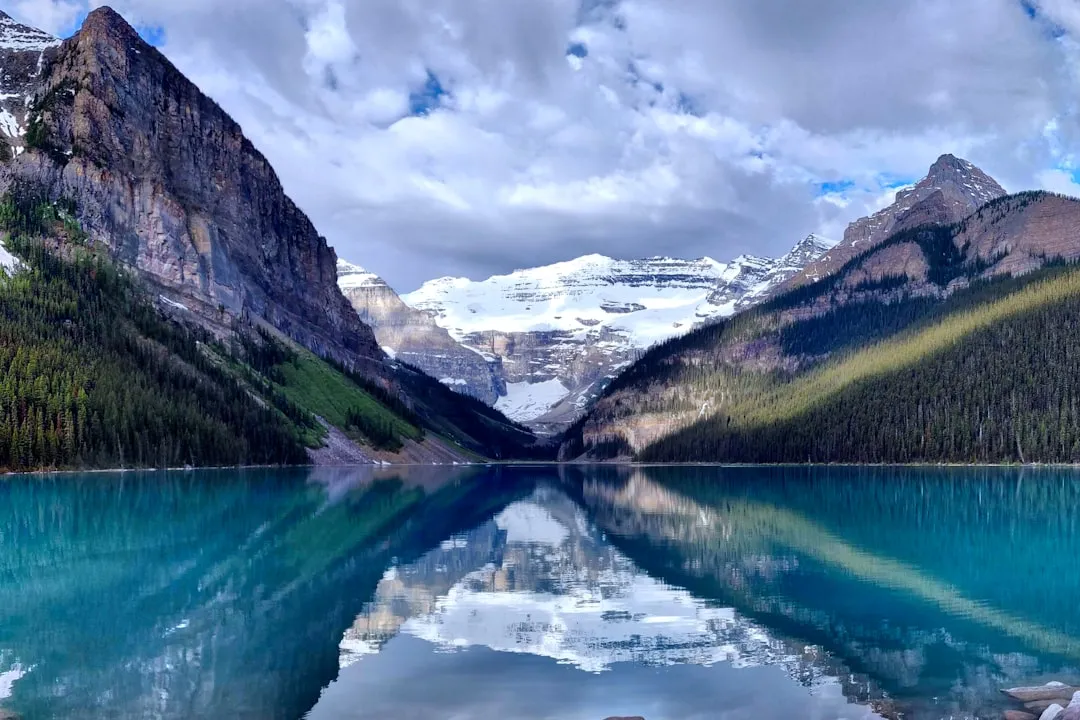
Lake Louise has drawn visitors to the Canadian Rockies for over a century. The alpine lake is a wild, turquoise blue color fed by glacier melt and set against a backdrop of Mount Victoria and a hanging glacier. It remains one of the most recognized lakes on the planet, and for good reason.
Nestled in Banff National Park, its pristine turquoise waters reflect the surrounding snow-capped peaks, creating a postcard-perfect scene. This glacier-fed lake owes its dazzling blue hue to fine particles of rock flour resulting from glacial erosion. What’s striking is that no amount of familiarity diminishes the experience of seeing it in person.
Lake Louise typically thaws between late May and early June. It’s the lake most people build their whole trip around. Timing your visit for July through early September gives you the fullest, most saturated color.
Moraine Lake: The Valley of the Ten Peaks
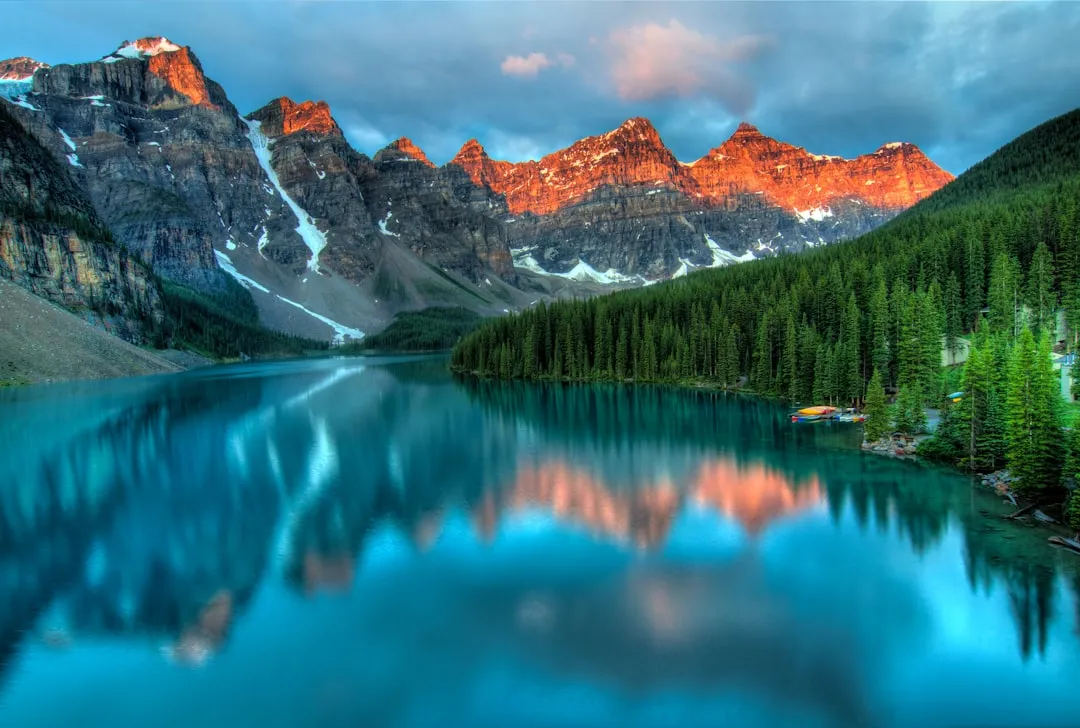
Located in the Valley of the Ten Peaks within Banff National Park, Moraine Lake is often regarded as a gemstone amidst the Canadian Rockies. Its intense blue color, complemented by a ring of snow-capped peaks, makes it a photographer’s paradise.
At an elevation of 1,884 meters, it is a glacially fed lake renowned worldwide, not only for its beauty but also as a feature on Canadian currency in the past. The lake appeared on the back of the Canadian twenty-dollar bill, earning the famous Rockpile viewpoint the informal nickname “the twenty-dollar view.”
The lake does not reach its crest until middle to late June. When it is full, it reflects a distinctive shade of azure blue. The unique color is due to the refraction of the blue end of the spectrum of sunlight off the rock sediment deposited in the lake on a continual basis in summer by the surrounding glaciers.
Getting to Moraine Lake in 2026
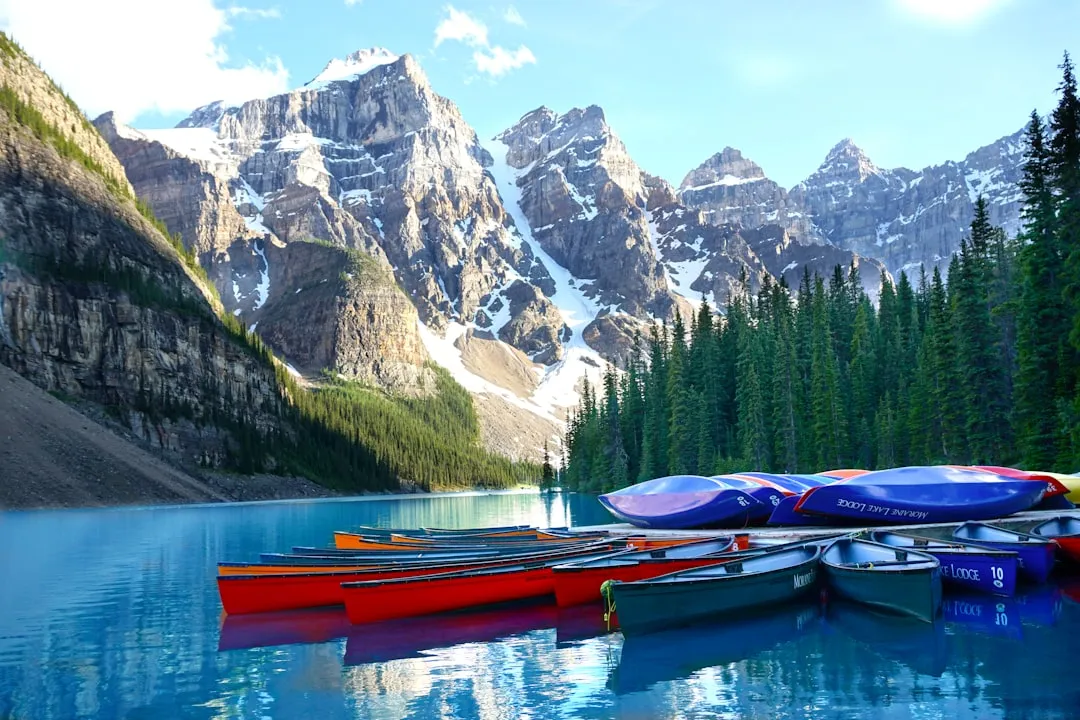
Since 2023, Parks Canada has closed Moraine Lake to personal vehicles year-round, with only Park shuttles, public transit, and commercial operators allowed to access the road. Visitors can also bicycle or walk the road, which is 10 km one-way. It’s a meaningful change that has genuinely improved the experience at the lake itself.
Parks Canada and Roam Transit shuttles are a popular way to see Moraine Lake and Lake Louise in the summer. These services work together to manage visitor access to these two iconic lakes in Banff National Park. Planning ahead and booking shuttle passes early is strongly advisable, particularly in July and August.
Peyto Lake: The Wolf That Watches from Above
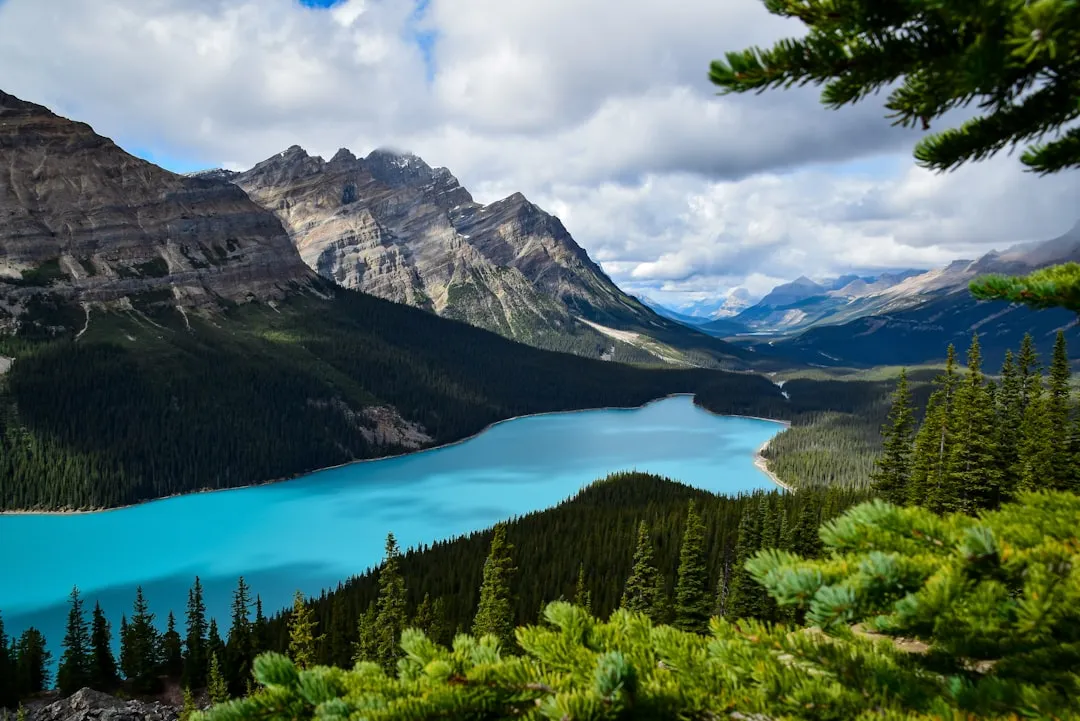
Peyto Lake is a glacier-fed lake located in Banff National Park along the world-famous Icefields Parkway. Named after legendary mountain guide Bill Peyto, this lake is instantly recognizable for its distinctive wolf-head shape when viewed from Bow Summit.
Peyto Lake sits at an elevation of 1,880 meters in the Canadian Rockies. It’s fed by the Peyto Glacier and has a maximum depth of around 90 meters. That depth, combined with the suspended rock flour, is part of what gives it such a vivid and almost electric appearance from the viewpoint above.
The intense turquoise color comes from glacial rock flour – tiny particles of rock ground by the Peyto Glacier. When these particles become suspended in the meltwater, they scatter sunlight and create the distinctive blue-green color. The color is most vibrant in summer when glacier melt is highest.
Peyto Is a Viewpoint, Not a Lakeshore
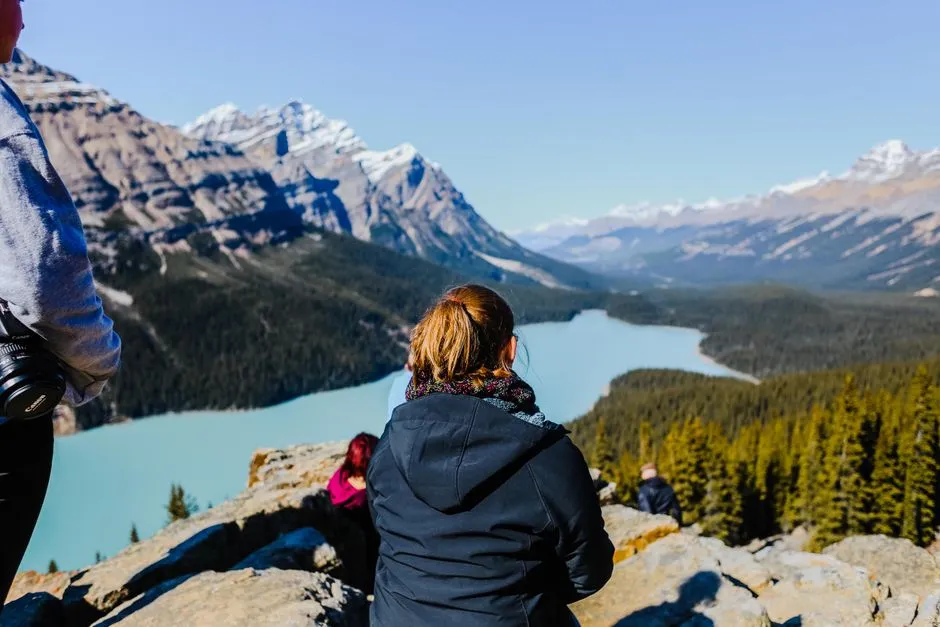
The viewpoint is located high above the lake on Bow Summit. There is no trail to the lakeshore, and the terrain is too steep and dangerous to attempt. The lake is strictly a viewpoint experience. This is actually part of what makes Peyto feel different from the other two – you’re looking down at it, like examining a jewel in a case.
The best time to see the bright blue colors of Peyto Lake is any time between July and September. If you want to see Peyto with the most stunning bright blue turquoise color, it’s also important to visit at the right time of day. Midmorning on a clear day, with the sun high enough to illuminate the water directly, tends to produce the most striking result.
When the Blue Is Brightest: Seasonal Timing Matters
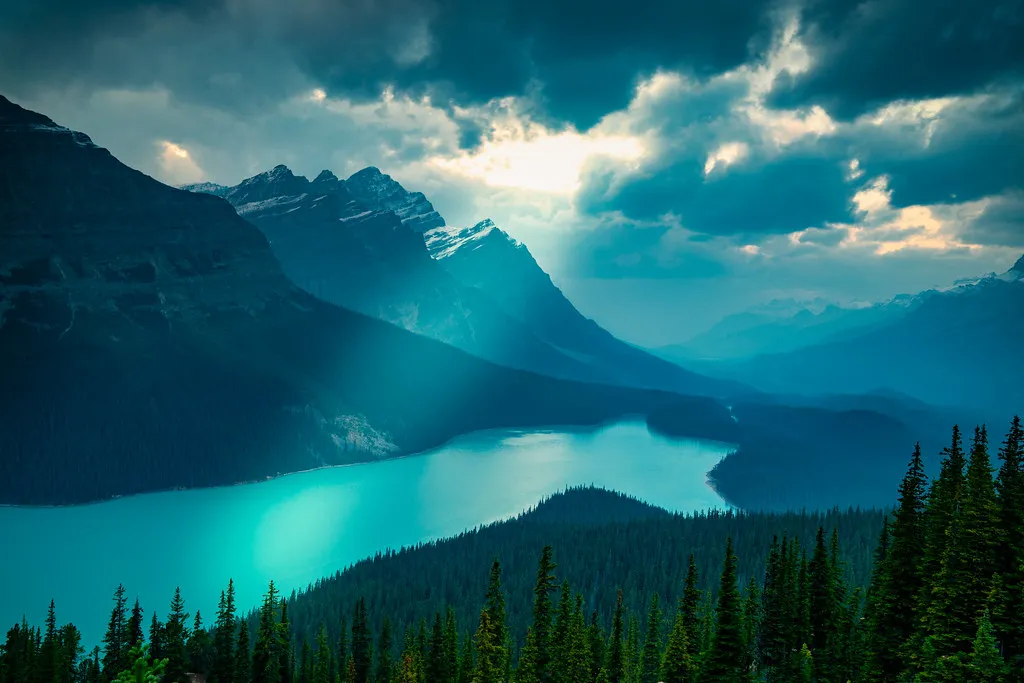
The lake is bluest during midsummer, when glacier melt is at its absolute peak. If you visit at the start of the summer or the end of the summer, the lakes will be a much darker blue color, or will even resemble a normal lake. This seasonal rhythm is worth understanding before you book.
Typically, you’ll need to wait until mid-June for Peyto Lake to completely thaw and show its stunning blue color. For Lake Louise and Moraine Lake, these are the two lakes people are most concerned about being thawed and showing their stunning turquoise color.
The Glaciers That Create the Color Are Shrinking
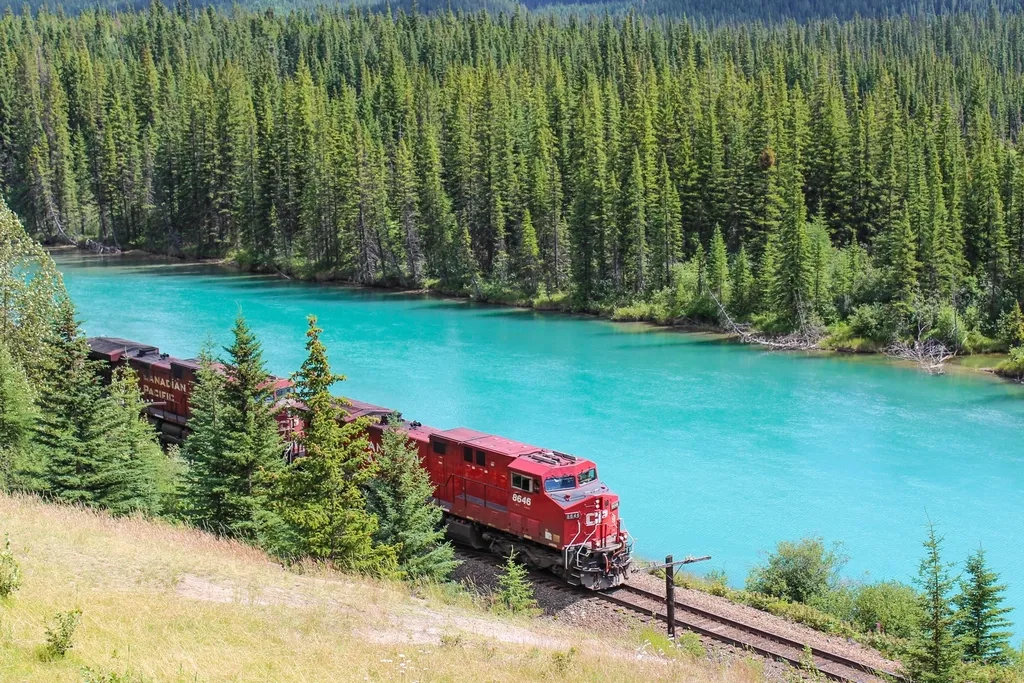
There’s a harder truth underneath all this beauty. Melting glaciers erode the rock material beneath and send that material into the mountain lake below. From there, this rock flour reflects and scatters sunlight in such a way that it creates a hypnotic milky turquoise color. The more the glaciers shrink, the less flour enters the lakes.
Clarification of many glacial mountain lakes is occurring as reduced inputs of eroded rock flour from shrinking glaciers result in a shift from a milky turquoise to a more translucent blue appearance. Research from the University of Alberta has been tracking this transformation using archival photographs and lake core samples.
As glaciers retreat or disappear with climate change, less flour is produced, resulting in clearer lakes. “They’ll resemble the lakes that we see in central Alberta,” said Rolf Vinebrooke, a freshwater ecologist at the University of Alberta. Instead, the lakes will become a more sapphire blue. That’s still beautiful, but it’s a different kind of beautiful – and a reminder that this particular shade of turquoise is time-limited.
Particle Size and the Spectrum of Blue
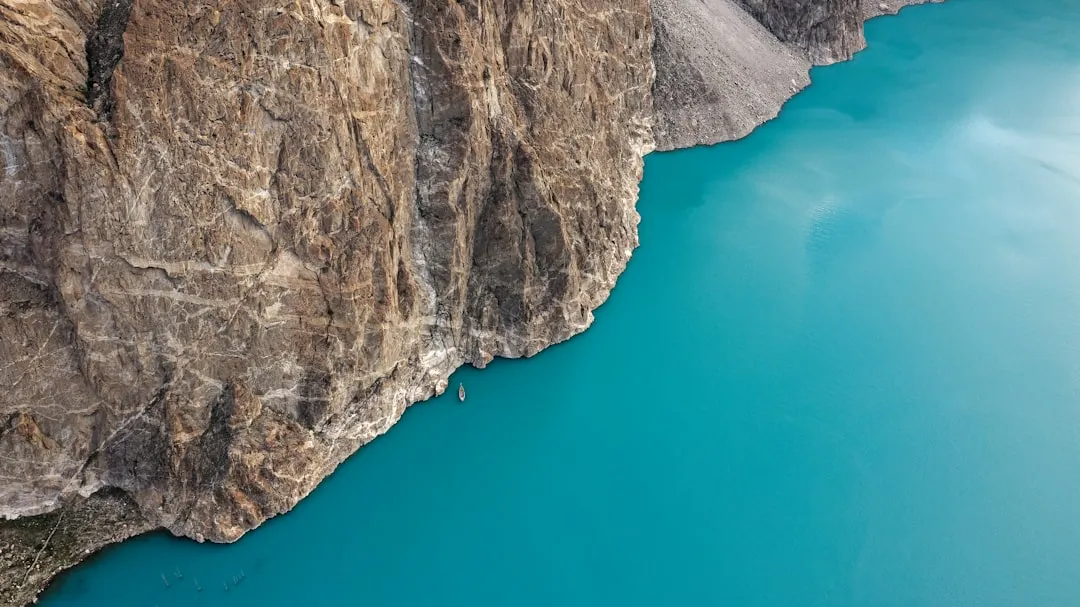
Not all glacial lakes look exactly the same shade of blue, and the reason comes down to particle physics. A glacial lake with a very high concentration of suspended rock flour, including lots of medium size particles, will look greener. A lake in which the larger particles have sifted out and only tiny particles remain will be the most intensely turquoise.
Lakes with the smallest rock flour particles display a more brilliant blue color than lakes with larger rock flour suspension, because of the difference in the amount of light reflected. This is why Moraine Lake can look noticeably different from Peyto in the same week of summer, depending on glacial melt rates and water flow.
Practical Notes for Visiting All Three Lakes
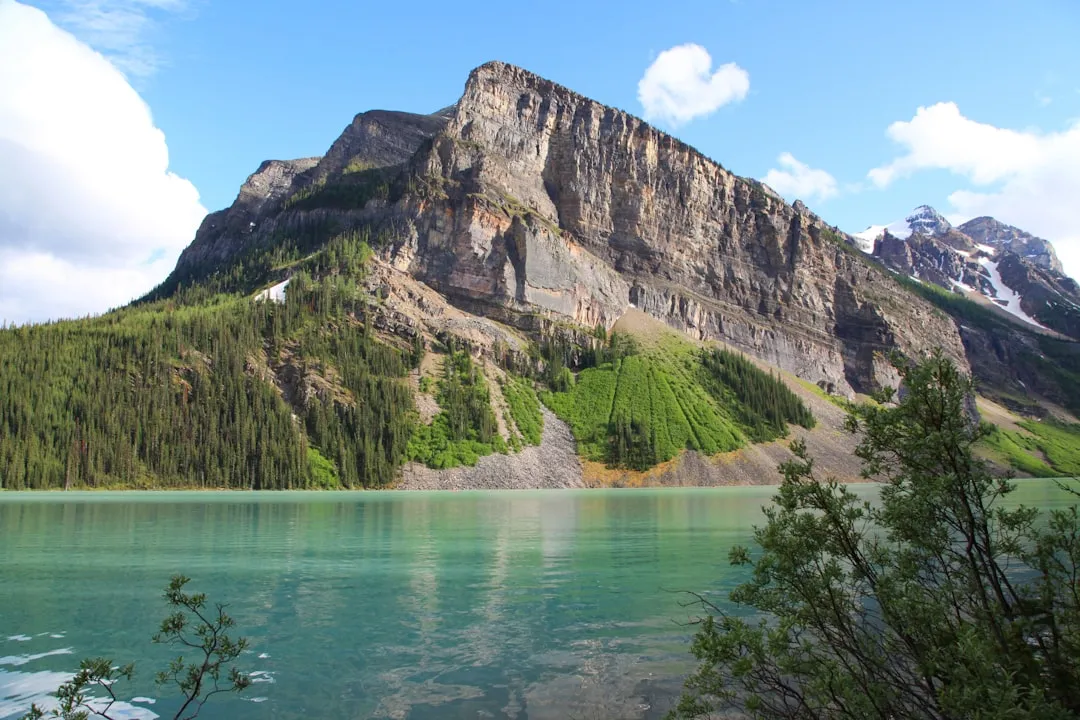
All three lakes sit within Banff National Park, which requires a valid Parks Canada pass for entry. Peyto Lake is a turquoise blue glacier-fed lake 40 km north of Lake Louise and a popular stop on the famous Icefields Parkway. A single drive along the Parkway can connect all three in one long day, though rushing them does none of them justice.
For Moraine Lake specifically, planning around the shuttle system is non-negotiable. Due to its high altitude, the lake is accessible from June to mid-October when the snow melts enough to allow safe passage. Access is limited to the warmer months, which preserves its scenic atmosphere. The earlier in the morning you arrive at the shuttle departure point, the better your chances of a calm, uncrowded experience at the lake.
Peyto requires the least logistical effort of the three. Peyto Lake is located on Alberta’s most scenic highway – the Icefields Parkway (Highway 93). This is the highway that connects Banff and Lake Louise to Jasper. It is just over a two-hour drive from Jasper, an hour drive from Banff, and 35 minutes from Lake Louise.
What Makes These Three Lakes a Gallery Worth Visiting
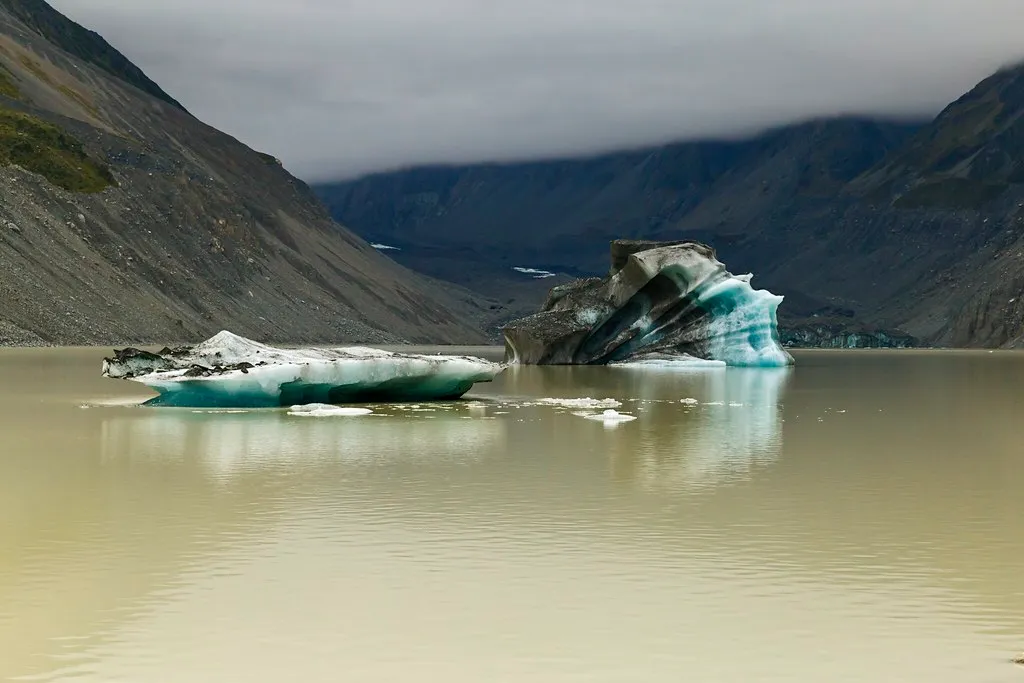
Each lake offers something slightly different as a visual and physical experience. Lake Louise is accessible on foot from the shoreline, allowing you to stand at the water’s edge and watch the color shift with the light across the day. Moraine Lake rewards the early riser with a reflection so still it can feel disorienting. Peyto rewards patience and elevation, offering a perspective that makes the color look almost painted into the landscape from above.
What unites them is not just the color but the process behind it – ancient glaciers doing slow, invisible work for millennia, sending their mineral signatures downstream into waters that catch the sun and give it back in blues and greens that no painter has quite replicated. The lake’s vibrant blue-green color comes from light refracting off the rock flour deposited by surrounding glaciers. This natural phenomenon creates a color so vivid it seems almost unreal.
Visiting all three, ideally across two or three days rather than one breathless rush, is one of the more quietly extraordinary things you can do in North America. The color is real. The glaciers are real. The time to see them like this may be shorter than we’d like to admit.
AI Disclaimer: This article was created with the assistance of AI tools and reviewed by a human editor.