
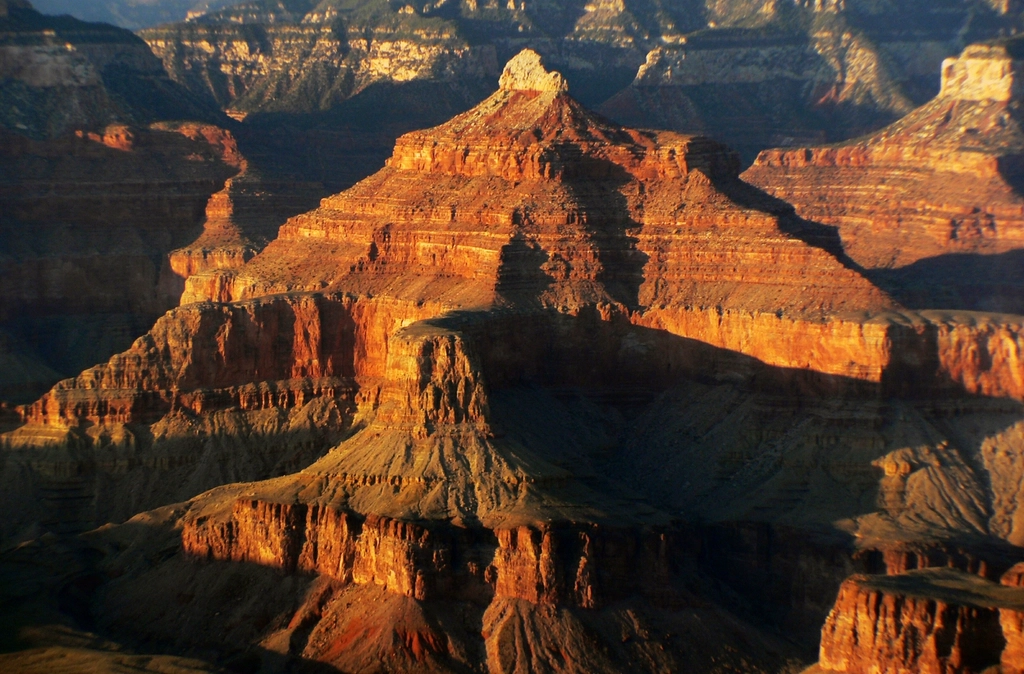

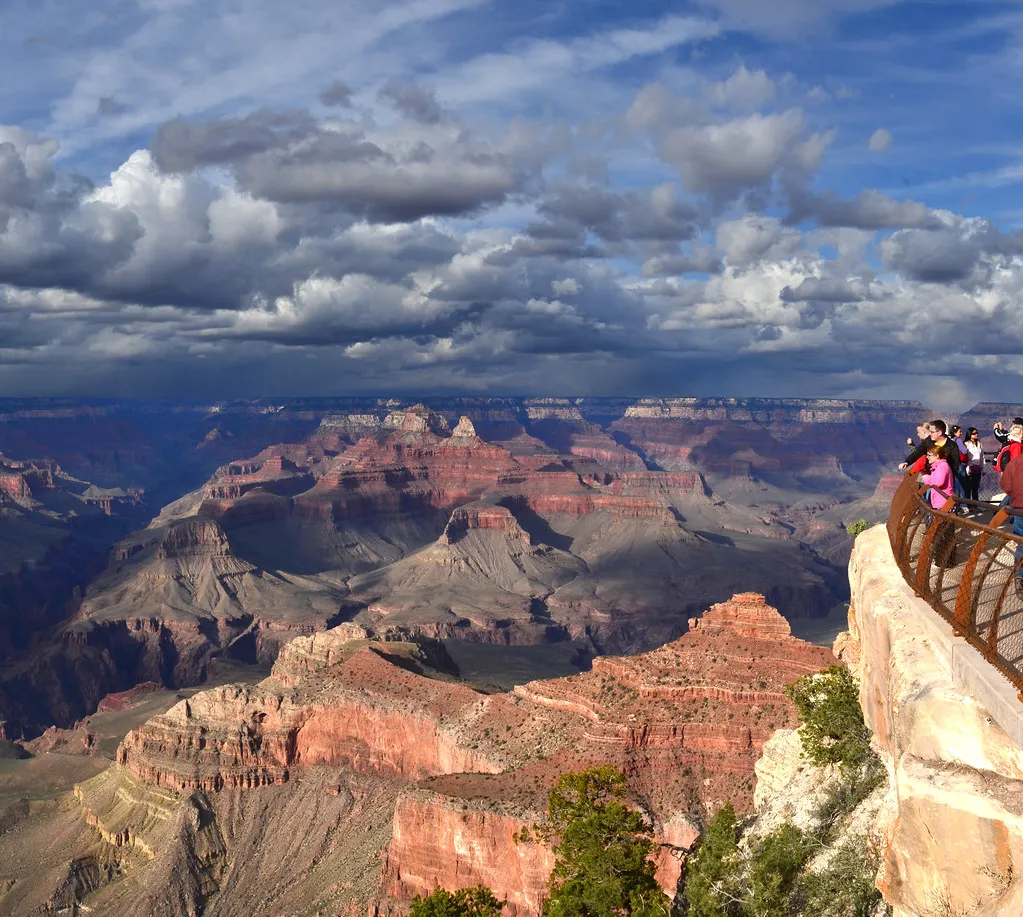
The Grand Canyon pulls in staggering numbers of visitors, and the data tells you just how intense that pressure has become. The Grand Canyon National Park recorded a total of nearly 4.92 million recreational visitors in 2024. The South Rim is the most visited area of the Grand Canyon, attracting over 90% of the park’s visitors. That leaves a huge portion of the canyon experiencing very little human traffic at all.
Knowing this, a thoughtful traveler naturally starts to wonder where the quieter edges of this landscape are hiding. The three overlooks below are real, verifiable, and genuinely distinct from the Mather Point experience. They require a bit more intention to reach, but that effort is exactly what keeps them peaceful.
Why the South Rim Gets So Crowded
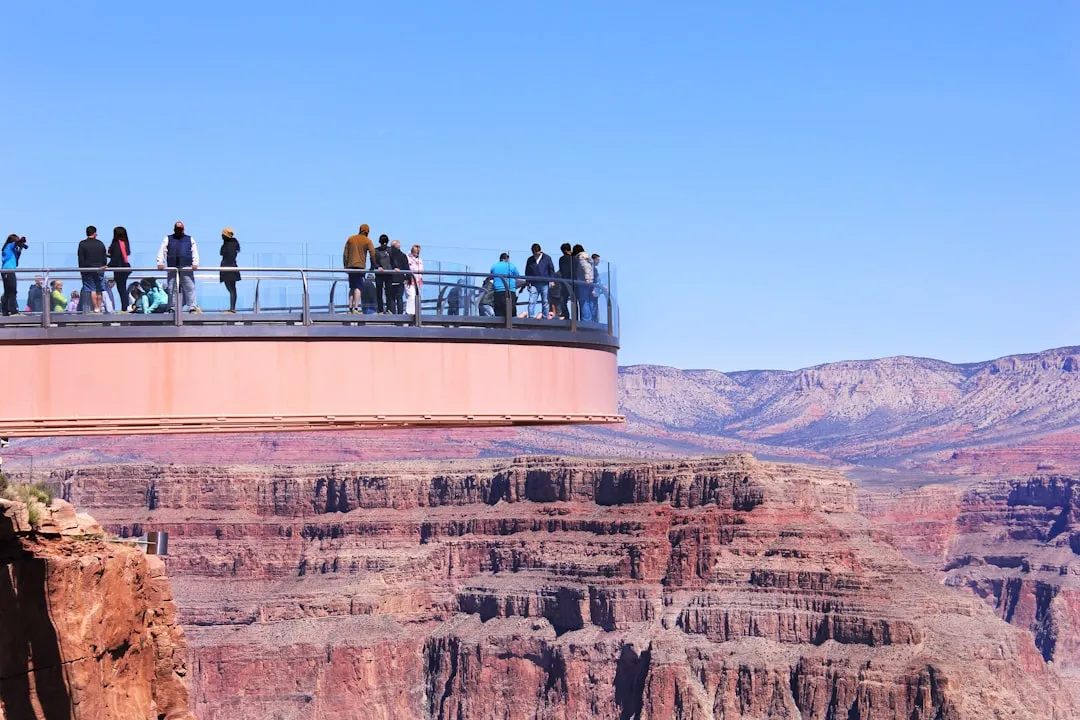
The Grand Canyon’s South Rim contains the park’s best-known overlooks, including Mather and Yavapai Points, and part of the reason these points are so popular is that they sit right next to parking areas and visitor centers while also being accessible via the park shuttle. That kind of effortless access is wonderful for inclusivity, but it also concentrates enormous volumes of people into a small number of spots.
May recorded the highest visitation, with more than 551,000 visitors, while July followed closely with more than 538,000, and August attracted more than 507,000. Three of the four busiest months fall squarely within summer, precisely when families have the most flexibility to travel. Summer is the busiest and hottest time at the park, with temperatures often exceeding 100°F, and visitors can expect large crowds especially at the South Rim.
Overlook No. 1: Point Imperial on the North Rim
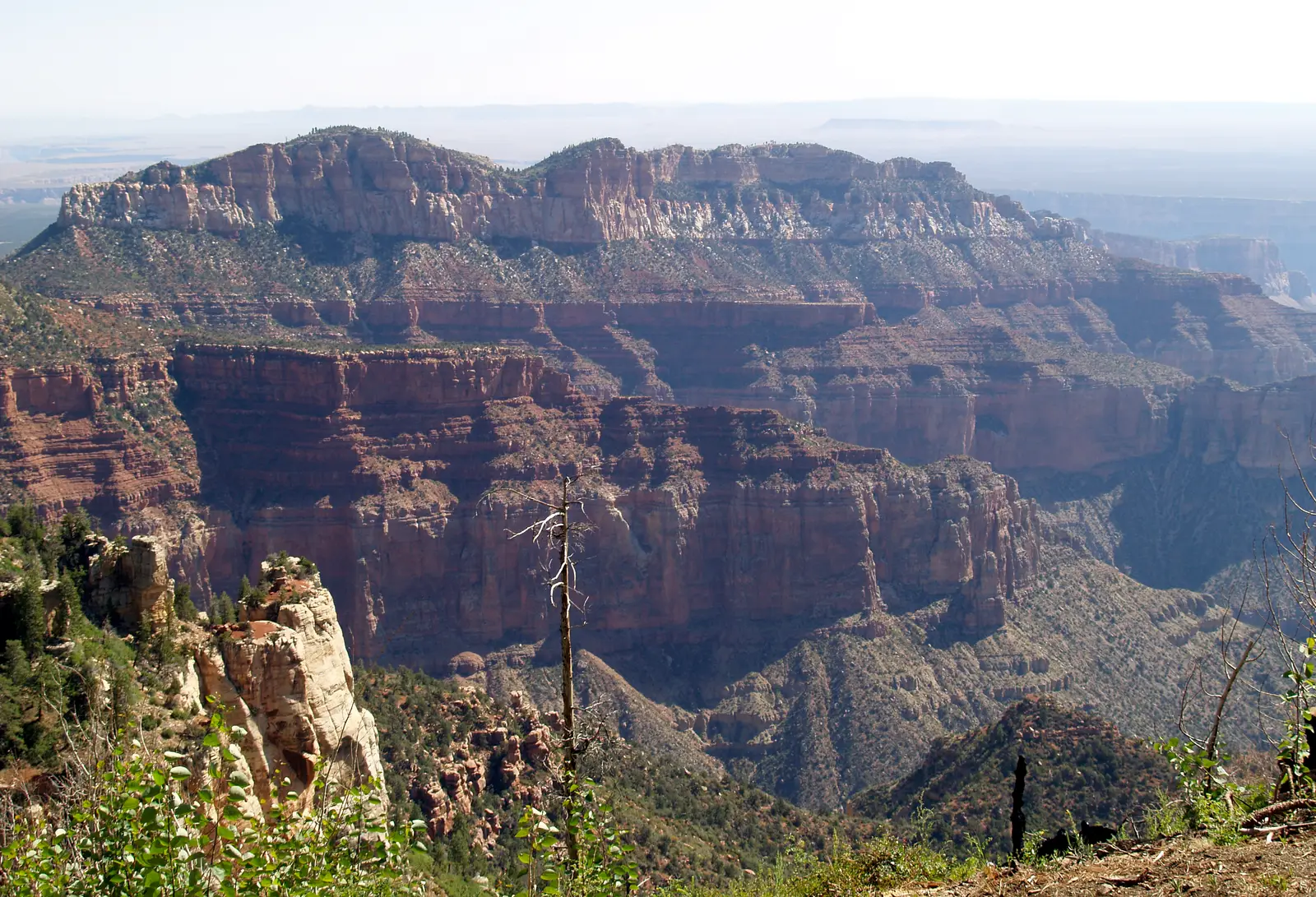
Point Imperial is the highest point in Grand Canyon National Park at an elevation of 8,803 feet, and from here you can look across the canyon toward the Painted Desert and the east side of the valley. The elevation alone changes the character of the view completely. You’re looking down into a landscape that most visitors at the South Rim never see from this angle.
The views from Point Imperial are extensive and varied, encompassing the Echo and Vermilion Cliffs, the upper Colorado canyon known as Marble Gorge, the flat treeless plateau east of the river, and a large area of buttes and cliffs downstream to the south. Point Imperial also provides a direct view of Mount Hayden, one of the most photographed places in Grand Canyon National Park, a sandstone spire reaching an elevation of 8,372 feet perched above Nankoweap Canyon.
A short, paved path to the railing is wheelchair-friendly, while picnic tables and vault toilets make it an easy half-day stop on the 11-mile Cape Royal Road. The drive itself through the Kaibab Plateau is worth the trip on its own.
The North Rim’s 2025 Wildfire and the 2026 Reopening
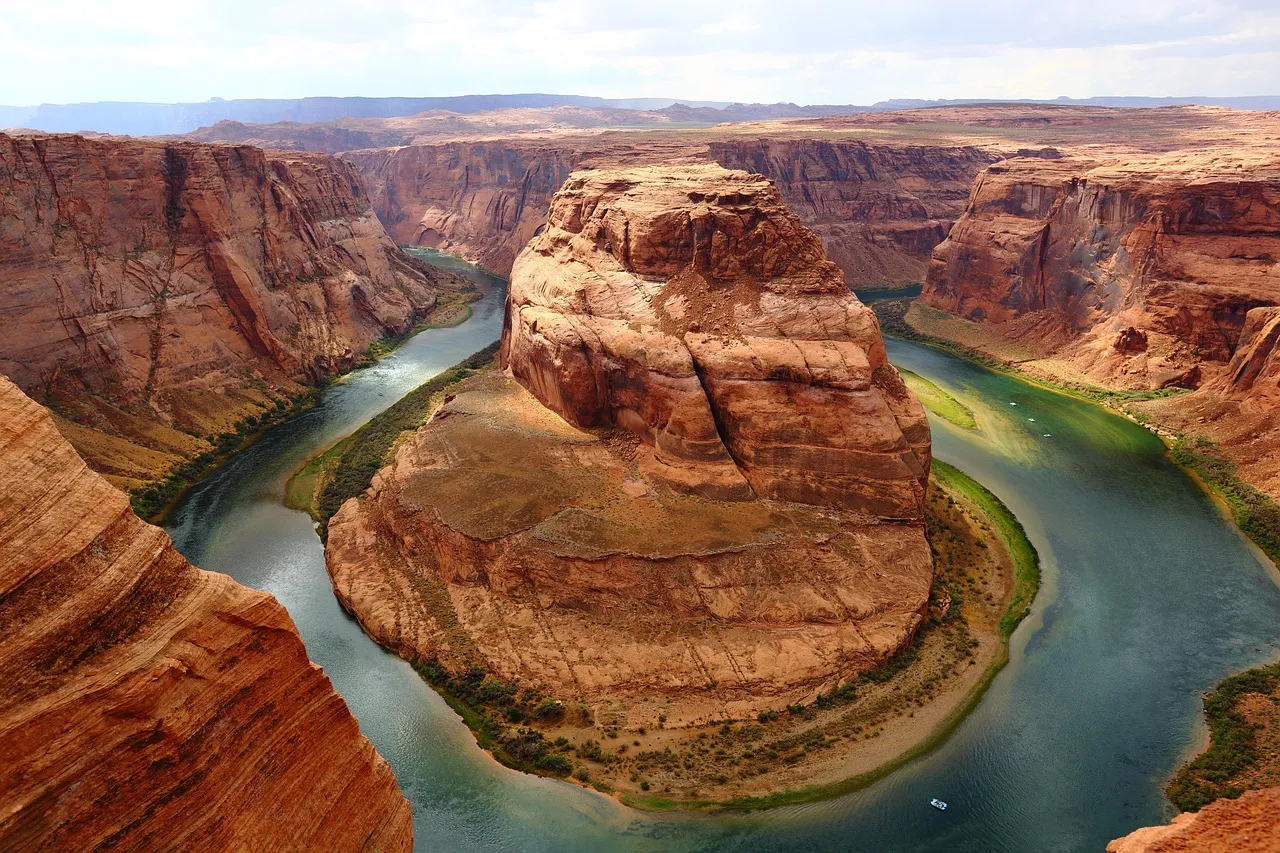
Anyone planning to visit Point Imperial in 2026 should be aware of what happened here in the summer of 2025. On July 12, 2025, a devastating wildfire burned through the North Rim area, destroying buildings including the Grand Canyon Lodge. The rim reopened to the public on May 15, 2026. The landscape is recovering, and the overlooks themselves remain reachable.
The North Rim reopened for the 2026 summer season after the 2025 Dragon Bravo Fire, so its viewpoints including Bright Angel Point, Point Imperial, and Cape Royal are reachable again. Experts attribute some of the 2025 visitor decline to the Dragon Bravo Fire, which destroyed the historic Grand Canyon Lodge, infrastructure, and guest lodging, and forced months of closures. Visiting with an awareness of that history adds a layer of meaning to the experience.
Overlook No. 2: Cape Royal
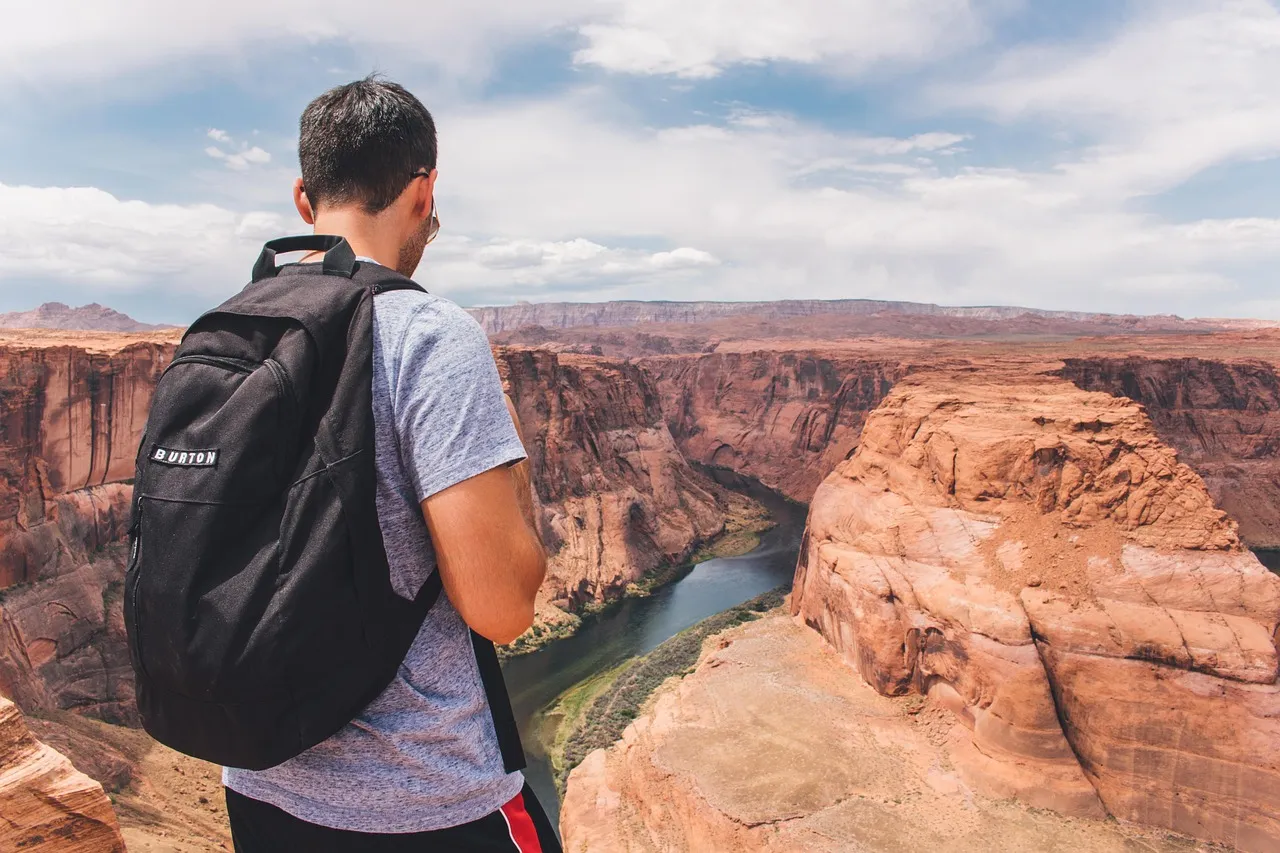
Cape Royal is situated at almost 8,000 feet and is the southernmost vantage point on the North Rim. That position gives it an unusually expansive sightline deep into the interior of the canyon, including views that simply cannot be replicated from the South Rim’s crowded viewpoints. It is the southernmost viewpoint of the North Rim, with views looking from north-northeast, south, and southwest.
From Cape Royal, you can see the massif and high point of Freya Castle directly to the southeast, and the massive Wotans Throne to the southeast as well, which is a surviving section of the North Rim with a forested, flat prominence. The drive to Cape Royal itself has great views of the canyon visible along the road, and visitors should be sure to stop at Roosevelt Point, which offers a short loop hike with a view of the Little Colorado River as it enters its confluence with the greater Colorado River.
The trail from the Cape Royal parking lot to the overlook itself is short and accessible. The half-mile Cape Royal Trail starts at the parking lot and ends at the overlook at Cape Royal. It’s a genuinely low-effort walk for a view of remarkable depth and complexity.
What Makes Cape Royal Visually Distinct
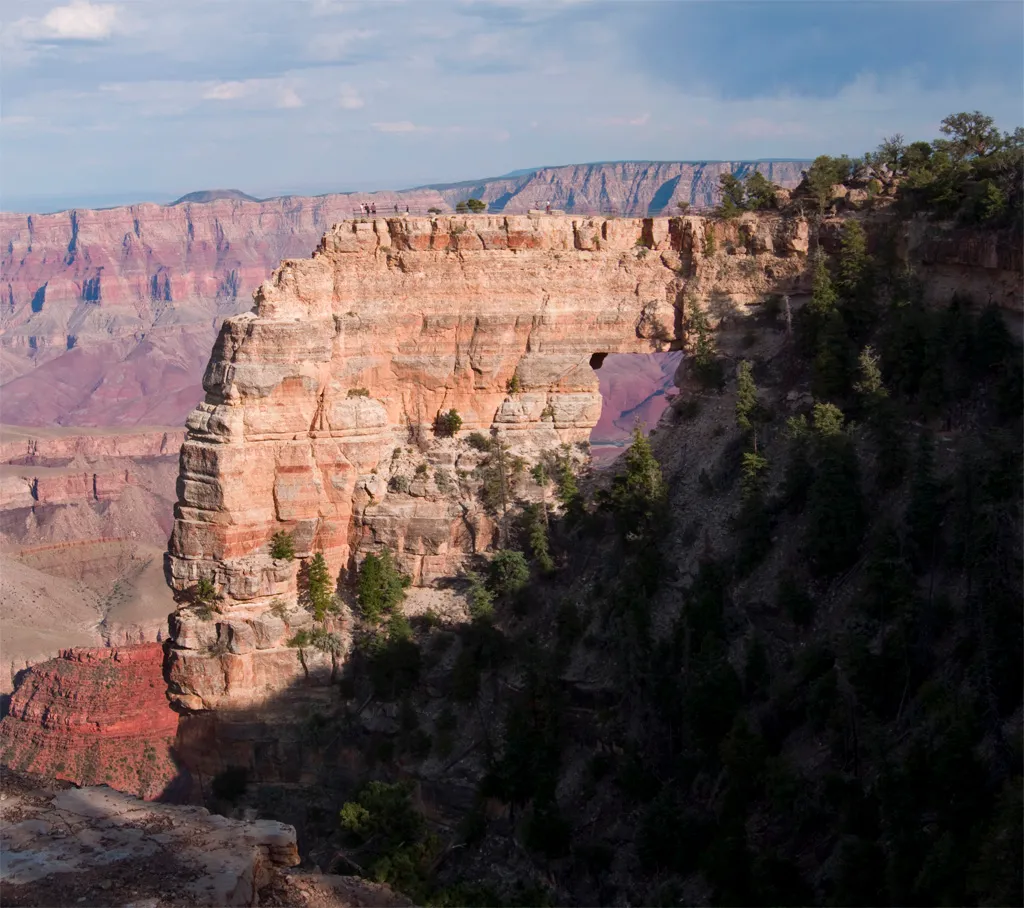
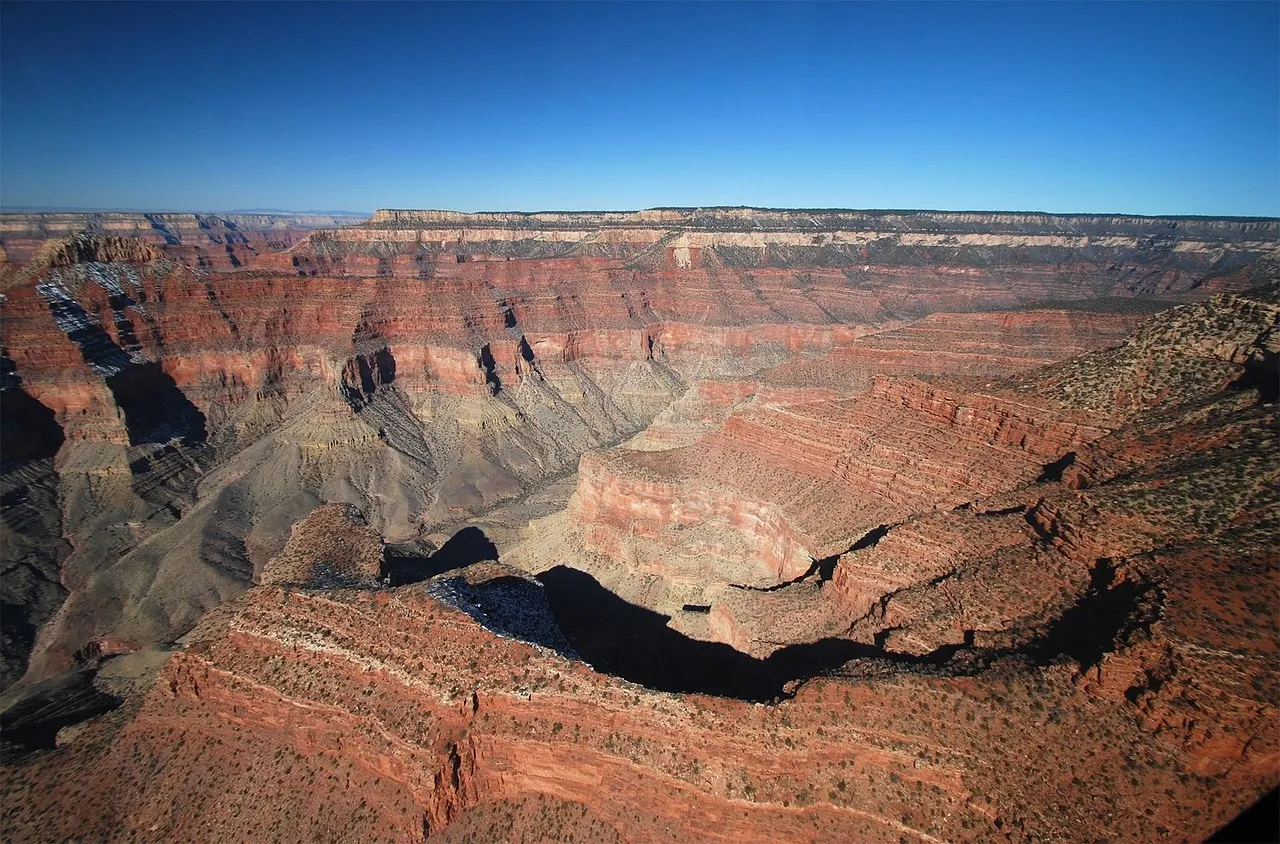
The geometry of Cape Royal sets it apart from nearly every other accessible overlook in the park. Because it juts southward into the canyon on the Walhalla Plateau, you’re essentially surrounded by canyon on three sides. The sense of exposure is greater here than at most rim viewpoints.
Other remote and stunning overlooks accessible from the North Rim include Point Imperial, Walhalla Plateau, Cape Royal, and Point Sublime. Access to the well-named Point Sublime is only possible with a four-wheel-drive vehicle, but is well worth the extra effort. Cape Royal, by contrast, is fully accessible by standard vehicle, which makes it one of the most rewarding easy stops in the park.
Overlook No. 3: Shoshone Point on the South Rim
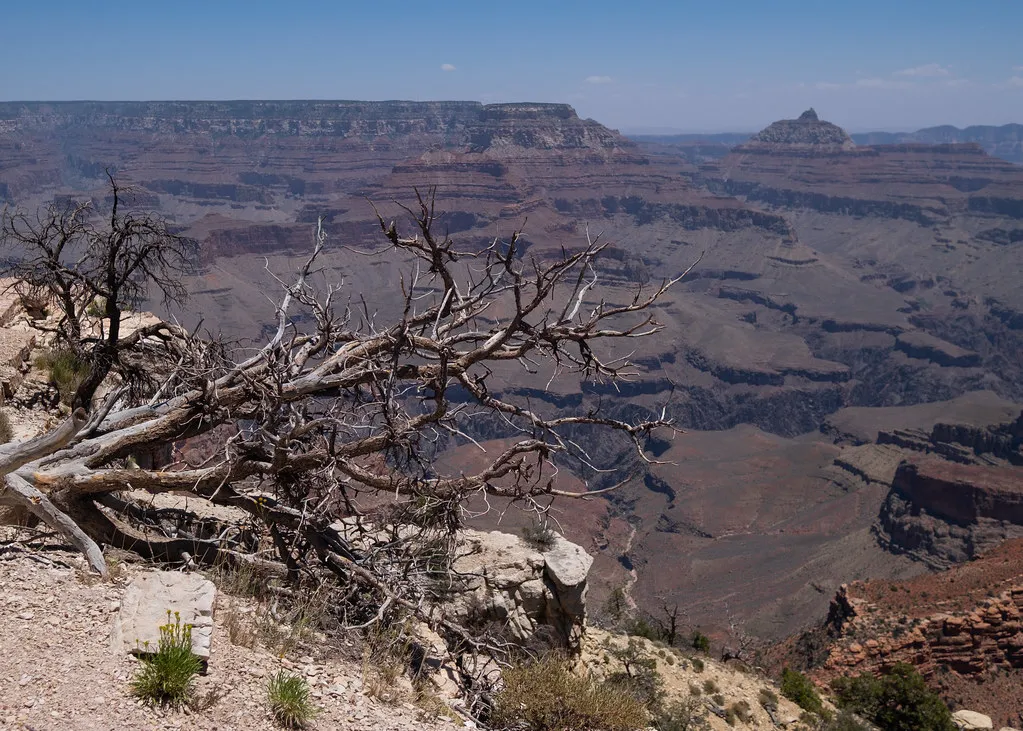
Not every quieter overlook requires crossing to the North Rim. Shoshone Point proves that even within the South Rim, a small barrier of distance changes everything. Shoshone Point sits at the end of a one-mile hike, positioning it just far enough out of the way to avoid overcrowding. One mile on a flat forest trail is genuinely manageable for most visitors.
This hike is not only much easier than most in the Grand Canyon, but it also provides lovely views of the ponderosa pine forests that surround the canyon rim, and once you arrive at Shoshone Point, the effort is rewarded with arguably the South Rim’s best views. Shoshone Point provides excellent views of notable Grand Canyon rock formations like Newton Butte, Vishnu Temple, and Wotans Throne, plus the iconic Desert View Watchtower.
Why a One-Mile Walk Changes Everything
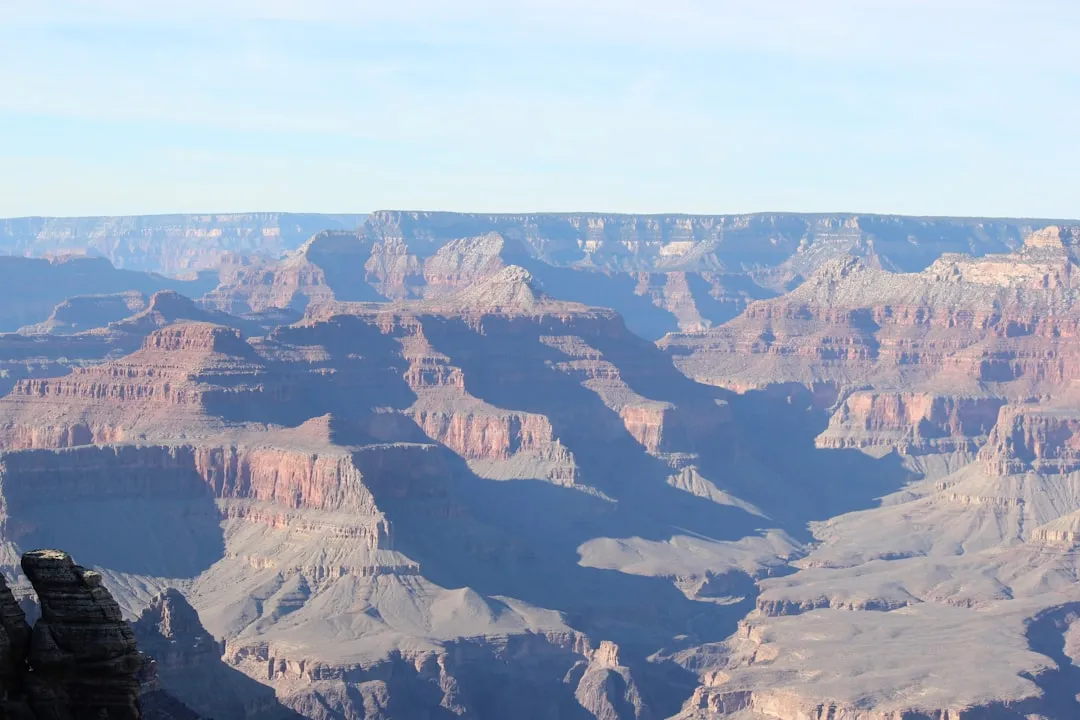
It’s a simple observation but it holds up: most visitors at the South Rim stay within a very short distance of the shuttle stops and parking areas. The most effective way to avoid congestion at busy designated overlooks is to hike left or right along the rim trail, since many people are unaware that there is generally always a trail on the rim next to most of these major overlooks where great and unobstructed views are possible.
The Rim Trail on the South Rim is a viable option when popular overlooks are crowded. This trail, which is mostly paved and level, begins at the South Kaibab trailhead and heads west past Mather and Yavapai Point, going all the way to Hermits Rest, nearly 13 miles according to the park service map. Shoshone Point takes this principle and applies it to a dedicated spur trail that genuinely filters out the casual visitor.
The Best Seasons for These Three Overlooks
Spring, from March to May, is one of the best times to visit the Grand Canyon, with mild weather and fewer crowds compared to summer, and the South Rim is fully accessible with most facilities open. For Shoshone Point specifically, spring and fall both offer comfortable walking temperatures and softer light. Fall, from September to November, offers similar advantages to spring, with cooler temperatures and reduced visitor numbers, making it ideal for hiking and photography.
For the North Rim overlooks, the seasonal window is narrower. The North Rim is higher elevation, quieter, and open seasonally, making it ideal for those who prefer fewer crowds but accessible only from approximately May through October. Visiting during early mornings or late afternoons during off-peak seasons lets you enjoy quieter viewpoints with better lighting for photography.
Practical Logistics for All Three
The North Rim offers fantastic views with less congestion, but those willing to make the drive will cover five hours and 212 miles from the South Rim to see the canyon without the crowds. That’s a meaningful commitment, and worth treating as a destination in itself rather than an add-on. From the North Rim Visitor Center, Point Imperial is reached by driving 11 miles east on Cape Royal Road.
Primitive restrooms are available at both Point Imperial and Cape Royal, and the standard park entrance fee of $35 per vehicle is valid for seven days. For Shoshone Point on the South Rim, your existing park entry covers the visit, and the trailhead is easy to find along Desert View Drive. Planning visits on weekdays and avoiding weekends and holidays reduces congestion significantly at all overlooks.
What Responsible Visiting Looks Like Here
These quieter overlooks exist in balance with their low foot traffic. Keeping them that way is partly a matter of behavior. Stay on established trails, pack out everything you bring in, and be especially mindful of the recovering North Rim landscape after the 2025 Dragon Bravo Fire. Much of the surrounding pine forest on the North Rim has been quite badly burnt in recent wildfires, allowing new groves of aspen to spring up. That regeneration deserves space.
There’s also something worth acknowledging about the cultural dimensions of this land. The Grand Canyon is not just a scenic backdrop. Grand Canyon West is managed by the Hualapai Tribe rather than the National Park Service, a reminder that Indigenous stewardship of this landscape has deep roots that long predate modern tourism. On the North Rim, visitors can also stop at the Walhalla Ruins to see the remains of an ancient American settlement, adding historical depth to the scenic drive.
A Quieter Way to Know the Canyon
There’s nothing wrong with visiting Mather Point. The view is genuinely extraordinary, and the crowds gather for good reason. Still, a canyon this vast offers more than one way to be experienced, and the three overlooks here represent a real alternative rather than a compromise. Point Imperial, Cape Royal, and Shoshone Point each deliver a version of the Grand Canyon that feels more personal, more spacious, and more reflective.
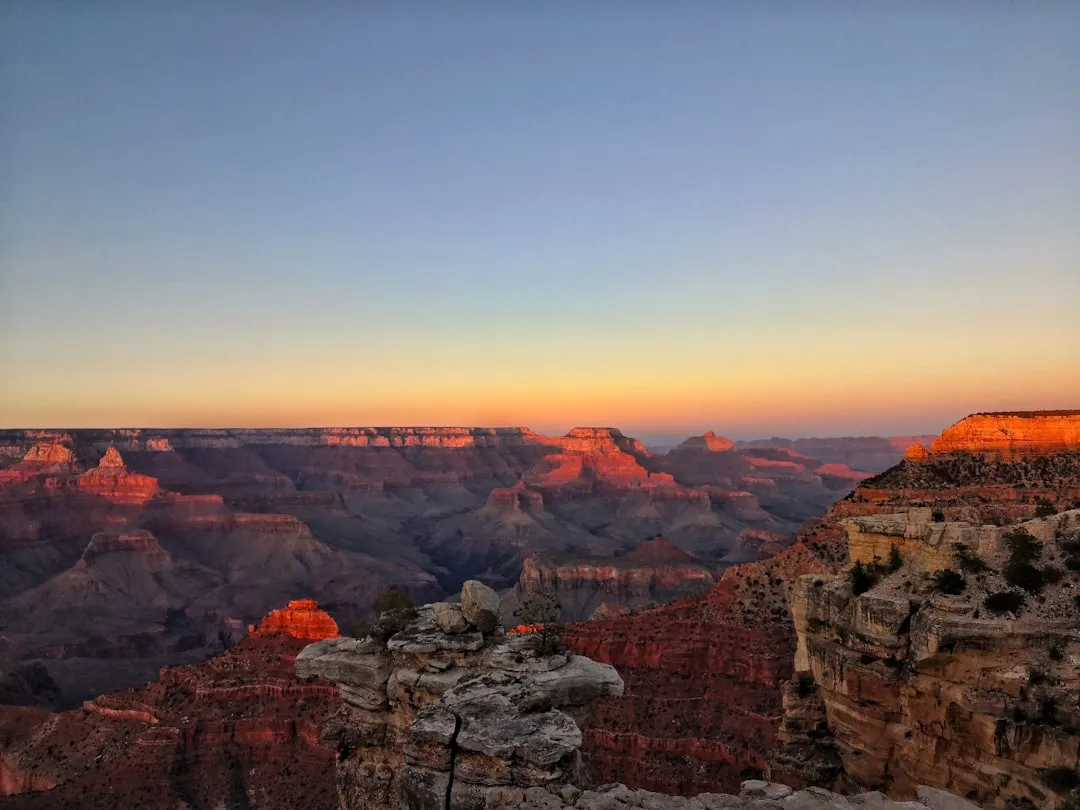
At places like Point Imperial, you can watch the distant rising sun gradually spread warm red and gold light across the giant walls of rock and the singular spire of Mount Hayden. That kind of moment doesn’t require a crowd. It asks only for a little planning and a willingness to take the longer road.
AI Disclaimer: This article was created with the assistance of AI tools and reviewed by a human editor.