
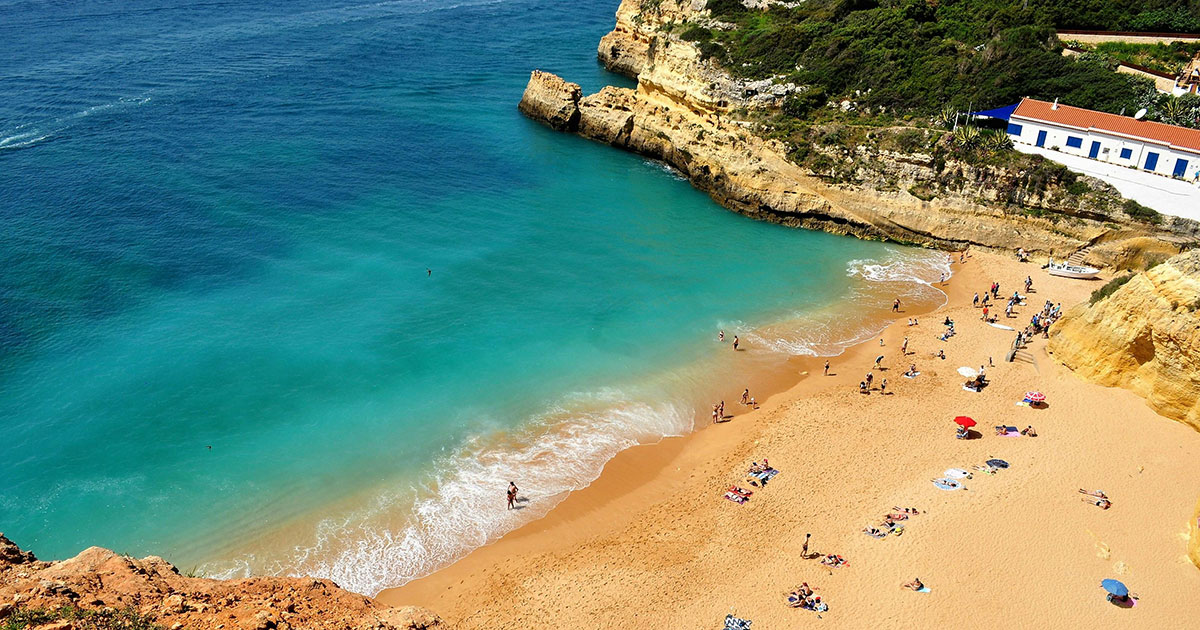

Most people who fly into Faro picture the same things: golden beaches, grilled sardines, maybe a golf course baking in the afternoon sun. The Algarve has become one of Europe’s most visited coastal regions, and for good reason. In 2024, the region set a new record, with hotels and other accommodation units welcoming 5.2 million visitors, according to the Algarve tourism board (RTA).
Yet behind the glossy headlines about Albufeira and Vilamoura, a quieter Algarve survives. Nestled along Portugal’s sun-drenched southern coast, the Algarve is famous for its dramatic cliffs, golden beaches, and lively towns. Beyond the popular tourist hubs lies a lesser-known side of the region: a collection of picturesque fishing villages that have preserved their old-world charm and maritime heritage. Three of them deserve far more attention than they currently get.
Village #1: Ferragudo – Half a Millennium of Quiet Resilience
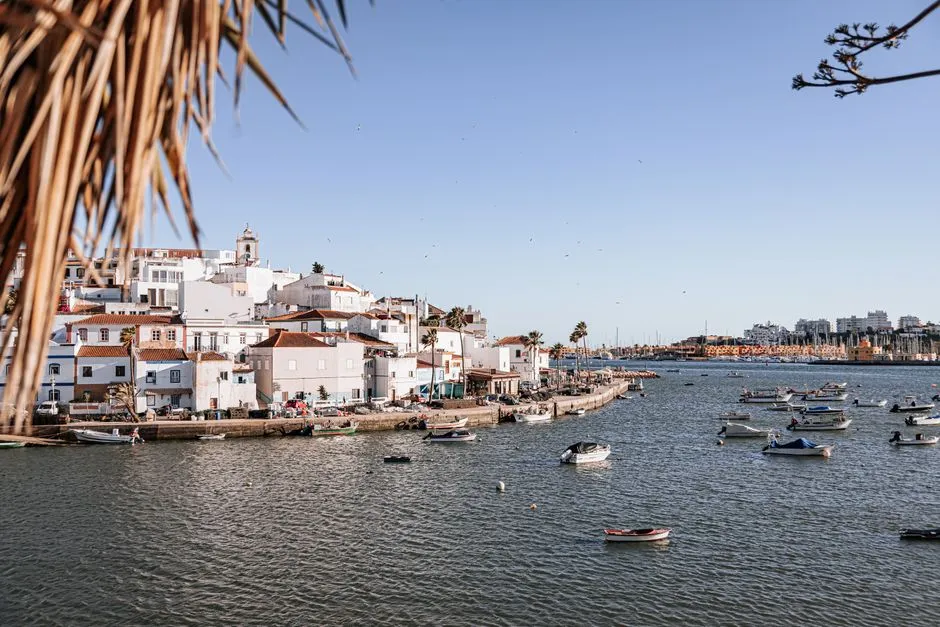
Ferragudo is a civil parish and traditional fishing village in the municipality of Lagoa, situated at the mouth of the Arade River estuary directly opposite the city of Portimão. With a population of 1,973 inhabitants as of the 2021 census, it covers an area of approximately 5.41 square kilometers and maintains a quaint, whitewashed architecture that descends to the riverbanks, blending maritime heritage with scenic coastal beauty.
Ferragudo was known to the Phoenicians, Carthaginians, and Romans, who were attracted to the mouth of the Arade River for its shelter and access to the Atlantic Ocean. In the 14th century, fishermen began to settle in the region, primarily to avoid the winter storms that afflicted the Atlantic coast. In 1520, Queen Leonor, noting the potential of the area, secured its protection and thereby allowed continued occupation of the territory.
The attractive fishing village has done a good job of avoiding the wholesale development that has affected much of this part of the Algarve. This is even more impressive considering its location at the mouth of the Rio Arade estuary, right across the water from the tourist hotspots of Portimão and Praia da Rocha. That resistance to overdevelopment is genuinely unusual for somewhere so accessible.
Ferragudo’s Streets, Beaches, and Castle
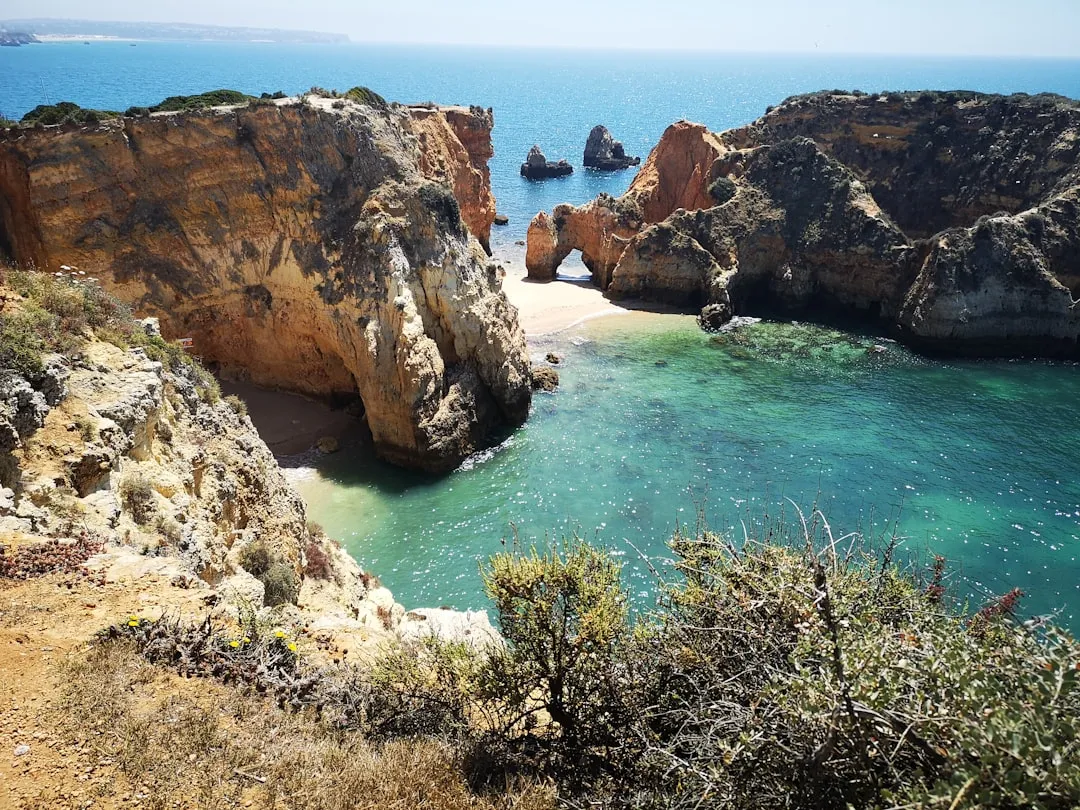
Ferragudo is a small fishermen’s village near Portimão in the Algarve. White houses, narrow streets, stairs, blooming trees, and charming pots full of flowers and plants make it one of the most beautiful villages in Portugal.
Known for its calm, family-friendly atmosphere, Ferragudo features several notable beaches, including the expansive Praia Grande with its fine golden sands and the sheltered Praia da Angrinha, both framed by ochre cliffs and offering safe swimming in the Atlantic waters. The castle of São João do Arade stands watch at the southern end of the beach, a 16th-century fortification that once defended the river mouth from pirate raids.
The Festival das Escaidinhas, launched in 2024, takes place from June 20 to 22 each year, transforming the village’s characteristic narrow streets and stairways into open-air stages for music, dance, theater, and visual arts performances. It is a fitting reflection of a village that continues to find new ways to celebrate its old bones.
Ferragudo’s Quiet Culinary Scene
The village square, Praça Rainha Dona Leonor, has several cozy cafés and restaurants where you can enjoy local dishes, including fresh seafood unloaded that morning from the fishing boats moored along the quay. This is not curated tourist dining. It is genuinely local.
Key tourism services in Ferragudo include a diverse array of over 20 restaurants offering fresh seafood and local cuisine, numerous guesthouses providing cozy accommodations, and several boat tour operators specializing in explorations of nearby sea caves, such as the renowned Benagil Cave.
Ferragudo has seen a growth in the gastronomic diversity it offers. Recently, the Italian restaurant Terracotta and the Indian restaurants Indigo and Sikandar have also opened, sitting comfortably alongside the traditional tascas that still serve cataplana and grilled bream with a view of the river.
Village #2: Salema – A Fishermen’s Bay Inside a Natural Park
Salema is a working fishing village situated within the Costa Vicentina Natural Park, a protected area of outstanding natural beauty in the western Algarve region of Portugal. Its protected status is not just a bureaucratic designation. It actively shapes how the village looks and how it grows.
Located in the Western Algarve, approximately 20 kilometers from Lagos, this coastal haven offers a quieter alternative to the region’s more tourist-heavy destinations. With a year-round population of just a few hundred residents, Salema provides an intimate community feeling where local fishermen still pull their boats onto the beach each morning. The village sits within the Costa Vicentina Natural Park, ensuring development remains controlled and the surrounding nature pristine.
Praia da Salema is where traditional Algarve charm meets natural wonder. Set against a backdrop of golden cliffs and whitewashed homes, this peaceful beach in the fishing village of Salema offers a slower, more authentic pace of coastal life. You’ll find calm, swimmable waters, colourful boats on the sand, and even fossilized dinosaur footprints hidden in the rocks.
Salema’s Beach, Trails, and Dinosaur Footprints
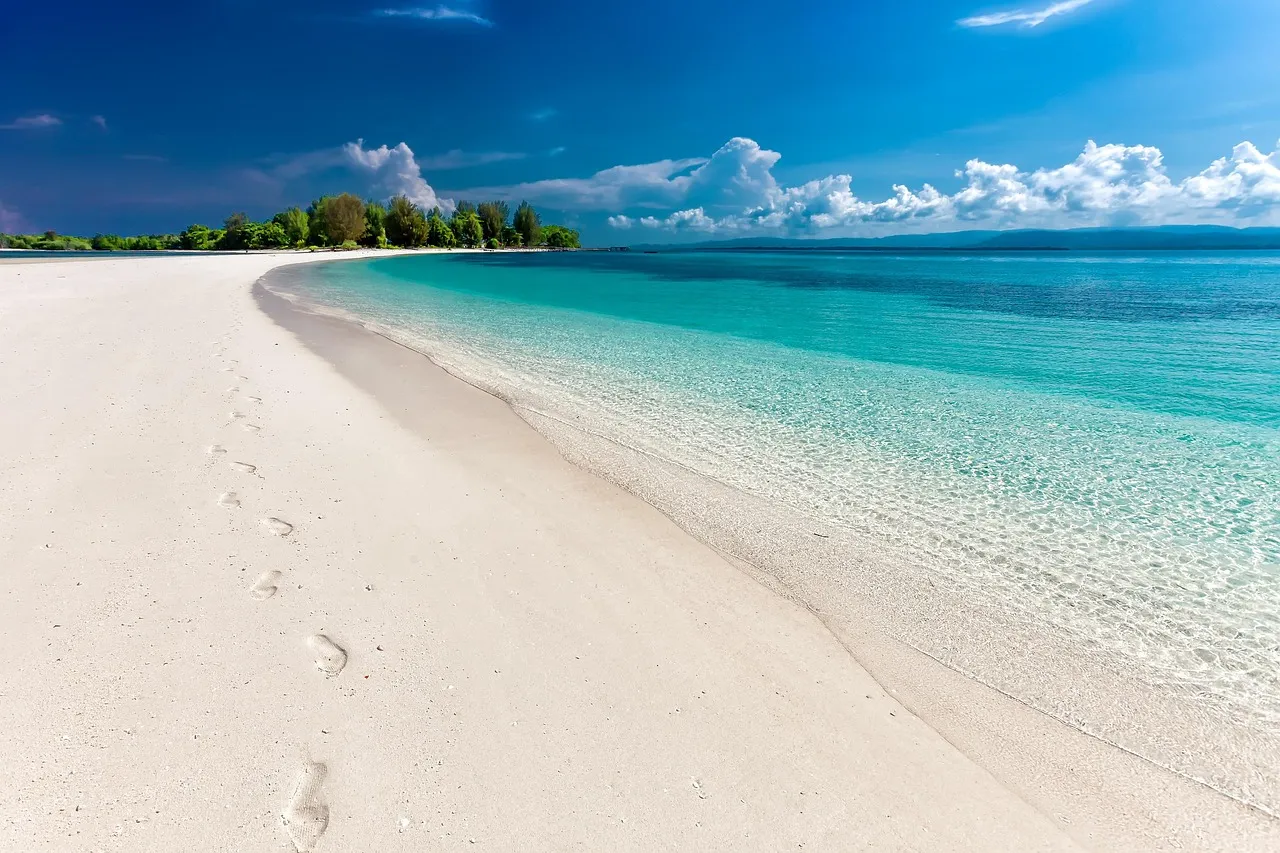
The large half-mile-long beach in Salema, with its sugar-fine golden sand, holds a Blue Flag certification, meaning that it meets high standards for water quality and safety. The crystal-clear waters, free from strong waves and seaweed, are ideal for swimming.
Aside from relaxing on the beach and tucking into the catch of the day, the fact that Salema beach and village is ensconced within the Southwest Alentejo and Vicentina Coast Natural Park offers opportunities to stretch your legs and enjoy the natural beauty of the western Algarve. Now that it’s officially part of the Rota Vicentina Fishermen’s hiking trail, you could do a full day’s hike from Salema to either Sagres or Luz.
Fossilized dinosaur footprints scattered along the Algarve coast are remnants that transport visitors millions of years into the past. Finding them tucked into the rocks at Salema, between fishing nets and salt-bleached café tables, is one of those small surreal moments the Algarve still does well.
What Makes Salema Different From the Rest
Salema is located in the heart of the Parque Natural do Sudoeste Alentejano e Costa Vicentina. The lovely beach has been named by The Guardian and The Telegraph as “one of the 50 best beaches in the world” and one of the best in the family category. International recognition, yet the village itself stays remarkably unpretentious.
Salema enjoys the Algarve’s famous climate with over 300 sunny days annually. Summer temperatures average 28°C, while winters remain mild at 16°C. That year-round liveability is part of why a small but devoted international community has quietly settled here over the years.
A fleet of brightly painted wooden boats catch sea bass, bream, octopus, sardines, and mackerel. The fishing is real, the community is genuine, and the coastline surrounding Salema is legally protected. That combination is increasingly rare anywhere in southern Europe in 2026.
Village #3: Burgau – The Algarve’s “Little Santorini”
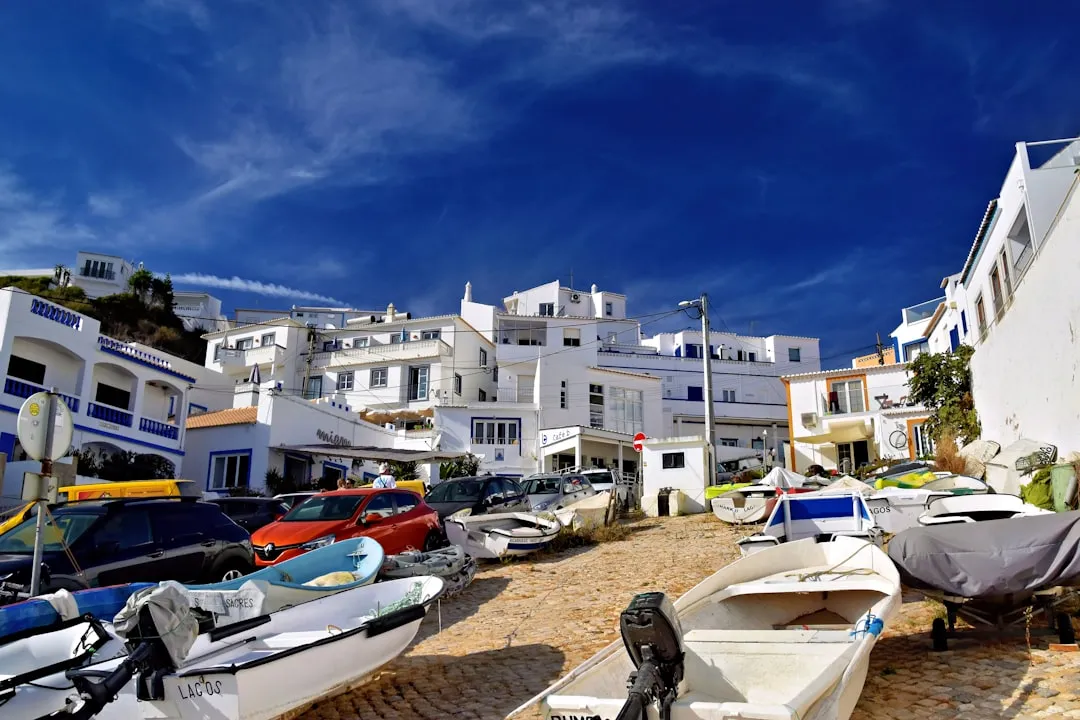
In the heart of the Costa Vicentina, in the municipality of Vila do Bispo, is the small but charming village of Burgau. The town used to be quieter than it is today. It began to attract more and more tourists as it earned the nickname “Portugal’s Santorini.” The comparison is not entirely hyperbole, either.
White little houses with blue doors and flower-covered roofs, tiny streets, cute cafés, and ocean air. This is all about Burgau village in the Algarve, also named the Portuguese Santorini. The visual appeal is immediate and almost disarming, especially early in the morning before the heat sets in.
Like any typical town or village in the Algarve, Burgau still retains some traditions related to fishing. The region’s gastronomy is also closely linked to seafood. The beach, although small, is very pleasant, with calm and clear water, and is guarded in summer.
Burgau’s Natural Setting and Surroundings
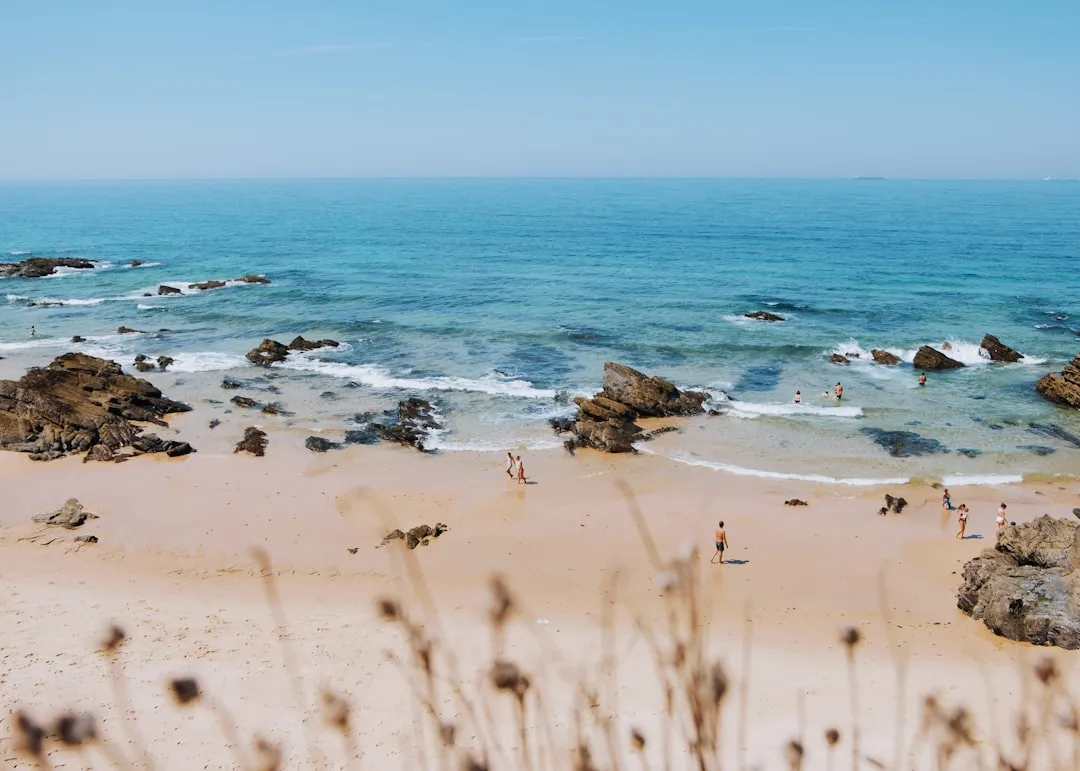
The road to Burgau takes you through a beautiful unspoiled valley which marks the beginning of the Costa Vicentina national park. It is ideal for a walk or a challenging bike ride through nature. The approach alone is worth the detour.
Experience one of the Algarve’s most Instagrammable places at Rota Vicentina, a network of picturesque walking routes in the Algarve and Alentejo region. With small fishing boats in an array of colors, clear turquoise waters, and a quaint, small fishing village vibe, this entire area is one big photoshoot waiting to happen.
The coastal road between Salema and Burgau, by Forte de Almadena, has some amazing views, but some pretty steep inclines too. Driving it at golden hour, with the Atlantic cutting west beneath you, is one of those Algarve experiences that doesn’t require a social media caption to justify its existence.
The Broader Context: Why These Villages Still Exist
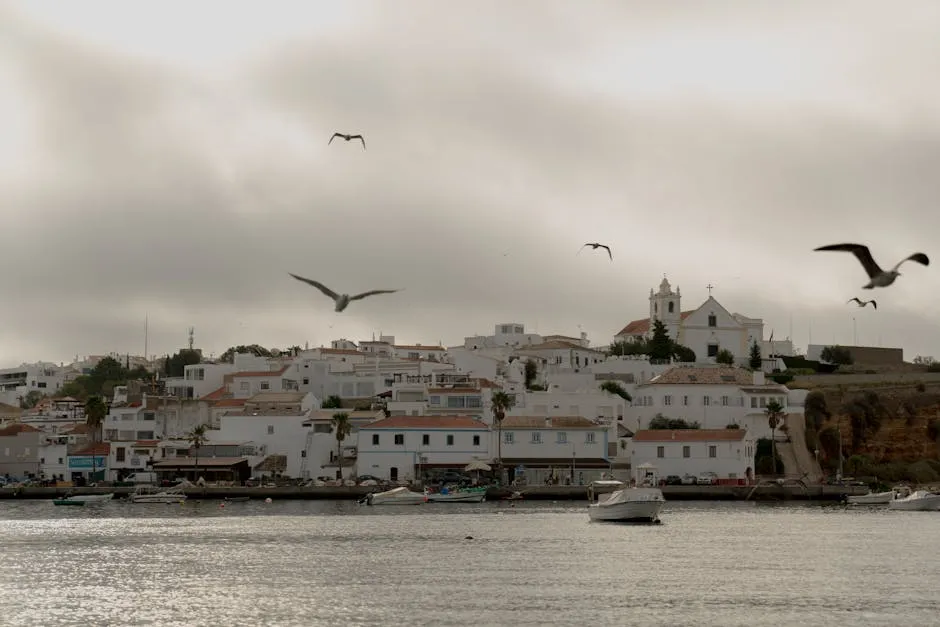
The Algarve broke several regional tourism records in 2024, from guest numbers and airport passengers to the number of golf rounds played. Hotels and other accommodation units welcomed 5.2 million visitors. The pressure that creates on small villages is real and ongoing.
In many ways, a lot has changed over the decades; more resorts, more tourists, and many of those fishing villages are now so developed you wouldn’t recognise them in a faded postcard. That’s precisely why Ferragudo, Salema, and Burgau matter. They are outliers in a region that has been transformed by mass coastal tourism.
The good news is that there are still plenty of gems to discover in the Algarve, with breathtaking natural scenery waiting to be explored. In fact, most of the Algarve remains unspoiled by tourism, offering plenty of opportunities to enjoy the region’s wild beauty. The operative word is “still,” and it carries weight.
Getting the Most Out of These Villages
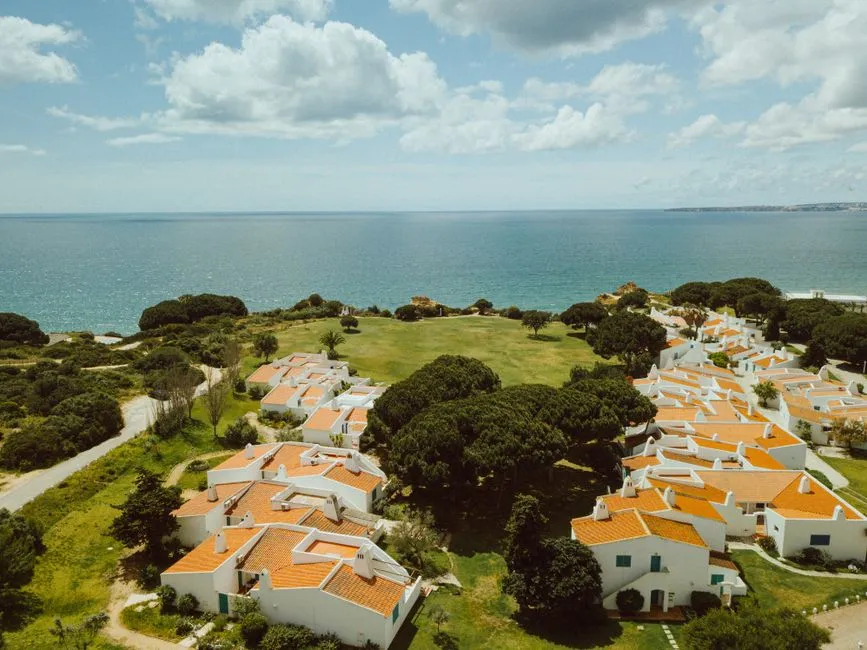
Timing matters. The Algarve’s peak season runs from July through August, and even these smaller villages feel noticeably busier. Overnight stays across the region reached 20.7 million in 2024, which represents a nearly two percent rise on the year before. The shoulder months of May, June, and September offer the most rewarding experience in villages like these.
Salema’s position brings cooling Atlantic breezes, moderating summer heat. The beach provides natural cooling, though winter winds can be significant. Spring and autumn offer ideal conditions for outdoor activities. The same broadly applies to Ferragudo and Burgau, both of which sit within easy reach of the same western Algarve microclimate.
The Algarve isn’t just about golden beaches and luxury resorts – it’s also home to a collection of picturesque coastal villages, where time seems to slow down and the charm of traditional Portugal still lives strong. From dramatic cliffs to whitewashed houses and colorful fishing boats, these villages offer the perfect blend of relaxation, culture, and beauty. Arriving without a packed itinerary is probably the wisest travel strategy of all.
A Closing Thought
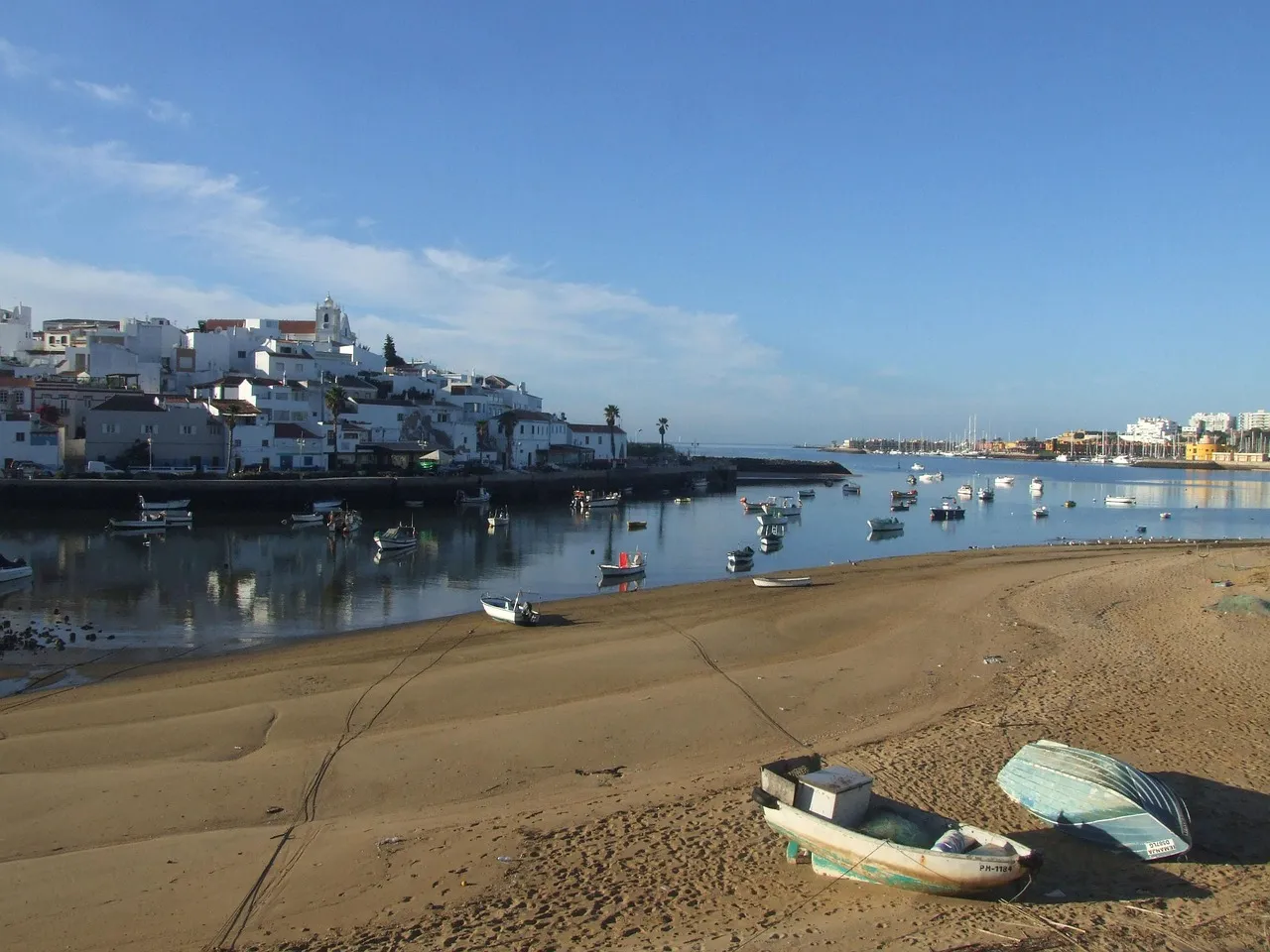
There’s something specific about these three places that the Algarve’s bigger destinations can’t easily replicate. In Ferragudo, fishermen still mend nets on the quay. In Salema, dinosaur footprints are embedded in rocks a few meters from café terraces. In Burgau, the houses tumble toward the sea in that particular blue-and-white geometry that tends to stop people mid-step.
Hilltop castles half-hidden among cork oaks, fishing villages where the daily catch still sets the menu, and a rugged western coastline that pulls surfers from across Europe – Portugal’s most popular holiday region has far more depth than its beachside reputation suggests.
The Algarve of postcards belongs to the resorts. The Algarve worth finding is still out there, tucked into small bays, protected by park boundaries, and quietly going about its business. You just have to choose the smaller road.
AI Disclaimer: This article was created with the assistance of AI tools and reviewed by a human editor.