
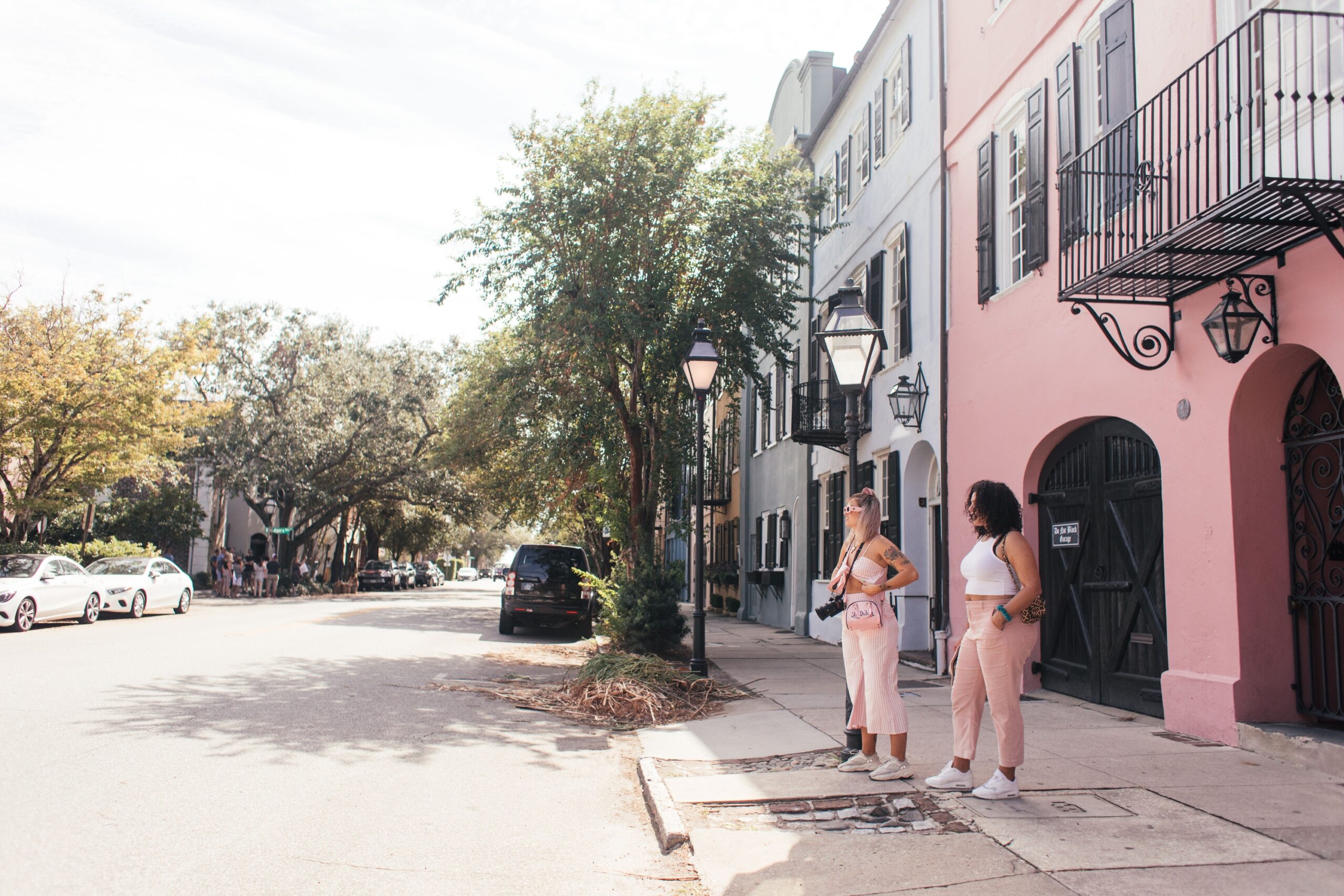
The Charleston area welcomed nearly 7.8 million visitors in 2024, generating a record $14 billion economic impact in the local hospitality sector, according to the College of Charleston’s Office of Tourism Analysis. For a city of Charleston’s scale, those numbers are extraordinary. They’re also, for many locals, a signal to pack a day bag and head somewhere quieter.
That quieter place has a name: McClellanville. This small fishing village sits along South Carolina’s coast, a place that most travelers rush past on their way to busier destinations. With just over 600 residents and miles of unspoiled marsh and forest, this Charleston County gem offers something rare: authentic coastal life without the crowds. If you haven’t heard of it yet, you’re in good company.
The Sheer Scale of Charleston’s Visitor Numbers
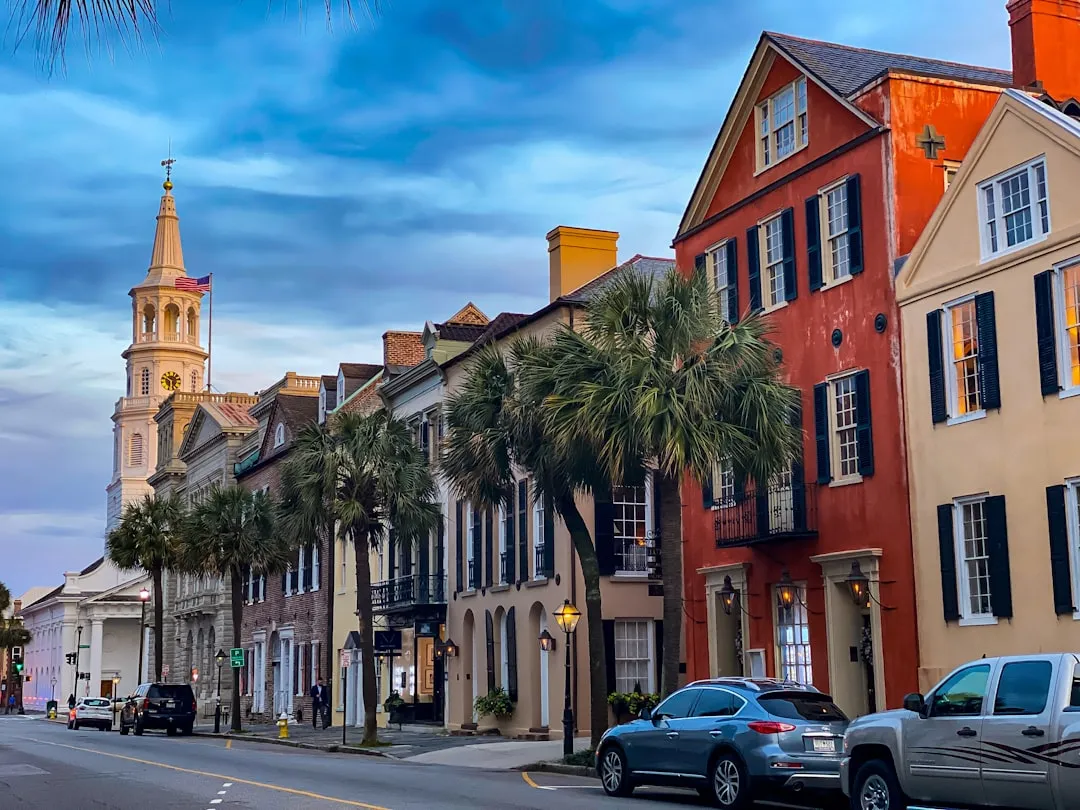
Understanding why locals quietly recommend an alternative starts with the numbers. The Charleston region’s hospitality industry generated a record $14 billion economic impact in 2024 from 7.8 million visitors, with tourism’s financial punch growing by nearly seven percent over the previous high set in 2023. That’s a level of visitor pressure that reshapes a city, whether residents notice it gradually or all at once.
Charleston’s tourism industry hit a record for nearly five million hotel room nights sold, maintaining a 70.6 percent average hotel occupancy rate, and average hotel rates over the past three years have been about $63 higher than 2020 and $30 more than 2019. The math alone tells a story about what visiting Charleston increasingly costs.
The city faces real challenges in managing the increasing tourist influx while preserving its charm. For visitors hoping to find the Charleston of postcards, that tension is increasingly felt in everything from restaurant wait times to parking.
McClellanville: A Genuine Lowcountry Original
McClellanville is an old-time shrimping town on the coast of South Carolina. It doesn’t pretend to be anything else, and that’s exactly what makes it so compelling. At its heart, McClellanville is a tiny fishing and shrimping village of about 500 people, but the welcoming community, arts opportunity, and fantastic food make visitors feel like family.
Located about 45 minutes north of Charleston, it sits on the coast like it has been keeping a delightful secret from the rest of us. The drive up Highway 17 is itself a kind of decompression, with the landscape slowly shifting into marshland and live oaks. McClellanville remains one of South Carolina’s most treasured coastal villages, a place where shrimp boats still leave the docks before dawn, neighbors greet one another by name, and the beauty of the marsh changes with every tide.
Reason 1: An Untouched Natural World Right at the Edge of Town
McClellanville serves as the main access point to Cape Romain National Wildlife Refuge, one of the Southeast’s most pristine coastal preserves. Few towns this small can claim a natural neighbor of that magnitude. The Cape Romain National Wildlife Refuge covers 66,287 acres in southeastern South Carolina, with lands and waters encompassing impoundments, creeks and bays, emergent salt marsh, and barrier islands. Nearly 29,000 acres are designated as wilderness.
Located at the edge of the Cape Romain National Wildlife Refuge, McClellanville serves as the gateway to one of the prettiest and most pristine estuaries on the Atlantic Coast. Surrounded by Francis Marion National Forest, the community is also close to miles of hiking, horseback riding and biking trails, and creeks and rivers for fishing and kayaking.
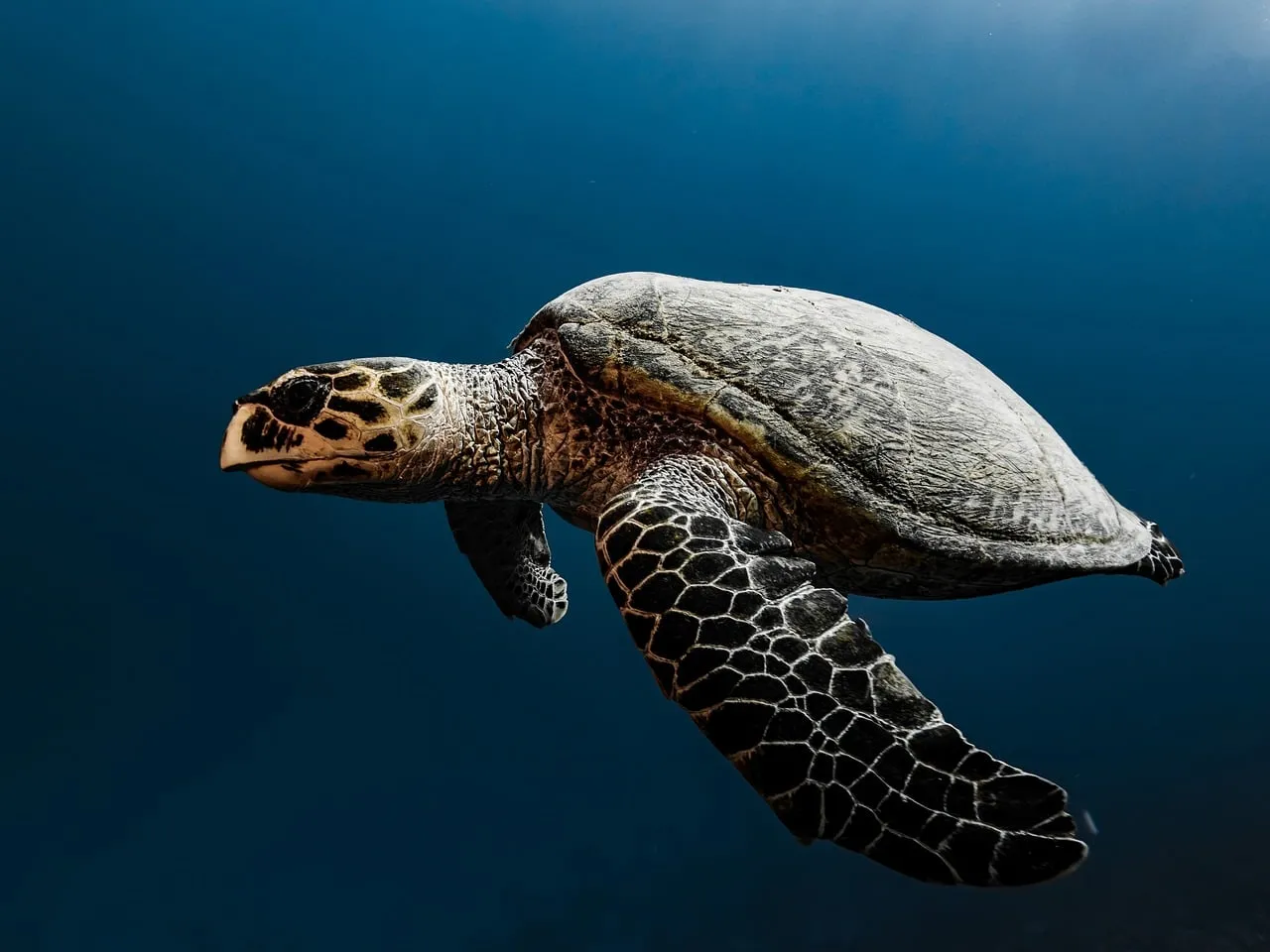
One of the biggest draws is Bulls Island and the Cape Romain National Wildlife Refuge, where windswept beaches are home to hundreds of species of birds, as well as sea turtles and dolphins. The island features 16 miles of trails and a seven-mile stretch of undisturbed beach, including the famed Boneyard Beach, a weathered forest of oaks, cedars and pines stranded in the surf.
Reason 2: Living Seafood Culture That Still Functions Like a Real Industry
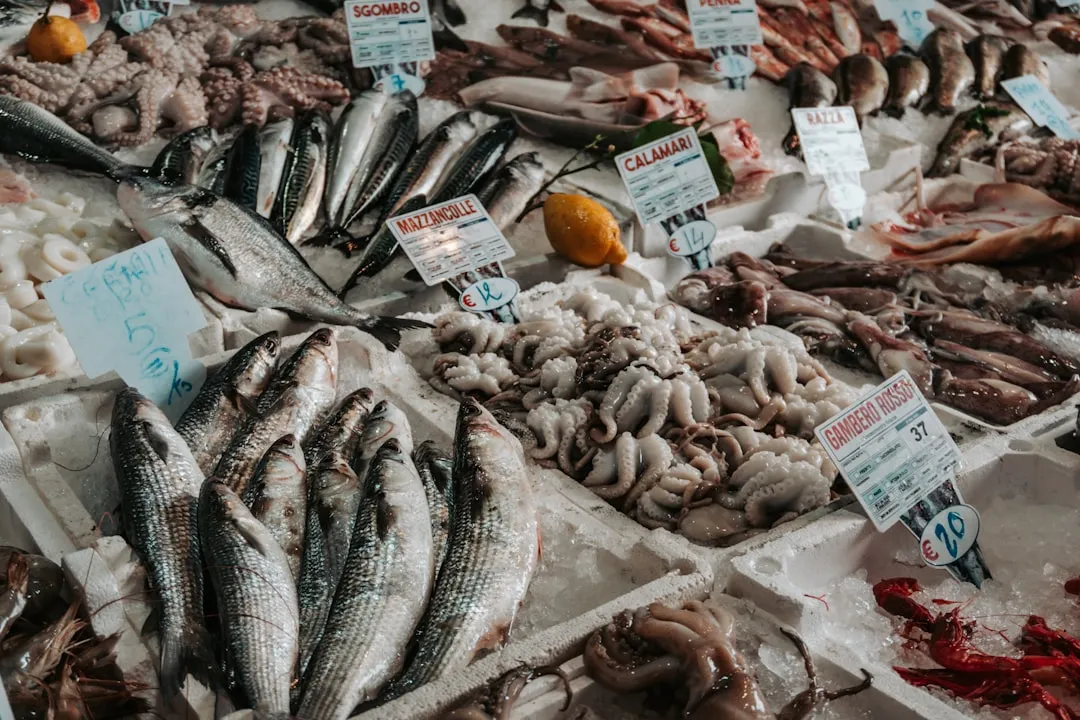
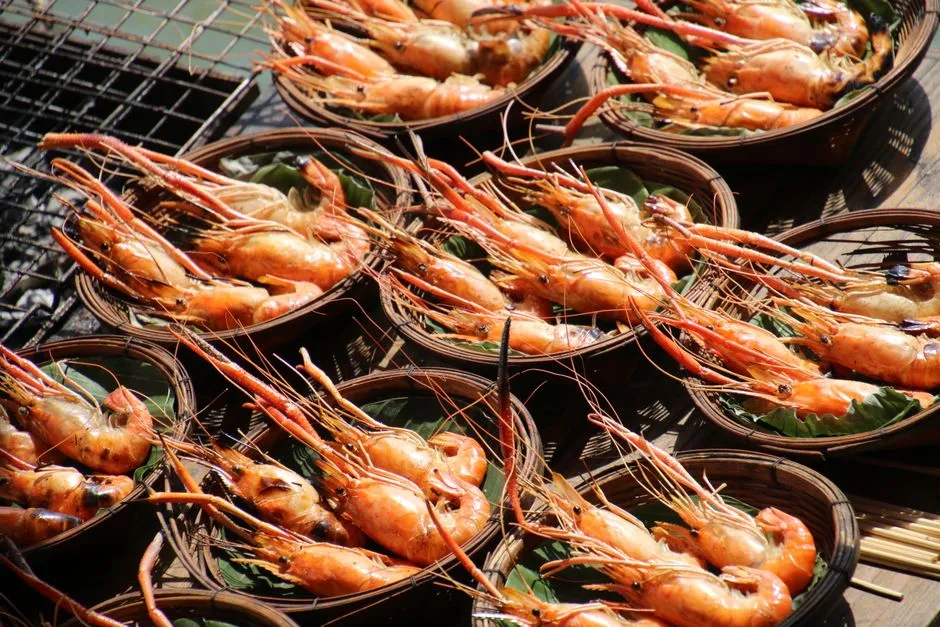
McClellanville is home to a thriving seafood industry where fresh shrimp, crab, and other delicacies make up the catch of the day and are available at local markets and restaurants, like the popular T.W. Graham and Co. This isn’t a curated, tourist-facing version of seafood culture. It’s the real thing, still functioning the way it has for generations.
McClellanville is renowned for its local cuisine, which reflects the town’s coastal location and rich culinary traditions. Seafood lovers find an abundance of fresh catches, including shrimp, oysters, and crab, prepared in a variety of delicious ways. McClellanville provides incredible food, natural beauty, and a window into coastal life that is increasingly rare.
Reason 3: A Historic Streetscape That Hasn’t Been Sanitized for Tourism
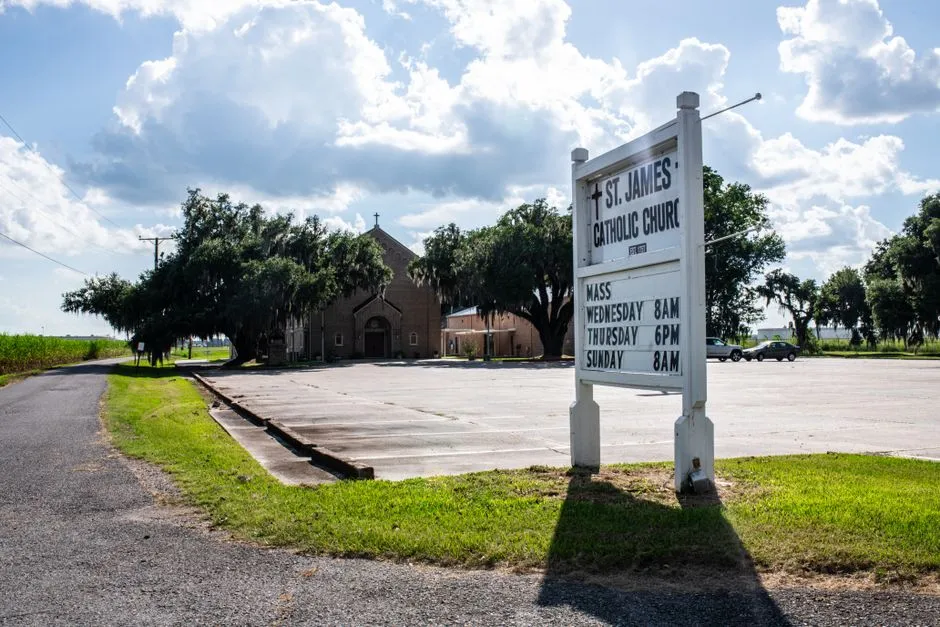
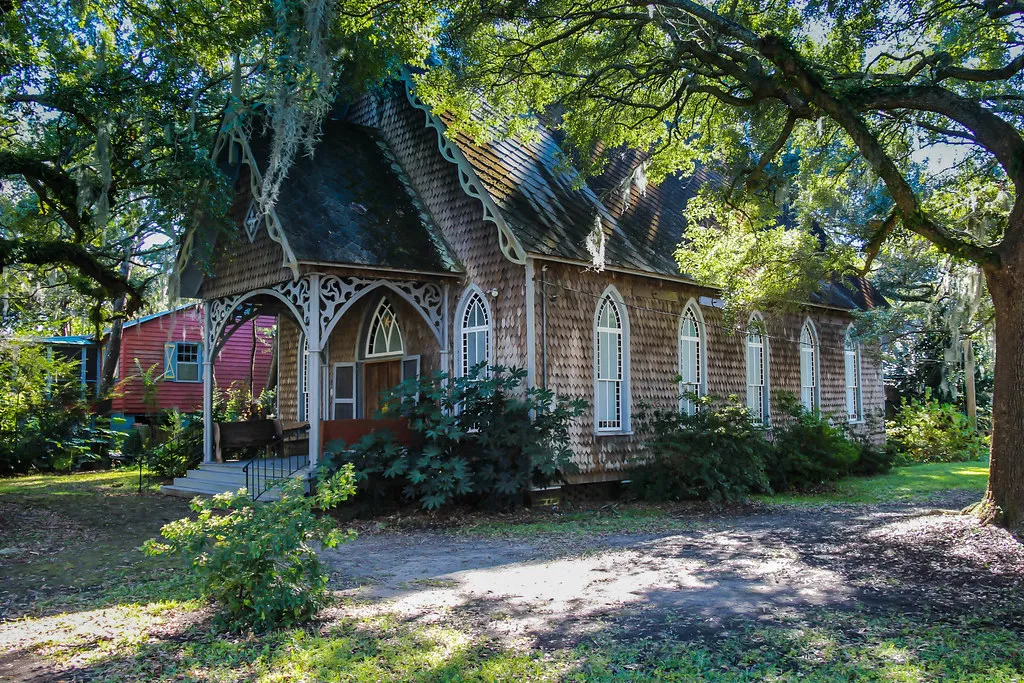
While exploring the quaint coastal fishing village, Pinckney Street once served as the major thoroughfare in town and is now lined with old homes and moss-draped live oaks that tell the story of times gone by. The best way to experience this charming stretch is by foot, as the quiet street gives visitors the opportunity to appreciate its unique beauty without traffic noise or distraction.
Historic landmarks like St. James-Santee Episcopal Church and a vibrant art scene supported by a tight-knit community round out the experience. Proud of its rich history, McClellanville created a museum chronicling the town’s legacy from the early settlements of the Sewee Indians to the great Santee Delta plantations to the growth of the seafood industry. Open Thursday, Friday and Saturday, The Village Museum can be found at the end of Pinckney Street.
In the center of town lies the ancient and revered Deerhead Oak, one of the largest trees in the area. With a circumference of 30.6 feet and a height of about 67 feet, it stands as a magnificent sight. This oak is among the oldest trees east of the Mississippi River, with some estimates suggesting it could be around 1,500 years old. Standing underneath it puts a certain kind of quiet in perspective.
The Annual Shrimp Festival and Blessing of the Fleet
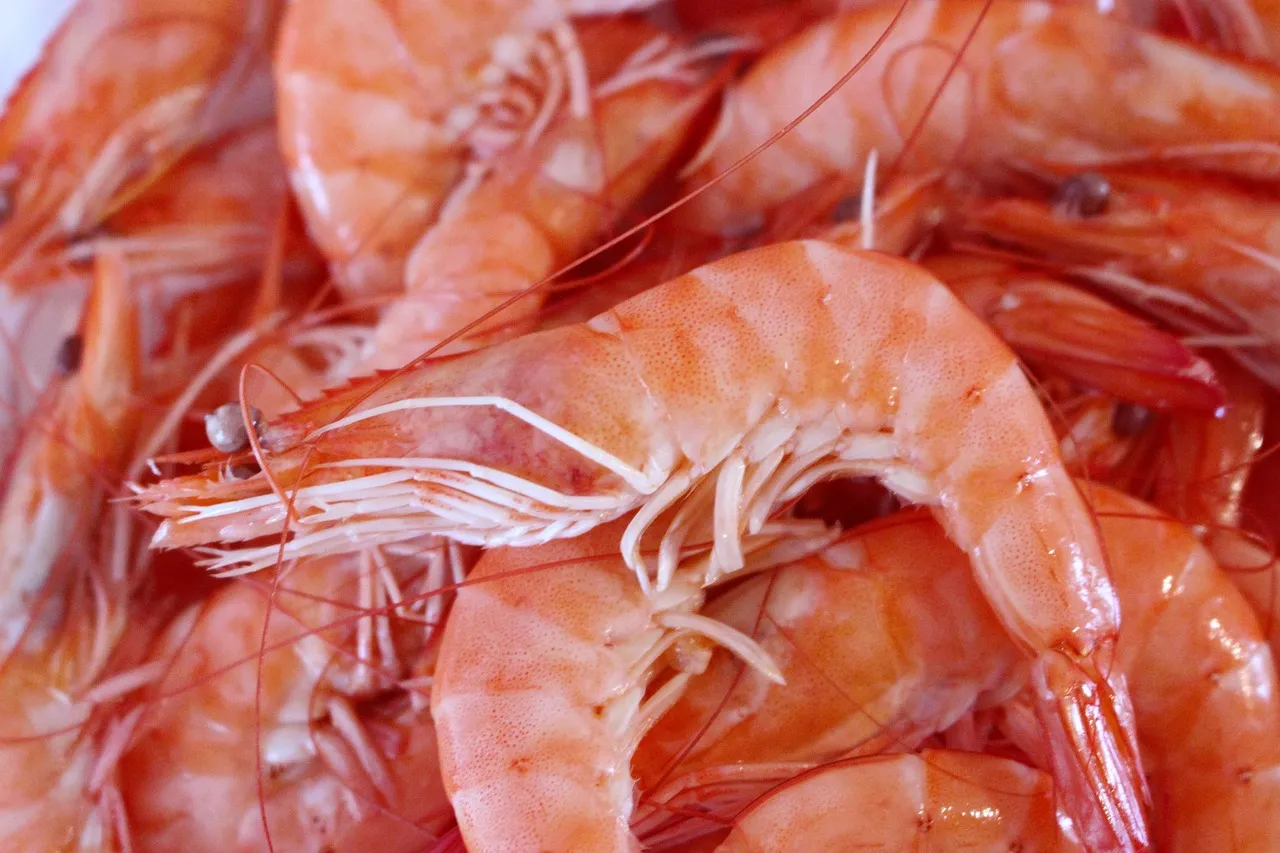
The 48th annual Lowcountry Shrimp Festival and Blessing of the Fleet features local seafood, refreshing beverages, live music, various vendors, children’s activities, and a butterfly house. It’s the kind of community celebration that larger, more commercialized towns simply can’t replicate. On the first Saturday of May each year, the friendly, free-spirited town welcomes visitors to its perch on Jeremy Creek to celebrate the bounty of its waters.
The festival highlights the blessing of the village’s shrimping fleet, with attendees offering shrimpers good fortune for the upcoming season. Local clergy deliver prayers for the trawlers as they float down Jeremy Creek, and the blessing ends with a floral wreath laid upon the waters as a memorial to those who have been lost at sea. The festival is entirely volunteer planned and staffed, with all proceeds benefiting the Cape Romain Environmental Education School.
Wildlife Watching That Rivals Much Larger Destinations
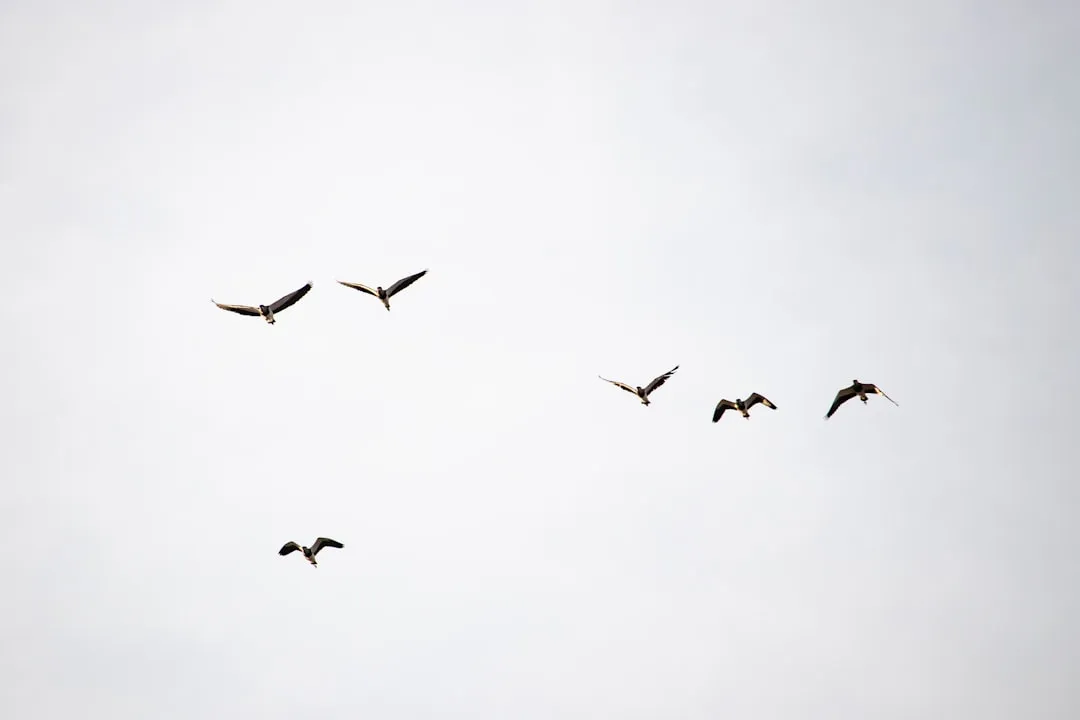
Birdwatchers will find their haven here, with more than 275 bird species present, along with a variety of other wildlife, including sea turtles and dolphins. For a town of 500 people, that’s a remarkable ecological calling card. Coastal Expeditions offers eco-tours through Cape Romain’s breathtaking oceanfront wilderness, home to some 300 bird species.
The tenth annual Bulls Bay Nature and Heritage Festival took place in May 2025, with activities including fishing, kayaking, archery, wildlife and plant walks, live bird, wolf, reptile, and raptor programs, historic tours, and Gullah Geechee stories. The event is free of charge. That kind of access to rich ecological programming, at no cost, is genuinely uncommon.
Red Wolves and Rare Conservation Encounters
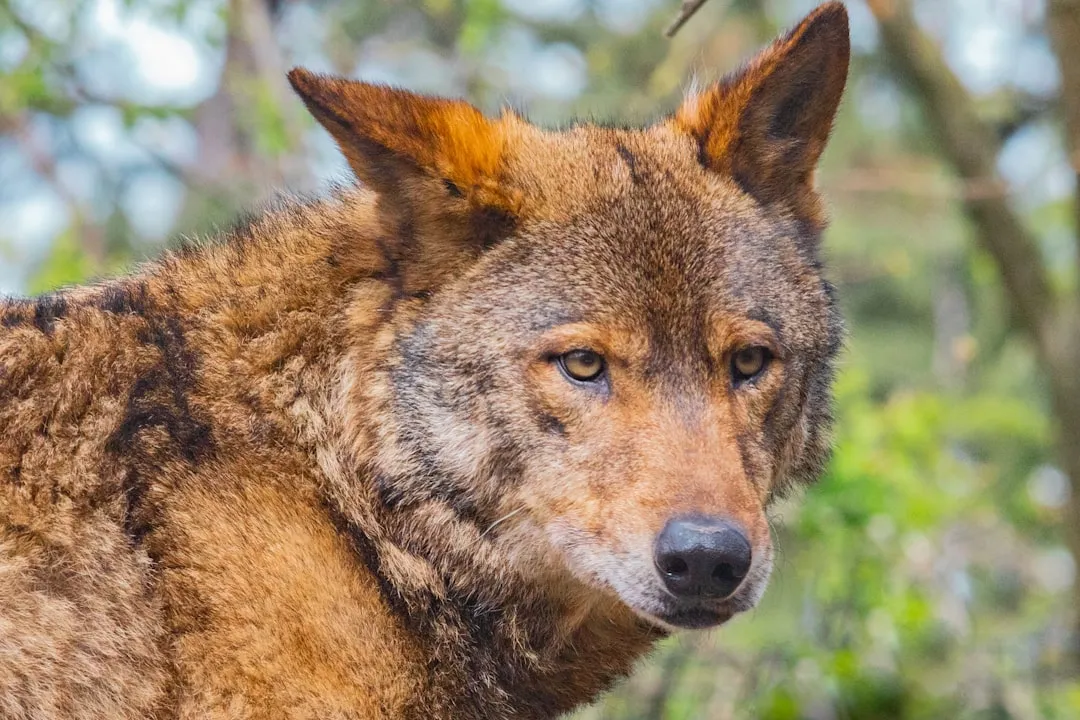
Visitors can check out the viewing area for the endangered red wolves that live on the property near McClellanville. The presence of this critically endangered species here is not a small thing. Two three-year-old male red wolf siblings arrived at the Sewee Visitor Center in November 2024 from Brookgreen Gardens, South Carolina, and two additional one-year-old male siblings arrived in December 2024, transferred from the Endangered Wolf Center in Eureka, Missouri.
The Sewee Visitor and Environmental Education Center, closely tied to McClellanville’s surrounding landscape, plays an active role in the American Red Wolf conservation effort. Encountering these animals in a careful, educational setting near a 500-person fishing village is exactly the kind of unexpectedly meaningful experience that long-time travelers remember most clearly.
Getting There: Practical and Proximity
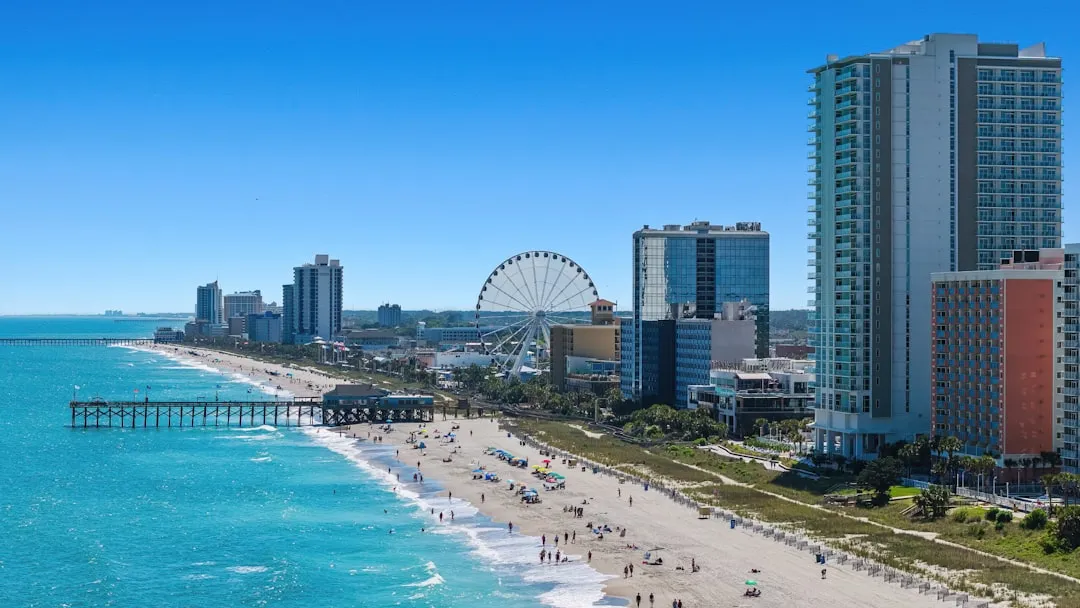
McClellanville is located about an hour from downtown Charleston and about an hour and 15 minutes from Myrtle Beach, making it a perfect base for a coastal South Carolina visit. The drive is straightforward and scenic, running along the old Highway 17 corridor through the Lowcountry. It also makes for a logical stop on a trip between Myrtle Beach and Charleston.
Travelers coming by RV can stop at the Buck Hall Recreation Area, where the camping area is clean and quiet with full hook-up spots and more primitive tent camping. Fishing is available at the on-site dock, and visitors can also launch a canoe for a peaceful paddle on the Intracoastal Waterway. For those who prefer a roof overhead, Airbnb options in and around the area are plentiful and generally far more affordable than Charleston proper.
Georgetown: Another Local Recommendation Worth Noting
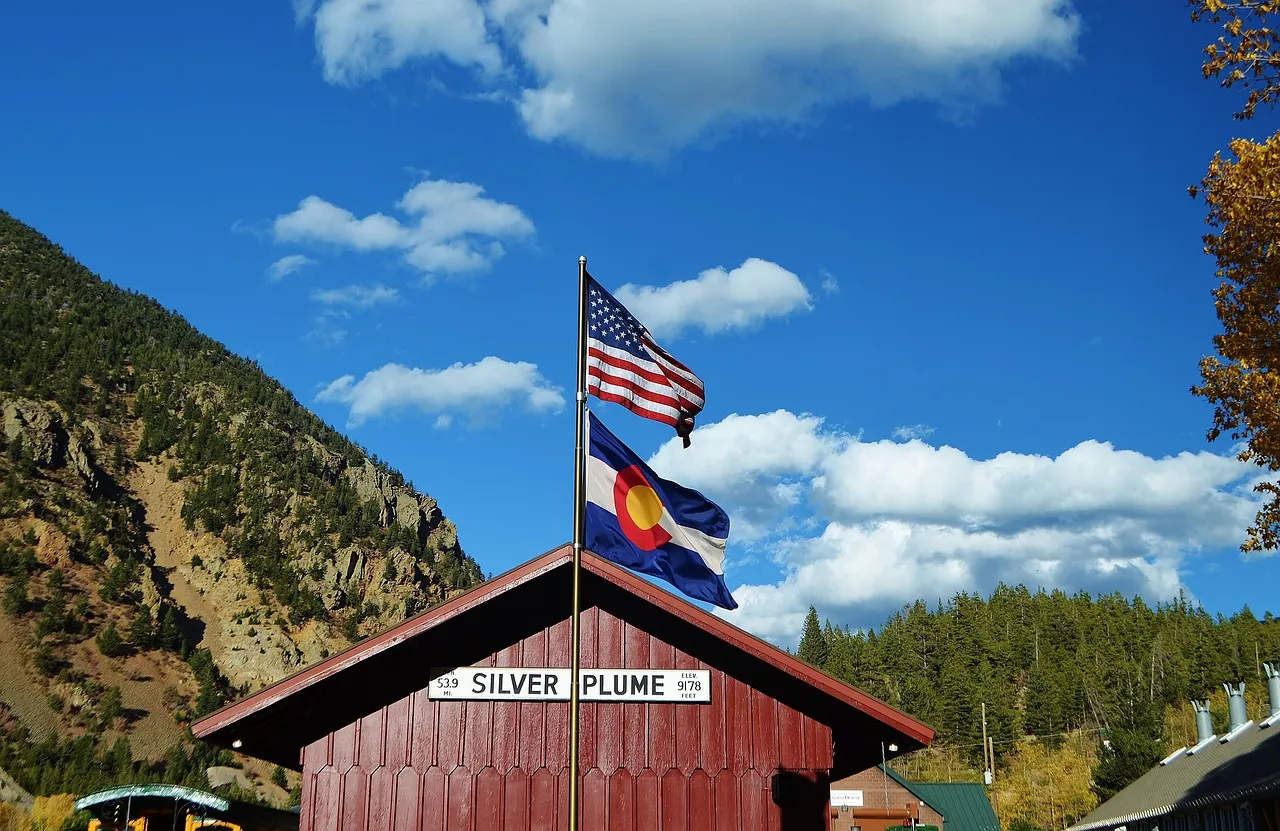
Nestled between Charleston and Myrtle Beach is the small town of Georgetown, often considered “Little Charleston.” Georgetown has everything Charleston has to offer, but with fewer crowds and a quieter character. Established as a significant port of entry around 1732, Georgetown is home to the third-oldest seaport in all of South Carolina. An evening at the Georgetown Harborwalk offers spectacular views of Winyah Bay, with boardwalk paths and the sight of shrimp boats returning at sunset.
Pawleys Island, also in the Hammock Coast region, was named the “Best Beach in South Carolina” by the USA Today 10 Best Readers’ Choice Awards in 2024. The broader stretch of coastline between Charleston and the Grand Strand holds more than most visitors realize. These towns aren’t consolation prizes. They’re the real discovery.
The Quiet Case for Slowing Down
There’s nothing wrong with loving Charleston. It earned its reputation honestly and its cultural richness is genuine. But the numbers don’t lie: with nearly 7.89 million tourists in one year, Charleston now contributes almost half of South Carolina’s total tourism revenue. That level of popularity inevitably changes the texture of a place.
If you want a real taste of old South Carolina, including good old-fashioned Southern hospitality and seafood, McClellanville is hard to beat. It is a community where traditions endure, hospitality comes naturally, and life moves at a gentler pace. For Charleston locals who already know every corner of the Holy City, that difference is everything.
The slow pace of life, the beauty of the natural surroundings, and the friendly locals make McClellanville a town that is truly one of a kind. Sometimes the best travel recommendation isn’t a new destination at all. It’s the one your neighbor has been quietly visiting for years without telling a soul.
AI Disclaimer: This article was created with the assistance of AI tools and reviewed by a human editor.