


Portugal: Where Strangers Become Familiar Quickly
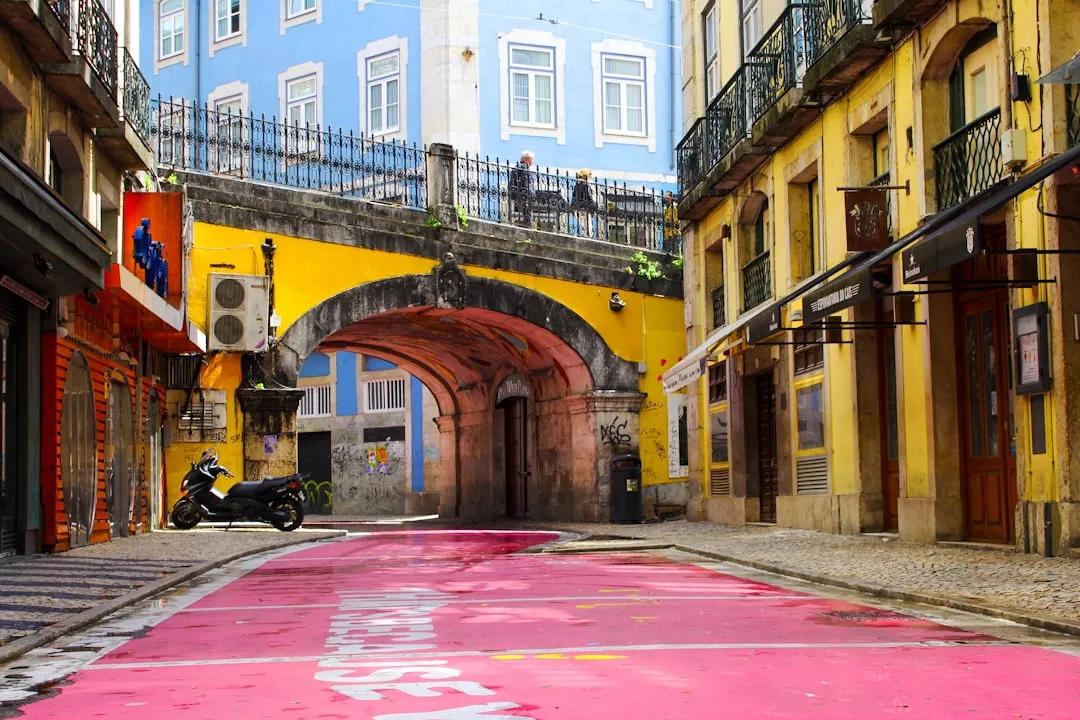
Portugal keeps appearing at the top of solo travel lists, and the numbers support the sentiment. Based on solo traveler bookings across H2 of 2024 and H1 of 2025, Portugal ranked among the top ten solo traveler hotspots globally, according to Hostelworld’s State of Solo Travel 2025 report. That data was drawn from over four million annual trips made by solo travelers through the platform.
Portugal draws solo travelers in with the ancient neighborhoods of Lisbon, the volcanic archipelagos of the Azores and Madeira, and the wine culture of Porto – and its warm, welcoming people are just as much a draw as the scenery. The pace of life in places like Alfama or the Alentejo encourages lingering, which naturally opens the door to conversation.
Among solo female travelers specifically, European countries – with Portugal consistently named among the top picks – rank as the best destinations for a first solo international trip, according to the 2024 Solo Female Travel Report. It’s a pattern that has held for multiple years running.
Japan: Safety as a Form of Hospitality
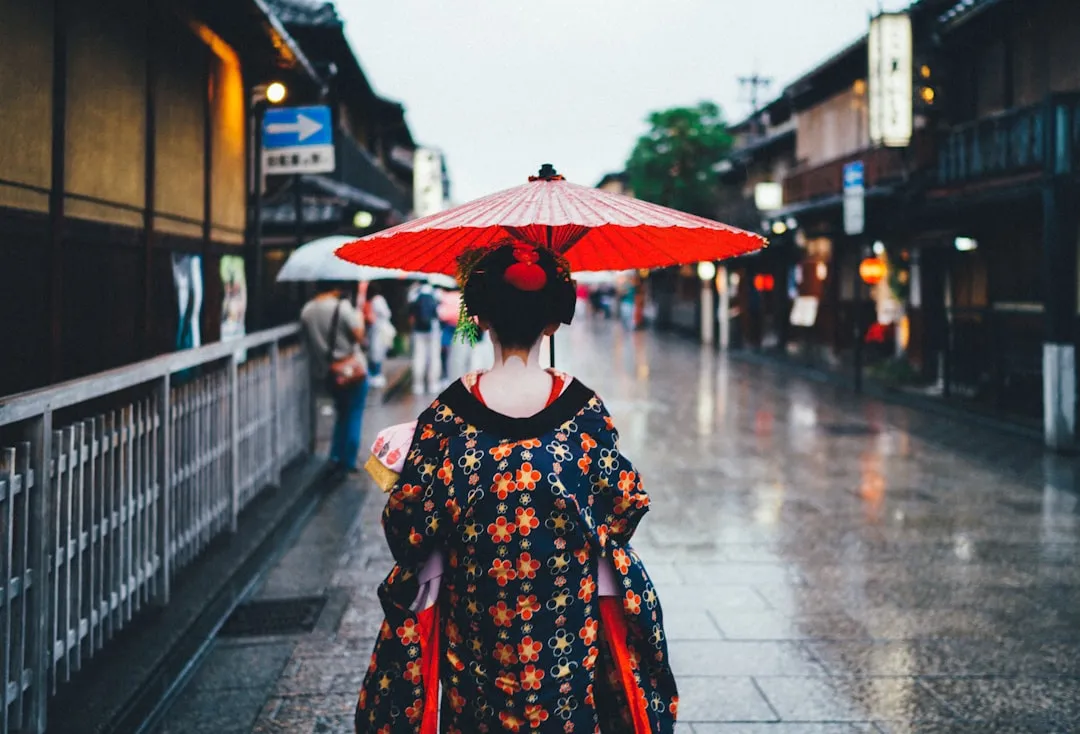
Japan consistently ranks as one of the safest countries in the world, with a crime rate of just 0.26 per 1,000 people, according to 2024 data from the Japanese National Police Agency. For solo travelers, safety isn’t just a comfort – it’s what makes genuine exploration possible without constant vigilance.
Solo travelers find themselves welcomed by a culture that values politeness and helpfulness, where locals often go out of their way to assist lost tourists despite language barriers – and cities like Tokyo and Kyoto are renowned for their cleanliness, structured society, and helpful citizens.
Solo dining in Japan is not just accepted but celebrated – you’ll find counter seating specifically designed for individual diners. That small cultural detail says a lot. Eating alone in Japan carries no social weight; it’s simply how many people choose to eat, and that makes solo travelers feel immediately ordinary in the best possible way.
New Zealand: Friendliness Built Into the Culture
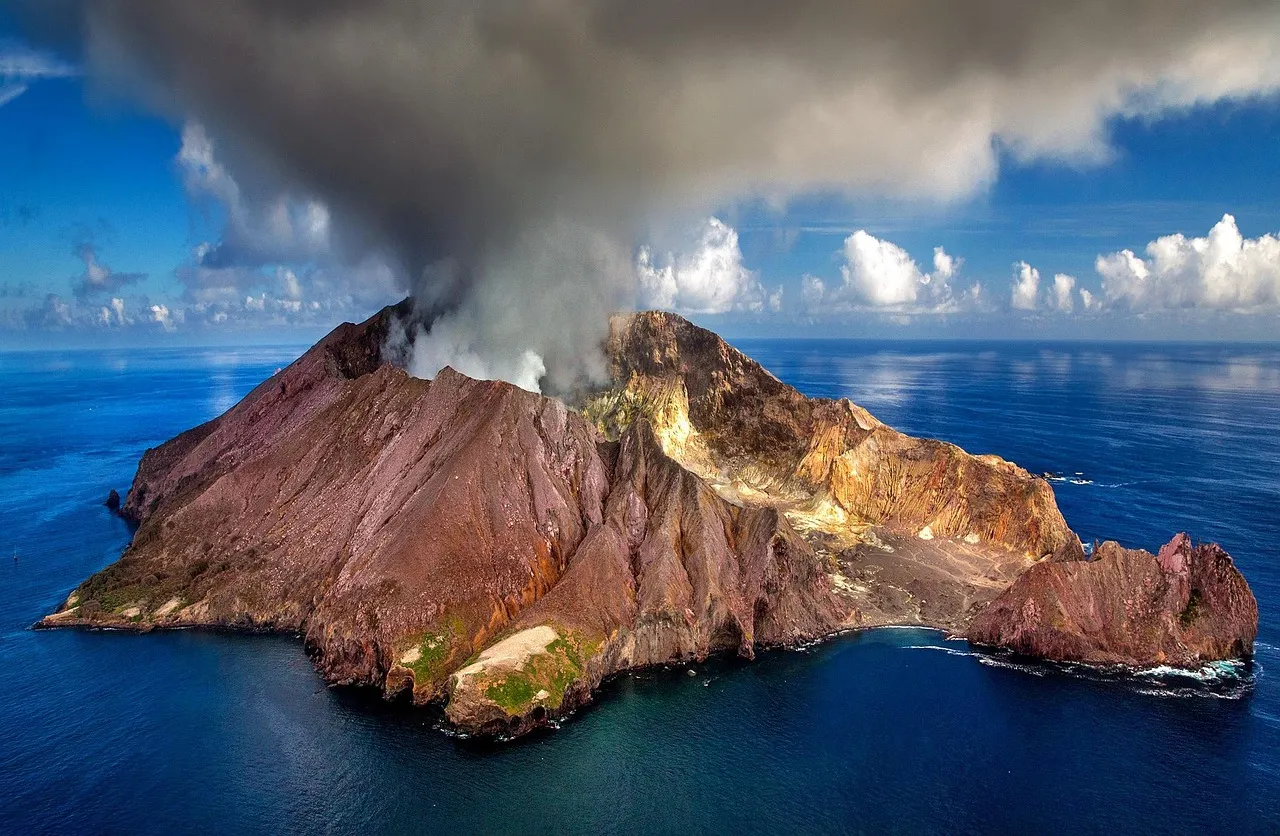
New Zealand regularly ranks as one of the top countries globally for solo travelers – it’s easy to navigate, incredibly safe, locals are friendly, and the scenery changes frequently enough that there’s always something new to encounter. It’s a combination that’s hard to argue with.
New Zealand has a cultural tradition called “manaakitanga,” which emphasizes caring for others, particularly visitors to their land. That isn’t just a tourism talking point – it shapes how everyday interactions feel, from asking for directions to sharing a table at a hostel kitchen.
The country has built an entire infrastructure around backpackers and independent travelers, with adventure activities like bungee jumping and skydiving that cater specifically to solo participants, and hostels that function as genuine social hubs. The setup practically does the work of making connections for you.
Thailand: The Solo Traveler’s Gravity
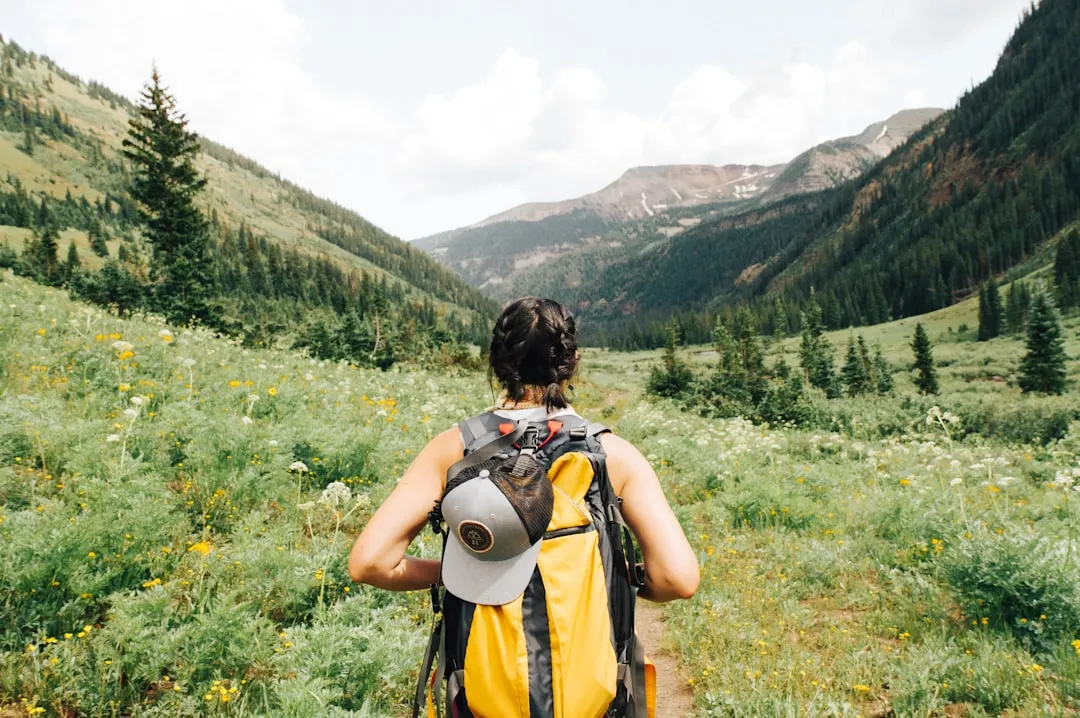
Thailand ranked as the single most booked solo travel destination in Hostelworld’s 2025 State of Solo Travel report, leading the list ahead of Spain, Italy, and Vietnam. It has held that position consistently, which reflects something deeper than trend.
A lot of people head to Thailand on their own, which puts many travelers in the same position – and locals there are exceptionally welcoming, while travelers themselves tend to be open to meeting new people and put in the effort to connect. There’s a self-reinforcing dynamic at work: solo travelers attract other solo travelers, and the whole atmosphere gets warmer as a result.
What that means in practical terms is that locals are incredibly well used to independent visitors, which smooths the experience considerably for anyone arriving alone. From the street food culture of Chiang Mai to the island rhythms of Koh Lanta, the country offers constant, low-pressure entry points into conversation and community.
Why These Four Stand Out
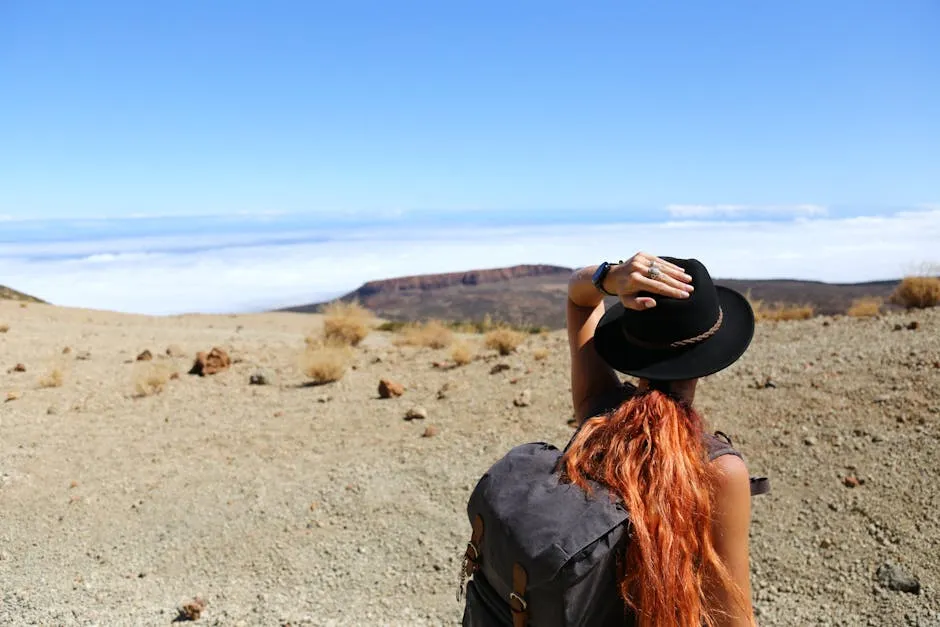
Solo travel can be one of the most rewarding and memorable ways to experience a new place – but that reward depends heavily on how a destination receives you. These four countries share a common thread: locals who are genuinely accustomed to independent visitors, infrastructure that doesn’t punish people traveling without companions, and cultural attitudes that treat a solo arrival as completely unremarkable.
The most valued aspects of solo travel, according to a survey of over 3,000 solo travelers conducted in 2025, were freedom and spontaneity, rated highly by nearly two thirds of respondents – yet solo travel rarely means being truly alone. That tension between independence and connection is exactly what the right destination resolves without any effort on the traveler’s part.
The Role of Local Hospitality in Solo Travel Confidence
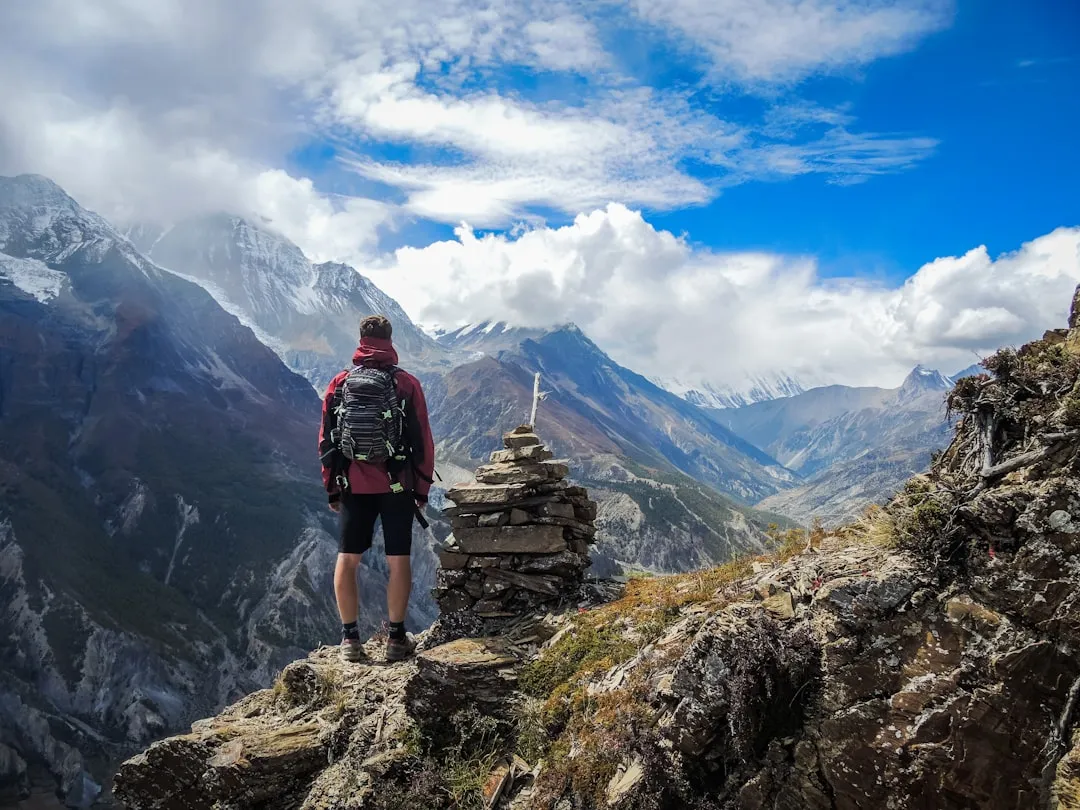
There’s a difference between a country that tolerates solo travelers and one that actively makes them feel at home. The distinction shows up early – in whether a guesthouse owner offers a map without being asked, whether a fellow diner at a communal table says hello, whether a stranger on a train helps you find your stop.
Traveling for the first time can feel overwhelming, but some countries make stepping into the unknown feel like coming home – and the difference lies in how locals treat visitors, the safety standards, and the overall infrastructure that makes navigation easier.
Solo travelers are often more attuned to these small signals than group travelers, precisely because there’s no internal social buffer. A warm interaction lands differently when you’re on your own, and so does a cold one. Countries that understand this – consciously or not – tend to earn loyal, returning solo visitors.
Safety and Comfort as a Foundation
In 2024, Iceland was named the world’s safest country and the third happiest place on earth – a pairing that illustrates something important: safety and wellbeing tend to travel together, and solo travelers benefit from both. While Iceland didn’t make this particular shortlist of four, the principle applies across all of them.
For solo travelers, especially women, navigating bustling nightlife or quiet alleys alike feels remarkably secure in Japan – and recent studies by the Japan Tourism Agency show that roughly three quarters of international visitors feel completely safe walking alone at night. That figure isn’t incidental; it’s the foundation on which everything else is built.
Practical Signals That Tell You a Place Is Solo-Friendly

Experienced solo travelers tend to pick up on certain early cues. A hostel common room that’s actually used. A café where single-seat arrangements face outward. A local market where vendors are curious rather than dismissive. These aren’t trivial details – they’re indicators of how a place orients itself toward independent visitors.
In places like Tuscany, English is widely spoken and many types of experiences are available – and each town’s trattorias tend to welcome anyone who arrives alone with equal warmth. Similar cues exist across the four destinations profiled here: structured hospitality that leaves room for spontaneity.
Solo travel infrastructure – good public transport, clear signage, reliable hostel networks, and widespread English proficiency – removes the friction that might otherwise make a place feel closed off. When logistics are manageable, emotional energy goes toward connection rather than navigation.
The Solo Travel Trend That Keeps Growing

The Hostelworld 2025 State of Solo Travel report drew its destination data from over four million annual trips conducted by solo travelers through its booking platform, and supplemented that with a poll of over 3,300 solo travelers conducted in July 2025. The scale of the data matters – this isn’t anecdote, it’s a genuine behavioral signal.
Solo travel has moved well beyond a niche phenomenon. It now represents a substantial and growing portion of global tourism, with dedicated booking platforms, solo-friendly tour operators, and entire hostel ecosystems designed around the needs of people traveling independently. The destinations that recognize and honor that shift are the ones that keep earning top marks from solo travelers year after year.
Closing Thoughts: The Welcome Is the Destination
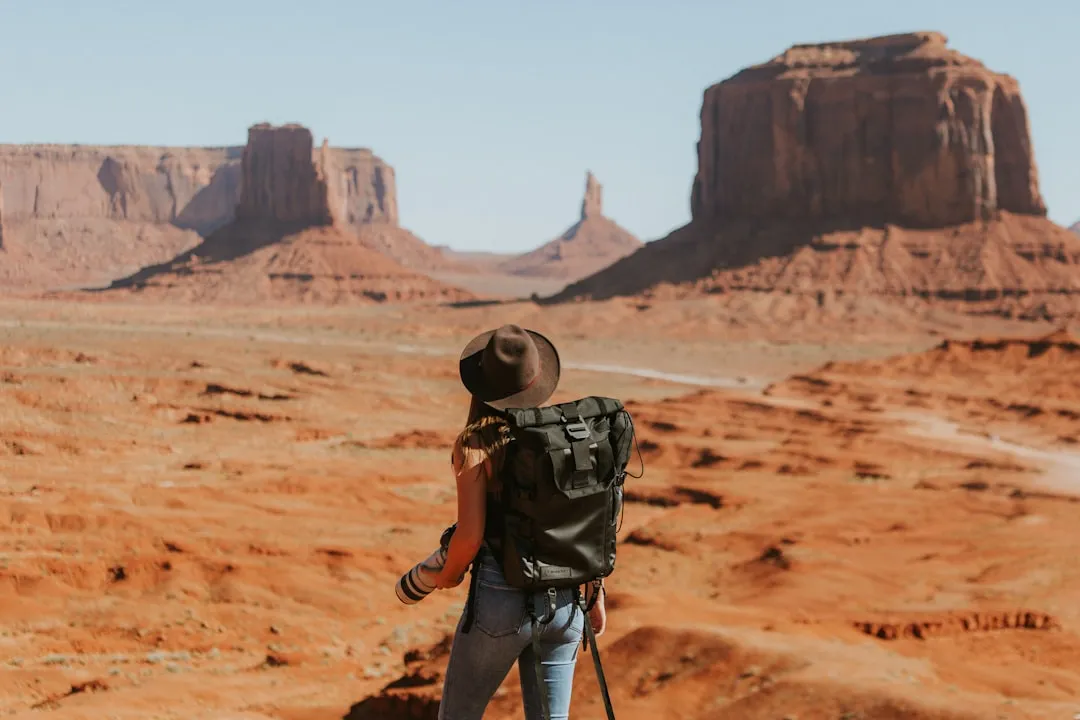
There’s a case to be made that the quality of welcome you receive in a place shapes the memories you bring home more than any landmark does. A temple or a sunset is fixed – you either see it or you don’t. A moment of genuine human connection in an unfamiliar city is irreproducible, and it’s the kind of thing solo travelers tend to seek out, often without quite naming it.
Portugal, Japan, New Zealand, and Thailand have each earned their reputations through something real: consistent, verifiable traveler satisfaction backed by booking data, survey research, and the sort of lived experience that compounds over time into a collective reputation. That reputation, once earned, tends to hold.
Choose any one of these four, and the odds are good that you’ll spend less time feeling like a stranger than you expected. That’s not a small thing – for a solo traveler, it might be everything.
AI Disclaimer: This article was created with the assistance of AI tools and reviewed by a human editor.