


There was a time when the American weekend revolved around a car, a paper bag of popcorn, and a giant screen glowing against the evening sky. At their peak, roughly 4,063 drive-in theaters were operating across the United States in 1958. The numbers have fallen sharply since then. The numbers dropped rapidly in the 1970s and 80s as other entertainment options increased, along with land values that made selling for redevelopment attractive. Though popular during the pandemic, by 2024, there were only 283 left, according to the United Drive-In Theatre Owners Association.
What remains is remarkable. A small handful of these theaters haven’t just survived – they’ve barely changed. The smell of the concession stand, the static crackle before the movie begins, the ritual of parking just right to face the screen. Here are four drive-in theaters still running with that unmistakably vintage soul.
Shankweiler’s Drive-In Theatre – Orefield, Pennsylvania

Opened by Wilson Shankweiler on April 15, 1934, Shankweiler’s Drive-In Theatre in Orefield, Pennsylvania is the oldest operating drive-in theater in the world. That’s not a marketing claim – it’s a Guinness World Record. When Shankweiler’s opened its gates, it was the first drive-in in Pennsylvania and only the second drive-in built in America. Wilson Shankweiler had visited Richard Hollingshead’s original drive-in in Camden, New Jersey and decided to bring the idea home to Pennsylvania.
In April 2024, the theater celebrated its 90th anniversary. That milestone was more than symbolic. Shankweiler’s was recently awarded Best Drive-In Theater in the 2026 USA Today 10Best Readers’ Choice Awards. The theater’s charm is deeply rooted in its continuity. Shankweiler’s Drive-In, established in 1934, is the oldest operating drive-in theater in the world, and for over 90 years it has delighted audiences with double features on its large outdoor screen.
The road to keeping it alive wasn’t easy. To purchase the drive-in in 2022, owners McClanahan and McChesney emptied their life savings and took out a one million dollar loan. The investment paid off: Shankweiler’s became profitable for the first time in 2024, with a total revenue of nearly $550,000 and a net operating income of just over $50,000 after expenses.
Bengies Drive-In Theatre – Middle River, Maryland

Bengies Drive-In is a drive-in theater in Middle River, Maryland with the largest movie screen remaining in the United States. Bengies was opened on June 6, 1956. That screen isn’t just large in a general sense. Bengies boasts the largest outdoor movie screen in the country, clocking in at a whopping 52 feet high and 120 feet wide.
Family-owned since 1956, Bengies serves up a heaping helping of nostalgia with vintage intermission trailers and ample retro vibes. If you’re lucky, you may catch a triple feature or dusk-to-dawn movie marathon. Very few drive-ins anywhere in the country still run triple features. Bengies Drive-In Theatre led the drive-in theater market with over 3% market share in 2025, which speaks to just how devoted its audience remains.
Bengies remains the last drive-in in Maryland today. That singular status has kept a kind of community loyalty alive around it. As one Maryland state delegate was noted to say, “Bengies Drive-In isn’t just a movie theatre; it’s a living time capsule and a place where generations of Maryland families enjoy time together.”
Silver Moon Drive-In – Lakeland, Florida
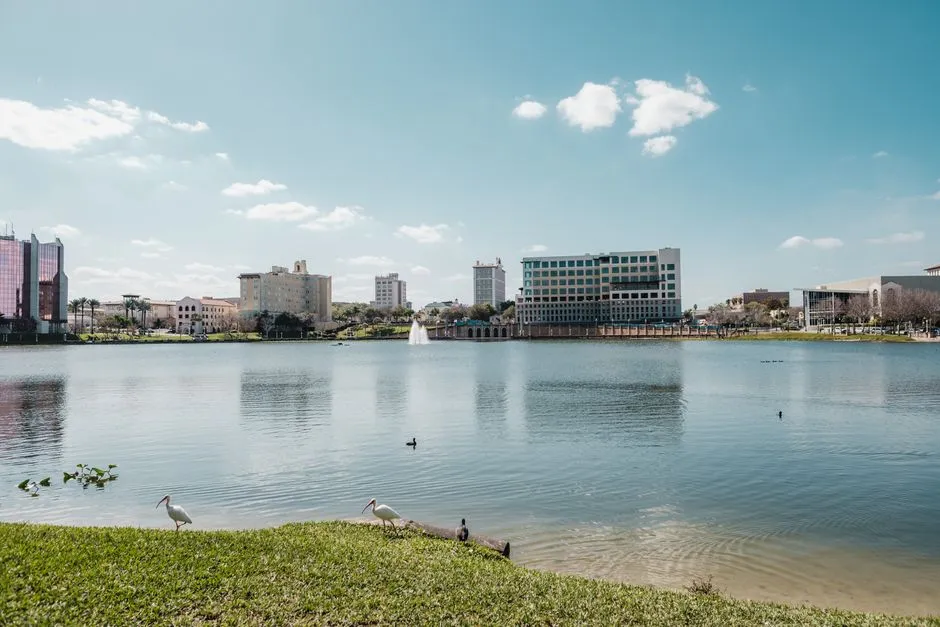
Silver Moon Drive-In first opened its screens on April 14, 1948, sporting individual RCA speakers, a snack bar, circulating vendors, and a 35-cent admission charge – it was considered the most modern outdoor theater in the state at the time. That founding spirit, a place where the whole family piles in and the movies come to you, is still very much intact today.
Silver Moon Drive-In Theatre has two screens usually showing first-run movies, with each screen offering a double feature seven nights a week. Running double features every single night of the week is something most indoor cinemas would never dream of. While admission may no longer be 35 cents, prices are still lower than the cost of traditional theaters, with tickets costing just $8 for adults and $3 for children.
In 2022, both of Silver Moon’s screens were upgraded to laser projection systems, which is one of the few concessions to modern technology at a place that otherwise feels thoroughly rooted in an earlier era. Established in 1948, it is the last remaining drive-in of Polk County, Florida, making it not just a nostalgic destination but a genuinely irreplaceable piece of local culture.
Mahoning Drive-In – Lehighton, Pennsylvania
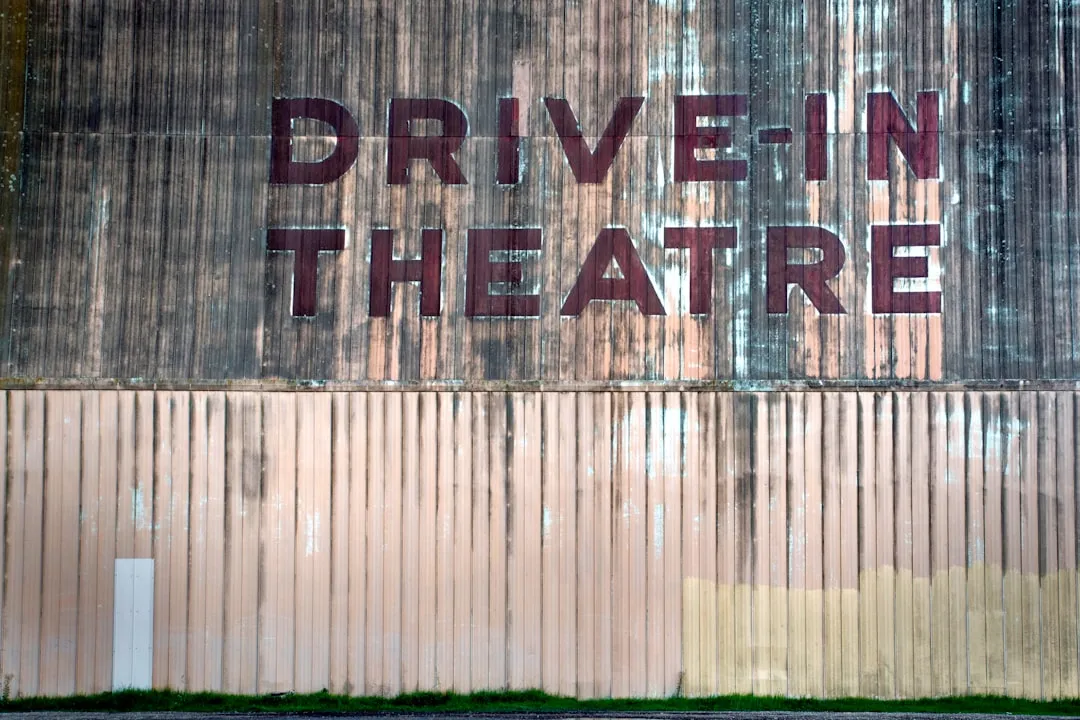
Tucked away in the Pocono Mountains, Mahoning Drive-In celebrated over 75 years of operation in 2024. Built in 1948, the theater features one of the largest drive-in screens in the country with a 120-foot-wide CinemaScope. In a landscape where most surviving drive-ins have upgraded to digital projection, Mahoning took a different path entirely.
While others have digitized in recent years, this drive-in has stayed true to its roots and only screens 35mm film prints. Expect cult classics, horror marathons and fun theme nights, plus a playful concession menu that includes Pop Tarts, pierogies, tater tots and a whole lot more. Screening exclusively on 35mm in 2026 is an extraordinary commitment. It means sourcing actual physical film reels, maintaining vintage projection equipment, and accepting the operational complexity that comes with it – all by choice.
The Mahoning’s programming philosophy sets it apart from almost any other outdoor theater in the country. Its focus on themed nights, cult screenings, and horror marathons has drawn devoted fans from across the Northeast, many of whom return season after season for specific events rather than just casual movie nights. It’s a living archive as much as it is a theater.
Why These Four Theaters Still Feel Like 1965
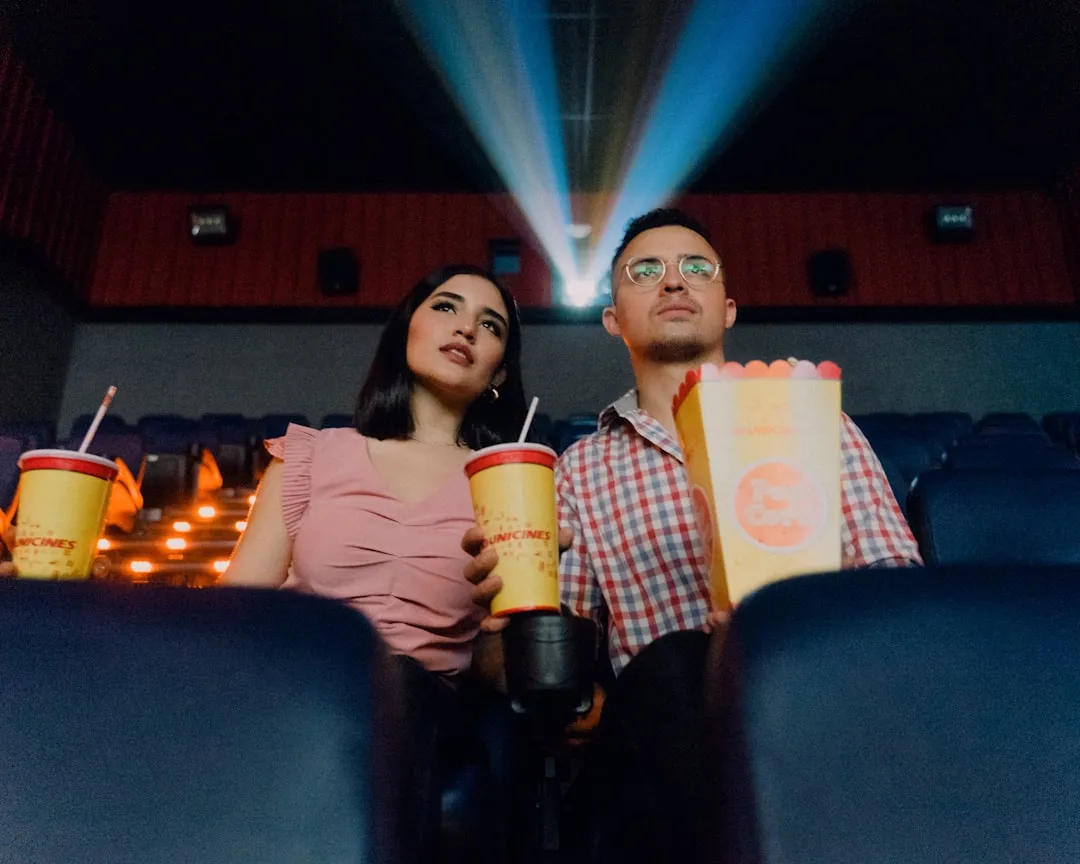
The honest answer is that these theaters never fully stopped being 1965. They kept the double features, the intermissions, the cash-only booths, the vintage concession menus, and in some cases, the actual film reels. Many drive-ins have operated for 50-plus years, preserving classic neon signs, vintage snack bars, and that unmistakable retro charm. The four profiled here represent that tendency taken to its natural extreme.
There’s also a quietly practical reason these places endure. Admission typically runs $8 to $12 per person with kids under five often free, and you get two movies. A family of four can enjoy an entire evening for what you’d pay for two indoor tickets. That value proposition hasn’t changed in decades, and in a period of rising entertainment costs, it resonates more than ever.
The Bigger Picture: How Many Drive-Ins Are Left?
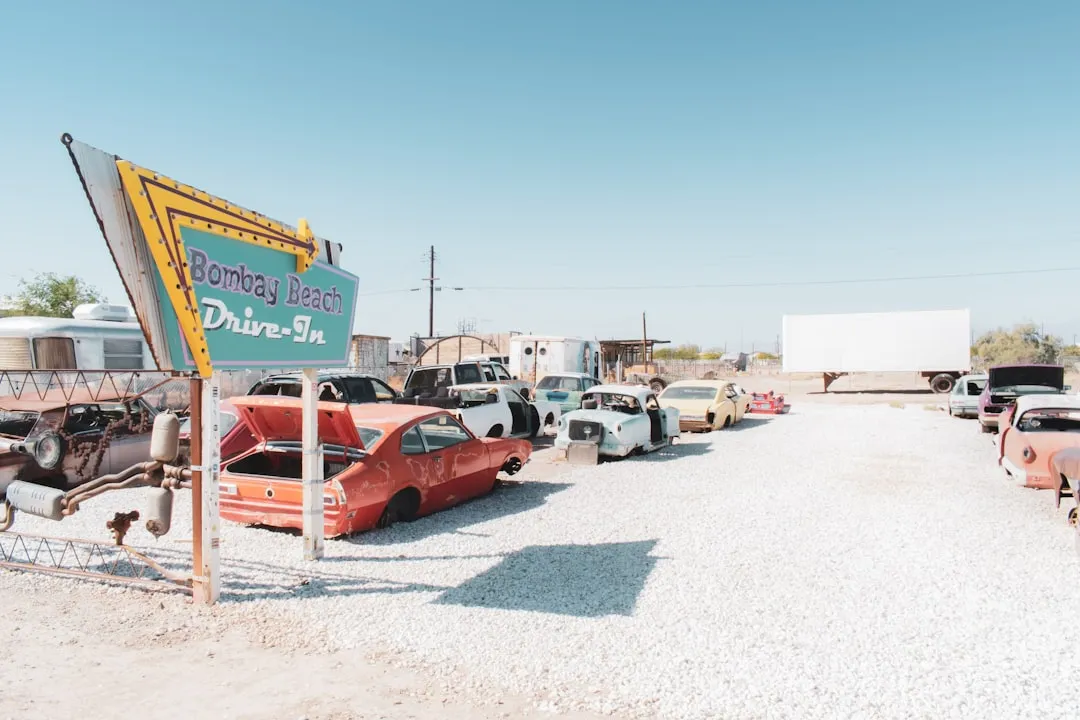
In 2024, roughly 283 drive-ins were operating nationwide, down from about 305 in 2019 and 318 in 2021, according to the United Drive-In Theatre Owners Association. The decline has been steady but not catastrophic. What’s notable is that the ones still operating tend to be genuinely committed to the format rather than waiting it out.
The drive-in movie theater market was estimated at USD 5.6 billion in 2025 and is expected to grow at a compound annual growth rate of 4.6% between 2026 and 2035, driven by the growing consumer preference for nostalgic entertainment experiences. That’s a meaningful indicator of demand. The post-COVID correction saw some pandemic-era openings close, but the industry remains stable.
The Role of Nostalgia in Keeping the Projector Running
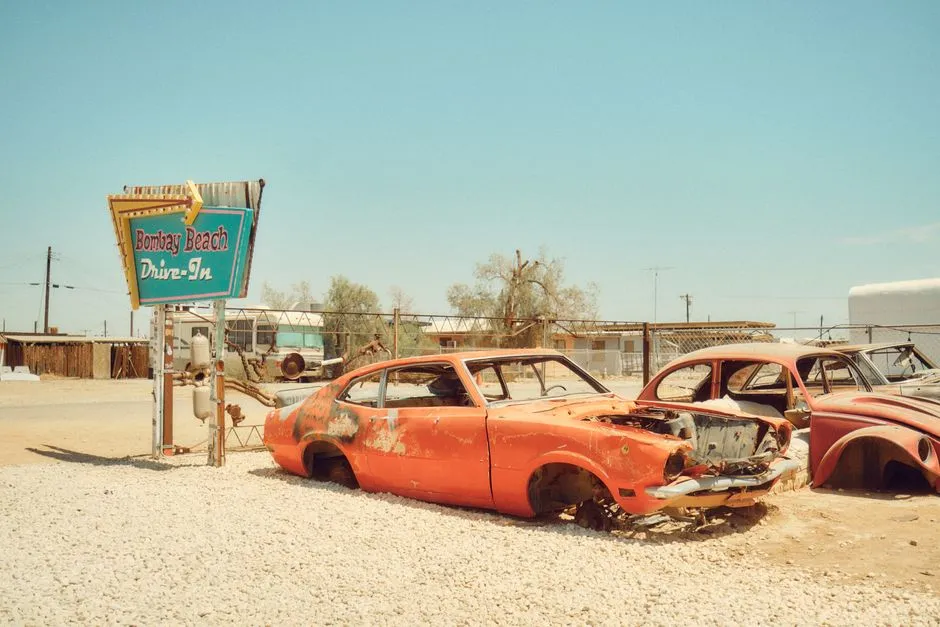
It’s worth being honest about what draws people to these places. It isn’t purely the movie. Indoor theaters offer better sound, better seats, and climate control. What a drive-in offers is something harder to replicate: a shared open-air experience that connects the present to the past in a very tangible way. Drive-in concession stands are legendary. Beyond popcorn and candy, expect burgers, pizza, funnel cakes, and regional specialties. The intermission walk to the snack bar is half the fun – stretching your legs under the stars while the smell of fresh popcorn fills the air.
For the theaters in this article, nostalgia isn’t a marketing strategy. It’s the operating model. The 35mm reels at Mahoning, the vintage intermission trailers at Bengies, the nightly double features at Silver Moon – none of that is accidental. It’s a conscious choice to preserve something the mainstream entertainment industry abandoned long ago.
What Makes a Drive-In Feel “Exactly Like 1965”
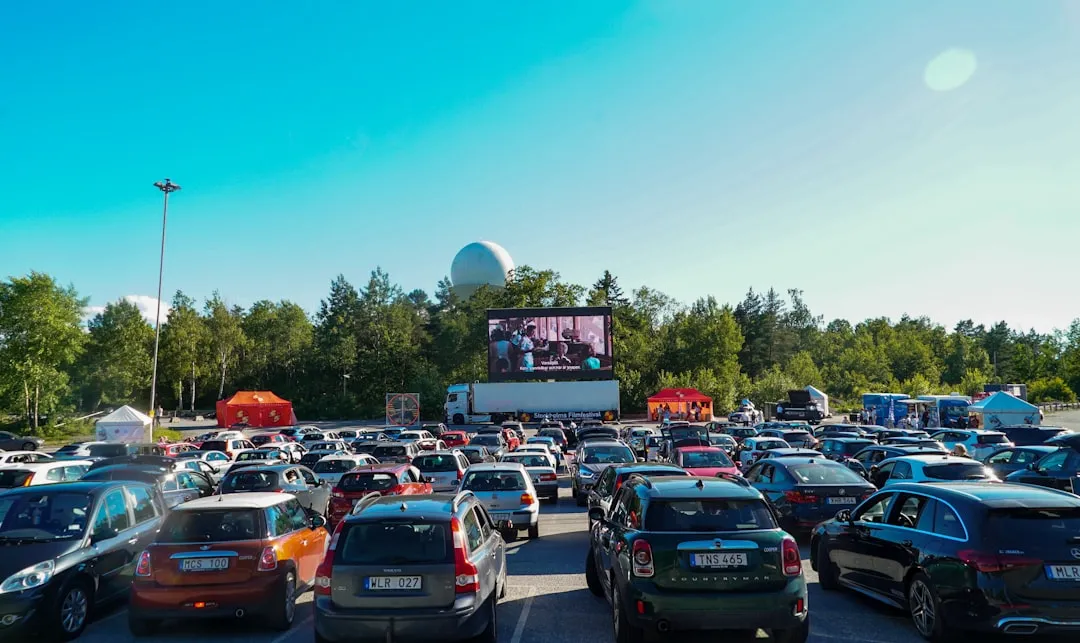
The phrase is worth unpacking. In 1965, drive-in theaters were at the heart of American popular culture. The number of drive-in theaters in America peaked at approximately 4,063, and they accounted for roughly 25% of all movie theater revenue. These four theaters carry that era forward not through nostalgia packaging, but through genuine operational continuity: family ownership, modest pricing, double features, and an unhurried pace that the multiplex model abandoned decades ago.
Some of the details are especially telling. Bengies still runs vintage intermission trailers between features. Mahoning still threads actual 35mm film. Shankweiler’s still sells concessions from a snack bar that could pass for a 1950s photograph. Silver Moon still runs every single night of the week, year-round. These aren’t accidents of neglect – they’re deliberate choices made by owners who understand exactly what they are protecting.
Tips for Visiting These Theaters Responsibly
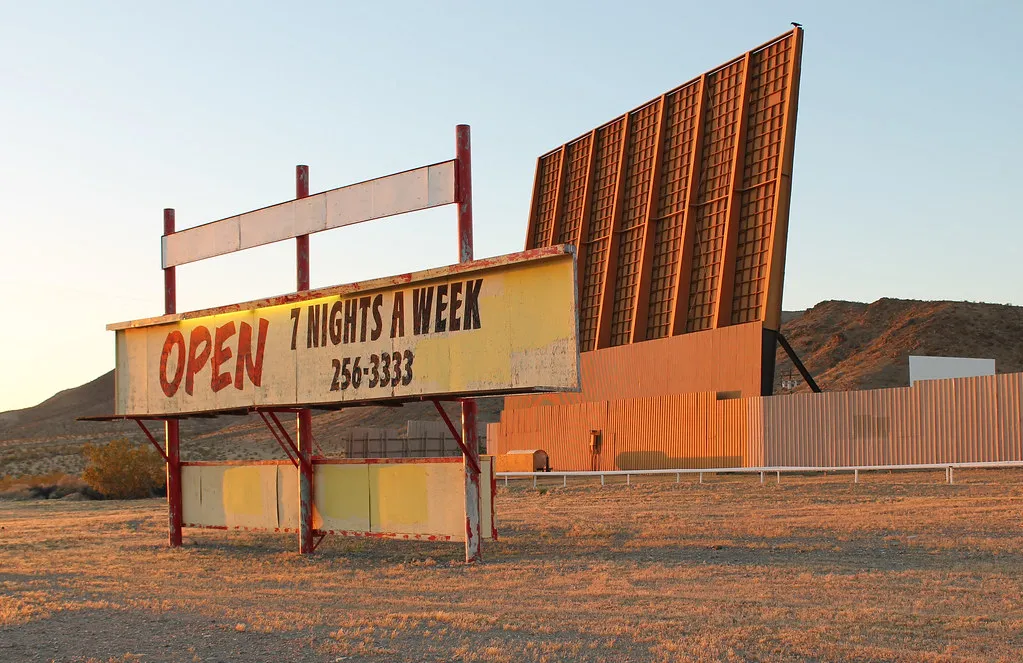
Each of these venues is a small, often family-run operation. Coming prepared makes a difference. Admission typically runs $8 to $12 per person and you get two movies, meaning a family of four can enjoy an entire evening for what you’d pay for two indoor tickets. Arrive early, especially on weekends, as popular screenings can fill to capacity quickly. Bengies, for instance, is known to have long lines as sunset approaches.
Spend money at the concession stand. For small drive-ins, that revenue is not supplemental – it’s essential. Film licensing alone comprises about a third of Shankweiler’s entire operating expenses, and the snack bar helps cover the gap. Be mindful of the setting, keep headlights off during screenings, and follow any posted etiquette. These places run on goodwill as much as ticket sales.
The Quiet Persistence of a Great American Tradition

Drive-in theaters were never supposed to outlast the twentieth century, at least not according to the logic of modern entertainment development. Land values rose, digital streaming arrived, and the multiplex promised comfort and convenience. Most drive-ins closed. A few held on. The ones profiled here didn’t just hold on – they kept faith with the original idea.
What these four places share is a kind of unapologetic commitment. They are not trying to compete with a streaming platform or replicate the luxury cinema experience. They are doing exactly what they were built to do, sometimes with equipment that predates color television, serving families and film lovers who are happy to trade cushioned seats for open sky. That’s not a compromise. For many visitors, it’s the whole point.
Some traditions don’t fade because people forget them. They survive because enough people remember, and because a few stubborn, passionate operators refuse to let the projector go dark.
AI Disclaimer: This article was created with the assistance of AI tools and reviewed by a human editor.