
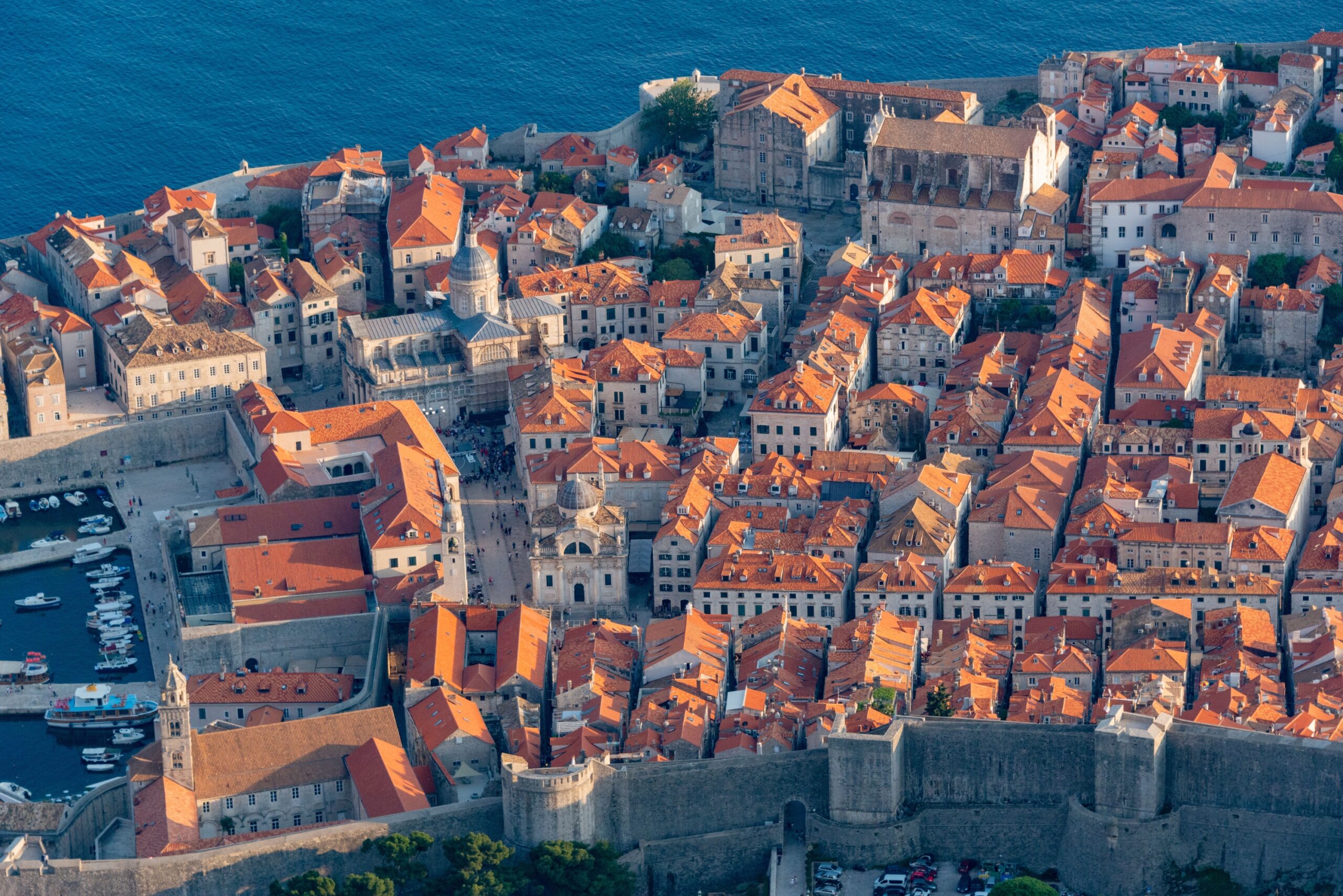
1. Mount Srđ: The Panorama That Changes Everything
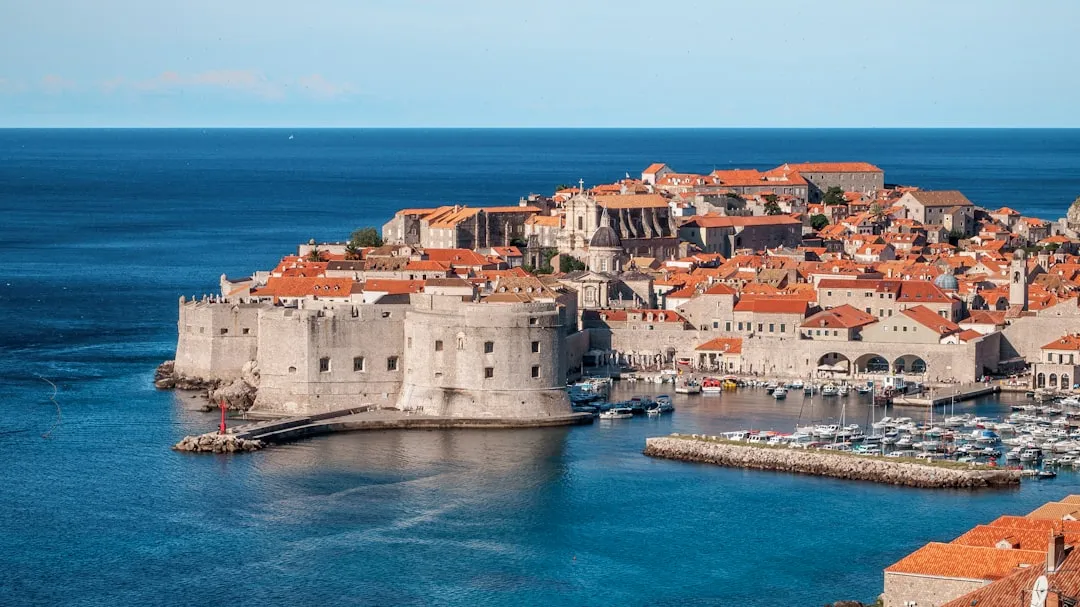
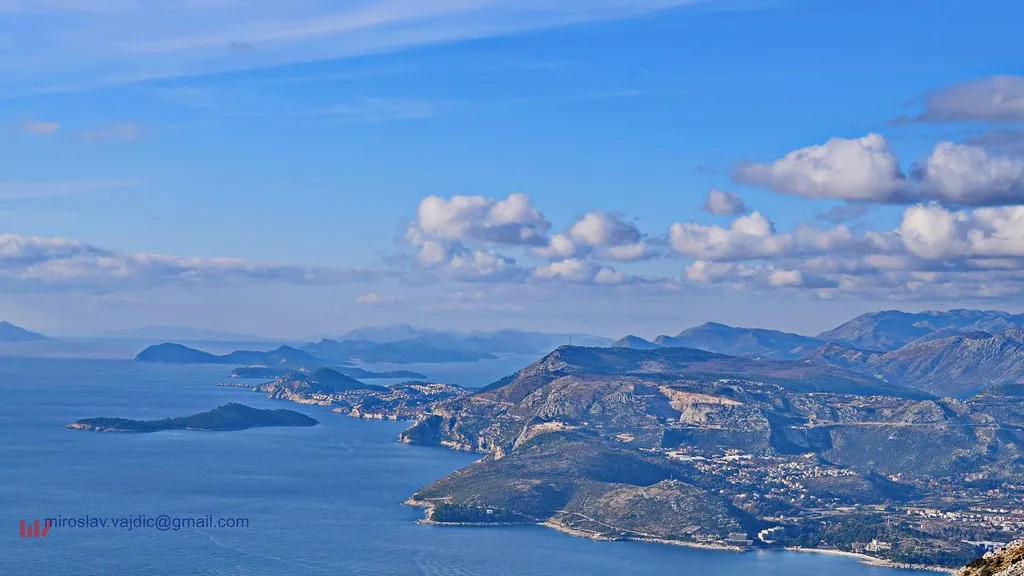
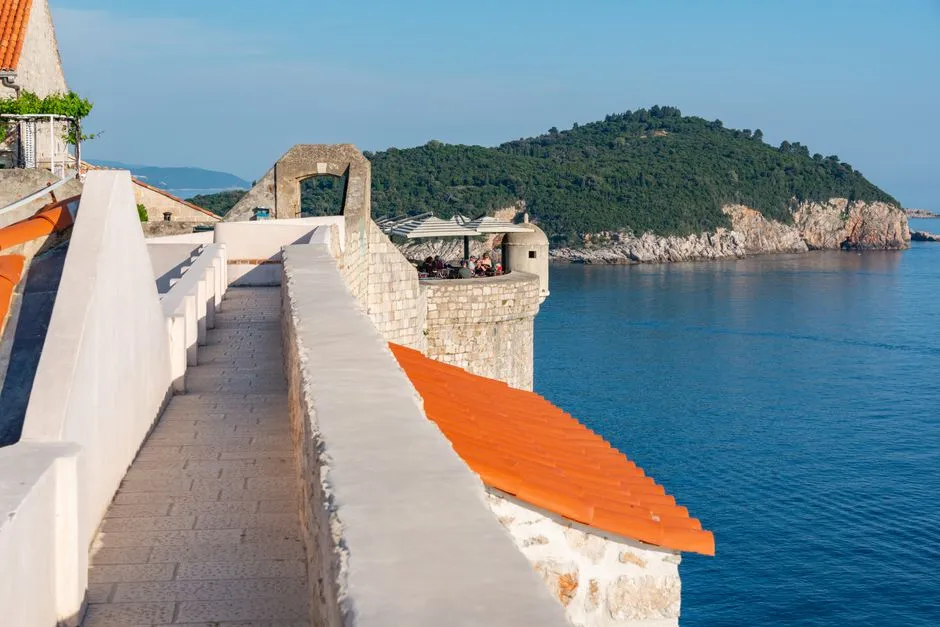
Mount Srđ is one of Dubrovnik’s most iconic natural landmarks, offering sweeping panoramic views of the city, the Adriatic Sea, the nearby island of Lokrum, and the Elaphiti Islands in the distance. Standing 412 meters above sea level, it’s a must-visit for anyone looking to capture the full scale of the Old Town in a single frame.
At 415 metres above sea level, the views from the top are staggering. On a clear day you can see up to 60km, taking in Lokrum, the Elafiti Islands, and a huge sweep of the Dubrovnik coastline. That kind of reach makes the city walls feel intimate by comparison.
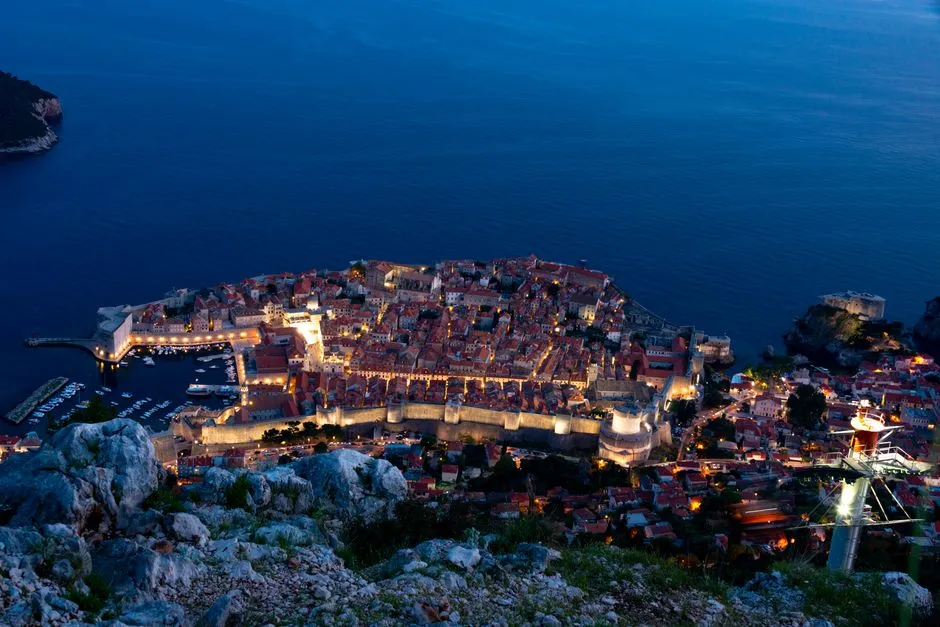
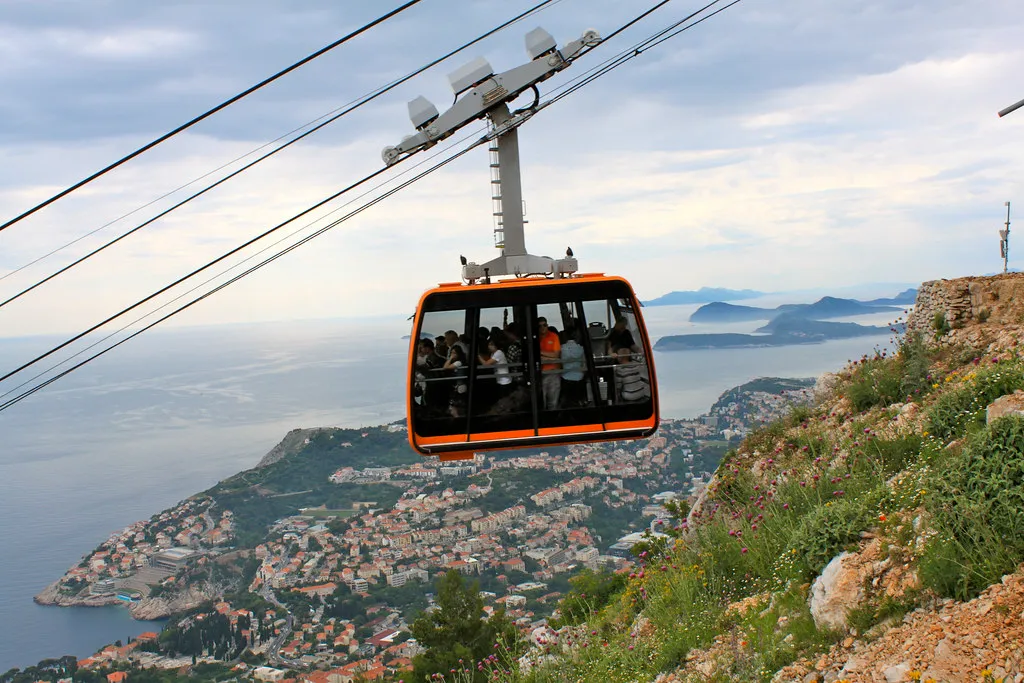
As soon as you step out at the upper station on Mount Srđ, you’ll see why this is Dubrovnik’s classic “wow” viewpoint. The Old Town and Dubrovnik City Walls wrap around the terracotta rooftops below, with Lokrum and the open Adriatic stretching out beyond. Start with the main terraces right by the station, then walk a few minutes around the plateau for different angles. The upper complex has three terraces equipped with binocular telescopes, so it’s easy to zoom in on details of the Old Town, the harbour, and the islands.
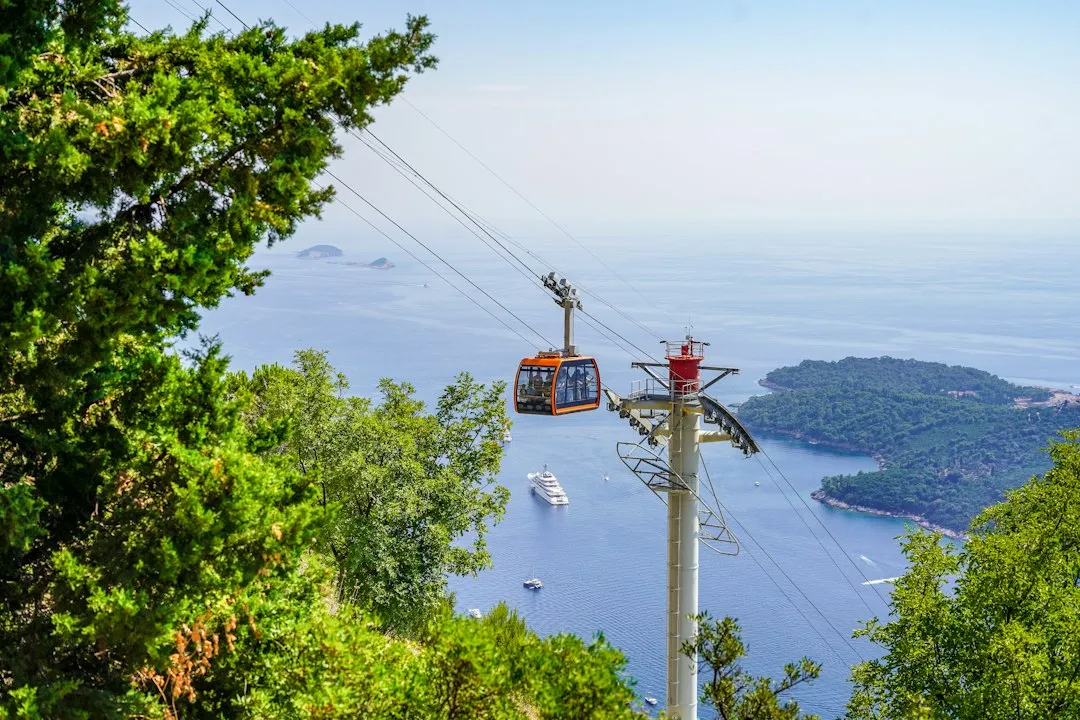
The hiking trail begins near Pile Gate and takes around 30 to 45 minutes depending on your pace. The cable car return ticket for adults costs €27, with a four-minute ride each way. For most visitors, the cable car is the more comfortable option, especially in summer heat. Aim for the hour before sunset for the best light.
2. Fort Lovrijenac: Drama From the Sea Cliffs
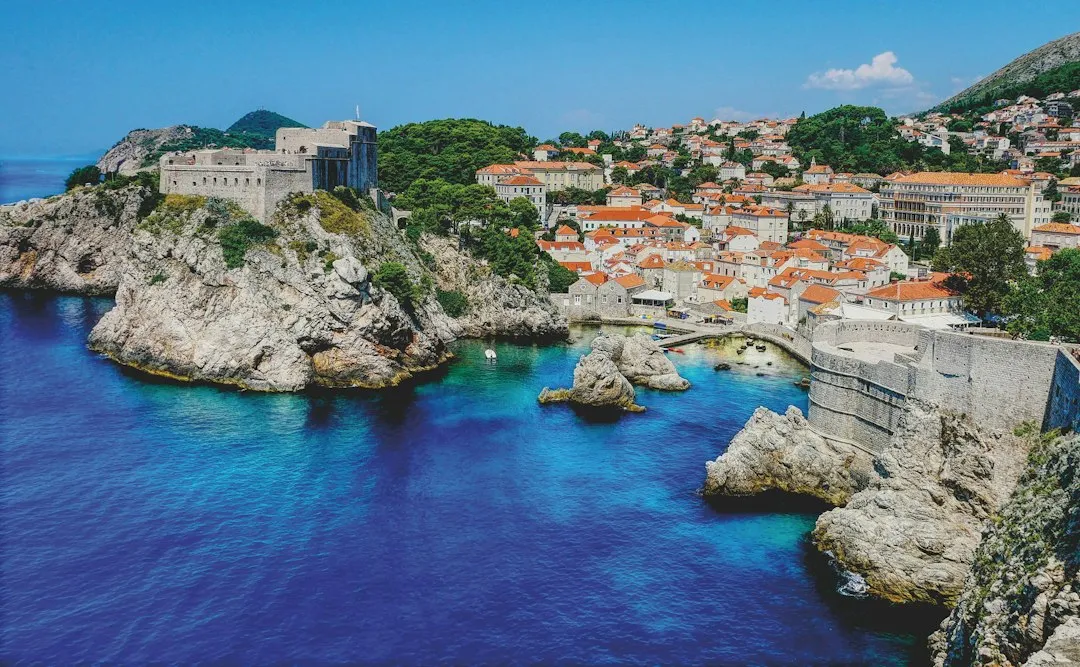
Lovrijenac Fortress, known as the “Gibraltar of Dubrovnik,” is set on a cliff 37 meters above the sea. Built to protect the city from invasion, it now offers some of the most striking views of Dubrovnik from outside the Old Town walls.
From the top terrace, you can see the entire western wall of Dubrovnik, with Bokar Tower rising in the foreground and the Old Town spreading behind it. It’s the kind of composition you simply cannot get from the inside looking out. The fortress frames the walls rather than standing on them.
The view is especially atmospheric in the early evening, when the setting sun casts long shadows across the fortifications. Fort Lovrijenac is included in the City Walls ticket, so you can visit it and explore it on the same day. Those who prefer not to purchase the full walls ticket can still approach the entrance for a partial view at no charge.
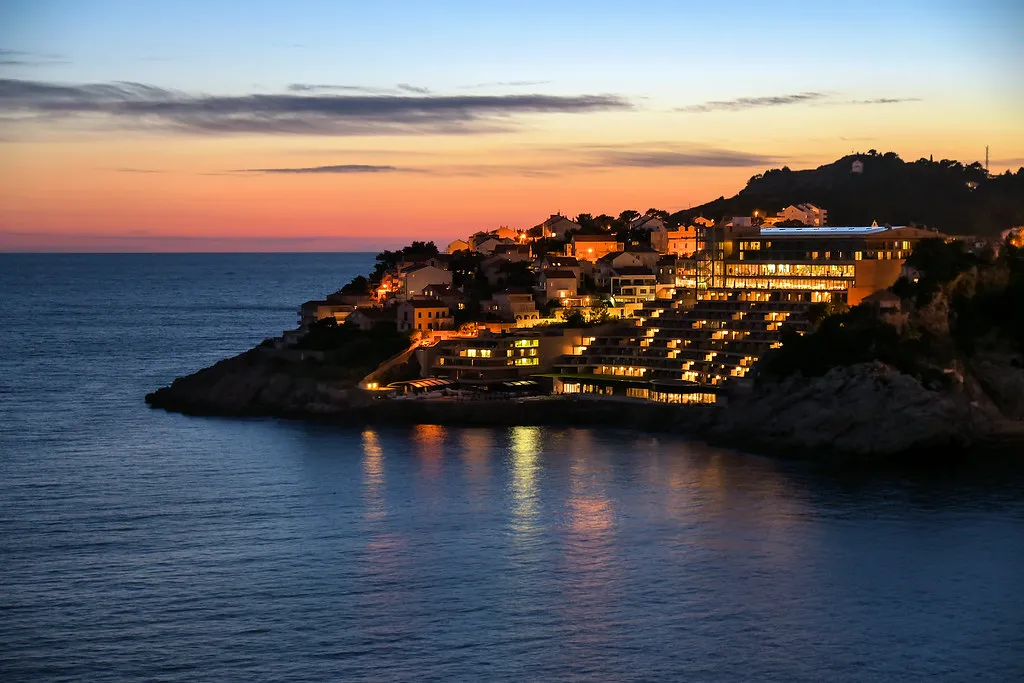
Fort Lovrijenac is one of the most stunning photo spots in Dubrovnik. It’s situated right across from the Old Town and the City Walls, so it provides a dramatic backdrop of the Old Town and the sea. Visiting around golden hour amplifies everything.
3. Gradac Park: The Quiet Angle Nobody Talks About
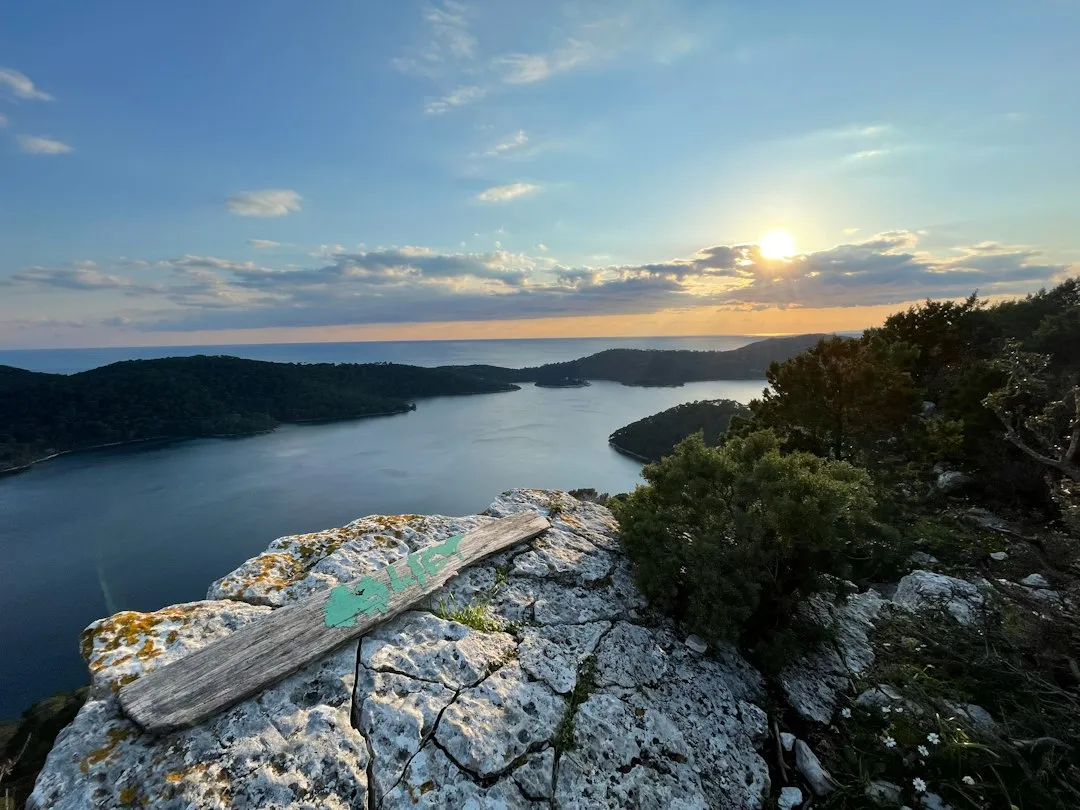
To get a genuinely different angle on Fort Lovrijenac, visit the area near Gradac Park. The viewpoint at Gradac Park is a personal favourite photo spot in Dubrovnik for many photographers who know it. You can get unobstructed views of Fort Lovrijenac, and usually there are very few people there.
It’s especially rewarding just before sunset, when the light hits the fortress walls directly from the west. Most visitors rush past the park toward the city walls entrance at Pile Gate, which means Gradac remains surprisingly peaceful even during the peak months of July and August.
The park sits on a natural promontory just outside Pile Gate, a short walk from the city centre. The angle it provides of Lovrijenac rising from the cliffs, with the Adriatic as a backdrop, is genuinely distinct from anything the city walls offer. It’s also free, which is increasingly rare for quality vantage points in Dubrovnik.
4. Komarda Beach: The Waterline View
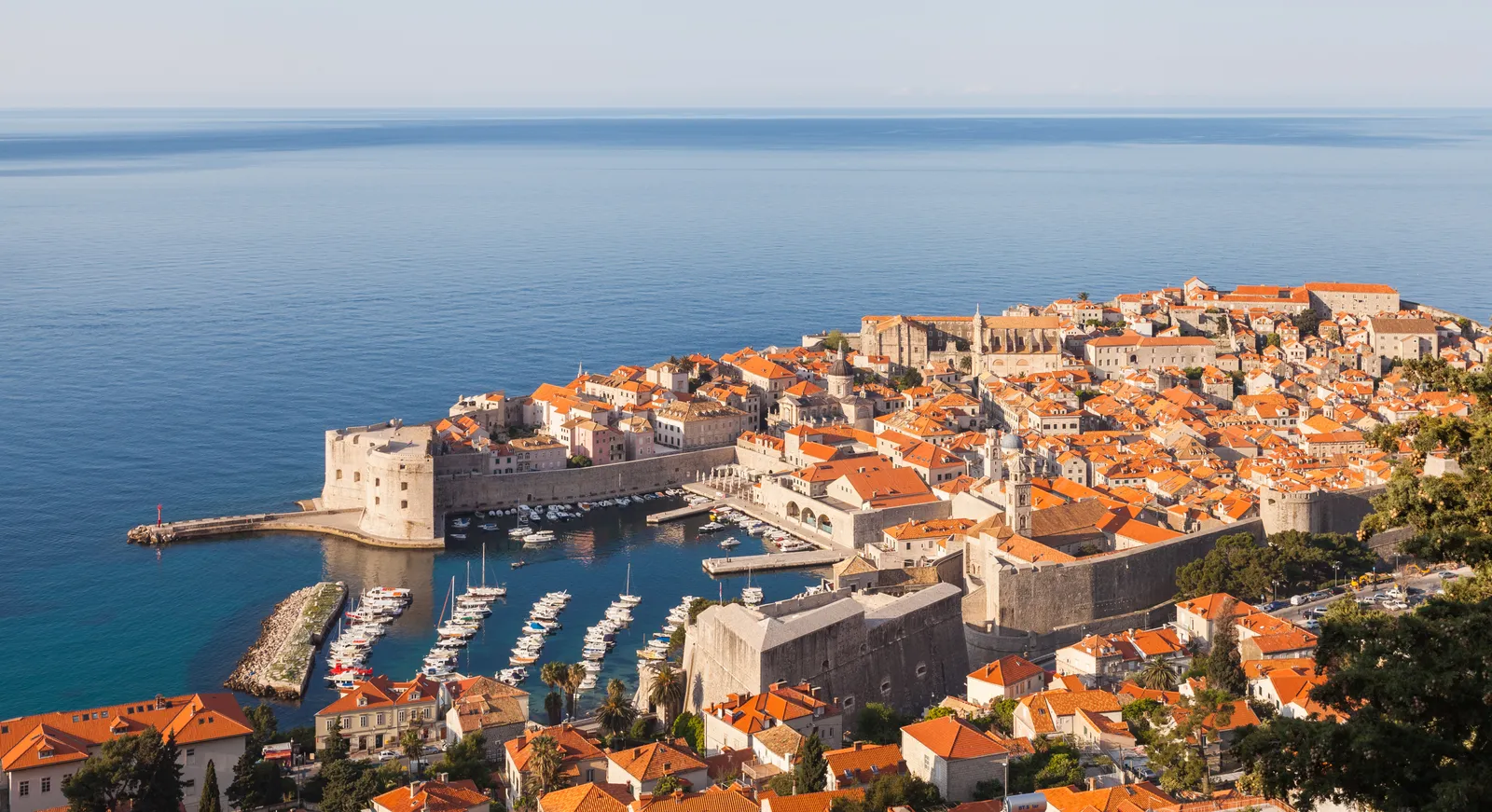
Komarda Beach is located just outside the Old Town, underneath the Lazareti quarantine buildings, and has one of the best views of Dubrovnik’s Old Town. From here, the perspective shifts entirely. Instead of looking down onto terracotta rooftops, you’re at sea level, looking up at the walls as they rise directly from the rock.
Located near Ploče Gate, just beneath the Lazareti, the best time to visit is as early in the morning as possible to enjoy the sunrise view of Dubrovnik. In the early hours, the light is warm and the beach is almost entirely empty, which makes for an exceptionally calm experience in a city that is otherwise always in motion.
As Porporela can often be crowded, Komarda Beach is worth choosing specifically for its harbour and Old Town views. The beach is small and the setting is low-key, but the framing of the walls from water level is unlike anything you’ll find from the walls themselves.
Why These Viewpoints Actually Matter Right Now
Dubrovnik closed 2025 with another strong tourism performance, recording over 4.28 million overnight stays, a slight but meaningful increase compared to 2024. The figures confirm that Dubrovnik’s long-term strategy to extend the tourist season and balance visitor numbers throughout the year is continuing to deliver results.
The data confirms a long-term trend of a more even distribution of tourist traffic throughout the year. This shift toward all-season tourism has been one of the key strategic goals of Dubrovnik’s city administration, which has focused on sustainable development and reducing pressure on the historic centre during peak periods.
Spreading your time across multiple viewpoints rather than concentrating entirely on the city walls is a small but meaningful way to travel more thoughtfully in a city that is actively working to manage its visitor footprint. It also, quite simply, gives you a richer and more complete picture of Dubrovnik.
Timing and Practical Guidance
The best time to visit the most popular spots is early morning or late afternoon, to avoid crowds and the hottest hours. These periods are also the best for photography. This applies to all four viewpoints listed here, not just the city walls.
Some viewpoints are better at certain times of the day, especially if you’re taking pictures and you want to catch the best light. Mount Srđ rewards both the early riser and the sunset visitor. Fort Lovrijenac is best in the late afternoon. Komarda Beach earns its keep at sunrise, and Gradac Park is most effective in the final hour before dark.
If you’re visiting between June and September, expect company at every major spot. Arriving at opening time or within the last hour before closing makes a real difference to how these places feel. Shoulder season, particularly May and October, offers the same views with considerably more breathing room.
The Homeland War Museum on Mount Srđ
Housed within Fort Imperial on Mount Srđ, the Homeland War Museum is one of Dubrovnik’s top attractions, dedicated to the history of the fort and the Croatian War of Independence. The fort played a significant role during the conflict in the 1990s, and its museum offers a poignant look at this turbulent period. Through original documents, video, and exhibits, it details the events of the war from 1991 to 1995.
The original cable car was built in 1969 but was destroyed in the 1991 bombing of Dubrovnik. It was not until 2010, after an investment of five million euros, that the cable car line was restored and put back into service. Knowing that history while riding up adds another dimension to the experience.
The museum is small but honest. It doesn’t overwhelm or sensationalise. For visitors who want to understand the city beyond its medieval architecture and sunset aesthetics, this stop is well worth the extra 30 minutes at the summit.
Getting Around Without Adding to the Crush
All four of these viewpoints are reachable on foot or via short taxi rides from the Old Town. None requires a private vehicle or long journey, which keeps things flexible regardless of where you’re staying. Hiking to Mount Srđ is a legitimate option for those who prefer to move slowly and stop often.
If you drive to Srđ, note that the road up is very narrow. Taxis and tuk-tuk tours that run up the hill avoid this issue entirely, and several small-group guided sunset rides depart from the city centre daily. The cable car remains the simplest option for most, though queues during peak cruise ship days can be significant.
Komarda Beach and Gradac Park are both free and easy to reach by walking from Pile Gate or Ploče Gate in under ten minutes. They’re ideal for early mornings when the rest of the city is still quiet.
A Note on Responsible Visiting
Dubrovnik’s city administration has been deliberate in recent years about dispersing visitors and protecting the quality of life for residents. The shift toward all-season tourism has been one of the key strategic goals of the city’s administration, focused on sustainable development and reducing pressure on the historic centre during peak periods.
The closest free viewpoint within the Old Town area sits near the public basketball court below the Minčeta Tower. Be mindful if people are playing and don’t disturb their game. It’s a good reminder that the locals who remain in the Old Town have this facility, and it’s worth respecting that.
Keeping that spirit of consideration in mind while exploring any of these viewpoints makes the experience better for everyone, including future visitors. Dubrovnik’s walls and its wider landscape are a shared resource, and they deserve that kind of attention.
A Gallery of Perspectives Worth Collecting
The city walls of Dubrovnik are genuinely extraordinary, and nothing here should suggest otherwise. But looking at a city from only one angle, however spectacular, is a bit like reading only the opening chapter of a very good book. Each of these four viewpoints adds a layer that the walls cannot provide on their own.
Mount Srđ gives you the full aerial sweep. Fort Lovrijenac turns the walls into the subject rather than the platform. Gradac Park offers intimacy and quiet. Komarda Beach puts you at sea level, where the stones of the Old Town rise straight from the Adriatic with a kind of elemental weight that no elevated walkway can replicate.
Taken together, these four spots trace the shape of Dubrovnik from every compass point. Each one earns its place in the itinerary not as a substitute for the walls, but as a complement to them. That is the more complete version of this city, and it’s worth the extra steps to find it.
AI Disclaimer: This article was created with the assistance of AI tools and reviewed by a human editor.