

Wildlife tourism is one of the fastest-growing sectors in global travel, and the numbers are striking. The wildlife tourism market was valued at roughly 177 billion USD in 2024 and is expected to nearly double by 2033. That’s an enormous amount of money moving through systems that, unfortunately, don’t always treat animals well. Research conducted by the University of Oxford’s Wildlife Conservation Research Unit found that three out of four wildlife tourist attractions involve some form of animal abuse or conservation concerns, with up to 550,000 wild animals suffering in these venues.
The good news is that a clear and growing movement exists to do things differently. As travelers become more conscious of their impact, ethical wildlife tourism is evolving, with people wanting to connect with animals in meaningful, respectful ways. This article focuses on four specific encounter types that have a genuine track record of putting animal welfare first, backed by standards, regulations, and real conservation outcomes.
1. Hands-Off Elephant Sanctuaries: Observation Over Interaction
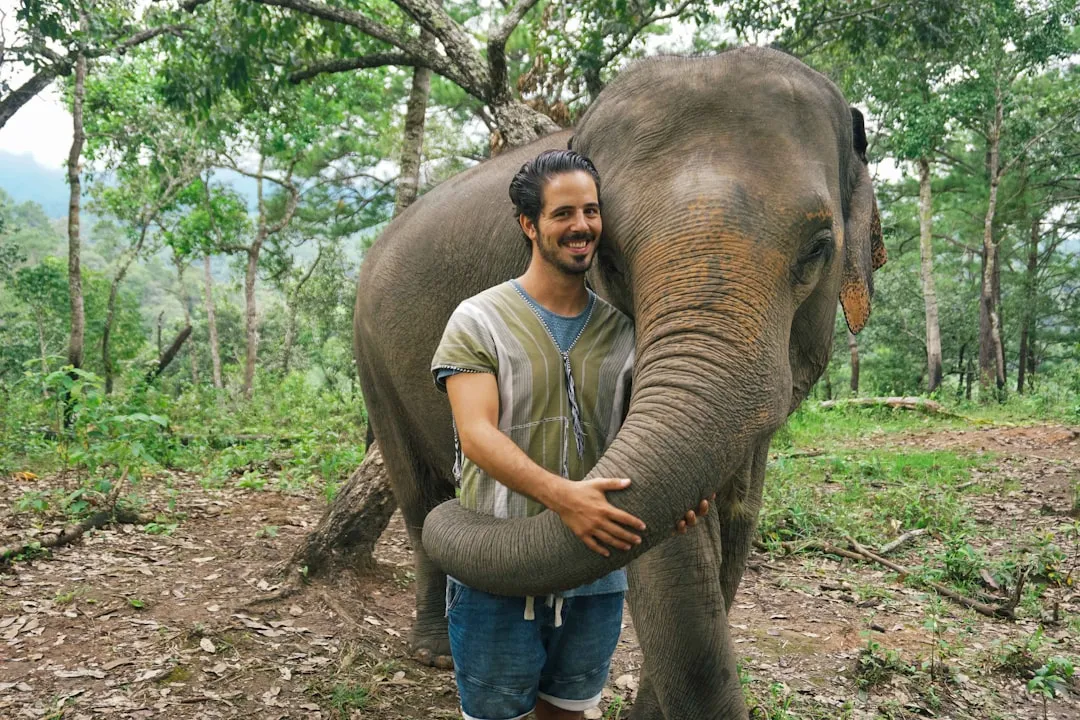
The modern gold standard for ethical elephant encounters is uncompromisingly clear: a hands-off, observation-only model that prioritizes the elephants’ natural behaviors and freedom above all else. This matters because the alternative is far darker than most tourists realize. Many tourists don’t realize that elephants used for riding or performances have undergone a brutal training process that breaks their spirit through physical and psychological trauma, with baby elephants separated from their mothers and subjected to pain and fear to make them submissive to human commands.
The old model of rides, circus-style shows, and staged baths is fading. In 2025, observation-first sanctuaries are growing, with more space, natural herds, and zero tricks. Places like Elephant Nature Park in Chiang Mai, founded by renowned elephant advocate Saengduean Chailert, represent a meaningful shift. It is the first ethical elephant sanctuary of its kind established in Asia and currently provides a caring home to elephants rescued from street begging, elephant riding, and circus shows, where the park’s herds include blind, crippled, orphaned, and senior elephants now free to live a peaceful life in natural surroundings.
Human caretakers at ethical sanctuaries abide by safe contact rules at all times. The public is not allowed to ride, bathe, feed, or interact with elephants in any way that jeopardizes their safety or freedom. Bull hooks or other tools of control are never used, and ethical sanctuaries rely only on positive reward-based methods. Visitor revenue at these places directly funds care. For example, at Following Giants sanctuary in Krabi, profits made from visitor support directly fund ongoing elephant rescue efforts, with seven elephants successfully rescued in 2024 alone.
2. Gorilla Trekking in Rwanda and Uganda: The Case for Strict Permits
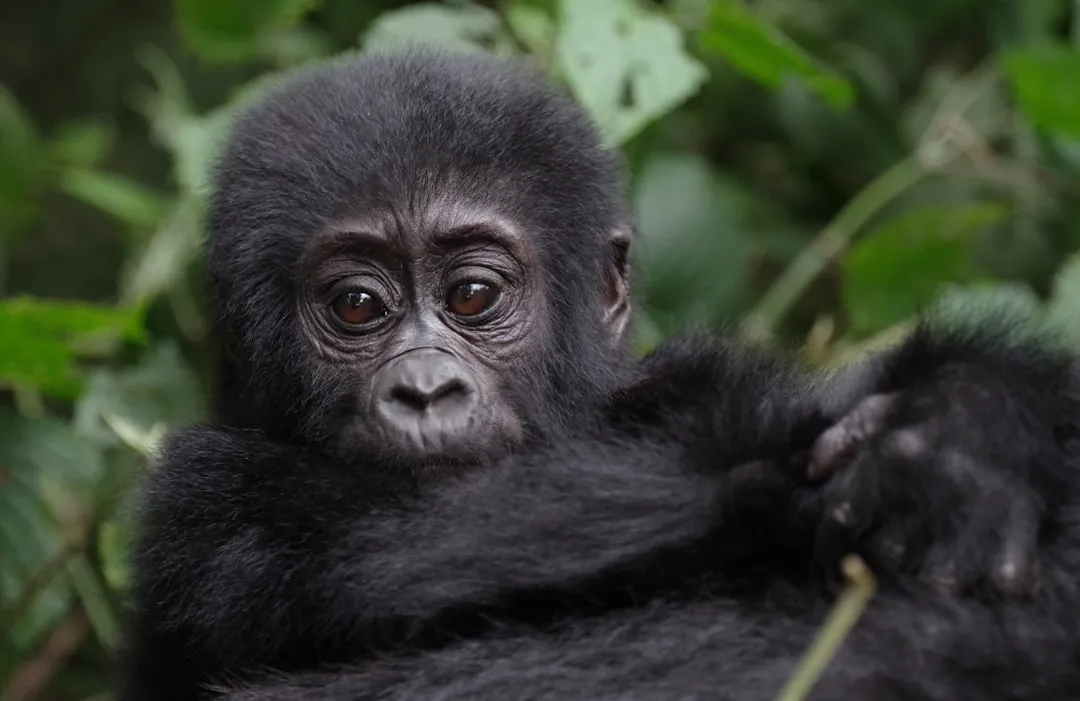
Since they’re highly regulated, gorilla treks are one of the most ethical animal experiences out there. Mountain gorillas are extraordinarily rare. With just around 1,000 mountain gorillas remaining in the equatorial African rainforest around Rwanda, Uganda, and the Democratic Republic of Congo, going in search of silverbacks and their families is undoubtedly a bucket-list experience. Crucially, it’s also one that’s carefully controlled.
Gorilla permits allow small groups of visitors to spend one hour watching a family from a distance of at least 23 feet, with costs ranging from $450 to $1,500, with the money bolstering conservation efforts, paying staff who protect gorillas from poachers, and supporting the local economy. The community benefit is real. The surrounding communities receive ten percent of the revenue, while a large proportion goes toward forest conservation and anti-poaching units.
Ethical gorilla trekking rests on three fundamental pillars: ensuring the well-being of the gorillas, minimizing environmental footprint, and contributing positively to local communities. Disease prevention is also a serious concern, since gorillas share much of our genetic makeup. Park rules require maintaining a minimum distance of 10 meters from gorillas, a standard established by experts and park authorities to reduce the risk of disease transmission. The population trend is moving in the right direction: the worldwide mountain gorilla population has been slowly increasing thanks to intensive conservation efforts, with more than 1,000 now found collectively in the DRC, Rwanda, and Uganda.
3. Certified Whale Watching: When the Ocean Is Respected
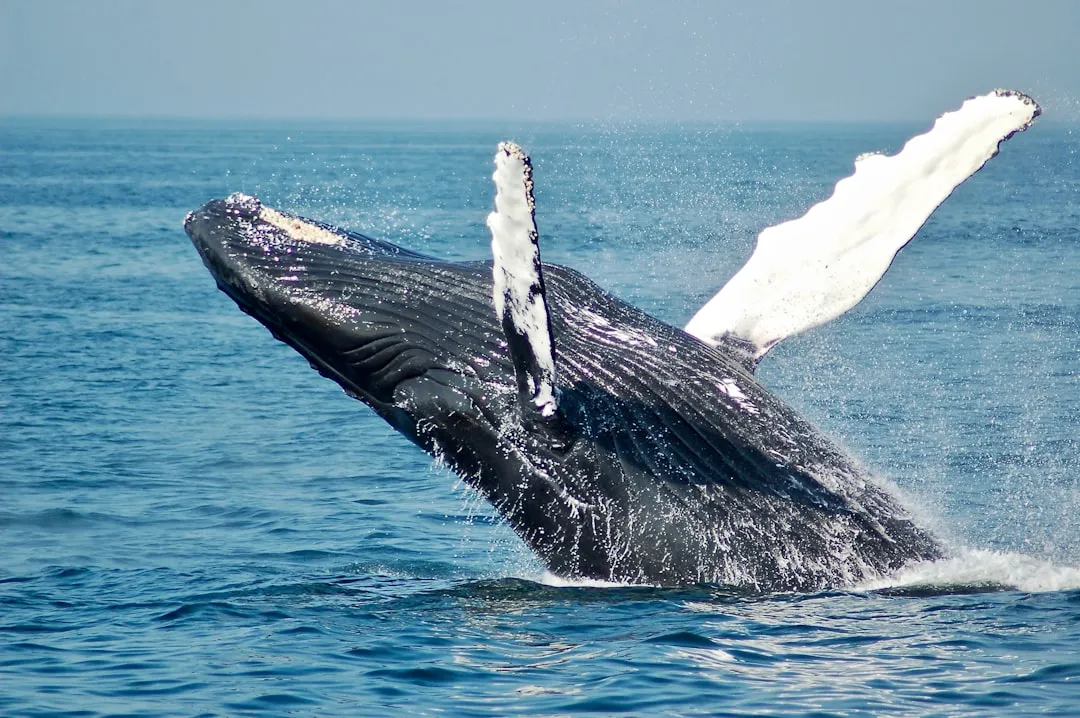
Whale and dolphin watching is a 2.9 billion USD per year industry available in over 120 countries worldwide, engaging more than 14 million people and creating employment for over 13,000 individuals. That scale makes responsible management not just desirable, but essential. It’s important to remember that even just watching animals can be harmful if it’s not done right. Some whale-watching tours stress marine animals by getting too close or using loud boats, which can interfere with their communication and migration.
When poorly managed, whale and dolphin watching tourism can negatively impact cetaceans and compromise their welfare. Tourism practices that disturb or endanger marine mammals during viewing activities can include chasing, crowding, loud noises, and unsafe boat maneuvers that disrupt natural behaviors and threaten their environment. Choosing the right operator genuinely changes the outcome for the animals involved.
In 2019, the World Cetacean Alliance created a responsible whale watch certification program to ensure that all certified tours achieve the highest standards of animal welfare, sustainability, and customer experience. Under the program, each tour operator donates one dollar per ticket sold to national and international marine conservation and education programs. Responsible destinations include the Azores, Kaikoura in New Zealand, and parts of South Africa. In Hermanus, South Africa, strict conservation regulations are in place to stop boats from harassing whales, and passionate local citizens are quick to report any skipper who breaks the rules.
4. Responsible African Safaris: Wildlife-First Game Viewing
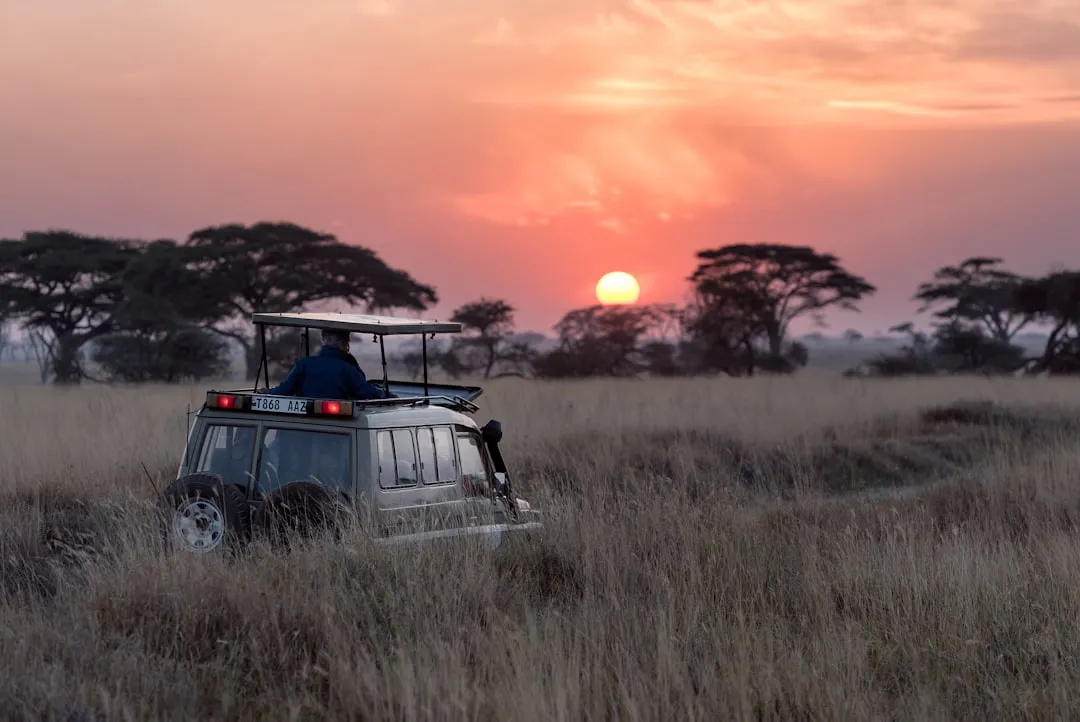
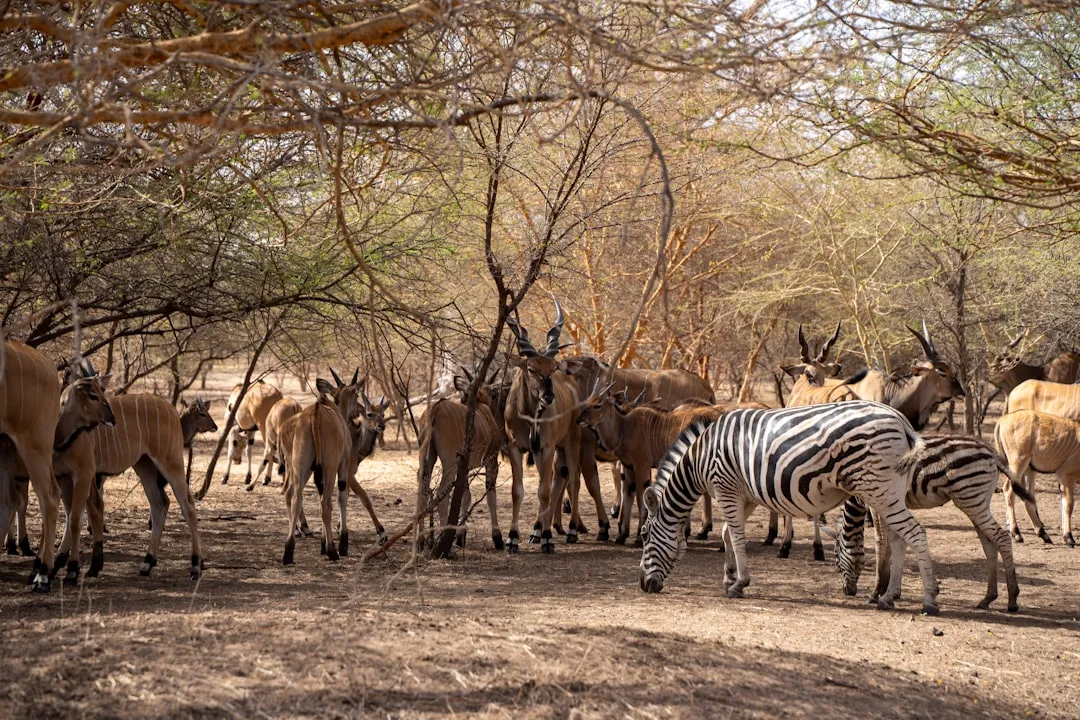
Ethical animal encounters allow wildlife to be observed from a respectful, hands-off distance, such as in a national park, game reserve, or sanctuary, where the animal controls the interaction, can retreat freely, and remains unaffected by human presence. African safaris, when properly managed, come close to this ideal. The African safari market reached 34.6 billion USD in 2023 and is projected to reach 51.5 billion by 2030. That growth makes the quality of standards matter even more.
Ethical safari and tourism operators have strict protocols in place for interactions with wildlife in their natural habitat, including limiting the number of vehicles around animals, reducing noise to prevent disturbance, restricting the time spent in one location, and entirely banning activities such as chasing, feeding, touching, or other forms of interaction. These aren’t just guidelines that sound good on paper. Coming too close to an animal can disrupt its natural behavior: a cheetah stalking prey, for example, will often abandon its hunt if a crowd of vehicles draws near.
Leading ethical safari operators follow the 4D principles for sustainable wildlife encounters: Distance, Duration, Density, and Directional Freedom, drawing from Adventure Travel Trade Association guidelines adapted across both land and marine safaris. The financial link to conservation is direct. Tourism income from wild encounter safaris should contribute to the conservation of the species and its habitat by raising public awareness, supporting research, or contributing directly to protecting species through tourism levies, park fees, or permits. World Animal Protection’s Wildlife Heritage Areas program, established in 2024, formalized this further: the program secured 11 designated sites spanning 13 countries, covering a vast area and helping protect iconic species from gorillas and orangutans to Asian elephants and cetaceans, with nearly 12 million people visiting these places each year.
The Problem With “Ethical” Labels: What to Watch Out For
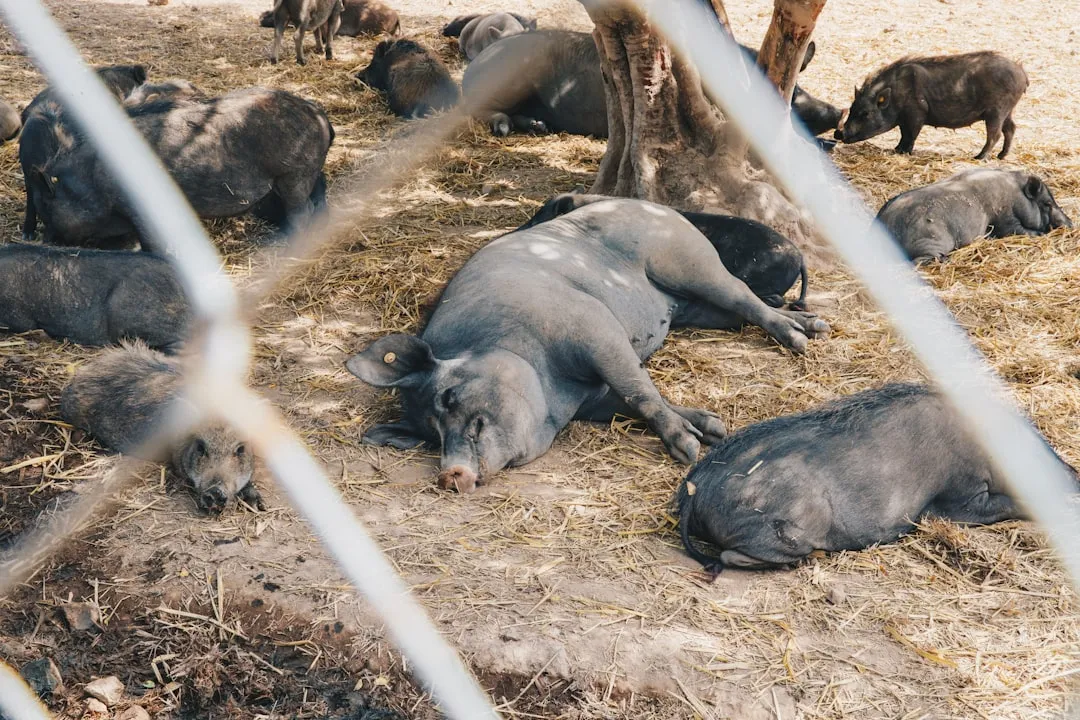
Ethical greenwashing is something companies have gotten very good at. A lodge might claim to be a sanctuary or promote ethical encounters while still allowing activities that cause harm, and many use words like “rescue,” “conservation,” or “education” that don’t reflect reality. Knowing how to check is a basic skill every wildlife traveler should develop. Greenwashing is unfortunately still common with wildlife tour operators. If an operator mentions specific distances and strict regulations, the chances are they are genuine. General statements about caring for wildlife and being eco-friendly, however, are not an indication of real concern.
If you’re unsure whether a destination puts animal welfare first, ask whether animals have choice and control over their interactions, whether the facility is transparent about animal care, and whether you can see the real animal spaces rather than just the show areas. Accreditation bodies can help. The Global Federation of Animal Sanctuaries accredits sanctuaries as humane, and checking their website before visiting is a practical step.
The Five Freedoms: The Animal Welfare Baseline Every Ethical Encounter Should Meet

To promote ethical treatment and ensure standards, many countries and animal facilities commit to the Five Freedoms of Animal Welfare, a framework that emerged after author Ruth Harrison published her investigative study on farm animal welfare in 1964, prompting the British government to establish quality of life standards for domestic animals. These principles have since been adopted internationally for wildlife tourism.
Animal welfare scores in research settings are based on factors such as adequate food and water, freedom from pain and injury, ability to behave normally, and level of stress. These aren’t abstract ideals. They’re measurable, and the gap between venues that meet them and those that don’t is wide. Wildlife sanctuaries are among the few wildlife tourist attractions that receive good marks on animal welfare.
Though many countries have adopted these standards and enforce them, the ethical tourist can’t assume that the attraction they plan to visit follows these guidelines. That’s why personal research matters. Choosing facilities that prioritize animal welfare means looking for appropriate enclosures and enriching environments that closely replicate conditions found in the wild, where visitors are kept at a distance, the animal does not feel threatened, and it is given sufficient time to rest between human interactions.
The Role of Small Group Sizes in Protecting Animals
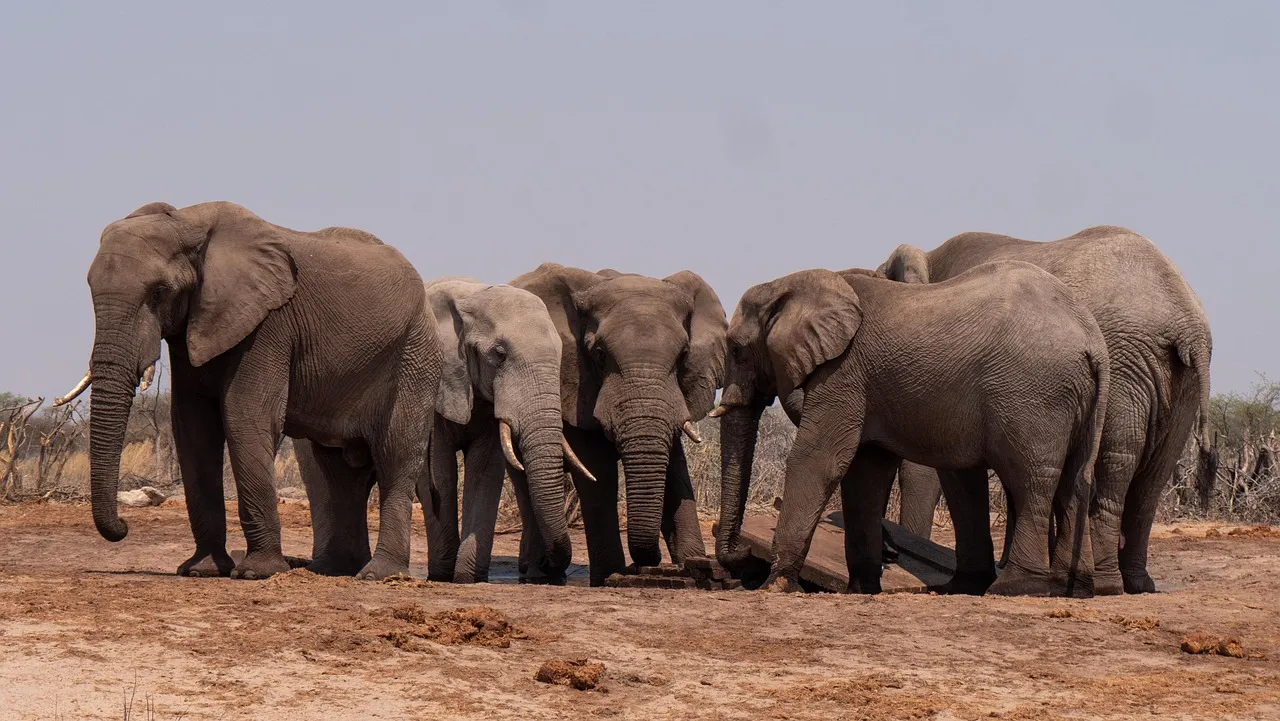
An organization that has genuine care for wildlife and habitats will put the animal’s safety first, and small group tours are ideal because they create less disturbance, are more manageable, and are less impacting. The contrast with mass-tourism operations is stark. In some tourist hotspots, wildlife operators pack people into safari trucks and boats purely to maximize profit, but these encounters are often stressful for wildlife, not to mention uncomfortable and sometimes forced.
Small group tours to lesser-visited regions tend to produce the most special encounters, because the wildlife remains safe, undisturbed, and comfortable. The animal might not even realize there are several pairs of eyes on it. These subtle, less invasive experiences are the healthiest for any wildlife.
Education as a Core Pillar of Ethical Wildlife Tourism

Responsible tourism means more than just observing wildlife; it involves engaging with animals in a way that prioritizes their welfare and natural behaviors. Ethical wildlife engagement is crucial for conservation efforts, ensuring that tourism contributes positively to the preservation of species and habitats. The educational component transforms a visitor into an advocate. Wildlife experiences led by experts who have studied a specific environment or animal are rewarding because they teach visitors about wildlife behavior and physiology, offering the opportunity to fully understand what you’re witnessing rather than simply getting close enough for a photograph.
There is a growing demand from tourists for educational experiences that offer insights into ecology and animal welfare. This is an encouraging sign. When people leave an encounter better informed, they tend to make better choices on future trips, recommend ethical operators to friends, and actively avoid harmful alternatives. Responsible tourism programs bring together conservation groups, ethical travel companies, local experts, and communities to develop responsible tourism as a tool to protect precious wildlife and habitats.
How Ethical Encounters Benefit Local Communities
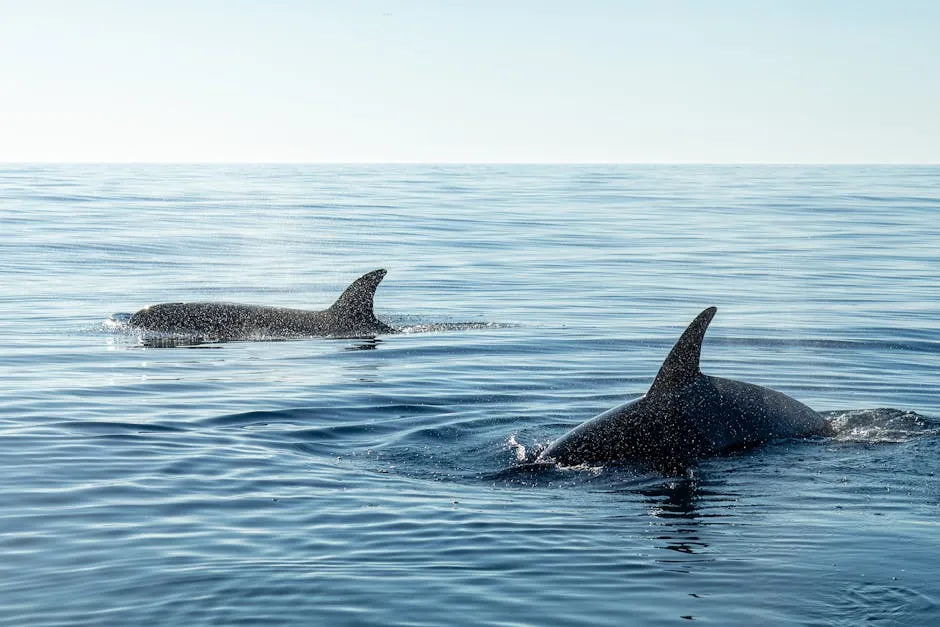
Supporting ethical wildlife engagement has significant benefits that impact both conservation efforts and local communities positively. Choosing responsible tourism practices helps ensure that the natural habitat and the welfare of animals are preserved, while also contributing to local economies and supporting sustainable development. This community dimension is often what makes the model durable long-term.
Whale-watching tourism, for example, contributes directly to the local economies of former fishing villages, providing an incentive to protect the marine environment, which is good for all the creatures that depend on it, from seals to southern right whales. The same logic applies on land. Choosing an ethical sanctuary directly funds the rescue, rehabilitation, and daily care of animals while providing a sustainable economic alternative for local communities.
The Bigger Picture: Tourism as a Conservation Tool
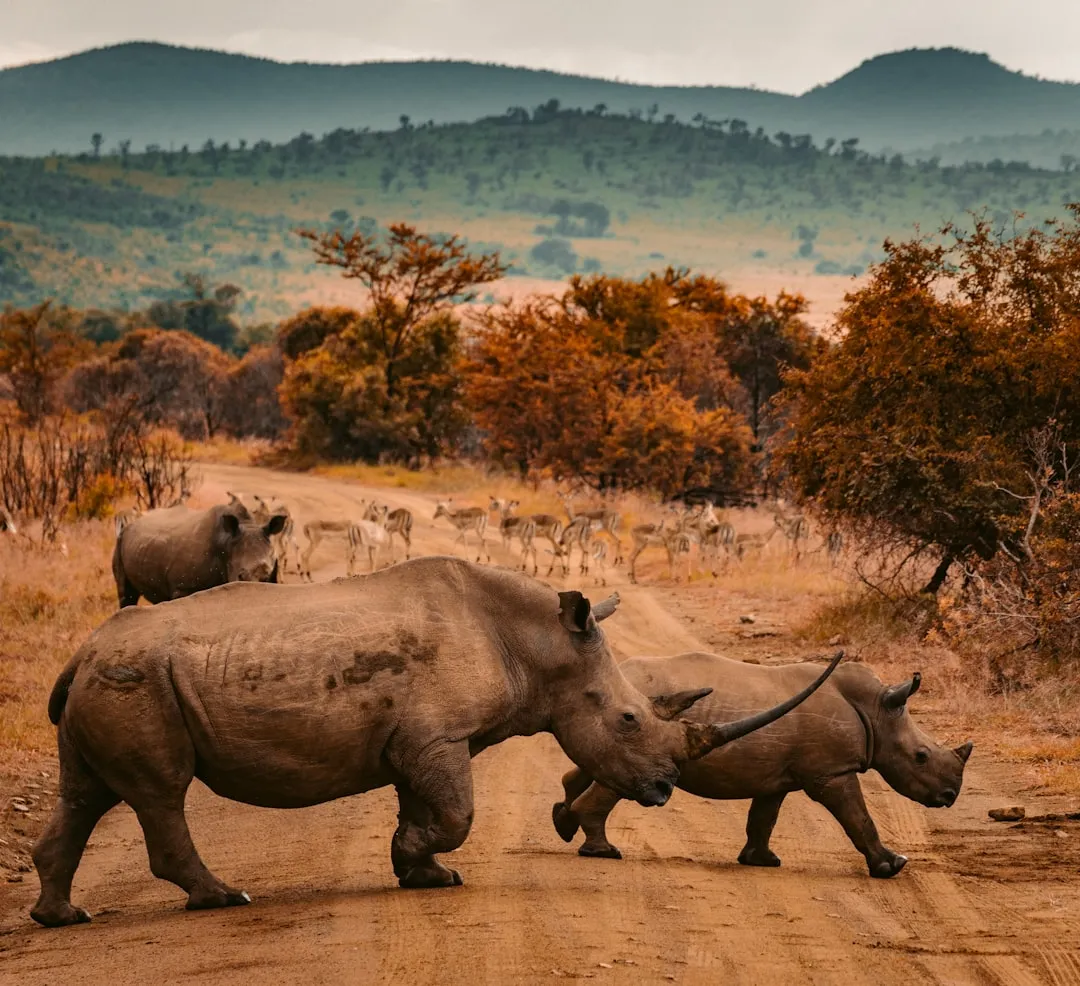
Tourism has played a crucial role in saving mountain gorillas in Uganda and Rwanda, and whale watching has helped reduce commercial whaling in many parts of the world. These aren’t minor footnotes. They demonstrate that when tourist dollars flow to the right operators, wildlife populations can actually recover. Sustainable encounters aren’t just ethical; they’re essential for business longevity. There is an economic paradox at work: tourism funds conservation but can undermine it through unchecked pressure.
Nearly 12 million people visit wildlife-friendly tourism sites each year, proving that wildlife-friendly tourism can work for both people and planet. The demand side is shifting too. Travelers are increasingly seeking out eco-friendly wildlife experiences and are willing to pay more for experiences that prioritize sustainability and environmental responsibility. The challenge now is ensuring that supply keeps pace with intention.
How to Choose: A Practical Final Checklist
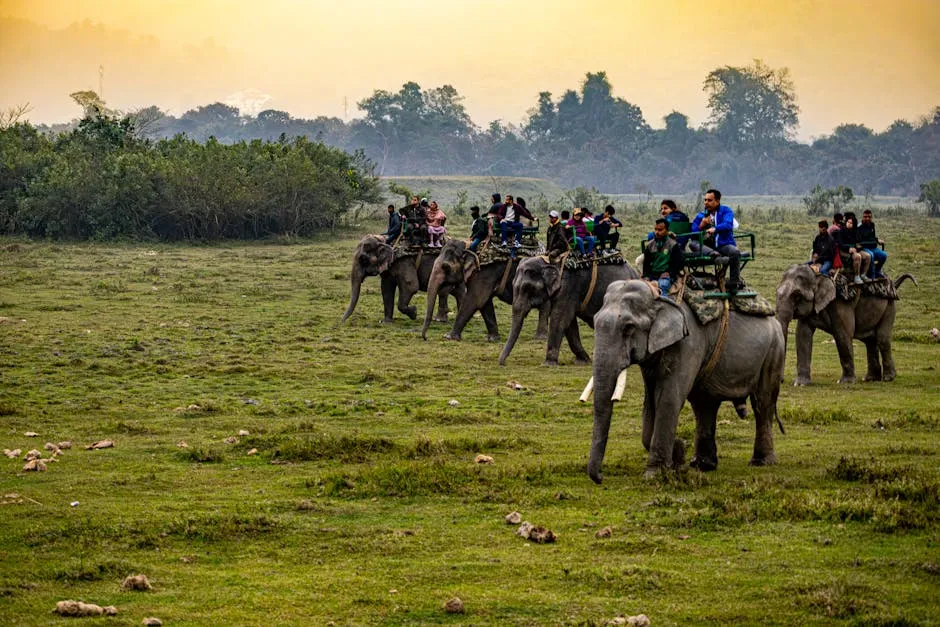
Not all wildlife encounters are created equal, and it’s crucial to do your research to ensure that the experiences you partake in are truly ethical and sustainable. Look for organizations that prioritize animal welfare, support conservation efforts, and promote education and awareness. Beyond general research, specific details tell you a lot. Most companies worth their salt will be proud to outline how they manage wildlife operations, often displaying a manifesto on safe wildlife watching on their websites. Regulations such as keeping a safe distance from animals, a slow approach, and minimizing time in one location are usually great indications that the operator takes their role seriously.
By putting animal welfare first, making ethical decisions, and choosing not to disturb wildlife, you can ensure a decrease in demand for exploitative interactions with animals. Make sure to keep a respectful distance, avoid staged photo opportunities or animal handling interactions, refuse to ride animals, and don’t buy animal products. For marine encounters specifically, World Animal Protection advises observing dolphins from the deck of a dolphin watch operation that follows a responsible code of conduct, and looking for companies certified with programs like the NOAA Dolphin SMART program, which gives a seal of approval to marine wildlife tourism businesses that follow strict guidelines and use noninvasive observation techniques.
Wildlife tourism at its best isn’t about getting the perfect photograph or checking a species off a list. It’s a transaction with long-term consequences for the animals, the ecosystems, and the communities involved. The four encounters described here, hands-off elephant sanctuaries, regulated gorilla trekking, certified whale watching, and responsible African safaris, have each developed genuine frameworks for getting that transaction right. The work now is on travelers to match that seriousness with the choices they make when booking.
AI Disclaimer: This article was created with the assistance of AI tools and reviewed by a human editor.