
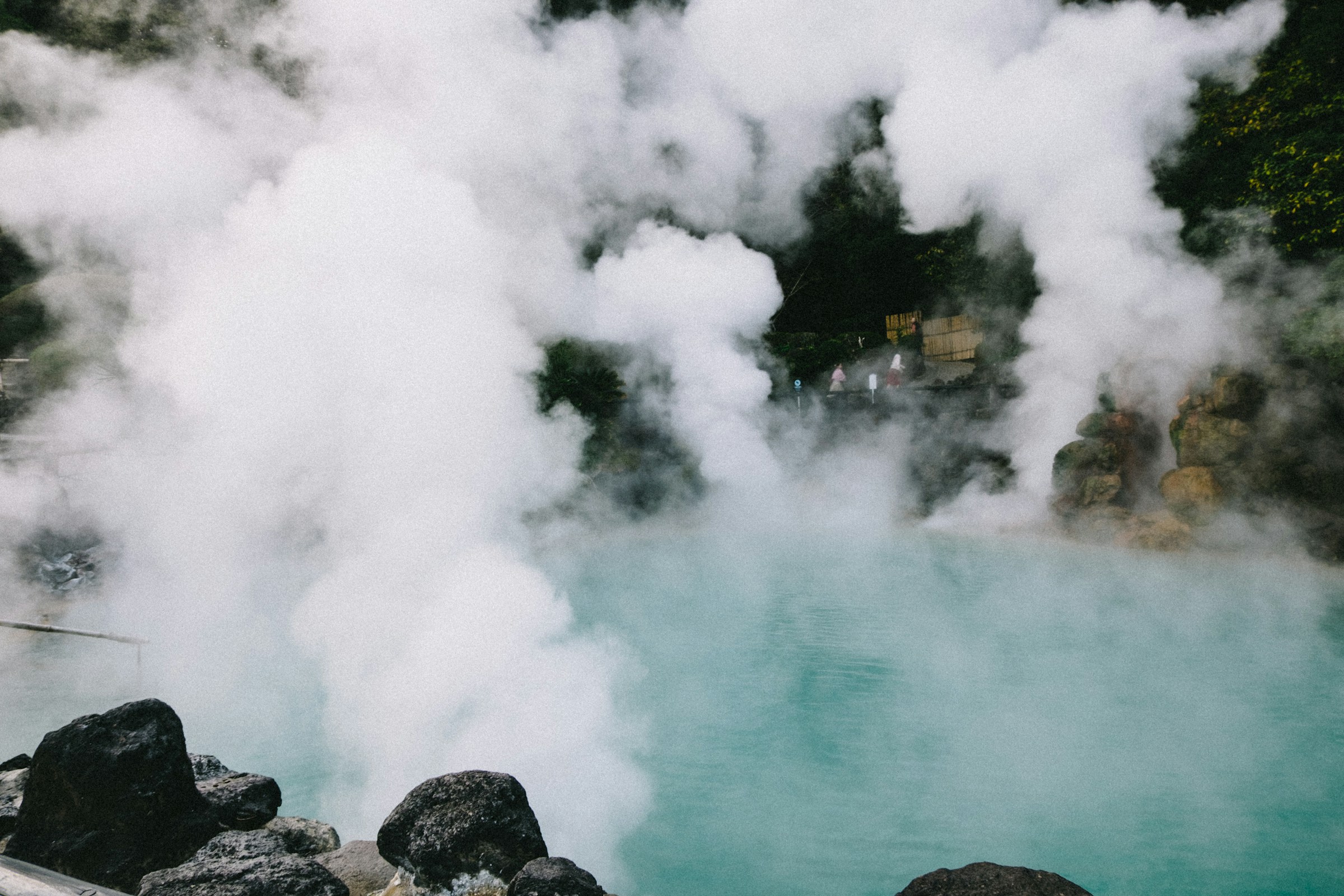

There’s a quiet revolution happening in small-town America, and it smells nothing like sulfur. Across the country, a handful of geothermal towns have been quietly reimagining themselves as serious wellness destinations, drawing in travelers who are done with the quick spa day and ready for something deeper. The shift is real and backed by numbers.
The global thermal springs tourism market was estimated at $57.27 billion in 2024 and is projected to reach $130.78 billion by 2030. In the United States specifically, the thermal springs tourism market is expected to grow at nearly 15% annually from 2024 to 2030, driven by an increasing focus on wellness and alternative health practices. These four towns are very much at the center of that story.
Why Hot Springs Are Having Their Moment Right Now

Hot springs and thermal baths are having a significant moment right now. These ancient healing waters are widely seen as nature’s stress-busters, promising everything from pain relief to circulation improvement.
According to the Global Wellness Institute, the wellness tourism market is projected to surpass $1.3 trillion, with hot springs and hydrotherapy facilities accounting for a significant portion of that growth. That’s not a niche anymore. That’s a mainstream movement.
Thermal travel patterns are also shifting toward shorter, more focused, and more frequent stays. Rather than one long annual medical spa holiday, guests are seeking thermal amenities within closer proximity to their homes, making two-to four-night thermal getaways a more regular part of their wellness routines throughout the year.
The Science Behind the Soak
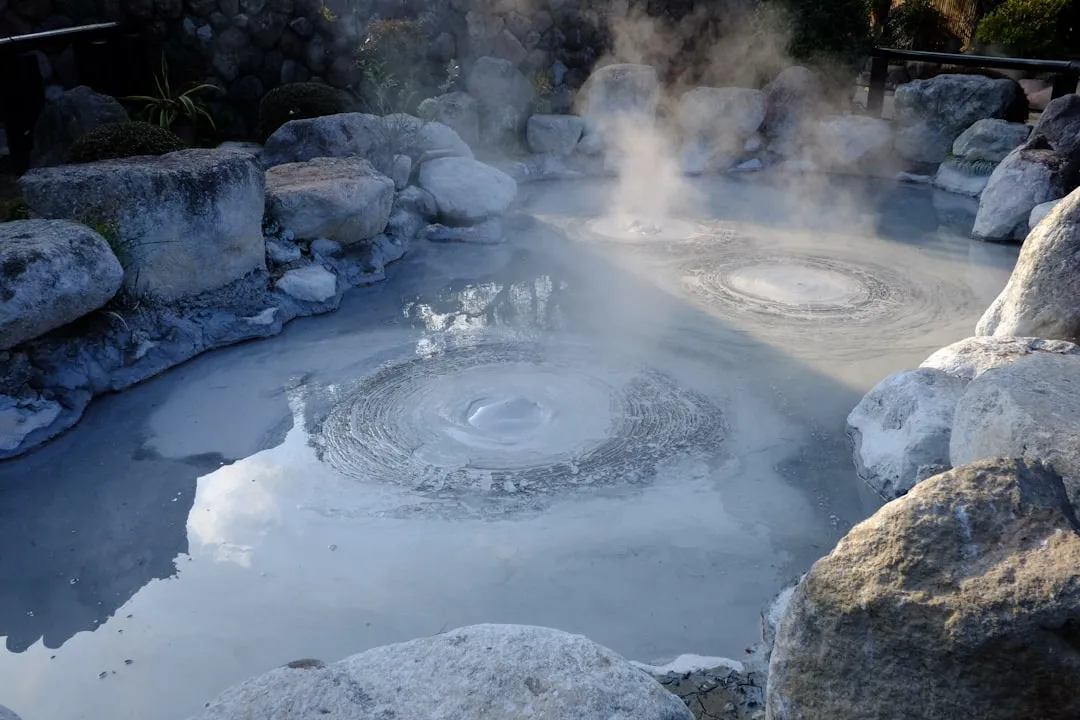
Soaking in hot springs delivers multiple health benefits due to their mineral-rich waters and natural heat. Minerals such as sulfur, calcium, and magnesium can improve skin conditions, reduce muscle tension, and enhance joint mobility, while warm water increases blood circulation, aiding healing and relieving chronic pain.
Groundbreaking findings show that mineral-rich thermal waters can reduce chronic pain, improve circulation, and dramatically lower stress markers. These are not invented wellness claims. They represent a growing body of research that is quietly reshaping how doctors and travelers alike think about water-based therapy.
Hot springs and thermal waters are believed to have healing properties that can reduce inflammation, increase circulation, and help reduce chronic pain. For a travel industry trying to move beyond surface-level pampering, that’s a compelling foundation.
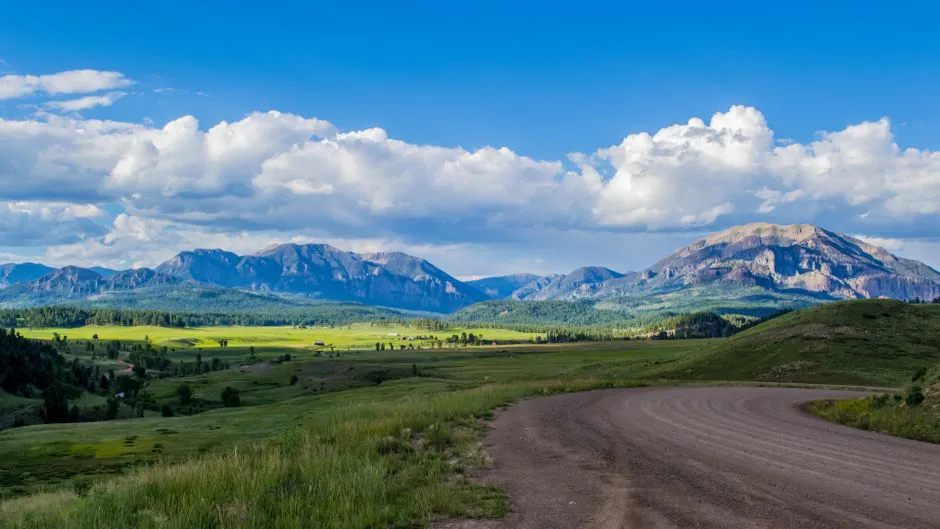
Pagosa Springs, Colorado: Where the World’s Deepest Spring Flows
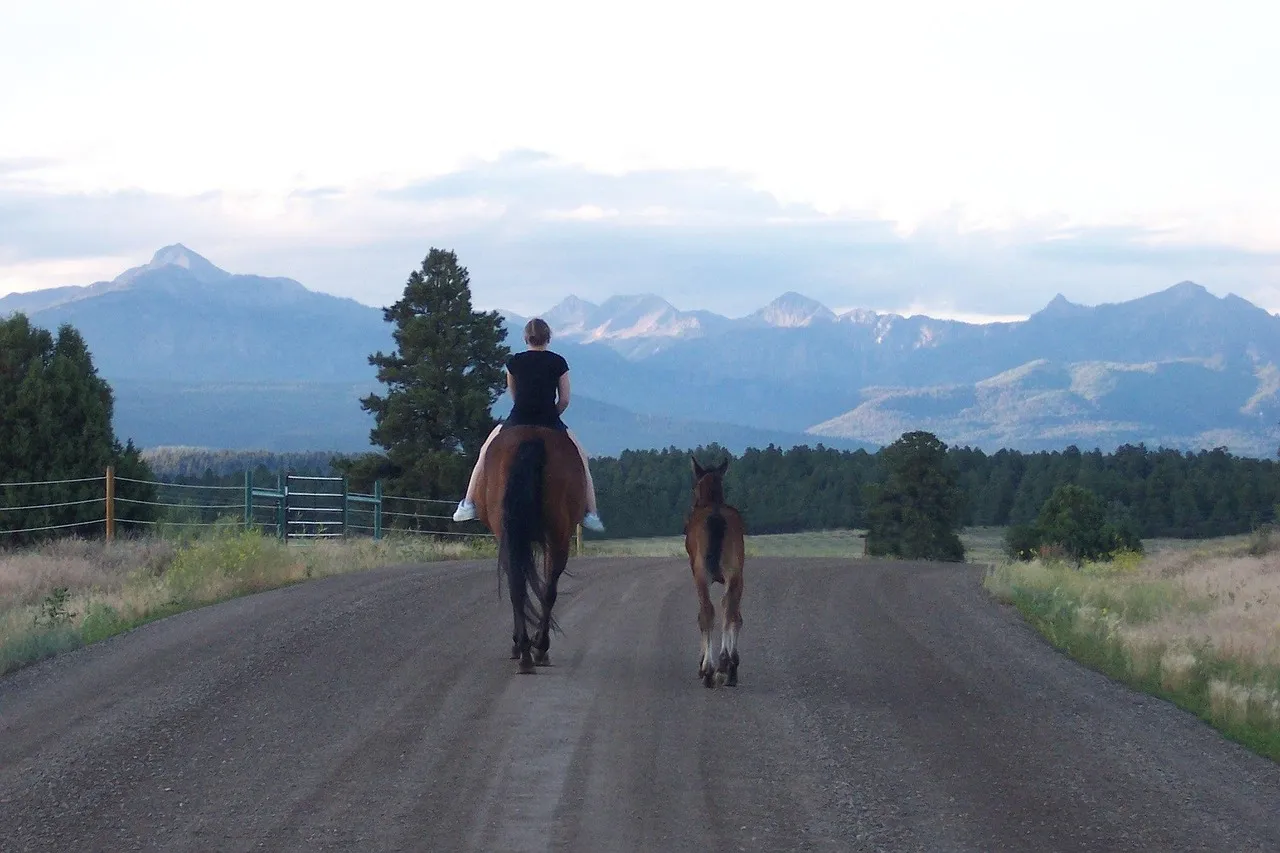
Home to the world’s deepest geothermal aquifer, the Great Pagosa Hot Springs was discovered hundreds of years ago by the Southern Ute Indians, who respected it for its rejuvenating and healing qualities. That history runs deep, in every sense.
The Springs Resort, a renowned wellness destination in Pagosa Springs, Colorado, underwent a transformative expansion by April 2025. The expansion included 78 new guest rooms, a thermal spa, a Panoramic Sauna with halotherapy, new wellness amenities, a fresh culinary concept, and modern event spaces.
The resort is home to what is recognized as the world’s deepest geothermal spring, called “The Mother Spring.” The expansion aimed to broaden its unique approach to relaxation and wellness, doubling the resort’s terraced geothermal mineral soaking pools along the San Juan River at the base of the Rocky Mountains. A town that once felt like a well-kept local secret now has the infrastructure to match its reputation.
The resort offers 24-hour access to the hot springs and wellness activities like Aqua Yoga and forest bathing hikes. Every overnight stay also includes access to personalized Wellness Pathways, curated soaking circuits designed to help guests restore, revitalize, reconnect, or recover through intentional use of the geothermal pools. Pagosa Springs is no longer just a soak. It’s a full-spectrum wellness program.
Glenwood Springs, Colorado: A Living Legacy of Thermal Therapy
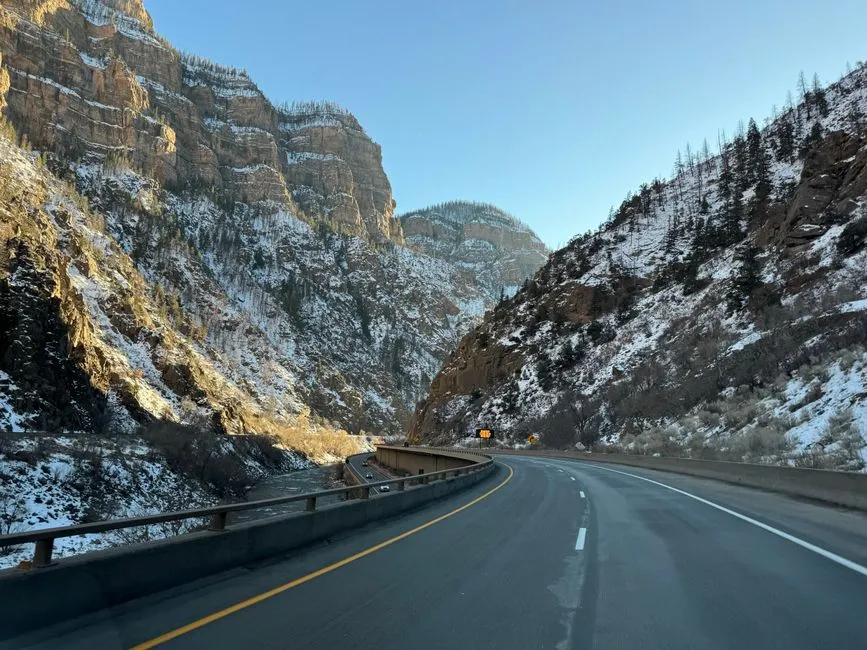
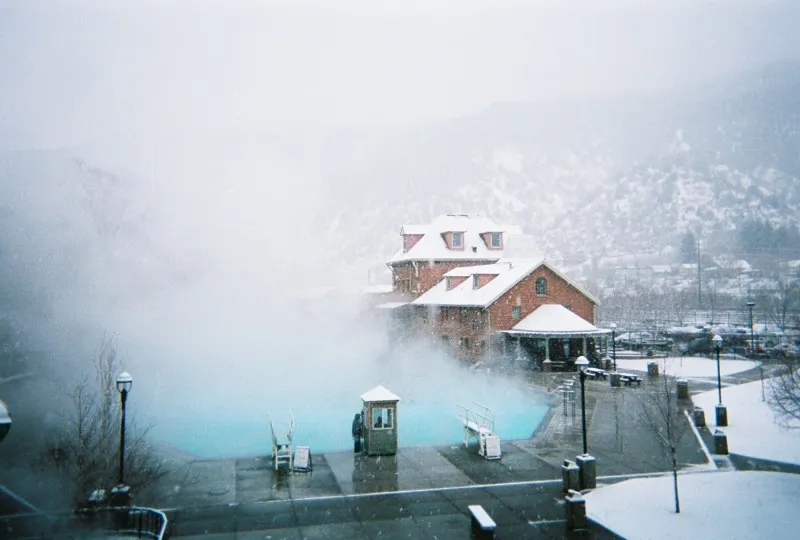
Glenwood Springs is home to three easily accessible hot springs attractions and serves as the anchor of Colorado’s Historic Hot Springs Loop. The Glenwood Hot Springs Resort opened in 1888, and its main pool is considered the world’s largest mineral hot springs pool, typically maintained around 90°F, while the Therapy Pool averages around 104°F.
In a sign of the town’s continued investment in wellness, Yampah Mineral Baths opened in May 2024, featuring five pools of varying temperatures ranging from 52 to 104°F, including two cold plunge pools. A cozy fireplace lounging area adds a social dimension, and Yampah Mineral Baths transitions to adults-only at 5 p.m.
Glenwood Springs also includes Iron Mountain Hot Springs, which boasts 16 soaking pools, and the Yampah Spa and Vapor Caves, a naturally occurring underground steam bath. Few towns can genuinely claim three distinct geothermal experiences within easy walking distance of one another. Glenwood Springs is quietly one of the most complete thermal wellness towns in the entire country.
Ouray, Colorado: The Switzerland of America
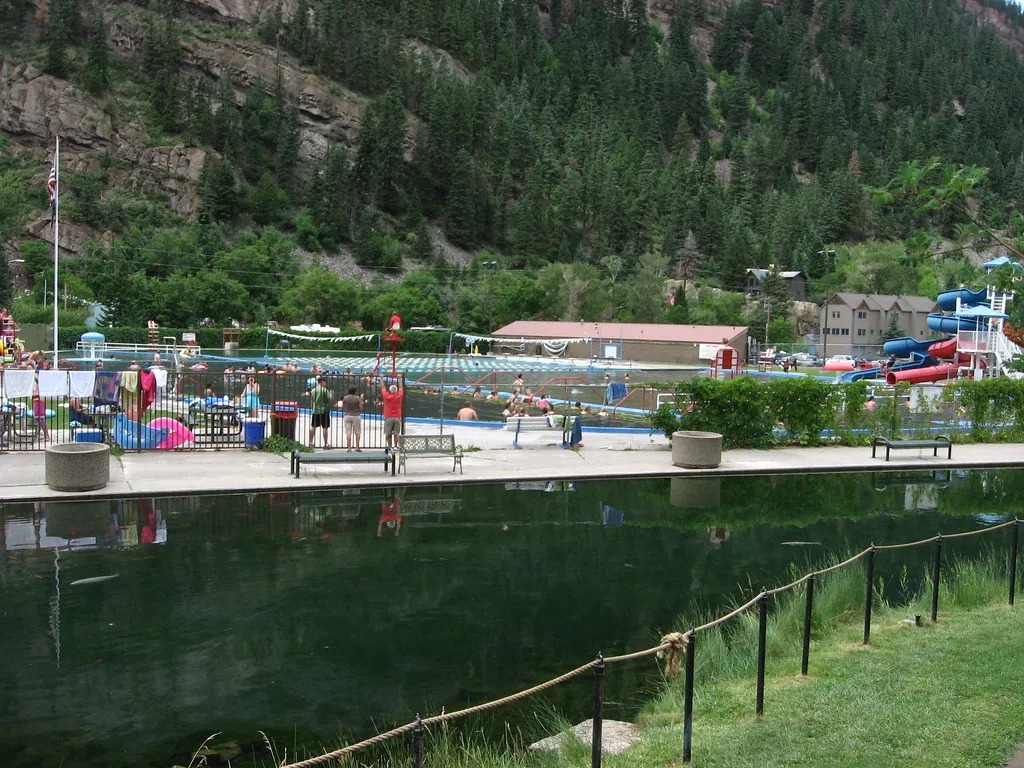
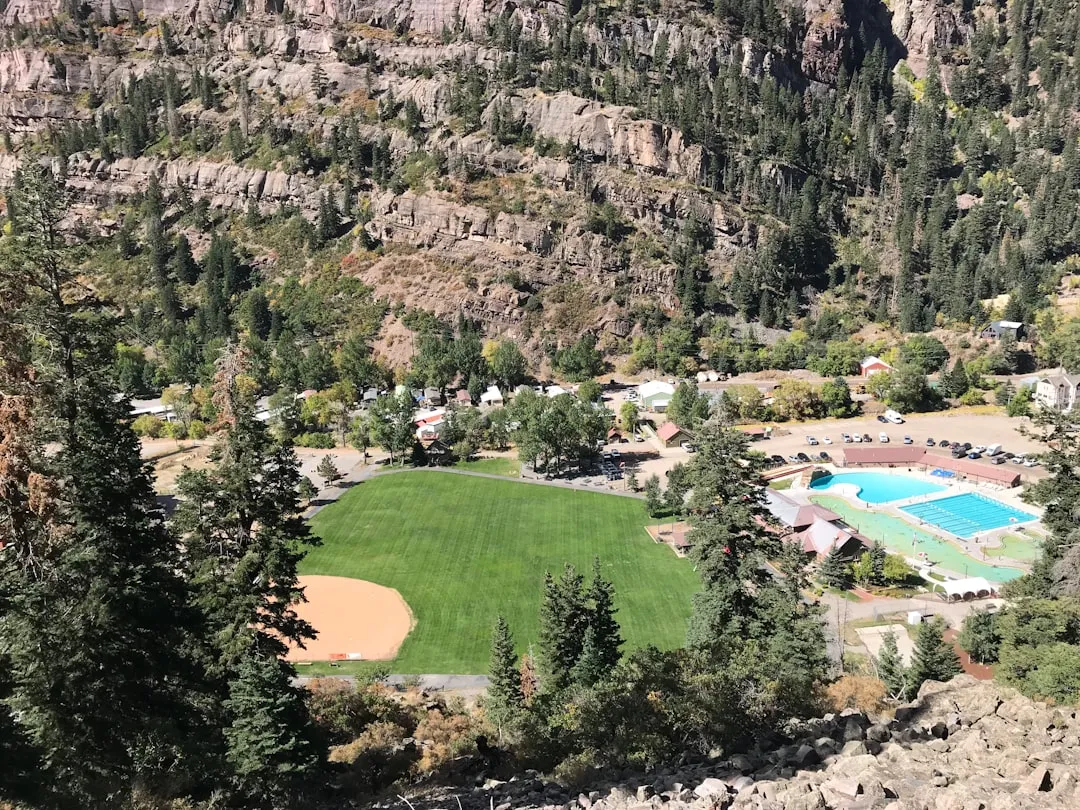
Ouray welcomes visitors with a friendly and charming downtown filled with unique locally owned shops, breweries, distilleries, coffee roasters, restaurants, performing arts venues, and extensive lodging options. It also boasts a downtown National Historic District of impeccably restored Victorian buildings.
The same geologic forces that made the town rich in mining also produced large and pleasant hot springs, free of the strong sulfur smell common at many other springs. That combination of architectural beauty, mountain drama, and odorless thermal waters is rare, and travelers have taken notice.
Ouray’s thermal offerings include the Ouray Hot Springs Pool and Fitness Center, the Historic Wiesbaden Hot Springs Spa and Lodgings, Box Canyon Lodge and Hot Springs, and Twin Peaks Lodge and Hot Springs. The variety across these properties means visitors can tailor their experience, from a rustic soak to a full spa lodge stay, all within the same intimate mountain town.
Truth or Consequences, New Mexico: A Desert Oasis Reclaiming Its Roots
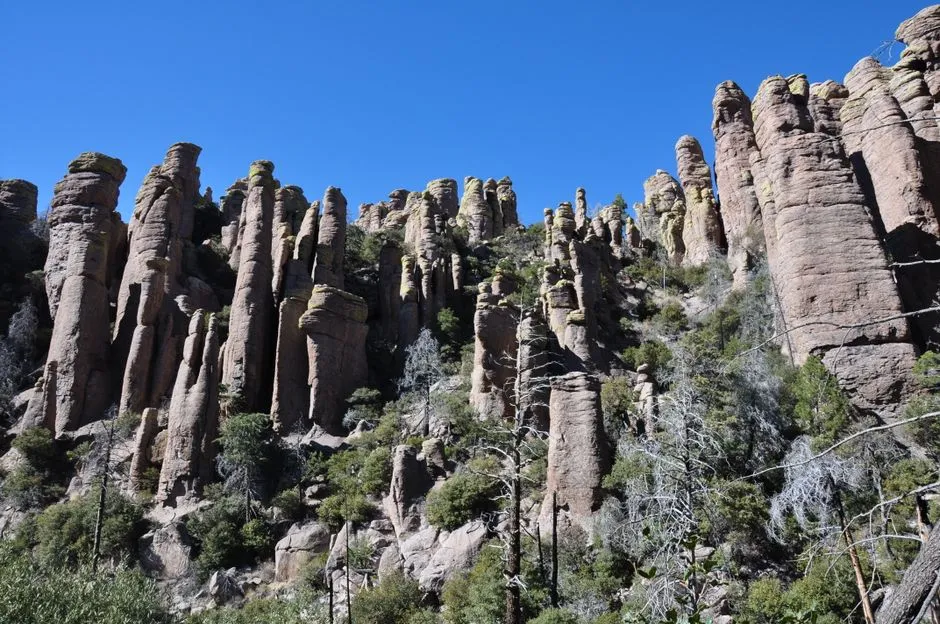
Downtown Truth or Consequences sits atop a large natural aquifer that produces somewhat salty, odorless water ranging in temperature from 100 to 115 degrees Fahrenheit. The springs have always been here. What’s changed is that the wider world is finally paying attention.
The Chiricahua Apaches, also known as the Warm Springs Apaches, named these springs “Place to Pray” and considered them a sacred place for healing. That original intention, healing, is exactly what contemporary travelers are seeking when they make their way to this small desert town along the Rio Grande.
In 2025, Truth or Consequences unveiled a new Advanced Longevity Center at its established Medical Hot Springs Complex, tapping further into the region’s intense geothermal activity and its documented effects on pain and muscle relief. Travelers throughout history have soaked in geothermic waters that bubble to the surface here between 95 and 108 degrees, and today health-seekers have their pick of ten bathhouses alongside yoga studios, massage therapists, and more.
The Colorado Historic Hot Springs Loop: A Road Trip Built Around Wellness
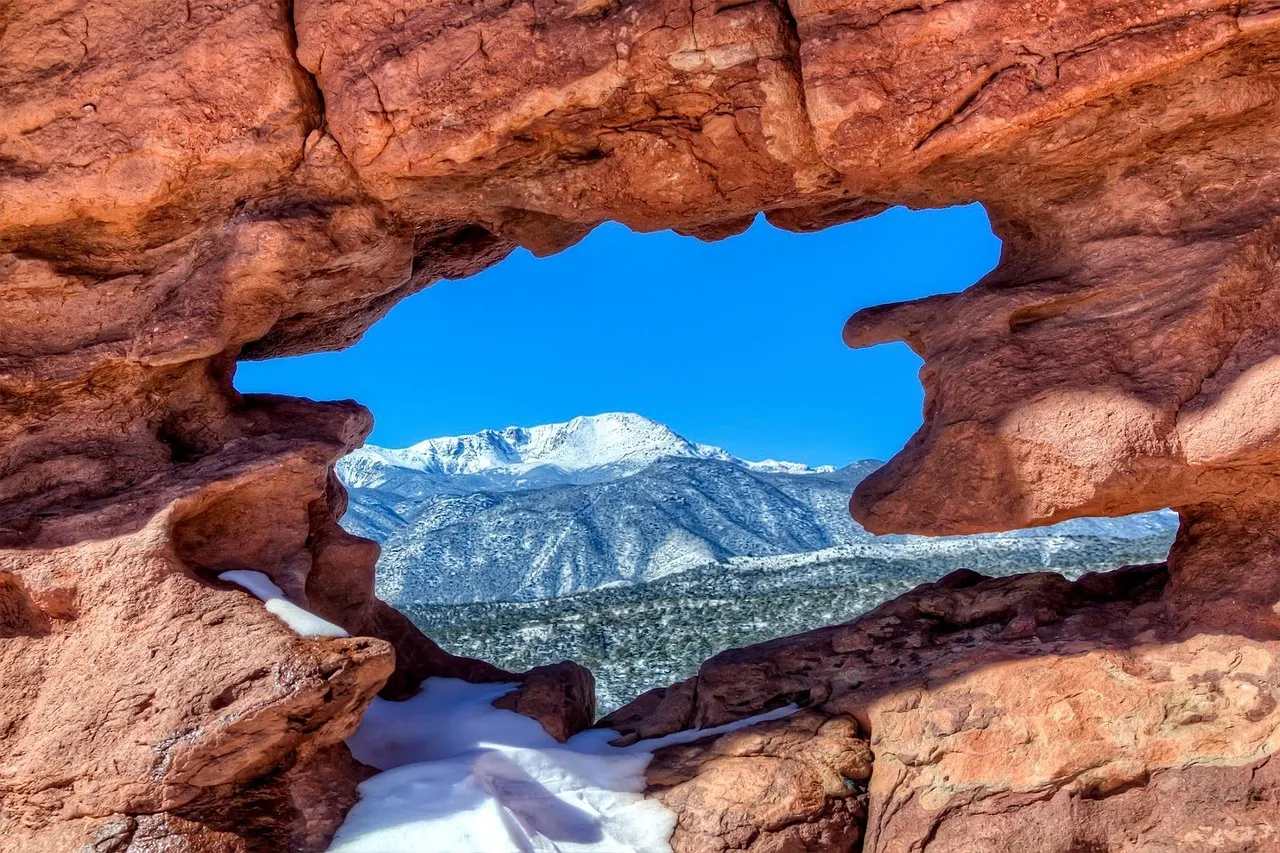
Five destinations anchor the Colorado Historic Hot Springs Loop: Glenwood Springs, Ouray, Pagosa Springs, Chaffee County, and Steamboat Springs, offering everything from historic vapor caves to terraced riverside pools. The fact that a formal loop exists at all is a signal of how organized and intentional this wellness corridor has become.
This roughly 800-mile loop showcases the premier hot springs attractions in Colorado, with variety ranging from intimate private baths to the world’s largest mineral hot springs pool. Each of the 23 facilities on the route offers unique features like vapor caves, hot pots, terraced pools, enormous travertine formations, and aquatic centers.
Fall, specifically September and October, brings golden foliage, cooler air, and fewer crowds, making it an especially appealing time for road-tripping and soaking. For travelers who want to do it right, a week along this loop offers a very different kind of itinerary than any ordinary mountain road trip.
What the Wellness Economy Tells Us About These Towns
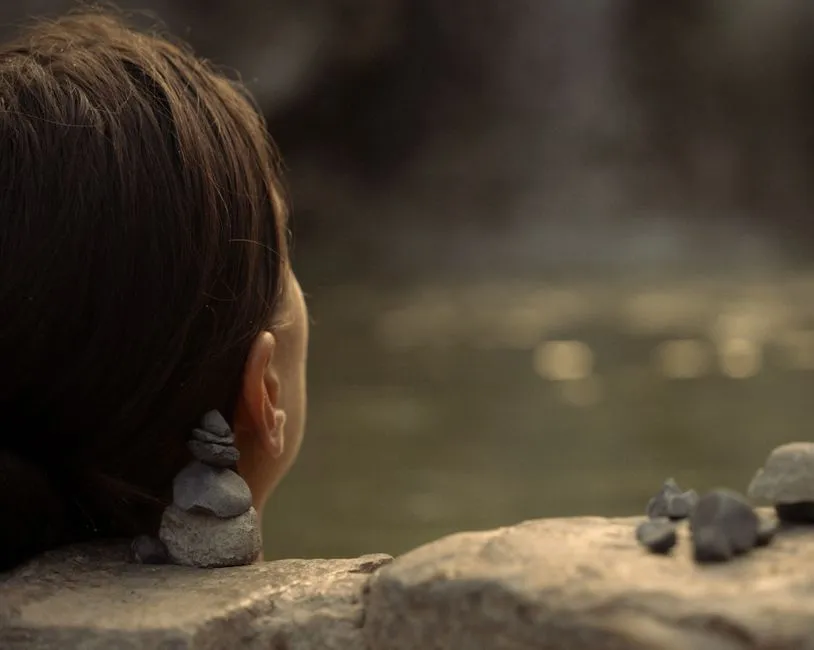
Domestic travel holds the largest share of the global wellness tourism market, with North America accounting for over 42% of the global wellness tourism industry in 2024. These hot springs towns sit squarely at the intersection of that domestic demand and the hunger for meaningful, grounded travel experiences.
The U.S. wellness travel market is expanding rapidly as a result of escalating health awareness, growing disposable incomes, and greater demand for stress-reduction holiday experiences. Hot springs towns, with their low-barrier accessibility and genuine therapeutic value, are benefiting directly from those shifts.
Once seen as traditional spa destinations, hot spring resorts are now evolving into sustainable, multi-purpose wellness ecosystems that combine travel, healthcare, and environmental consciousness. That evolution is visible in each of the four towns profiled here, and it shows no sign of slowing.
Cultural Roots and Responsible Travel at the Springs
Truth or Consequences developed historically as a health resort, with hot mineral water recognized as an accepted medical treatment, and slogans like “City of Health” and “Health Capital of the Southwest” drawing visitors and healers alike. That heritage deserves to be carried forward thoughtfully, not just as marketing copy.
The Great Pagosa Hot Springs was discovered and revered by the Southern Ute Indians centuries before the arrival of modern tourism. Visitors who arrive at these springs aware of that history tend to engage with the experience very differently than those who treat it purely as a spa commodity. Awareness of that legacy matters.
Truth or Consequences is returning to its original identity as a city of health and a mecca for healing, and the combination of hot springs with healing arts has drawn a unique community of practitioners, including craniosacral therapists and sound healers. These towns are ecosystems as much as they are destinations.
How These Towns Are Adapting for the Future
In 2026, geothermal optimization, water recirculation systems, and reduced fossil energy dependence have become central elements of financial resilience for thermal wellness operators. The most forward-thinking hot springs towns are treating their geothermal resources not only as wellness assets but as environmental ones.
Very strong annual growth is expected for the thermal springs sector, with more than 140 new projects in the pipeline globally. American towns like Pagosa Springs and Glenwood Springs are already ahead of that curve, having invested in expanded infrastructure and programming well before the broader market caught up.
In Truth or Consequences, boutique properties like Hoosier Hot Springs, revitalized in 2024, are blending historic flair with modern amenities. Four private hot springs soaking areas are available to guests, including three new outdoor pools and the original 1937 indoor bath. Small-scale investment, done thoughtfully, can genuinely transform a town’s identity.
The Takeaway
What these four towns share is more than geothermal geology. They each carry a long history of people arriving tired, stressed, and in need of something they couldn’t quite name, and leaving having found it in warm water and quiet mountain air.
This trend reflects a genuine shift in what people are seeking when they travel, moving beyond simple relaxation to experiences that promise tangible, health-oriented outcomes. That’s not a passing wellness fad. It’s a reorientation of what travel is actually for.
Pagosa Springs, Glenwood Springs, Ouray, and Truth or Consequences each offer something distinct. Together, they make a compelling case that America’s most restorative places aren’t always the loudest or the most famous. Sometimes they’re just the ones where the earth still runs warm beneath your feet.
AI Disclaimer: This article was created with the assistance of AI tools and reviewed by a human editor.