
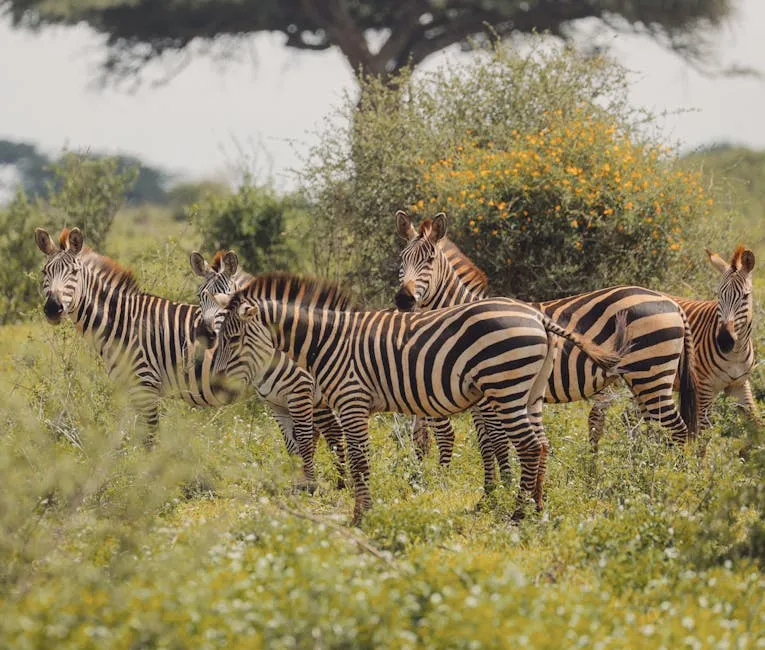

There is something about Africa that defies easy description. It is not a single place, a single sound, or a single feeling. It is 54 countries, over a thousand languages, and landscapes that shift from Saharan sand to equatorial rainforest within hours of flying. Traveling it alone puts you squarely inside all of that, with no buffer and no one to check in with before making a decision.
Africa welcomed 74 million international arrivals in 2024, up 12% from 2023 and 7% above pre-pandemic levels, and interest in solo travel to the continent keeps climbing. Three of the top four solo adventures reserved by American travelers for 2024 were in Africa, a number that reflects something real: people are not just curious about Africa, they are actively choosing it as the place to go alone. What you bring back is not just photos. It is a different way of understanding yourself, other people, and the world you share.
Lesson 1: Africa’s Scale Rewrites Your Sense of Planning
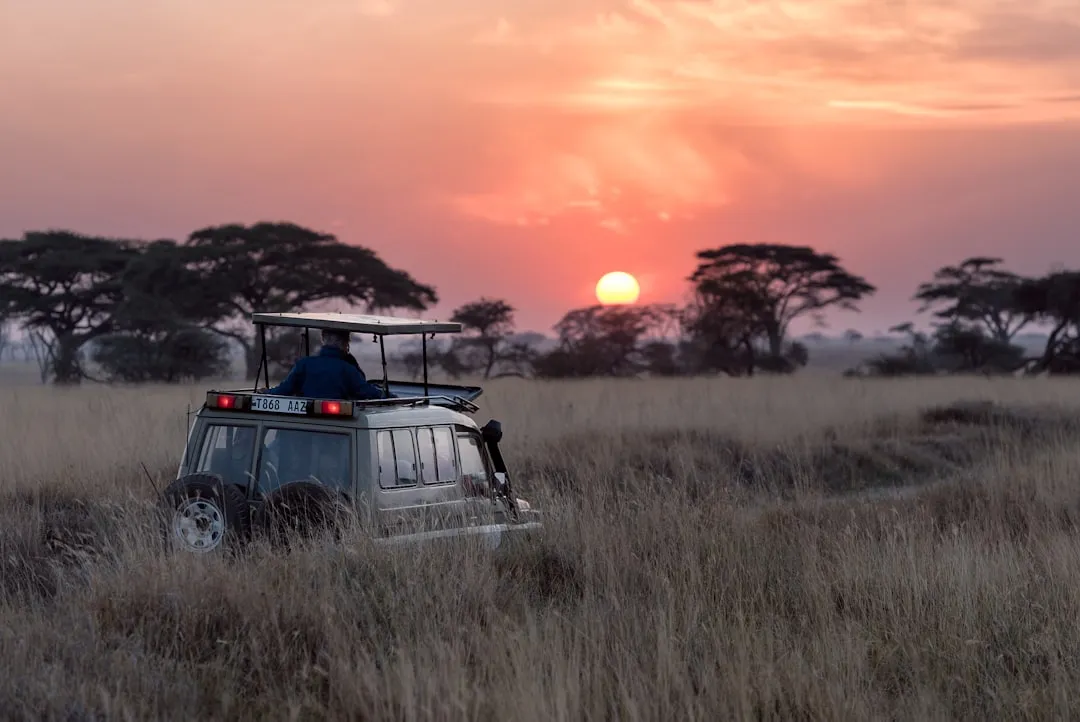
One of the first things solo travel through Central and Southern Africa teaches you is that rigid itineraries will fail you, sometimes before day three. Roads wash out. Ferry schedules are suggestions. A minibus that “leaves at eight” may leave at noon, or not at all.
Travelling Africa alone, from trekking gorillas in Rwanda and camping under the stars in the Namib Desert to riding local matatus through Nairobi and surfing the Atlantic coast of Morocco, gives you a depth of experience that group tours simply cannot match. That depth comes precisely from those unplanned hours.
The dry season, running roughly from May through October, is ideal for safaris, trekking, and outdoor adventures with comfortable weather and clear roads. The wet season brings fewer tourists, lush landscapes, and vibrant wildlife, though some areas may be harder to access. Knowing that and building real flexibility into your schedule is not a backup plan. It is the plan.
Lesson 2: The Continent Is Safer Than the Headlines Suggest
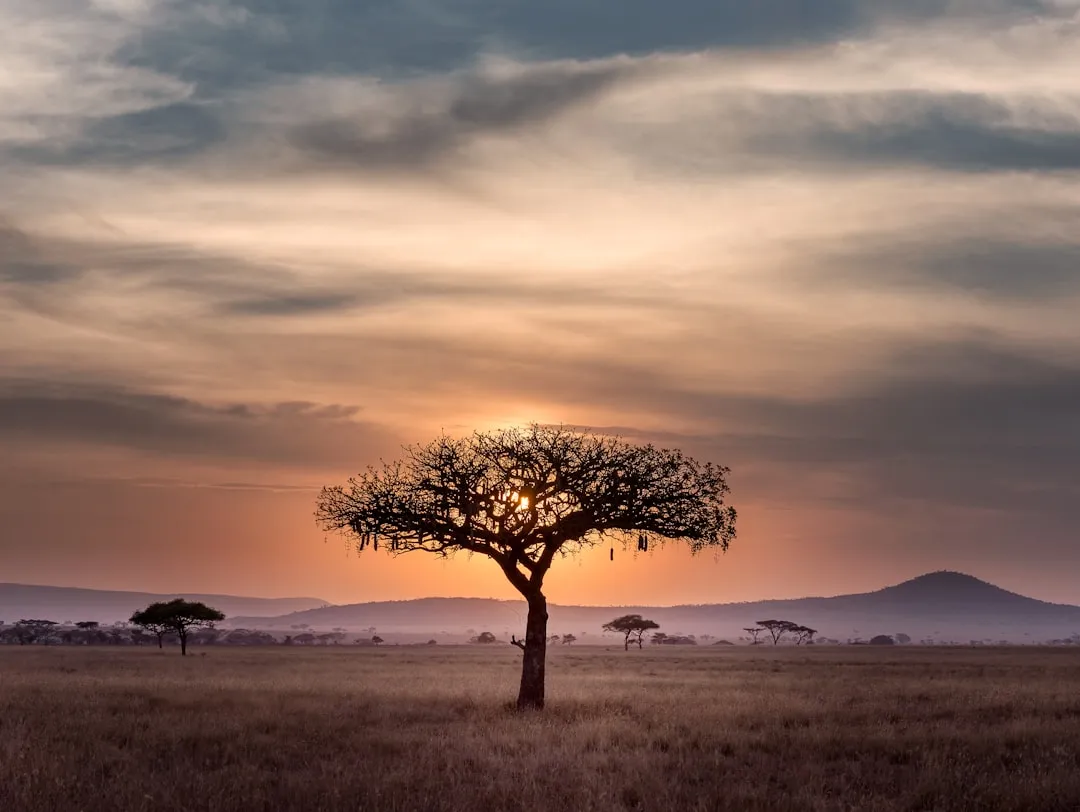
Solo travel in Africa is safer than most people think. Countries like Namibia, Botswana, Rwanda, Tanzania, Morocco, Ghana, and Senegal have well-established tourism infrastructure and are popular with solo backpackers, digital nomads, and independent travellers from around the world.
Like any destination, safety depends on preparation: knowing which areas to avoid, understanding local customs, carrying the right travel insurance, and staying connected with fellow travellers. That is less a warning than a practical framework, one that applies in any major city worldwide.
Simple greetings, modest dress in rural areas, and awareness of cultural norms improve comfort and reduce unwanted attention. Most travelers discover that initial anxiety fades fast once they meet local guides, settle into routines, and understand daily rhythms. The fear tends to live mostly in the imagination before departure.
Speaking with respect and friendliness, and learning a few words in the local language, goes a long way. In practice, that single act changes how a whole day unfolds.
Lesson 3: Hospitality Here Is Not a Tourism Product
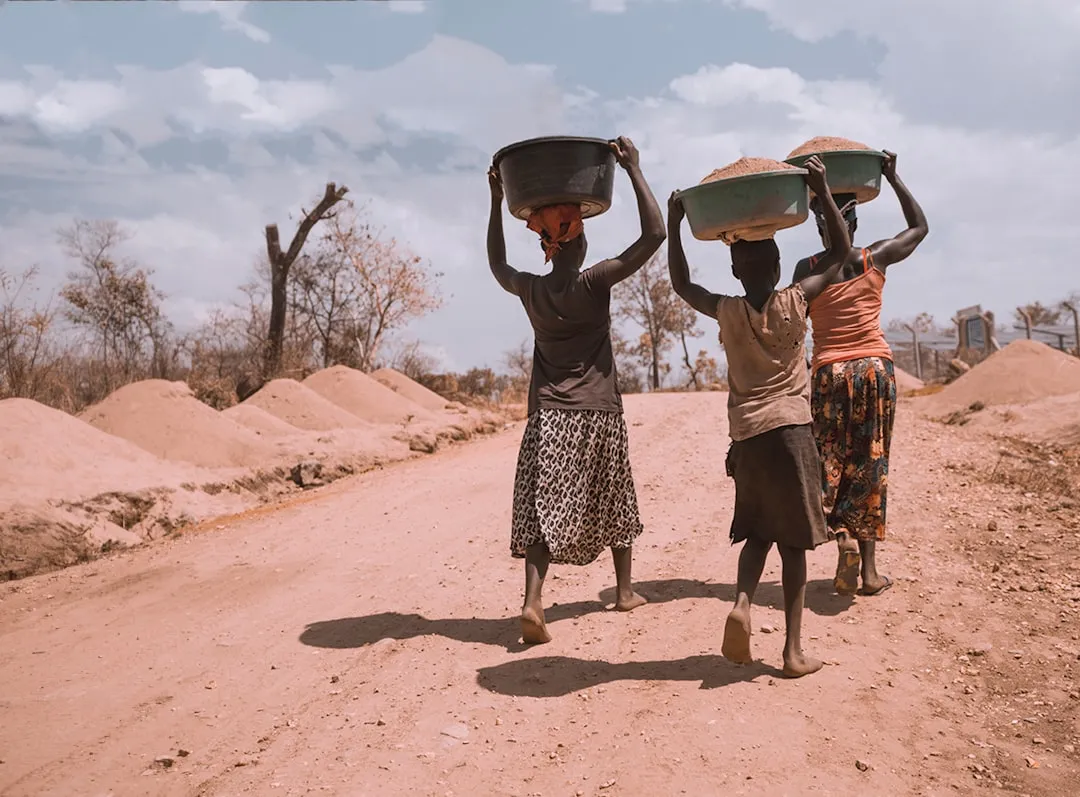
Across the heart of Africa, the hospitality you encounter is not something that was designed for a travel brochure. It exists in the same form it always has, embedded in community life, in shared meals, in the assumption that a stranger is worth knowing.
Travelers today are looking for more than iconic sightings; they are looking for journeys with substance. African travel is becoming less about escape and more about engagement, with the continent, its people, and the animal kingdom.
In the region spanning Latin America, the Middle East, and Africa, the trend involves solo travelers exploring off-the-beaten-path destinations, seeking authenticity. There is a rise in interest in sustainable and eco-friendly travel experiences. Solo travelers are also drawn to cultural festivals and events, contributing to the region’s vibrant and diverse offerings.
That pull toward authenticity is not manufactured by marketing. It is a response to what actually happens when you sit down with a family for a shared meal in the Rift Valley or accept a cup of tea from a vendor in a Moroccan souk you were not planning to enter.
Lesson 4: Solitude Builds Something That Group Travel Cannot

Travel researchers have been examining this for years, and the findings are consistent. Solo travelers experience measurable improvements in self-efficacy, resilience, and interpersonal skills, alongside reductions in anxiety and stress. Africa, with its sheer number of variables and unexpected moments, accelerates that process considerably.
One of the most immediate benefits of travelling alone is the development of independence and self-reliance. When you are responsible for planning your itinerary, navigating new environments, and solving problems on your own, you quickly learn to trust yourself and your instincts. These experiences force you to become more adaptable and resourceful, strengthening your decision-making skills and boosting your confidence.
Solo travelers often report peak experiences, such as witnessing a breathtaking sunrise from a mountain summit, having a deeply meaningful conversation with a stranger from a different culture, or experiencing a moment of perfect solitude in a natural setting. These experiences can shift perspectives, clarify personal values, and contribute to a sense of fulfillment and purpose.
The psychological benefits of solo travel can continue when you return home. You have already started to build confidence, self-reliance, and trust in yourself, which can apply to your day-to-day life too. The problem-solving, decision-making, and social skills you have strengthened can be transferable to situations at work or in your relationships.
Why the Numbers Back What Solo Travelers Feel
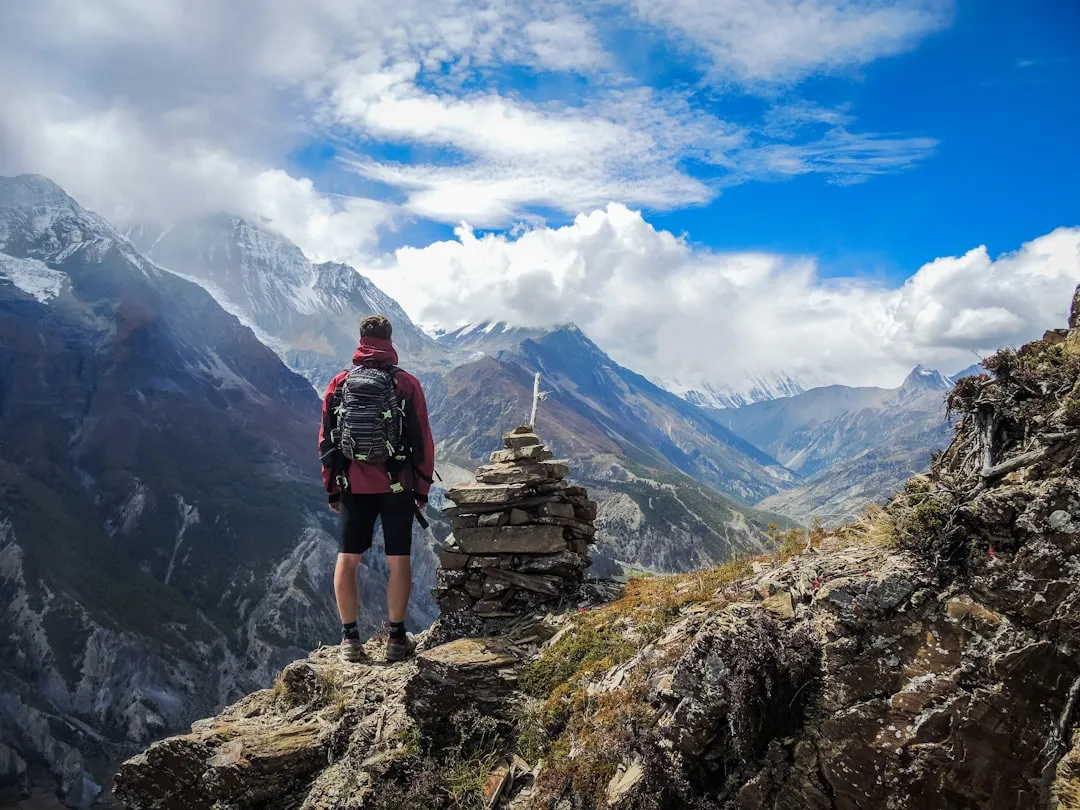
The global solo travel market size was estimated at USD 482.34 billion in 2024 and is projected to reach over a trillion dollars by 2030. Those figures reflect a fundamental shift in how people approach travel, not as a leisure add-on but as a deliberate investment in personal growth.
The number one reason people give for traveling solo is the desire to see the world without waiting for others, cited by nearly three quarters of solo travelers surveyed. That motivation is straightforward and honest, and Africa is particularly well-suited to fulfilling it.
In South Africa alone, safari and wildlife travel was the largest revenue-generating travel type in 2024, while cultural and heritage travel is registering the fastest growth during the forecast period. The blend of nature and culture is precisely what draws independent travelers to the continent over and over.
The Rise of Women Traveling Alone Through Africa
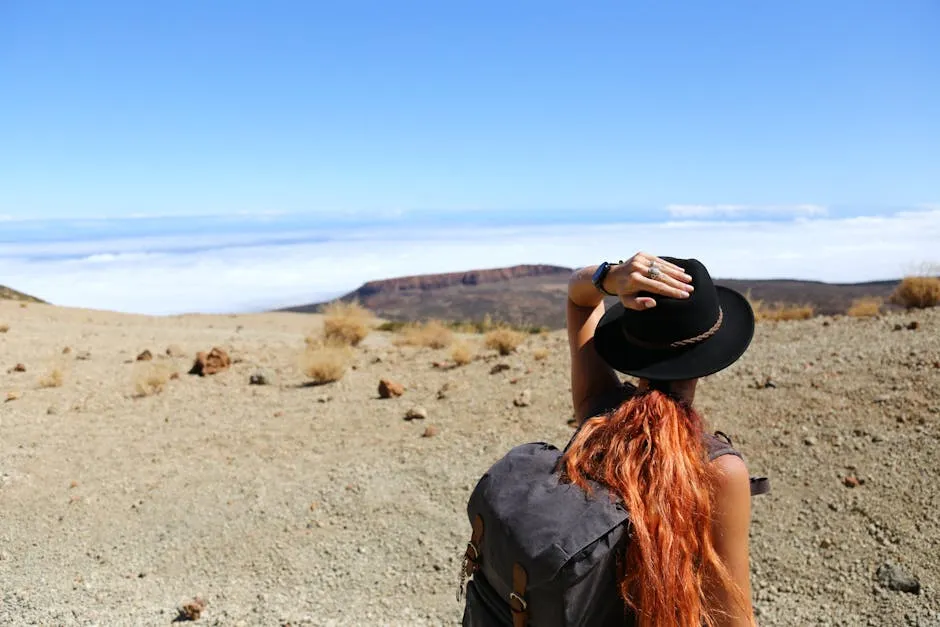
An increasing number of African tour operator bookings are from women travelling alone, a movement some operators have championed through dedicated women-only solo initiatives. The shift is significant and sustained.
Solo female travellers already account for a notable share of female tourism demand globally. Research has analysed female solo traveller demand worldwide to identify key factors that outline the profile of this segment. Africa is increasingly central to that picture.
Women-led solo travel is rising as more women seek tailored, independent adventures. What makes Africa compelling for these travelers is not just safety infrastructure, but the richness of human connection available to those who seek it without a group between them and the experience.
Infrastructure Is Changing the Equation
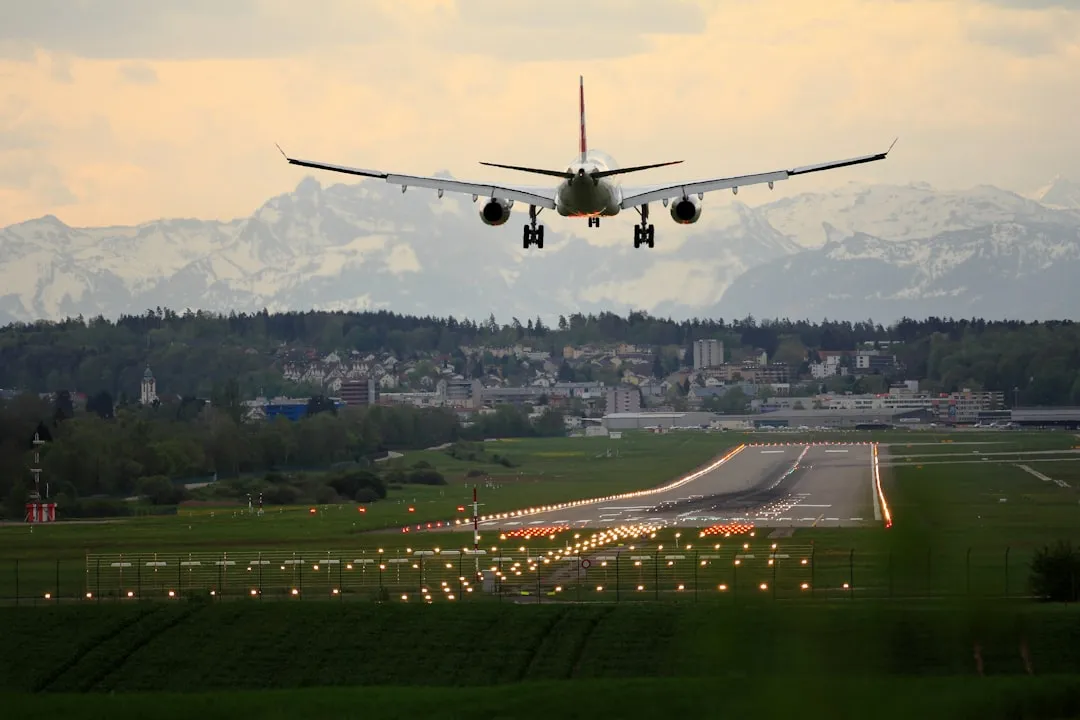
The rise in African tourism is being driven by several factors, with improved travel infrastructure being a principal one. Across the continent, airports are being built, expanded, or renovated to better welcome travellers.
Kenya, Rwanda, Ghana, Morocco, and countries within the Southern African Development Community have all recently relaxed visa requirements, boosting intra-African travel. For solo travelers moving across borders, this matters enormously in practical terms.
Africa’s expanding air connectivity has the potential to transform its tourism landscape, introducing multi-destination itineraries and strengthening global ties to underserved markets. New routes provide direct links for travellers from the United Kingdom and Southeast Asia, opening up easier access to Africa’s safari, cultural, and vibrant city experiences.
The Economics of Going Alone

Solo travel carries a reputation for being expensive, but the reality in much of Africa is more nuanced. Africa offers an extraordinary range of budgets. You can backpack through East Africa on roughly thirty to fifty dollars per day, or enjoy mid-range comfort in Southern Africa for sixty to a hundred dollars per day.
Tourism receipts in Africa reached USD 42.6 billion in 2024, accounting for 41% of Africa’s service exports, the highest share globally. That means tourism spending creates real, traceable impact in the communities that solo travelers pass through.
Supporting local businesses, guides, and artisans is not just an ethical checkbox. In Africa’s tourism economy, it is directly linked to how conservation areas are funded, how schools in remote areas get built, and how young guides develop careers that keep them connected to the land they protect.
What the Natural World Teaches You When You Face It Alone
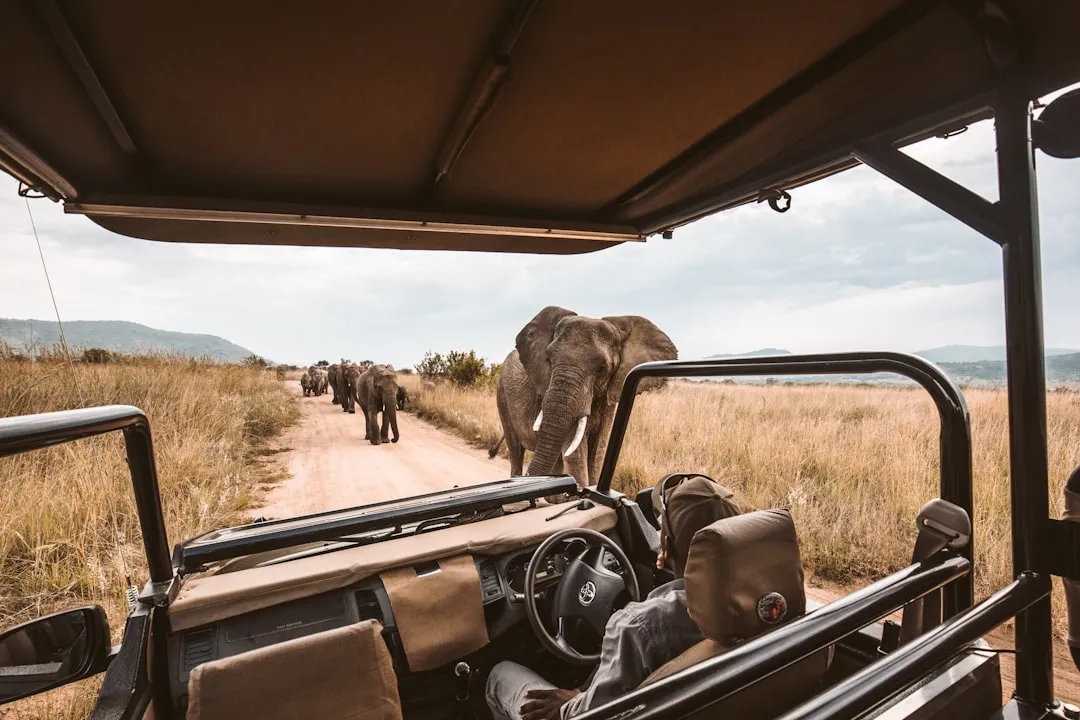
There is a specific kind of silence that exists in the African bush before dawn. No vehicle sounds, no voices. Just wind through tall grass and occasionally, the low exhale of something large moving nearby. That experience does not register the same way when you are surrounded by twelve other travelers in a vehicle discussing dinner options.
Research examining physiological stress markers demonstrates that travel experiences, particularly those involving nature exposure and routine disruption, significantly reduce cortisol levels. The African wilderness offers both in abundance.
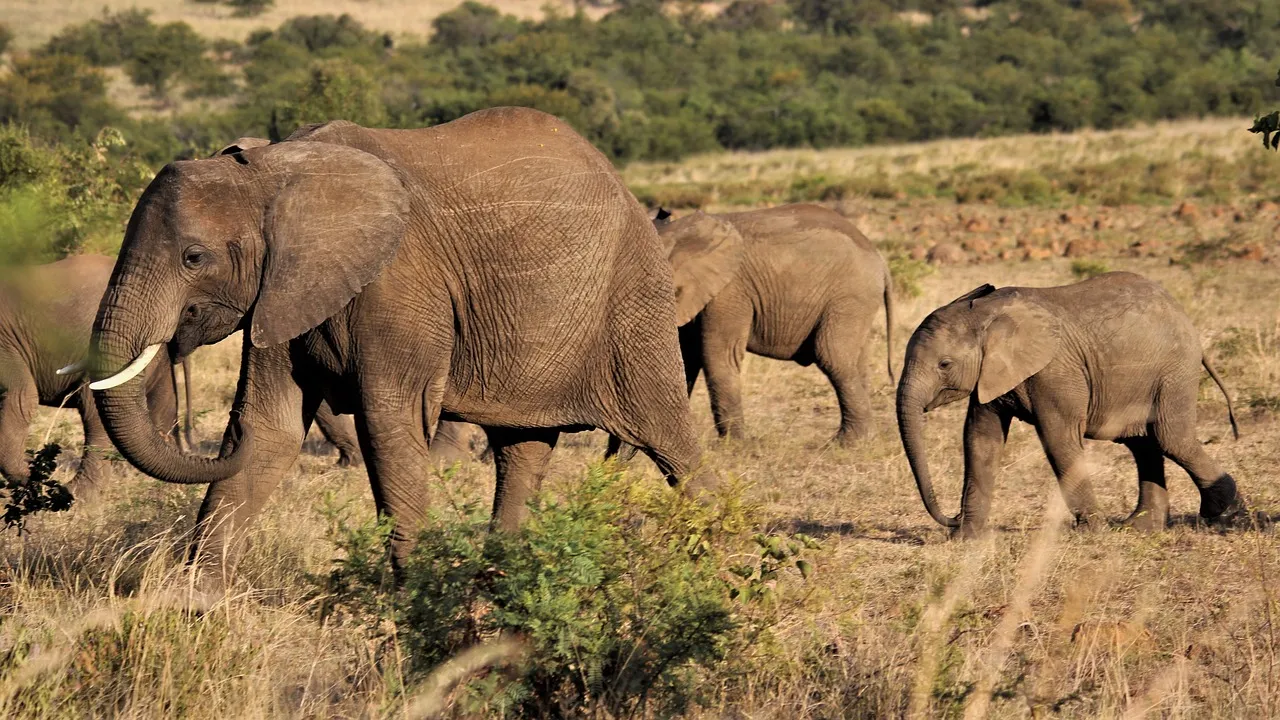
Africa’s safari experiences are genuinely transformative. Watching elephants cross the plains at sunrise or hearing lions call under the stars, whether in Kenya’s Masai Mara or Namibia’s rugged deserts, these are not just animal sightings. They are moments that stay with you. Facing them without the mediation of a group gives them an entirely different weight.
The Lesson That Travels Home With You
The continent rewards those who approach it without pretense. You cannot script a solo journey through Africa. You can plan it, you can prepare for it, but you cannot fully control it, and that is precisely the point.
Many travelers now see solo journeys as a form of self-reclamation, an intentional act of empowerment. Solo travel is more than an escape: it is a psychologically rich practice that supports personal growth, emotional resilience, and holistic well-being.
According to the UN Tourism Barometer, Africa saw 74 million tourist arrivals in 2024, up 7% on pre-pandemic levels and 12% on 2023. In the first quarter of 2025 alone, the continent recorded 9% growth in international arrivals compared with the same period in 2024. The world is turning toward Africa. Those who go alone tend to understand why more clearly than those who never leave the tour bus.
The four lessons summarized here, flexibility over control, grounded safety over fear, human connection over transaction, and solitude as a tool rather than a problem, are not unique to Africa. They are lessons available anywhere. Africa just has a particular way of making sure you actually learn them.
AI Disclaimer: This article was created with the assistance of AI tools and reviewed by a human editor.