


Montreal is a city that takes its food seriously. There’s a particular rhythm to the way residents here approach weekly groceries – it’s less about convenience and more about connection, quality, and the quiet ritual of knowing your vendors by name. The city’s public markets have been central to that rhythm for generations, offering something that no supermarket can replicate: a direct line between the people who grow the food and the people who eat it.
These markets are more than shopping spaces. They reveal local food culture through seasonal produce, artisan vendors, and neighborhood energy, connecting residents with producers and boosting access to fresh foods across the city. Remarkably, more than three out of four Montrealers visit the city’s public markets. That’s not a tourism statistic. That’s a way of life.
1. Marché Jean-Talon: The Grand Stage of Little Italy
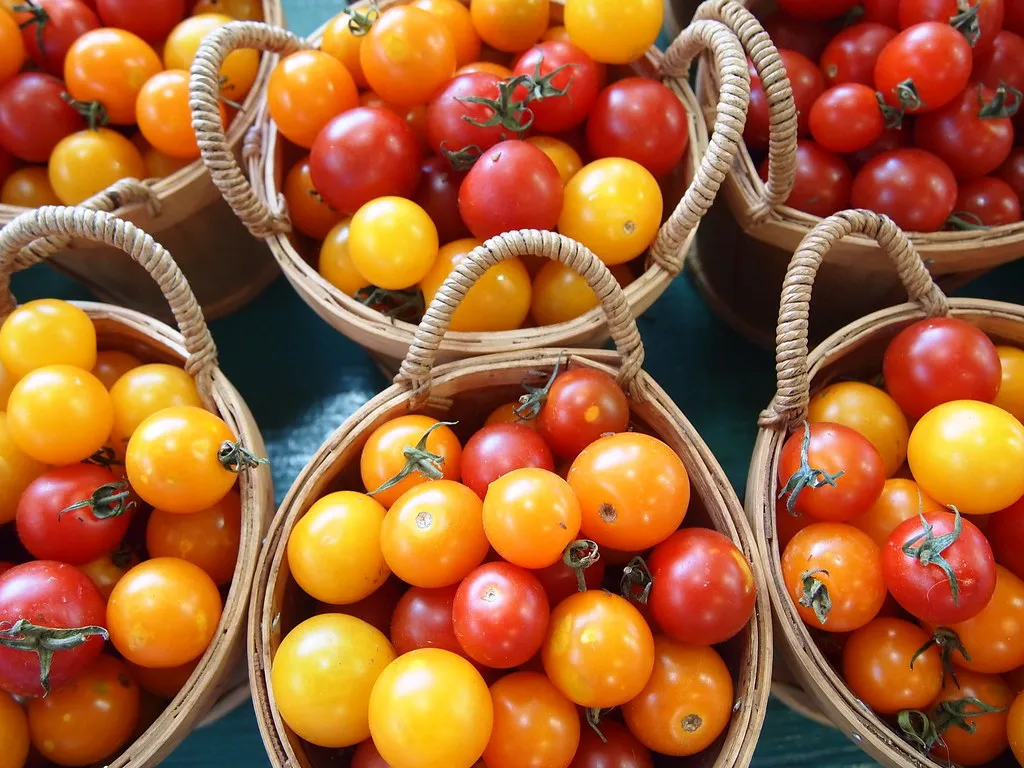
Marché Jean-Talon, located in the heart of the Little Italy district, is more than just a place to shop. Founded in 1933, it is a true cultural hub that attracts both locals and tourists in equal measure. The market was officially opened to the public by Mayor Camillien Houde and was originally known as the “Northern Market” (Marché du Nord), receiving its current name in honor of Jean Talon, the first Intendant of New France.
At the height of the season between May and November, the market counts 150 local fruit and vegetable vendors. In addition to produce, it houses flower stalls, an SAQ, spice shops, butchers, cheese and fish mongers, a chocolate shop, an ice cream parlor, an Italian specialty store, pastry stores, and an array of specialty shops.
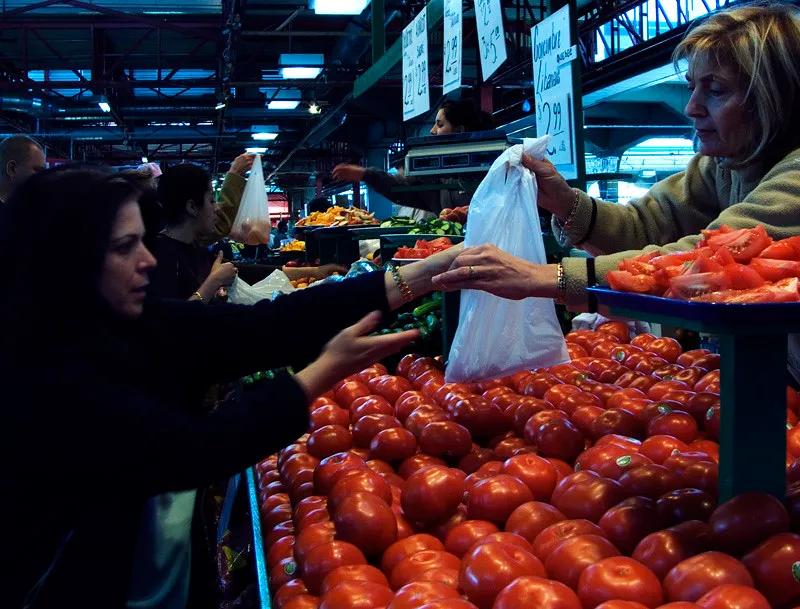
What makes Jean-Talon more than just a shopping destination is the cast of people you’ll find there on any given morning. Tourists and locals shop side by side, and Montreal chefs are a regular presence, stopping to talk shop with their favourite vendors and sourcing whatever looks best that week.
On Thursday through Sunday between June and October, the streets around the market are closed to traffic and fill with strollers, shoppers, and buskers. It’s the kind of atmosphere that makes a grocery run feel like a Saturday morning event worth looking forward to.
The Scale That Sets Jean-Talon Apart
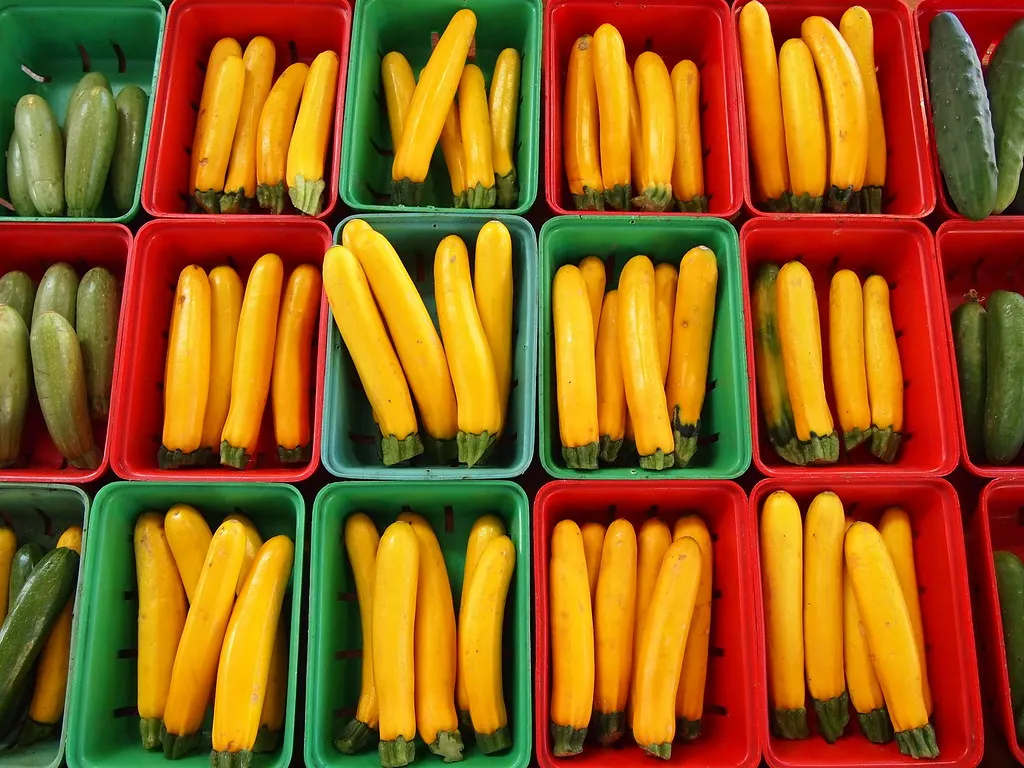
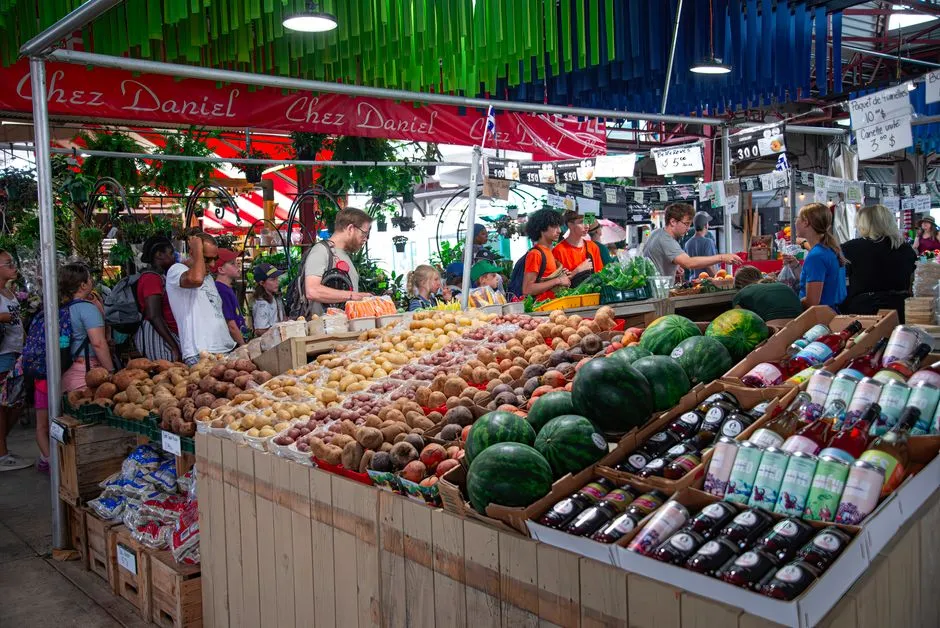
Considered to be one of the largest markets in North America, Jean-Talon takes up two city blocks and hosts hundreds of local fruits and vegetables at peak season between May and November. Vendor counts vary by source, with Montreal’s public markets network describing “nearly 200 vendors” at the height of summer, while other sources report around 300 vendors during the May to October peak period.
During winter, walls are erected to protect the covered part of the market from the elements. In warmer months, the walls are removed and extra open-air stalls are added. The transformation is dramatic, and seeing the market in full summer bloom is genuinely one of the more visually striking experiences the city has to offer.
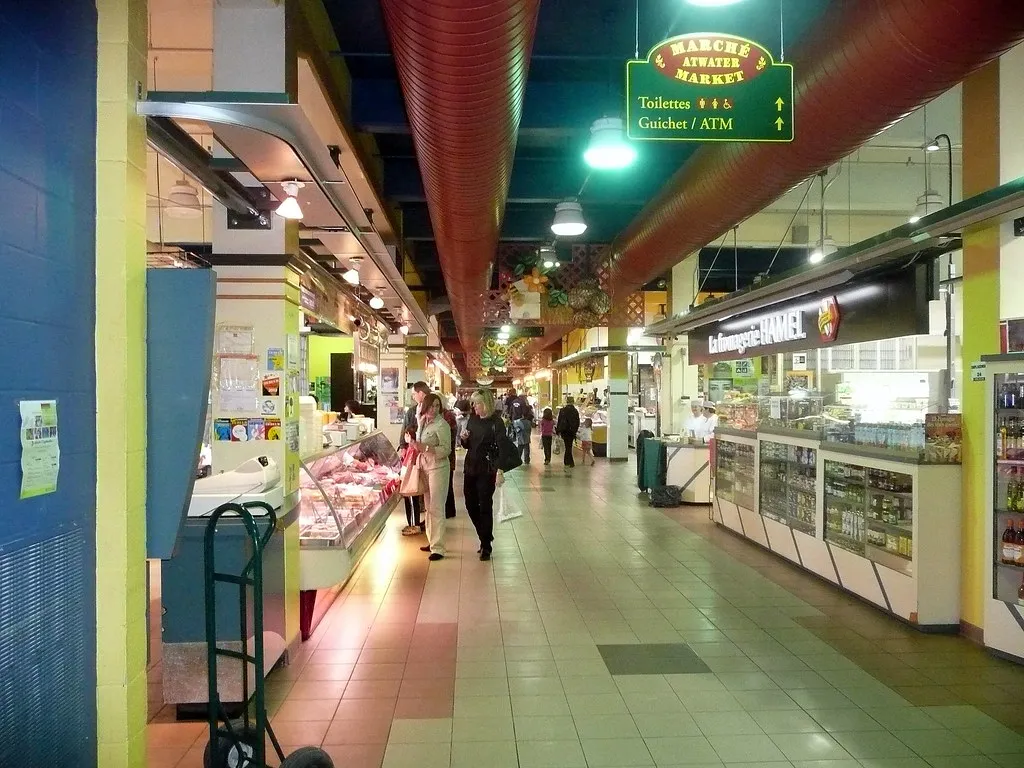
2. Marché Atwater: Art Deco Soul by the Lachine Canal
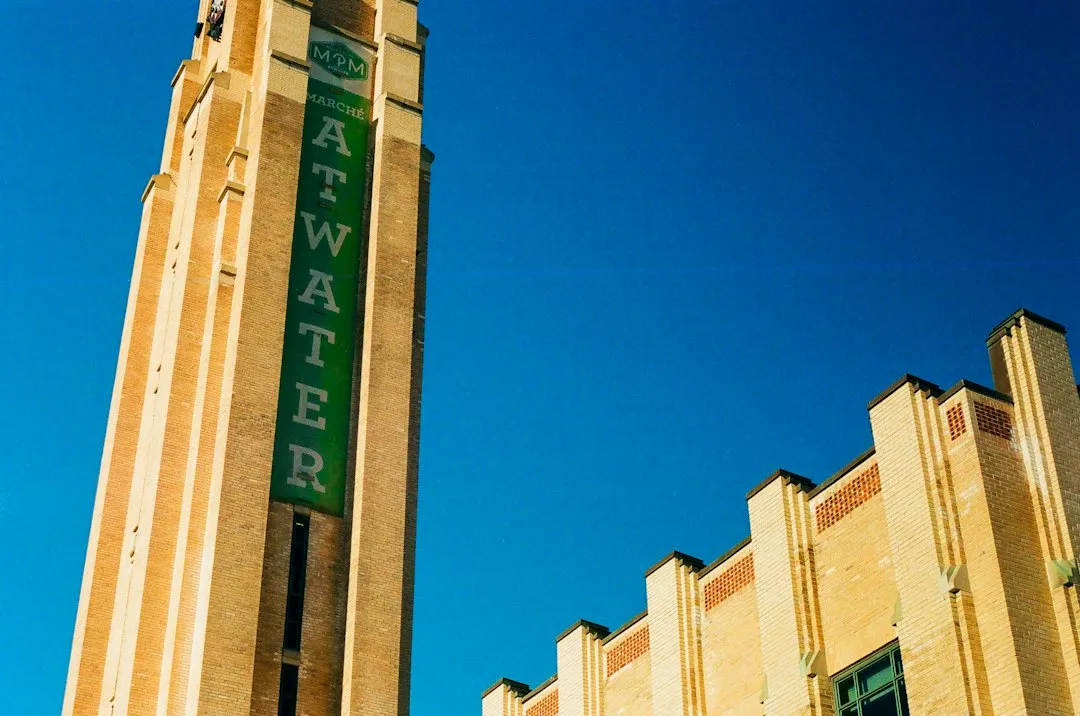
Marché Atwater is a historic public market dating from 1933, renowned for its Art Deco architecture and role as a hub of local gastronomy. The market currently hosts on the order of 60 to 65 vendors covering a wide range of categories. Located at 138 Atwater Avenue in the Sud-Ouest borough near the Lachine Canal, it opened in 1933 during the Great Depression and was built as a public works project under Mayor Camillien Houde.
The market contains roughly eight butcher shops, from large family businesses like Boucherie Adélard Bélanger, which has been operating since 1933, to newer organic vendors, alongside multiple bakeries. At the time of writing in 2025, Marché Atwater’s core vendors consist of roughly two dozen fixed-lease merchants inside the main building, plus many more seasonal and pop-up sellers outdoors in warmer months.
There’s an indoor section that’s permanent and open year-round, housing mostly butchers, cheesemongers, fishmongers, and bakeries. The outdoor section is seasonal and in the summer it’s mostly fruits, vegetables, and plants. The layout makes it easy to plan a full week’s worth of shopping in a single pass.
What Locals Actually Buy at Atwater
In summer, the canal bike path brings a steady crowd looking for a lunch stop or an afternoon snack. The Atwater Market Pôle des saveurs has a well-earned reputation for serving up great food fast in a lively atmosphere. Many vendors are family businesses passed through generations, which gives the market an authenticity that newer food halls simply cannot manufacture.
There is growing consumer interest in locally sourced, organic, and zero-waste products, and Atwater has responded. Regular visitors in 2024 and 2025 have consistently noted the quality of the cheese selection and fresh bread as standout reasons they return week after week. The market offers a beautiful selection of cheeses, meats, fruit and vegetables, pasta, and bread, with every shop operating as a specialty store. Visitors describe it as filled with locals buying their locally grown dinner needs.
3. Marché Maisonneuve: The Eastside Market That Locals Fought to Keep
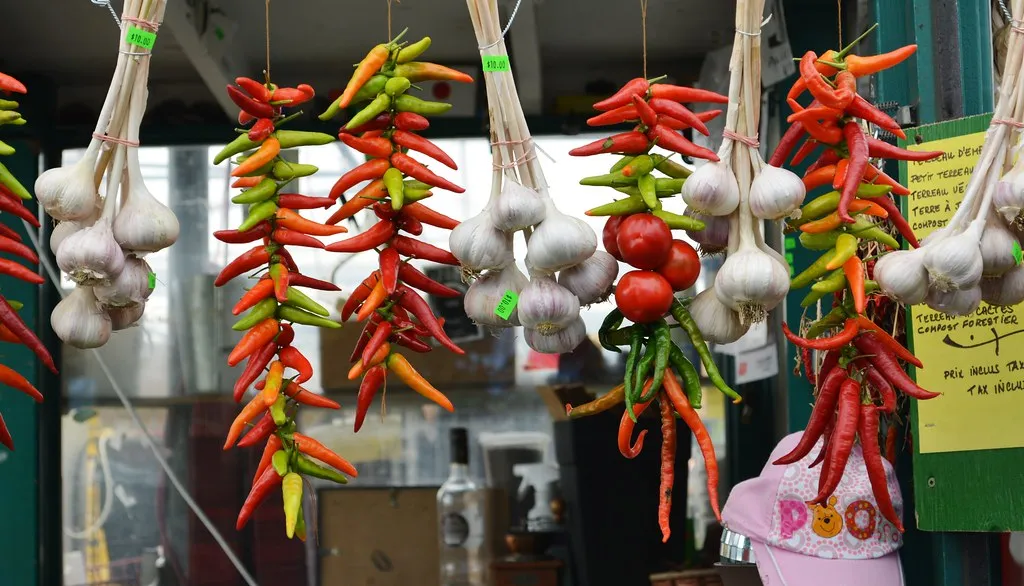
The Maisonneuve Market opened around 1910 in a beautiful Beaux Arts-style building in the Hochelaga-Maisonneuve neighbourhood on the east side of Montreal. It was frequented by locals who flocked to purchase produce from farmers, butchers, and fishmongers. Much to the community’s disappointment, the Maisonneuve Market was closed in the 1960s, only to reopen in the 1980s because of the pressure exercised by local citizens.
In 1995, the market moved to its present location in a modern building, where locals continue to shop for local ingredients from their favourite vendors. Much smaller in size than Jean-Talon or Atwater, it offers all the essentials: flowers, fruits, vegetables, meats, cheese, fish, baked goods, and Quebec-specific products.
At Maisonneuve Market, you’ll find only specialists in their products, committed to offering fresh, quality produce all year round. During the summer season, the market welcomes new market gardeners as well as a wide variety of flowers and herbs. Saturdays from May to October are also transformed into a musical gourmet rendezvous with a lively outdoor area and delicious food offerings.
Why Maisonneuve Feels Different from the Others
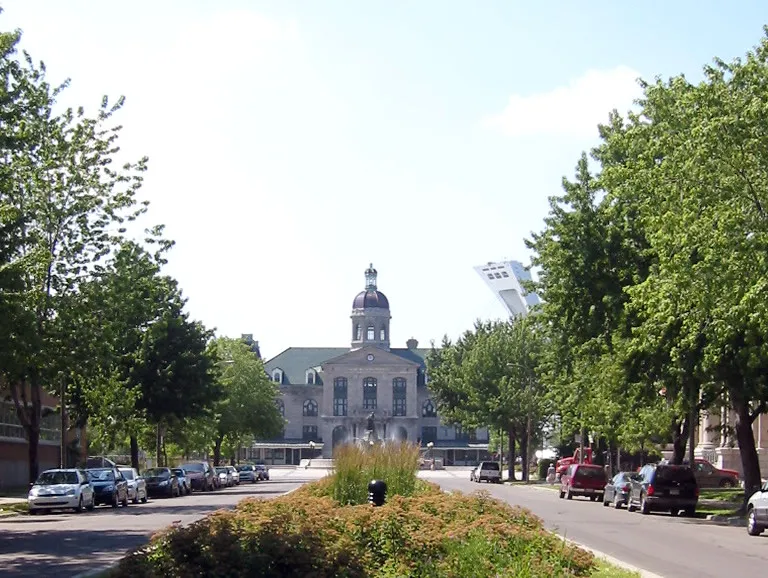
Visiting Maisonneuve means leaving the polished tourist corridors behind and entering a neighborhood that still functions like Montreal did decades ago. The market anchors a working-class community where French is spoken first, prices haven’t caught up to downtown, and vendors remember your face.
Mostly targeting local shoppers, it’s a good place to buy vegetables, fruits, meat, and cheese, with visitors also noting a lovely bakery for breakfast, freshly baked pastries, and great espresso. Prices are slightly higher than at a run-of-the-mill supermarket, but not outrageously so, and the overall quality and selection make it well worth the difference. That’s a fair trade most regulars are happy to make.
4. Marché Lachine: Montreal’s Quieter Corner Market
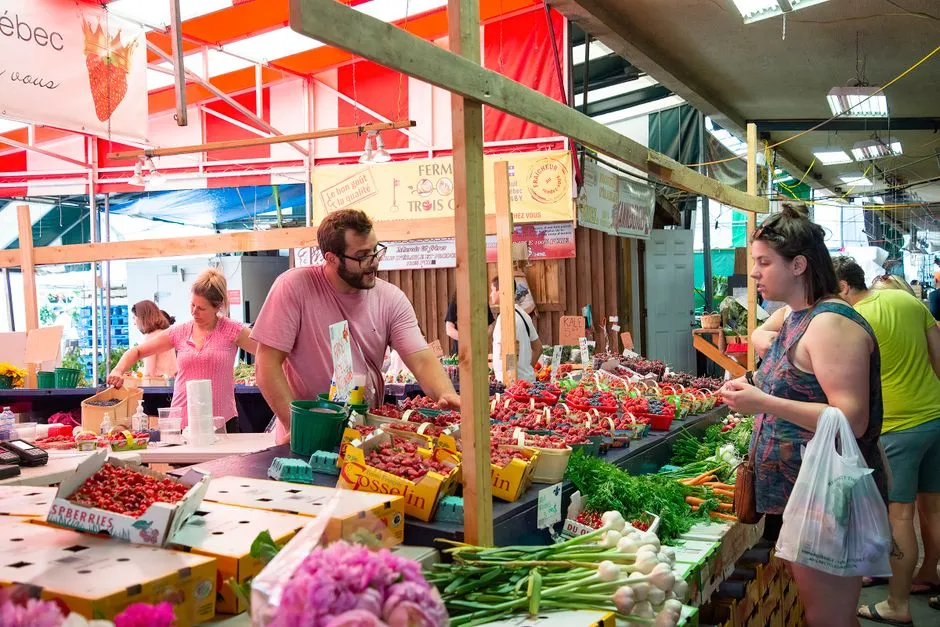
The Public Market of Lachine is part of Montreal’s official network of public markets, situated in the Pôle des Rapides area of the city. Far less crowded than Jean-Talon and without Atwater’s well-worn tourist trail, the Lachine market draws a neighborhood crowd that comes specifically for the produce and the lack of rush. It’s the kind of place where you take your time.
The market sits close to the scenic Lachine Canal corridor, which gives weekend visits a natural rhythm: shop first, then walk or cycle along one of the most beautiful urban waterways in the province. This pairing of market and outdoor space is something Montreal does better than most cities of its size, and Lachine demonstrates that quality even at a smaller scale.
Vendors here rotate seasonally, responding to what Quebec farms are actually producing that week rather than stocking year-round imports. That keeps the range honest and encourages shoppers to cook with what’s genuinely in season, which, for anyone who cares about flavor, makes a real difference on the plate.
The Food Ecosystem Behind All Four Markets
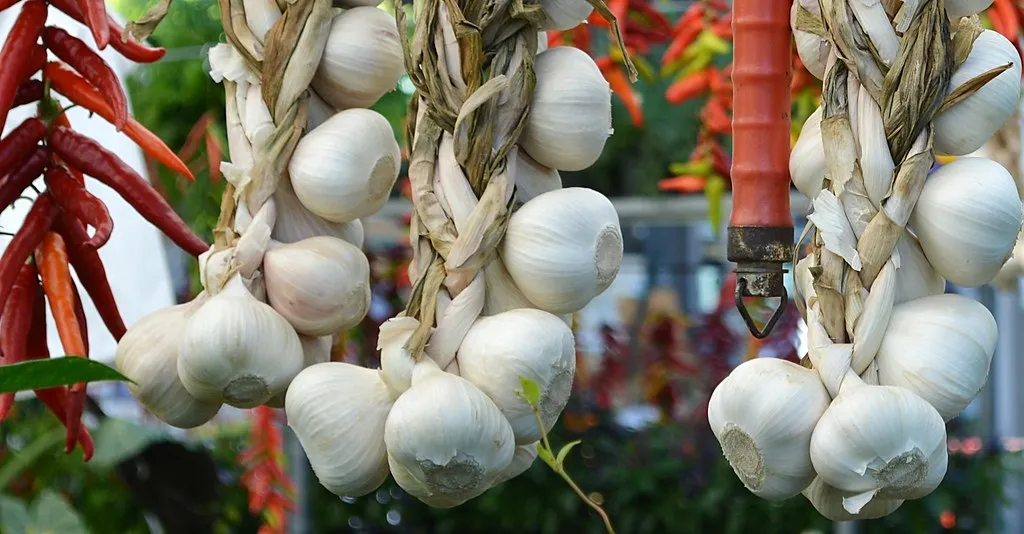
Montreal’s public markets connect residents with producers, boost access to fresh foods, and showcase a citywide short-circuit food system that prioritizes reducing the distance between farm and table. This philosophy isn’t marketing copy. It’s reflected in how vendors source their stock, and regulars notice the difference in quality over time.
Montreal’s urban markets, many of which are more than a century old, offer a wonderful opportunity to sample the province’s fresh produce, cheeses, chocolates, and pastry treats directly from the farms and artisans who create them. The city’s geography also helps: Quebec farms are close enough to supply markets with genuinely local product through most of the growing season.
Going at the Right Time Makes Everything Better
Saturday morning between 9 and 11 a.m. offers peak atmosphere at these markets, while weekday mornings provide a calmer visit. That’s worth remembering if you’re trying to have a real conversation with a vendor rather than navigating a dense weekend crowd. Weekday regulars often point out that they get better access to the best stock before it sells out.
Bringing your own bags is standard practice here, and reusable baskets are genuinely practical given the volume most locals carry out. Many shoppers build their weekly menus around what they find rather than arriving with a fixed list. That flexibility is part of what makes market shopping a different experience from a supermarket run.
What These Markets Mean for the City’s Food Culture
Montreal’s food identity is built on a genuine respect for ingredient quality, and these markets are central to maintaining that standard. The chefs who shape the city’s restaurant scene rely on the same stalls and vendors that neighborhood families use on Saturday mornings. That overlap between professional and domestic food culture gives Montreal markets a seriousness that sets them apart.
The Jean-Talon market in particular feels very authentic to Montreal life, bustling with locals doing weekly grocery runs. It’s an ideal place to find edible products like artisanal jams, Quebec cheeses, and specialty items. Similar energy, just at different scales, runs through Atwater, Maisonneuve, and Lachine as well.
Practical Notes for First-Time Visitors
Jean-Talon is accessible via the Jean-Talon Metro station, while Atwater sits near the Lachine Canal and is walkable from Saint-Henri. Atwater is also right by the Lionel-Groulx Metro station, making it very accessible via public transit. Maisonneuve can be reached from the Pie-IX station on the Green Line.
Admission to all four markets is free, and the majority of vendors accept both cash and card. Language is rarely a barrier, though making an effort with a few words of French is always appreciated and often warmly received. Pack light on the way in, because you will almost certainly leave heavier than you arrived.
The Takeaway
What makes these four markets worth visiting, and worth returning to week after week, is that they function as genuine community infrastructure rather than commercial attractions. The produce is fresher, the vendors are knowledgeable, and the experience of choosing a piece of cheese from a specialist who has carried the craft for decades is simply different from pulling something wrapped in plastic off a refrigerated shelf.
Montreal’s markets have outlasted economic downturns, city closures, and decades of shifting urban life. That resilience tells you something real about how much residents value them. If you want to understand what this city actually eats, and how it thinks about food, spending a morning at any one of these four is a very good place to start.
AI Disclaimer: This article was created with the assistance of AI tools and reviewed by a human editor.