
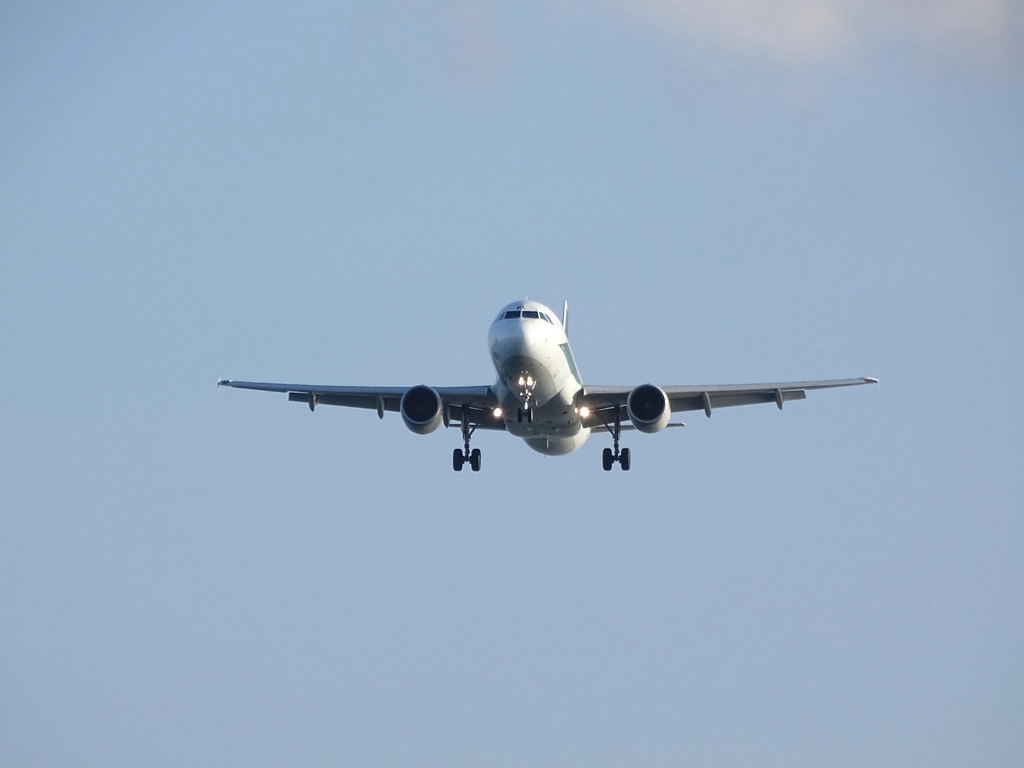

Flying makes a lot of people uneasy. Not just a few, and not just those with diagnosed phobias. A 2026 TPG/YouGov survey found that a striking 74% of U.S. air travelers admit to feeling not very, somewhat, or very nervous when flying. That’s most of the people on any given plane.
Fear of flying exists on a spectrum. For some, it’s mild pre-flight jitters, while for others it can be a debilitating phobia that prevents them from flying altogether. Wherever you fall on that range, the period before boarding tends to be where anxiety peaks, and that’s also where small, deliberate habits can make an outsized difference. The four practices below are grounded in research, practical to build into your routine, and genuinely worth trying.
1. Understand the Actual Safety Numbers
One of the most reliable ways to calm a worried mind is to give it something accurate to hold onto. The numbers around air travel safety are genuinely reassuring, not just reassuring in a “they would say that” way. According to IATA’s annual safety report for 2024, released in February 2025, five billion passengers traveled on over 40 million flights that year. The accident rate stood at 1.13 accidents per million sectors. The fatality risk was 0.06, meaning that on average, a person would need to fly daily for 16,000 years to experience a fatal accident.
According to research from the Massachusetts Institute of Technology, your odds of being in a fatal plane crash are about one in 13.7 million, much lower than the chance of being in a car accident. That comparison tends to land differently than abstract statistics alone. Most people drive to the airport without a second thought.
For aviation professionals, these safety figures confirm that commercial air travel is among the safest forms of public transportation. Keeping a note of these figures somewhere accessible, whether saved in your phone or written down, gives nervous flyers something concrete to return to when anxiety tries to fill in the blanks with worst-case scenarios.
2. Master a Breathing Technique Before You Board
This one sounds almost too simple, but the science behind it is solid. Deep breathing encourages full oxygen exchange, helping to slow down your heart rate and stabilize blood pressure, thereby reducing stress and anxiety. That physiological chain reaction is real, measurable, and teachable.
One of the most detailed analyses on the subject looked at 58 clinical trials evaluating breathing-based techniques for stress and anxiety. The results showed that 54 out of 72 breathing methods reduced psychological distress, proving that breathwork serves as a legitimate therapy option. These weren’t marginal findings.
Slow breathing enhances top-down emotional regulation by improving amygdala and medial prefrontal cortex connectivity in the brain, which in practical terms means it helps the thinking part of your brain stay in control when the fear response kicks in. Breathing techniques are especially useful for anticipatory anxiety, the kind that builds in the days or hours before departure. The key is to practice the technique before travel day so it feels familiar when you need it most. A simple approach: inhale for four counts, hold for two, exhale for six. The longer exhale is what activates the calming response.
3. Pack Early and Prepare the Night Before
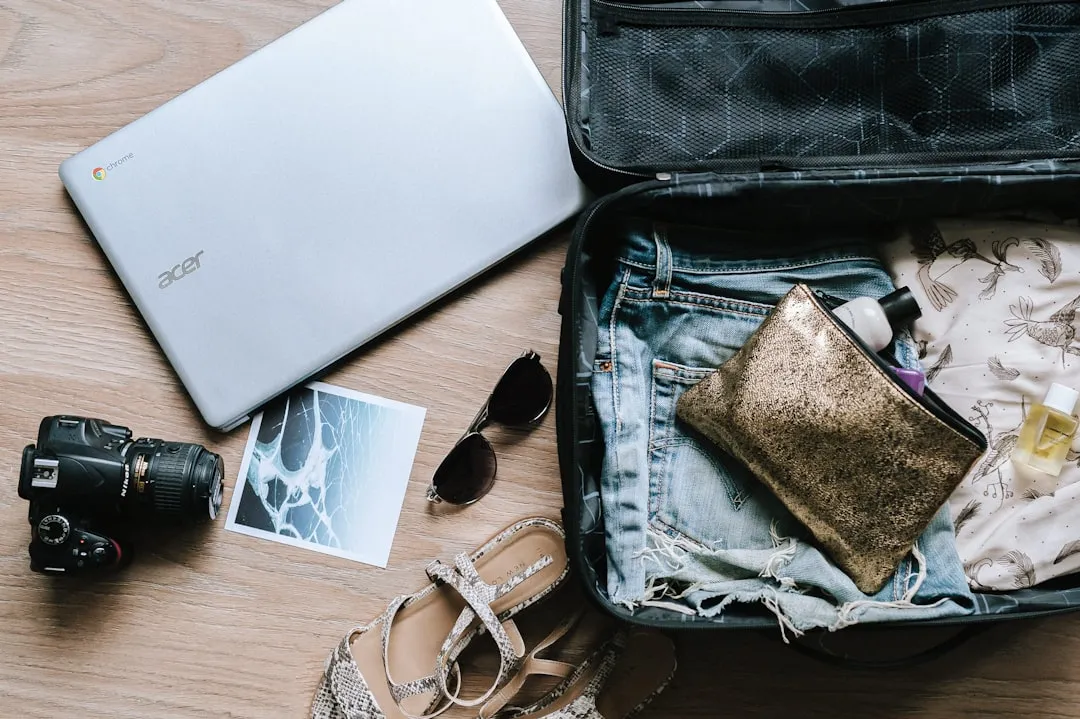
It’s easy to underestimate how much last-minute chaos feeds into flight anxiety. The frantic search for your passport at 5 a.m. doesn’t just make you late. It primes your nervous system for a stressful day before you’ve even left the house. Packing at the last minute can lead to unnecessary stress and a restless night. Packing when you’re in a calm and organized mindset, ideally a day or two before your flight, ensures all essential items including travel documents are accounted for.
Having a plan reduces anticipatory anxiety. Something as straightforward as laying out your travel outfit, checking your boarding pass, and confirming your terminal the evening before takes maybe fifteen minutes but removes a surprising amount of mental load from the morning itself. Checking your flight number, departure time, and terminal one last time the night before matters because even small schedule changes can affect airport arrival timing.
Planning and organizing ahead of time eliminates the last-minute rush and panic that often accompanies early departures. Packing your bags the night before gives you a clear timeline and ensures you have everything you need without any stress or scrambling in the morning. For nervous flyers, that calm start is not a luxury. It genuinely sets the emotional tone for the entire travel day.
4. Protect Your Sleep the Night Before the Flight

Sleep deprivation amplifies anxiety. That’s not a hunch. It’s a well-documented relationship, and it’s particularly relevant for nervous flyers who may already be lying awake running through what-if scenarios. Even when feeling anxious, sticking to a solid sleep routine is crucial. Going to bed and waking up at the same time every day, even on weekends, helps maintain a steady sleep cycle.
Caffeine is best limited in the afternoon and evening, especially before an early flight, since it increases anxiety and can make it harder to sleep. Alcohol, while it might initially cause drowsiness, disrupts sleep quality and leaves you feeling groggy. Avoiding both the night before a flight ensures you wake up refreshed.
Establishing a bedtime routine is crucial for a good night’s sleep and waking up feeling refreshed. By engaging in relaxing activities before bed, you create an environment conducive to quality rest. A restful sleep sets the foundation for a successful early wake-up. Options worth trying include reading, deep breathing exercises, meditation, journaling, or sound therapy, since incorporating any calming routine before bed can help ease pre-flight nerves and promote better sleep.
How Anxiety Actually Works Before a Flight
Pre-travel anxiety doesn’t wait until you arrive at the airport. It shows up days or weeks early, hijacking your sleep and turning packing into a full-body stress event. Understanding this pattern matters because it means the window for preparation is wider than most people realize.
The COVID-19 pandemic fundamentally altered the landscape of flight anxiety. Health-related flight anxiety emerged as a new category, with passengers fearing illness transmission in enclosed cabin environments. Travel industry surveys including Expedia’s Travel Trends 2024 report noted a 15 to 20% increase in reported flight anxiety post-pandemic. Many flyers who had been grounded for two or three years found their previous coping habits had faded.
This context is useful because it normalizes the experience. If your anxiety around flying has felt more intense in recent years, you’re far from alone, and it doesn’t mean you’ve developed a deeper phobia. It often just means your nervous system got out of practice.
The Role of Distraction and Preparation in the Airport
Distraction can help manage anxiety. Before your flight, preparing a great playlist, downloading a podcast, packing a book, or planning to watch a movie gives your mind something purposeful to land on. These aren’t frivolous extras. They’re tools.
Considering which activities help you feel calm and building these into your pre-flight routine makes a real difference. Effective relaxation techniques for flying anxiety can include guided meditation on an app, mindful breathing exercises, listening to calming music, calling a friend or family member, drinking herbal tea, or applying a favorite scent. Making time to fit in calming activities before boarding is worth the effort.
Many large airports now have meditation and yoga rooms. Arriving with enough time to use those spaces rather than rushing straight to the gate changes the whole pre-boarding experience. Arriving early isn’t just about logistics. For nervous flyers, it’s about giving your nervous system room to settle.
What Not to Do Before a Flight

A few pre-flight choices seem comforting but actually work against you. Alcohol is the most common one. Doctors advise avoiding both caffeine and alcohol before a flight, as they can leave you more dehydrated. Nervous flyers should avoid a pre-flight alcoholic beverage, since alcohol can also make it harder for your body to adjust to being airborne.
Instead, opting for water and a light meal pre-flight, or carrying a light snack like carrot sticks, nuts, or an apple, helps you feel nourished without adding physical discomfort on top of anxiety. Blood sugar crashes mid-flight tend to make everything feel more overwhelming than it needs to be.
Doom-scrolling aviation news the night before is another one to skip. Overhyped news of air travel incidents can play a significant part in increasing concerns. Your brain isn’t well-equipped to put individual incidents into statistical context, especially when you’re already anxious. If you need information, reach for the IATA data instead.
The Value of a Pre-Flight Routine, Not Just Habits

Individual habits help. A consistent routine helps more. The difference is that a routine creates a psychological container for your anxiety. When you do the same calming sequence before each flight, that sequence starts to signal safety to your brain through repetition alone.
Keeping simple routines such as 10-minute meditations, staged packing, and a short checklist has been shown to lower build-up stress in the days before travel. These don’t need to be elaborate. A short breathing exercise after checking in online, a consistent playlist you listen to on the way to the airport, and a specific snack you always bring are enough to form a ritual that your brain learns to associate with manageable travel.
Considering which activities help you feel calm and building them into a pre-flight routine matters. Effective options include guided meditation on an app, mindful breathing exercises, listening to calming music, calling a friend, or drinking herbal tea. The specific activity matters less than the consistency of returning to it before each flight.
When to Consider Professional Support
The habits above work well for the vast majority of nervous flyers. But it’s worth knowing where the line is. Fear of flying exists on a broad spectrum, from mild pre-flight jitters to a debilitating phobia that prevents people from flying altogether. If your anxiety sits at the more severe end, these habits are a starting point, not a complete solution.
If anxiety is severe enough to cause panic attacks, prevent sleep for several nights before travel, or make it hard to function during the trip itself, it’s worth asking a clinician about support options. Some people benefit from a low-dose anti-anxiety medication for flight days or high-stress travel situations.
Flying phobia treatments typically involve a combination of exposure therapy and cognitive behavioral techniques. In a comprehensive review of psychological interventions for specific phobias, exposure therapies were found to be effective in the treatment of flying phobia. For those whose fear is genuinely limiting their life, that route is worth exploring seriously and without embarrassment.
Grounding Techniques for the Gate Area
The gate is often where anxiety spikes hardest. You’ve committed to the trip, the plane is visible through the window, and there’s nothing left to organize. A quick practice like a 5-4-3-2-1 grounding technique, where you name five things you can see, four you can touch, three you can hear, two you can smell, and one you can taste, can interrupt racing thoughts and bring attention back to the present moment.
A short 10-minute guided meditation has been shown to effectively help reduce feelings of anxiety by up to 31%. Many free meditation apps offer flight-specific sessions you can run through while waiting to board. Headphones in, eyes softly closed, feet flat on the floor. It’s low-key, it requires no explanation to anyone around you, and it works.
The gate area also tends to have more space than people use. A quiet walk around the terminal, away from the boarding crowds, can help discharge some of the restless energy that builds before takeoff. Movement, even gentle movement, signals to the body that it is not trapped.
The Takeaway
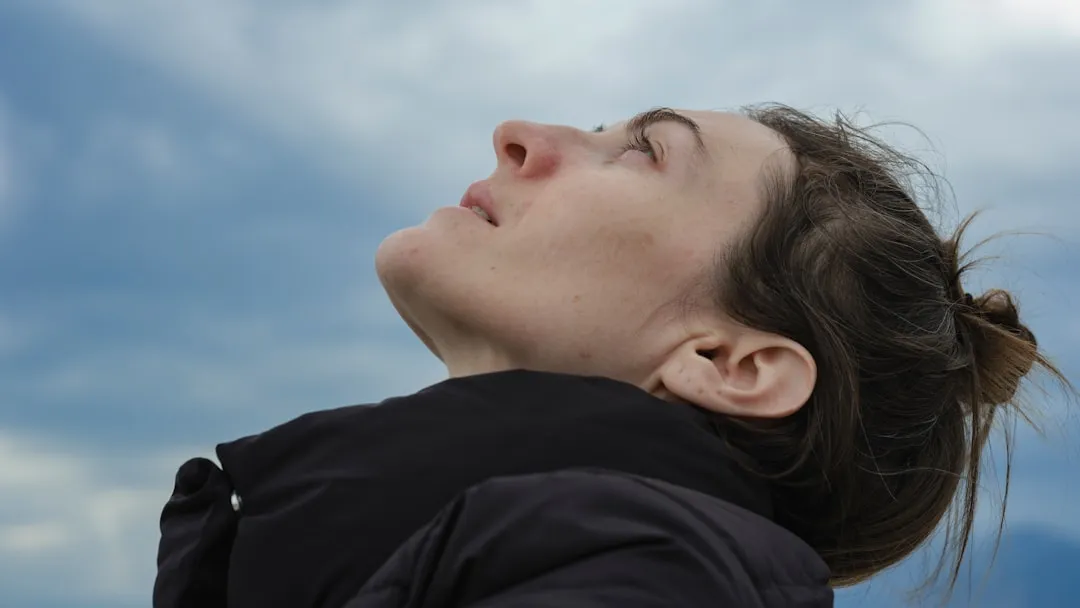
Nervous flyers often assume there’s nothing to be done except white-knuckling through it. The evidence suggests otherwise. Simple grounding techniques, early preparation habits, and a few sensory tools can lower anxiety before you leave and keep you steadier while you’re in motion. None of these require willpower or fighting your feelings.
What they require is a bit of deliberate preparation in the days before you fly, treating the pre-flight window as part of the journey rather than just the waiting room before it begins. The four core habits, understanding the real safety data, practicing breathwork, organizing the night before, and protecting your sleep, work together rather than independently. Each one reduces a different source of stress.
Flying remains, by every available measure, one of the safest ways to travel. The difficulty is that fear rarely responds to statistics alone. It responds to the feeling of being prepared, grounded, and cared for. That’s exactly what these habits are designed to provide.
AI Disclaimer: This article was created with the assistance of AI tools and reviewed by a human editor.