
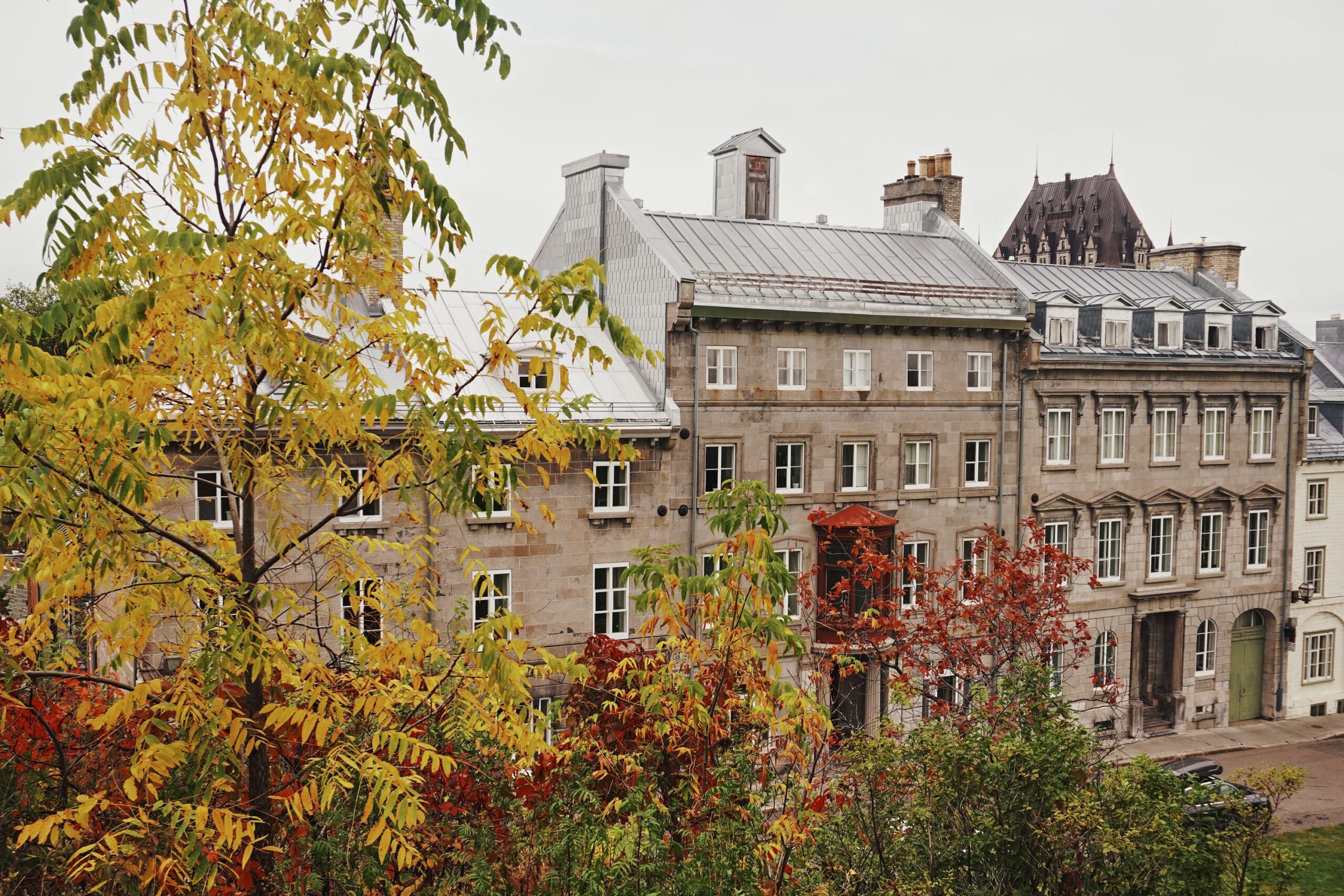

1. Place Royale: Where French North America Was Born
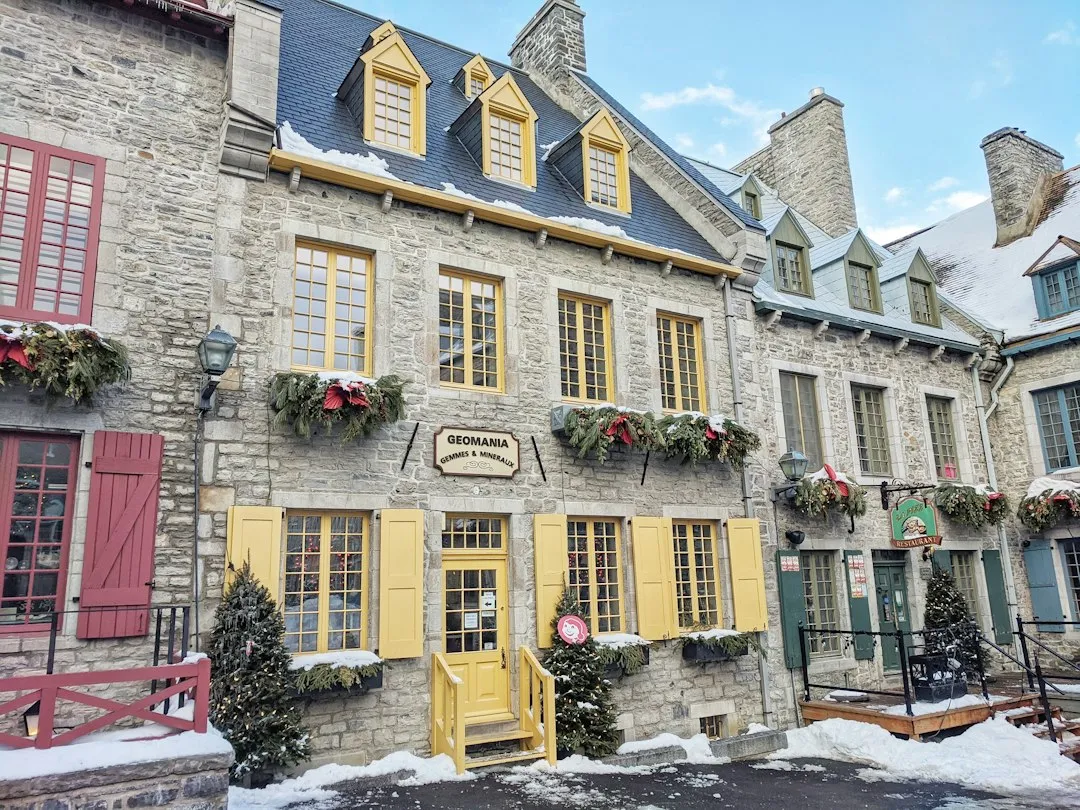
Place Royale is where Samuel de Champlain founded the City of Québec in 1608, and it marks the precise location where he built the first permanent French settlement in the Americas, a structure that served simultaneously as a fort, store, trading post, and residence. Standing in this square today, surrounded by stone façades and gabled rooflines, the weight of that moment is almost tangible.
The French influence is evident everywhere you look in Place Royale, and the two- and three-storey plastered stone homes with their dormer windows, gabled roofs, large chimneys, and firewalls rising above the rooftops make it genuinely hard to believe you’re not somewhere in provincial France.
The varied architecture of the square reflects the successive periods of French and British colonization, with a few steel and glass structures that acknowledge the twenty-first century. Even those modern touches feel modest against the mass of centuries-old stone.
2. Notre-Dame-des-Victoires Church: The Oldest Stone Church in North America
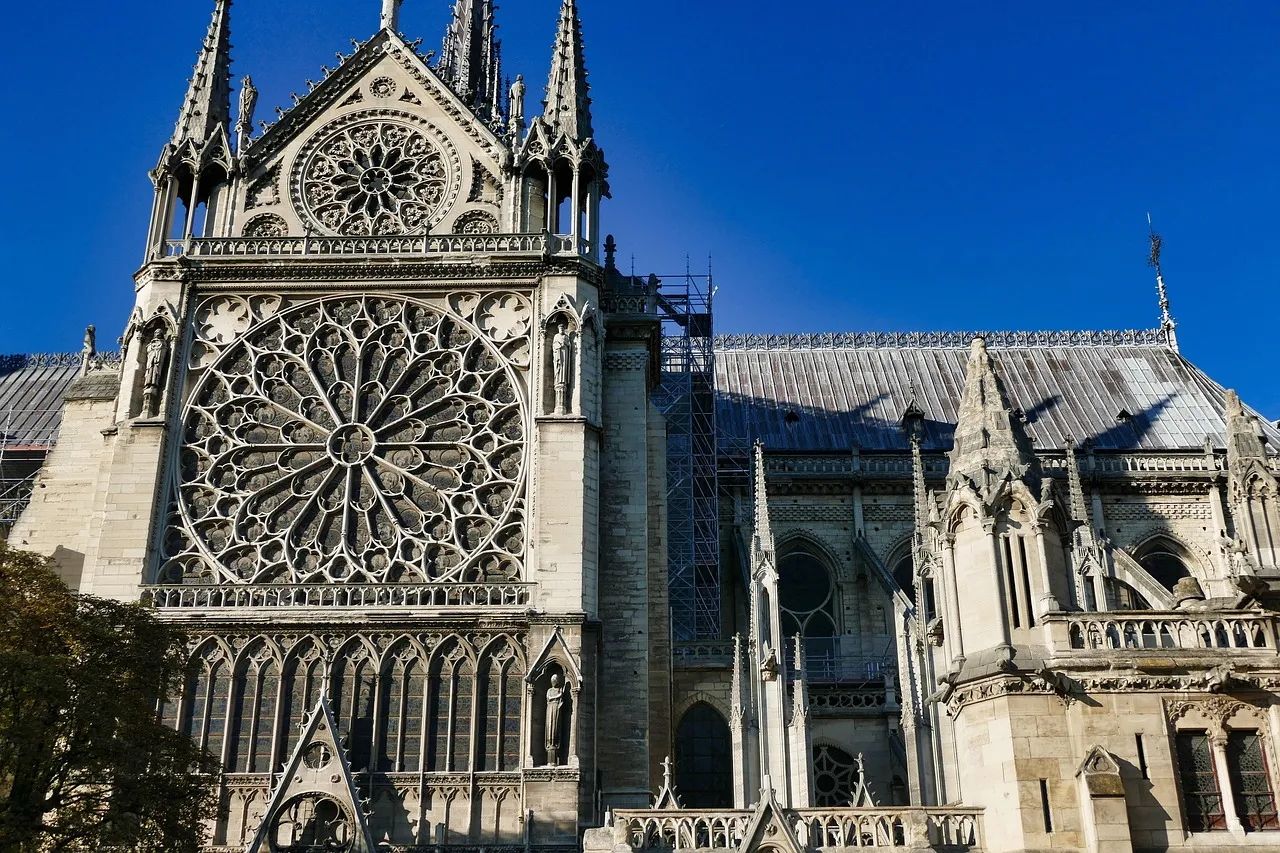
Built in 1688 on the spot where Samuel de Champlain’s first outpost once stood, Notre-Dame-des-Victoires is the oldest stone church in North America, and it was nearly destroyed during the Battle of the Plains of Abraham in 1759. The fact that it still stands, still holding Sunday services, speaks to both the durability of the building and the determination of the people who kept restoring it.
Despite the many transformations that have marked its history, Notre-Dame-des-Victoires remains Place Royale’s most authentic building from the French Regime. Construction began in 1688 on the ruins of Champlain’s “abitation,” the colony’s first building, and one of its greatest victories is the fact that it has remained faithful to its original architectural design to this day.
The church was named for two French victories over British fleets, in 1690 and in 1711. That naming detail alone tells you something about the spirit of this city: history here isn’t just commemorated, it’s embedded in the very names of its buildings.
Notre-Dame-des-Victoires Church was designated a National Historic Site of Canada in 1988 because of its strong associations with the development and the people of Québec. A designation like that doesn’t come lightly.
3. Rue du Petit-Champlain: One of the Oldest Commercial Streets in North America
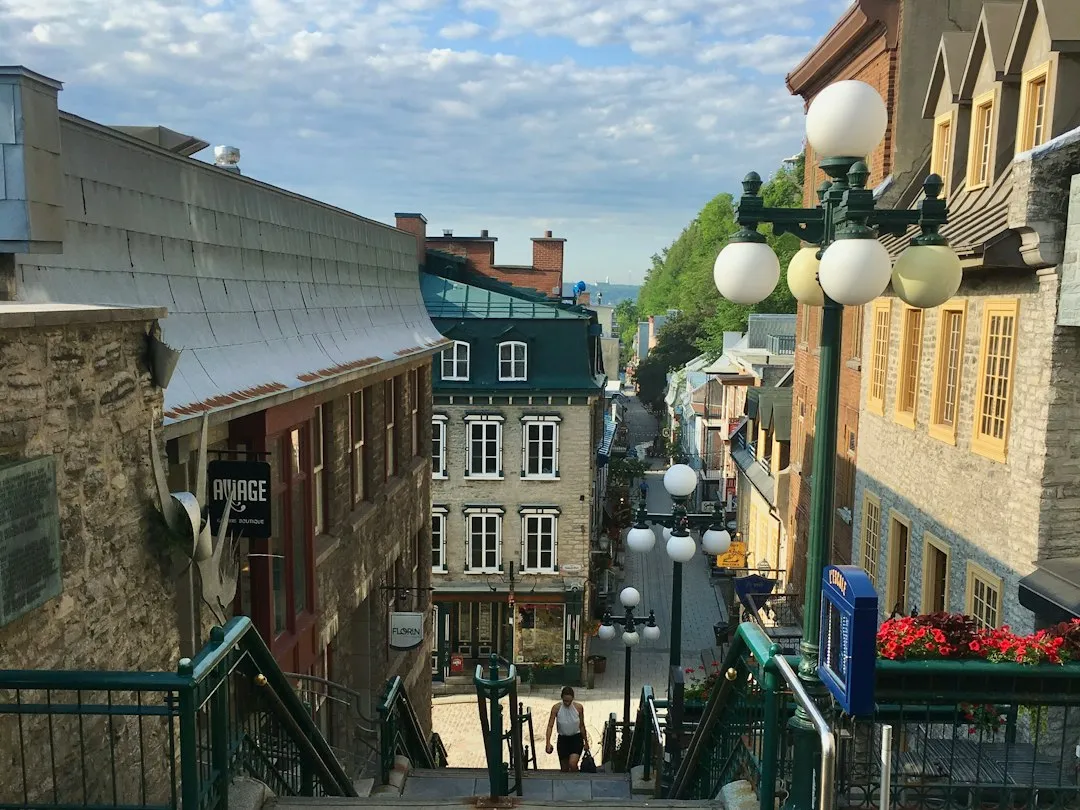
This postcard-perfect street, one of the oldest commercial streets in North America, is lined with one-of-a-kind boutiques and restaurants. It’s a short walk, geographically speaking, yet it somehow manages to feel like an entire afternoon.
Petit-Champlain is known for its boutiques featuring everything from Québec-made boots and moccasins to sculptures, jewellery, and local terroir products. Visitors can sample fudge or maple syrup, shop for clothing by local designers, and meet talented local artists. It’s commercial, yes, but thoughtfully so. The goods here reflect the place rather than obscuring it.
Quebec City’s oldest stairway, the Breakneck Stairs, were built in 1635 and today serve as a popular viewpoint for visitors looking down over Rue du Petit-Champlain. Descending those steps is its own small ritual, one that connects you physically to the topography that shaped this entire city.
4. The Fortified Walls and Ramparts: The Last of Their Kind in North America
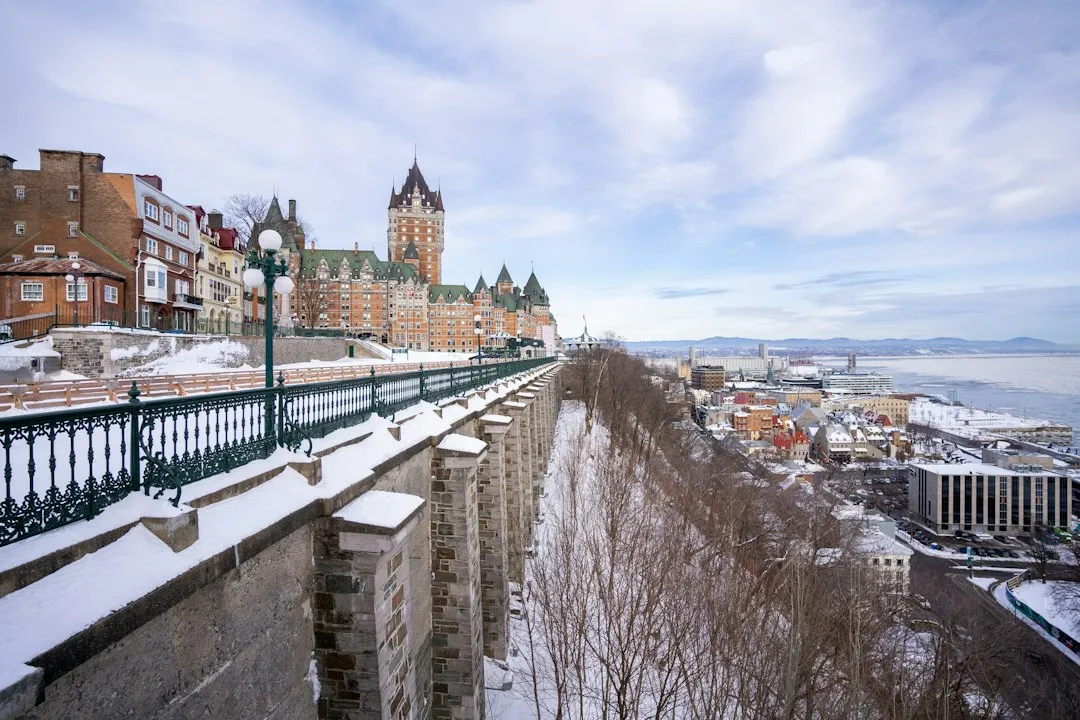
The district is notable for its well-preserved fortified walls and ramparts, making it the most intact fortified town in North America. That distinction isn’t merely a tourism headline. It reflects an extraordinary commitment to preservation that stretches back well over a century.
Québec was founded by the French explorer Champlain in the early 17th century, and it is the only North American city to have preserved its ramparts, together with the numerous bastions, gates, and defensive works. Walking the full length of the walls gives you a reading of the city’s strategic logic that no map or guidebook can fully replicate.
Part of Old Québec’s European charm owes itself to the rise, in the nineteenth century, of the Romantic movement. Both Saint-Louis Gate and Château Frontenac, two of the city’s most iconic landmarks, are shaped by the Romantic fascination with architectural styles of centuries past. The result is a skyline that looks borrowed from another continent entirely.
The UNESCO Recognition That Made It Official
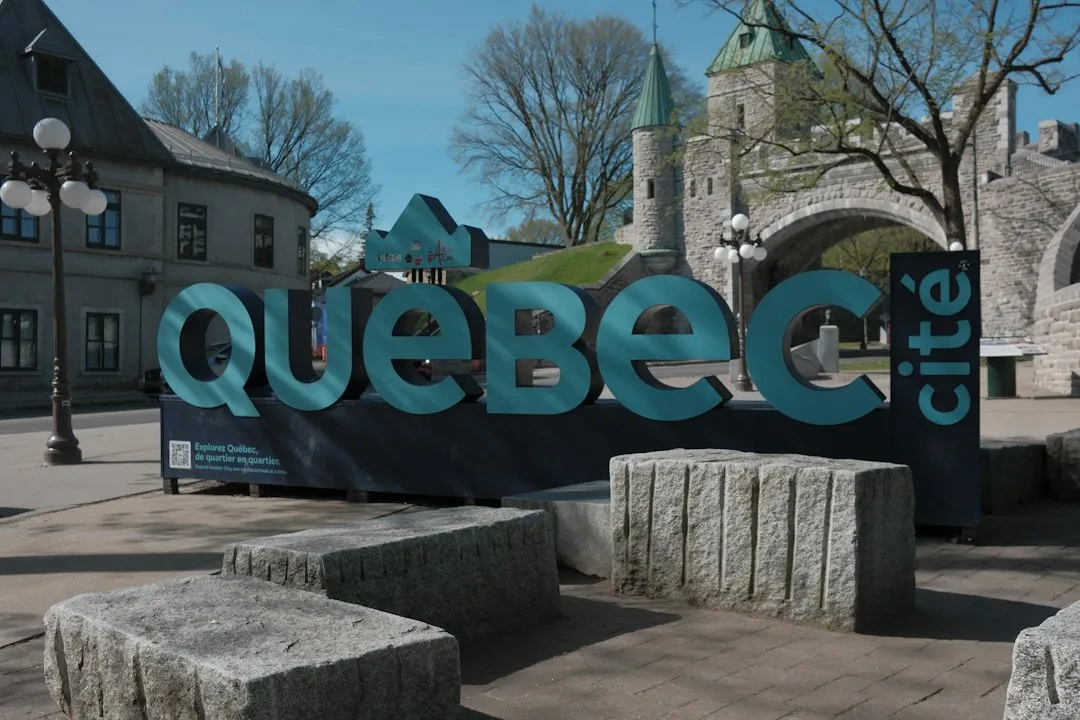
A monument in Old Québec commemorates the inscription in 1985 of the Historic District on UNESCO’s prestigious list of World Heritage sites, and Québec was the first city in North America to earn that distinction. That recognition was the culmination of preservation efforts dating back to the nineteenth century.
The historic centre is the product of more than four centuries of history, and during that period, the fortified town retained the integrity of its essential historical components, particularly from the standpoint of its architecture and urban spatial organization. That’s a remarkable statement for any city, let alone one still very much alive and growing.
Eleven Architectural Styles Under One Sky
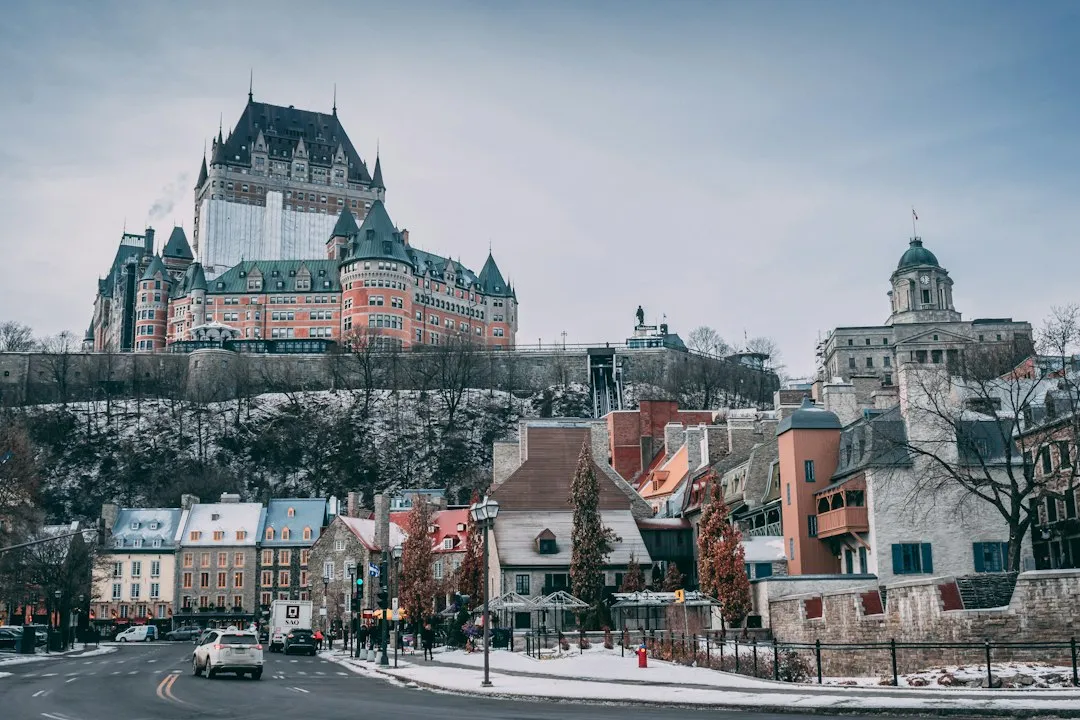
In Quebec’s Upper and Lower Towns, you can find at least eleven architectural styles ranging from Classical Revival, which flourished between 1790 and 1820, to International Style from the period 1930 to 1965. Few cities of any size on the planet offer that kind of layered architectural timeline within walking distance.
The winding, narrow streets often seem typically European, but the buildings themselves embody successive eras that marked the city’s history and produced a wealth of architectural styles, making Old Québec a unique North American gem. What makes it special is precisely this accumulation: no single period dominates entirely.
Upper Town and Lower Town: Two Distinct Worlds, One City
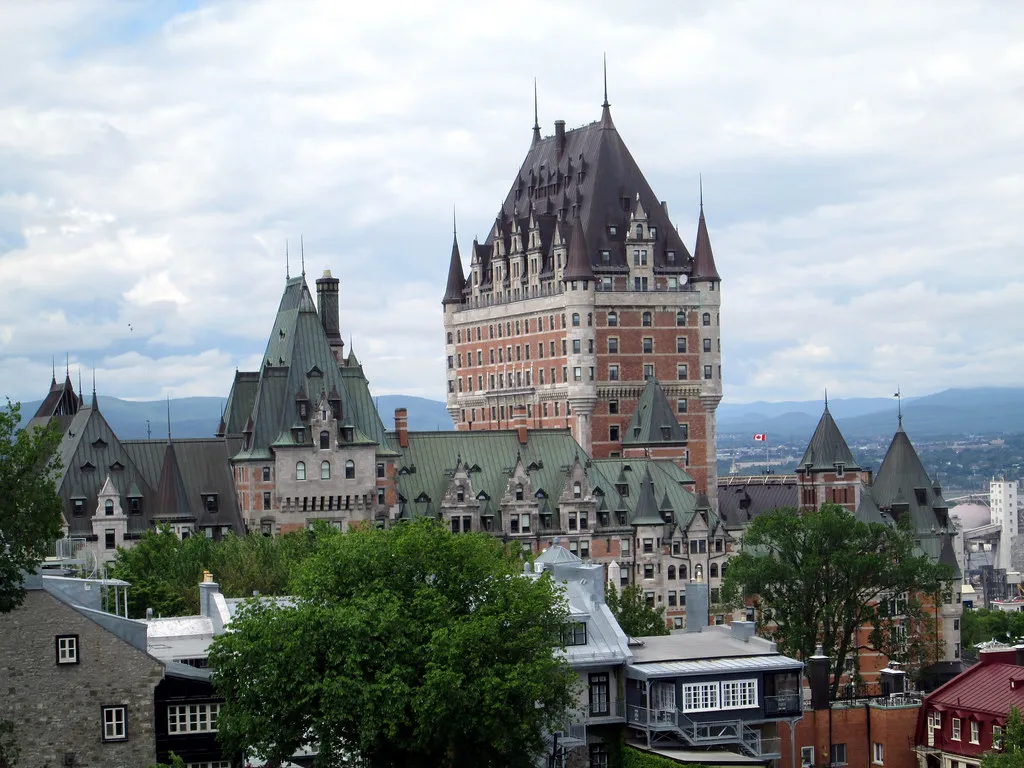
The Upper Town formed around the seventeenth-century stronghold on Cap Diamant, which served as the seat of governmental and ecclesiastical power, while the Lower Town developed as a riverbank commerce quarter with warehouses and narrow alleyways connected to transatlantic trade. They comprise a complex townscape of stone structures, steep stairways, and plazas that show how a European footing established and expanded in North America.
The district is divided into two parts: Upper Town and Lower Town, each with its own distinct character and attractions. Moving between them, whether by funicular or staircase, feels like crossing between two chapters of the same long story.
A City of Literature, Not Just Architecture
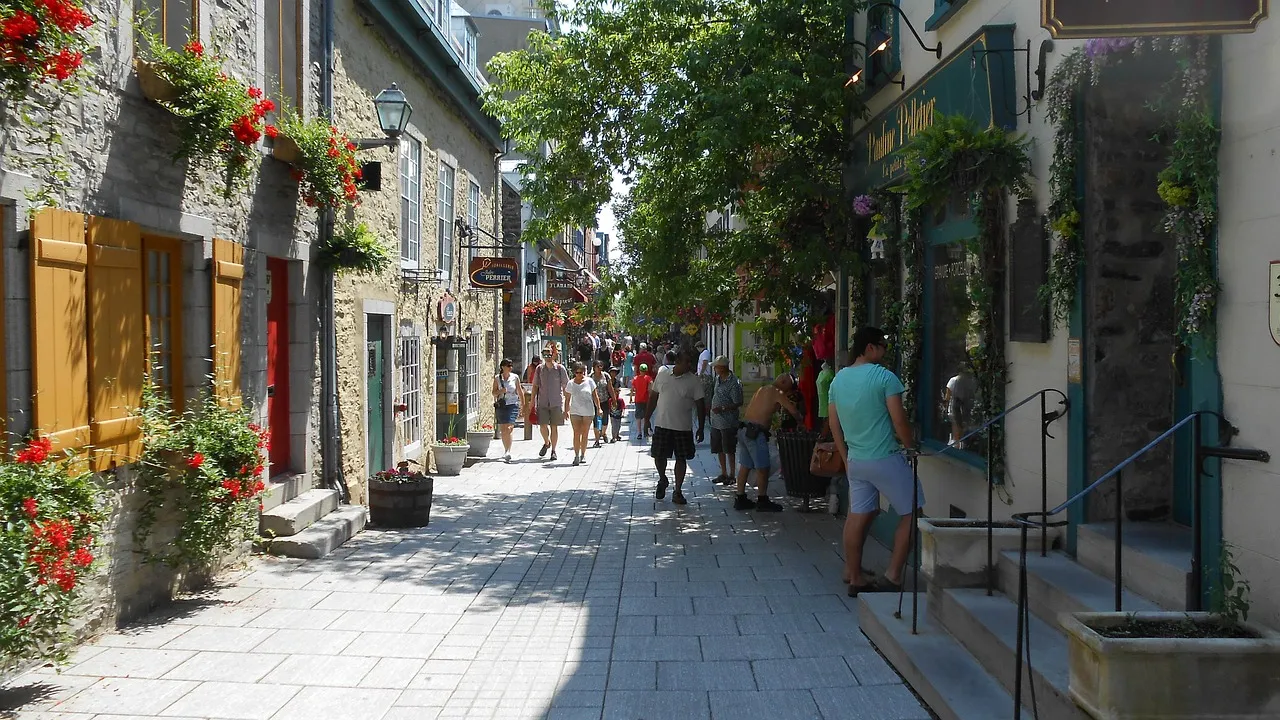
Quebec City is the first Francophone UNESCO City of Literature in the world. That designation sits alongside its World Heritage status in a way that feels entirely consistent. This is, after all, a city that has always been as much about language and identity as it has been about stone walls and cobblestones.
The city hosted the UNESCO Group of Experts on the Diversity of Cultural Expression in the Digital Environment in 2024, chosen specifically for its dual status as a UNESCO World Heritage Site and City of Literature. The intellectual life of the city is clearly inseparable from its physical one.
A Living City, Not a Museum Piece
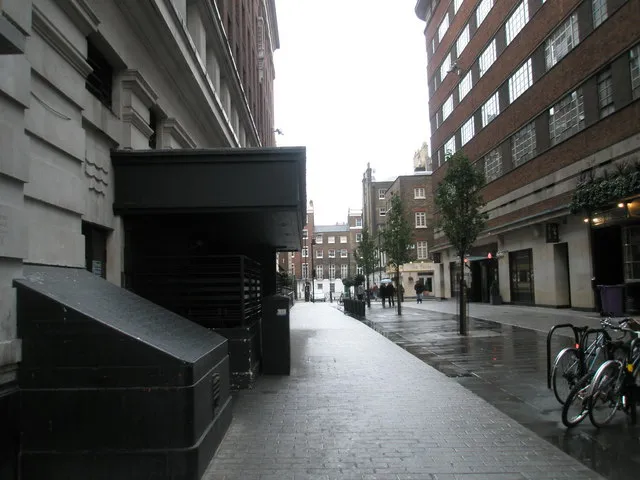
History is everywhere in Old Québec, down every street, at every monument, and inside every historical building. The eminently walkable fortified city has a unique European feel and is extraordinarily well preserved after four hundred years.
In fall 2025, Quebec City celebrated the fortieth anniversary of its UNESCO World Heritage designation with large-scale light projections on the Old Port silos. That kind of civic celebration tells you something: this isn’t a city that treats its heritage as a burden. It treats it as something worth marking with light.
Quebec City is quietly becoming one of the most studied models of sustainable cultural tourism in North America, and as heritage cities across the continent struggle to balance preservation with relevance, Quebec City is demonstrating that the two are not in conflict.
The Numbers That Reflect Its Pull
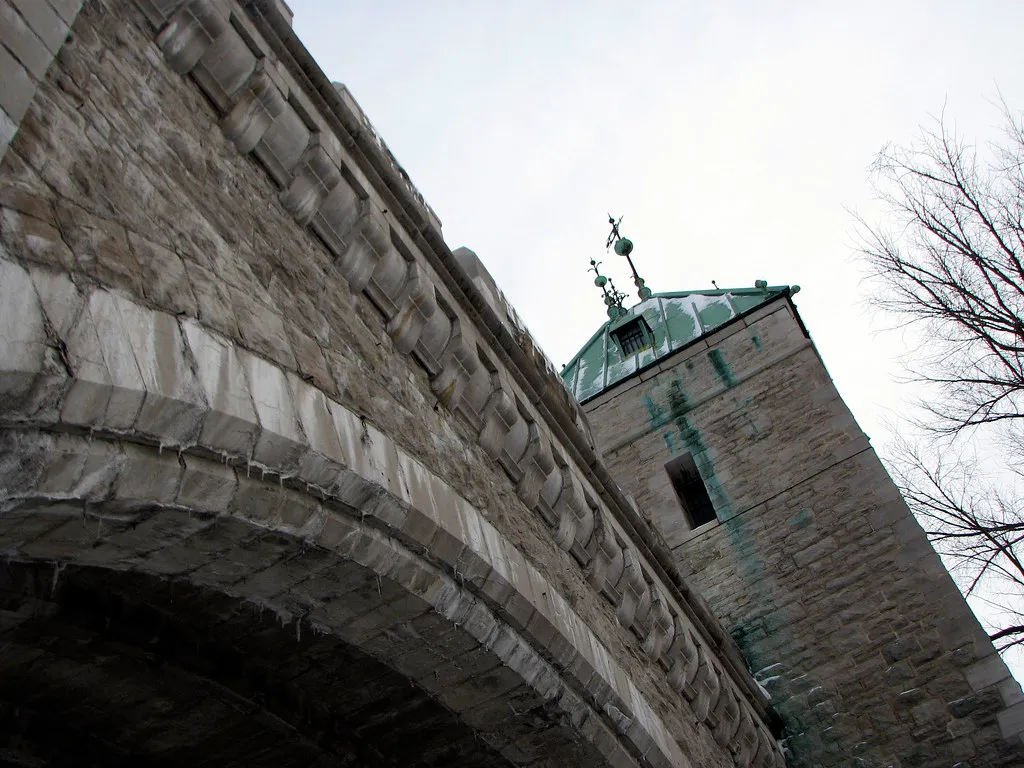
Old Quebec attracts over 4.6 million visitors annually, making it the number one tourist attraction in Quebec, with both Upper Town and Lower Town each offering distinct experiences that showcase the city’s rich French colonial heritage.
Tourism across the wider province of Quebec generated over sixteen billion dollars in revenue and attracted approximately sixty-two million visitors in 2023, supporting twenty-four thousand businesses and employing nearly four hundred and seven thousand individuals. The historic city at the heart of that province carries more than its fair share of that cultural and economic weight.
The Takeaway
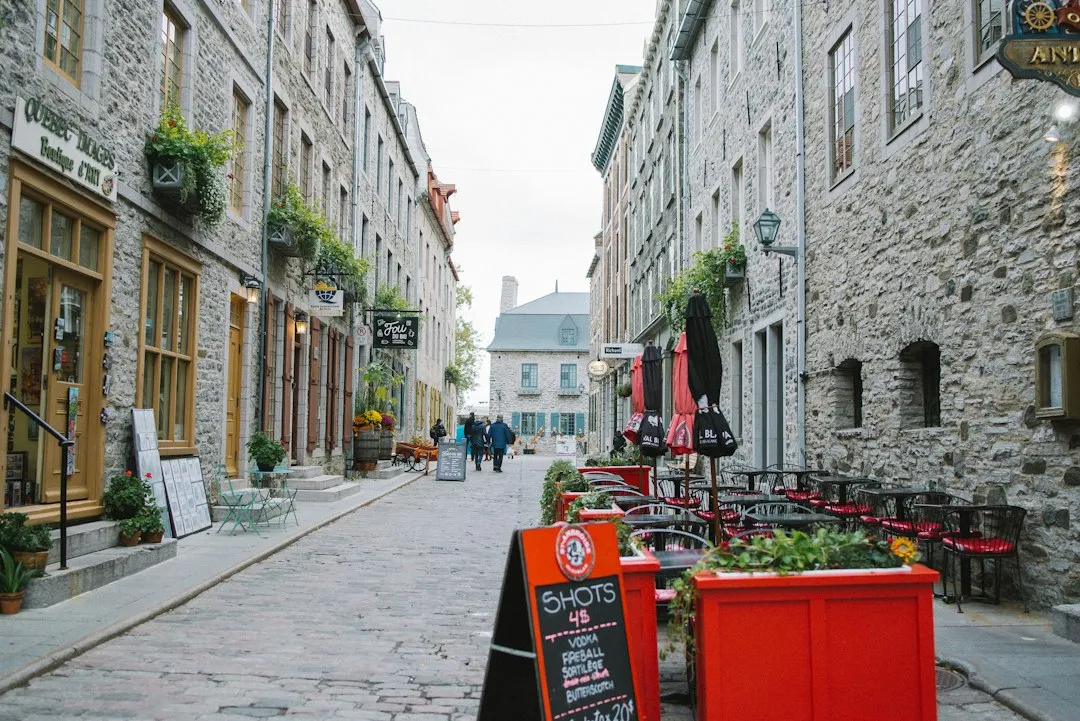
What makes Quebec City’s European corners so affecting isn’t any single building or plaza. It’s the density of it, the way one discovery folds into the next: a church from the seventeenth century adjacent to a laneway from the sixteen-hundreds, adjacent to walls that once defined the edge of the known French world in North America.
The fortified walls and ramparts, historic structures, architecture, and streets make it a living reminder of the European colonization stage of North America, all in the midst of a thriving twenty-first-century city. That phrase, “living reminder,” is the right one. Quebec City doesn’t feel frozen. It feels layered, and the depth of those layers is precisely what makes it worth the journey.
AI Disclaimer: This article was created with the assistance of AI tools and reviewed by a human editor.