
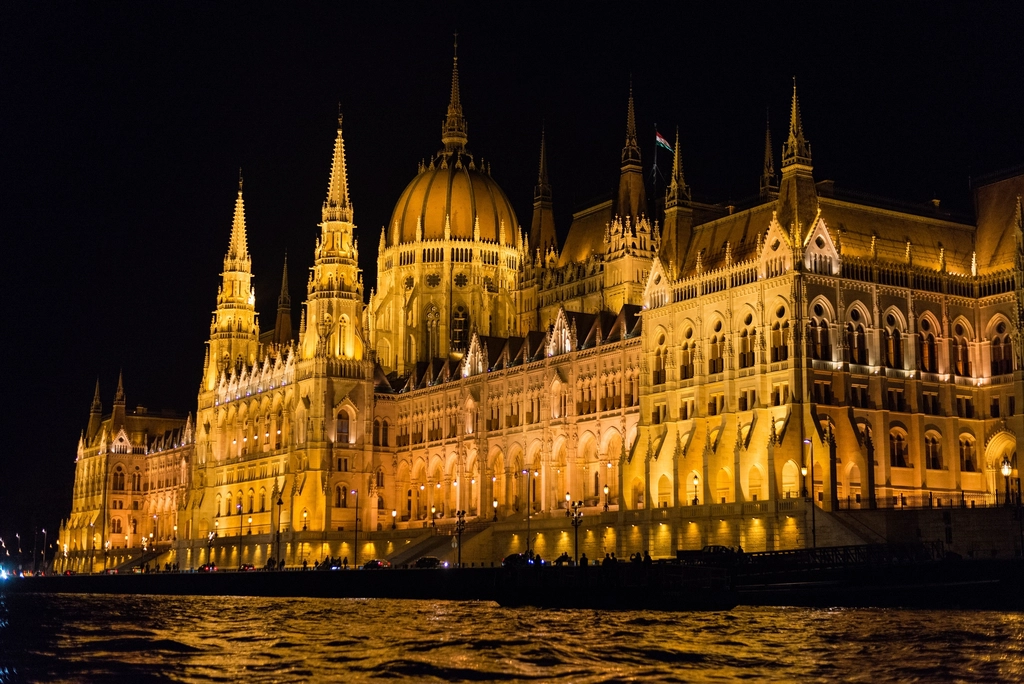

Reason 1: Budapest Is Having a Genuine Moment
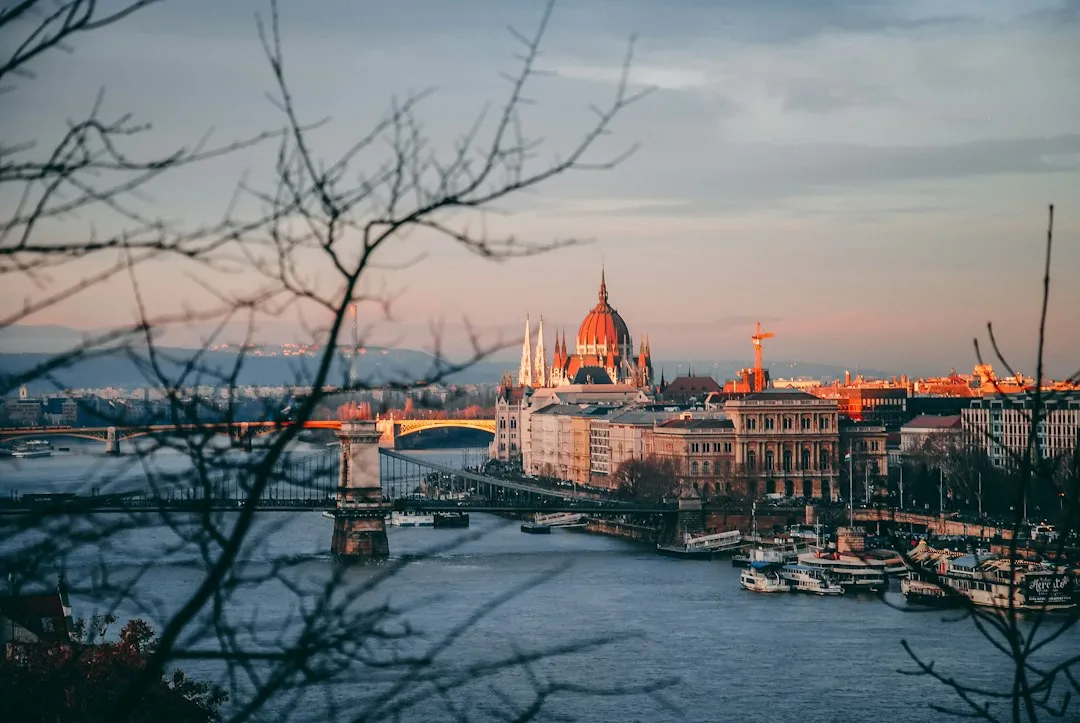
Budapest is a rising star for travelers in 2025, blending history, architecture, and wellness in one vibrant city. That description has been true for years, of course, but the pace of international recognition has accelerated meaningfully in recent times. A major contributor to the country’s outstanding results was Budapest’s continued top performance in 2025, following its joint first-place ranking among cities worldwide in 2024 in terms of visitor numbers.
The capital attracted close to 6 million foreign visitors in 2024, which was 24% more than a year earlier, and it accounts for 60% of the total number of guest nights spent by foreign tourists in Hungary. Those are remarkable figures for a city of roughly two million residents.
Tourism statistics for 2024 and 2025 show international arrivals climbing strongly, with millions of visitors drawn by the city’s mix of thermal baths, grand Danube-side architecture, and an expanding food and nightlife scene. It’s a compact, walkable city that rewards slow exploration just as much as it rewards ticking off landmarks.
Reason 2: The Thermal Bath Culture Is Unlike Anything Else in Europe
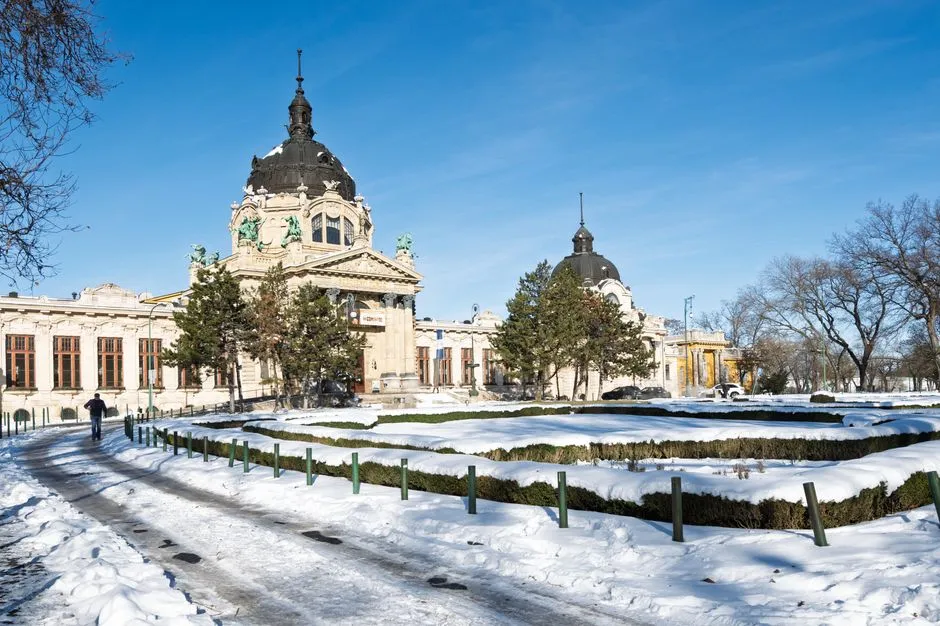
Budapest is known worldwide as the “City of Baths,” and for good reason. With more than a dozen historic and modern spa complexes powered by natural hot springs, the Hungarian capital offers an unrivalled wellness experience for visitors. This isn’t a wellness trend that arrived recently. It’s a centuries-old civic ritual that locals still practice weekly.
Budapest, the capital of the land of thermal springs, is home to iconic spas such as the art deco Spa Gellért, and the city alone has more than 100 hot springs. Széchenyi, the largest medicinal bath complex in Europe, is a social hub located in the heart of City Park, where the iconic sight of locals playing chess on floating boards in the waist-deep thermal water offers a true snapshot of Hungarian life.
With temperatures ranging between 24°C and 40°C, these mineral-rich waters are believed to help with joint problems, circulation issues, and stress relief. Whether or not you visit for medical reasons, the experience alone is soothing, atmospheric, and thoroughly Hungarian. Rudas Bath boasts a rich history with its core dating back to the Ottoman Empire in the 16th century, offering a truly authentic Turkish bath experience complete with a beautiful octagonal pool under a domed roof.
Reason 3: The Country Offers Remarkable Value for the Quality of Experience
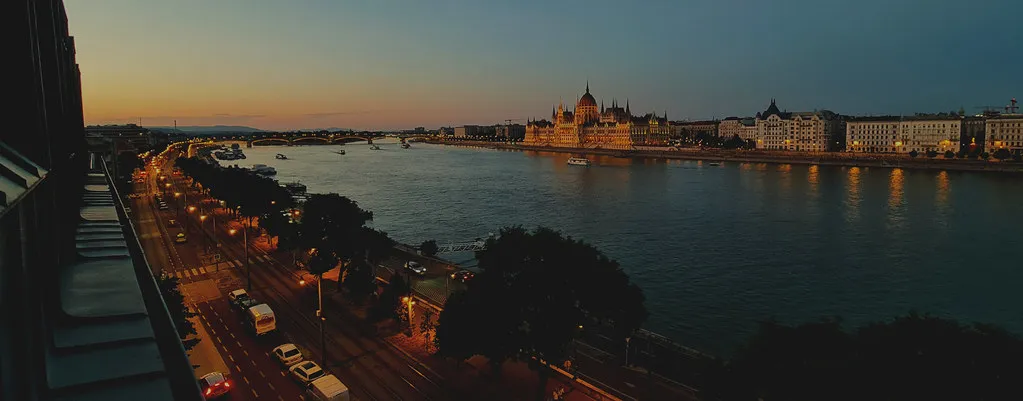
A family searching for an Easter week in Europe can see, instantly, that Budapest at around €100 per night delivers culture, restaurants, and walkability at a fraction of London’s €428 or Paris’s €386. That comparison is drawn from real 2026 booking platform data, and it reflects a genuine gap in what travelers get for their money.
The average daily cost for a traveler in Hungary is approximately $100, covering accommodation, meals, transportation, and activities. This affordability extends to luxury experiences, with high-end hotels and fine dining options available at prices that are significantly lower than in neighboring countries.
Hungary has emerged as one of the biggest winners in Europe’s changing travel landscape for 2026, with Budapest becoming the most searched last-minute European destination among Australian travellers. The appeal is crossing hemispheres. Among the biggest winners for Easter 2026 booking demand, Budapest recorded a 50% surge, placing it alongside Athens and Krakow at the top of Europe’s growth list. That momentum reflects a fundamental shift in how people choose where to go, leaning toward places that give them more to do and see per dollar spent.
Reason 4: There’s Far More to Hungary Than Budapest
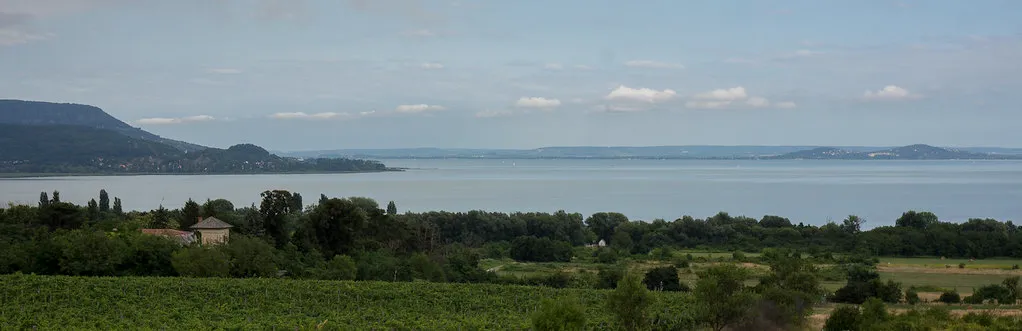
Budapest earns its headlines, but it would be a real shame to leave the country without venturing further. Lake Balaton is the largest lake in central Europe and stretches for 77 kilometers in total, with a surface area of 598 square kilometers. Hungarians call it the Hungarian Sea, and on a warm July morning standing at the water’s edge, that name feels entirely earned.
With such a vast shoreline, Balaton offers something for everyone, with natural reserves and wetlands, a wine region, sailing, thermal baths, musical performances, a variety of sport activities, and of course its famous shallow, warm waters to relax in. Lake Balaton attracted more than 3 million guests in 2024, up 7% from a year earlier.
The volcanic hills of northern Balaton aren’t just pretty to look at; they’re also home to some of the richest, most fertile grape-growing ground in the entire country. From the historic streets of Budapest to the wine regions of Eger and Tokaj, visitors can immerse themselves in centuries of history and tradition. Eger, a historic town in northern Hungary, is renowned for its baroque architecture and wine production, particularly the famous “Bull’s Blood” red wine. The region’s rolling hills and vineyards evoke the essence of Tuscany, offering wine enthusiasts a delightful and affordable alternative.
The Growth Numbers Tell Their Own Story
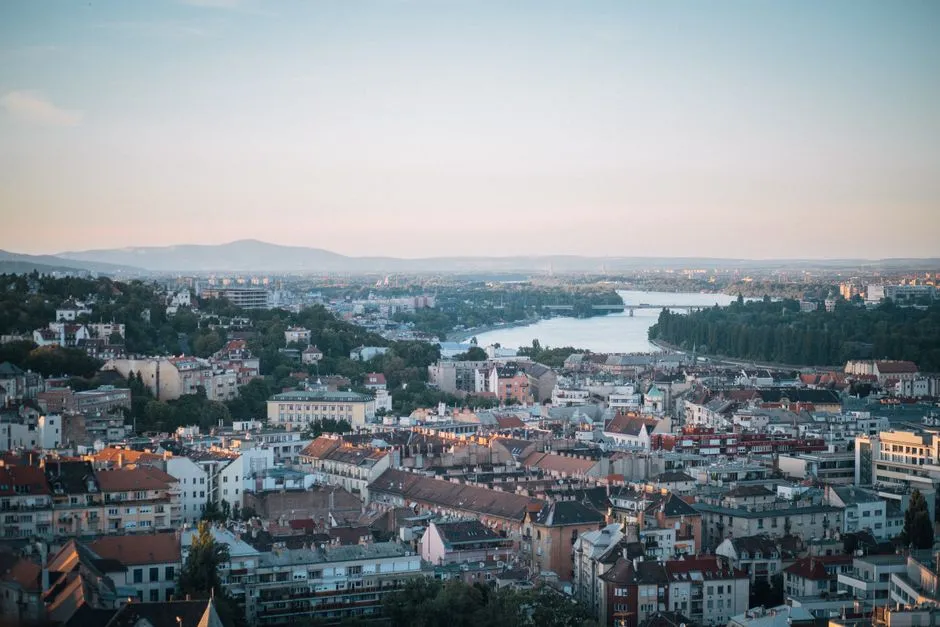
In terms of visitor growth, Hungarian tourism expanded at 2.5 times the EU average, outperforming several major regional competitors. Compared to 2024, Hungary’s growth exceeded Austria’s by more than double, Croatia’s by more than fivefold, and the Czech Republic’s by over two times. These aren’t aspirational projections. They’re confirmed 2025 figures from the Hungarian Tourism Agency.
Air traffic supported visitor flows into the country, with Ferenc Liszt International Airport handling 19 million passengers in 2025, its highest annual passenger volume to date. More routes mean easier access from more European cities, which only strengthens the case for a spontaneous short break.
The tourism sector contributes close to 13% to Hungary’s GDP, which means the infrastructure, service standards, and hospitality culture are all maturing alongside the visitor numbers. That’s a meaningful detail for anyone who has arrived in an overhyped destination only to find the experience doesn’t match the promise.
Wellness, Wine, and Architecture: A Rare Combination
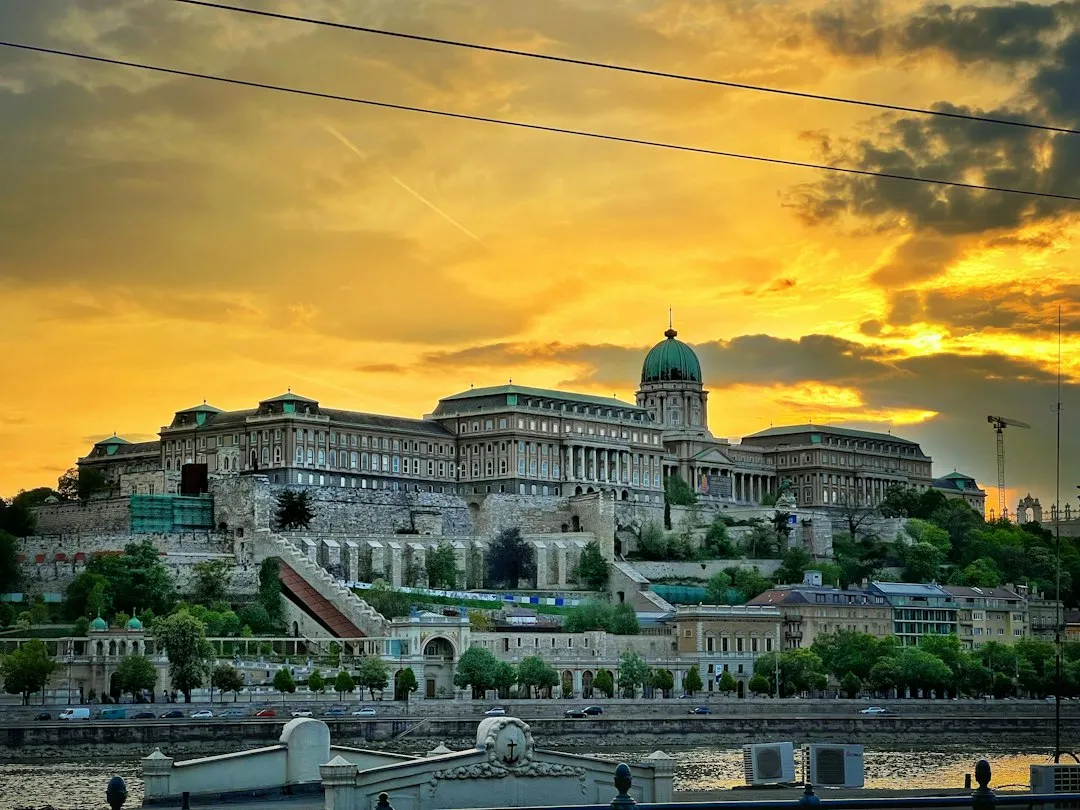
Few European cities can genuinely offer a morning of art nouveau architecture, an afternoon of thermal bathing, and an evening in a converted ruin bar all within walking distance of one another. The grandeur of landmarks like Buda Castle, the Parliament Building, and the Chain Bridge is complemented by the city’s famed thermal baths, offering relaxation steeped in centuries-old traditions.
Lake Balaton is also famous for its wine production. Around the lake you can find special Hungarian wine varieties such as Cserszegi Fűszeres and Furmint. The Balaton Wine Region is made up of six wine areas and many wineries, producing many of the best Hungarian wines.
Wine, architecture, history, thermal culture, and lake landscapes rarely occupy the same small country. In Hungary, they do. That combination is exactly why the growth in visitor numbers feels less like a trend and more like a correction, with travelers finally arriving somewhere that had been deserving their attention for a long time.
Getting Here Is Getting Easier

The momentum of Hungary’s tourism growth has been helped by the expansion of air connections: at the beginning of December 2025, Liszt Ferenc International Airport reached its highest-ever passenger number of 19 million, which justifies further developments starting in 2026. More routes being added means the entry point for visiting is only getting more accessible.
Budapest and Balaton are a natural Hungary pairing, just 1.5 hours apart by train, complementary in every dimension. That kind of compact geography makes it genuinely easy to build a trip with real variety. A few days in the capital, a few days by the lake, perhaps a detour to a wine region: Hungary rewards even a relatively short visit with a surprising amount of depth.
A Country That Rewards the Curious Traveler
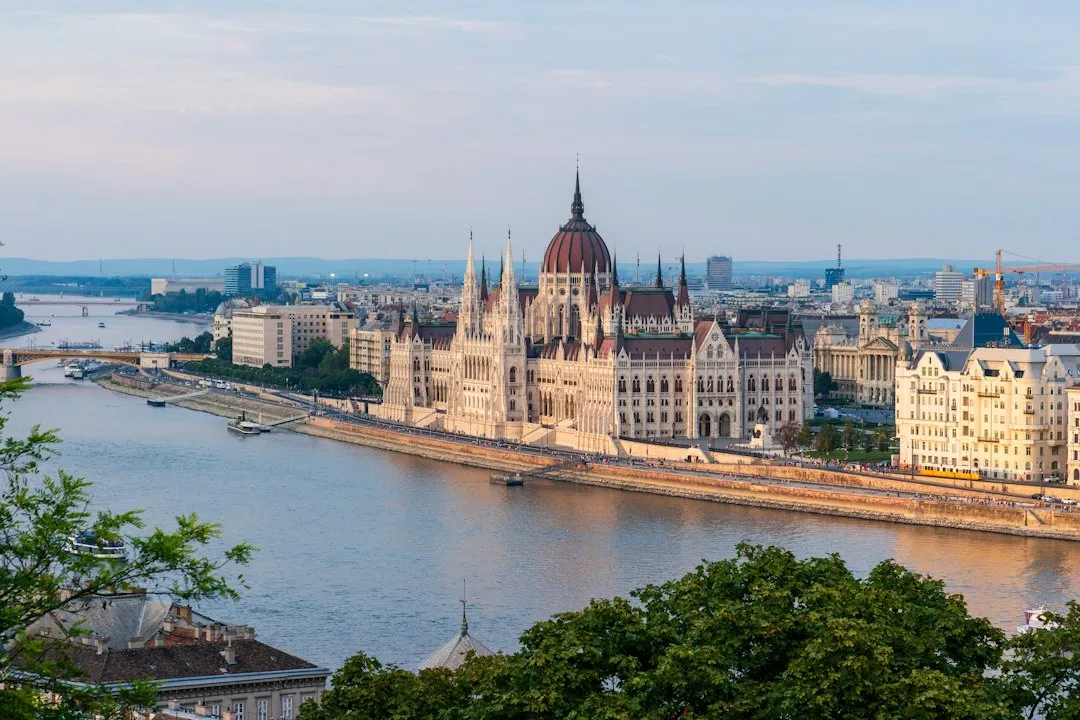
Hungary’s story is one of a destination that has earned its rise quietly, through genuine quality and a culture that welcomes visitors with warmth rather than theater. Hungary closed 2025 with its highest tourism numbers on record, driven by strong demand in Budapest and steady increases at regional destinations.
Budapest, in particular, is emerging as a dynamic destination, balancing sustainable innovation with world-class luxury and cultural authenticity. That balance is rare, and it’s exactly what thoughtful travelers tend to seek out when the usual suspects start to feel crowded or over-familiar.
Hungary won’t stay under the radar forever. The numbers make that clear. The more interesting question is whether you visit while the experience still feels like a discovery, or wait until everyone else has already been.
AI Disclaimer: This article was created with the assistance of AI tools and reviewed by a human editor.