
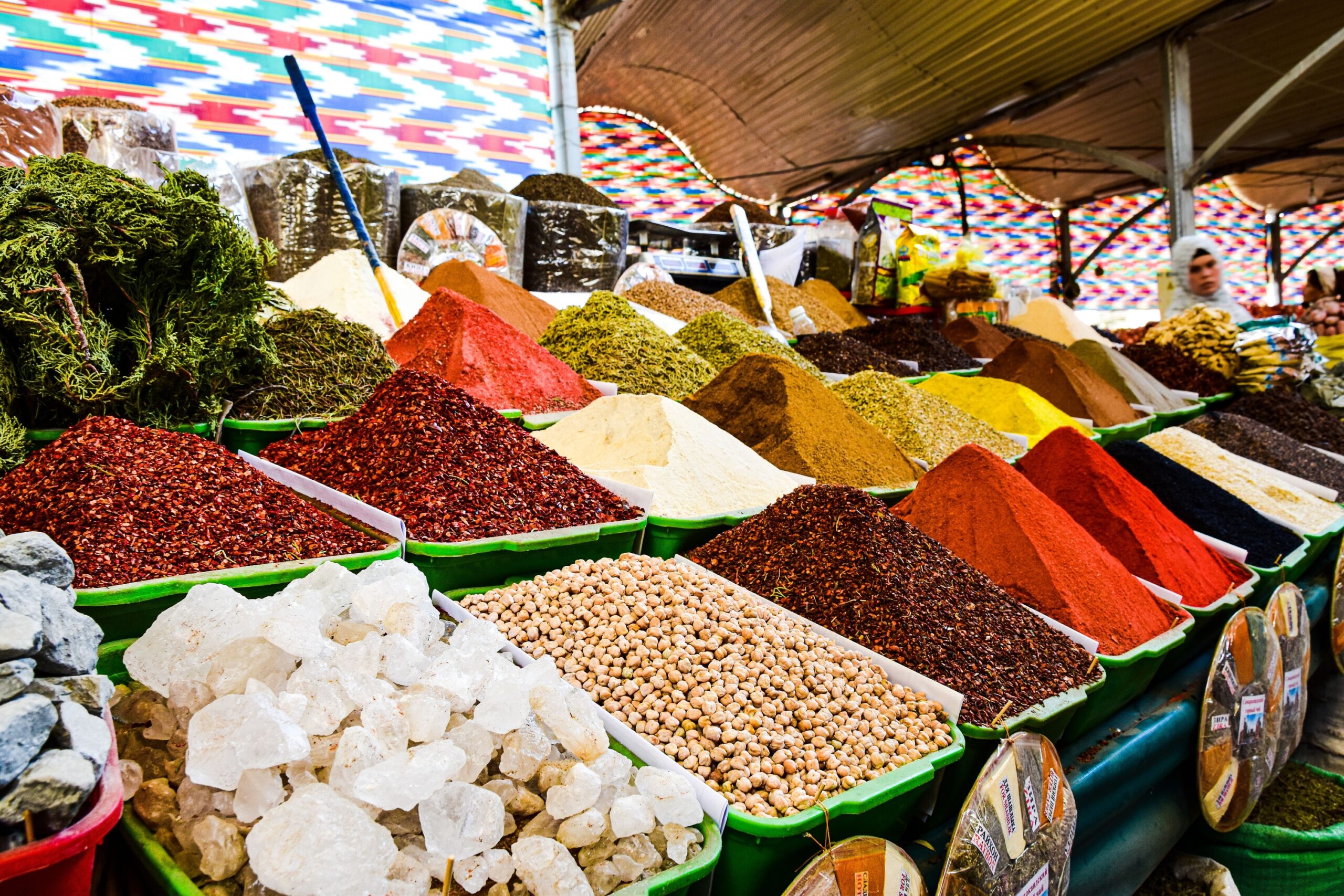

There’s a moment in certain markets around the world when your nose gives you directions before your eyes can. Cardamom drifting through a covered archway. Turmeric dust catching afternoon light. Frankincense threading through the crowd. These aren’t curated sensory experiences designed for tourists. They’re the byproduct of centuries of commerce, culture, and daily life stacked together in narrow lanes and open squares.
The global spice market reached 18 million tons valued at nearly 49 billion dollars in 2024. The spice trade has grown by 259 percent from 2005 to 2024 and is projected to continue its upward trajectory in the next decade. These numbers are staggering, but they don’t tell the whole story. For that, you have to go to the source, to the places where the trade actually breathes and moves and smells. Here are four of them.
Rahba Kedima, Marrakech – Where the Square Itself Is the Spice Rack
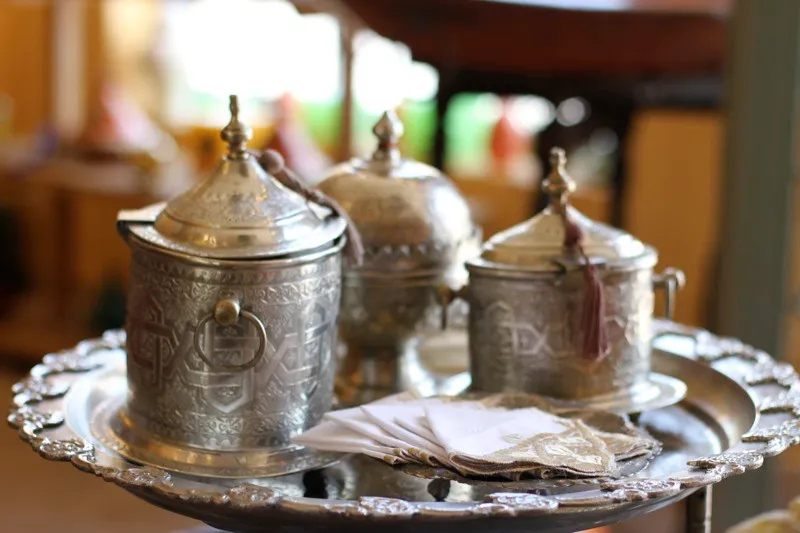
Rahba Kedima Square, sometimes called the “Old Square,” is one of the most atmospheric corners of Marrakech’s medina and has served as a trading space for centuries, with its origins stretching back to the early Islamic period, when Marrakech grew as a caravan crossroads linking the High Atlas, the Sahara, and markets across North Africa. That history isn’t just a footnote. It’s embedded in the physical architecture of the place.
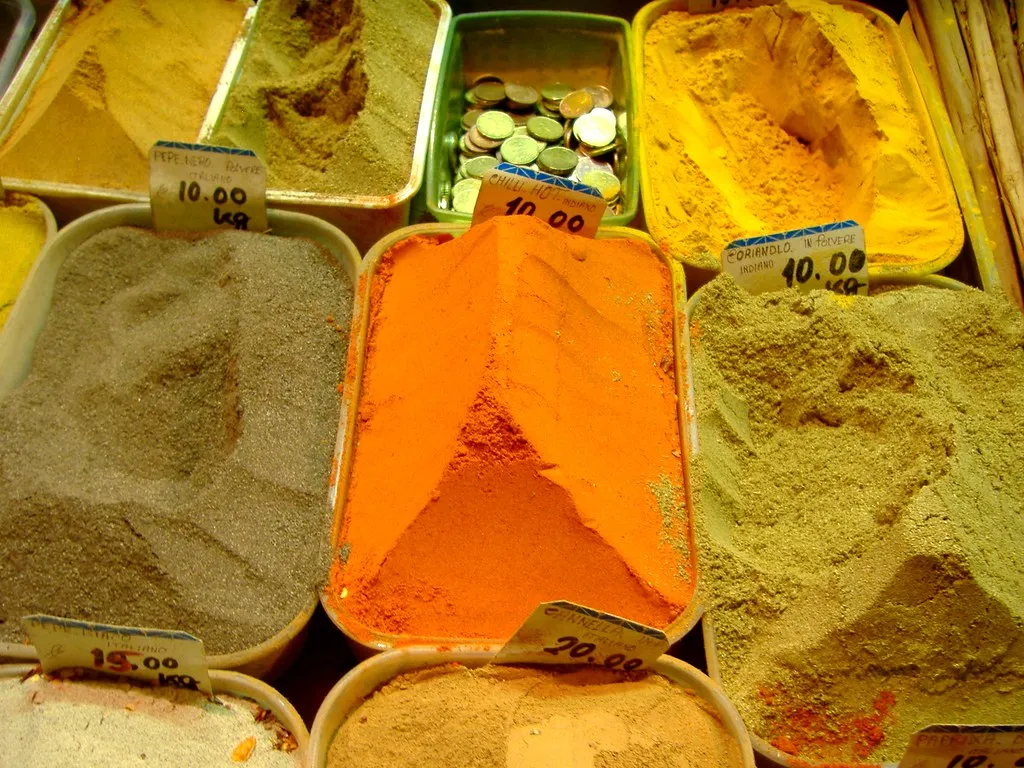
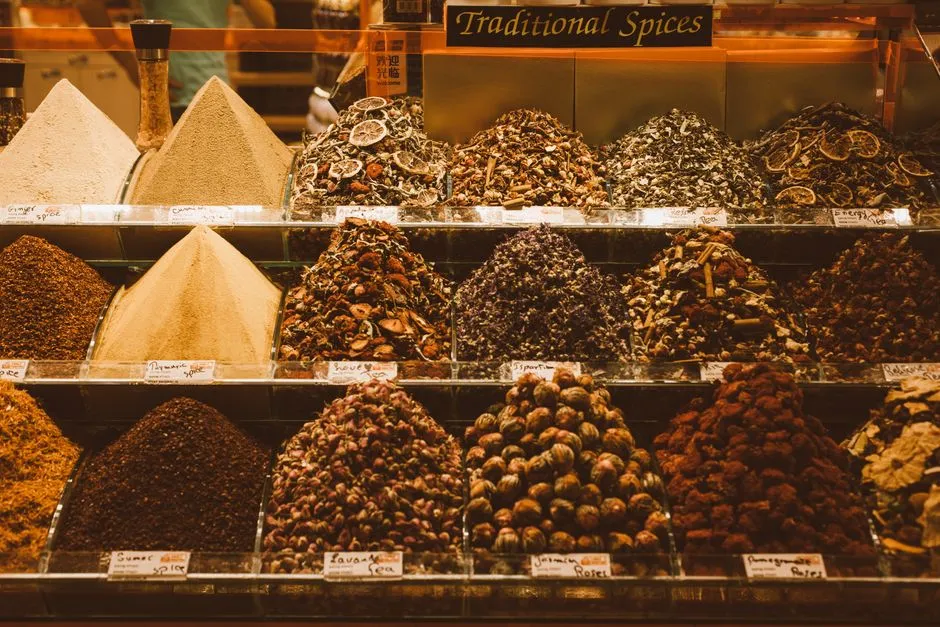
Pyramids of cumin, saffron, turmeric, and dried rosebuds spill from burlap sacks, while herbalists sell argan oil, black soap, medicinal roots, kohl eyeliner, and herbal blends used in local hammam rituals. National Geographic has ranked Marrakech’s Rahba Kedima among the world’s most exciting spice markets, recommending ras el hanout, described as a blend of up to 30 spices.
Rahba Kedima is not purely a food market. Many of the vendors there function simultaneously as traditional herbalists, practitioners of a botanical healing tradition that predates modern pharmacology in Morocco by many centuries. Alongside cumin and paprika, their stalls carry dried wormwood for digestive complaints, mastic resin for oral health, henna mixed with herbs for cosmetic use, and roots whose names don’t translate cleanly into any European language. This apothecary dimension is a genuine part of the culture, not a novelty for tourists.
The best argument for buying spices in Marrakech isn’t the price or the novelty. A chicken tagine made with ras el hanout from Rahba Kedima and saffron threads from Taliouine tastes measurably different from the same recipe made with supermarket alternatives. The square is one of the few places in the world where that difference is obvious before you even start cooking.
Misir Çarşısı, Istanbul – The Egyptian Bazaar That Outlasted Empires
Istanbul’s Spice Market, or Misir Çarşısı, was constructed in 1663 as part of the adjacent Yeni Mosque complex in order to generate funds for the upkeep of the mosque. It is the second biggest covered bazaar in Turkey and considered one of the largest spice markets in the world. For a building constructed more than 360 years ago, it has aged remarkably well.
The name Misir Carsisi means “Egyptian Bazaar,” because it was funded by taxes levied on goods imported from Egypt. The Spice Bazaar was a major hub for the spice trade, located near the Golden Horn, where ships from Asia, Africa, and Europe docked. It also served as a cultural and social center, where people from different backgrounds and religions mingled and exchanged ideas.
More than 80 shops inside the market offer a wide and fragrant spectrum of spices, nuts, dried fruits, Turkish coffee, and traditional sweets. The most sought-after ingredient, saffron, comes from Iran or India, while aniseed reigns as the prized local spice. The smell hits you at the entrance, dense and layered, and it doesn’t let go.
The Spice Bazaar has evolved over centuries, surviving fires and economic shifts, yet it remains a bustling hub of activity and a testament to the resilience and enduring spirit of Istanbul. Few markets anywhere in the world can claim that kind of continuity.
Khari Baoli, Delhi – Asia’s Largest Spice Market Is Not a Tourist Site. It’s a Working City.
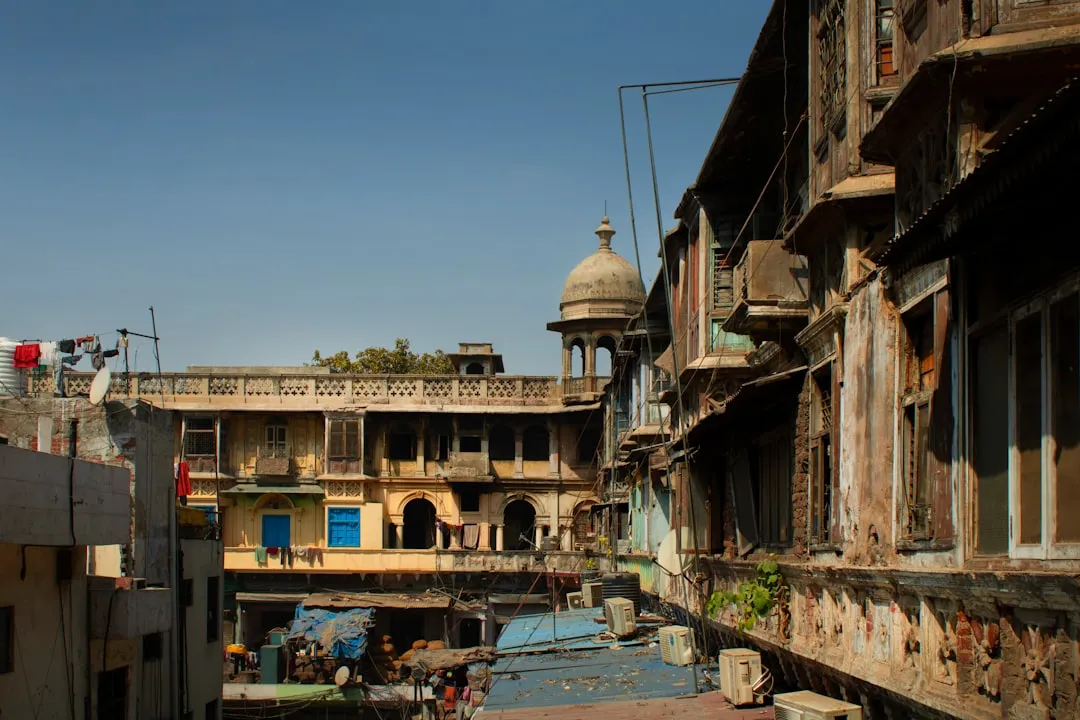
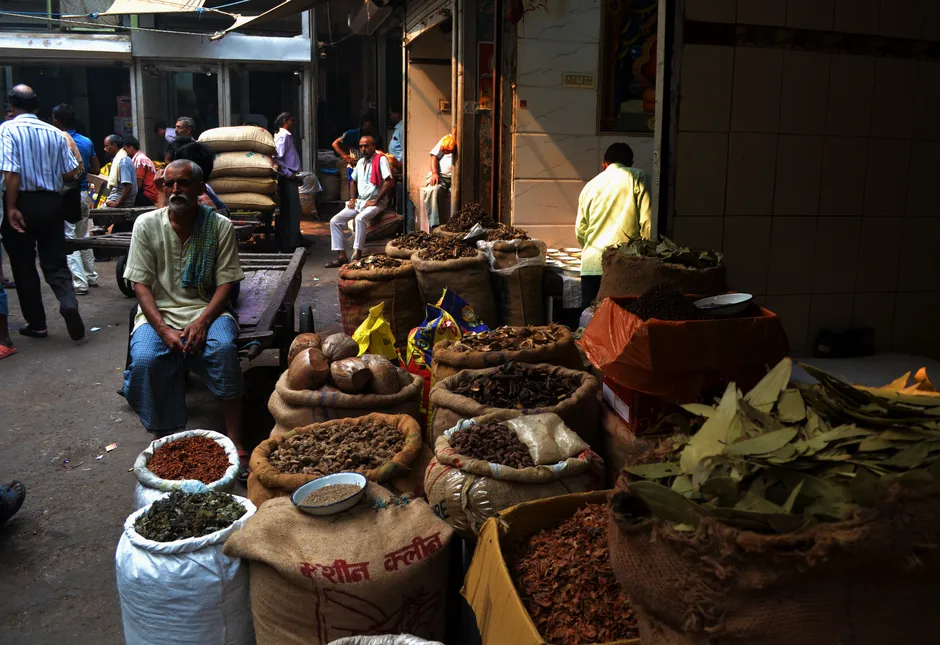
In the labyrinthine streets of Old Delhi, Khari Baoli stands as Asia’s largest wholesale spice market, a chaotic powerhouse that has been operating since the 17th century. Its history dates back to the Mughal era, specifically around 1650, when the walled city of Shahjahanabad was established. The market didn’t evolve to serve visitors. It evolved to feed a subcontinent.
Jahanara Begum, daughter of Emperor Shah Jahan, built the first market in the area in 1650. At the western end of Chandni Chowk was a stepwell where travelers slaked their thirst and watered their horses and camels. When the well became brackish in the 18th century, it evolved into the current spice market.
Today, some stalls are run by tenth, eleventh, or even twelfth-generation storeowners, and the bazaar caters to traders from all over North India, who make the journey from as far as Madhya Pradesh with the specific purpose of buying from the spice market in Delhi. Merchants navigate narrow, perpetually crowded lanes lined with towering, open sacks of every imaginable aromatic: bright red Kashmiri chillies, deep yellow turmeric, countless varieties of cumin and green cardamom from the southern states.
India dominates the global spice landscape as both the largest consumer, holding about 39 percent of global consumption, and the largest producer, accounting for roughly 45 percent of global production. Khari Baoli is not just a cultural attraction. It’s an active nerve center of that dominance.
The Dubai Spice Souk, Deira – Small Lanes, Ancient Trade Routes
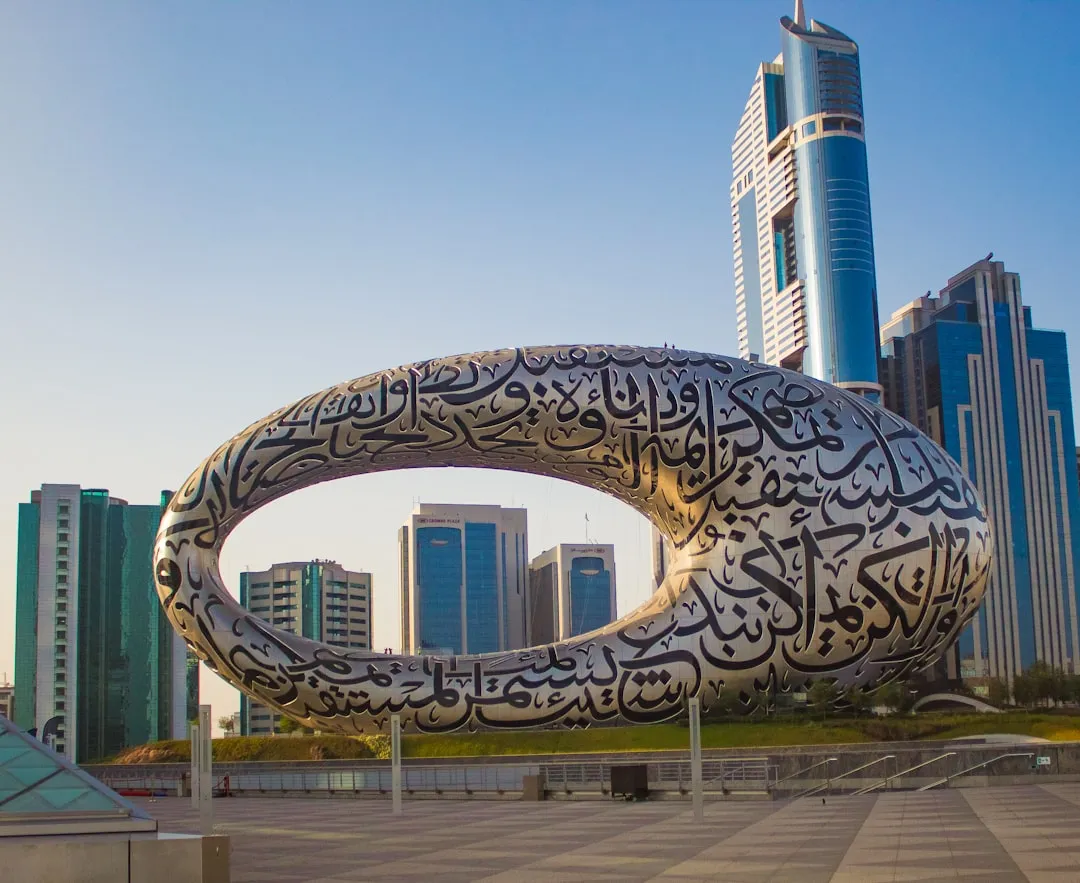
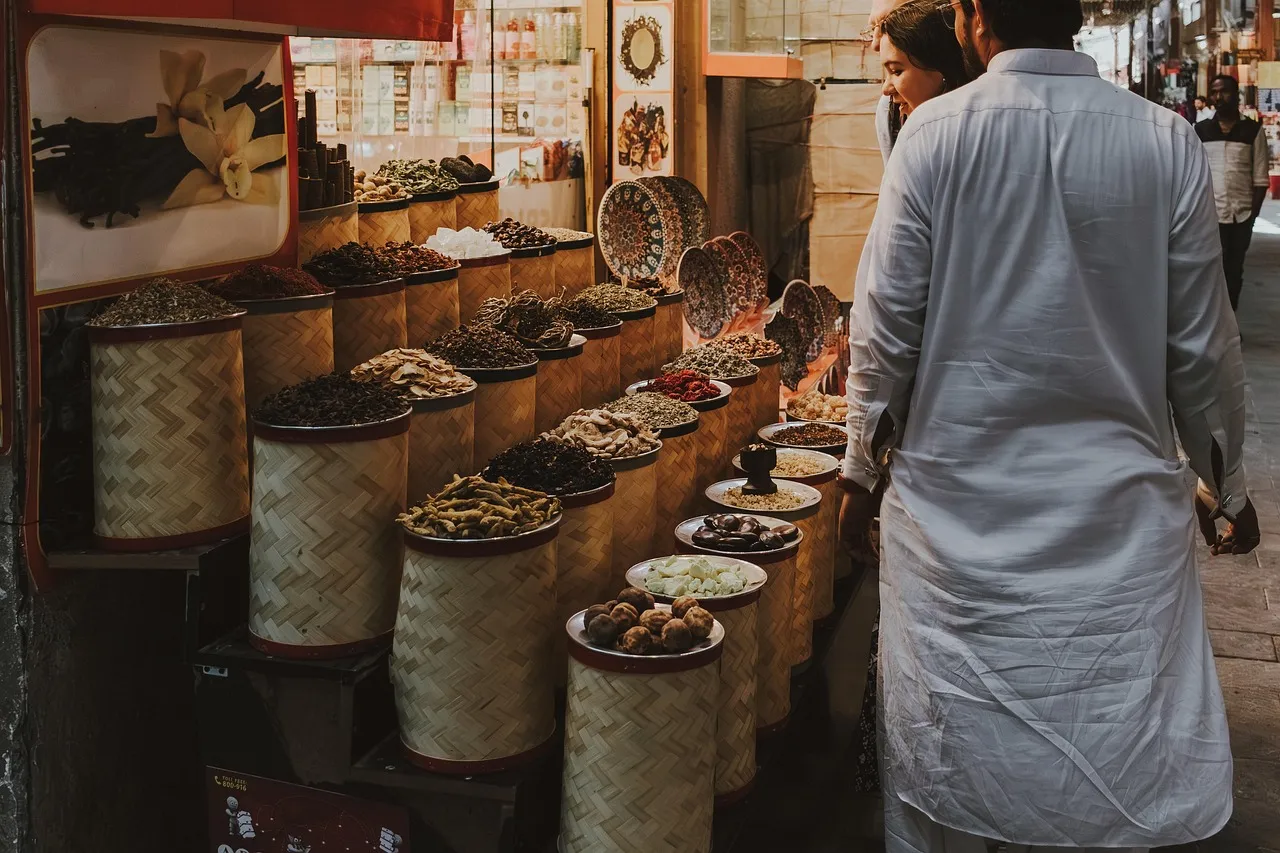
Located in the Deira district, the Dubai Spice Souk offers a contrasting experience to the city’s contemporary architecture. This traditional Arabian market, set along narrow lanes near the Dubai Creek, provides a glimpse into the emirate’s history as a key trading port. The souk’s position on the trade route made it a meeting point for spices arriving from India, Iran, and East Africa.
Tucked into alleyways off of Baniyas Street, the souk is small but manages to pack a pungent punch. The offerings are diverse, including frankincense, myrrh, Persian saffron, and an array of dried fruits and nuts. The frankincense alone, resinous and slightly sweet, is reason enough to stop walking and look around.
Scents of cloves, cardamom, nutmeg, and turmeric waft through the air at this bustling souk. As well as its myriad of spice stalls, the area is also home to the largest gold bazaar in the world. The combination of the two markets in close proximity is a reminder that Deira’s trading culture runs deep and spans many commodities beyond the aromatic.
While smaller than its historical counterparts in Istanbul or Delhi, the Dubai Spice Souk is a well-preserved environment that maintains the historic atmosphere of a true Arabian marketplace. In a city that rebuilds itself at speed, that quality of preservation matters more than many visitors realize.
The Global Spice Trade That Feeds These Markets
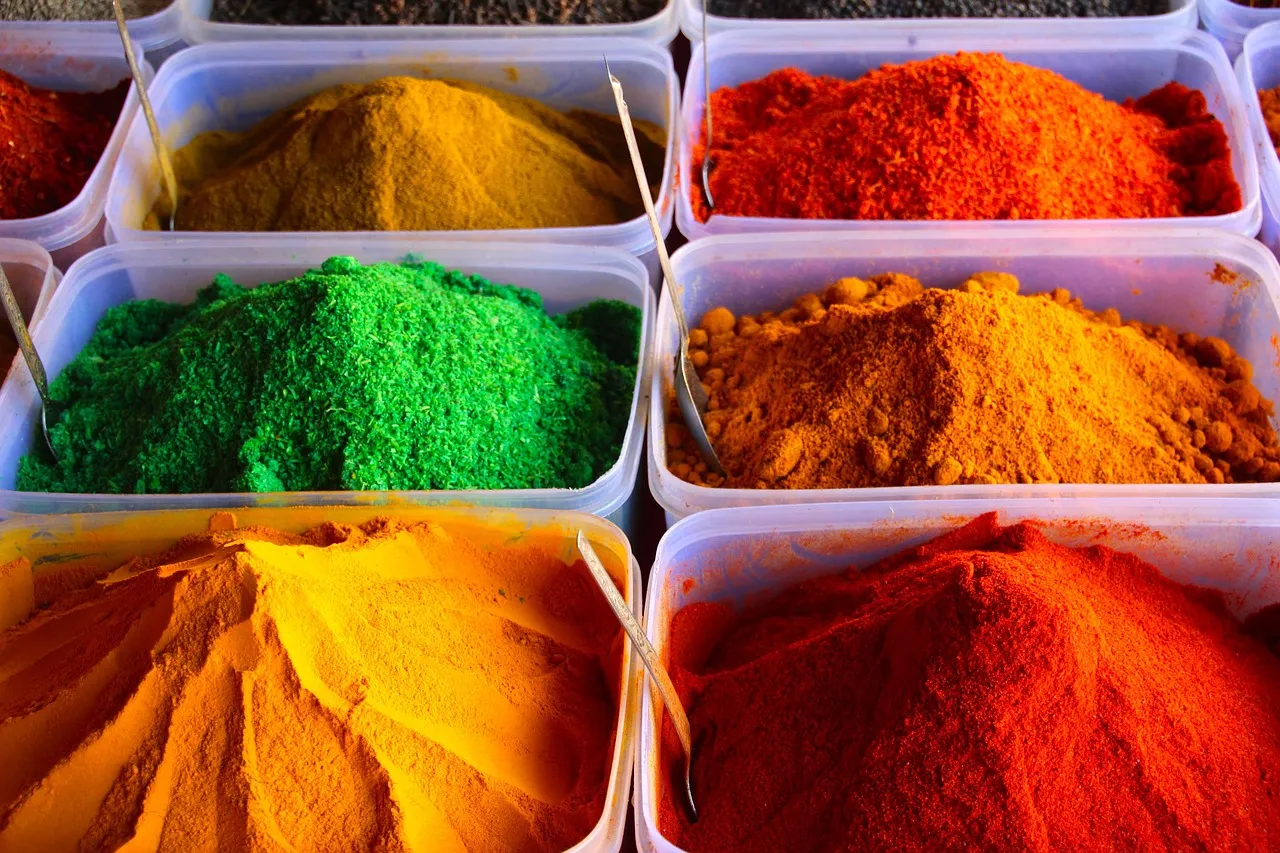
In 2024, peppercorn led global spice exports in sales value at 1.7 billion US dollars, also recording the highest shipment weight at nearly 600,000 tons. Turmeric has gained immense popularity due to its vibrant color and perceived health benefits, particularly the anti-inflammatory properties of the compound curcumin. Its use has expanded beyond traditional Indian and Southeast Asian dishes into Western health foods, beverages, and skincare products.
Saffron and vanilla, which have a small share of overall trade by tonnage, showed a dramatic increase in their share of nominal value. Saffron, which is hand-picked, is considered the most expensive spice in the world. You see that reality reflected clearly in the market stalls of Marrakech and Istanbul, where saffron sits in small, carefully measured portions.
What It Means to Visit a Spice Market Responsibly
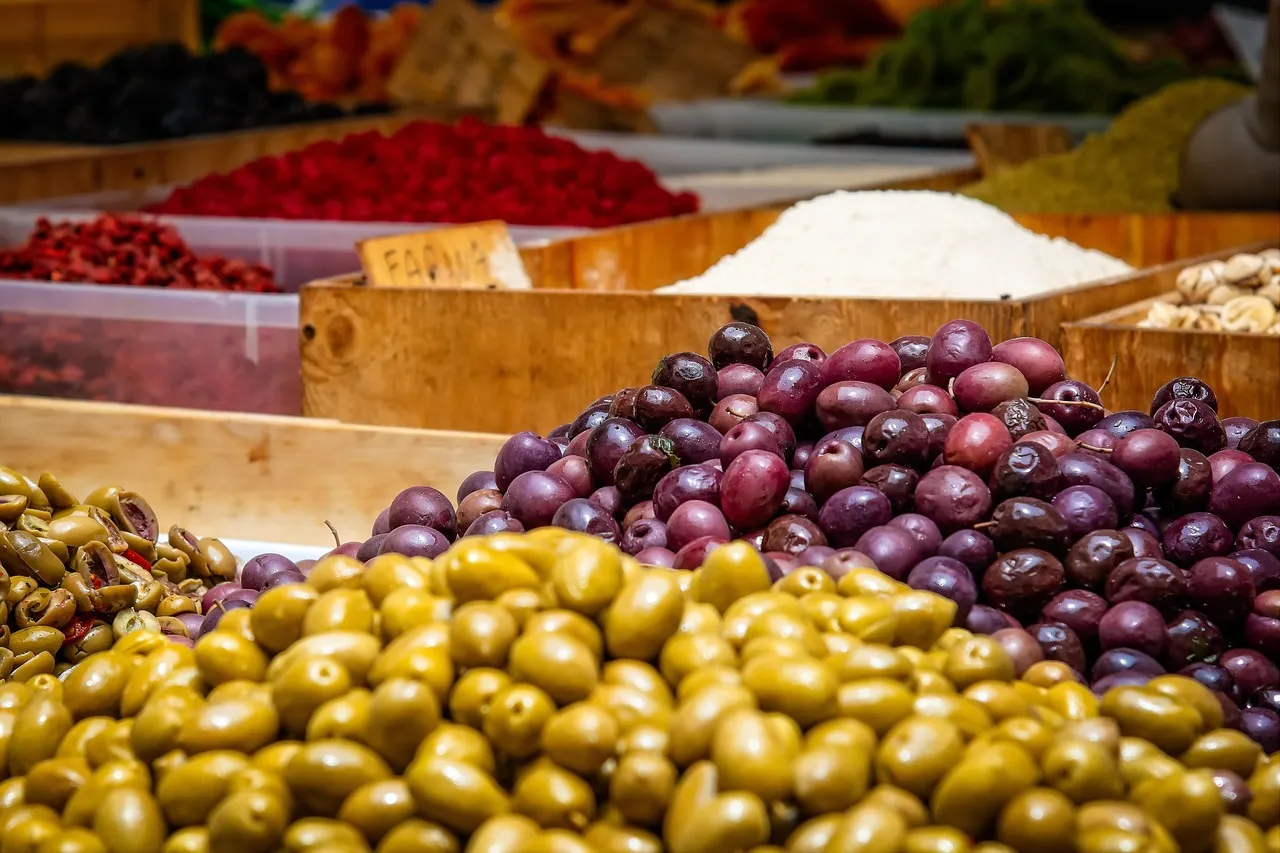
There’s a difference between moving through a market as a spectator and actually engaging with it. Spice markets like these are not museums. They’re working commercial ecosystems, and the vendors inside them are skilled professionals with generations of expertise.
Taking photographs without asking first, treating medicinal herbs as photo props, or treating bargaining as a performance rather than a genuine exchange all chip away at the relationship between visitor and market. These are places that deserve your attention, not just your camera roll.
The most meaningful thing a traveler can do is buy something, ask what it’s for, and actually use it at home. That simple act of following a spice from the source to your kitchen closes a loop that has been open for centuries.
How Aroma Works – and Why These Markets Are Unforgettable
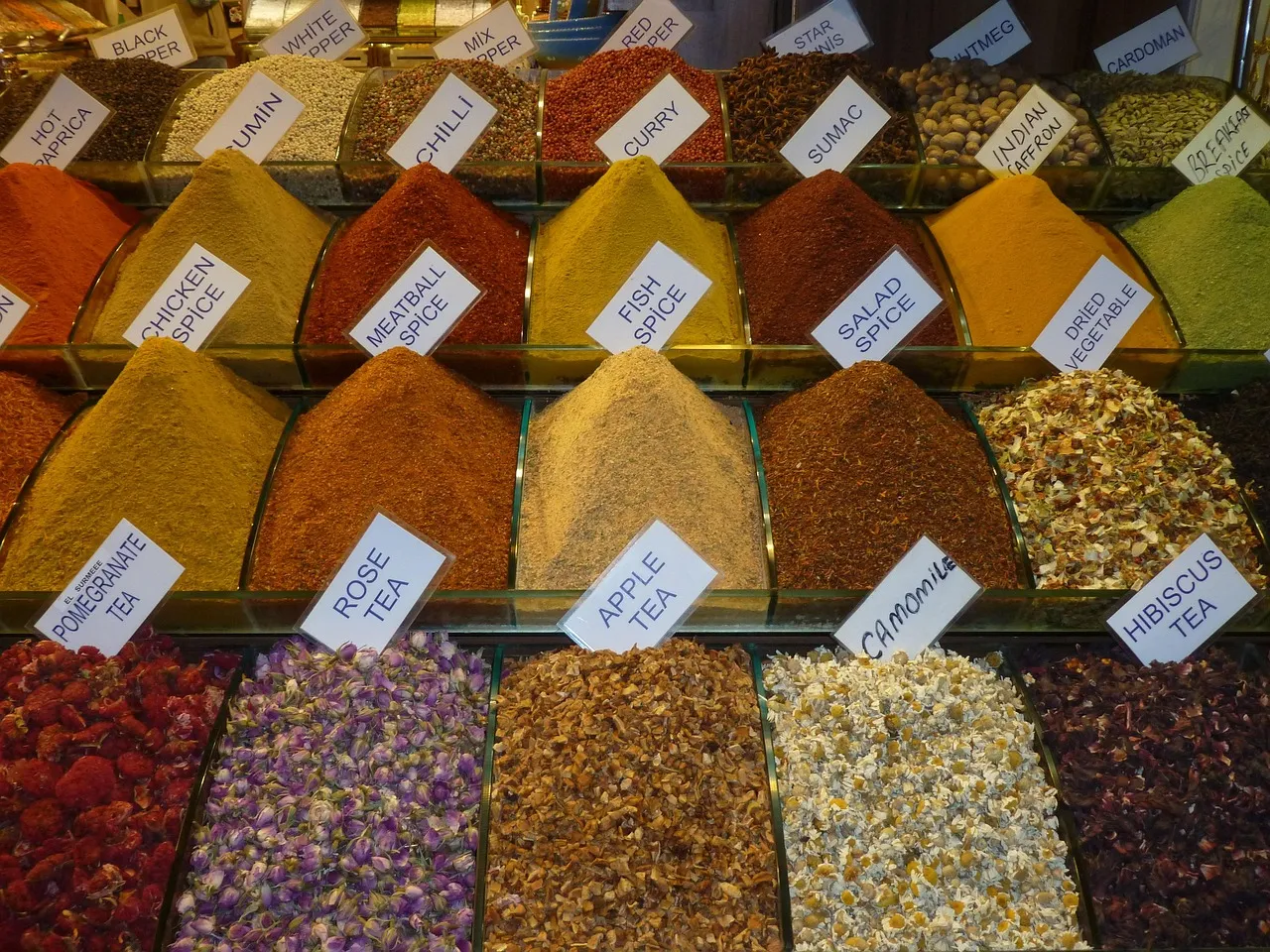
There’s a scientific reason why spice markets hit differently from other travel experiences. The olfactory system connects directly to the hippocampus and amygdala, the brain’s memory and emotion centers, which is why scent-based memories tend to be vivid and durable in a way that visual memories often aren’t.
Markets like Khari Baoli and Misir Çarşısı are partly so memorable because the sensory input is so specific. You’ll remember the precise smell of roasted cardamom in Istanbul’s vaulted chambers long after the visual impression has faded. That’s not a coincidence of design. It’s what happens when centuries of trade concentrate into a single corridor.
The aroma that hits before you turn the corner is doing something very particular. It’s announcing that you’ve arrived somewhere that has remained, through extraordinary historical change, exactly what it was always meant to be.
Practical Wisdom for First-Time Visitors
Morning visits tend to be more rewarding at wholesale-oriented markets like Khari Baoli, where the real commercial activity happens early. At Hanoi’s Long Bien Market, for comparison, the busiest period starts at 4 am, illustrating how seriously working markets prioritize the early hours. The principle applies across most wholesale spice venues globally.
At Rahba Kedima and the Dubai Spice Souk, mid-morning to early afternoon offers good light and active stalls without the most intense tourist crowds. At Marrakech’s Rahba Kedima, the afternoon hours around 4 pm bring sellers down from the mountain villages, creating a particularly lively atmosphere.
Bring small bills wherever possible. Understand that negotiation is a cultural norm, not an adversarial exercise. Travel with space in your bag for what you’ll inevitably want to carry home. And let your nose lead. That’s the whole point.
Spices as Living Cultural Archives
Every market on this list preserves something more than product inventory. In Morocco, spices are used for everything, from tagines in cuisine to skin and body works, to perfumes, to paints and decor. That breadth of use tells you how thoroughly interwoven spice culture is with everyday Moroccan life.
Rahba Kedima’s marketplace has served as a commercial center for cultural exchange since the 11th century. In the heart of Old Delhi, with roots going back to the 17th-century Mughal era, Asia’s largest spice market showcases a kaleidoscope of culinary history. These aren’t static relics. They’re living archives that continue to update themselves with each transaction.
The spice trade is one of the oldest forces in human civilization, having reshaped exploration, colonization, economic power, and culinary culture on every continent. Visiting these markets is one of the few ways a traveler in 2026 can still feel the weight of that history in a direct, sensory, unhurried way.
The Takeaway
There’s an honesty to spice markets that most travel experiences can’t match. They don’t need to present themselves. They simply exist, fragrant and functional and old, and either you walk in or you don’t.
The global spice market is forecast to reach 21 million tons and 61 billion dollars by 2035. That growth will inevitably shape how and where spices are produced and distributed. Whether it changes the character of these four markets remains to be seen.
What’s certain is that Rahba Kedima, Misir Çarşısı, Khari Baoli, and the Deira Spice Souk have already outlasted far greater forces of change than the modern economy. The best reason to visit them now isn’t urgency. It’s gratitude, for something that still smells exactly the way it did a thousand years ago.
AI Disclaimer: This article was created with the assistance of AI tools and reviewed by a human editor.