

1. A Reliable Headlamp
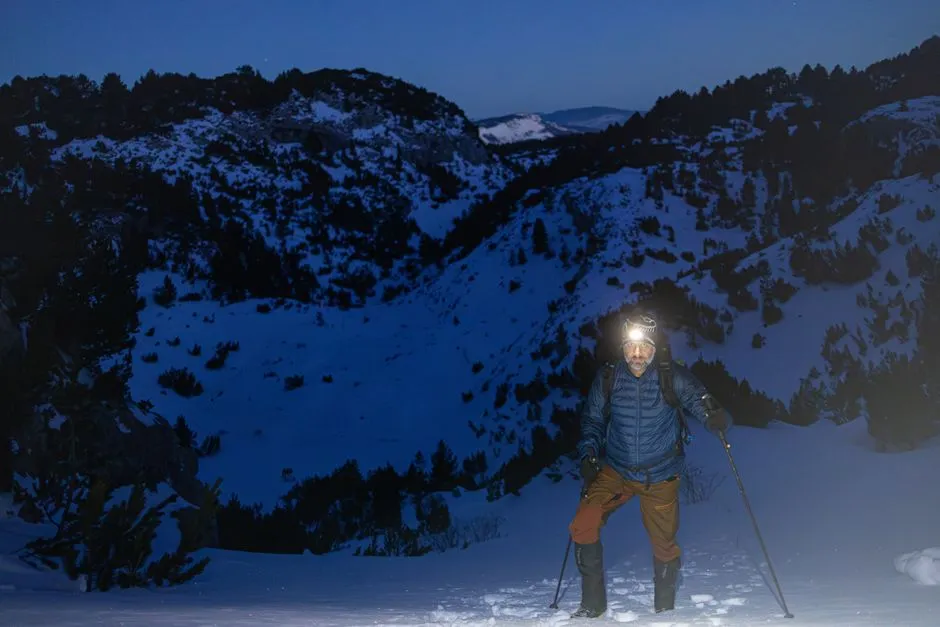
A headlamp is the single most non-negotiable item on a sunrise hike, and it’s worth being specific about why. A reliable headlamp allows you to navigate terrain, assess route conditions, and respond to problems before daylight arrives, since delays, weather shifts, or unexpected obstacles can easily extend your time in the dark. This isn’t a theoretical risk. It’s just how early mornings on trails work.
Even a basic hiking headlamp is infinitely better than a phone flashlight, and the reasoning is straightforward. Headlamps allow you to better focus on the task at hand, since the light is tethered to your head, ensuring you always have lighting in the direction of your vision. A phone flashlight held in your hand shifts and wanders, while a headlamp keeps both your eyes and your hands free.
Over ninety percent of hikers use a headlamp as their main light source, according to a survey conducted by Australian Hiker. For rugged terrain or adverse weather conditions, headlamps rated at 400 lumens or more provide a wider and more penetrating beam, allowing you to see further ahead and react to unexpected challenges. For most moderate trails at dawn, something in the 200 to 400 lumen range is more than adequate.
Battery reliability, weather resistance, beam quality, ease of use, and backup capability are often more important than simply having the brightest possible lamp. Carrying a second headlamp when days are shorter is a sound strategy, since it offers a reliable backup if a hike lasts longer than expected or a hiker gets injured. A spare set of batteries weighs almost nothing and can quietly save the morning.
2. Layered Warm Clothing
Temperature management on a sunrise hike is genuinely more nuanced than most people expect. It will be notably warmer at the trailhead than it will be higher up before dawn. Temperature drops roughly two degrees Celsius for every thousand feet of elevation gain, and conditions tend to get colder toward dawn. That means the temperatures you experience at the top, just as the sky starts to lighten, are often the coldest of the entire outing.
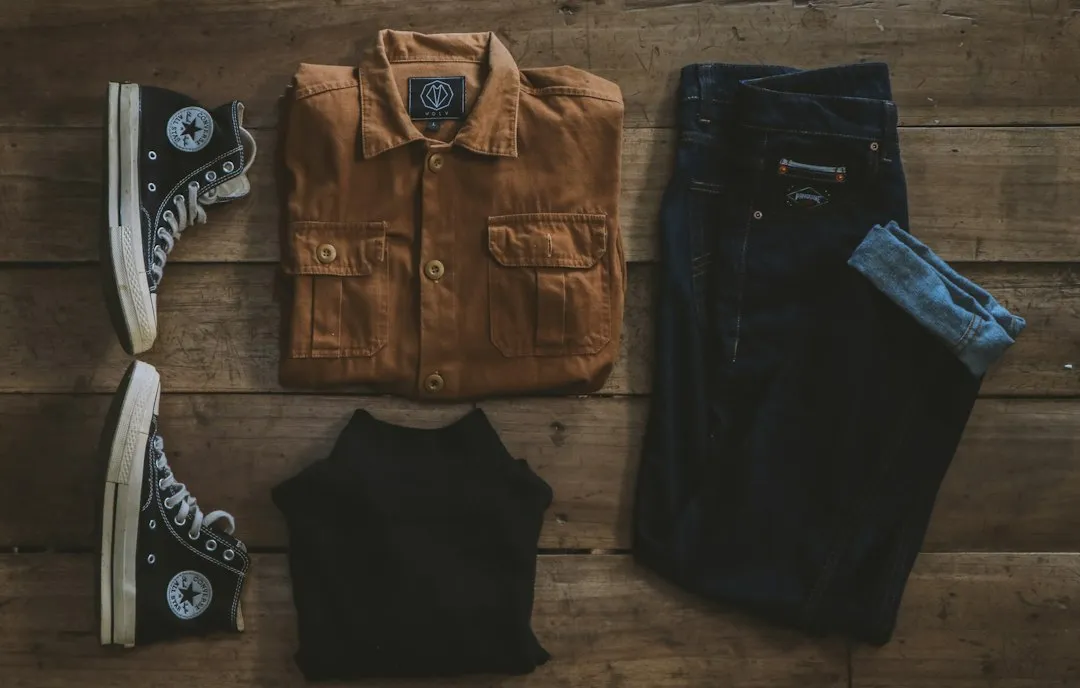
Proper layering creates insulating air pockets that trap warmth while allowing excess heat to escape during movement. The three-layer system works as a coordinated unit: a base layer wicks moisture, a midlayer insulates, and an outer shell shields you from wind and weather. Without this balance, you risk overheating on steep climbs and chilling dangerously during rest breaks.
You’ll want extra layers for any sunrise hike in addition to your standard seasonal gear. Temperatures can take a long time to rise in the morning, and the transition period is longer than most people anticipate. Skip cotton entirely, as it holds moisture and makes you cold when the temperature drops. Instead, opt for lightweight merino wool or synthetic materials like polyester or nylon, which dry fast, breathe well, and regulate core temperature.
Essential warm items for a sunrise hike include a packable puffy coat, mid layers, a warm hat or headband, and gloves. During rest breaks, add a layer immediately to prevent rapid cooling, since your body temperature drops quickly when you stop moving, especially in cold conditions. The summit moment, standing still and watching the sky change, is exactly when the cold catches up with you.
3. Water and Trail Snacks
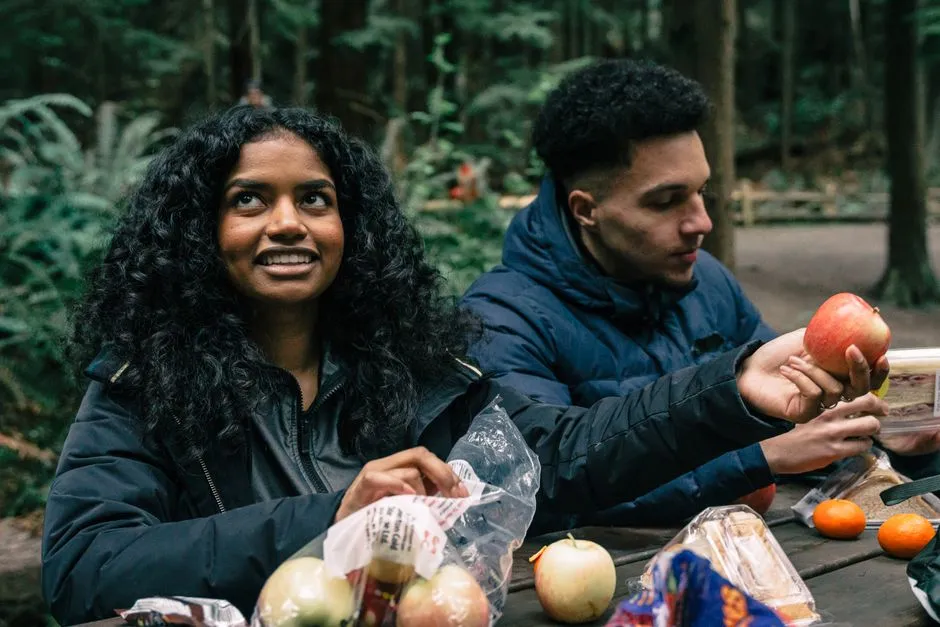
Water is one of the most important items you can take on any hike, and it’s easy to underestimate how much you need, since dehydration can sneak up on you even in cool morning conditions. Carrying at least one and a half to two litres of water is a solid baseline for a sunrise outing. An insulated bottle has the added advantage of keeping your water from turning uncomfortably cold at higher elevations.
Food is just as important as hydration, and the right choices can make a real difference on a cold pre-dawn climb. Trail snacks that are dense in calories and easy to eat without stopping work best. Think nuts, energy bars, dried fruit, or a small wrapped sandwich. Those who’ve done many sunrise hiking trips tend to agree that carrying the extra weight needed for a hot drink, like coffee in a thermos, is almost always worth it.
Hot food is always twice as delicious on a cold mountain, and packing a thermos of soup or hot oatmeal alongside your water bottle can turn a chilly wait at the summit into something genuinely comfortable and enjoyable. It’s a small addition to your pack with an outsized effect on how you feel during the best part of the whole experience.
4. Navigation Tools and Basic Safety Gear
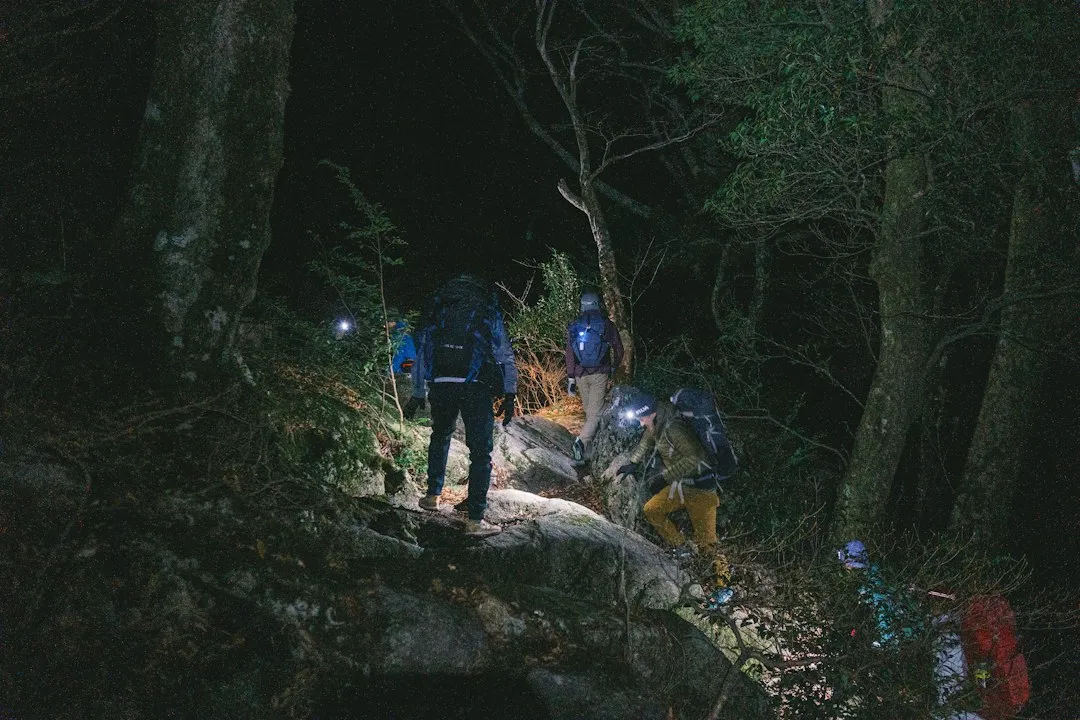
Navigating in the dark is fundamentally different from hiking in daylight, and even familiar trails can look disorienting before dawn. Even with a bright headlamp, it’s easy to walk past important trail junctions at night. When hiking in daylight, note crucial junctions and check them on your map or GPS so you can recognize them in low light. Preparation done in the light makes all the difference in the dark.
A simple navigation setup doesn’t need to be complicated. A downloaded offline map on your phone, or a printed trail map tucked in your pack, is a practical minimum. Personal items worth including are your ID, a portable battery for your phone, and any necessary medications alongside your trail permit if one is required. A portable battery is especially useful because cold temperatures drain phone batteries faster than most people realize.
Basic first aid belongs in any hiking pack, sunrise or otherwise. A compact first aid kit should include adhesive bandages, antiseptic wipes, antibiotic ointment, tweezers, insect repellent, and any medications you may need. It’s equally important to always tell someone your hike itinerary and your planned return time before you set out. That single habit costs nothing and adds a meaningful layer of safety to any pre-dawn adventure.
The Takeaway
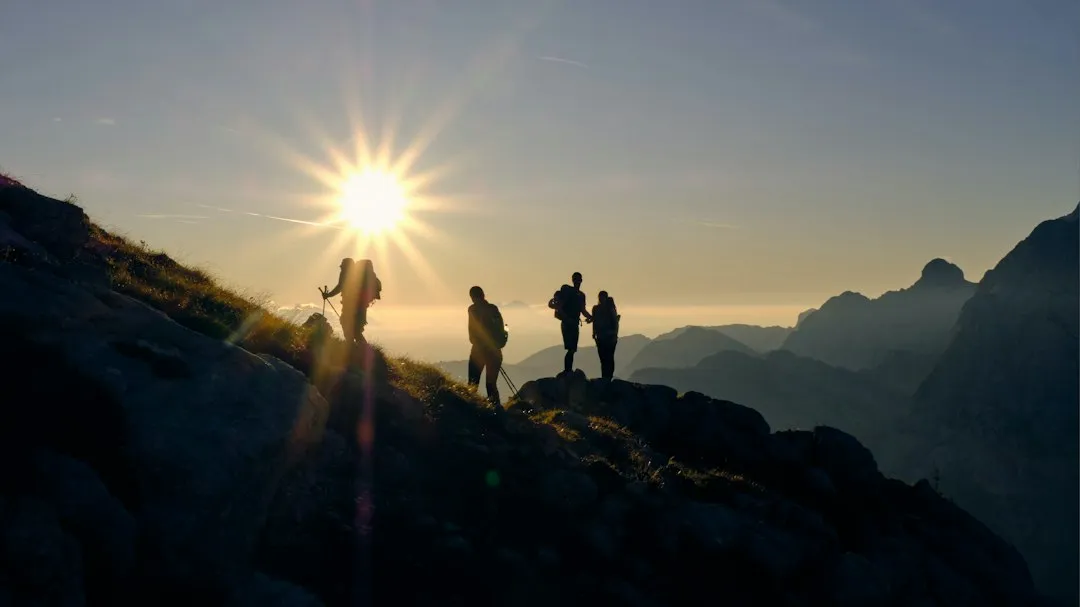
A sunrise hike rewards preparation in a way that few other outdoor experiences do. The cold, the dark, the quiet effort of the climb, all of it resolves into something genuinely extraordinary the moment that first light breaks across the horizon. Getting there comfortably, safely, and without scrambling for something you forgot, that’s what smart packing is really about.
These four categories, a reliable headlamp, proper layered clothing, hydration with warm food, and basic navigation and safety items, cover the essentials without overcomplicating things. Pack them thoughtfully, check your gear the night before, and give yourself plenty of time to reach the summit before the sky changes. The rest takes care of itself.
AI Disclaimer: This article was created with the assistance of AI tools and reviewed by a human editor.