
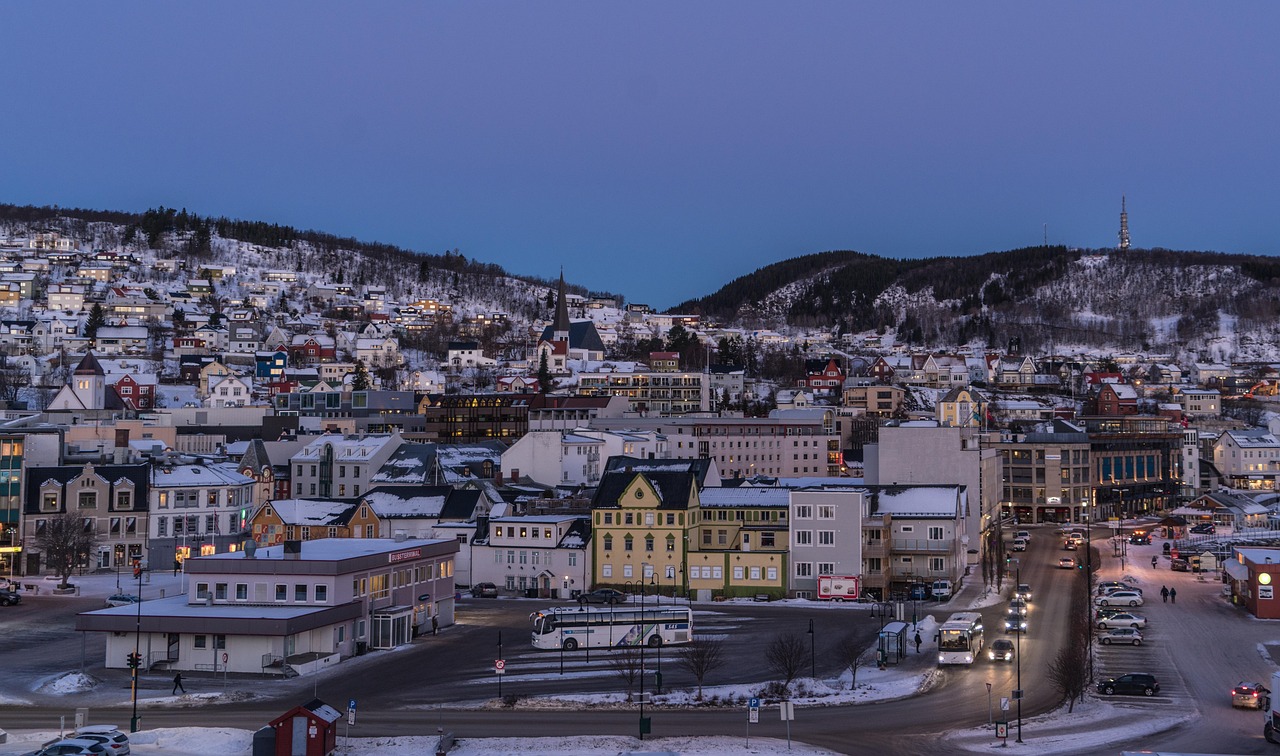

The Norwegian Fjords: UNESCO-Listed Landscapes That Earn Every Superlative
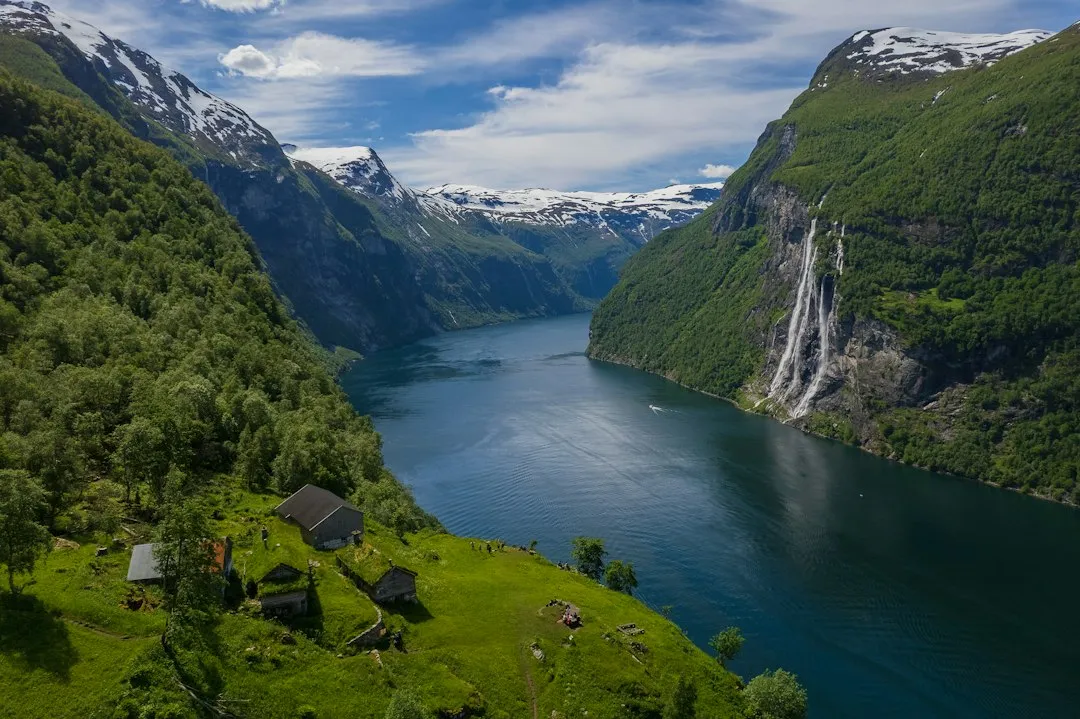
The Norwegian fjords are among the world’s most spectacular natural formations, with over a thousand deep, steep-sided inlets carved by glaciers over roughly two and a half million years. They are not a backdrop. They are the destination itself.
Among the world’s longest and deepest, Geirangerfjord and Nærøyfjord are considered archetypical fjord landscapes. Their exceptional natural beauty comes from narrow, steep-sided crystalline rock walls that rise up to 1,400 meters from the Norwegian Sea and extend 500 meters below sea level.
The pair are also rated by the National Geographic Society as the planet’s number one natural heritage site. That’s a meaningful distinction, not marketing language. The 204-kilometer-long Sognefjord, of which the Nærøyfjord and Aurlandsfjord are a part, reaches depths of more than 1,300 meters at its deepest point.
Official statistics from Stranda Hamnevesen, the port authority for Geiranger and Hellesylt, recorded 176 cruise calls carrying nearly 500,000 passengers in 2024. The scale of interest reflects just how deeply this landscape has captured global imagination. In 2024, Norway’s cruise industry recorded 3,654 cruise visits carrying over 5.9 million passengers, with projections for 2026 reaching approximately 3,900 calls and 6.4 million passengers.
As of 2026, zero-emission requirements have been introduced for passenger ships in Norway’s World Heritage fjords, marking a significant shift toward sustainable travel in these protected waters. Visiting now means witnessing both the landscape and a meaningful transition in how humans choose to move through it.
The Northern Lights: A Once-in-a-Generation Window Is Open Right Now
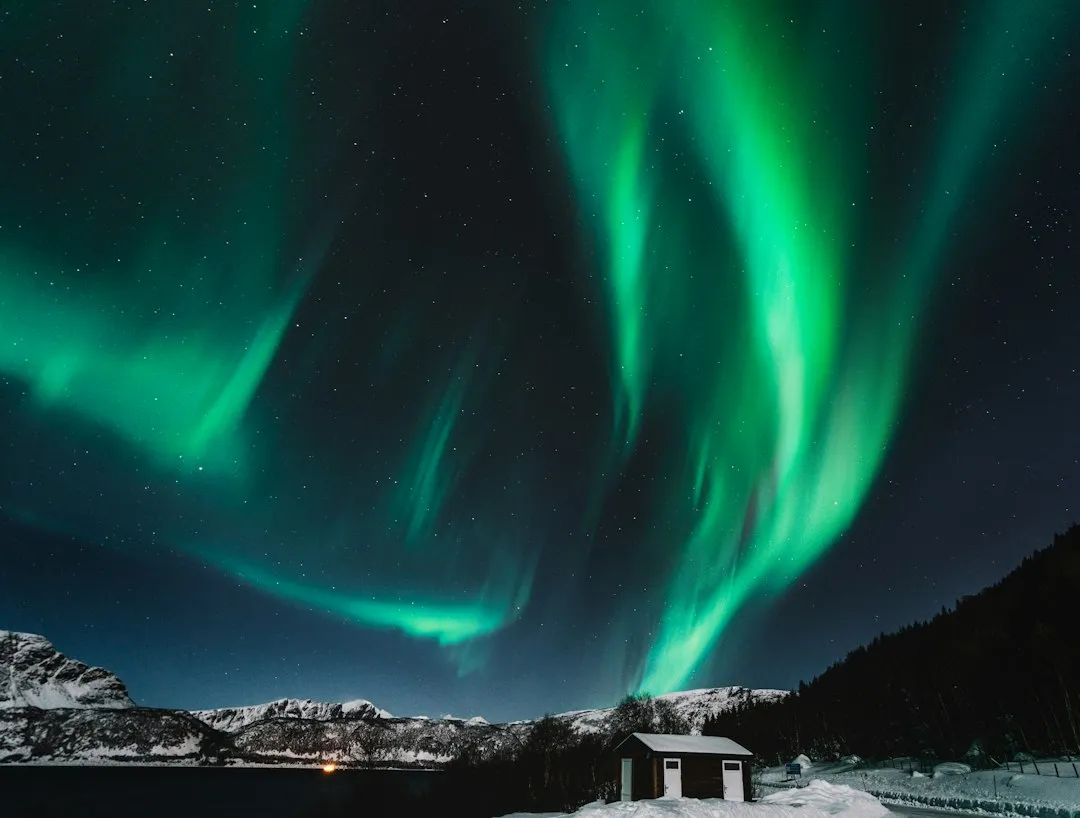
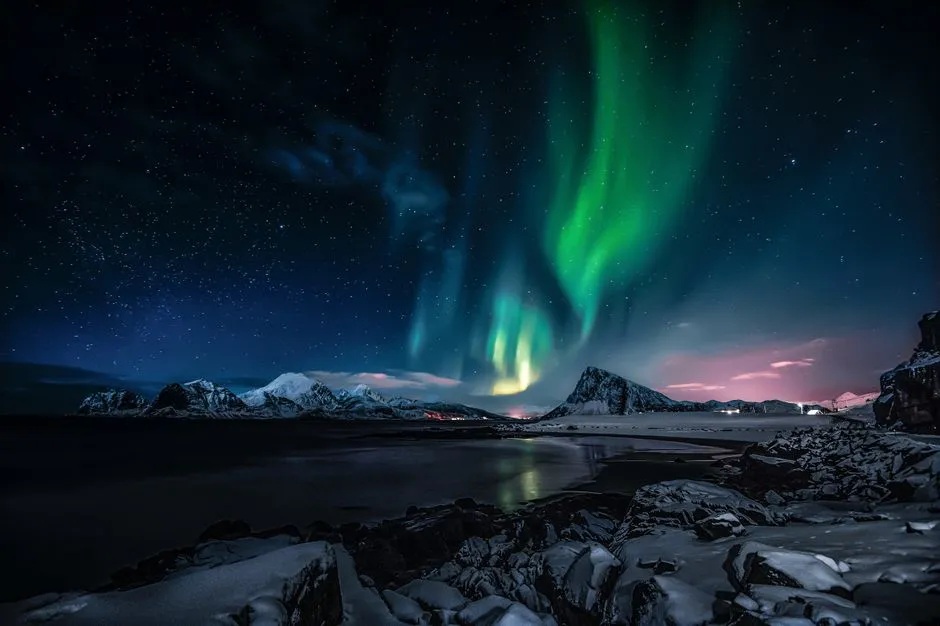
Norway is one of the best places in the world to see the Northern Lights, thanks to its location directly under the auroral oval, where geomagnetic activity creates the strongest and most frequent aurora displays. Tromsø, Alta, Kirkenes, and the Lofoten Islands are all prime locations.
Scientists have confirmed that the period between 2024 and 2026 aligns with the Solar Maximum, the peak of the Sun’s 11-year cycle. During this phase, solar storms intensify, dramatically increasing the frequency, brightness, and visibility of the aurora even at lower latitudes. This is, in plain terms, a rare window.
Over 100 verified aurora sightings were recorded between January and April 2025 in areas as far south as Bergen, representing the southernmost regular aurora activity in Norway during this solar cycle and drawing widespread scientific and media attention.
According to a survey commissioned by Expedia, nearly half of Americans said they would prioritize aurora chasing in the year ahead over other bucket-list experiences, rating it as more in-demand than a visit to Egypt’s pyramids or a walk along the Great Wall of China. Norway’s northern lights tourism market generated revenue of USD 32.6 million in 2024 alone.
The Lofoten Islands: Where Arctic Drama Meets Living Culture
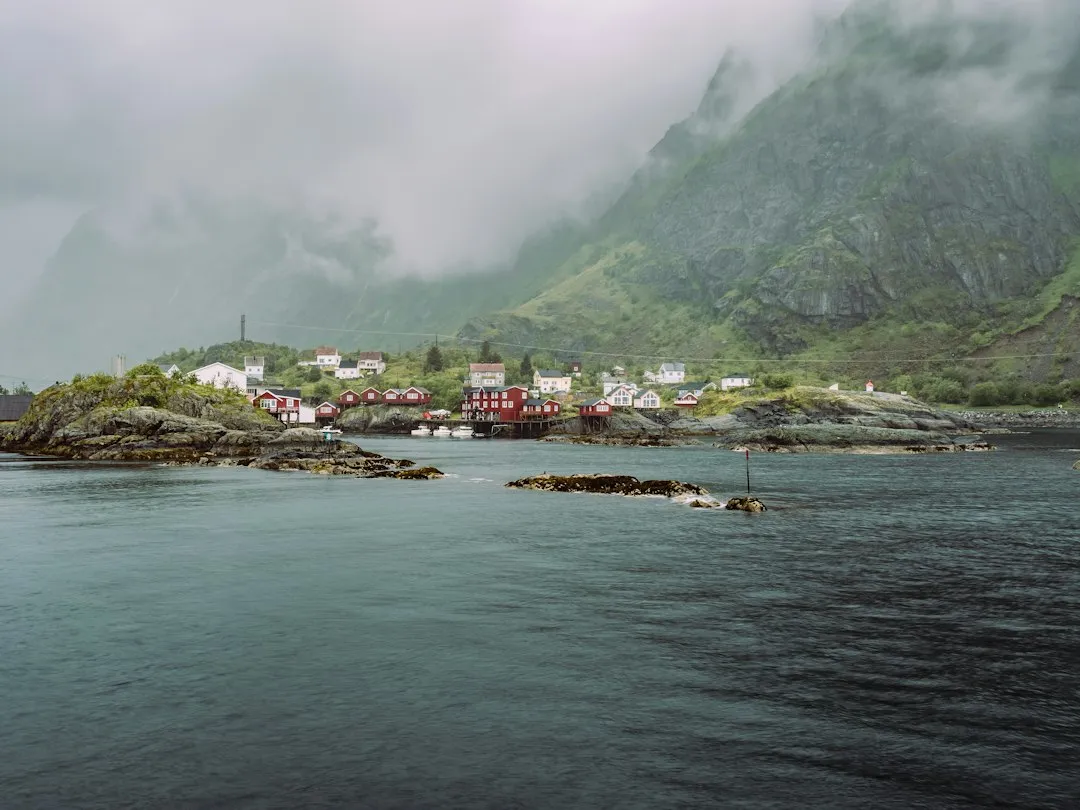
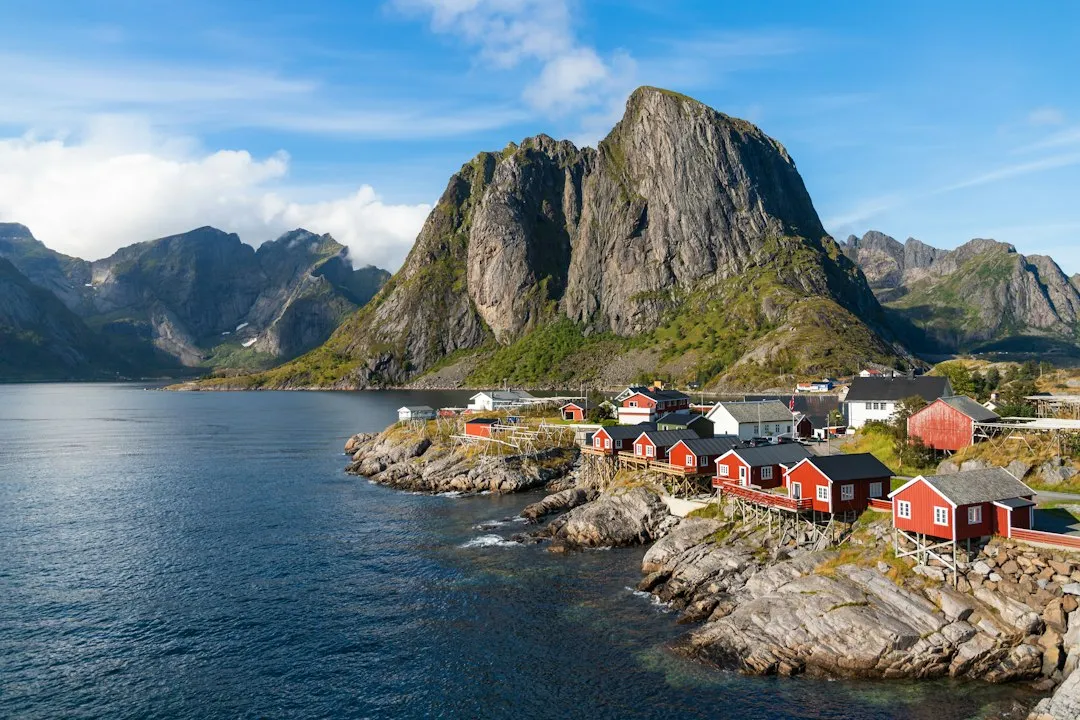
Lofoten is one of the world’s most striking destinations, an Arctic archipelago where jagged mountain peaks rise from turquoise waters and red wooden fishing villages cling to rocky shores. Its visual character is instantly recognizable, yet somehow still manages to surprise in person.
The Lofoten Islands are located above the Arctic Circle in Northern Norway, stretching into the Norwegian Sea around 1,300 kilometers north of Oslo. Located above the Arctic Circle, the islands benefit from the Gulf Stream, resulting in a milder climate than other regions at the same latitude.
Fishing villages such as Henningsvær and Reine still cling to the rugged coastlines, and locals continue the centuries-old tradition of drying Atlantic cod on wooden racks. This isn’t staged heritage. It’s a living economy and a deeply rooted way of life that travelers can observe and genuinely connect with.
Lofoten holds the prestigious “Sustainable Destination” certification, recognizing the islands’ commitment to protecting their extraordinary natural environment while welcoming visitors. Northern Norway alone logged well over two million commercial overnight stays in summer 2025, driven by interest in midnight sun road trips, island hopping, and hiking above the Arctic Circle. Planning ahead, particularly for summer, is essential.
The Midnight Sun: A Natural Phenomenon With No Easy Equivalent
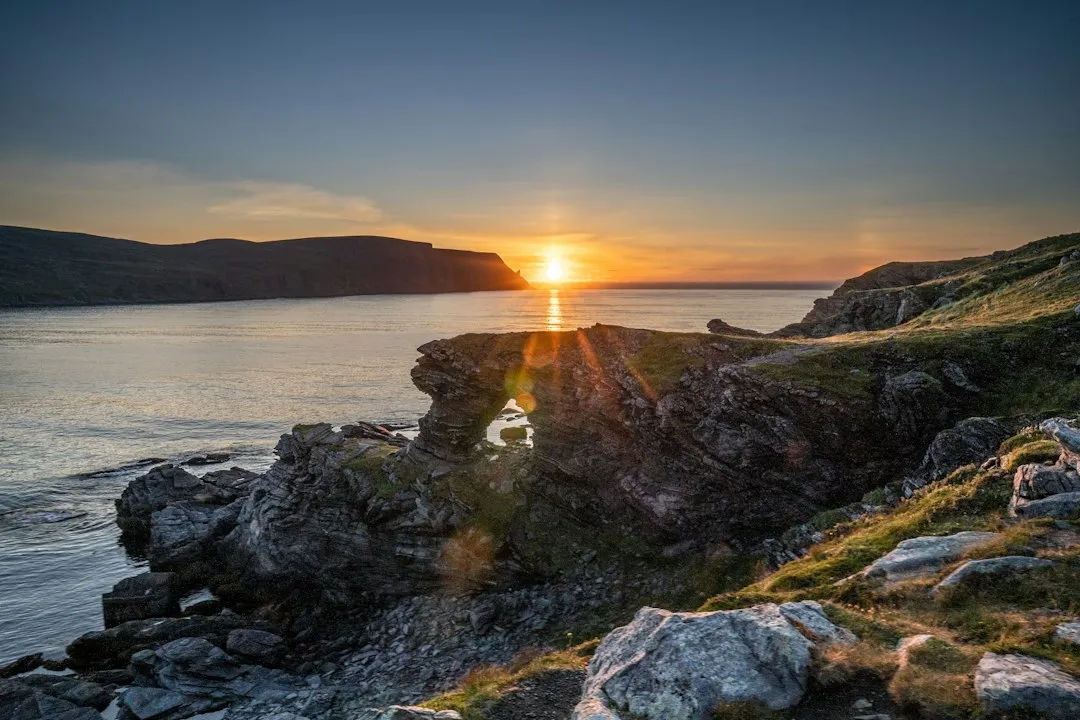
Norway is called the “land of the midnight sun,” a natural phenomenon where the sun never sets for weeks or even months in the north. Reading that sentence and actually experiencing it, standing at the water’s edge at 11:30 pm in full golden daylight, are entirely different things.
As the Earth spins with a tilt of around 23.5 degrees, the polar regions have an annual period of constant sunlight, as well as one of constant darkness. If you want to experience the Midnight Sun at its most beautiful, it’s hard to imagine a better setting than over the pointed mountain peaks and deep fjords of Lofoten.
In 2024, the peak tourist months in Norway were July and August, with July recording the highest number of guest nights at 6.5 million, followed by August with 5.2 million. These numbers reflect how powerfully the midnight sun draws visitors north each summer. The light quality during those weeks, soft, continuous, and otherworldly, is genuinely unlike anything in everyday experience.
Norway is a great year-round destination. In summer, lush landscapes beckon hikers and bikers, while winters offer cozy opportunities for cross-country skiing and dog sledding. The midnight sun, however, belongs to summer alone, and it’s worth planning your calendar around it rather than fitting it in as an afterthought.
How Norway Is Changing the Way You’ll Experience These Things
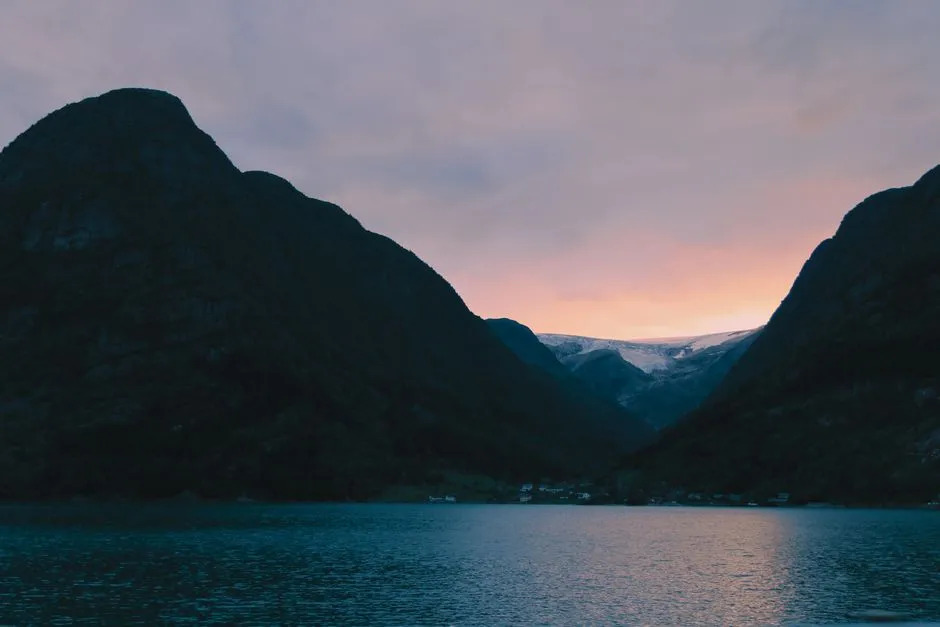
By 2026, Norway’s government requires that all cruise ships and tourist boats in the UNESCO-designated West Norwegian Fjords operate at zero emissions. That policy is already in effect, and it’s reshaping the way people access and experience these protected waters.
According to Booking.com’s 2024 Sustainability Report, the percentage of travelers who believe sustainable travel is important rose to 83% in 2024. Norway has been quietly building its infrastructure around exactly that value for years. The country makes it easy to travel ecologically. Roughly one in five cars in Norway is electric, and new internal-combustion engine vehicles are no longer sold after 2025.
Travelers should expect more differentiated pricing that reflects sustainability goals, with tourist taxes, port fees, and environmental surcharges supporting trail maintenance, waste systems, and nature protection. These aren’t penalties for visiting. They’re investments in keeping the experience worth having.
Planning Practically: What the Numbers Tell You
Norway counted around 38.6 million overnight stays nationwide in 2024, an all-time high, with northern counties capturing a growing share as travelers push beyond Oslo and the southern fjords. That figure points clearly to the direction of travel demand.
High demand means that early planning is more important than ever, particularly for travel in July and early August or for aurora-focused trips between December and March. Accommodation in compact fjord villages and on popular islands can sell out months ahead.
In 2024, the average length of stay for tourists visiting Norway was just over three nights per visitor. That’s a short window for a country this rich in experience. If any of these four things genuinely interests you, it’s worth going longer rather than trying to compress everything into a long weekend.
The Quiet Case for Building Your Trip Around One Thing
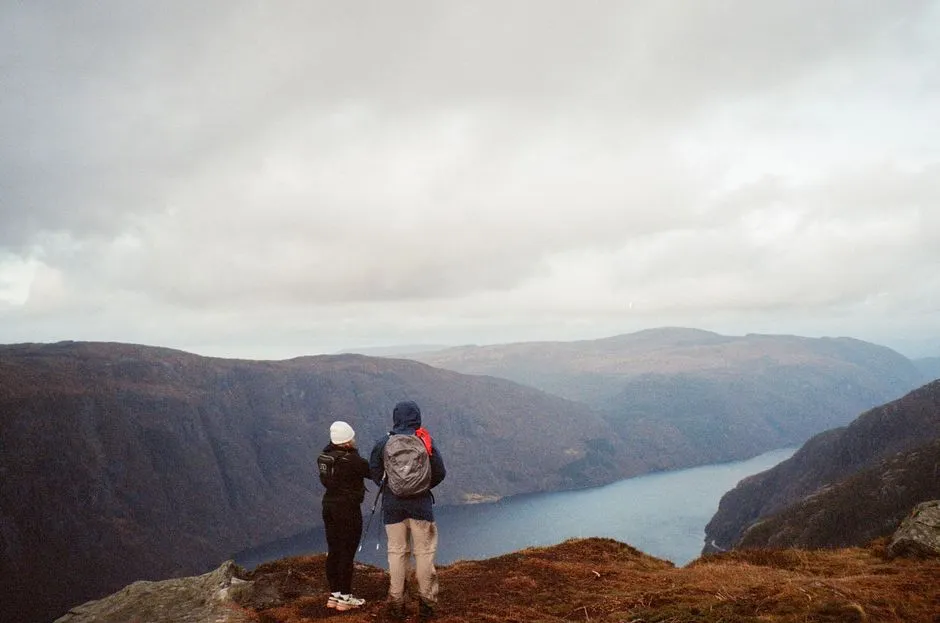
Most people arrive in Norway wanting to see everything. That impulse is understandable. The country offers an almost unfair amount of beauty within its borders. The problem with chasing everything, though, is that you risk experiencing nothing deeply.
Choosing one of these four experiences as the anchor of your trip, whether it’s a fjord cruise through Nærøyfjord, a winter aurora camp near Tromsø, a hiking week across the Lofoten Islands, or midsummer nights bathed in endless golden light, transforms the entire itinerary. Everything else becomes context rather than competition.
Epic landscapes, rich cultural history, and a growing commitment to sustainable tourism make Norway a top destination for travelers the world over. The country rewards travelers who come with a clear intention, who choose depth over breadth and presence over a checklist.
The Takeaway
Norway doesn’t need to be oversold. Its landscapes are real, its commitment to responsible tourism is measurable, and the science behind its aurora window is documented. What’s worth knowing is simply this: the timing, in 2026, is unusually good across all four of these experiences at once.
The Solar Maximum is still delivering extraordinary aurora displays. The fjords have never been cleaner or better managed. Lofoten’s certification as a sustainable destination means your visit actively supports its preservation. The midnight sun will keep rising at midnight in July, as it always has, quiet and astonishing in equal measure.
Pick one. Go properly. Come back for the others.
AI Disclaimer: This article was created with the assistance of AI tools and reviewed by a human editor.