
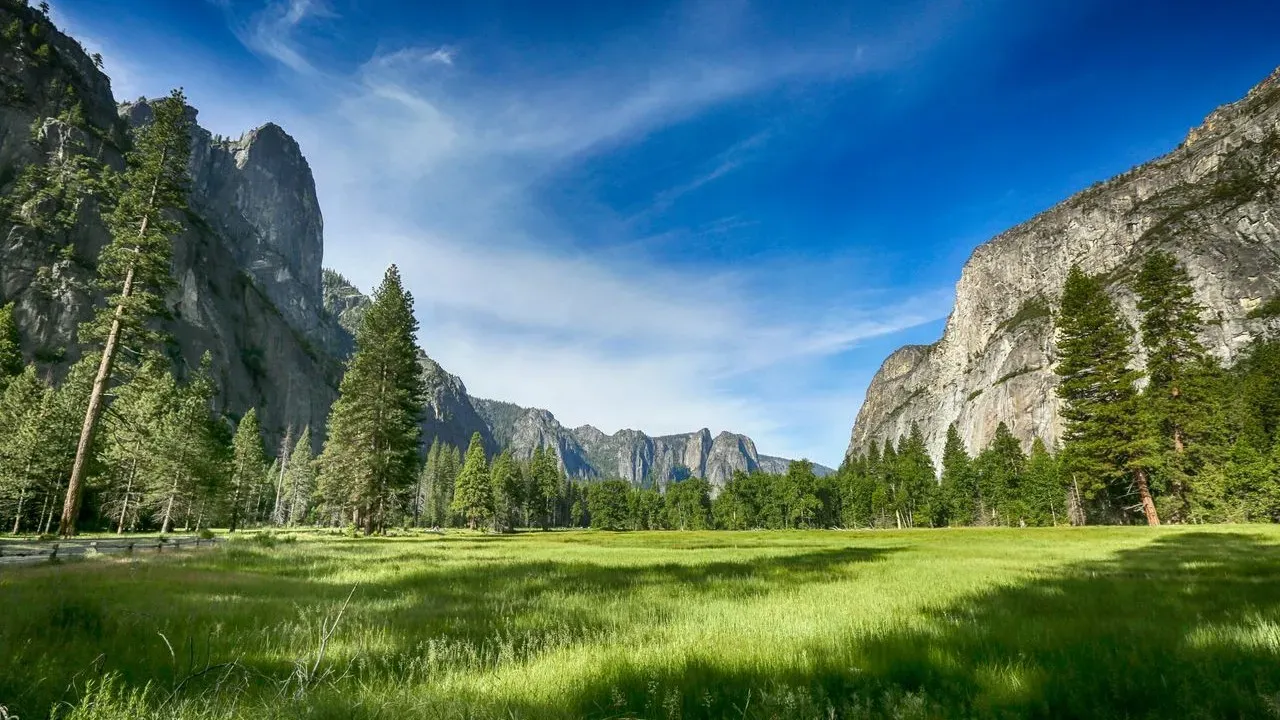

Yosemite National Park – Tuolumne Meadows sit high in the Sierra Nevada, their open grasslands serving as vital sponges for water and havens for wildlife. Decades of historical grazing left the soil depleted and the native sedges scarce. In response, researchers from Colorado State University planted 40,000 sedge seedlings to help rebuild the meadow’s living foundation. Three years later, early signs of recovery appear alongside one persistent obstacle. ([1])
The Meadows’ Quiet Importance
These high-elevation wetlands store water through dry seasons and support a rich web of plants and animals. When the dominant sedges decline, the soil loses its ability to hold moisture and carbon. The result is a meadow that dries faster and invites conifer encroachment, altering the open views and ecological balance visitors cherish. Restoring the native vegetation therefore protects both the landscape and the experiences it offers.
Planting for Long-Term Soil Health
The team chose sedges because their dense roots and rhizomes rebuild organic matter below ground while shading the soil surface. This approach directly addresses the legacy of late-1800s sheep grazing that removed the key plant species and triggered ongoing carbon loss. After three years, soil indicators show improvement, yet the meadow continues to release more carbon than it stores. Scientists estimate full recovery may require 25 to 30 years of sustained effort.
The Remaining Challenge
The core difficulty lies in reversing more than a century of degradation. Historical overgrazing removed the plants that once anchored carbon in the soil, and decomposition still outpaces new growth. Experts note that vegetation recovery is an encouraging first step, but rebuilding stable soil carbon processes takes longer. Continued monitoring over the coming decade will clarify whether early gains translate into lasting storage.
Visiting With Care
Travelers can support these meadows by staying on established trails, avoiding sensitive wet areas, and learning about the park’s restoration work through official programs. Small choices like proper waste disposal and respecting seasonal closures help protect fragile soils while the seedlings mature. In this way, a visit becomes part of the ongoing story of stewardship rather than an added pressure on the land.
AI Disclaimer: This article was created with the assistance of AI tools and reviewed by a human editor.