
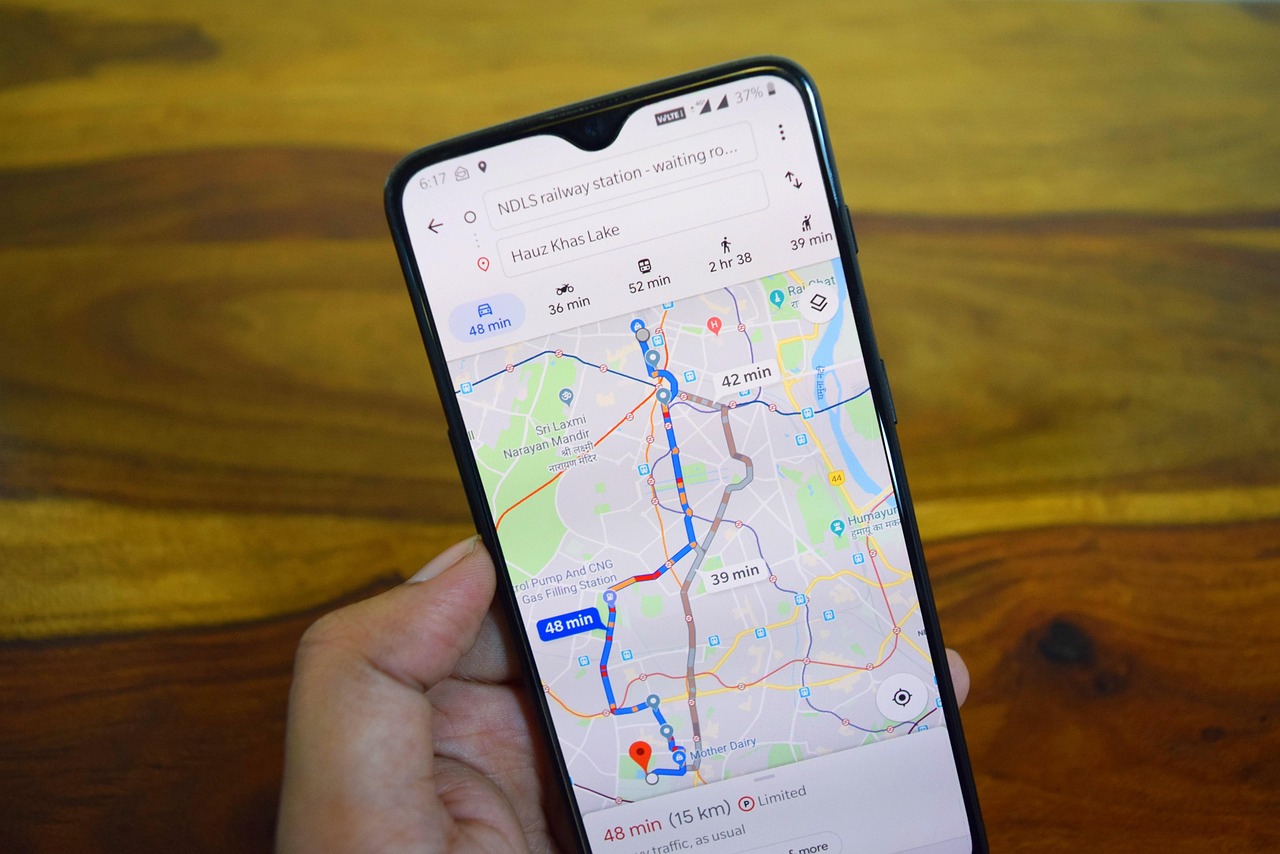

Packing your bag is only half the preparation. The other half lives on your phone. Travel has shifted dramatically in recent years, and the apps that once felt optional have quietly become essential infrastructure for getting around, staying safe, and making the most of wherever you land.
A study by Going found that more than half of respondents planned to take more international trips in 2025 than the previous year, and technology has made achieving those travel goals far easier than when people relied on paper maps, guidebooks, or travel agents. The apps below were chosen for one simple reason: they solve real problems, before and during a trip. Here they are, one by one.
1. Google Maps: The Navigator That Goes Offline
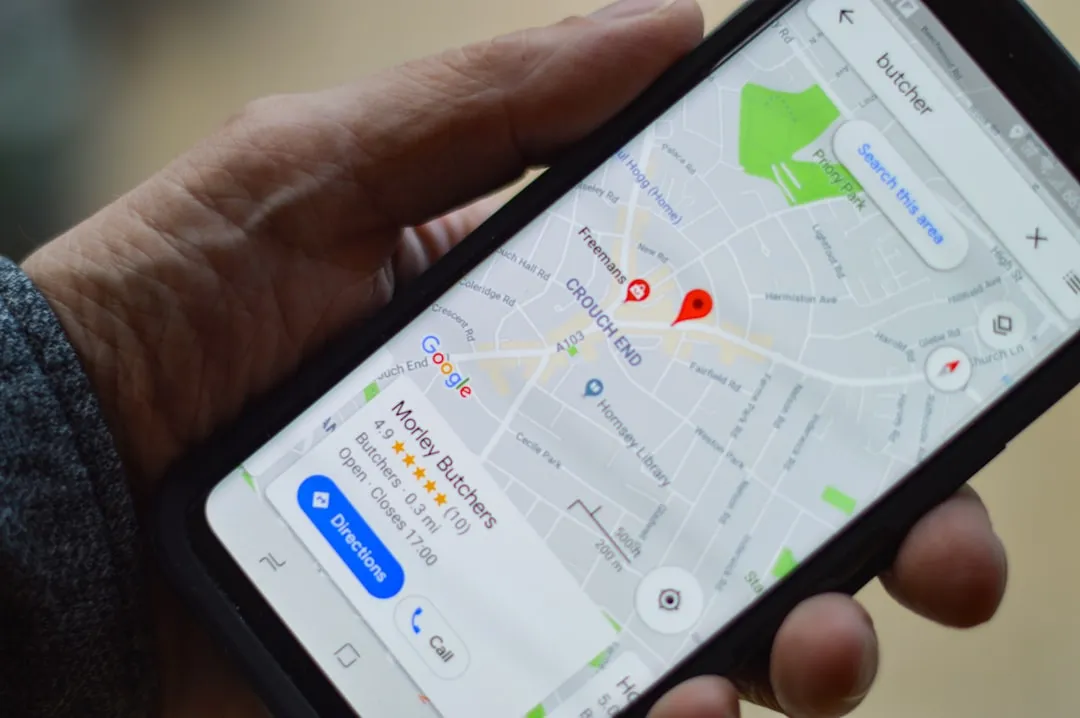
Over two billion people use Google Maps monthly worldwide as of 2024, and the app has exceeded ten billion installs on Android alone. Those numbers reflect something genuine: for most travelers, Google Maps is simply the first app they reach for when they arrive somewhere unfamiliar.
According to Statista’s 2024 Digital Travel Report, mobile navigation apps are now used by over 80% of international travelers, making them the single most-used travel technology, ahead of booking apps, translation tools, and currency converters. That statistic alone says a great deal about how central navigation has become to modern travel.
Users can save maps to their devices for offline use, which is particularly valuable in areas with weak or no internet connection, allowing uninterrupted access to maps and navigation. According to the GSMA Mobile Economy 2025 report, 4G and 5G coverage still does not reach roughly 6% of the global geographic area. That might sound small, but it matters enormously when you are standing in the middle of it.
In March 2026, Google launched Immersive Navigation, its largest navigation update in more than a decade, featuring 3D route visualization, while also introducing Ask Maps, a Gemini-powered conversational assistant embedded directly into the Maps interface, capable of generating recommendations from more than 300 million places.
2. Google Translate: Your Pocket Language Companion

Google Translate now serves more than one billion users each month and handles approximately one trillion words in translation every month across Translate, Search, Google Lens, and Circle to Search. The service celebrated its twentieth anniversary in April 2026, and its scale is genuinely difficult to grasp at first.
Google Lens takes the guesswork out of traveling by using your camera to overlay translations directly onto things like menus and signs, so you always know exactly what you are ordering or where you are going when traveling abroad. This camera-based feature has moved well beyond a novelty into something travelers now genuinely depend on daily.
Languages can be downloaded for offline use on both Android and iOS, because the need for access does not stop when the signal does, whether you are navigating a remote trail or traveling in a new country. English, Arabic, Spanish, French, Japanese, German, Hindi, Chinese, Russian, and Italian are among the most downloaded offline languages around the world.
About a third of people using Translate on mobile turn to the app to learn and practice a new language, which gives it a secondary layer of usefulness that goes well beyond the airport and the restaurant menu.
3. Airalo: Skip the SIM Card Line

Anyone who has stood at an airport kiosk trying to buy a local SIM card after a long-haul flight knows exactly how unnecessary that experience feels. Airalo was built to replace it entirely. Airalo is a telecommunications company founded in 2019 that sells digital eSIM cards and is headquartered in Delaware, with its operational base in Singapore. As of July 2025, the company reported over 20 million users.
In 2026, travel eSIM apps have become the default way smart travelers stay connected abroad. A travel eSIM app lets you browse, buy, and install a prepaid mobile data plan in minutes, directly on your phone, with no physical card, no airport queue, and no contract.
Over 30 million travelers trust Airalo to keep them connected across 200 or more destinations. Single-country plans can last from 7 to 30 days, while regional and global plans can be good for up to 365 days. The pricing is transparent, and the installation typically takes only a few minutes from your home Wi-Fi before you leave.
Consumer awareness of eSIM technology has risen steadily from around one in five people in 2020 to roughly half of all consumers by 2025, which reflects just how quickly this category has moved from early adopter territory into mainstream use.
4. TripIt: The Itinerary Organizer That Does the Work for You

TripIt is a comprehensive travel organization app designed to consolidate all travel details into a single, easily accessible itinerary, and it is particularly popular among frequent travelers who need an organized and streamlined way to manage their trips. The core concept is refreshingly simple.
Users forward their travel confirmation emails, covering flights, hotels, car rentals, and more, to TripIt, which then automatically creates a master itinerary and integrates with email services to compile all the information into a single timeline. No manual data entry. No digging through folders for a hotel confirmation number at midnight.
The Pro version provides real-time flight alerts, including delays, cancellations, and gate changes, ensuring travelers are always updated. There is also the option to upload documents such as boarding passes or hotel confirmations, and the itinerary can be easily shared with family members when traveling solo or with travel partners so everyone has access.
TripIt describes itself as the world’s highest rated travel organizing app, and it can organize your travel plans no matter where you originally booked. That platform-agnostic quality is what makes it genuinely useful across different booking habits.
5. XE Currency: No More Mental Math at the Market

Currency confusion is one of those small, persistent travel stresses that adds up across a trip. You are at a market, you see a price, and you have no sense of whether it is reasonable or not. XE Currency solves this without any fuss. XE Currency is consistently listed among the most popular travel apps for 2026, alongside tools like Google Maps, TripIt, and Wise, helping with everything from navigating to managing money while traveling.
XE Currency Converter is a reliable, free, up-to-date tool that is easy to use, and it functions offline as well, meaning it works just as well in a rural village without connectivity as it does in a well-connected city center. The exchange rates update in real time when you do have a connection, and it stores the last rates it pulled for use when you go offline.
The app supports virtually every currency in the world, including many that other tools overlook. For travelers heading to destinations with less commonly traded currencies, that breadth of coverage matters. Travel apps are not strictly required, but they make traveling much easier, helping you find better deals, stay organized, navigate unfamiliar places, and communicate in different languages. XE fits neatly into that philosophy.
A Few Things Worth Knowing Before You Download
Experienced travelers have used apps for everything from finding a last-minute room and navigating a city offline to translating menus, tracking flights, and staying connected without paying excessive roaming charges. These five apps cover the core of that spectrum without overwhelming your phone with redundant tools.
Every app on this list has a free tier that is genuinely functional. You do not need to pay for premium versions before you even know whether a tool suits your travel style. Download them, explore the free features, and upgrade only if the use case is clear.
The travel app market has a huge variety of apps for every step of the journey, making travel a more manageable experience. At the core, there are marketplace apps that combine many services, with more specialized tools dedicated to specific needs branching off from there. These five cover the fundamentals: navigation, language, connectivity, organization, and money. Get those right, and most other challenges become much smaller.
Connectivity and Coverage: What to Check Before You Go
It is worth spending a few minutes before your trip confirming which of these apps will need a data connection and which can function offline. Google Maps, Google Translate, and XE Currency all have offline modes that require a brief setup, typically downloading a language pack or map region over Wi-Fi before you depart.
Even in a world where 5G networks are spreading rapidly, offline maps remain one of the most essential tools in a traveler’s kit, because you will still hit dead zones in rural Japan, underground metro tunnels in Paris, or remote stretches of Patagonia where no signal reaches. The same principle applies to translation and currency tools.
Airalo handles the connectivity layer, but it is important to confirm that your phone is eSIM compatible before downloading it. The majority of newer mobile phones support eSIMs, and if you have an iPhone 14 or newer model, your phone should support an eSIM. Android compatibility varies by manufacturer, but most flagship devices from 2022 onward are covered.
Before You Board: A Simple Pre-Trip App Checklist

Setting up five apps sounds like a small task, but doing it properly takes a little time. Download offline maps for your destination region in Google Maps. Download the language packs you need in Google Translate. Purchase and activate your Airalo eSIM before you leave home so you land with data already working. Forward all your booking confirmations to TripIt so your itinerary is ready to go.
You do not need to download every available travel app. Choose the ones that match your destination, travel style, and the problems you are most likely to face. That is sound advice. The five tools above work together rather than overlapping, which is exactly the kind of digital kit that earns its place in your routine.
A bit of preparation at home genuinely changes the experience abroad. When you land in an unfamiliar city and your maps load instantly, your boarding pass is already in TripIt, your phone connects automatically without roaming fees, and you can read the sign in front of you without guessing, travel feels the way it should: full of discovery rather than friction.
Are Paid Upgrades Worth It?
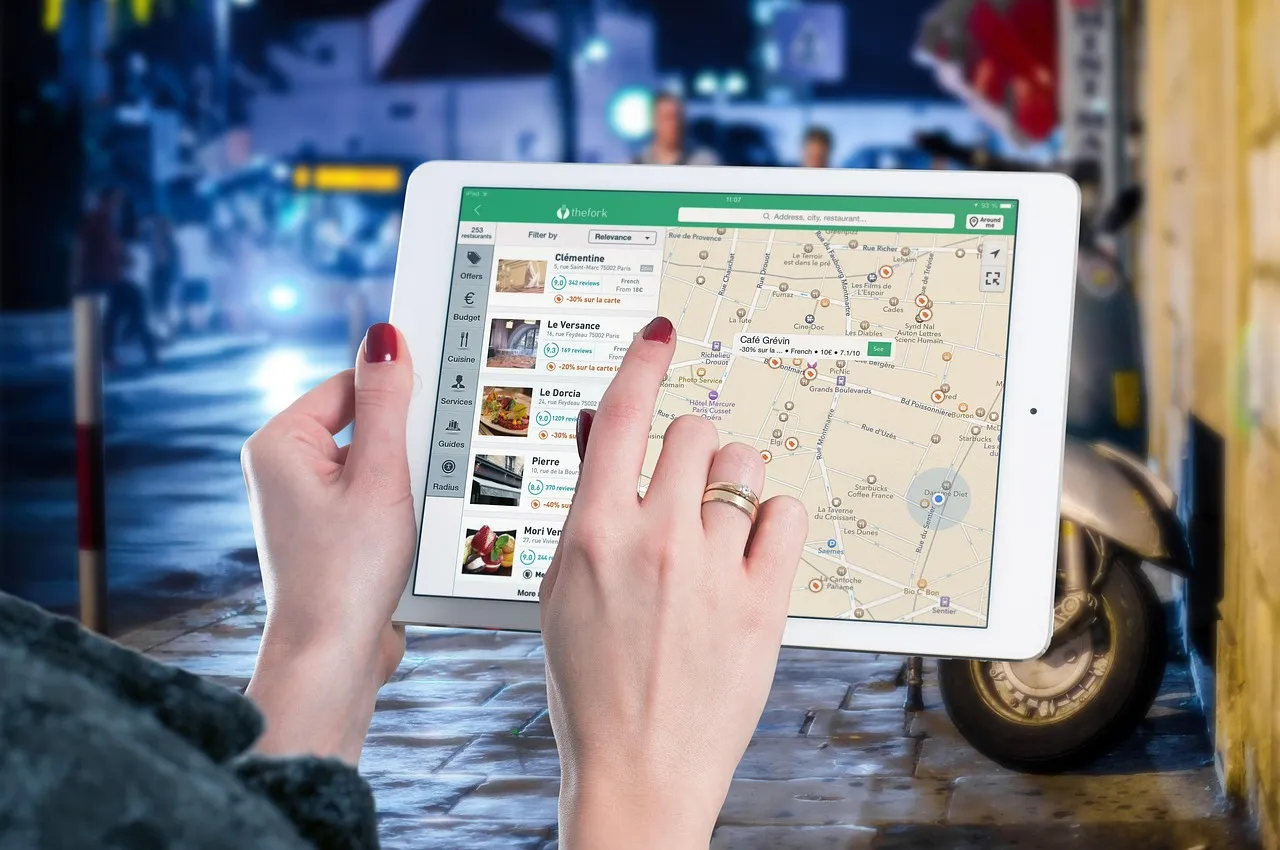
Each of these apps offers premium tiers, and the value of upgrading varies by how often you travel. TripIt Pro is the most compelling upgrade for frequent flyers, given that real-time gate change alerts and flight delay notifications can save meaningful time and stress. For occasional travelers, the free version is genuinely sufficient.
Airalo’s pricing model is already pay-as-you-go, so there is no subscription required. You purchase the data plan you need for each destination, which keeps costs tied directly to usage. Single-country plans can last from 7 to 30 days, while regional and global plans can be valid for up to 365 days, giving flexibility for both short trips and long journeys.
Google Maps, Google Translate, and XE Currency are all free tools with no paywalled features that most travelers would actually miss. The core functionality is available without spending anything, which makes them easy recommendations across every budget.
How These Apps Support Responsible Travel

There is a quiet but real connection between using the right tools and traveling more thoughtfully. When you can navigate independently, you spend less time lost and more time present. When you can communicate in someone’s language, even roughly, the quality of interaction changes. Apps like Google Translate lower the barrier to genuine exchange rather than replacing it.
Google Lens integration has made camera-based translation a standard part of travel, overlaying translations directly onto physical objects like menus, signs, and product packaging via the device camera. This kind of immediate context helps travelers engage with local culture more directly, rather than defaulting to tourist-facing English everywhere they go.
Staying connected through a local eSIM also means supporting local networks rather than defaulting entirely to your home carrier’s international data roaming infrastructure. It is a small choice, but it reflects a broader travel philosophy: show up prepared, stay curious, and try to engage with a place on its own terms.
The Takeaway
Five apps is not many. That is part of the point. The temptation before a trip is to download fifteen different tools and end up using none of them consistently. These five have clear, distinct roles: Google Maps for navigation, Google Translate for language, Airalo for connectivity, TripIt for organization, and XE Currency for money.
The travel app market generated over a trillion dollars in revenue in recent years, which reflects just how central digital tools have become to how the world moves around. Within that enormous ecosystem, the apps that actually earn their place are the ones that solve a specific problem without asking much of you in return.
Set them up before you leave. Do the offline downloads. Test the eSIM. Then close the apps, walk out the door, and go somewhere. The best travel technology is the kind you forget you are using.
AI Disclaimer: This article was created with the assistance of AI tools and reviewed by a human editor.