
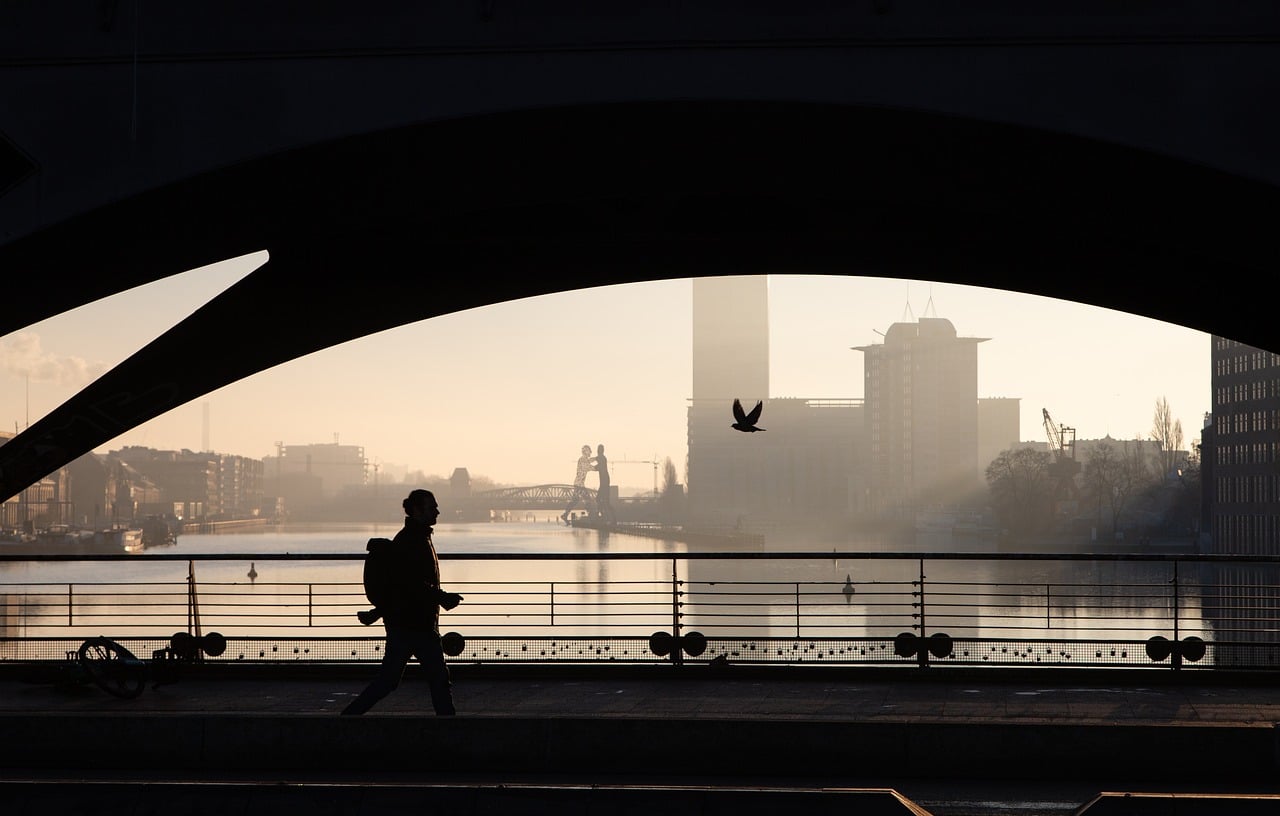

1. Spandau: Berlin’s Oldest Heart
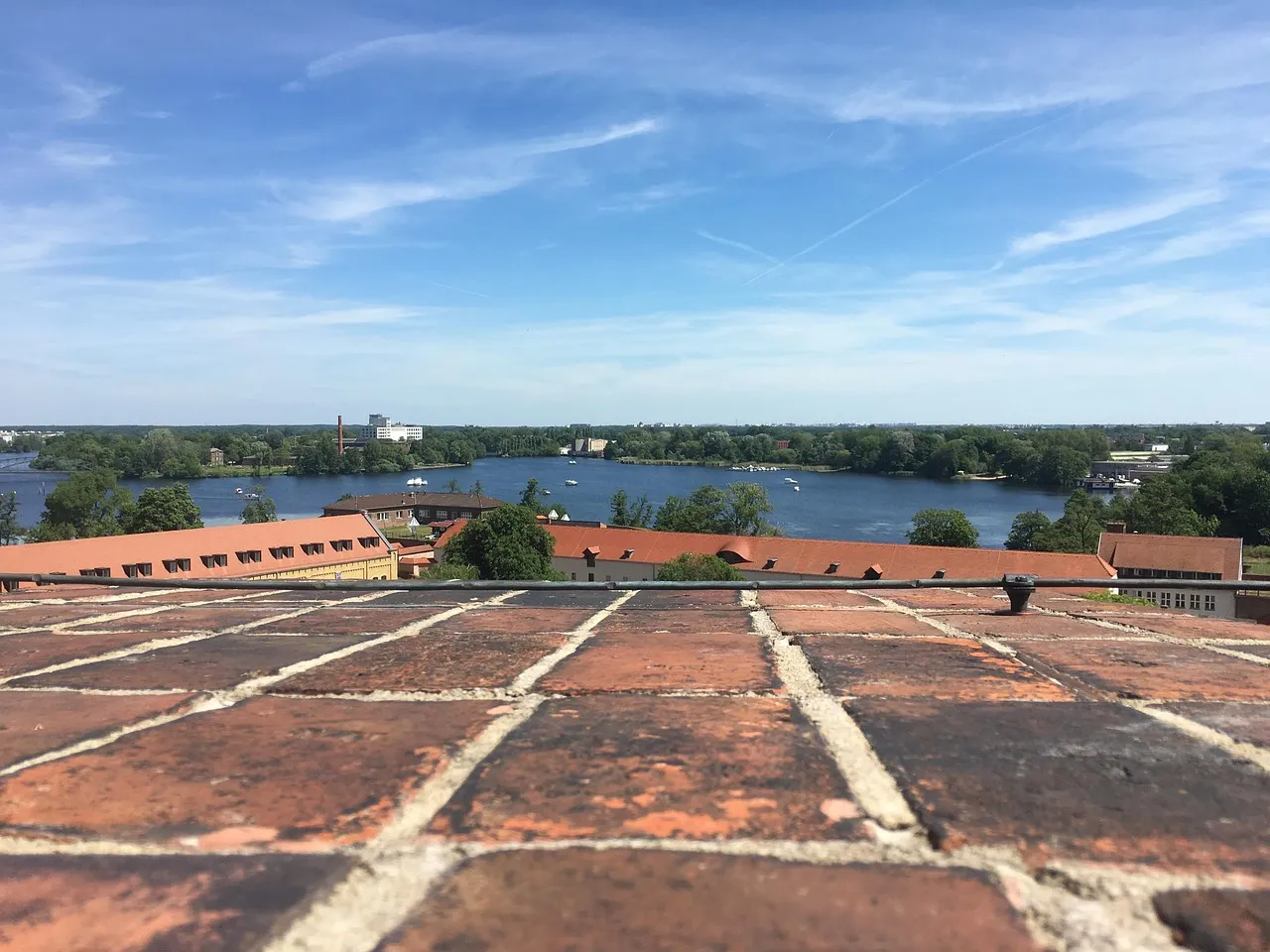
Most people don’t realize that Spandau predates Berlin itself. The year 1197 marked the first recorded mention of the settlement as “Spandowe” in a deed of Otto II, Margrave of Brandenburg – a full forty years before the earliest reference to what became medieval Berlin. That timeline alone reframes how you think about the city’s origins.
The Juliusturm, the oldest building in Berlin, stands within the Zitadelle, a square fortress built in the 16th century that is completely surrounded by water and is one of the most important and best-preserved Renaissance fortresses in Europe. Walking through its thick stone walls feels genuinely ancient, not reconstructed.
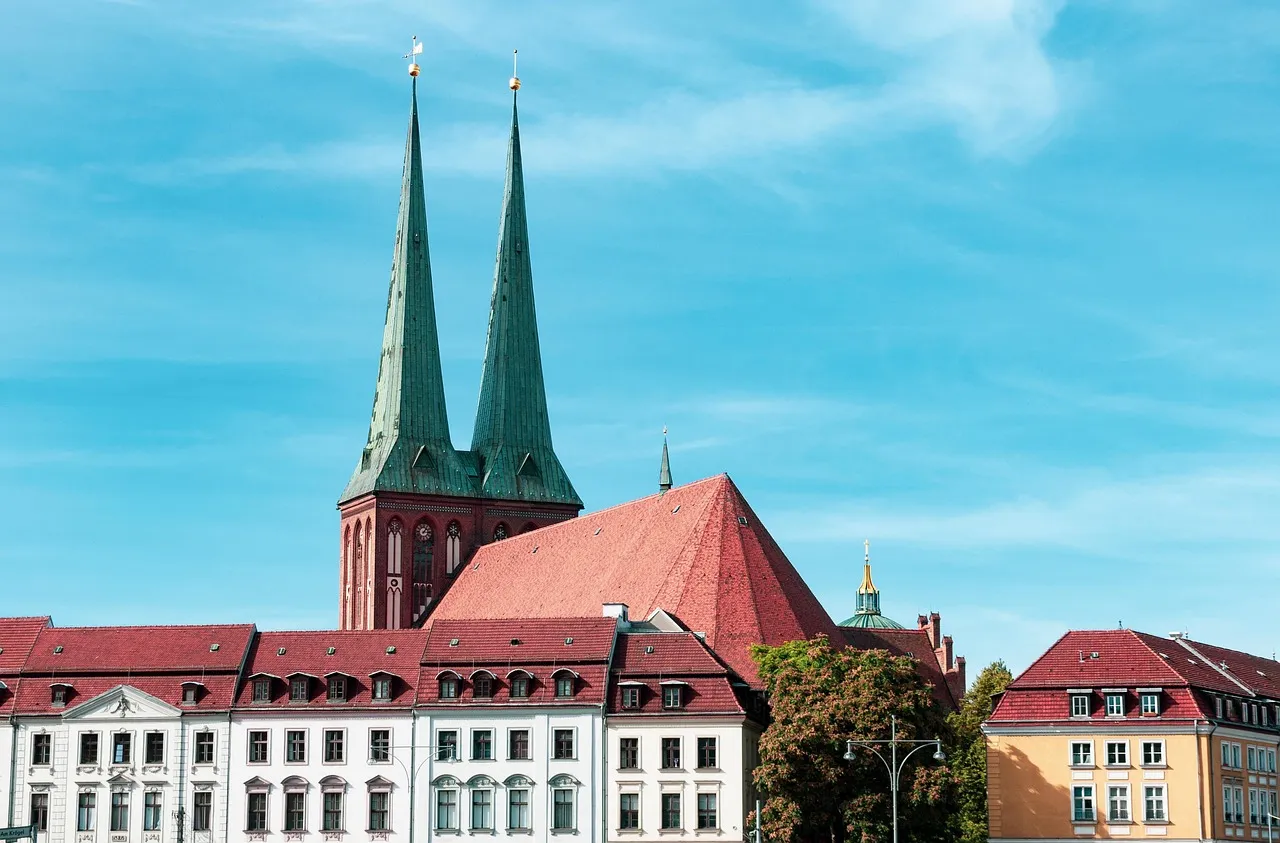
Right opposite the citadel is the Spandauer Altstadt, the old town centre with remnants of the historic wall, old half-timbered buildings, and a large market square. The Nikolaikirche there is considered the cradle of the Reformation in Berlin and Brandenburg. Separated from the rest of Berlin by the Havel River, Spandau has a very special kind of atmosphere and a distinct local patriotism.
2. Prenzlauer Berg: Survival Written in Stone
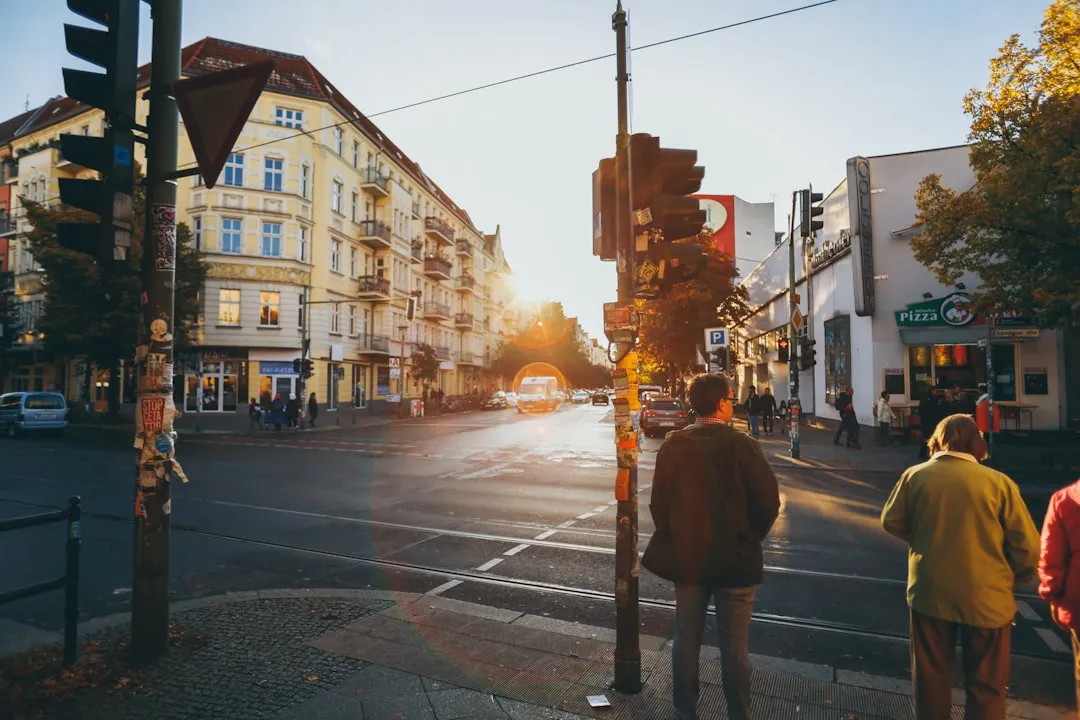
What immediately sets Prenzlauer Berg apart from most of central Berlin is what didn’t happen there. Compared with other areas of the city, this former East Berlin district was relatively spared during the World War II bombings, and as a result, over 300 buildings have been preserved and protected as historic monuments. Walking its streets is, in a quiet way, a walk through survival.
One of the prettier neighborhoods of the former East Berlin, with architecture from the turn of the 20th century, Prenzlauer Berg was one of the hippest neighborhoods in Berlin in the 1990s. That energy has shifted, but the bones of the place remain extraordinary. The Kulturbrauerei, a 19th-century brewery, has transformed into a cultural center complete with shops, performance spaces, and museums.
Mauerpark, a former no-man’s land between the East and West border, sits in the western part of the neighborhood bleeding into Mitte. The ground you stand on at Mauerpark was once a death strip – now it hosts a Sunday flea market and spontaneous karaoke. That kind of layering, grim past beneath present joy, is what makes Prenzlauer Berg quietly extraordinary.
3. Kreuzberg: Resistance, Multiculture, and Memory
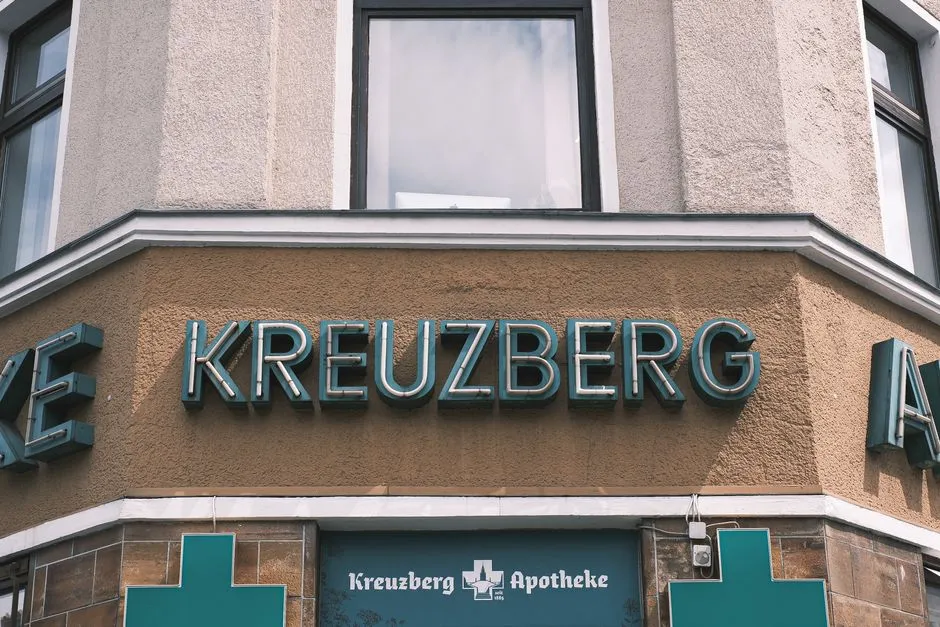
In the southeast of Kreuzberg was the center of the alternative movement and squatter scene in the 1970s and 1980s. Today, SO 36 is considered the multicultural centre of Kreuzberg. That shift from countercultural stronghold to vibrant, diverse community is itself a piece of living history.
The northwest of Kreuzberg is best known for Checkpoint Charlie, the former newspaper district, and its many renowned museums. Yet the district’s most authentic historical texture lives in its streets rather than its official sites. Kreuzberg is a hub for Berlin’s bohemian spirit, famed for graffiti-covered walls, indie venues, and punk bars.
During the Cold War, Kreuzberg sat pressed against the western side of the Wall, effectively a dead end of West Berlin. That geography shaped its identity deeply: it attracted those who wanted to be left alone, artists, migrants, dissidents. The weekly Turkish market along the Maybachufer is the largest in the entire city, open only on Tuesdays and Fridays, selling everything from fresh fruit and vegetables to prepared foods and Turkish-style coffee. That community presence is a direct legacy of that Cold War era.
4. Friedrichshain: The East’s Unfiltered Story
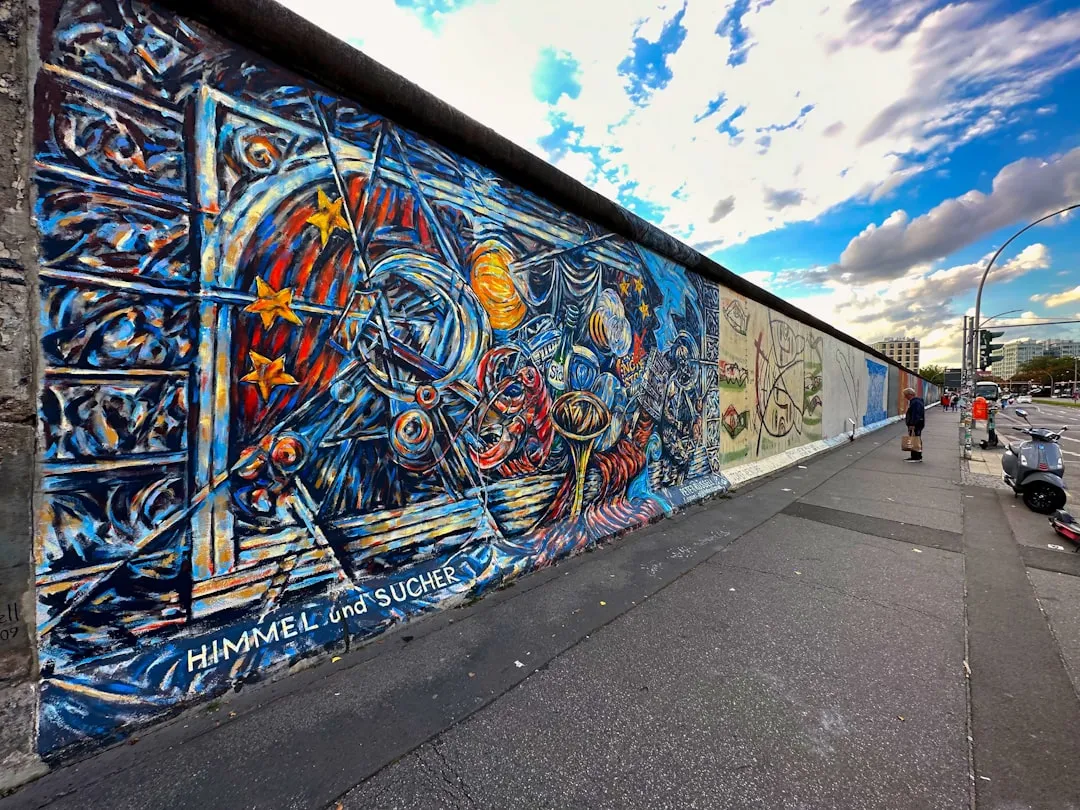
Straddling the eastern side of the River Spree, this former industrial precinct is today home to some of Berlin’s most progressive nightclubs, and Friedrichshain has seen many changes in the last three decades, with its tumultuous history paving the way for it to become one of the city’s most fascinating neighborhoods.
Following the fall of the Berlin Wall and the collapse of East Germany, Friedrichshain became known as representing the abandonment experienced across East Berlin. Today the area is one of the liveliest in the city, with a young population, a cosmopolitan entertainment precinct, and some of Europe’s most revered nightclubs on its fringes. That trajectory from urban abandonment to creative hub happened fast and in full public view.
One of the longest remaining stretches of the Berlin Wall lines the river between Friedrichshain and neighboring Kreuzberg. Known as the East Side Gallery, this stretch of Wall carries murals painted by international artists in 1990, making it one of the more unusual open-air monuments anywhere in Europe. The head of the monumental Lenin statue unveiled in 1970 in Friedrichshain gained international fame from the film “Goodbye Lenin.”
5. Neukölln: Working Class, Immigrant, and Always Changing
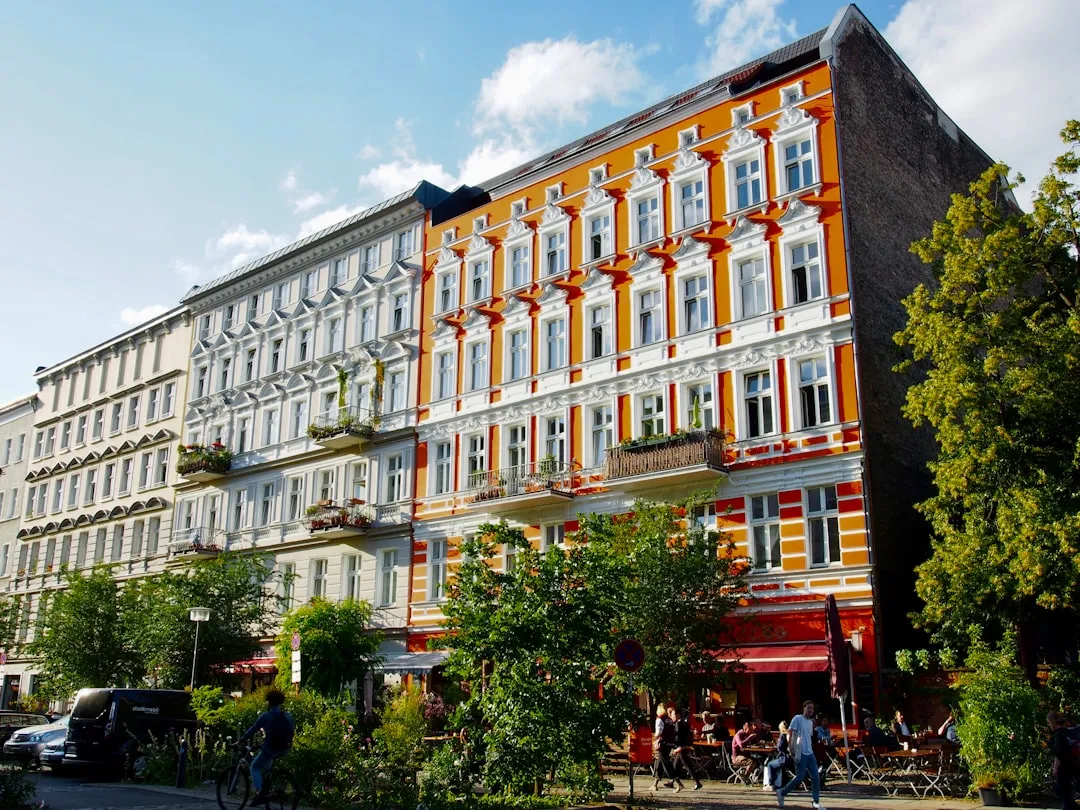
Between its working-class past and rapid gentrification, the district of Neukölln is always changing. That tension is what makes it one of the most honest places to understand how a city like Berlin actually evolves. Neukölln was part of the former American sector under the Four-Power occupation of the city.
The locality of Neukölln, formerly known as Rixdorf and until 1920 an independent city, is a large inner-city quarter that includes the historic village of Alt-Rixdorf and numerous Gründerzeit apartment blocks. Alt-Rixdorf in particular feels tucked away from the rest of the city, a village green and old church courtyard that most visitors never find. Neukölln features many Gründerzeit buildings and is characterized by having one of the highest percentages of immigrants in Berlin.
In 1920, Neukölln was among the seven towns combined by resolution of the Prussian state assembly to create Greater Berlin. The history that followed – working-class politics, postwar migration, cultural layering across generations – is visible in the architecture, the markets, and the communities themselves. In recent years an influx of students and creative types has led to gentrification, but Neukölln’s older identity still shows through clearly for those willing to walk slowly and look carefully.
A Few Thoughts on How to Explore These Districts
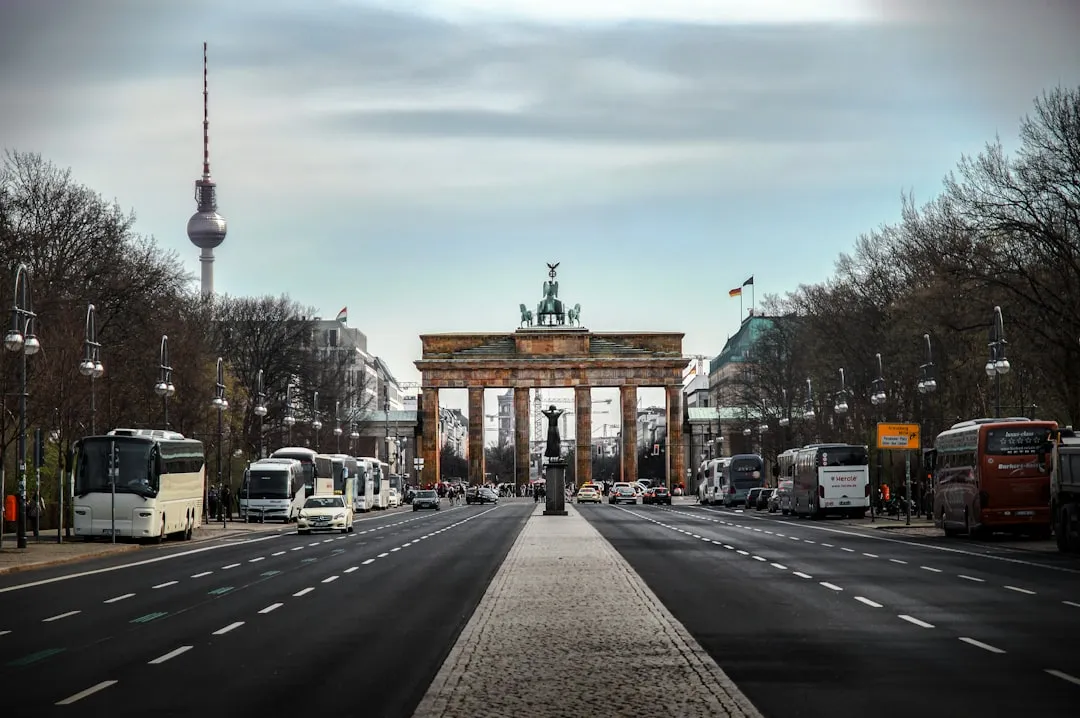
Berlin is more than just the Brandenburg Gate and the Reichstag. If you venture off the beaten track, you will find little wonders around every corner – quiet retreats, surprising perspectives, and places that cost nothing but will stay in your mind for a long time. That observation from Berlin’s official tourism body is, for once, genuinely accurate.
Each of these five districts rewards a slow pace. A morning in Spandau’s old town, an afternoon in the Kulturbrauerei courtyard, an evening walk along the East Side Gallery – none of these require a tour group or a booking in advance. They just require showing up with some curiosity.
The Weight of the City Beneath the Surface
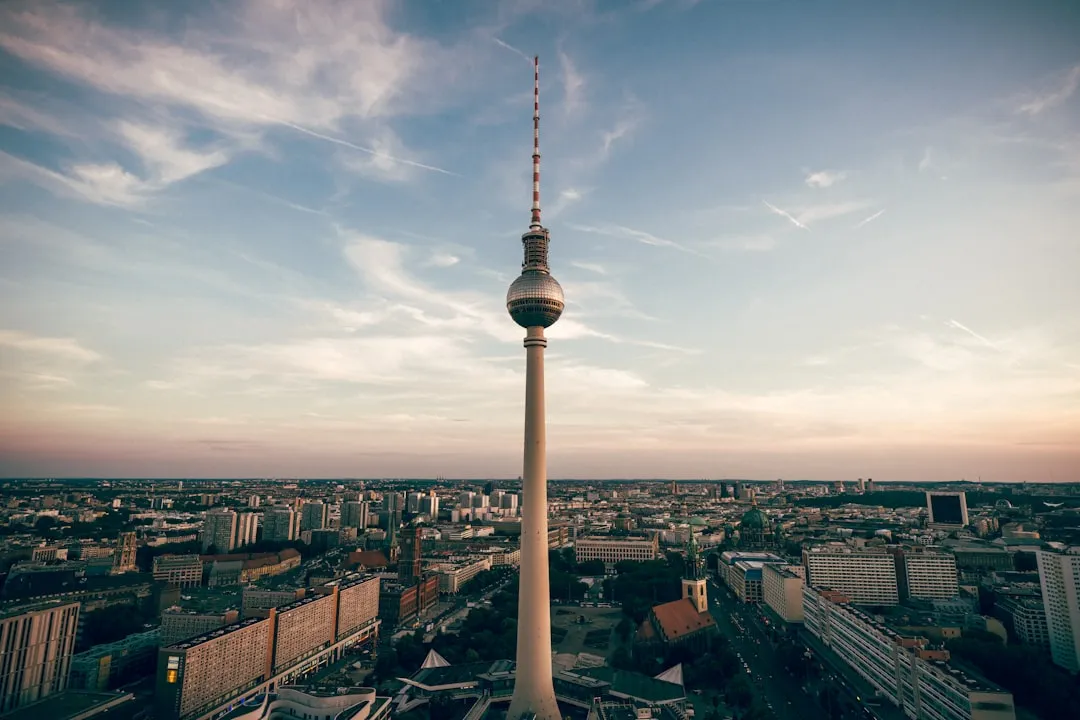
The city’s history is one of constant destruction and replacement, or rather, a history of changing reconstruction. That’s what makes exploring Berlin’s districts feel different from most European cities. You’re rarely looking at something uninterrupted. You’re reading layers, fills, gaps, and rebuilds – which makes the places that did survive all the more striking.
It is precisely these hidden corners that make Berlin so special: real insider tips. The five districts in this piece are not secrets exactly. Locals know them well. Yet for international visitors who land and head straight for the main landmarks, they might as well be. When Greater Berlin was created, the combined region had 3.86 million inhabitants, and overnight it became the third-most populous city in the world, after New York and London. Understanding that scale helps explain why no single tourist trail can come close to telling the whole story.
What These Neighborhoods Share
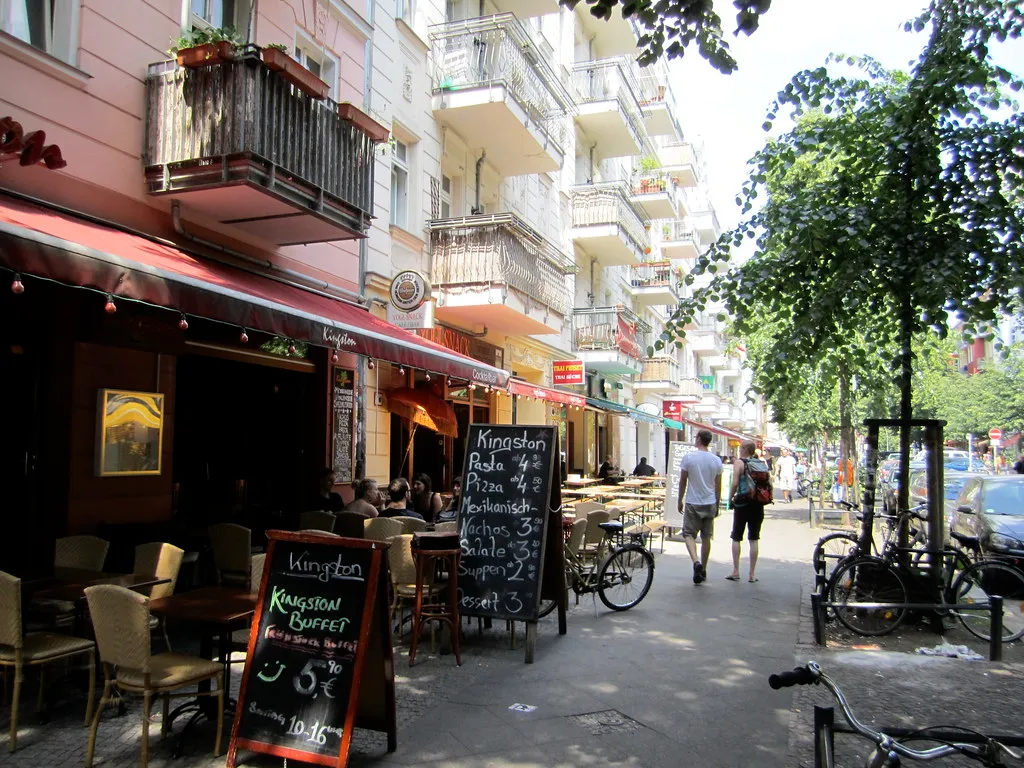
Across all five districts, a common thread runs: history here isn’t behind glass. It’s on the street corners, in the fortified towers, in the market squares, and in the communities that kept coming back and rebuilding after each rupture. Even though neighborhoods don’t have their own governments, people in Berlin often feel a stronger connection to their neighborhood than to their district, and that attachment is palpable when you spend real time in any of these five places.
You’ll notice different rhythms in each. Spandau feels almost medieval at its core. Prenzlauer Berg moves at the pace of a Sunday morning. Kreuzberg has a distinct, restless energy even on quiet streets. Friedrichshain still carries some of its post-Wall rawness. Neukölln is genuinely multilayered, sometimes within a single block. That variety is Berlin’s real offering.
Getting Around Between Districts
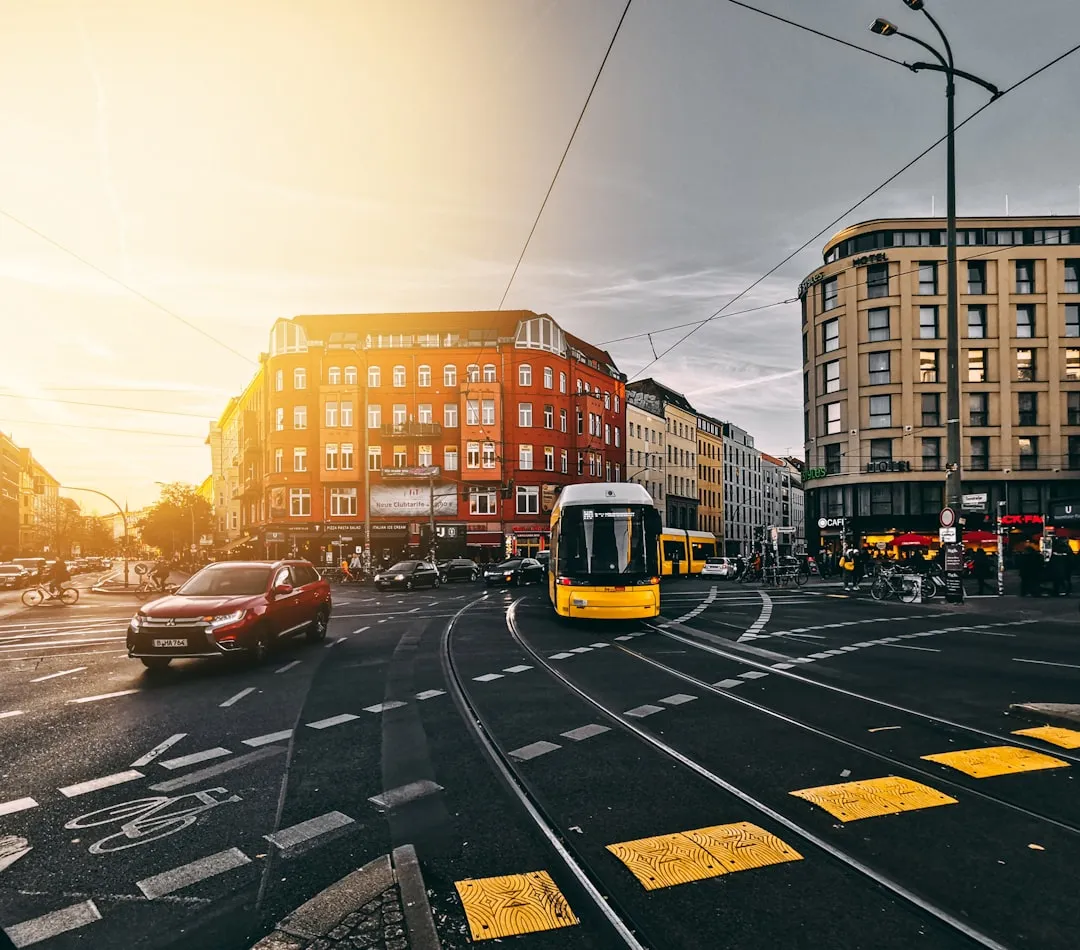
Berlin’s public transit network makes district-hopping entirely practical. Discovering the lakes and cycle paths in Spandau, enjoying the shop culture in Tempelhof-Schöneberg, or taking cultural walks through other areas is straightforward, with U-Bahn and S-Bahn lines threading through every district covered here. A day that starts in Spandau and ends in Neukölln is completely manageable by public transit.
Renting a bicycle is another solid option. Several of these neighborhoods, particularly Prenzlauer Berg and Friedrichshain, are flat, compact, and well-served by cycling infrastructure. Moving at bike pace lets you notice details that rush past from a train window: the embedded cannonball in Spandau’s Nikolaikirche wall, the prewar facades in Neukölln, the mural sequences along the East Side Gallery.
When to Visit
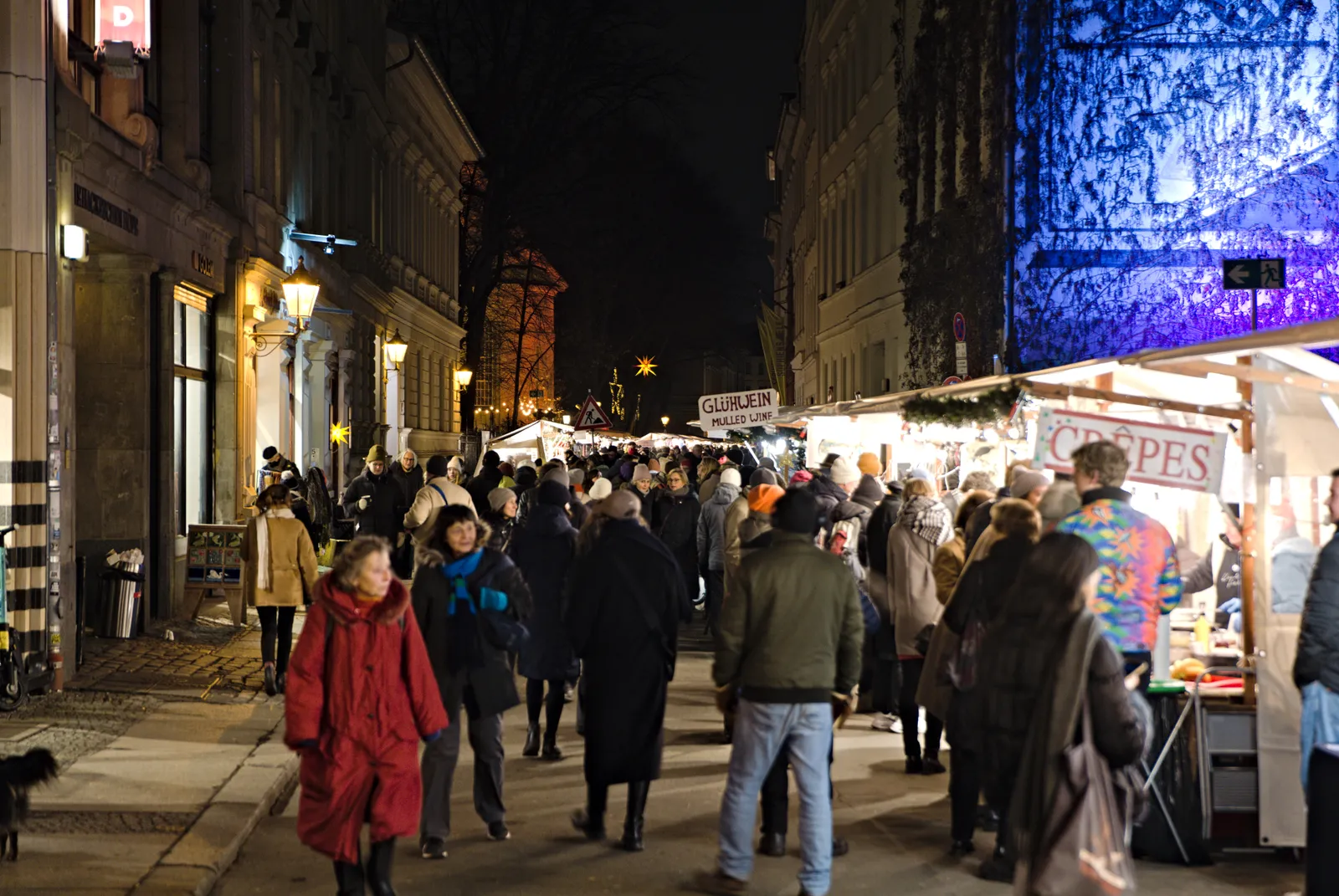
Each district has its own seasonal rhythm worth knowing. Mauerpark’s Sunday flea market and the Turkish market along the Maybachufer in Kreuzberg are more pleasant in the warmer months, though they operate year-round. Spandau’s Altstadt and citadel hold their atmosphere in every season, and the quieter winter months actually reduce the tourist presence noticeably.
Prenzlauer Berg in particular comes into its own in the warmer seasons, when Kollwitzplatz fills with outdoor café tables and the Mauerpark draws crowds for its famously casual Sunday atmosphere. Friedrichshain’s riverside walks are rewarding in almost any weather, though a grey autumn morning along the East Side Gallery has its own contemplative quality that sunshine can’t quite replicate.
A Closing Reflection
Berlin doesn’t hide its history. It carries it openly, sometimes uncomfortably, in ways that few cities manage with the same honesty. These five districts – Spandau, Prenzlauer Berg, Kreuzberg, Friedrichshain, and Neukölln – each offer a different angle on the same long, complicated story.
The Brandenburg Gate will always be worth seeing. So will Museum Island. But if you leave Berlin having only walked those paths, you’ve read the headline without the article. The real texture of this city is in the neighborhoods, in the streets that survived and the ones that didn’t, in the communities that arrived and stayed. That’s where the history is still breathing.
AI Disclaimer: This article was created with the assistance of AI tools and reviewed by a human editor.