
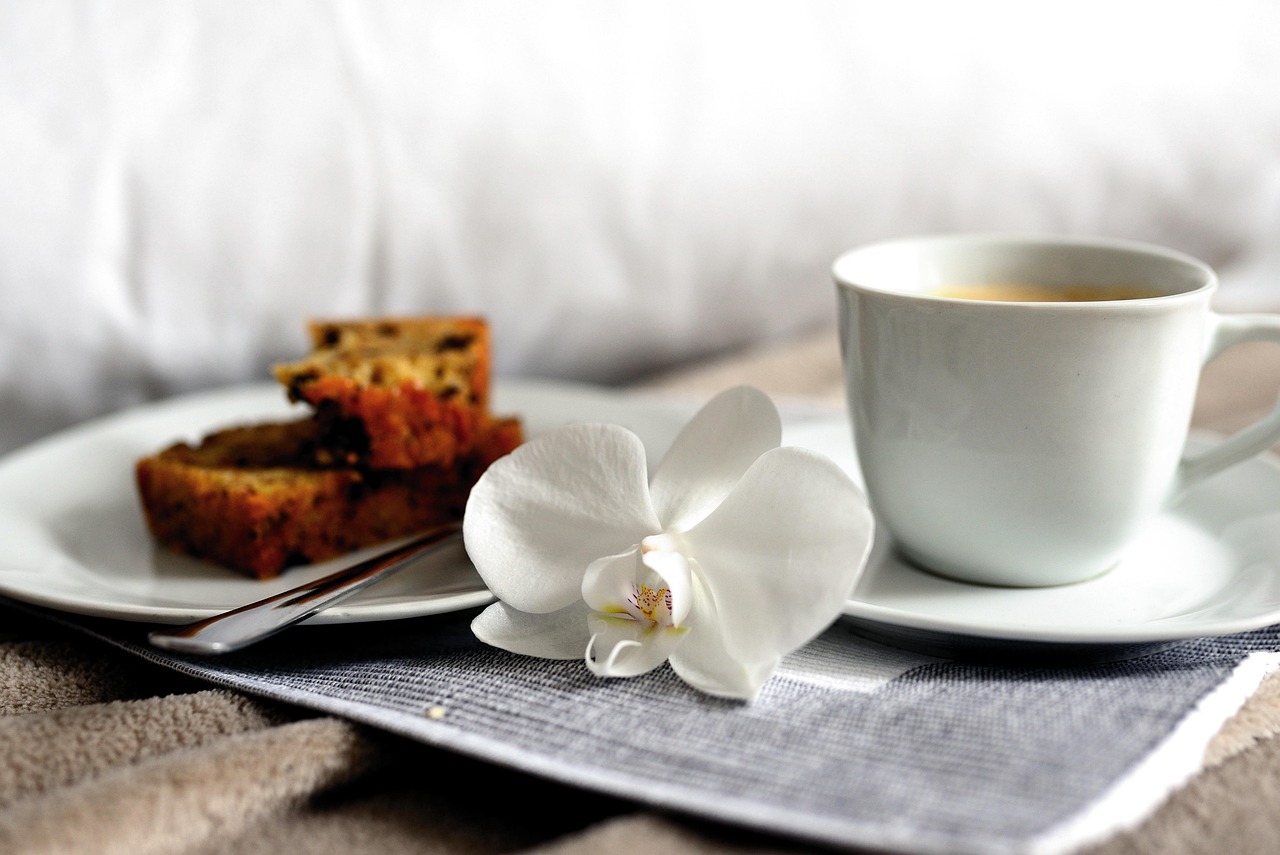

Breakfast tells you more about a place than almost any other meal. It’s unguarded, unhurried, often eaten at home or at a corner cart before the day fully takes hold. Nobody is performing for tourists at 7 a.m. They’re just eating what they’ve always eaten, the way their parents did before them.
A 2025 report from The Business Research Company valued the 2024 global breakfast market at $457.71 billion, and it is projected to grow to $619.91 billion by 2029, driven by demand for diverse flavors, healthier options, and greater convenience. That’s an astonishing number for what is, at its core, the simplest meal of the day. What follows are five morning traditions across the world that are genuinely worth rearranging your schedule for.
Japan: The Art of “Ichiju Sansai”
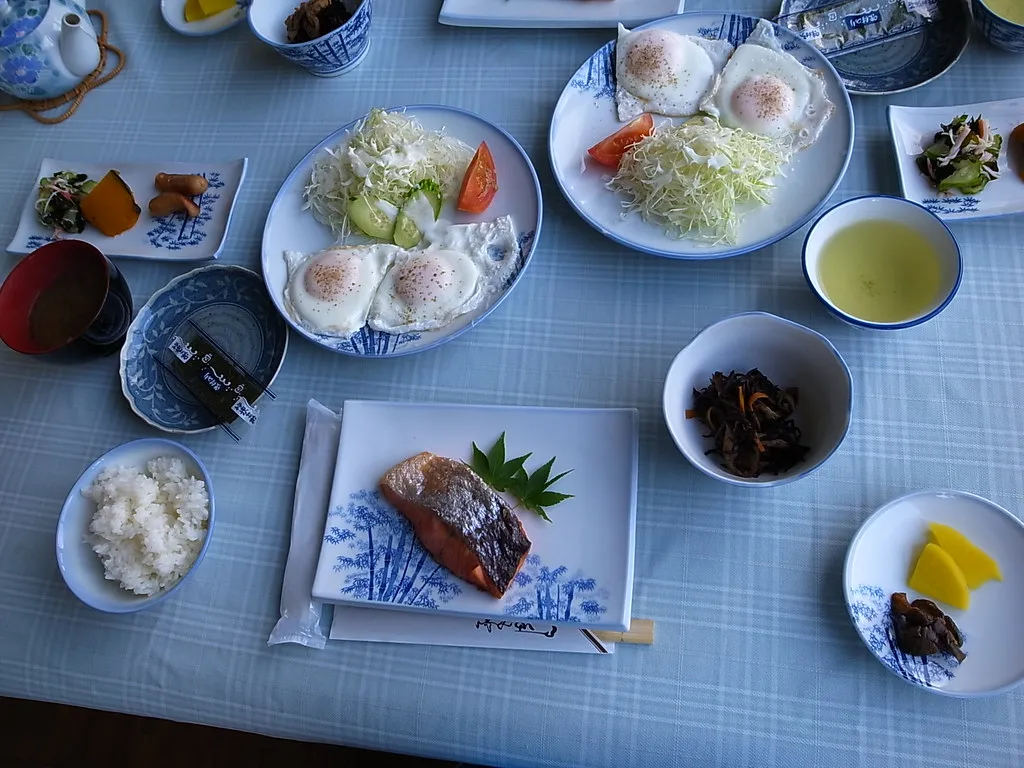
At the heart of the traditional Japanese breakfast is the concept of “ichiju sansai,” meaning “one soup and three sides.” This meal typically includes steamed rice, miso soup, grilled fish, and pickled vegetables, creating a well-rounded and nutritionally balanced start to the day.
Another cornerstone of the traditional Japanese breakfast is natto, fermented soybeans. While its sticky texture and strong smell may not appeal to everyone, it remains beloved for its health benefits.
In Zen temples, breakfast is considered the most important meal of the day, with simple dishes like rice porridge reflecting the mindfulness and balance at the core of Japanese breakfast culture. That sense of intention carries through even in ordinary household kitchens. In 2024, the number of dual-income households in Japan reached approximately 13 million, far exceeding the number of households with full-time homemakers, making mornings increasingly busy. Still, the traditional spread remains a living practice in ryokan inns and family homes on weekend mornings.
Egypt: Ful Medames, A Dish Older Than Empires
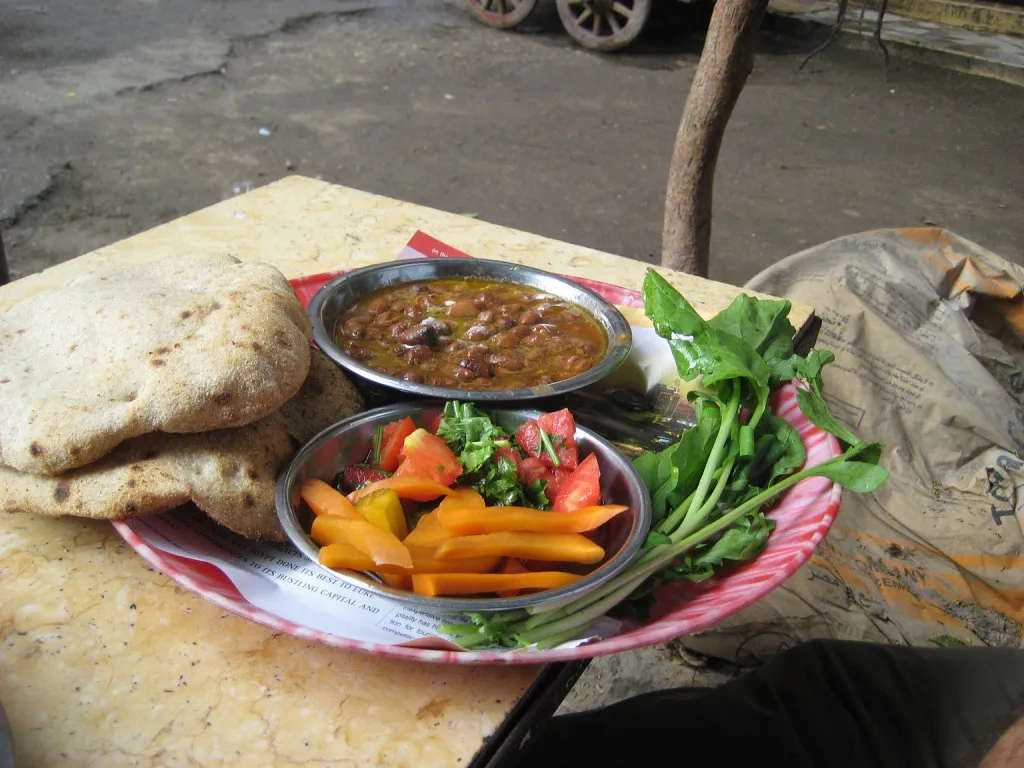
The Egyptian breakfast of ful medames has withstood the test of time. Said to date back to ancient Egypt, the earthy dish is made from fava beans stewed overnight and spiced with olive oil, cumin, parsley, onion, lemon, and chili pepper.
Egyptian breakfasts don’t follow the Western model of quick, individual servings. Instead, families and friends gather around bowls of warm ful, crispy ta’ameya, and piles of aish baladi flatbread, with everyone tearing off bread to scoop up beans and build their own bites.
The dish crosses social boundaries, appearing on breakfast tables from humble homes to luxury hotels throughout Egypt and neighboring countries. It’s one of those rare foods that hasn’t needed reinventing. In recent years, rising food costs have actually caused a return to more traditional breakfasts, with locals gravitating back toward fava bean and falafel sandwiches, typically bought from street carts. A centuries-old meal that is now also the practical, affordable choice, that’s staying power.
Turkey: Kahvaltı, the Feast Before Coffee
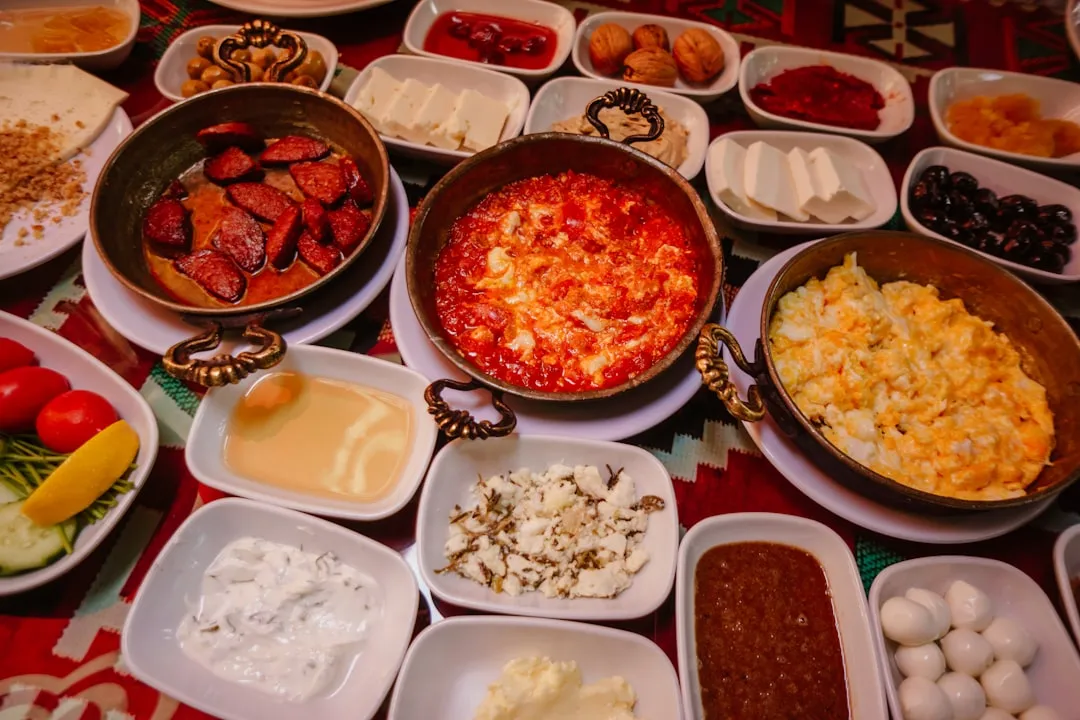
Turkish breakfast, known as kahvaltı, literally translates to “before coffee” and is characterized by a wide variety of small dishes served together, blending a multitude of flavors, textures, and food categories.
The table is adorned with both sweet and savory items, spanning cheeses, olives, vegetables, local breads, eggs, börek, baklava or other sweet pastries, and more, accompanied by hot beverages such as Turkish tea. Sitting down to a full kahvaltı is less like eating breakfast and more like settling in for a long, pleasant conversation that happens to involve food.
Kahvaltı is considered one of the most elaborate and social breakfast traditions in the world, celebrated for its diversity, abundance, and the act of bringing individuals together, often extending for several hours during weekends and holidays. Since the 2000s, Turkish breakfast has become a significant cultural and tourism attraction, with regions such as Van, the Black Sea, and the Aegean developing their own localized breakfast specialties, contributing to its national and international identity.
Hong Kong: Yum Cha and the Ritual of Dim Sum
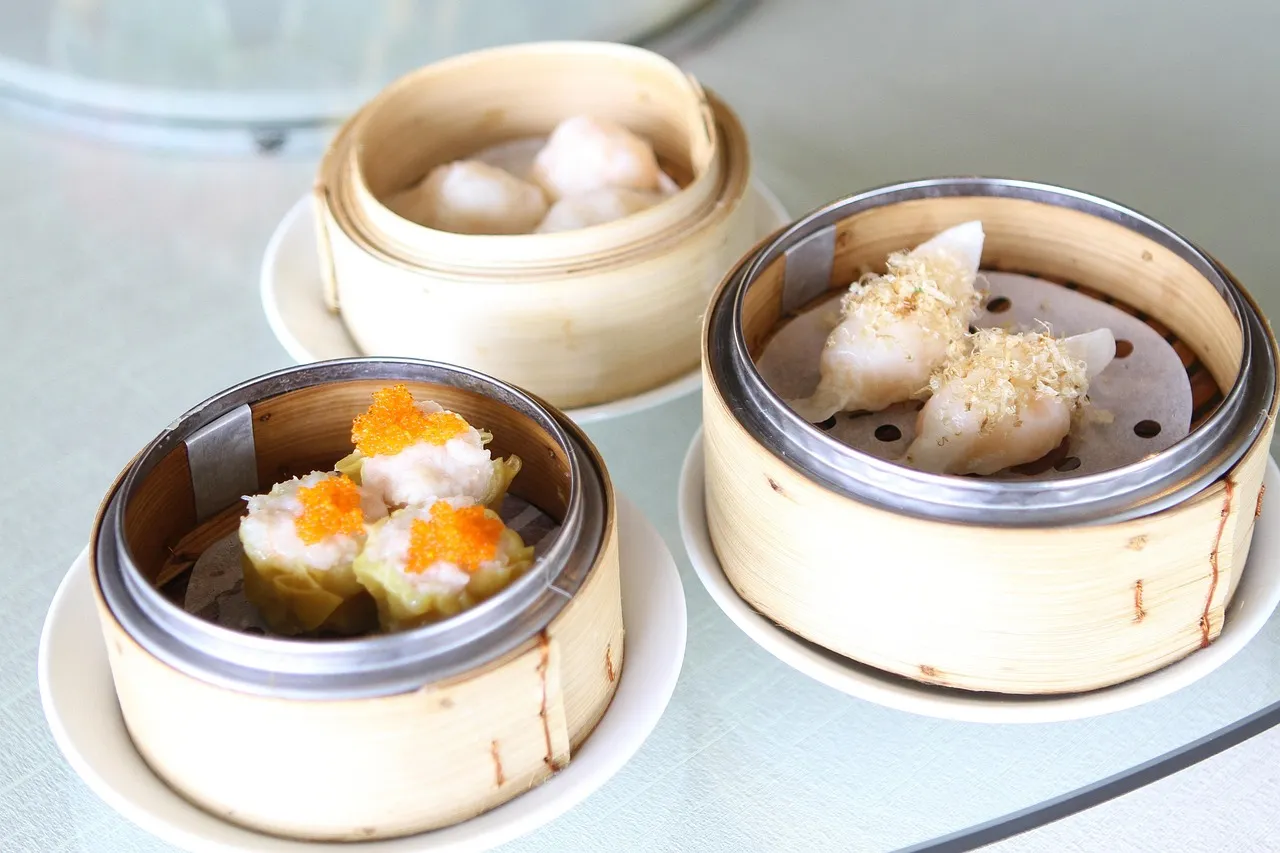
Yum cha is the Cantonese tradition of breakfast or brunch involving Chinese tea and dim sum. In the tenth century, when the city of Canton began to experience an increase in commercial travel, many frequented teahouses for small-portion meals with tea called yum cha. The tradition has continued largely uninterrupted ever since.
Dim sum translates to “touch the heart,” reflecting how these bite-sized delicacies satisfy both hunger and social connection. Families gather at bustling Cantonese restaurants to share steaming bamboo baskets filled with bite-sized dishes, from delicate shrimp dumplings to fluffy steamed buns filled with barbecue pork.
While you can find good dim sum almost anywhere in China, the finest still come from the south: Guangdong province, Hong Kong, and Macau, where the practice is known as yum cha. Today, dim sum is usually made and served in yum cha restaurants because it takes a great deal of skill and effort to prepare at home. Sunday morning in Hong Kong without a yum cha booking feels a little like missing something essential.
South India: Idli and Sambar, Steamed and Timeless
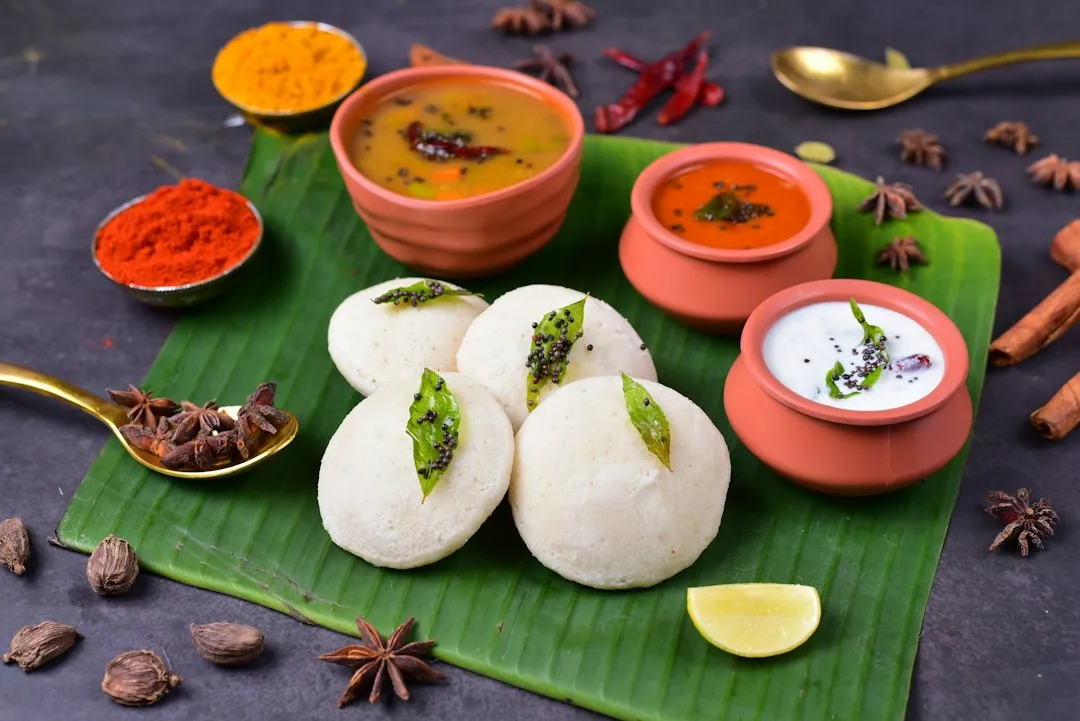
South India wakes up to the gentle, steamy warmth of idli and sambar. Idlis are soft, pillowy rice cakes made from a fermented batter of rice and lentils, steamed to perfection without a drop of oil, and served alongside sambar, a tangy lentil soup packed with vegetables and aromatic spices.
This breakfast is light yet filling, nutritious, and naturally vegan. It’s also deeply regional, with variations shifting between Tamil Nadu, Kerala, Karnataka, and Andhra Pradesh. India has at least 25 different types of breakfasts, with over 100 different food items spanning the country.
In India, savory, vegetarian breakfasts remain popular, with vastly different dishes appearing from each region. Idli and sambar, though, carry a particular quiet elegance. They’re not flashy. The fermentation process is patient, overnight work, and the result is something honest and deeply satisfying. Many South Indian families eat this breakfast every single day without ever tiring of it.
Colombia: Calentado and the Philosophy of Nothing Wasted
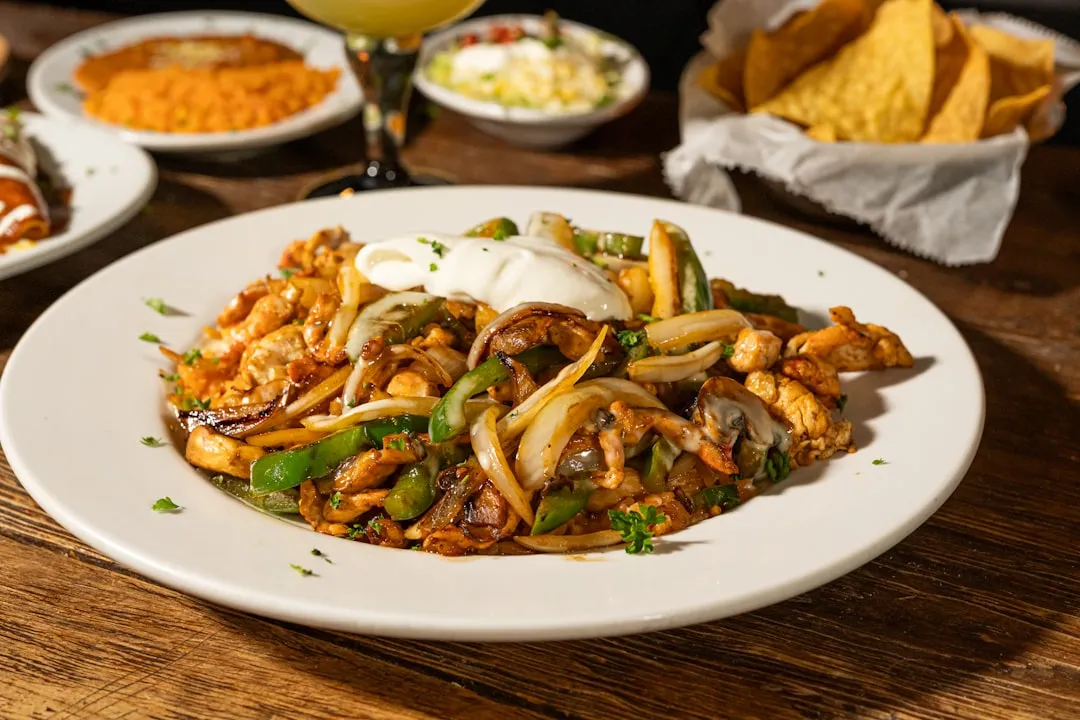
Calentado, a popular Colombian breakfast dish, stands out for two reasons: it embodies the concept of zero food waste, and it plays perfectly to the conventional wisdom that everything tastes better the next day. Calentado is essentially yesterday’s leftovers re-fried and served with fresh eggs and arepas, which are cornmeal cakes.
This breakfast isn’t just about filling up; it’s steeped in Colombian culture, offering a comforting blend of flavors that symbolizes resourcefulness and family gatherings. Savory aromas fill the kitchen as families reheat their calentado mixture, adding fresh ingredients to bring new life to last night’s supper. The dish pairs naturally with hot chocolate or coffee for an ideal start to any Colombian morning.
There’s something quietly philosophical about calentado. It refuses the idea that breakfast needs to be a fresh, clean start. Yesterday’s rice and beans, reborn with a fried egg on top, is generous and practical in equal measure. Unsurprisingly for a nation as culturally and ethnically diverse as Colombia, there are myriad breakfast traditions around the country, but calentado cuts across regional lines with its universal logic of not letting good food go to waste.
The Full English: A Morning Institution Built on the Industrial Age

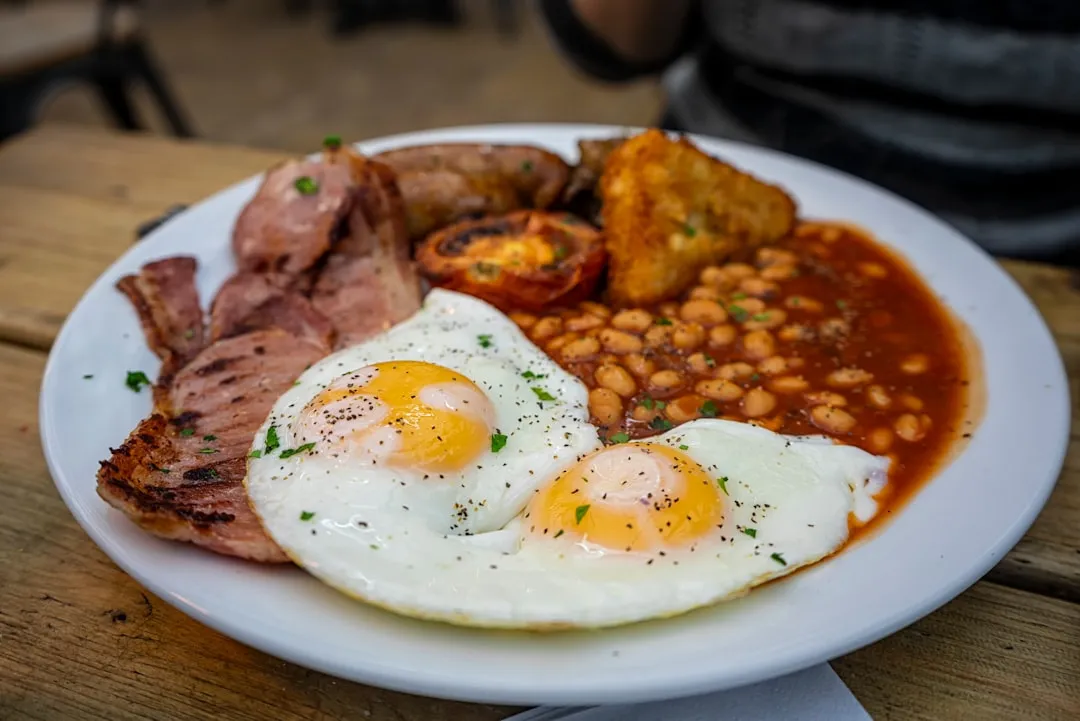
The Industrial Revolution brought about a significant shift in British eating habits. As people moved from rural areas to cities for work, the need for a substantial breakfast to sustain long hours of labor became crucial. In Britain, the traditional English breakfast, including eggs, bacon, sausages, and toast, became a staple.
The full English fry-up is now as much cultural symbol as it is a meal. Ordered in a café with a pot of tea and a newspaper, or prepared at home on a slow Saturday morning, it signals a particular kind of unhurried contentment. Every component has its loyalists, and opinions on the proper inclusion of black pudding, baked beans, or grilled tomatoes are held with surprising firmness.
What makes the full English worth waking up early for is less about the food itself and more about the ritual surrounding it. Breakfast habits vary dramatically across the globe, offering fascinating insights into different cultures. From hearty, protein-rich meals to light, sweet treats, morning food reflects local ingredients, history, and lifestyle needs. The full English is all of those things condensed into one generous plate.
Morocco: Honey, Flatbread, and Morning Tea
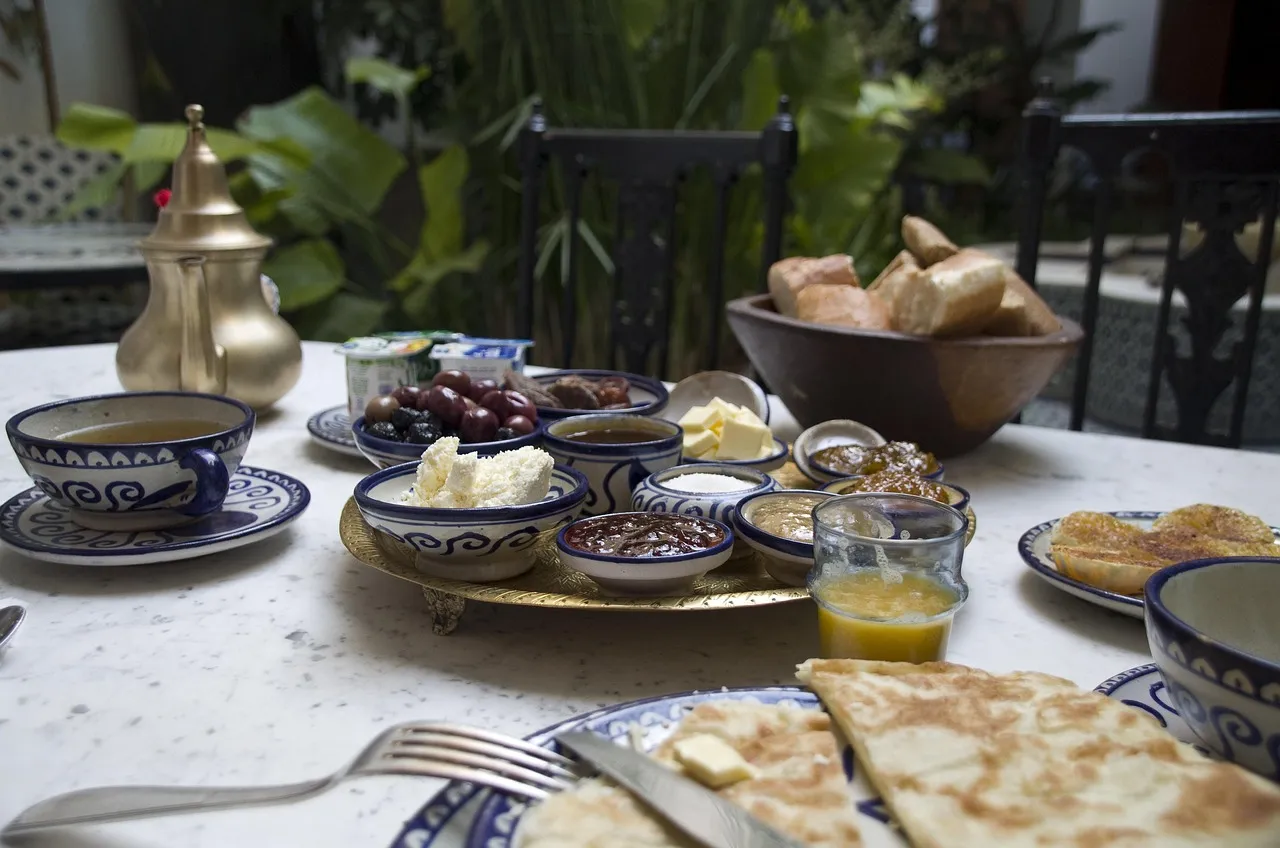
Moroccan breakfasts are known for their sweet and varied offerings. A typical morning meal includes bread, semolina pancakes, chutney, jam, cheese, butter, honey, eggs, olives, and dates, often accompanied by Turkish coffee or mint tea.
In Morocco, msemen, which are layered pan-fried flatbreads, or baghrir, the spongy “thousand-hole” pancakes, appear with honey and butter or olive oil. The baghrir in particular is worth seeking out: its porous surface soaks up whatever is poured over it in the most satisfying way imaginable.
Moroccan mornings tend to move slowly, and breakfast is eaten in that same spirit. Mint tea is poured from height to create a froth, bread is torn by hand, and honey is spooned generously. What we choose to eat for the first meal of the day can say a lot about our culture and customs, and whether it’s an extravagant spread or a simple, nutritious snack, each breakfast tradition is steeped in history and meaning. Morocco’s morning table is a good example of both being true at once.
Brazil: Pão de Queijo and the Joy of the Simple Thing Done Well
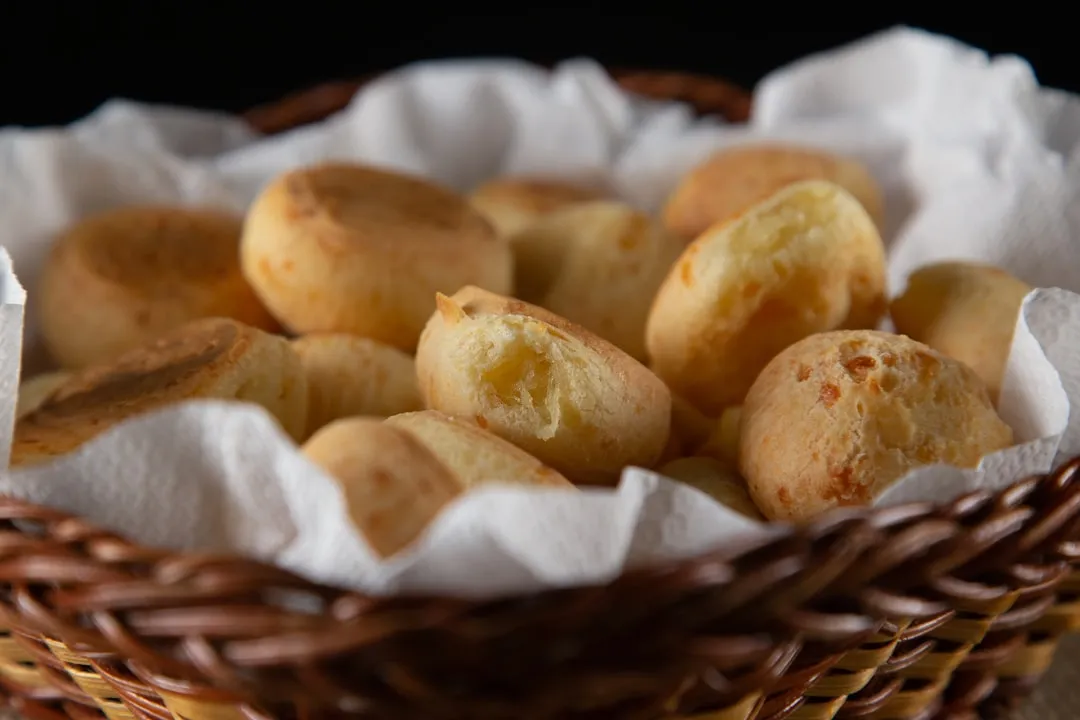
Pão de queijo, which are cassava-cheese puffs, are crisp on the outside and chewy inside, and are naturally gluten-free. They’re made from tapioca starch, which gives them a distinctive, slightly springy texture that wheat-based pastries simply can’t replicate. Eaten warm, fresh from the oven, with a cup of strong black coffee, they’re one of those unreasonably good breakfast combinations.
Pão de queijo is beloved across Brazil, though its origins are in the state of Minas Gerais, where the cheese-making tradition is deepest. You’ll find them at airport kiosks, bakeries, and home kitchens with equal frequency, which is a reliable indicator of a truly embedded food culture.
There’s no pretense to this breakfast. It’s a small, warm, cheesy roll eaten on the way out the door or at a kitchen table with family. It doesn’t need to be more than that. Sometimes the best food traditions are built around the simplest ideas executed with care, and that’s precisely the case here.
The Takeaway: What Morning Food Reveals
The importance of breakfast and the types of foods consumed still depend largely on socioeconomic factors, with breakfast regarded as especially essential in more developed countries across Europe, North America, and Asia. Yet some of the world’s most remarkable breakfast traditions come from places where the table is simply a flat surface and the food is whatever grows nearby.
Across these ten morning traditions, a few things hold true. Breakfast is almost never just about calories. It’s about who you sit with, what your grandparents ate, what grows in the soil around you, and how much time you’re willing to give to the beginning of a day. The traditions worth waking up early for are usually the ones that understand that.
If travel teaches us one genuinely useful thing, it might be this: you can learn more about a place from one honest breakfast than from a week of sightseeing. The mornings are where the real life is.
AI Disclaimer: This article was created with the assistance of AI tools and reviewed by a human editor.