
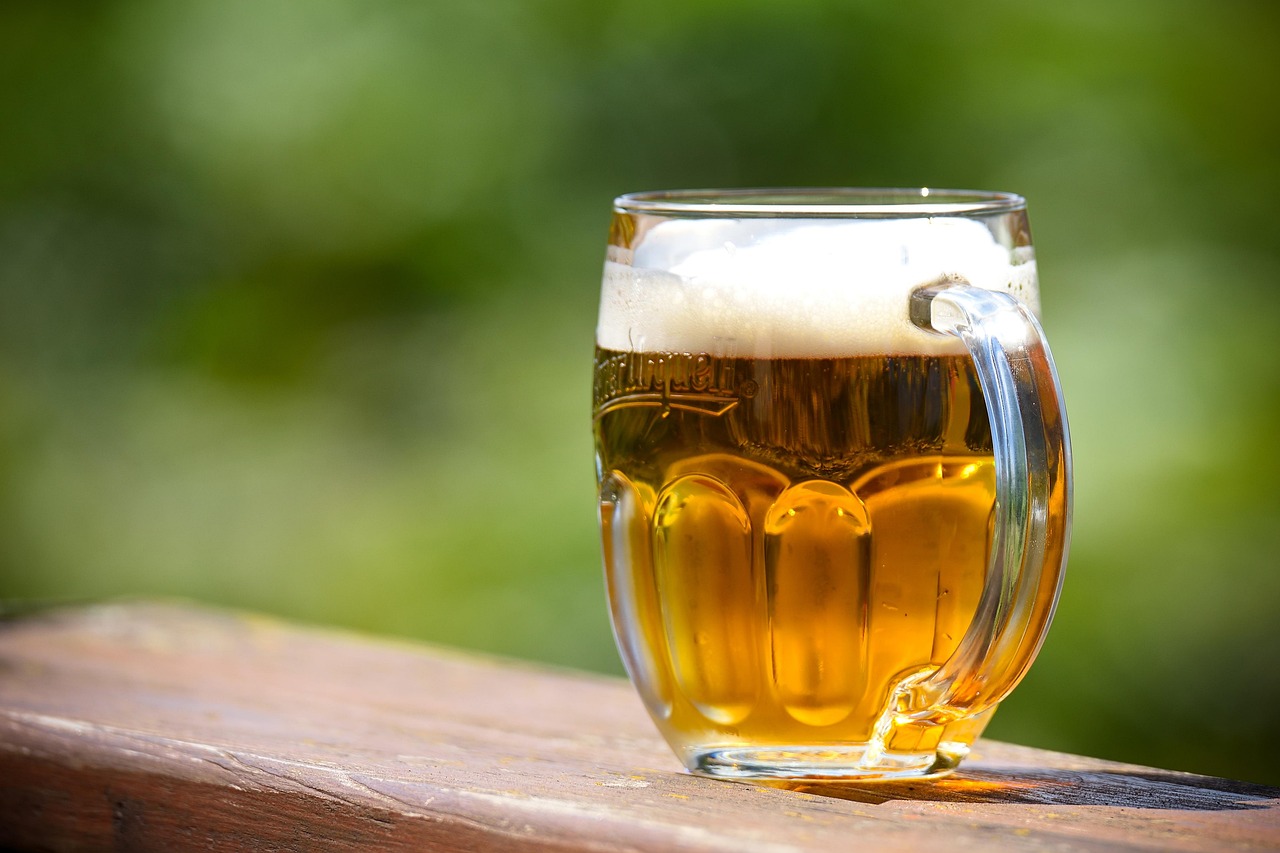

There are places you visit for the architecture, the coastline, or the museums. Then there are places where the first thing locals want to show you is a taproom. These towns have built their reputations not on landmarks but on fermentation tanks, hop bills, and the quiet pride that comes from pouring something truly excellent.
The United States now has over 9,500 craft breweries nationwide, as of 2024. In a landscape that crowded, it takes something genuine to stand out. The five towns below have managed it, each in its own way, and the beer is very much the point.
1. Asheville, North Carolina: Beer City at the Edge of the Blue Ridge
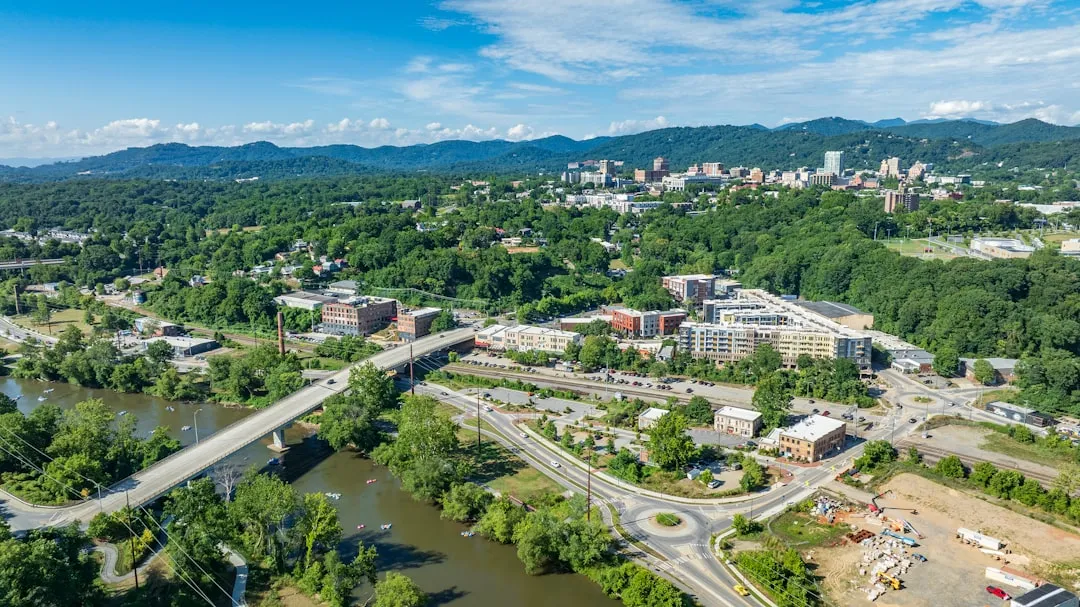
Asheville, North Carolina, isn’t just “Beer City USA” by nickname. It earned the title, proudly boasting more breweries per capita than any other U.S. city. That’s a remarkable distinction for a mountain town of fewer than 100,000 people, and local brewers take it seriously.
In the Asheville metro area, the beer scene is worth an estimated $935 million and supports over 3,400 jobs, spread across roughly 55 local breweries. That economic footprint reflects how deeply the industry is woven into the community.
Highland Brewing opened in 1994 as Asheville’s first craft brewery, back when craft beer was still a niche pursuit. Today it operates as a full beer campus, complete with a meadow for festivals, volleyball courts, hiking trails, and a rooftop bar for sunset pints.
Wicked Weed’s Funkatorium, the East Coast’s first sour-beer-dedicated taproom, closed in late 2024 after hurricane damage from Helene, and its reopening in May 2025 marked a significant moment of recovery for Asheville’s beer scene. The resilience of places like this, and the community effort behind it, says as much about the town as the beer itself.
2. Grand Rapids, Michigan: Beer City USA, Still Earning It
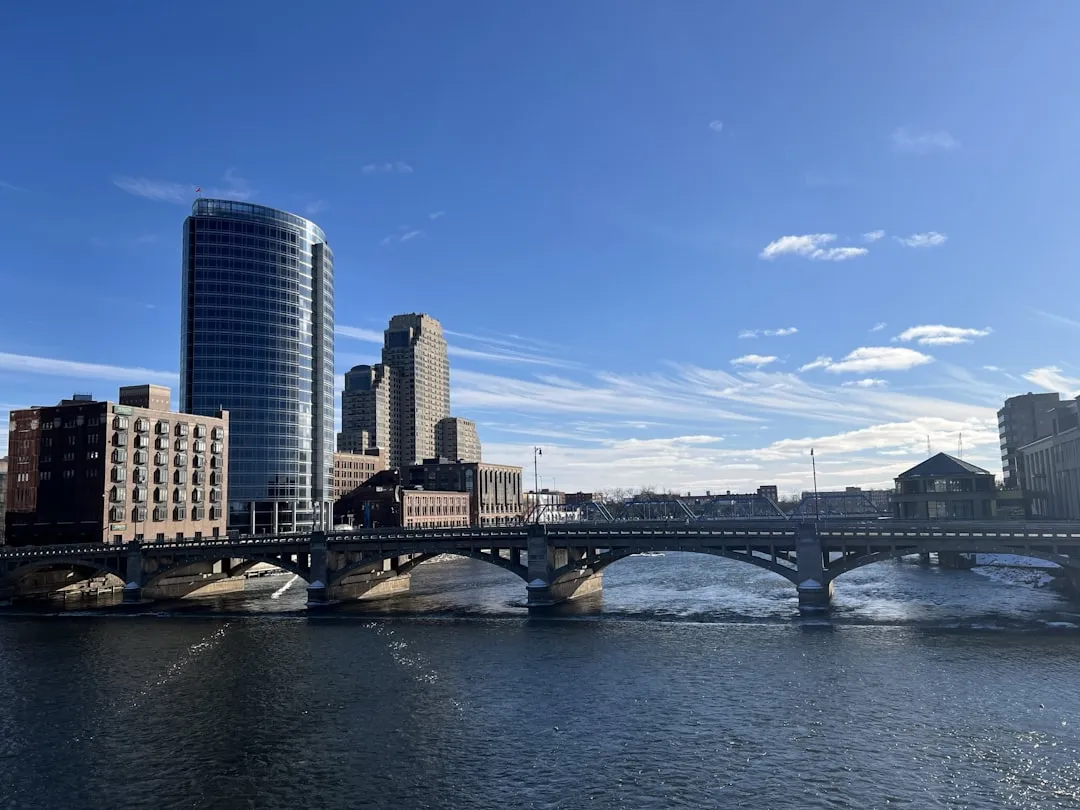
Grand Rapids, Michigan is celebrating 13 years as Beer City USA in 2025. Since winning that title in a nationwide vote in 2012, Grand Rapids has gone on to earn USA Today nods for America’s Best Beer City every year from 2021 through 2025. That kind of sustained recognition is hard to fake.
The city went from having no breweries in 1996 to over 35 craft breweries on the Beer City Ale Trail today, driven by a culture that genuinely cares about craft, community, and quality ingredients. It’s a transformation that happened in less than three decades.
The Beer City Ale Trail, covering the area’s 35-plus craft breweries, was named one of America’s Top 11 Food and Drink Trails by TimeOut in 2024. Visitors find a wide range of beer styles here, from recreations of historic brews to sweeter-tasting concoctions, most made with clean Lake Michigan water.
CNN has named Grand Rapids one of the 15 Best Beer Cities Around the World, Travel and Leisure called it the number one beercation for beer lovers, and the Travel Channel designated it one of six must-visit U.S. cities for beer connoisseurs. Few cities its size carry that kind of global recognition in any one category.
3. Portland, Maine: The Most Brewery-Dense City in America
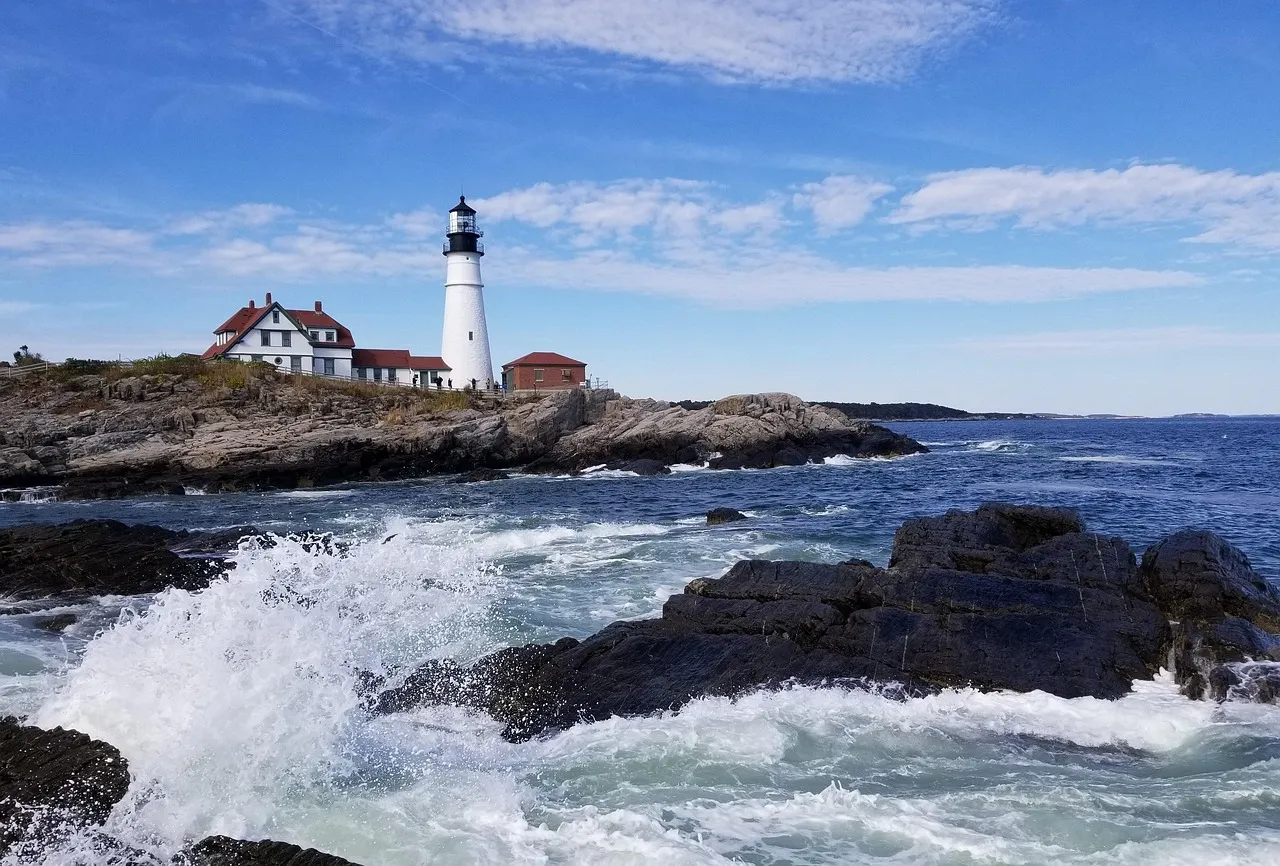
Portland, Maine tops the list as America’s most brewery-dense city, packing 31 breweries into a population of just under 58,000 drinking-age residents. That works out to nearly 54 breweries for every 100,000 people, thanks in large part to hometown heroes like Foundation Brewing Company and Allagash Brewing Company.
Maine as a state reaches 14.4 breweries per 100,000 adults. From Portland’s thriving brewery row to tiny coastal towns producing world-class beer, Maine continues to punch well above its weight. Portland is where that energy concentrates.
Shipyard Brewing Company, founded in 1994 and headquartered in Portland, had by 2024 become the second-largest brewery in Maine by beer sales volume, behind Allagash Brewing Company. Both anchors have helped the city cultivate a deeply rooted beer identity that feels local rather than manufactured.
What makes Portland, Maine especially interesting is how much personality exists in a compact geography. Walking from one taproom to the next along its waterfront and peninsula neighborhoods takes twenty minutes at most. The beer is the attraction, and the city’s scale makes it genuinely approachable for anyone arriving for the first time.
4. Portland, Oregon: Where the Culture and the Craft Grew Up Together
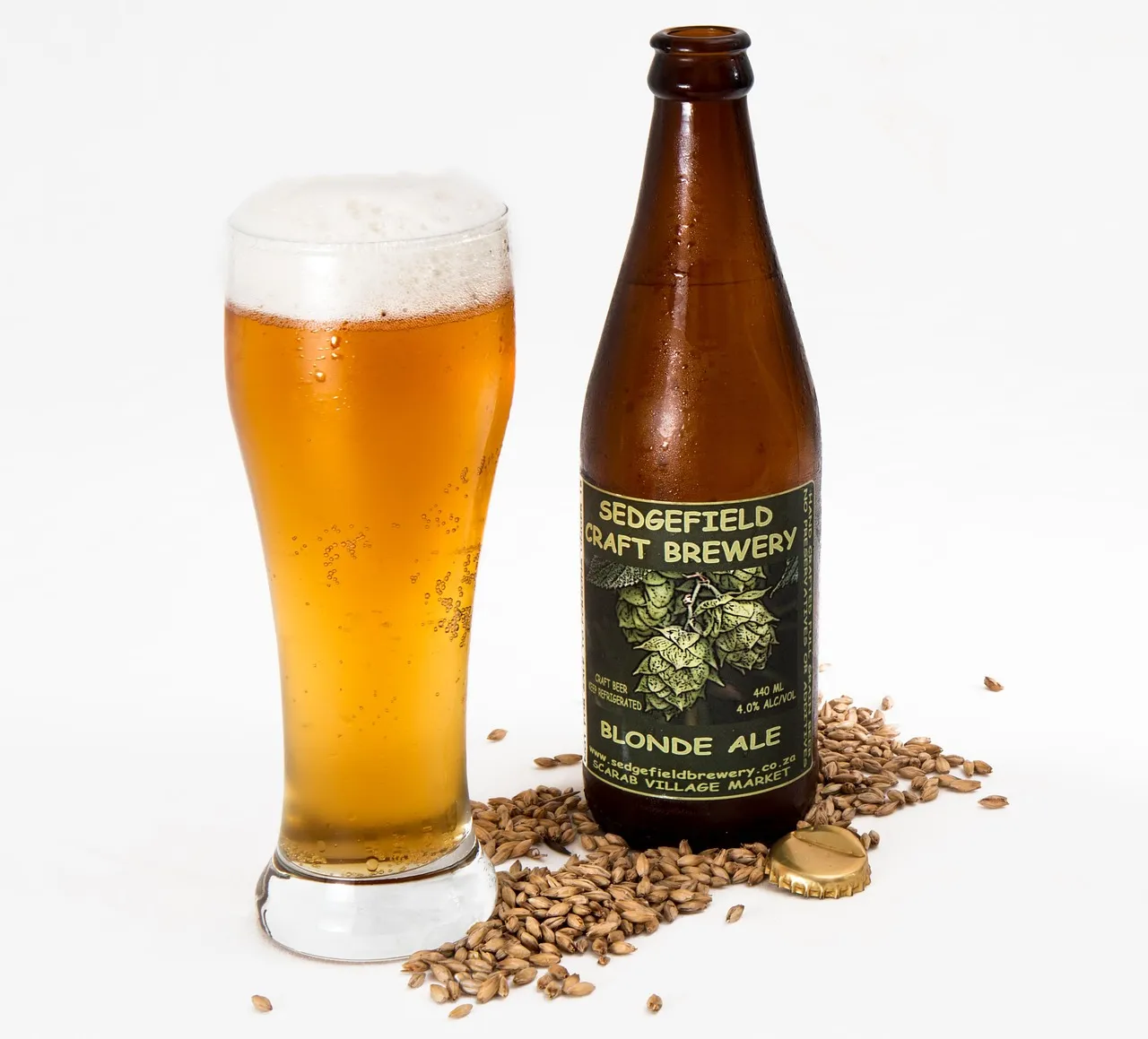
Portland, Oregon alone houses over 75 breweries within city limits, earning its reputation as one of the top beer destinations in the United States. That density creates a scene where style experimentation is the norm, not the exception.
The Pacific Northwest remains a strong leader among America’s beer cities, and Portland is central to that. The region’s cool climate and abundant hop farms create ideal conditions for craft brewing innovation. Proximity to premium hops is one reason the IPA culture here feels particularly authentic.
The Oregon Brewers Festival, held annually at Tom McCall Waterfront Park in downtown Portland, has been running since 1988 and has become the most popular outdoor beer festival in North America based on attendance. Its return in 2024 after a brief pause was welcomed warmly by the brewing community.
Portland, Oregon ranked fourth among the best beer cities in the United States in Craft Beer and Brewing magazine’s 2024 readers’ choice poll. The consistency of that placement, year after year, reflects a city that hasn’t rested on its early reputation.
5. Fort Collins, Colorado: A College Town That Grew Into a Brewing Capital
Fort Collins is home to 26 craft brewery locations, placing it second in Colorado only to Denver, which has 72. For a city of roughly 170,000 people, that concentration is genuinely impressive and gives the downtown area a walkable brewery culture that rivals much larger metros.
Colorado beer culture benefits from high altitude, pristine mountain water, and over 425 statewide breweries. Denver, Boulder, and Fort Collins each offer unique brewing personalities while maintaining outdoor-friendly cultures that weave hiking, biking, and brewery visits into a single cohesive experience.
New Belgium Brewing, headquartered in Fort Collins, was ranked among the top three favorite breweries in the United States by Craft Beer and Brewing readers in 2024. New Belgium’s national profile has helped put Fort Collins on the map for beer travelers who might otherwise overlook a mid-sized Colorado city.
Colorado’s beer pride is on full display with Boulder and Fort Collins both cracking the top 10 in brewery density among U.S. cities, a clear sign that the state’s passion for hops runs deep. Fort Collins sits at the center of that identity, carrying the story of Colorado craft beer in a way that feels earned rather than marketed.
The Brewers Association and What the Numbers Actually Tell Us

When it comes to beer, not all states are created equal, especially when you measure breweries against population. While California may boast the highest number of breweries overall, 2024’s per-capita figures tell a different story: smaller states with big beer cultures dominate the list. The towns in this article reflect that pattern clearly.
Nationally, brewery employment grew by 7.1 percent between 2023 and 2024, while total hours worked by brewery employees increased by 2.3 percent. Even in a maturing market, the industry is still expanding, which bodes well for the communities built around it.
Each of the five towns profiled here has arrived at its beer identity through a different path: mountain culture, Great Lakes community pride, coastal density, Pacific Northwest terroir, and Rocky Mountain adventure. What they share is that the taproom, in each case, functions as something more than a place to drink. It’s a gathering point, a local institution, and often the most honest expression of what a place actually values.
Why These Towns Feel Different from Bigger Beer Markets
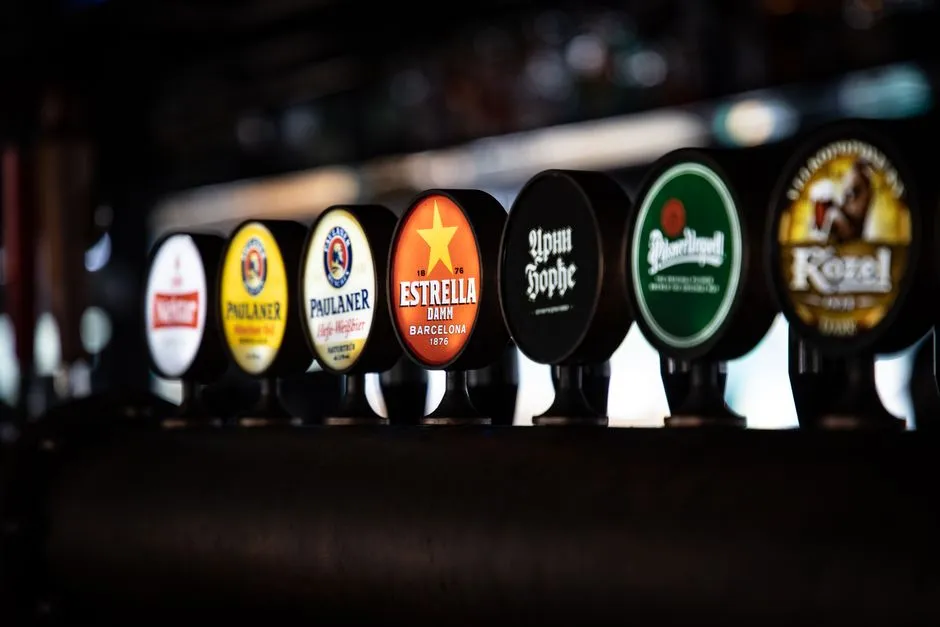
The distinction worth drawing is not simply about the number of breweries. Larger cities like Chicago or Los Angeles have enormous craft beer scenes, but the beer doesn’t define the city the way it does in, say, Grand Rapids or Asheville. In these smaller towns, the brewery is often the anchor of a neighborhood rather than a stop in a long itinerary.
What sets the best beer destinations apart is a combination of brewery density, vibrant local culture, and the quality and variety of styles on tap. In the towns featured here, all three elements tend to arrive at once, reinforcing each other rather than competing.
There’s also something to be said for the scale of these places. Walking from Burial Beer Co. to Wedge Brewing in Asheville, or crossing the river in Portland, Maine to find a new taproom that opened last month, is a genuinely different experience from navigating a major metropolitan area. The beer feels closer to its source, which, in most cases, it literally is.
Beer Tourism as a Genuine Travel Motivator
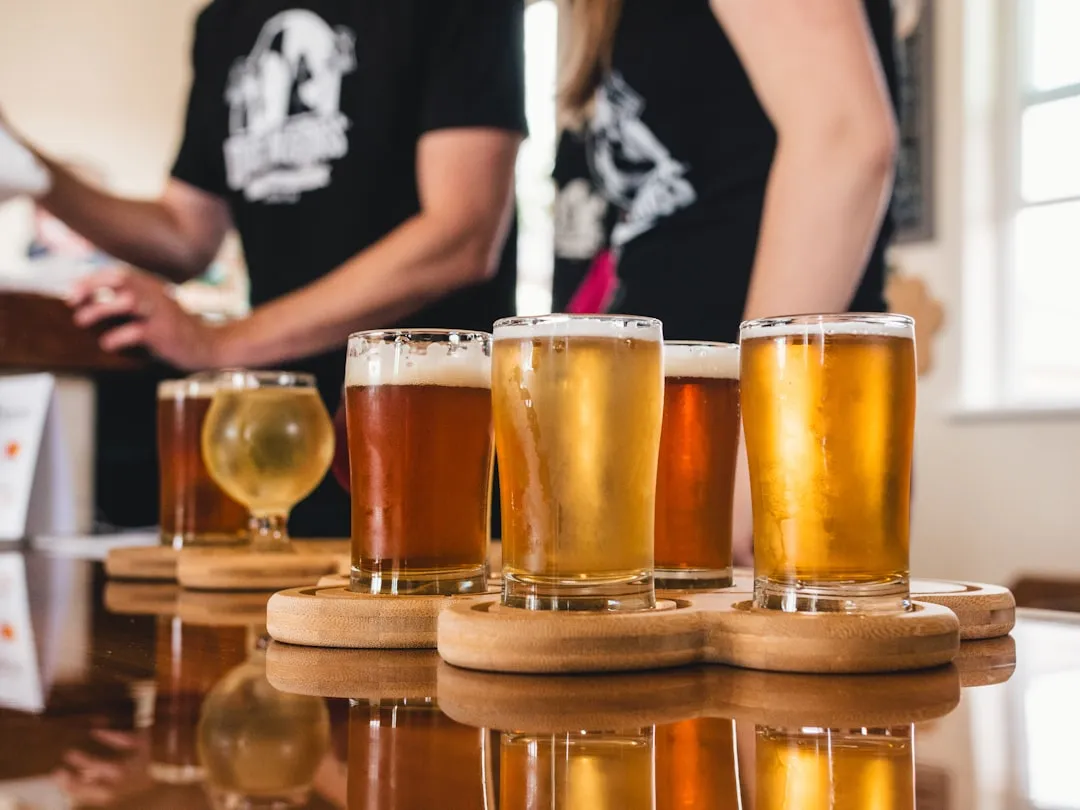
In 2024, CNN cited Grand Rapids’ “thriving beer culture” in ranking it one of America’s 10 best towns to visit, while TimeOut included the Beer City Ale Trail in its list of the best food and drink trails in America. Beer tourism is no longer a niche interest; it’s a recognized driver of travel decisions.
For travelers who approach it intentionally, brewery-focused travel offers something that standard tourism often doesn’t: direct access to local makers, small-batch products unavailable anywhere else, and conversations with people who genuinely care about what they’re producing. The taproom functions as a kind of edited window into a place.
Planning around these towns doesn’t require a strict itinerary. A self-guided ale trail, an afternoon on a brewery patio, a spontaneous conversation with a brewer during a slow Tuesday shift. These moments tend to define the trip more than any monument ever would.
Responsible and Mindful Brewery Travel
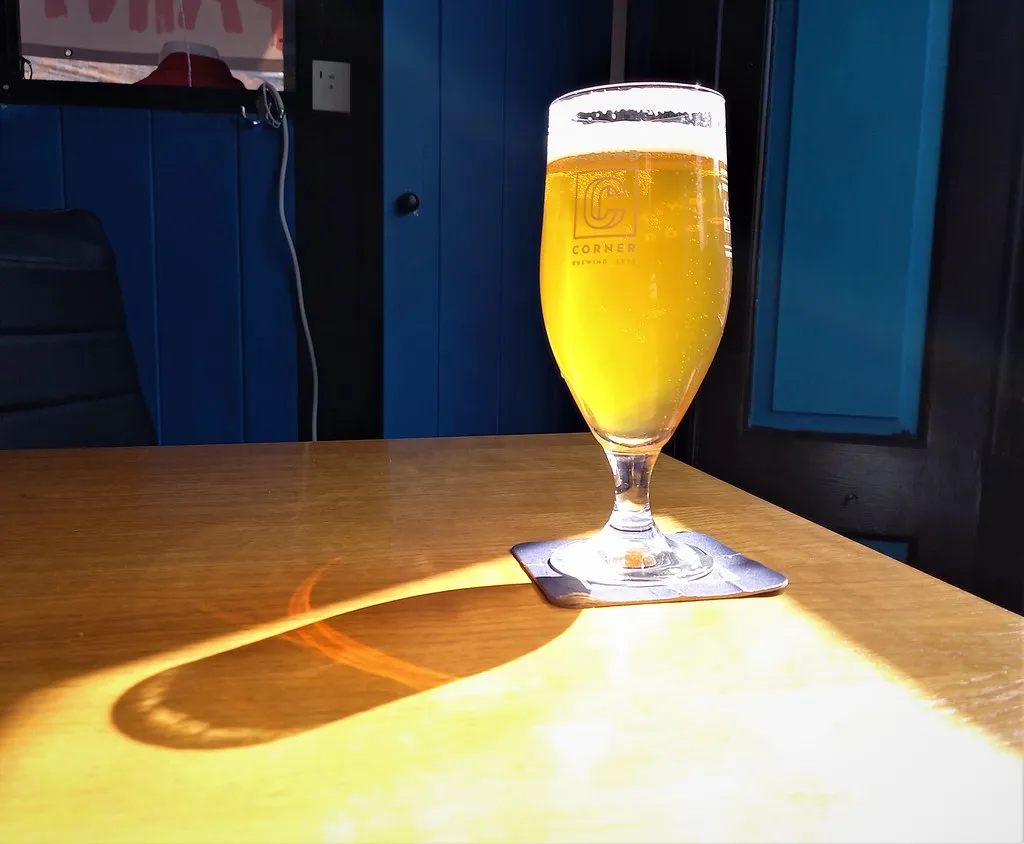
Worth mentioning: visiting these towns with intention means more than just collecting stamps on an ale trail passport. Supporting independent breweries over large conglomerate-owned operations, eating at locally owned restaurants nearby, and choosing accommodation that keeps money circulating in the community are all meaningful choices.
Several of the breweries mentioned here, particularly in Asheville, have navigated genuine hardship in recent years. Zillicoah Beer Company, which sits on the banks of the French Broad River, reopened after major flood repairs in 2025 with new energy and an expanded offering of taps, rotating food trucks, and some of the best riverside seating in the Asheville area. Visiting places like this, post-recovery, is a form of support that matters.
Craft brewing is deeply community-rooted by nature. The grain, the water, the yeast, the brewer, and the person sitting across the bar are often all local. Traveling with that awareness tends to produce more meaningful experiences on both sides of the tap.
A Note on Style Diversity Across These Five Towns
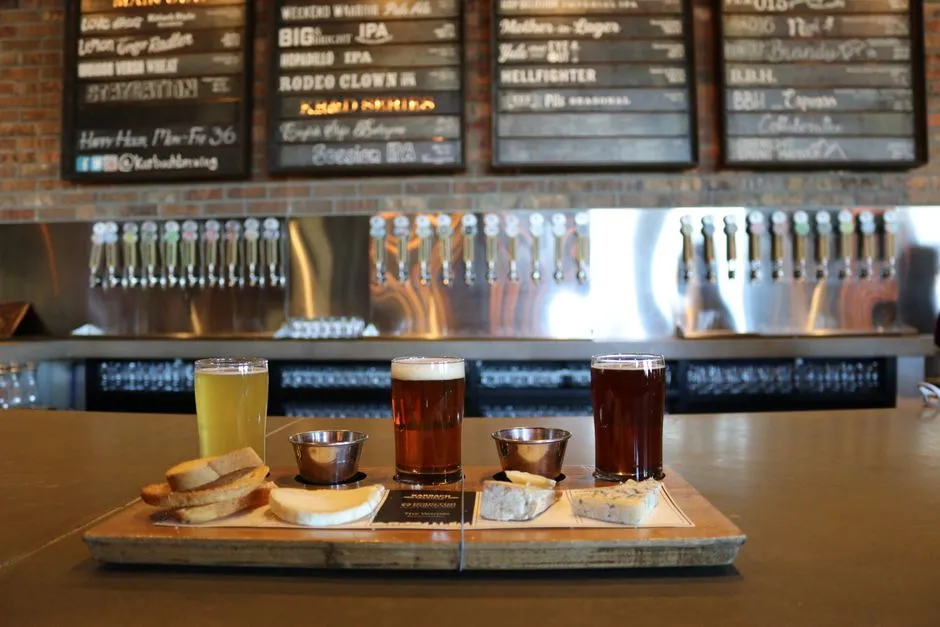
One of the quieter pleasures of moving between these five towns is how different the beer tastes. Portland, Oregon leans toward bold, hop-forward ales and is closely tied to the Pacific Northwest’s hop-growing valleys. Portland, Maine has a strong tradition of Belgian-influenced brewing and farmhouse styles. Zillicoah Beer Company in Asheville is renowned for open-fermented farmhouse ales and lagers, specializing in small-batch beers crafted with a blend of tradition and creativity.
Grand Rapids offers a wide range of beer styles and flavors, from recreations of historic and forgotten brews to sweeter-tasting concoctions catering to today’s evolving palates. Fort Collins, meanwhile, has built its identity around approachable, high-quality staples alongside adventurous seasonal releases.
That variety is part of what makes moving through these towns rewarding rather than repetitive. The beer changes as the landscape does, which is a detail worth savoring.
The Takeaway
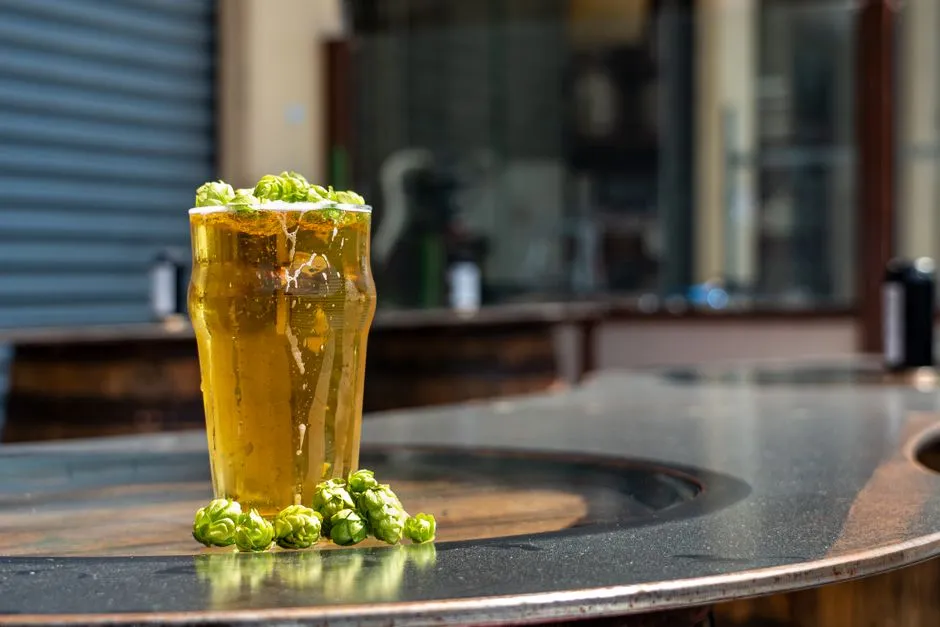
These five towns don’t compete with world-famous skylines or bucket-list landmarks. They offer something quieter and, for the right traveler, more satisfying: a deeply local identity expressed through what’s on tap. Cities like Asheville and Portland stand out because you can find a brewery almost every few blocks. That high brewery density means visitors have endless options for tasting, and locals can support diverse beer experiences without ever leaving town.
The beer scene in each of these places didn’t arrive overnight. It was built slowly, by people who cared about their craft, their water, their grain, and their neighbors. That history is worth raising a glass to, wherever you happen to be standing when you read this.
AI Disclaimer: This article was created with the assistance of AI tools and reviewed by a human editor.