


There’s a certain quiet thrill in realizing that your everyday paycheck, the one that barely stretches across a week of New York or San Francisco prices, can suddenly feel like a small fortune somewhere else on the map. A cup of strong local coffee for less than a dollar. A full dinner with a view for under ten. A comfortable hotel room for what you’d normally pay for a gym membership back home.
The cost advantage in the world’s most travel-friendly destinations comes from two distinct factors: a lower local cost of living, and favorable currency exchange rates that make the US dollar go further. In many countries, it’s entirely doable to cover all your travel expenses for around $35 to $50 per day, which is roughly what a single restaurant meal might cost in London or New York. The five destinations below are grounded in real, current data, and they represent some of the most rewarding travel experiences available to Americans in 2026.
1. Vietnam: Southeast Asia’s Most Rewarding Value Destination
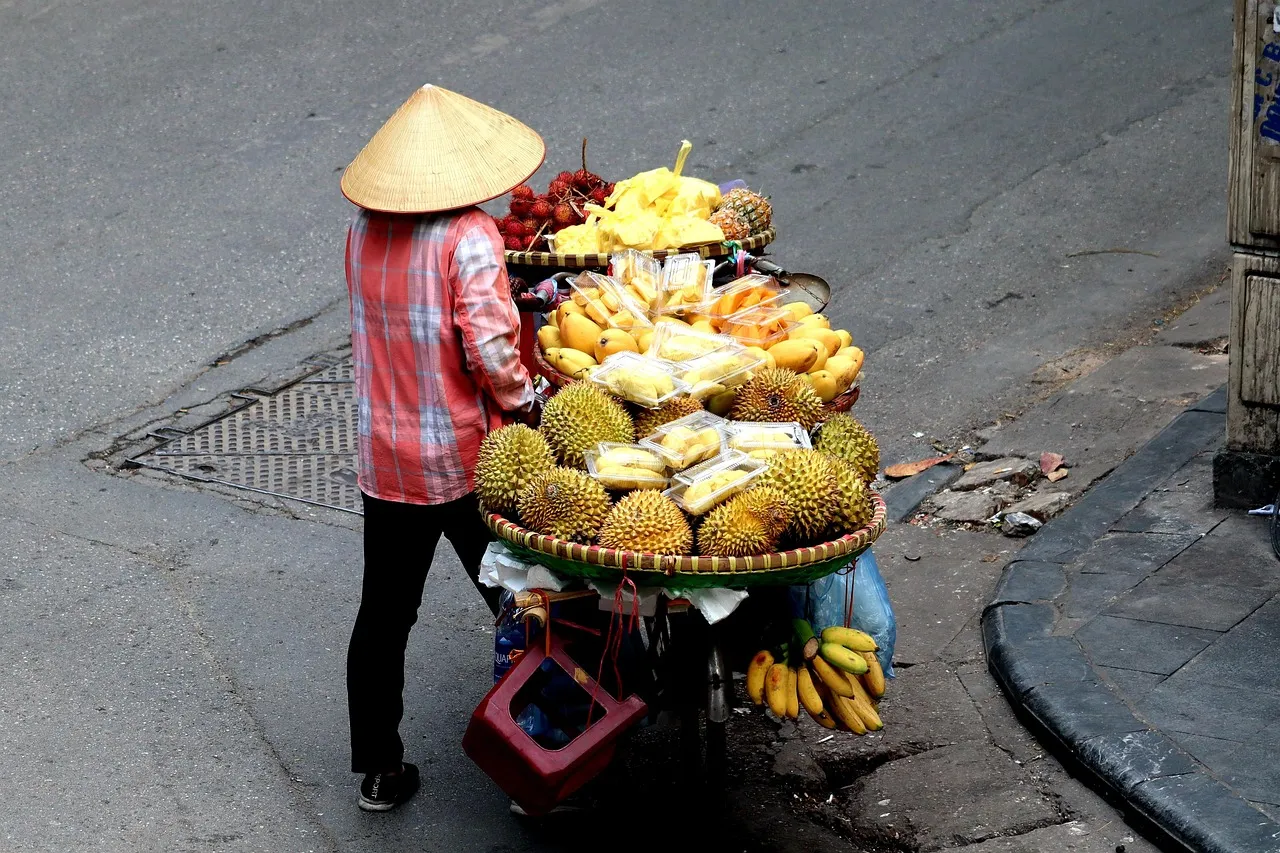
Vietnam has a well-earned reputation for being extraordinarily affordable, and that reputation holds in 2026. Vietnam travel costs range from roughly $20 to $35 per day for budget travelers and $45 to $95 per day for mid-range travelers, covering accommodation, food, transport, attractions, and daily essentials. That spread means whether you’re traveling lean or with some comfort, you’re spending a fraction of what comparable experiences would cost at home.
Food and dining costs in Vietnam are among the lowest in Southeast Asia, allowing visitors to enjoy world-class cuisine without straining their travel budget, and street food is the most economical option in culinary hubs like Hanoi and Ho Chi Minh City. Accommodation fits just about every budget, with dorm beds in hostels typically costing $5 to $15 per night depending on the city and season.
As of 2026, one US dollar equates to around 25,000 Vietnamese Dong. That exchange rate gives every dollar a satisfying weight. Most travelers spend between $1,200 and $2,400 for two weeks including flights, which is less than one week in many Western destinations while experiencing richer culture, stunning landscapes, and unforgettable adventures.
2. Mexico: The Closest Destination Where Your Dollar Stretches Furthest

Mexico remains one of the most consistently affordable international destinations for US travelers thanks to the strength of the US dollar against the Mexican peso, and in cities like Mexico City and Oaxaca, travelers benefit from lower costs for guided walking tours, museum admissions, and dining, particularly at locally owned restaurants and markets. The geographic proximity is a significant bonus too. No long-haul flight to budget for.
Mexico holds the position of a country with a moderate cost of living at roughly $800 to $1,000 per month, which is about half the average cost of living in major US cities like New York or Los Angeles, with rent starting at $300 and a meal at a local restaurant running just $3 to $5. Coastal destinations like Puerto Escondido and Mazatlán continue to offer competitively priced accommodations and local transportation, while destinations along the Yucatán Peninsula, including Mérida and Campeche, offer Mayan archaeological sites and local markets at affordable daily costs.
For greater affordability, look beyond the beach tourism hotspots and head inland to Mérida or Bacalar, or explore cultural hubs like Mexico City, Puebla, or Oaxaca. Those cities offer a genuinely immersive experience with some of the best food culture in the world, at prices that feel almost unreal to American visitors.
3. Romania: Europe’s Most Underrated Budget Destination

Romania rarely shows up on the first page of European travel lists, which is something of a gift for those who do find their way there. It’s not only an underrated destination in Europe but also a budget-friendly one, with a modern and up-and-coming capital in Bucharest and the entire Transylvania region being breathtaking. Backpackers can comfortably enjoy their time here for as little as $35 to $40 USD per day, which is a genuine steal in Europe.
Where Romania stands out most is value for money: mid-range accommodation is comfortable and character-filled, restaurant meals are generous and reasonably priced, and many of the country’s most interesting experiences, whether castles, historic towns, or guided tours, are still accessible without a high price tag. A hundred dollars goes remarkably far, potentially covering one night in a comfortable 3-star hotel, three hearty restaurant meals, entry to two or three castles, and local transport, all with change to spare.
American citizens receive visa-free entry to Romania for a 90-day period, as long as your passport is valid for at least three to six months beyond your planned departure. The smart way to travel here is to mix urban and rural experiences, spending time in the cities for cultural highlights, then balancing the budget in rural areas where you’ll eat better and sleep cheaper than almost anywhere else in Europe.
4. Turkey: One of the Strongest Currency Advantages for Americans
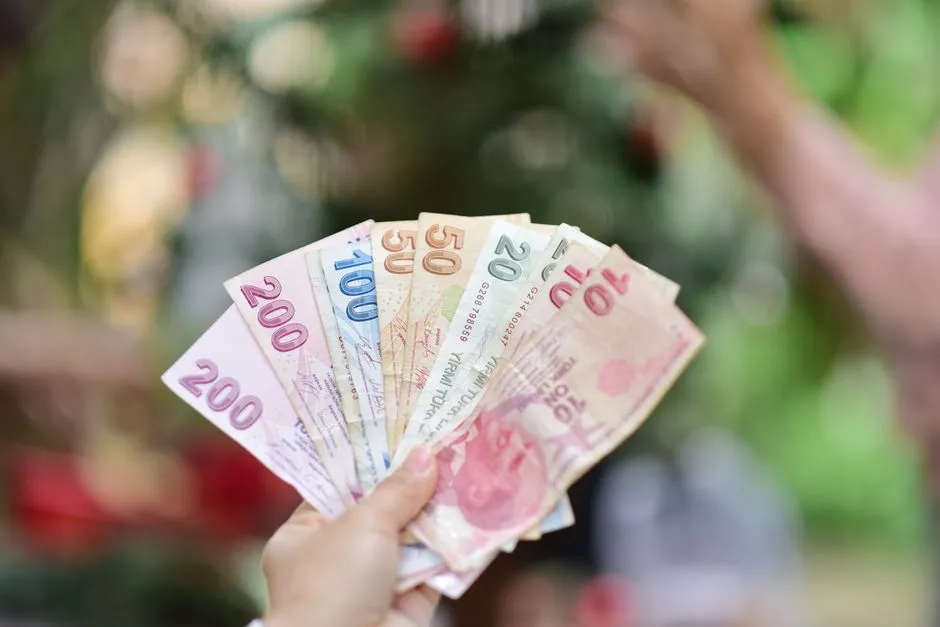
The Turkish lira remains exceptionally weak against the US dollar, hovering around 42.6 lira per dollar, creating some of the strongest purchasing power for Americans among major travel destinations, and this currency dynamic means everyday costs feel refreshingly low. That gap between what things feel like they should cost and what you actually pay is one of the most striking aspects of traveling Turkey right now.
A realistic daily budget often lands between $50 and $120 depending on personal preferences, while hostels or guesthouses cost about $18 to $25 per night and private hotel rooms start around $50. Travelers can explore the Grand Bazaar, the Blue Mosque, and the Hagia Sophia, and beyond Istanbul, discover the ancient ruins of Ephesus, the thermal terraces of Pamukkale, and the fairy chimneys of Cappadocia, famous for its hot air balloon rides.
Turkey also rewards travelers who move beyond Istanbul. The country’s interior and Aegean coastline offer some of the most historically dense landscapes on earth, and the combination of a favorable exchange rate with that level of cultural richness is genuinely hard to match anywhere else right now.
5. Colombia: South America’s Value Champion for Modern Travelers

Among the consistently affordable destinations in the Americas, Colombia stands alongside Mexico and Guatemala as one of the top value picks for budget-conscious travelers. The country has transformed significantly over the past decade, and in 2026 it draws travelers who come for the extraordinary landscapes, vibrant city culture, and a cuisine scene that has quietly become one of the most exciting in Latin America.
The UN Tourism body estimates that the 1.52 billion international tourist arrivals recorded in 2025 will grow by roughly 3 to 4 percent in 2026, and when combined with the record $2.2 trillion generated by international tourism in 2025, it’s clear that travelers are continuing to prioritize travel despite ongoing affordability pressures. Colombia has become a prime beneficiary of that trend, offering compelling value for Americans at nearly every price point.
Cities like Medellín and Cartagena now offer internationally recognized food and design scenes, while the coffee-growing region of the Eje Cafetero and the Amazon basin provide natural experiences that are genuinely difficult to find anywhere else. The Colombian peso’s exchange rate relative to the dollar has remained favorable for US visitors, making the country’s blend of coast, mountain, and jungle feel accessible rather than aspirational.
Why the Dollar’s Reach Varies by Destination in 2026
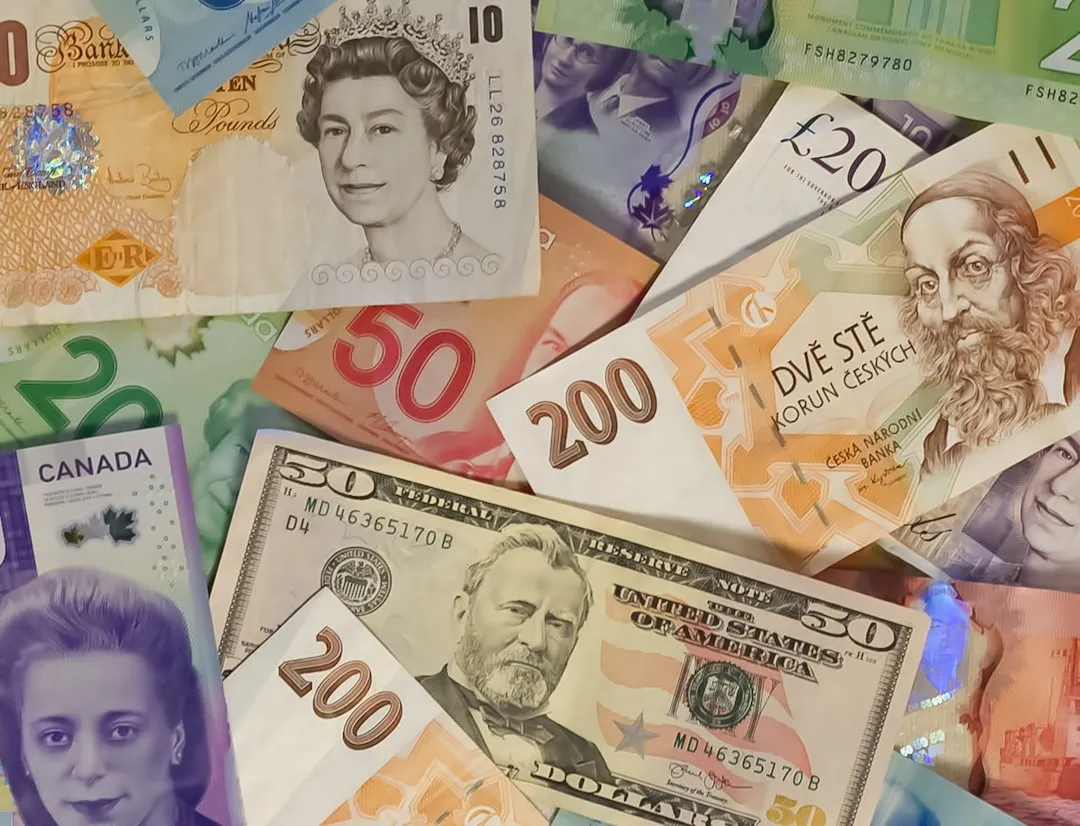
It’s worth understanding why some countries feel so dramatically affordable. Countries like Vietnam, Thailand, Guatemala, and Nepal consistently rank among the most affordable in the world, with daily budgets starting as low as $20 to $35, and the advantage comes from two factors: lower local cost of living and favorable currency exchange rates. Those two forces compound each other. When local wages are lower, everything from restaurant meals to haircuts to guided tours is priced accordingly.
The International Air Transport Association found that, in real inflation-adjusted terms, average return airfares in 2025 were nearly 35 percent lower than in 2015, reflecting a long-term decline in ticket prices that it expects to continue in 2026. That means the biggest obstacle to international travel, the flight cost, has been quietly shrinking for a decade.
Strategic planning and spending are how savvy travelers are making affordable travel possible in 2026, with short-haul routes and destinations with favorable exchange rates among the most effective strategies for finding excellent value. Knowing where to look, and understanding why those prices exist, is half the work.
How to Keep Your Daily Budget Low Once You Arrive

To keep costs genuinely low on the ground, the most effective strategies are staying in guesthouses, eating at local markets, and using public transportation. These aren’t compromises. In many budget-friendly destinations, local markets serve food that is both better and more authentic than the tourist-oriented restaurants catering to Western expectations.
In Vietnam specifically, street food, accommodation, transport, and tours all cost roughly 15 to 40 percent less than comparable options catering to tourists. That gap is meaningful over a multi-week trip. Travelers who stay flexible on dates and destinations see the biggest savings without compromising on quality.
A few practical notes worth keeping in mind: travel insurance is essential regardless of where you go, and entry requirements vary. Romania and Turkey both welcome Americans visa-free for extended stays, while Vietnam offers an e-visa that’s straightforward to obtain before departure. Always verify current entry requirements directly with official government sources before booking.
The Cultural Dividend of Budget Travel

There’s something worth naming about what happens when you travel somewhere that your dollar goes far. You tend to eat where locals eat, stay in smaller guesthouses run by families, use public buses rather than private transfers. That’s not just financial logic. It produces a fundamentally different quality of experience.
Realizing how far your dollars can go in cheaper countries can be genuinely eye-opening. Many travelers return from destinations like Vietnam or Romania not only with a full passport stamp but with a reset sense of what daily life can look like at a slower, more deliberate pace. Vietnam travel costs in 2026 remain flexible, affordable, and rewarding, and smart planning, eating local, and using public transport allow travelers to experience rich culture, stunning landscapes, and unforgettable adventures without overspending.
The same principle applies across all five destinations on this list. Affordability isn’t a sign of a lesser trip. Often, it’s the condition that makes the best kind of travel possible.
Planning Your Trip: Timing, Flexibility, and Realistic Expectations

Shoulder seasons consistently deliver better value across all five of these destinations. While seasonality and supply and demand affect a destination’s value, shoulder season can reliably deliver better pricing and availability. For Vietnam, that’s the spring and early fall. For Romania and Turkey, late spring and early fall offer pleasant weather without peak-season pricing surges.
International destinations like Mexico City are often within reach for many travelers, with average airfares around $402 depending on departure city and travel dates. Round-trip flights to Bucharest in Romania average around $447, with one-way fares starting as low as $144. Both are far more manageable than a comparable European capital like Paris or Amsterdam.
Flexibility matters more than almost any other single factor. Being willing to adjust departure dates by a few days, or to choose a less-hyped entry city, routinely translates to savings that fund several additional nights on the ground. The less rigidly you plan, the more the destination tends to reward you.
A Note on Responsible and Respectful Travel in These Destinations

The affordability of a destination is never an invitation to treat it carelessly. Each of these countries has a living culture, a local economy, and communities that depend on tourism being done with some degree of care and consideration. Spending your dollars at locally owned restaurants, guides, and guesthouses rather than large international chains keeps that economic benefit where it matters most.
U.N. Tourism’s data shows that 1.52 billion international tourist arrivals were recorded in 2025, with continued growth expected. That kind of scale puts real pressure on popular destinations. Traveling during shoulder seasons, exploring beyond the most photographed landmarks, and learning a handful of words in the local language are small gestures that accumulate into something meaningful for the places you visit.
Budget travel, done thoughtfully, is some of the most rewarding kind. It keeps you curious, keeps you connected to the actual texture of a place, and leaves both you and the destination in better shape than you found them. The five countries above aren’t just where your dollar goes far. They’re places genuinely worth the journey.
Conclusion: The World Is More Accessible Than You Think

The gap between wanting to travel internationally and actually doing it is often smaller than it appears. For Americans in 2026, the combination of a strong dollar in select destinations and long-term declines in airfare has made the world more financially accessible than at almost any point in recent memory.
Vietnam, Mexico, Romania, Turkey, and Colombia each offer something distinct. Ancient temples and bay cruises in one. Colonial cities and street art in another. Transylvanian forests and Ottoman-era architecture in the next. What they share is the rare quality of making you feel like your money is working harder than usual, and that you’re getting more than you bargained for.
The most important step is simply deciding to go. The planning, the budgeting, and the research that follows tend to take care of themselves once that decision is made.
AI Disclaimer: This article was created with the assistance of AI tools and reviewed by a human editor.