
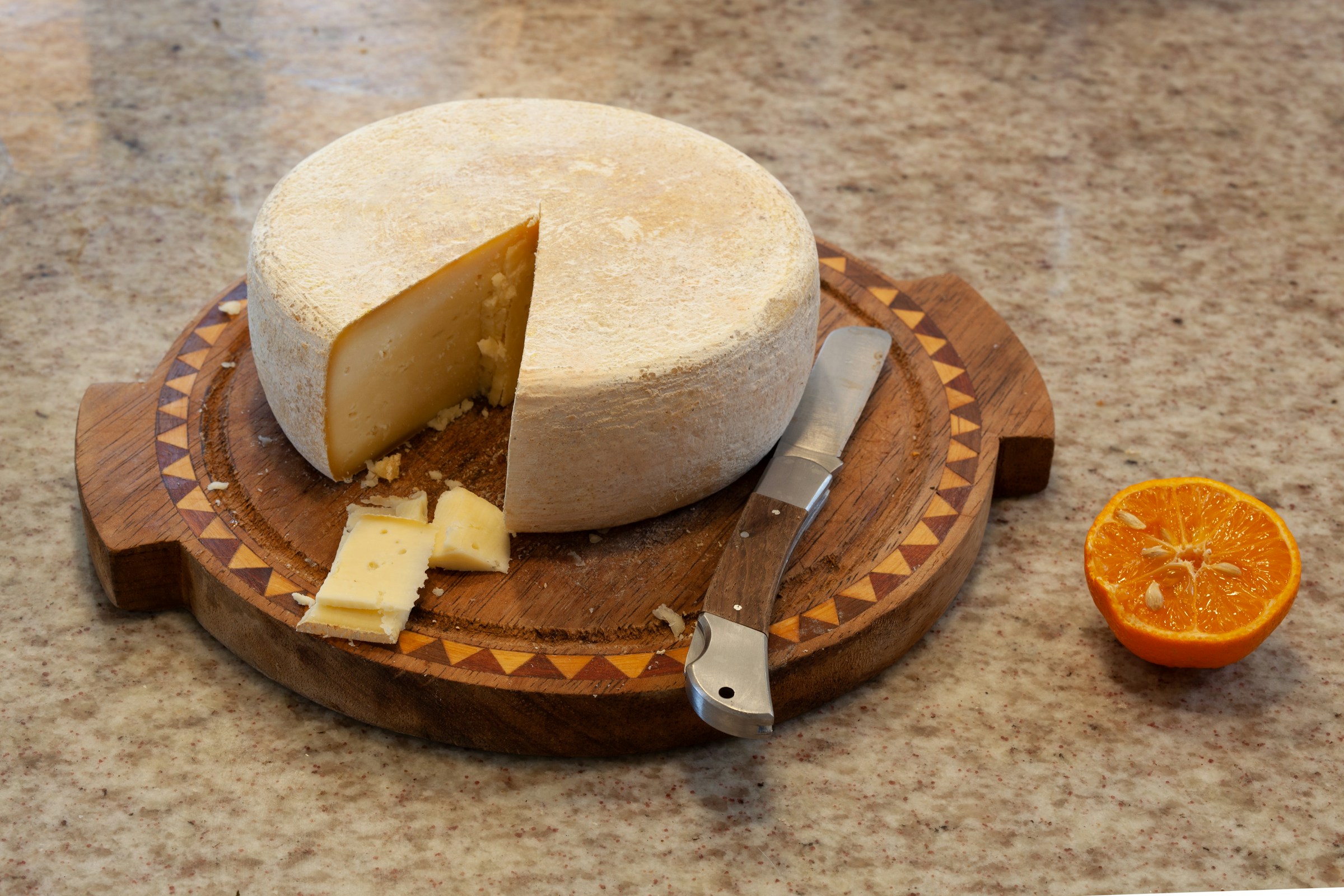

There’s something quietly remarkable about the idea that some of the world’s finest foods are born in the dark, in rooms that smell of damp stone and ancient mold. Cheese caves are not glamorous places by conventional standards. They’re cool, humid, and unmistakably alive with microbial activity that most people would prefer not to think about too deeply.
Yet step inside one and something shifts. The smell isn’t unpleasant so much as it is honest, a kind of geological perfume that tells you exactly where flavor comes from. These are five of the world’s most compelling cheese caves, each with its own character, history, and the kind of atmosphere that turns simple milk into something worth traveling for.
1. The Combalou Caves of Roquefort-sur-Soulzon, France
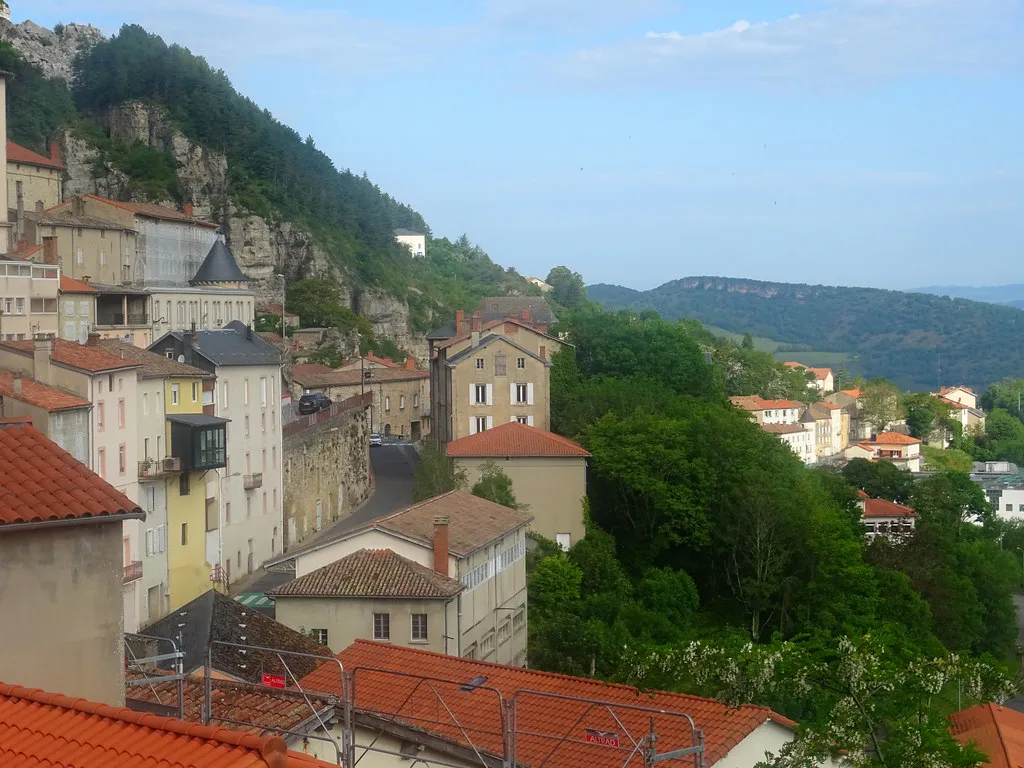
Millions of years ago, part of the Combalou mountains collapsed, and the resulting fractures in the rocks created a cave system running two kilometers long, three hundred meters wide, and three hundred meters deep. That geological accident, entirely unplanned, became the birthplace of one of the world’s most celebrated cheeses.
In 1411, King Charles VI decreed that in order to be called Roquefort, the cheeses could only be aged in the limestone-rich caves of Mont Combalou, where all Roquefort cheeses continue to be aged to this day. That royal decree still holds. Roquefort was the very first cheese to receive the Appellation d’Origine Contrôlée designation in 1925, and true Roquefort can only be aged in these specific caves under Mount Combalou. Anywhere else, and it’s just blue cheese.
The caves allow producers to maintain the ideal temperature and humidity for aging, made possible by the fleurines, or fissures in the cave walls formed millions of years ago due to geological turbulence, that allow the flow of air and moisture. The cheese is matured for at least ninety days, with the initial two weeks spent in the cool, humid atmosphere of the Combalou caves, whose unique microclimate fosters the development of the mold, giving Roquefort its distinctive marbling and depth of flavor.
2. The Cellars at Jasper Hill Farm, Greensboro, Vermont
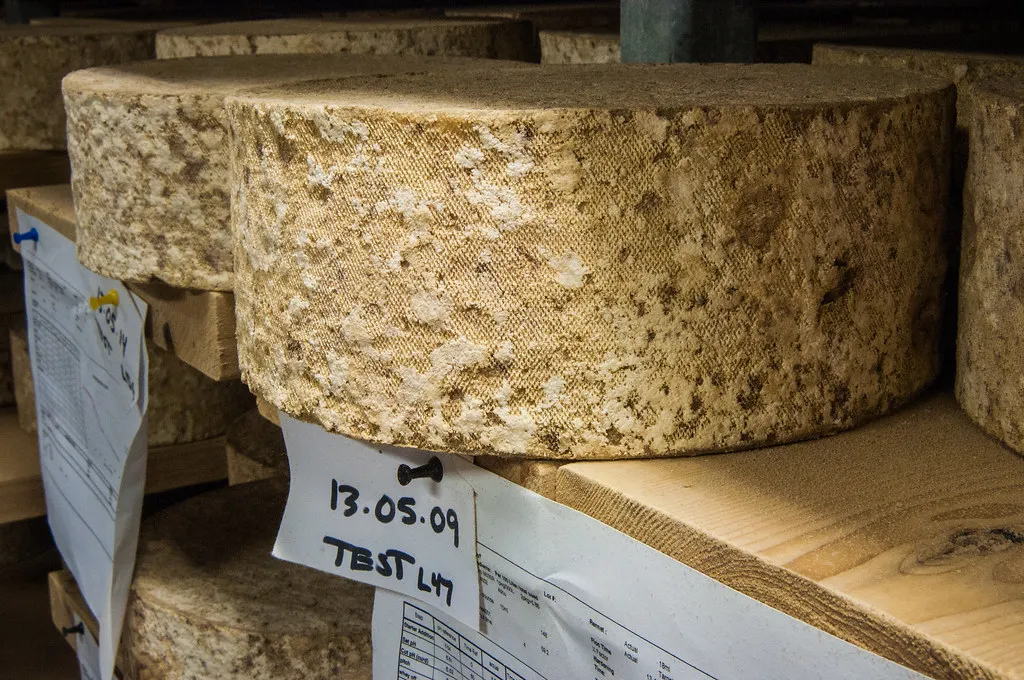
The Cellars at Jasper Hill Farm is an innovative twenty-two-thousand-square-foot underground facility located in Greensboro, Vermont, constructed for the purpose of providing affinage, or aging expertise, as well as distribution and marketing services for local cheesemakers. It’s a remarkable American success story built into a hillside in the Northeast Kingdom.
Fresh wheels are introduced to one of seven specially calibrated vaults, where they receive customized care until perfect ripeness. The Cellars became operational in 2008 and now ages cheese made by Jasper Hill Farm as well as products made by other creameries local to northern Vermont and New Hampshire, providing sales, marketing, and distribution services with the goal of reducing barriers to entry for small-scale cheesemakers.
When Swiss, Italian, and German cheesemakers immigrated to Wisconsin in the nineteenth and early twentieth centuries, they brought their affining, or cheese-aging, practices with them, and when they couldn’t find natural cave environments, they created them. Jasper Hill follows that same spirit of deliberate construction, proving that great terroir can sometimes be engineered with enough care and intention.
3. Crown Finish Caves, Crown Heights, Brooklyn, New York
From Brooklyn’s Bergen Street, Crown Finish Caves looks like any other funky old brick building, but as you descend thirty feet down a narrow spiral staircase, the temperature drops suddenly, and you’re greeted by something magnificent: twenty-six thousand pounds of cheeses in various states of aging, sitting on shelves in a repurposed lagering tunnel originally built in the 1850s for brewing beer. You’re still in New York City, but it feels like a different universe.
Crown Finish Caves ages cheeses in a repurposed 1850s lagering tunnel, once used to brew beer, thirty feet below ground in Crown Heights, Brooklyn. The mission of Crown Finish Caves is to provide a valuable, unique skill set and facility to the local dairies it works with that lack the time, space, resources, or knowledge to make high-quality aged cheeses on their own.
Crown Finish Caves ripens about one hundred thousand pounds of cheese per year. The cheeses are aged about one year in the caves, which develops the flavor and causes them to lose around ten percent of their weight while ripening. That slow reduction is not a loss so much as a concentration, the water leaving so the character can stay.
4. Murray’s Cheese Caves, Queens, New York
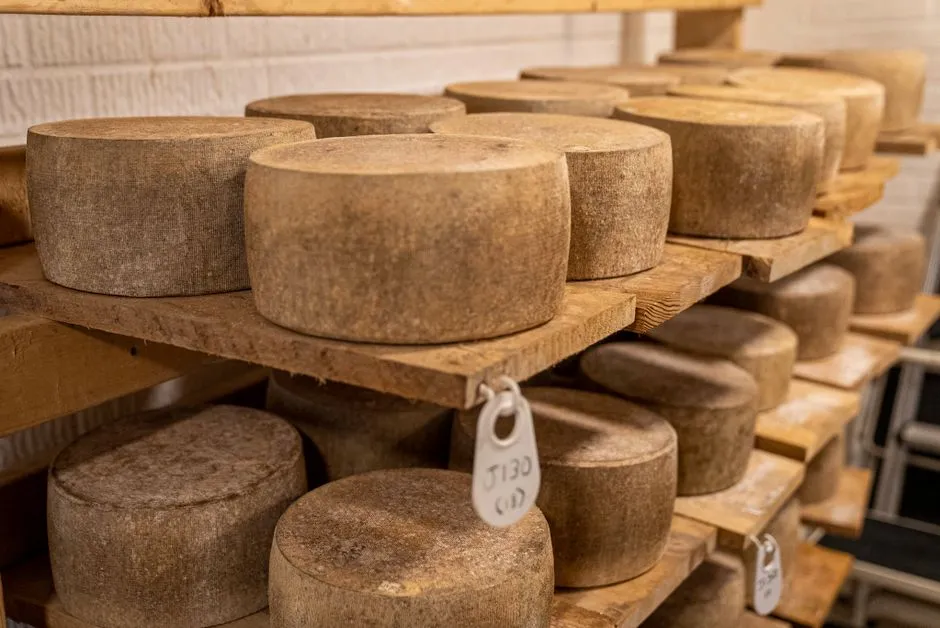
In state-of-the-art facilities in Queens, Murray’s crafts its marquee line of cave-aged cheeses, small-batch, one-of-a-kind, and exclusively available at Murray’s, made in collaboration with the world’s best creameries and dreamed up and aged by a cheese-obsessed team of experts. The operation functions as part laboratory, part sanctuary.
The people who age cheese are called affineurs, and Murray’s affineurs have decades of experience in the art and science of cheese, caring for the wheels day after day through washing, brushing, coating, flipping, and patting. There’s the Washed Rind Cave, lovingly dubbed “the stink tank,” where pungent, meaty varieties develop, and each of the four caves, plus a drying room, is carefully calibrated to maintain its resident cheeses’ optimal environment.
That can mean a cheddar that sits in their Natural Rind Cave for over a year as the flavor concentrates into a robust umami, or a quick two weeks in the Bloomy Rind Cave, where camembert develops its downy rind and the interior breaks down into gooey goodness. Some of their cave-aged cheeses took home gold or super gold at the 2025 World Cheese Awards.
5. Mifroma Gruyère Caves, Ursy, Switzerland
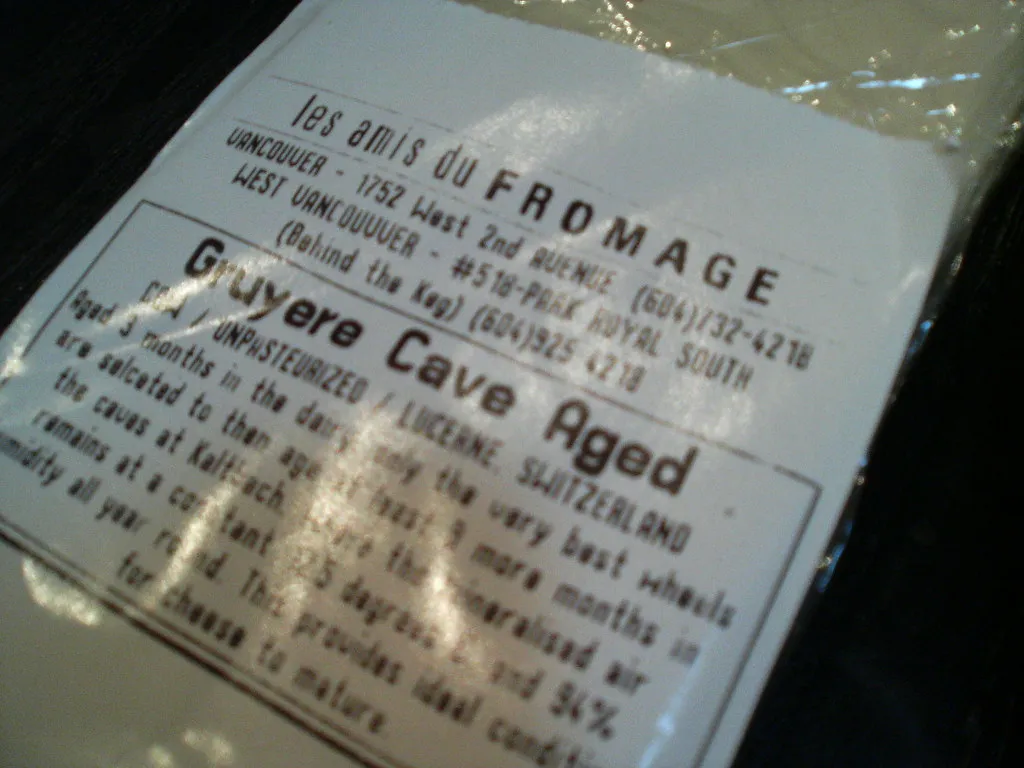
Deep beneath the rolling pastures of Switzerland, hidden from the sun and the changing seasons, a silent transformation is taking place. This is not a modern industrial facility with humming refrigeration units and stainless steel racks. It is a natural cave, carved by ancient rivers into living rock, where the air is cool, damp, and perfectly still. For centuries, Swiss cheesemakers have understood a secret that modern technology has only recently rediscovered: nature’s own cellar is the finest aging room in the world.
The caves owned by Mifroma are located in Ursy, Switzerland, and can hold one hundred thousand wheels of Gruyère aged from five to fourteen months. Gruyère cheese, which dates back to 1115 AD, seems to be magically transformed into a whole new cheese once it is placed in caves. That transformation, slow and irreversible, is what separates genuine alpine affinage from anything a factory shelf could produce.
Comté and Gruyère, aged in alpine caves, are washed with brine to develop their signature brownish-gold rinds, and over months or even years, develop notes of toasted nuts, brown butter, and subtle fruit. The constant temperature and the near-perfect humidity create conditions that encourage the growth of specific, desirable molds and bacteria that no controlled industrial environment has yet managed to fully replicate.
What Makes a Cave Different from a Cold Room
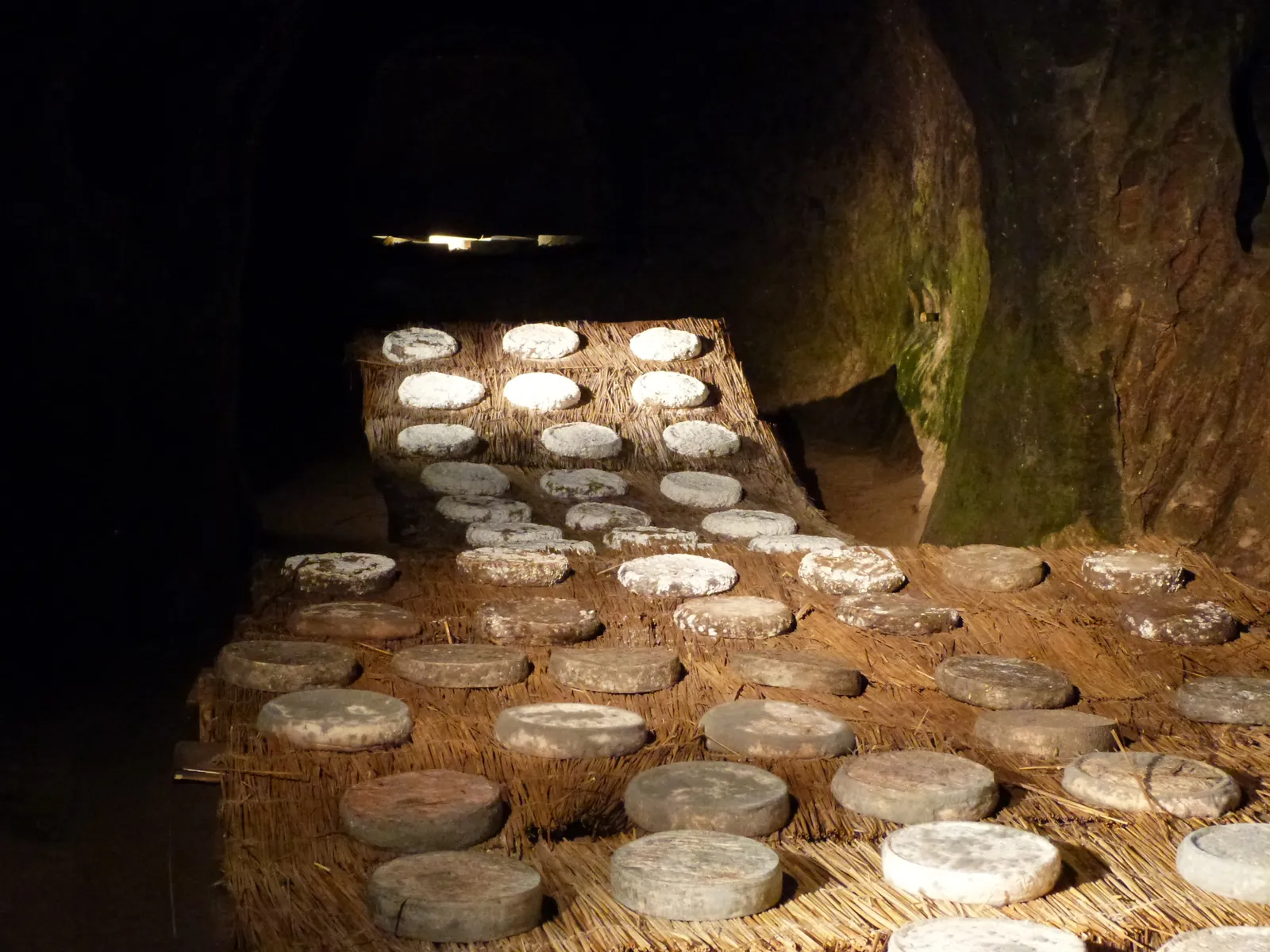
Large-scale manufacturers prefer climate-controlled rooms that mimic caves because they offer the ability to pasteurize the air and eliminate bad bacteria, whereas a real cave is an unpredictable, wild environment. The trade-off is flavor complexity. A cheese aged in a sterile room often tastes one-dimensional, lacking the earthy, mushroomy, or mineral notes provided by the ambient yeasts and molds found in a natural cave wall.
The caves themselves become part of the recipe. Their mineral composition, air circulation patterns, and resident microflora all contribute flavors that can’t be replicated in sterile aging rooms, and each wheel emerges with a unique fingerprint of its underground nursery. This is what cheese people mean when they talk about terroir in cheese. It’s real, and it’s measurable.
The Science Behind the Smell
European cheesemakers have long known that microflora, or bacteria, thrive in cold and humid environments like caves, and bacteria grow mold on the cheese, causing it to develop a certain flavor and texture. The smell that drifts through a working cave is essentially a byproduct of biology doing its finest work.
A high-quality cave-aged cheese should smell of damp earth, wet straw, or cellar floor. If it smells only of lactic acid or sour milk, it likely spent its life in a sterile cooler rather than a true aging cave. Knowing this distinction changes how you shop, and how you eat.
The Role of the Affineur
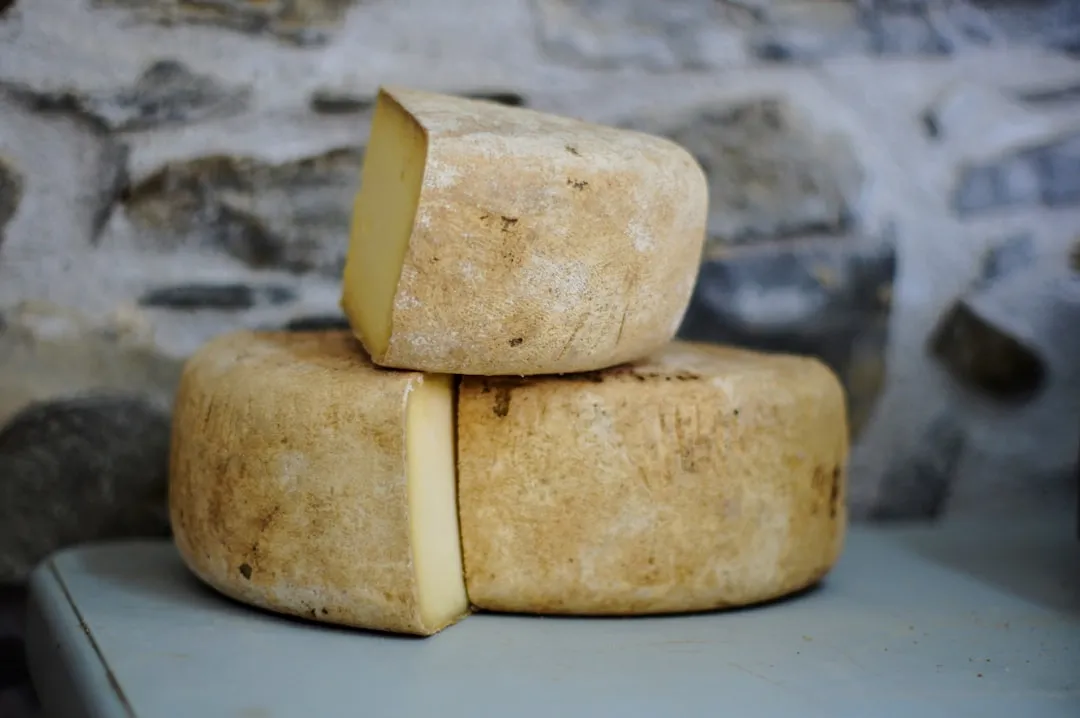
The journey from a fresh, young cheese to a complex, aged wheel is guided by the skilled hands of an affineur. Affinage, the French term for the art of maturing cheese, is a delicate dance of science and intuition, and the affineur is part-caretaker, part-alchemist, responsible for nurturing each wheel to its peak potential.
Affinage requires a deep working knowledge of bacteria, molds, and yeast strains, and the ability to encourage the growth of some while slowing or stopping others. It’s a discipline that takes years to develop, often passed between generations or learned through apprenticeships with masters in France or Switzerland.
Wisconsin’s Quiet Cave Revival
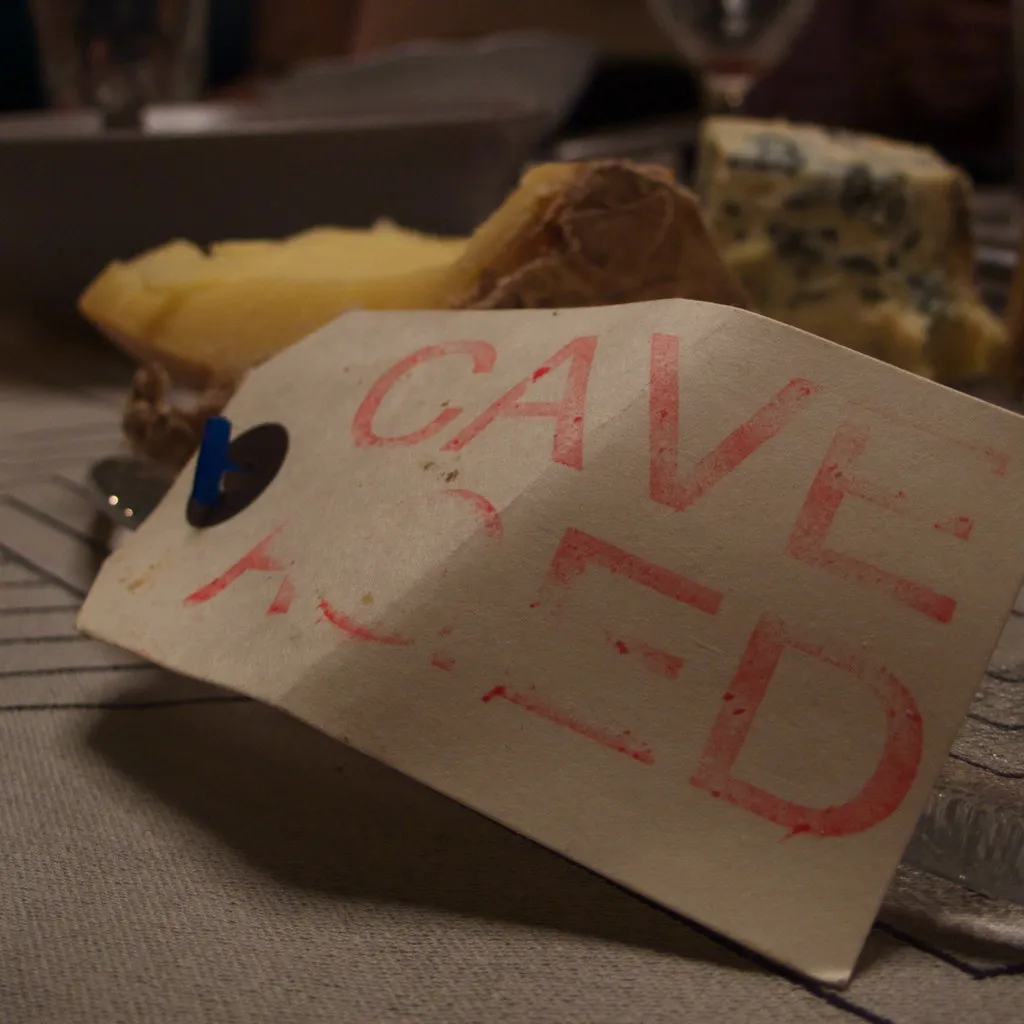
Widmer’s Cheese Cellars in Theresa, Wisconsin, has been cave-aging cheese since 1922, when the shop was founded. Its famous brick cheese is affined in basement rooms, also called cheese cellars, at the bottom of the plant. Owner Joe Widmer adjusts the cellar’s conditions to encourage the growth of a particular bacterium that helps the cheese develop an orange mold.
Wisconsin produced a quarter of the country’s cheese in 2025, with twenty-eight percent being specialty cheese, including most cave-aged cheese. The University of Wisconsin’s Center for Dairy Research works with local cheesemakers, some of whom age their cheese in the CDR’s caves. The state has quietly become one of the most serious cave-aging regions outside of Europe.
How to Recognize a Genuinely Cave-Aged Cheese
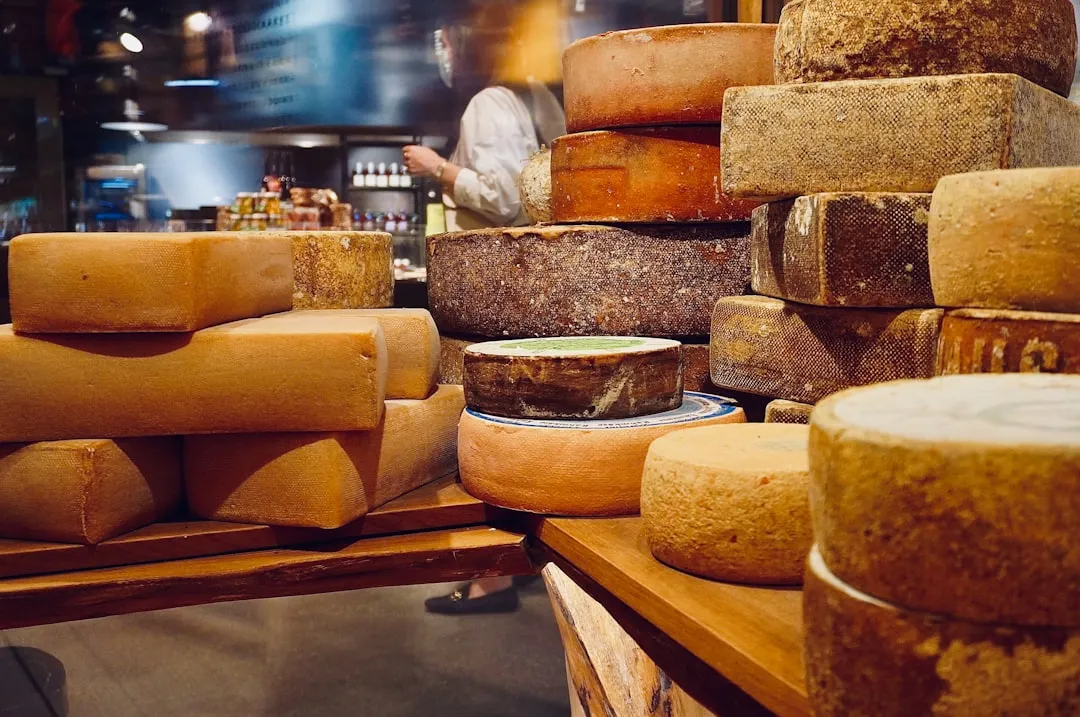
When reading a label, “cave-aged” is a marketing term unless it specifies the origin. Look for a mottled, slightly dusty, or colorful rind, as these indicate that the cheese has been exposed to the diverse flora of an aging room rather than a controlled, sterile factory shelf.
Raw milk is preferred for cave aging because it contains the naturally occurring bacteria that thrive in cave environments. Pasteurization kills these helpful microbes, which are essential for developing the complex, funky rinds found on traditional wheels. When in doubt, ask your cheesemonger where the wheel was aged, not just where the milk came from. Those are two very different answers.
The Lasting Appeal of Underground Aging
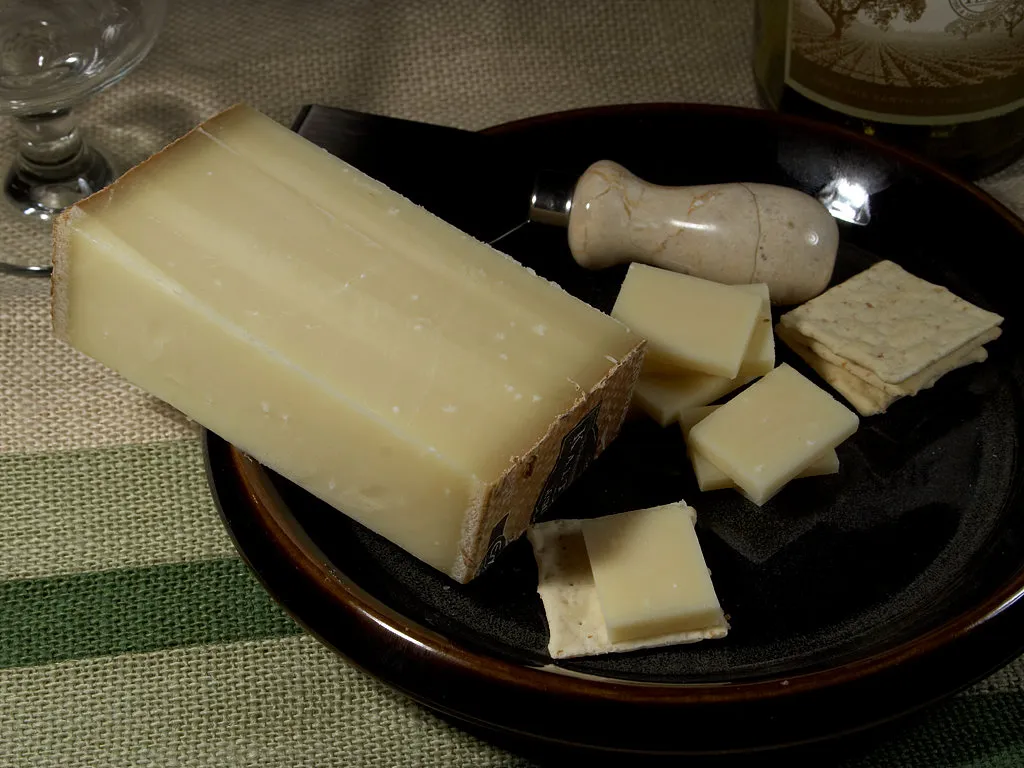
Cave-aging is not a trend. It’s a practice that predates refrigeration, industrial food production, and the entire concept of modern dairy science. The fact that it still produces results that technology hasn’t surpassed says something worth sitting with.
The caves of Roquefort are a reminder that great food cannot be rushed, synthesized, or relocated. It is a collaboration between the geology of the earth and the patience of the artisan. That principle holds across every cave on this list, whether it’s carved into a French limestone plateau or converted from a nineteenth-century Brooklyn brewery. The best aging rooms smell the way they do because something genuinely extraordinary is happening inside them.
AI Disclaimer: This article was created with the assistance of AI tools and reviewed by a human editor.