
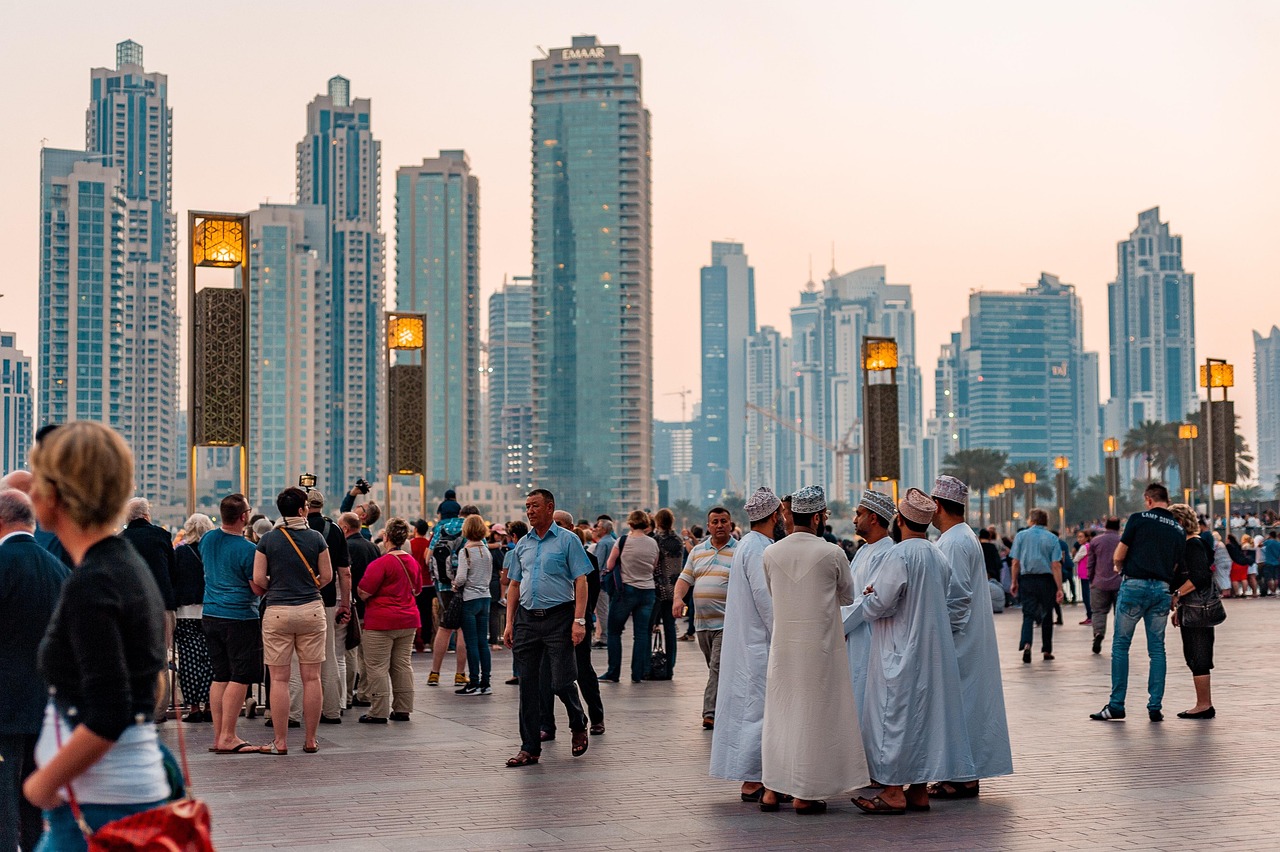
There’s a quiet shift happening in how we experience great cities. Travelers still seek out the cathedral, the old bridge, the cobblestoned square. Yet increasingly, the building that stops them in their tracks isn’t centuries old. It’s brand new, impossibly shaped, and entirely unexpected.
Modern architecture has moved well beyond glass towers and corporate plazas. In certain cities around the world, contemporary design has become so bold and so culturally embedded that it genuinely competes with the weight of history. These are the five cities where that shift feels most vivid right now.
Dubai, UAE: Where the Future Arrives Ahead of Schedule
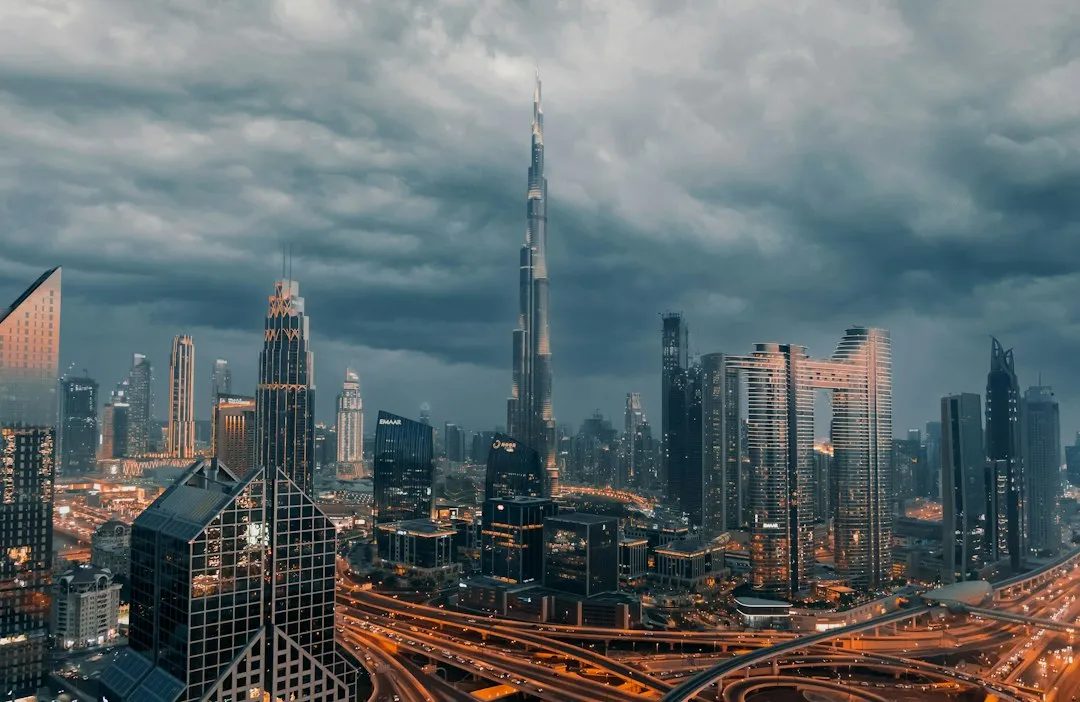
Dubai is home to more than 270 buildings taller than 150 meters, and more than 33 buildings exceeding 300 meters, giving it the world’s greatest concentration of supertall structures. That density of ambition is simply unlike anything else on earth. Walking through Downtown Dubai isn’t sightseeing in the traditional sense. It’s more like moving through a living exhibition of architectural possibility.
The Burj Khalifa remains the tallest building on the planet, rising 828 metres with 163 floors. But what’s striking today is that the Burj is no longer alone in commanding attention. One Za’abeel, completed and inaugurated in early 2024, contains a sky bridge floating above the city with restaurants, lounges, and observation decks, with the towers themselves offering a mix of luxury apartments, office spaces, and a One&Only hotel.
In recent decades, Dubai’s skyline has become a living canvas for experimentation and invention, with each building offering a narrative of ambition and innovation. Historic trading ports and old wind-tower districts still exist in the city, but conversations about Dubai always return to what’s rising next. That’s a remarkable thing for any city to achieve.
Rotterdam, Netherlands: Rebuilt From Scratch, Never Looked Back
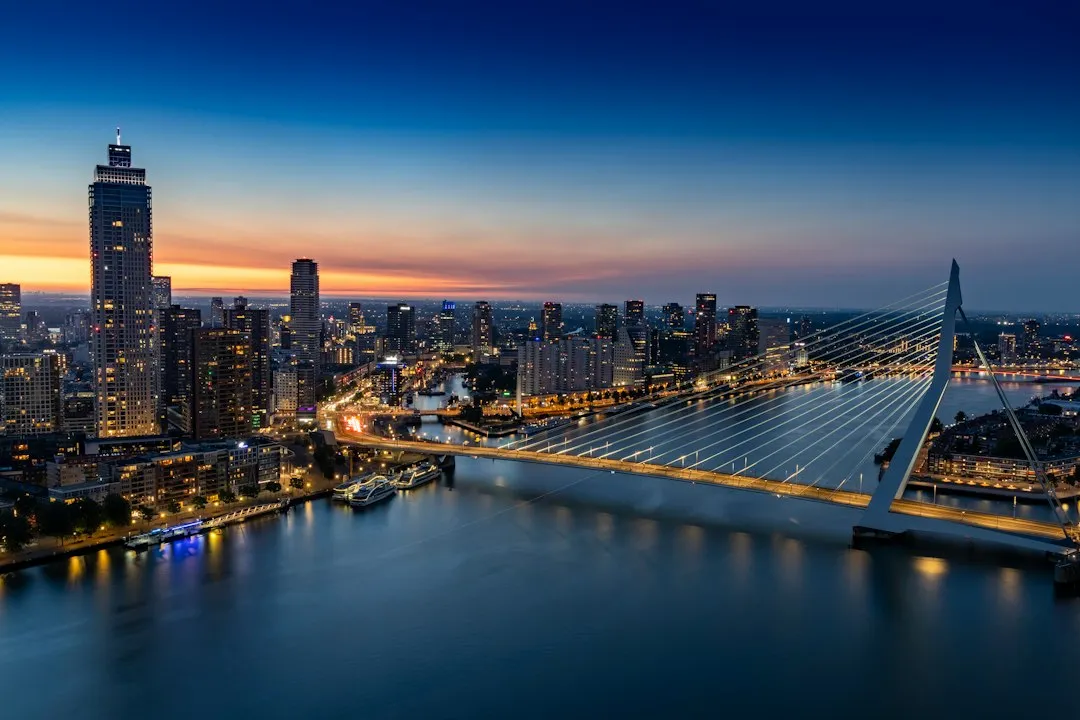
Rotterdam, often called “Manhattan on the Meuse,” is not only home to the largest port in Europe, but it is also a city worth visiting specifically for its architecture. The reason this city looks so radically contemporary is rooted in painful history. The Second World War left the city center almost entirely destroyed, and rather than reconstruct what was lost, Rotterdam chose to experiment. That decision has defined it ever since.
De Rotterdam, a colossal mixed-use complex designed by Rem Koolhaas’s OMA, completed in 2013, sees its three interconnected towers rise 150 meters above the Maas River, housing offices, residences, and a hotel, creating a dynamic silhouette that reflects Rotterdam’s innovative spirit. Then there is De Zalmhaven. Since 2022, it has held the title of tallest residential building in the Benelux, a slender 215-meter glass tower cutting a striking figure along the river.
In May 2025, the Fenix Museum of Migration opened in the Katendrecht district, becoming the world’s first museum dedicated to the global history of migration through art, architecture, photography, and history, covering 16,000 square metres of a renovated early 20th-century warehouse, capped by a dramatic 30-metre spiral staircase composed of 297 stainless steel panels named the “Tornado.” Rotterdam is also pushing into climate-adaptive design. The Floating Office in the Rijnhaven, by Powerhouse Company, is entirely made of wood, self-sufficient, sustainable, and actually floating on the water.
Singapore: Green Towers and the Art of Building Upward
Singapore blends futuristic innovation with rich cultural heritage, and visitors exploring the city’s design landscape encounter towering skyscrapers, colonial-era landmarks, and cutting-edge green buildings coexisting in unusual harmony. The key word there is harmony. Singapore doesn’t erase its past. It simply insists that the present be just as extraordinary.
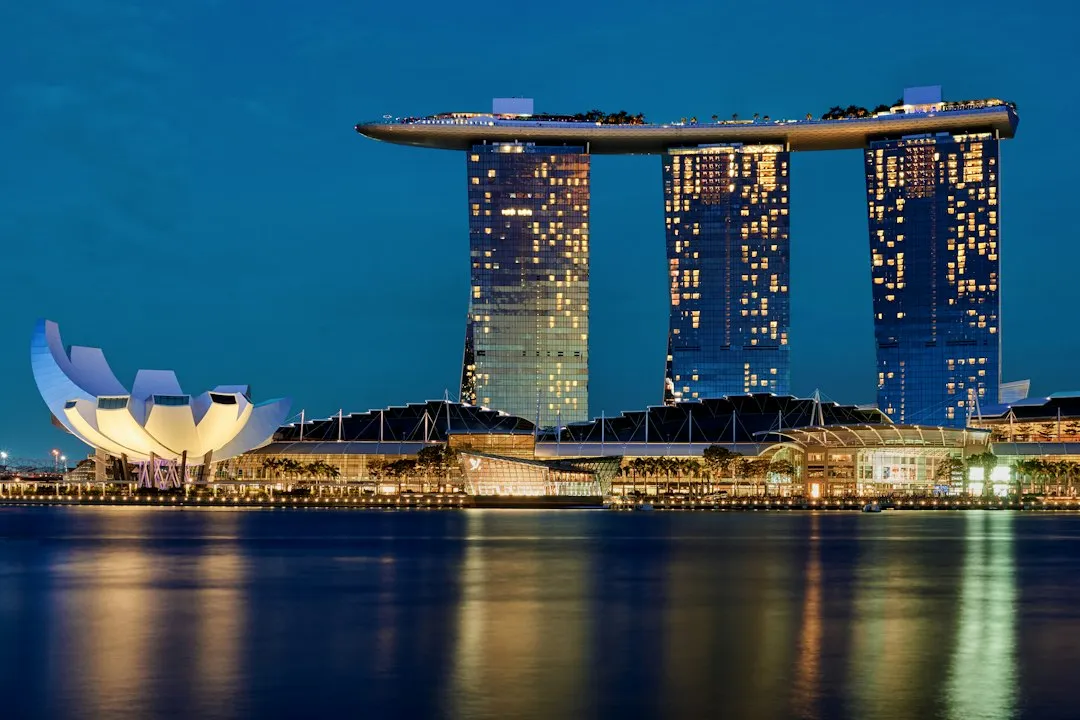
Marina Bay Sands was designed by world-renowned architect Moshe Safdie and is considered one of the defining landmarks of Singapore, comprising a 12,000-square-meter convention and exhibition center, a 2,561-room hotel, 74,000 square meters of retail space, a museum, a theatre, and an atrium casino. Its three towers connected by a rooftop SkyPark remain one of the most photographed structures in Asia. A full-scale expansion project is now underway, with targeted completion by July 2029, adding a hotel tower with a sunroof, a 15,000-seat entertainment arena, additional convention space, and new food and nightlife offerings.
Modern architecture in Singapore has achieved remarkable results by bringing nature to the heart of construction through an approach called biophilic architecture. Vertical gardens climb building facades. Rooftop parks blur the line between tower and landscape. Many buildings are designed with energy efficiency and climate adaptation in mind, reflecting the city’s long-term urban planning strategy. The result is a skyline that feels genuinely alive.
Chicago, USA: The City That Invented the Skyscraper and Never Stopped
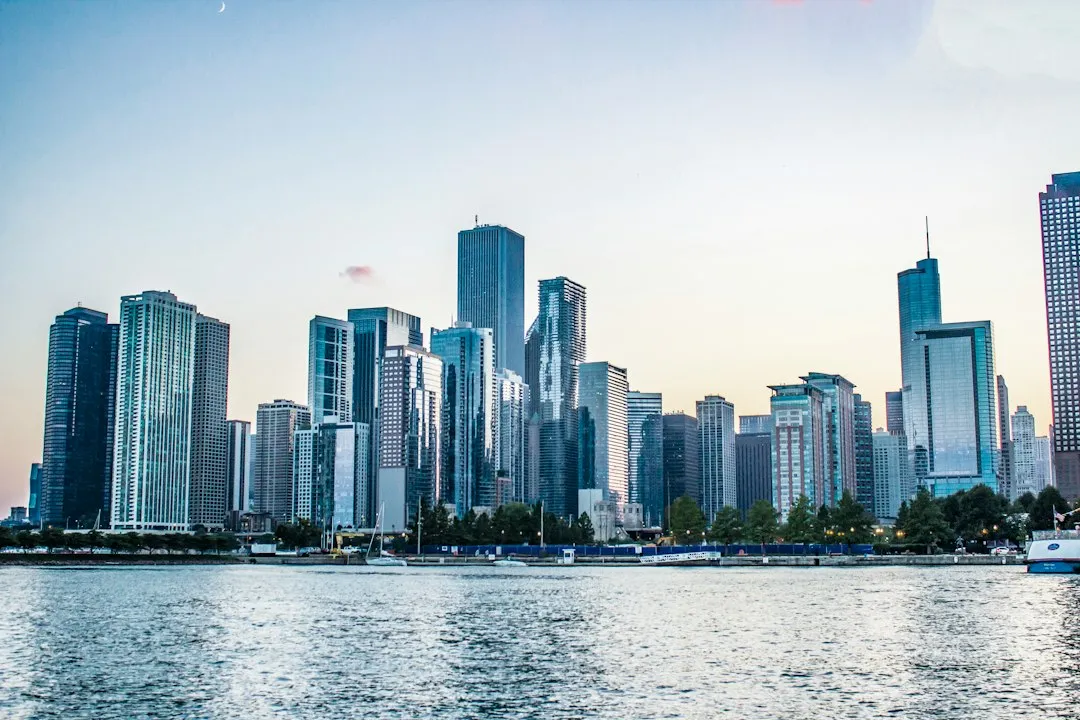
Chicago has a legitimate claim as the birthplace of the modern skyscraper. The steel-frame construction technique developed here in the late 19th century changed architecture globally. What makes Chicago exceptional today is that it never allowed that pioneering spirit to become a museum exhibit. The city balances the preservation of historic Art Deco landmarks alongside sleek contemporary skyscrapers in a way that few cities manage this well.
The Empire State Building once stood as a symbol of 20th-century ambition in America, and modern landmarks like One World Trade Center and the Oculus transportation hub showcase how new designs continue to blend form and function in the tradition that Chicago essentially founded. Chicago’s Architecture Center draws hundreds of thousands of visitors each year, with its river cruise widely regarded as one of the finest ways to understand urban form anywhere in the world. The experience of gliding past Mies van der Rohe and then Jeanne Gang’s Aqua Tower in the same afternoon is genuinely rare.
The city’s commitment to design education, architectural tourism, and public buildings of genuine ambition keeps it at the center of the global conversation. Chicago isn’t coasting on legacy. It continues to produce buildings that architecture students travel specifically to study. That kind of ongoing relevance is earned, not inherited.
Shenzhen, China: A City That Grew Up Almost Overnight
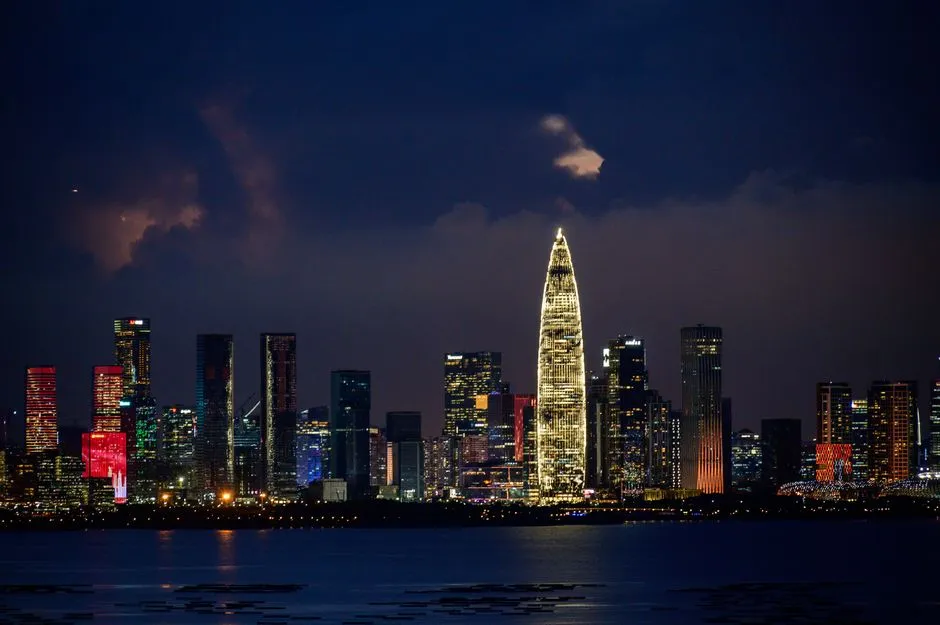
Shenzhen’s story is frankly unusual. In 1980, it was a small market town. Today it is one of the world’s most populous cities and home to some of the most innovative contemporary buildings anywhere. The Ping An Finance Center in Shenzhen, completed in 2024 and standing at 360 meters, entered the list of the world’s 100 tallest buildings. That single fact captures something essential about the city’s trajectory.
Because Shenzhen has no deep inventory of historic monuments to protect, its architects have enjoyed a creative freedom that older cities rarely permit. The result is an urban landscape that reads almost like a portfolio of contemporary design. In August 2024, the Bay Area Book City project was officially named the “Eyes of the Bay Area” after a public vote, and in 2024 it won the platinum award in the architectural design category of the MUSE Design Awards, featuring a double-jade plate design that blends Chinese aesthetics with Lingnan regional characteristics.
The Bay Area Eye project passed its completion acceptance assessment in January 2025 and opened for business in August 2025. Even the city’s cultural infrastructure, its libraries, museums, and civic spaces, is being built with serious architectural ambition. Shenzhen is, in many ways, the clearest example of what happens when a city builds its entire identity around the contemporary rather than the inherited.
What These Five Cities Share
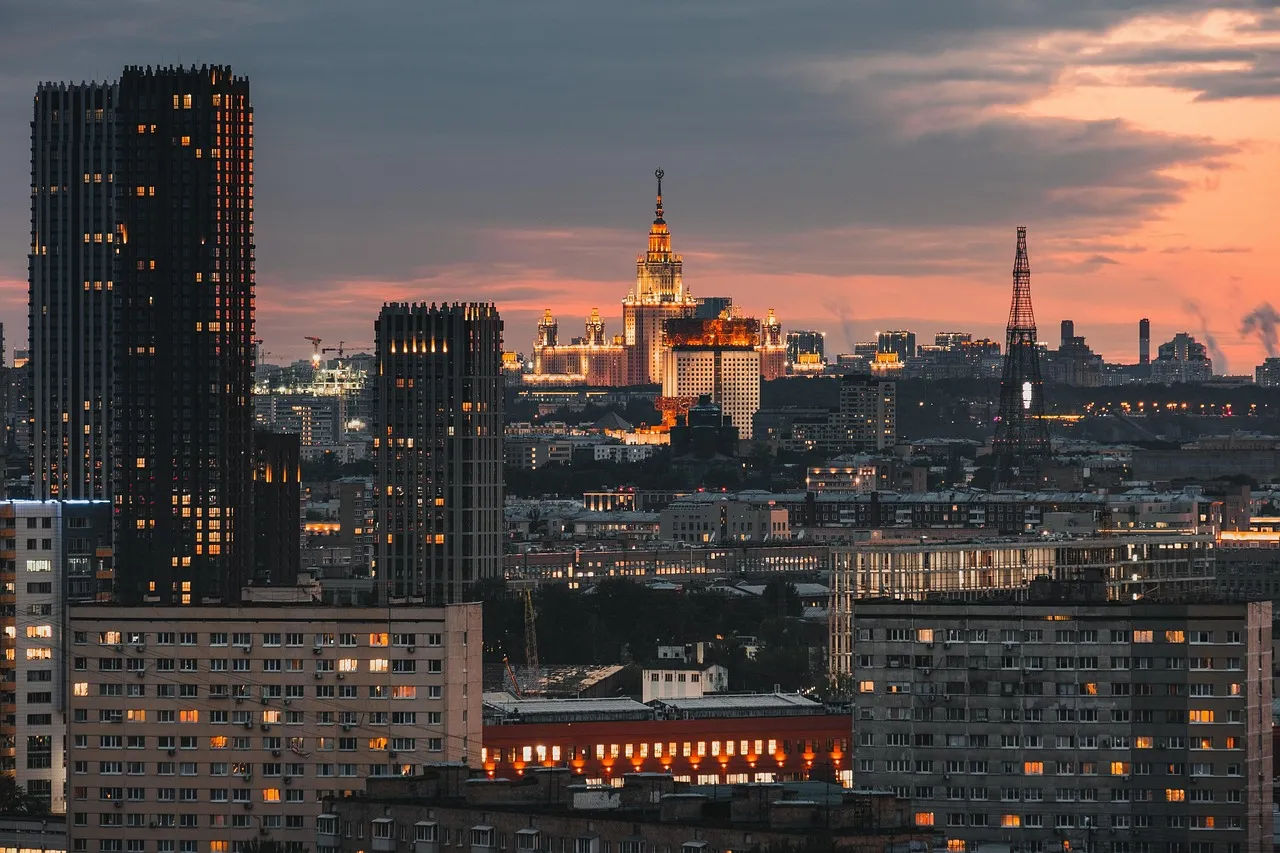
Cities around the world now stand as testaments to human ingenuity, historical preservation, and modern innovation, with each city’s architecture offering a window into its identity and drawing millions of visitors who seek to understand how these spaces shape everyday life and collective memory. The five cities profiled here all understand that dynamic deeply. None of them abandoned the past. They simply refused to be defined exclusively by it.
The total number of buildings 200 meters and higher worldwide has doubled since 2017, reaching 2,592 by the end of 2024. That number reflects an era of extraordinary construction, but raw height alone has never been what makes a city architecturally remarkable. What distinguishes Dubai, Rotterdam, Singapore, Chicago, and Shenzhen is the quality of intention behind what they build. Each city has chosen to treat architecture as a form of civic expression, not just a practical necessity.
There’s something worth sitting with in that idea. Historic landmarks carry the memory of what a place has been. Great contemporary architecture carries a city’s sense of what it intends to become. In these five places, that conversation between past and future is unusually vivid, and entirely worth traveling to witness in person.
Planning Your Visit: Practical Notes for Architecture Travelers
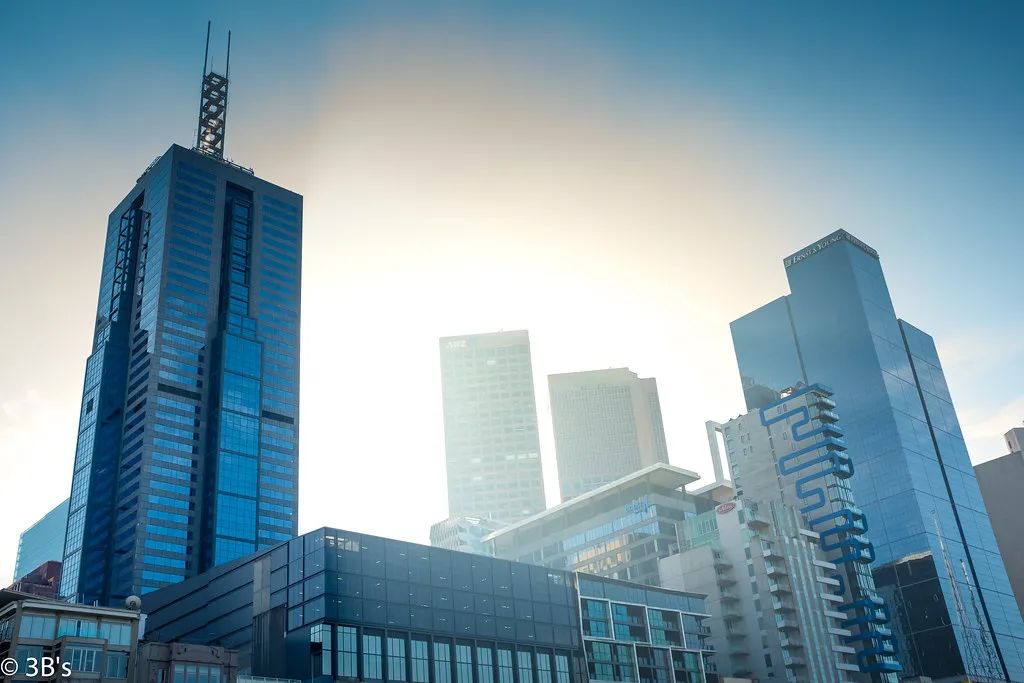
Visiting a city specifically for its architecture rewards a slower pace. A single neighborhood explored on foot will reveal more than a whistle-stop tour of famous facades. In Rotterdam, the area around the Maas River and the Kop van Zuid district concentrates the most significant contemporary buildings within a manageable walking circuit. In Singapore, the Marina Bay waterfront offers the same kind of compressed, walkable density.
Dubai requires more deliberate planning simply because distances between landmark buildings are substantial. The Dubai Architecture Fest, held annually, is a useful anchor point for visitors who want curated access to buildings not always open to the public. Chicago’s Architecture Center on the Riverwalk offers guided river cruises and walking tours staffed by expert docents, making it one of the most accessible architectural education experiences available to any traveler.
Shenzhen is perhaps the most underrated destination on this list for Western travelers, largely because it lacks the international tourism infrastructure of the others. That, in a sense, is part of its appeal. The city’s architectural landscape is still largely discovered on one’s own terms, without crowds, without queues, and with the specific pleasure of genuine discovery still intact.
The Architecture Tourism Shift: Why More Travelers Are Choosing Buildings
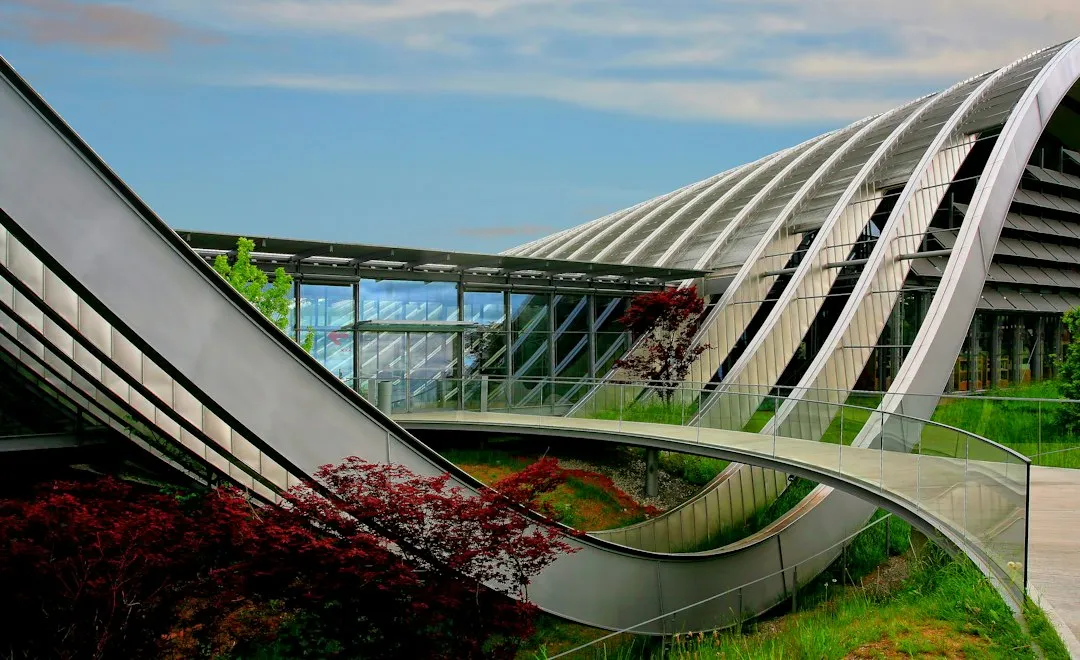
Tourism has grown to encompass more than sightseeing and now engages visitors with the social, cultural, and economic narratives that cities tell through their built environments, with architecture playing a central role in shaping the urban tourism experience. This shift is real and measurable. Architecture-led travel has moved from a niche interest to a mainstream driver of destination choice, particularly among millennial and Gen Z travelers who are drawn to experiential and visually distinct destinations.
The cities in this article have all benefited from this trend, though each in a different way. Rotterdam has actively positioned modern architecture as its primary tourism identity. Singapore has invested in a coherent public realm that makes its buildings accessible and legible to visitors who may not arrive with deep architectural knowledge. Dubai simply builds things so extraordinary that architecture tourism becomes almost unavoidable. Chicago institutionalized it through education. Shenzhen, quietly, is building the case for its own kind of pilgrimage.
Sustainability and the Next Generation of Landmark Buildings
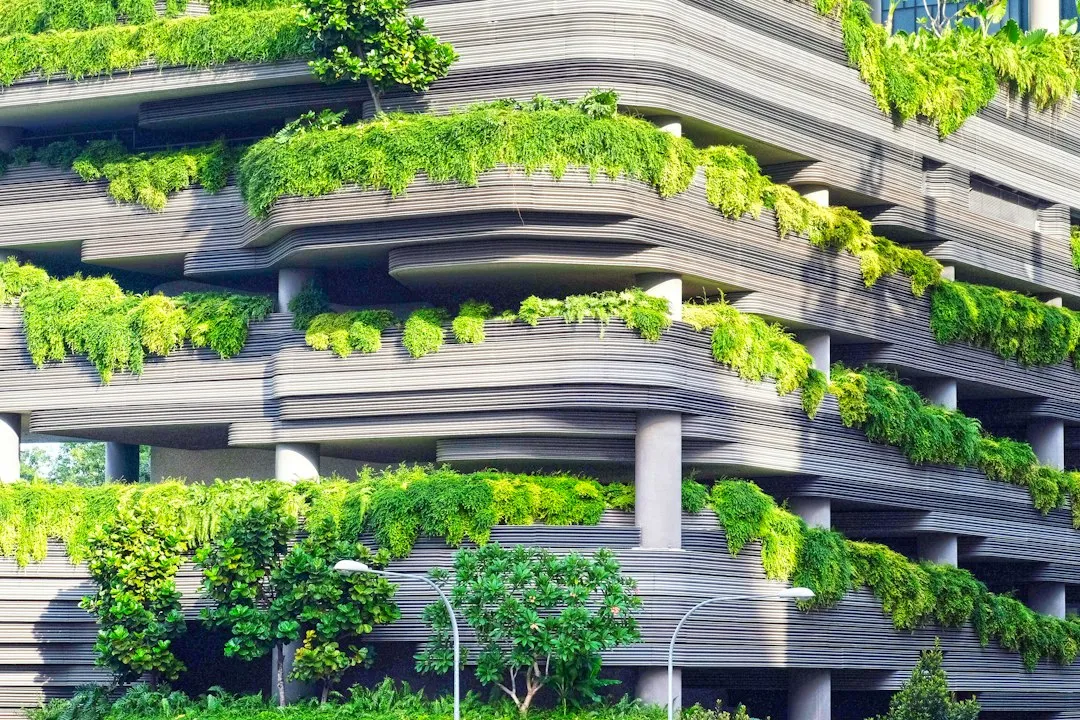
Across all five cities, a clear pattern is emerging in the buildings completed since 2023. Sustainability is no longer a footnote in architectural briefs. It is increasingly the central design challenge. Masaryčka in Prague, one of 2024’s most celebrated new buildings, features a triple-insulated glass facade, roof gardens for thermal regulation, photovoltaic panels, and natural ventilation systems, earning it LEED Platinum certification and alignment with RIBA 2025 carbon standards. That level of environmental integration is now becoming the expectation, not the exception.
Rotterdam’s Keilehaven Tidal Park, an innovative urban development project by the firm De Urbanisten, integrates the dynamics of the tides into an urban landscape in the port area, offering public space that combines nature and city life, with changing water levels creating ever-different environments for visitors. Singapore’s biophilic approach, as noted, is even more systemic. The next generation of landmark buildings in these cities won’t just be photographed for their form. They’ll be studied for how thoughtfully they exist within their ecosystems.
A Final Thought: The Buildings That Define an Era
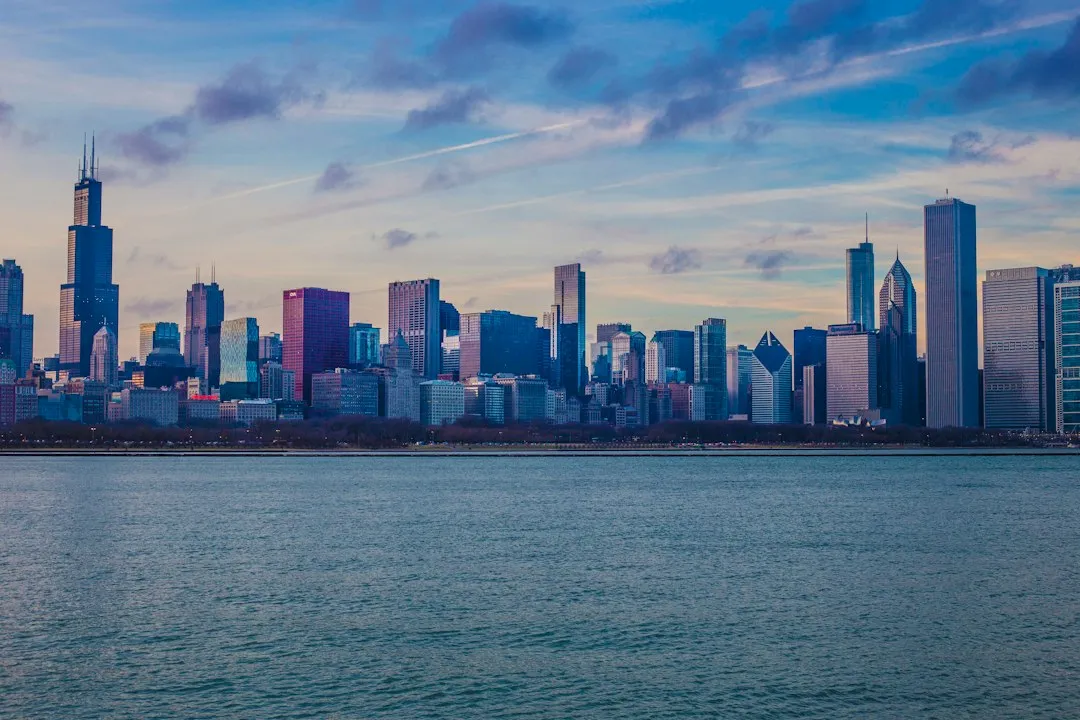
Every century leaves its architectural signature. The cathedrals of medieval Europe told one story. The grand boulevards of the 19th century told another. The buildings going up in Dubai, Rotterdam, Singapore, Chicago, and Shenzhen right now are telling a story too, one about ambition, sustainability, identity, and the ongoing human desire to make something that outlasts the moment of its making.
Visiting these cities with that context in mind changes the experience. A glass tower isn’t just a glass tower when you understand what city it grew from, what architect imagined it, and what idea it was built to embody. The old landmarks will always hold their ground. In these five cities, the new ones are holding theirs just as firmly, and in some cases, stealing the whole conversation entirely.
AI Disclaimer: This article was created with the assistance of AI tools and reviewed by a human editor.