


There’s a quiet truth experienced travelers tend to keep to themselves: some places are simply more rewarding when the high season crowd has thinned out. Not off-season empty, but beautifully in between. Restaurants still hum, attractions stay open, and the light somehow feels more generous.
Shoulder season typically arrives in one of two distinct windows: April and May, when the weather turns perfect before summer crowds descend, or September and October, when cooler temperatures replace the summer heat and visitor numbers start to ease. The savings can be real and meaningful. International airfares drop by roughly a third during these periods, and international hotel rates follow with prices measurably lower compared to peak summer.
The shift in traveler behavior is well underway. Shoulder season travel has grown in popularity in recent years, and nearly eight in ten travel advisers now report that their clients are actively opting for shoulder season or off-peak travel. What follows are five destinations where timing your visit just right makes an already beautiful place feel genuinely extraordinary.
1. Portugal: Lisbon and Porto Without the Crush
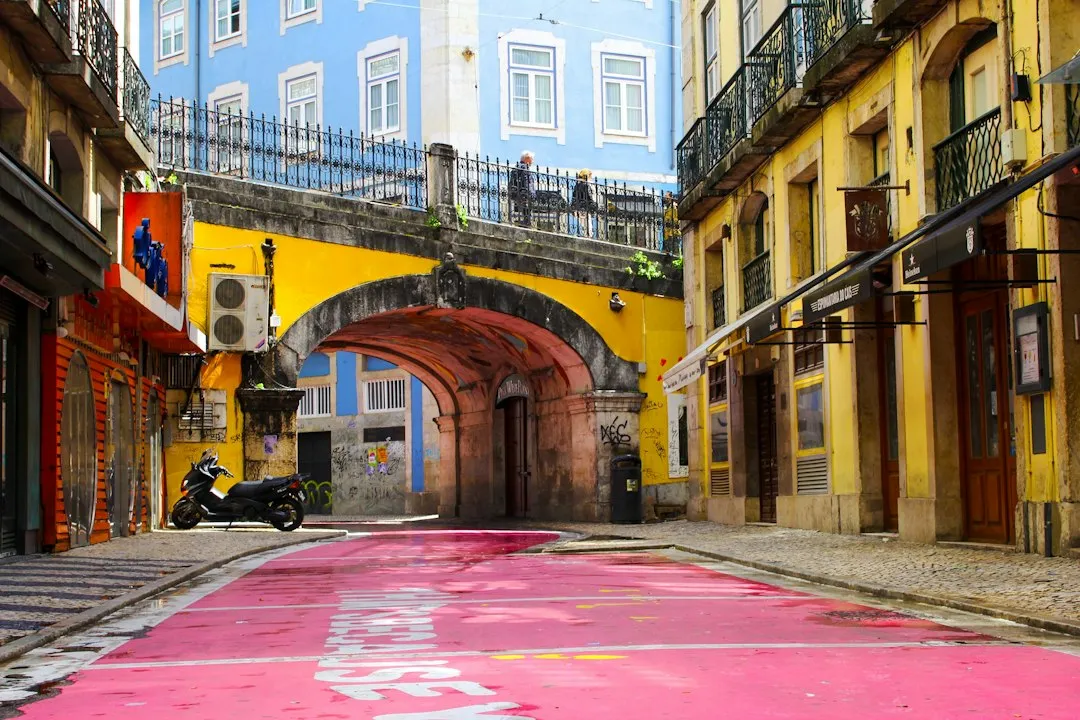
Portugal saw a remarkable twenty-six percent increase in arrivals in 2024, and its popularity shows no signs of fading. That kind of growth makes peak summer a genuinely packed experience in cities like Lisbon and Porto. The cobblestone lanes of Alfama, the wine cellars of the Douro Valley, the seafood restaurants overlooking the Tagus – all of them feel significantly more generous in shoulder season.
For Portugal specifically, shoulder season falls in late spring and early fall, both of which deliver warm, comfortable temperatures without the intensity of August heat. Coastal towns like Cascais and Sintra, which can feel genuinely overwhelming in midsummer, become places where you can linger, explore, and breathe. Local guides have more time, restaurants aren’t turning tables every forty-five minutes, and you’re more likely to actually find a seat at the pastéis de nata counter you’ve been walking toward.
Shoulder travel is typically less expensive, too, meaning you can holiday for less or afford to book more high-end experiences and accommodation than your budget might otherwise allow. In Portugal’s case, that might mean a Douro Valley wine lodge that would’ve been out of reach in July.
2. Greece: The Islands and Athens in a Different Light
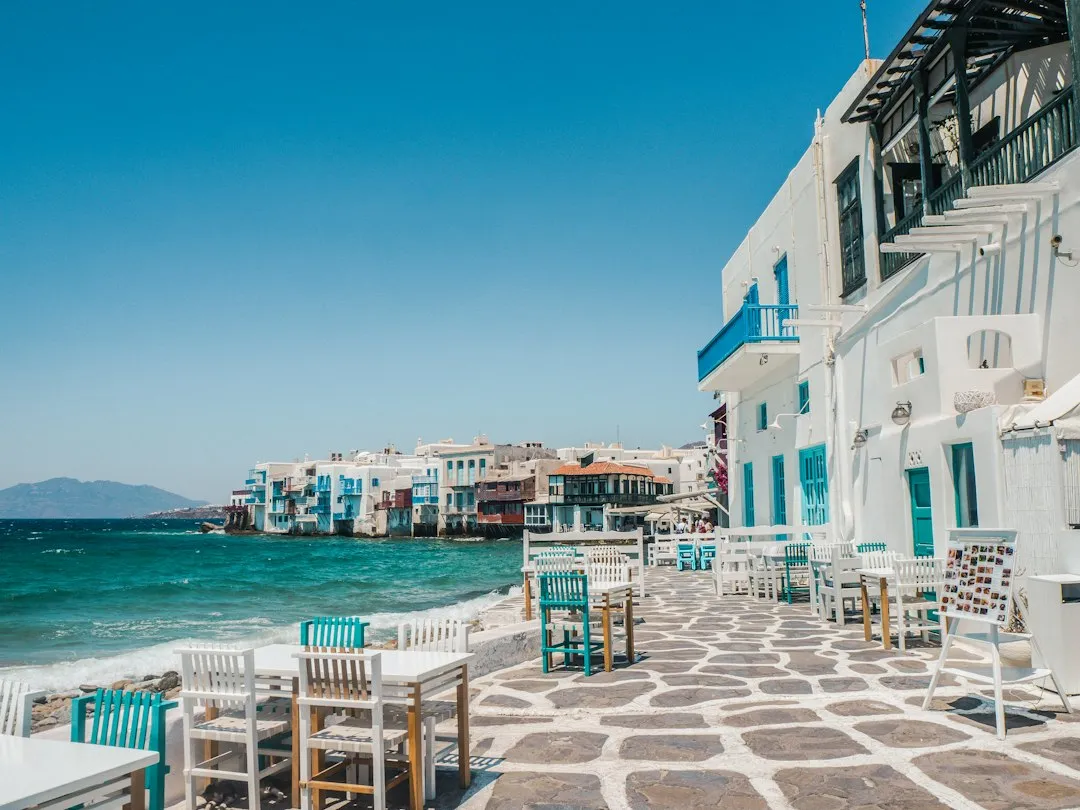
The Greek islands in August have become something of a travel paradox. You go for the blue waters and white-washed villages, then spend half your trip in queues, overbooked ferries, and restaurants with laminated photos on the menus. The shoulder season version of Greece is a different proposition entirely.
Visiting outside the peak summer months means experiencing a much quieter version of island life, especially on less-frequented islands like Naxos, Milos, and Paros. You’ll still enjoy the charming white-washed villages, sparkling blue waters, and incredible Greek cuisine, but without the sky-high hotel prices and dense tourist crowds.
For those drawn to deeper culture, the shoulder season offers time to see the Acropolis of Athens, the towering rocks of Meteora, and the Sacred Way with greater ease, and to indulge in seasonal cuisine at its freshest. The Aegean stays warm enough for swimming well into October. And the light in September over the Cyclades is, quite genuinely, some of the most beautiful you’ll find anywhere in the world.
3. Japan: Autumn Foliage and Fewer Tourist Pressures
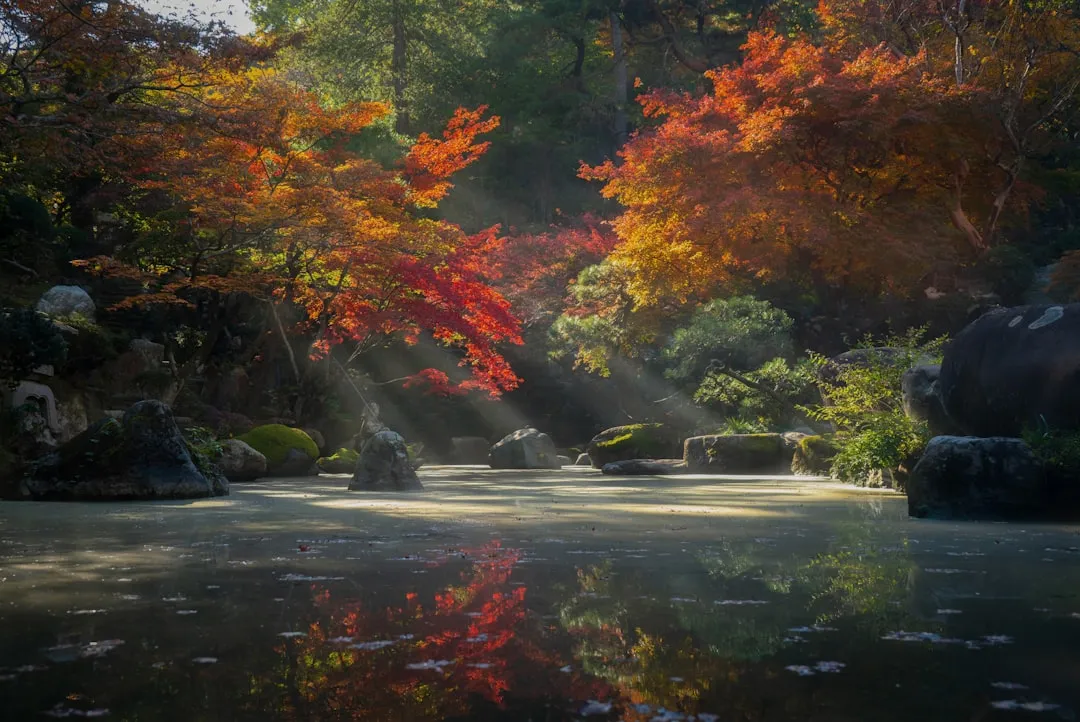
Japan is one of those destinations where shoulder season isn’t just a budget trick – it’s a cultural experience in its own right. Japan is renowned for its beautiful changing autumn colours, so much so that traveling at this time of year sits firmly on many travelers’ wishlists. The Japanese term for this phenomenon is koyo, and it draws visitors to temple gardens, forested mountain paths, and ancient streets across Kyoto, Nikko, and Nara.
Japan’s tourism sector has capitalized on shoulder seasons, with visitors exploring Kyoto for its famous autumn foliage, and these destinations are seeing a more balanced influx of tourists, allowing local businesses to thrive year-round rather than only during the summer crush. That balance matters for travelers too. Quieter ryokan, more space on forest trails, and a chance to actually sit in a tea house without feeling rushed.
Spring shoulder travel, typically mid-April after the cherry blossom peak passes, also offers something underrated: the country is still beautifully green and fresh, but the intense sakura-season crowds have dispersed. Accommodation prices ease noticeably. The experience, if anything, deepens.
4. Alaska: Early Fall Before the Cold Settles In
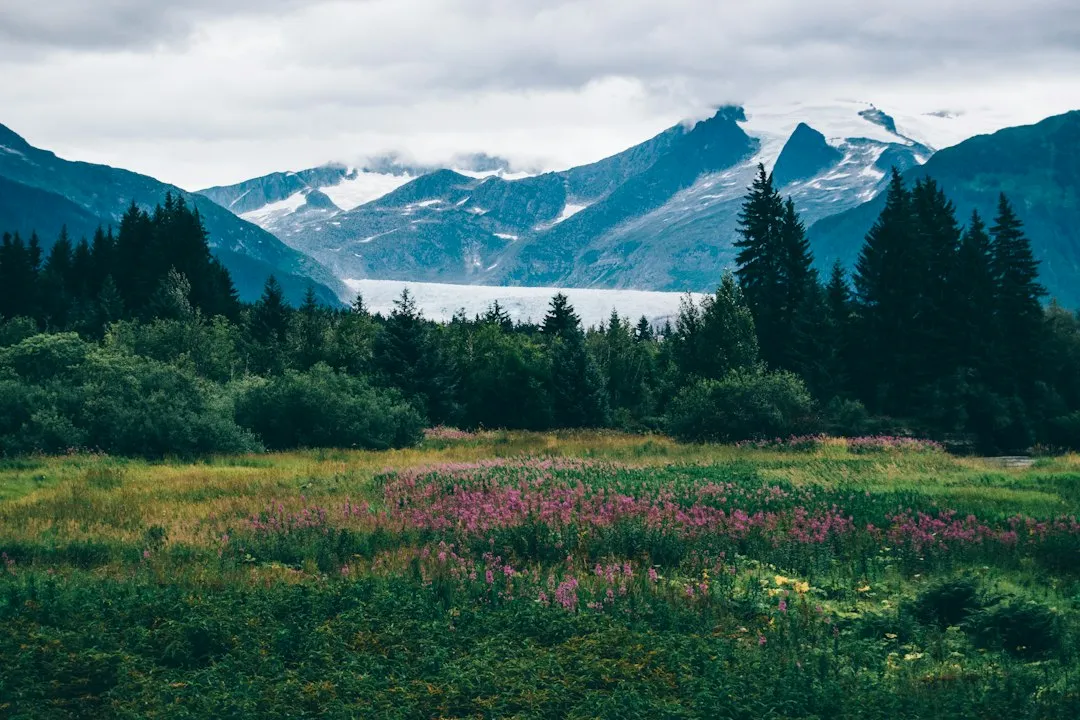
Alaska’s peak summer season is genuinely spectacular, but it’s also genuinely expensive and, in certain spots, genuinely crowded. Cruise ships stack up in Juneau and Ketchikan. Popular hiking trailheads at Denali National Park fill before sunrise. Heading to Alaska in the fall, when the summer crowds have dissipated but before the cold and dark settle in for the winter, offers a compelling alternative.
If Alaska has been on your travel wish list, shoulder season can be an excellent time to go. Summer brings long daylight hours and strong demand, but it also brings higher prices and heavier crowds. Traveling in the late spring or early fall can offer a more peaceful and often more affordable way to experience this stunning destination.
Early September in Alaska brings the first burnished golds to the tundra, bears feeding along the rivers before hibernation, and northern lights beginning to make their appearance in the darkening sky. Wildlife viewing is often at its richest. Lodges that were booked solid through July frequently have availability, and the savings can be substantial.
5. Mexico City: Spring and Fall for Food, Culture, and Calm
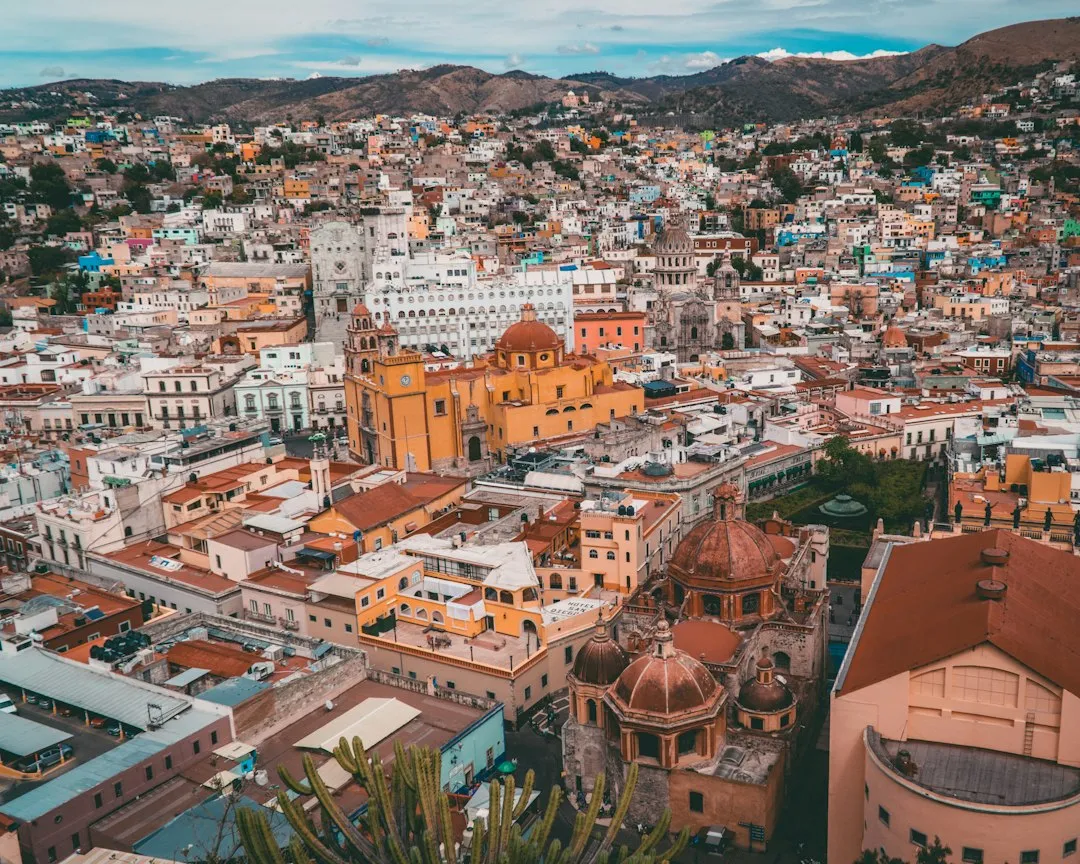
Mexico City is genuinely one of those places that rewards visitors year-round, but shoulder season has a particular charm here. The spring months from March to May bring dry, warm days before the rainy season, and the city’s famous cultural calendar, its museums, markets, and neighborhood festivals, runs at full pace.
Mexico City is amazing all year round but especially in the spring and fall. It has become one of the top food destinations in recent years, and visiting during the shoulder season gives you the best chance at experiencing its celebrated dining scene without the fierce competition for reservations that high season brings.
Attractions that are overwhelmed in peak periods often sit considerably quieter in early fall or late spring. Restaurant reservations that need to be booked a month out in peak season can often be secured the same week. In a city as rich and layered as Mexico City, that kind of breathing room lets you actually absorb what you’re experiencing, rather than racing between check marks on a list.
Why the Shoulder Season Shift Matters Beyond Just Savings
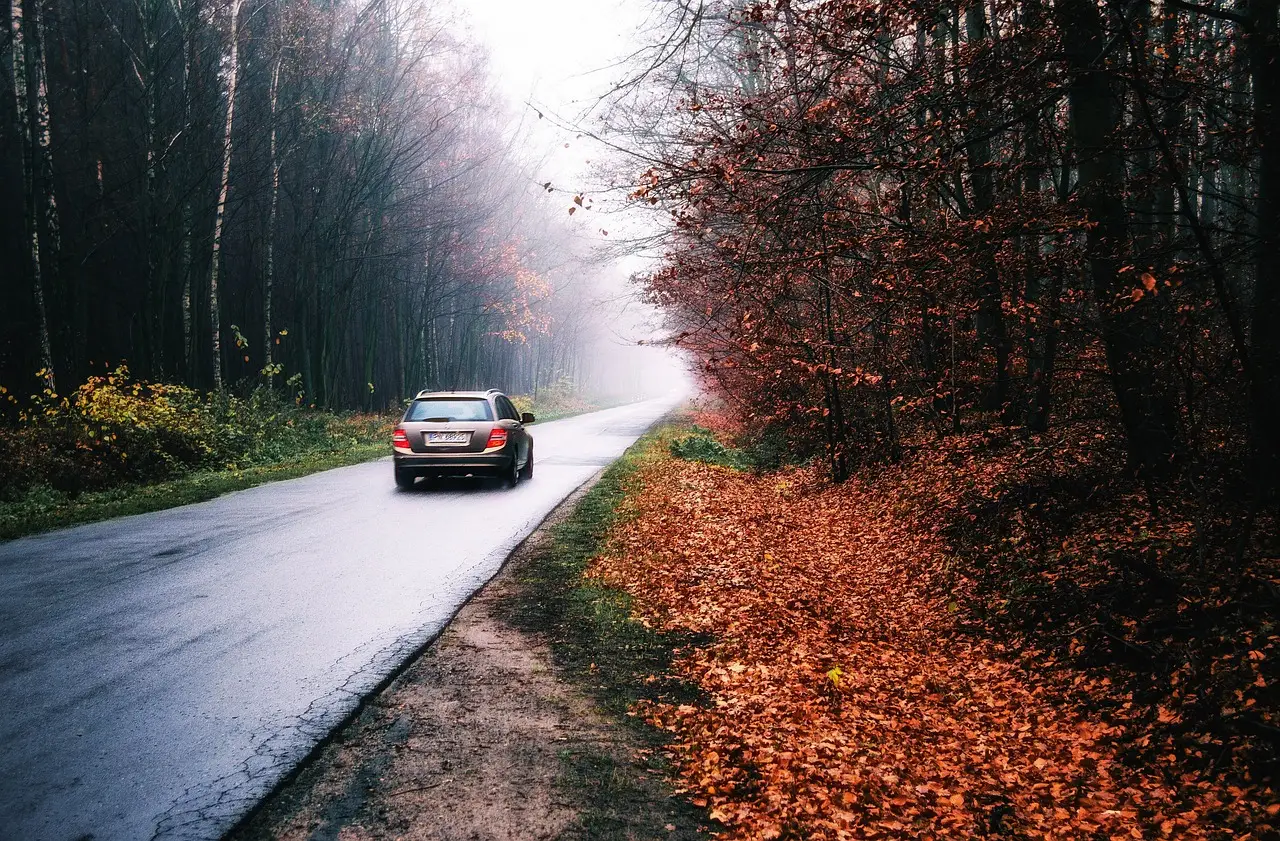
The growing interest in shoulder season travel isn’t purely about cheaper flights and hotel deals, though those are real. Traveling during these windows offers shorter lines, deeper connections with locals, and a more relaxed pace. It’s also one of the best ways to ease overtourism, offering travelers richer experiences with less impact.
Data from the UK’s Office for National Statistics shows significantly more flights operate in August than in March. Since flying is a carbon-heavy way to travel, this extra peak-season demand carries real environmental consequences. Traveling in shoulder season is a meaningful way to help balance tourist footfall more evenly across the year.
This trend has been building for several years now, with travelers looking to visit destinations at non-typical times. The benefits include fewer crowds, lower costs, and the opportunity to find once-overlooked beauty in pivotal moments as the seasons change. For the five destinations above, that beauty is very much there waiting.
How to Get the Timing Right

Long weekends, local festivals, school holidays, marathons, and cruise schedules can all create short bursts of high demand even within shoulder season. A destination that looks uncrowded on a Tuesday to Friday trip may shift completely the following weekend. Shoulder season works best when you stay flexible with exact dates, not just destination choice.
Shoulder seasons mark a sweet spot for travelers looking to avoid crowds and maximize their experiences. These periods, just before or after peak travel times, offer pleasant weather, fewer tourists, and often better deals on accommodations and activities. Checking local event calendars before you book is always worth the twenty minutes it takes.
According to a survey conducted by Travelsavers and the Network of Entrepreneurs Selling Travel in April and May 2025, nearly one-third of respondents indicated an increase in shoulder season bookings compared to the same period in the previous year. That number will only grow, which is all the more reason to use the timing advantage thoughtfully while it still holds.
The Takeaway
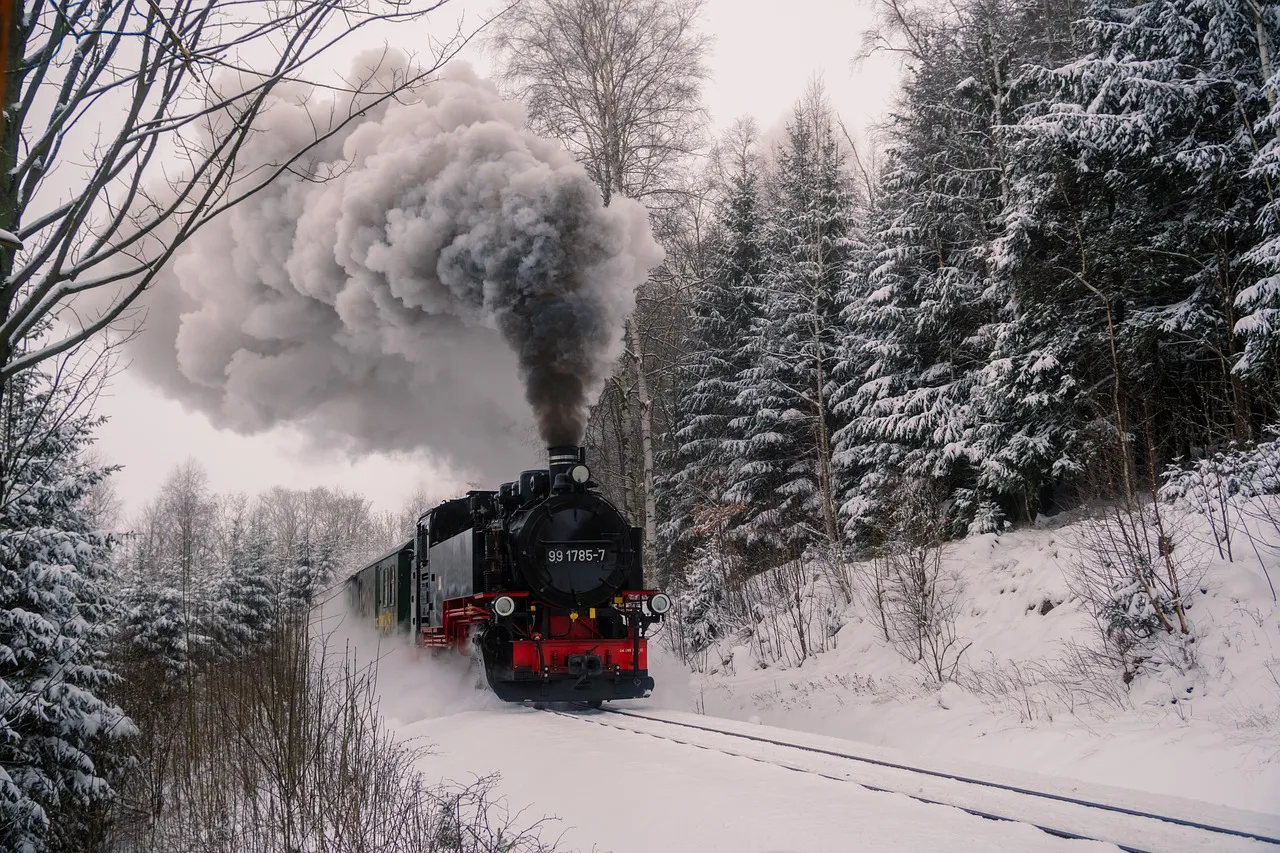
There’s something quietly satisfying about arriving in a beloved place when it isn’t straining under its own popularity. The waiter lingers to talk about the wine. The museum guard walks you over to the painting you almost missed. The view from the hilltop doesn’t involve navigating around a hundred phones held up in the same direction.
Shoulder season doesn’t mean settling for less. For these five destinations, it often means getting the version of the place that regular visitors quietly cherish – the one that feels genuinely alive rather than performing for an audience. That’s worth planning around.
AI Disclaimer: This article was created with the assistance of AI tools and reviewed by a human editor.