

1. Bali, Indonesia: Rainy Mornings, Empty Temples, Lower Prices

Bali’s wet season runs roughly from November through March, and it’s during this window that savvy travelers find some of the island’s most compelling value. During the rainy season, last-minute bookings often unlock discounts of anywhere from thirty to fifty percent off standard rates. That’s not a trivial saving on an island where high-season villas can carry serious price tags.
December, for instance, sits in Bali’s rainy season and keeps prices roughly thirty percent lower than July and August, with afternoon showers that typically clear within an hour. That leaves long, usable stretches of each day for temples, rice terraces, and beach walks.
Hotels in Ubud during this period can start at around twenty-five dollars per night for a villa with a private pool. For context, that figure would be unthinkable in the peak dry season months. Four-star and even five-star hotels in the greater Denpasar area can also be found for under two hundred dollars per night.
2. Thailand: The Andaman Coast Goes Quiet and Affordable
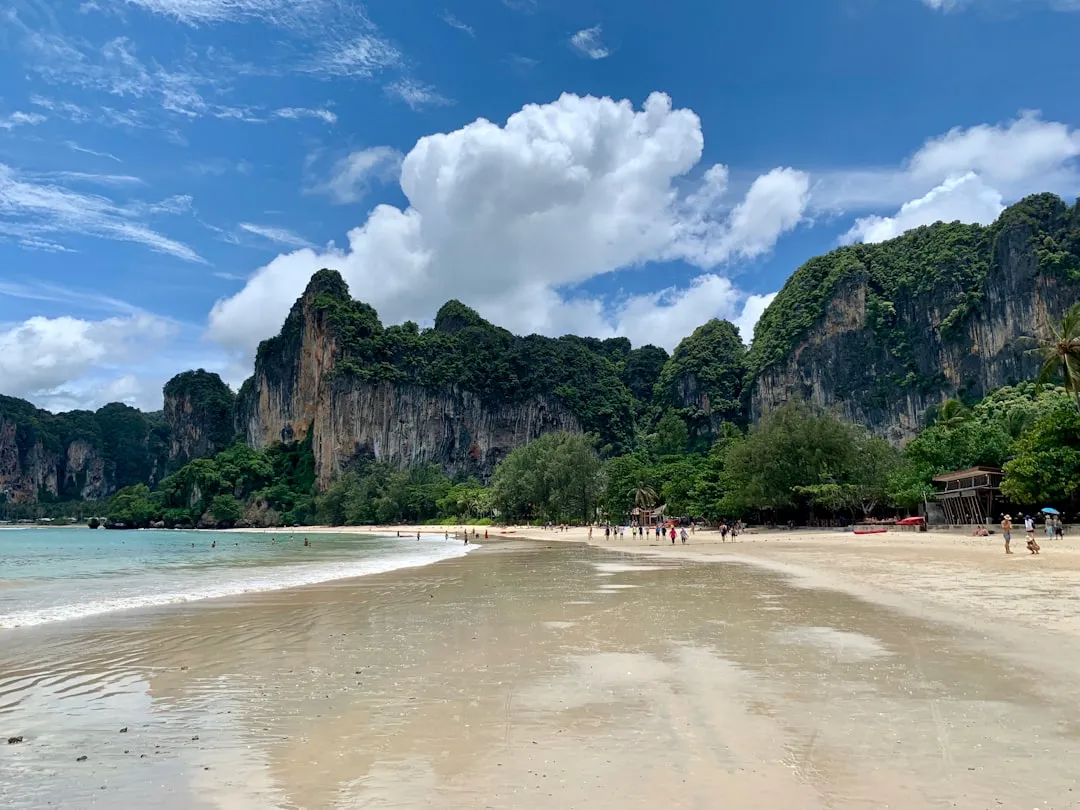
Thailand’s pricing story is really a tale of two coastlines. The Andaman side, covering Phuket and Krabi, sees prices dip between May and October during the rainy season, while the Gulf side including Koh Samui becomes cheaper from October through December. This split means there’s almost always a corner of Thailand where the value equation tilts in a traveler’s favor.
During the rainy season from May to October, you can expect genuine discounts, and last-minute booking one to two weeks ahead often pays off well. Bangkok, meanwhile, operates on its own calendar. A decent hotel in Bangkok’s Sukhumvit district can be found for around forty dollars per night in the quieter months, with street food costing just a few dollars per meal throughout the year.
The rain in Thailand is rarely all-day. Showers tend to arrive in the afternoon, leaving mornings open for temples, markets, and cooking classes. Traveling here in the green season means sharing fewer spaces with the tour-group crowds, and that changes the feeling of the whole trip.
3. Costa Rica: The “Green Season” Rebranding That Actually Works

Costa Rica’s tourism industry had the clever idea of rebranding its rainy season as the “Green Season,” and honestly, it fits. Hotel discounts and promotions are most common during the rainy season from May to October, with popular offers including stay-four-nights-pay-three style promotions. These aren’t token discounts either. Some properties roll out their most competitive rates of the year during this window.
The best deals on the Pacific side typically appear in September and October, with solid value available from May through June as well. Arenal’s waterfalls run fuller, the cloud forests of Monteverde hold more mist, and the wildlife is genuinely more active after rain. Costa Rica’s luxury eco-resorts specifically offer discounted periods in the green season, while still delivering world-class service and nature-focused activities.
For travelers flying in from the United States, the cost of getting there stays manageable too. Hotels in Costa Rica cost roughly forty to eighty dollars per night during the off-peak period, making it one of the more accessible eco-destinations in the region.
4. The Caribbean: Shoulder Season Deals With Warm Water Still Included

The Caribbean’s hurricane season runs from June through November, and it’s widely misunderstood. The risk of a serious storm is real but relatively confined to a short stretch of weeks, and the travel value outside that window can be exceptional. Airfare to the Caribbean is at its cheapest in years, with fares down around seventeen percent compared to 2024, according to Kayak. That kind of movement in flight prices compounds the hotel savings considerably.
Planning a trip during the low season from May to October allows travelers to score favorable rates on hotels while still enjoying warm temperatures around eighty degrees. Puerto Rico, in particular, offers genuine year-round infrastructure with competitive rates outside peak winter months. Mid-April through June is described by U.S. News as the sweet spot between busy season and rainy season, where lodging and flight deals are available without meaningful hurricane risk.
For places like Cancún, which sits at the Caribbean-Mexico boundary, flight deals are easiest to find for travelers flexible with dates and willing to travel in the offseason from late September to early November, with some all-inclusive resorts offering notably affordable rates during that window. The sea temperature barely shifts. The sand looks the same. The resort, however, charges you considerably less.
5. Vietnam: Rainy Pockets, Dry Rewards, and Consistent Affordability

Vietnam is a long, narrow country, and its weather is correspondingly complicated. Not every region is wet at the same time, which is actually a gift for travelers. The central coast including Da Nang and Nha Trang offers genuine value from October through December, while the southern area including Phu Quoc sees deals from May through October. There’s almost always a region of Vietnam in its affordable window.
Vietnam consistently ranks among the best cheap destinations in Southeast Asia, and despite some summer months falling within the rainy season for parts of the country, travel remains very feasible and rewarding. Daily budgets stretch remarkably far, particularly for food and local transport. Street meals cost just a few dollars, and guesthouses in smaller towns are priced in ways that seem almost implausible compared to Western standards.
The northern highlands around Sapa take on an almost cinematic quality during the green months, with low cloud cover rolling across the rice terraces. It’s not a postcard moment, it’s something more interesting than that. Travelers willing to visit outside the peak dry months find a country that feels less performative and more genuinely itself.
What Makes Rainy Season Discounts Real, Not Just Marketing

The discounts tied to rainy seasons aren’t arbitrary. They reflect a well-documented pricing mechanism. Hotels run dynamic pricing systems that adjust rates based on occupancy forecasts and remaining inventory, and when rooms aren’t selling for a given night, those systems drop rates to fill them. The rainy season is, structurally, a period of softer booking pace, which means the rate cuts are real.
Hotel pricing works counter to how airfare operates: booking earlier doesn’t always mean booking cheaper, and many experienced travelers book closer to arrival, with the average lead time sitting at around sixteen days in 2025. During low season, this flexibility pays off even more. Last-minute bookings during the rainy season often unlock the deepest discounts, sometimes thirty to fifty percent, with rates frequently dropping closest to the travel date, around two to four weeks before arrival.
Understanding this dynamic is arguably more useful than any single destination tip. The pattern holds across regions and property types, from boutique eco-lodges in Costa Rica to beachfront resorts in Thailand. Low demand does the pricing work for you.
How to Travel Smarter During the Wet Months
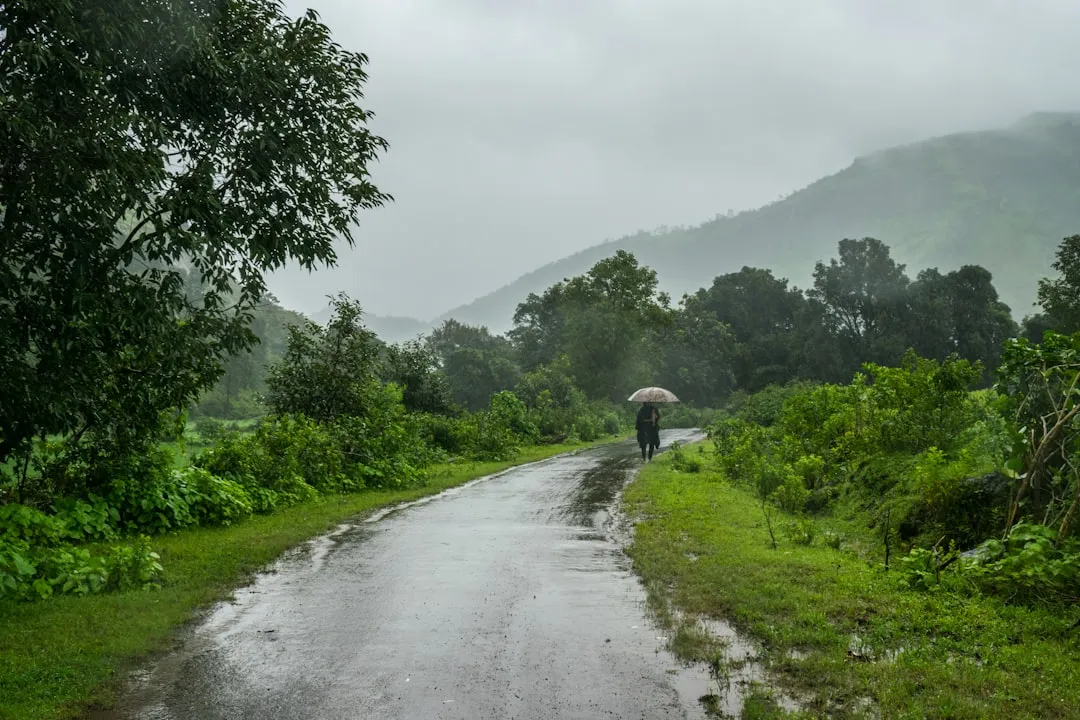
A few practical considerations go a long way. Checking regional weather patterns rather than country-level forecasts is essential, since rain in the north of a country doesn’t mean rain in the south. For deal hunters who can work around showers, September and October in the Caribbean and Mexico, May in the Maldives, and October on Costa Rica’s Caribbean side offer some of the best value windows.
Flexible travel dates remain the single most powerful tool for capturing rainy-season pricing. Traveling during shoulder seasons, defined as the period between peak and off-peak, often yields the best discounts, and for many tropical destinations this falls in late spring and early fall when prices drop but weather remains broadly favorable. Even shifting a trip by one or two weeks can move a traveler from peak to value pricing entirely.
It’s also worth noting what you gain, not just what you save. Fewer travelers at a site, more attentive service at hotels operating at lower occupancy, and a quieter relationship with a place are genuinely valuable things. They’re just harder to put a price on.
A Note on Responsible Travel During Off-Peak Seasons

Choosing to travel in the rainy season carries a quiet ethical dimension worth acknowledging. Local communities that depend on tourism revenue often face a sharp drop in income during low season. Spending at locally owned guesthouses, restaurants, and tour operators during these months helps distribute that income more evenly through the year. It’s a form of travel that benefits the destination, not just the traveler’s budget.
Sustainable travel operators and eco-lodges in places like Costa Rica and Bali often explicitly welcome the green-season traveler precisely because it supports their year-round staffing and conservation work. Costa Rica is home to eco-lodges, all-inclusive resorts, boutique inns, and specialty accommodation for surfers, anglers, and birdwatchers, giving travelers real choice about where their money goes.
The rain tends to make everything greener. The price tags tend to make everything more accessible. That combination, it turns out, is worth planning around.
The Takeaway
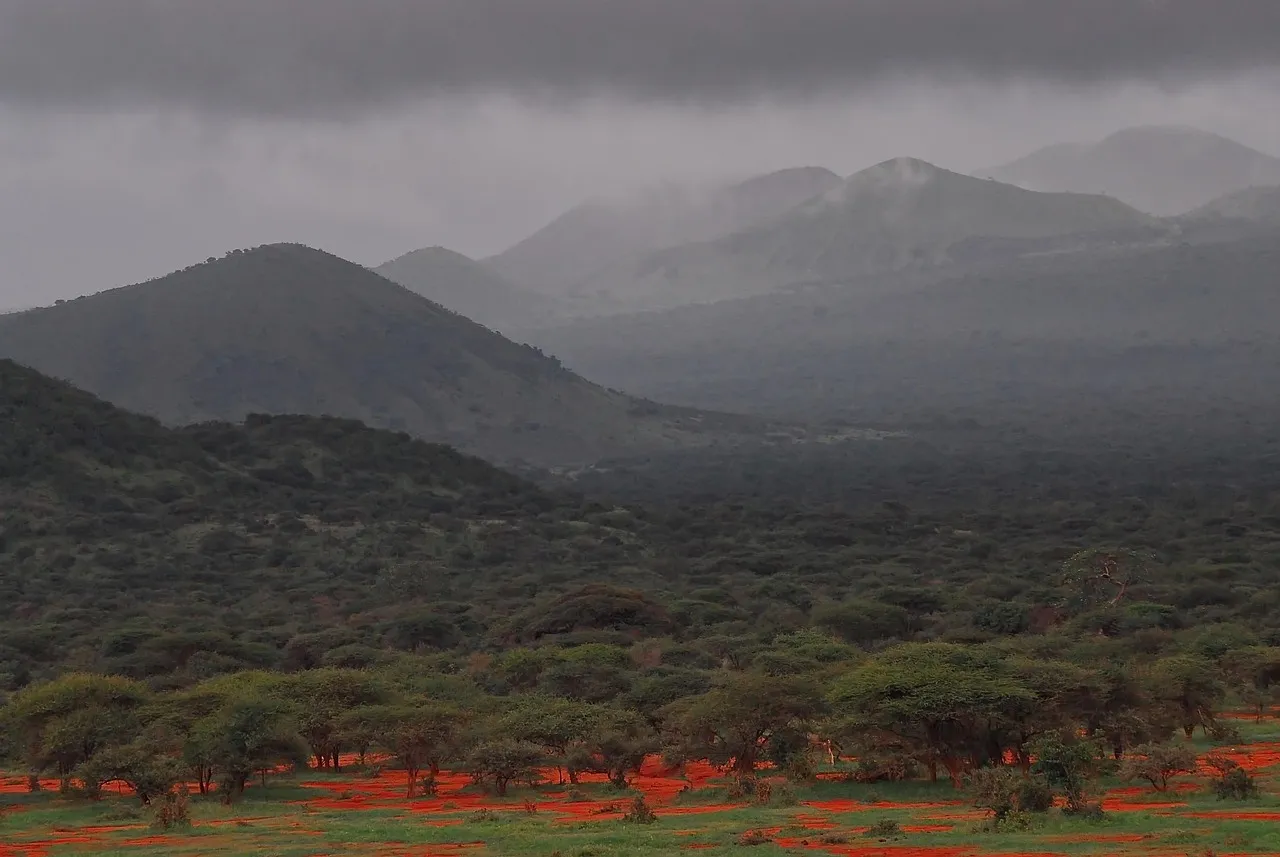
Rainy season travel is not a compromise. For many people who’ve tried it, it becomes a preference. The discounts are real and documented, the crowds are thinner, and the experience of a destination during its quieter months often reveals something more honest about the place than peak season ever does.
The five destinations here, Bali, Thailand, Costa Rica, the Caribbean, and Vietnam, each offer a specific and credible value case for their wet-season windows. The infrastructure still works, the food is still excellent, and the natural world is often at its most vivid. What changes is the price, and the pace.
Sometimes the best trip you’ll take is the one that nobody else thought to plan.
AI Disclaimer: This article was created with the assistance of AI tools and reviewed by a human editor.