

There’s a certain kind of travel that resists planning. No spreadsheet of museum hours. No color-coded hotel confirmations. Just a place so rich, so layered, and so naturally generous that showing up is genuinely enough. These destinations don’t reward the obsessive scheduler. They reward the curious, the patient, and the quietly adventurous.
According to a survey by American Express Travel, nearly four out of five travelers reported planning to embark on spontaneous trips in 2024, a shift that has only deepened since. A backlash against whistle-stop itineraries is driving longer, slower stays, with average Airbnb booking lengths jumping from 4.1 nights in 2019 to 5.8 nights in 2025. The five destinations below are the ones that make that kind of travel feel completely natural.
1. The Faroe Islands: Where the Clouds Are Part of the Show
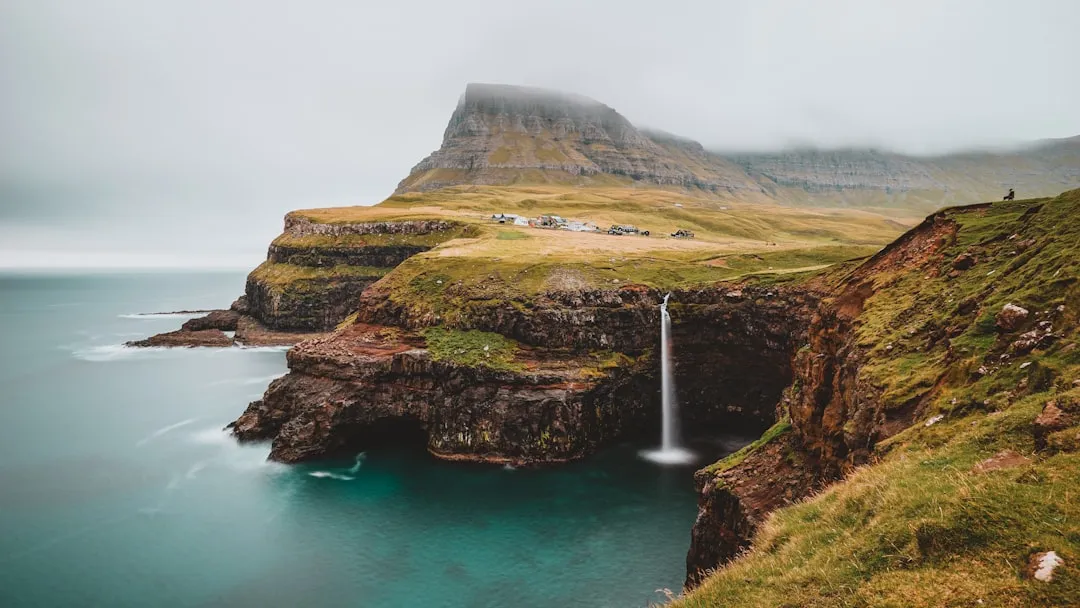
Visit Faroe Islands, the archipelago’s official tourism board, has successfully promoted the islands as “Europe’s best-kept secret,” highlighting rugged, pristine landscapes and the fact that the Faroes were, until recently, a relatively unknown travel destination. That reputation has a quiet, earned quality to it. These 18 islands between Norway and Iceland operate on their own atmospheric logic, where mist rolls in and out within minutes and every coastal path leads somewhere that doesn’t need a caption to be meaningful.
The Faroe Islands have only 55,000 residents but receive about 130,000 tourists a year. Tourism here is centered around the islands’ natural landscapes, rich birdlife, and cultural experiences, with visitors mainly drawn to activities such as hiking, birdwatching, and exploring traditional Faroese villages. There’s no theme park logic to the place. You leave the guesthouse, you start walking, and the landscape takes it from there.
The Faroese parliament enacted a law in 2024 intended to give local communities greater influence over tourism development, a sign that the islands are serious about preserving exactly what makes them worth visiting. Visit Faroe Islands launched a campaign promoting self-navigating car rentals to spread out visitors more evenly and avoid overburdening popular sites. Traveling here responsibly means going slowly, and going slowly is honestly the only way to travel here at all.
2. Oaxaca, Mexico: A City That Feeds You at Every Corner
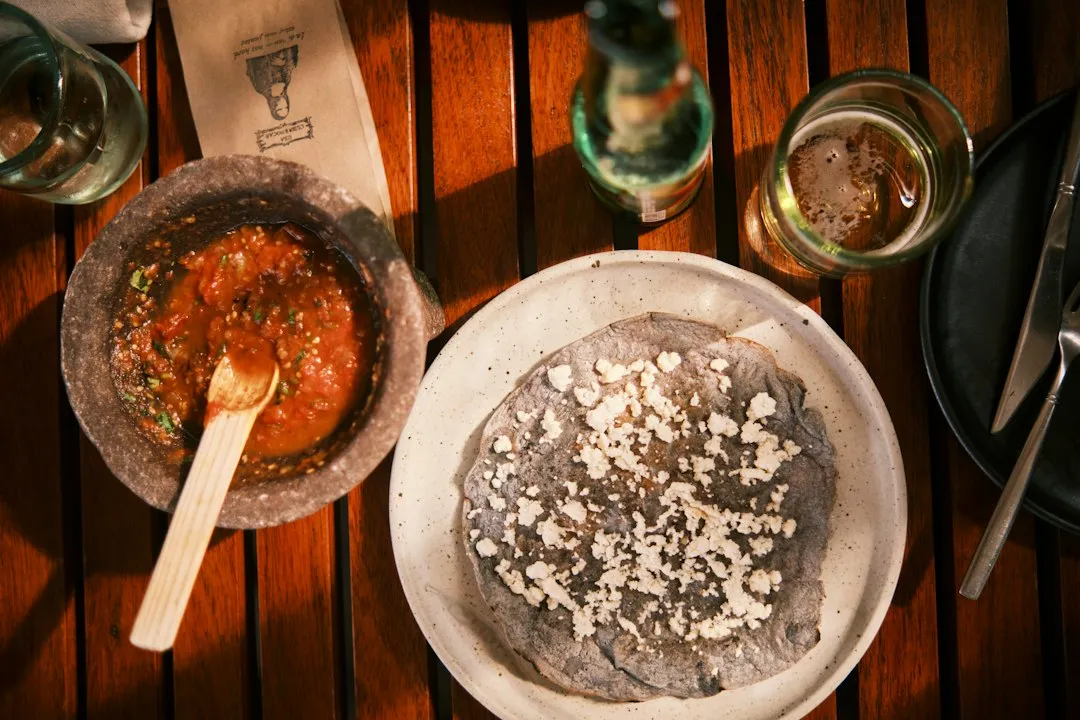
The southern Mexican state of Oaxaca has become an increasingly attractive travel destination, with the state capital Oaxaca de Juarez standing out as a culturally rich and design-forward city, small and easy to navigate on foot, packed with art galleries, restaurants, and mezcalerias. That last detail matters. When a place is walkable, it becomes a destination you experience rather than one you check off.
Oaxaca’s appeal is genuinely broad. The food culture alone could occupy a week without repetition, from tlayudas to mole negro to fresh-pressed tejate in the mercados. The annual Guelaguetza Festival, held every July, showcases the diverse cultures and Indigenous traditions of the region through music, dance, and traditional clothing. Outside of festival season, the city hums with daily life in a way that rewards aimlessness.
Month-long slow travel packages are booming in Oaxaca, Porto, and Kyoto, which says something about how travelers are reassessing what a destination visit should actually feel like. In 2024, Mexico as a whole welcomed approximately 45 million international tourists, setting a new post-pandemic record. Oaxaca draws a particular kind of traveler, one who wants depth over speed, and the city gives it generously.
3. Tromsø, Norway: Aurora Country Above the Arctic Circle
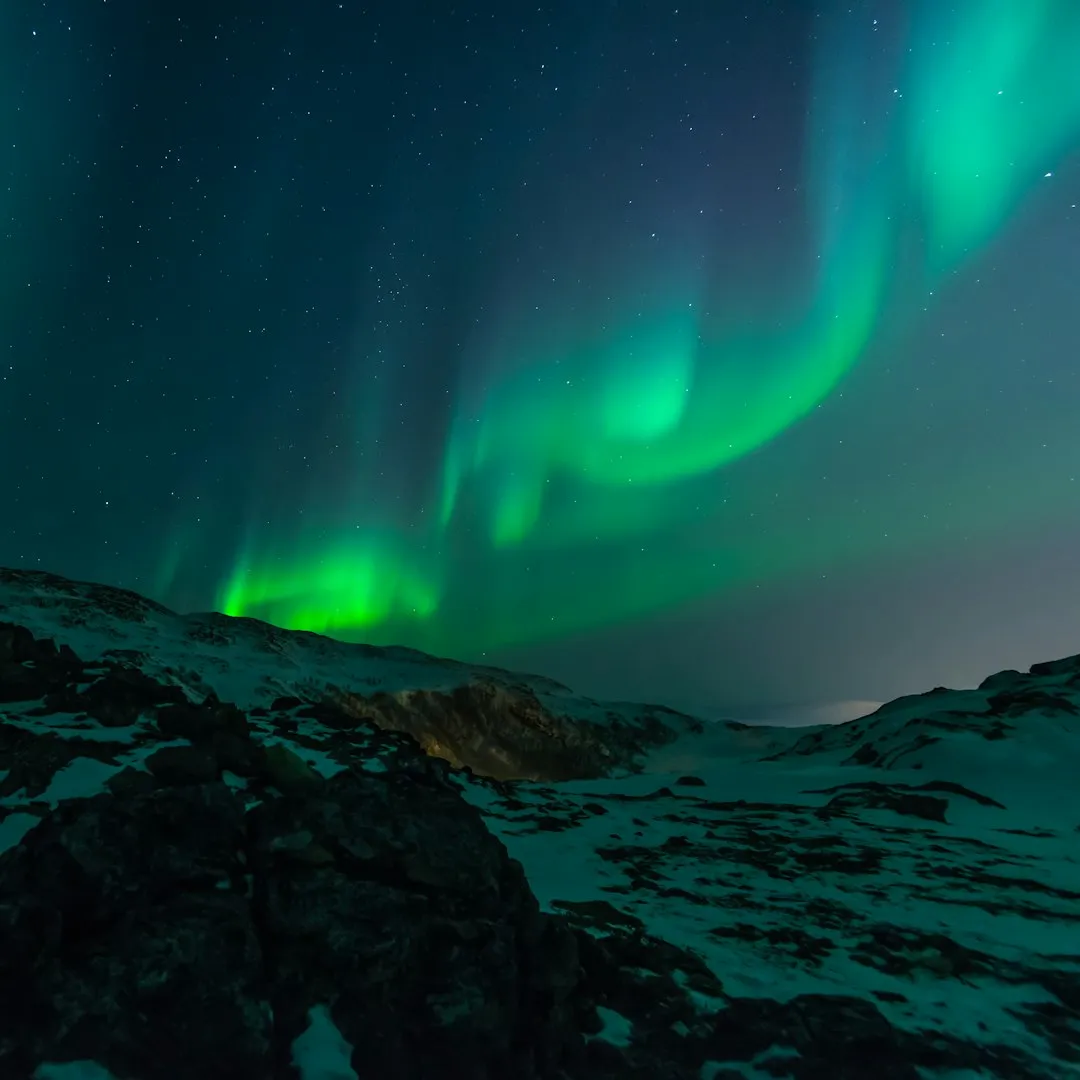
Northern Norway has become one of Europe’s fastest-growing travel regions, with winter tourism surging in popularity over the past decade, driven by travelers seeking northern lights experiences, Arctic culture, and wildlife encounters far above the Arctic Circle. Tromsø sits at the center of all of that. It’s a real city, not a constructed tourist bubble, with universities, museums, and a harbor that feels lived-in regardless of the season.
Tromsø has transformed into an international hub for Northern Lights tourism, whale watching, and Arctic adventure travel, with demand becoming so strong that hotel prices reached almost double the national average during February 2026, according to Statistics Norway. It has established itself as the main hub for northern lights trips, with direct international flights, though it has become very busy in winter months, making autumn a quieter alternative.
From dog sledding or snow shoeing one day, to fishing or whale watching another, and exploring great museums and galleries in the buzzing city whenever you like, Tromsø is built for improvisation. Municipalities like Tromsø have opted to implement a new tourism tax, with a 3% levy applying to hotel stays and cruise accommodations, ensuring that tourists contribute to maintaining Norway’s pristine natural beauty. It’s a small cost for access to something genuinely extraordinary.
4. Kyoto, Japan: A City That Moves at Its Own Pace
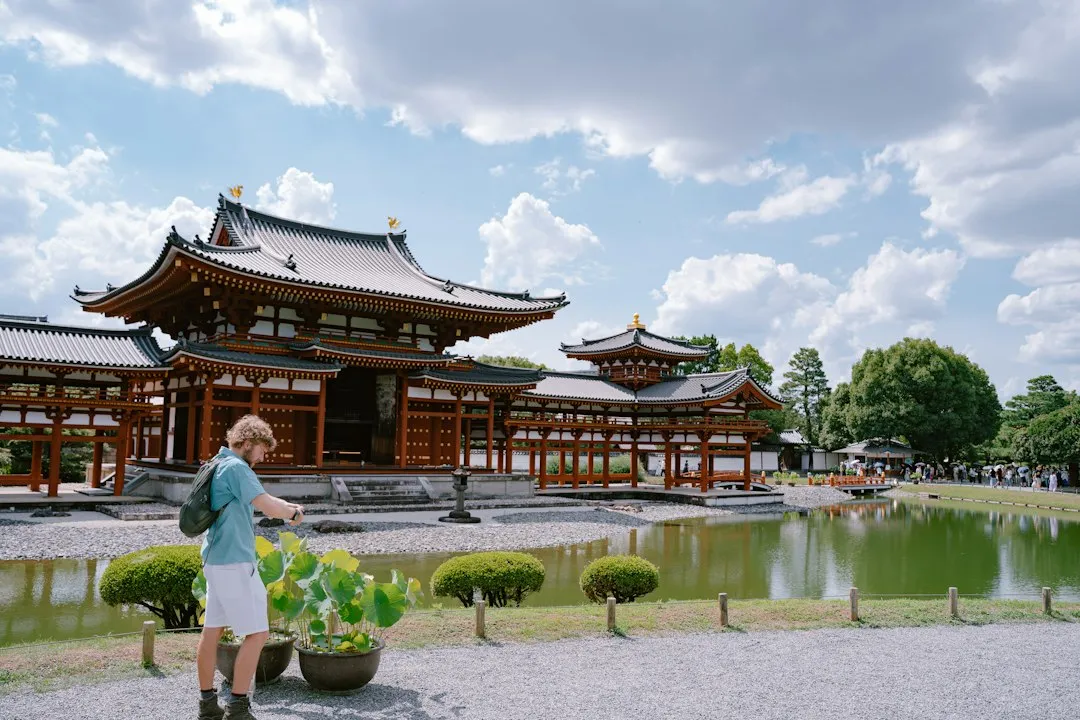
Kyoto is a city teeming with delicious cuisine and majestic architecture, but what travel guides often miss is its rhythm. Unlike Tokyo, which accelerates everything around it, Kyoto operates on a cadence closer to a walk than a sprint. Temple gardens change by the hour. Morning light in Arashiyama bamboo grove is a different experience than afternoon light. The city is genuinely alive to time of day in a way that makes a schedule feel beside the point.
Month-long slow travel packages are booming in Kyoto, reflecting a broader recognition that the city resists being rushed. Nishiki Market, the geisha districts of Gion, the canal streets of Fushimi, and the lesser-visited northern Kurama area each offer their own reward to the traveler who arrives without fixed expectations. Kyoto is among the destinations at the forefront of new tourist tax initiatives in 2026, aimed at managing overtourism and improving local services.
That overtourism conversation is worth taking seriously as a visitor. The most responsible way to experience Kyoto is to stay longer, venture beyond the central corridors, and visit popular shrines in early morning hours when crowds are thin and the atmosphere is closest to what it actually is. The city has millennia of cultural practice behind it. It doesn’t need you to rush through it.
5. The Azores, Portugal: Nine Islands, Zero Agenda Required
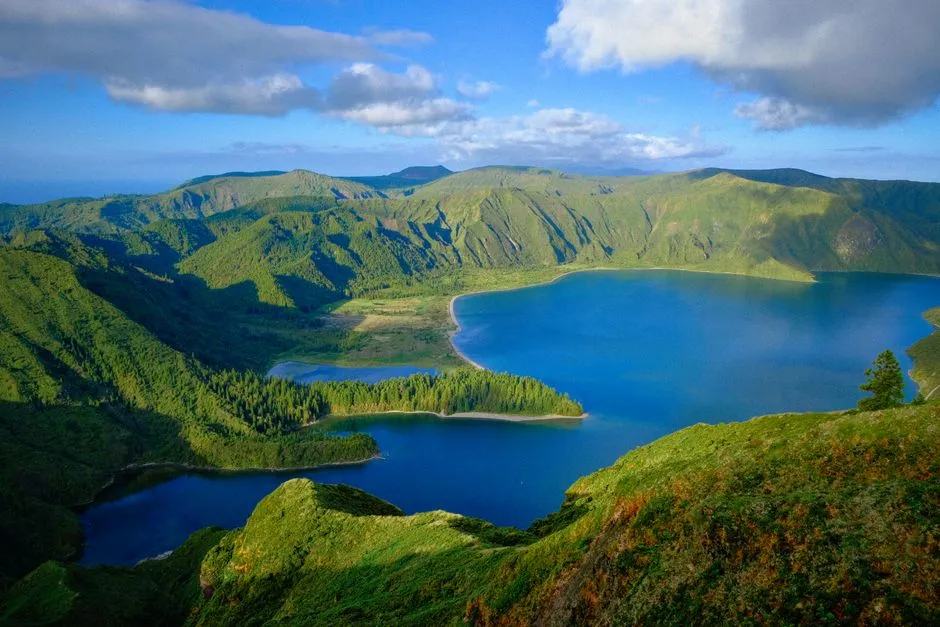
The Azores sit in the middle of the Atlantic, far enough from continental Europe to feel genuinely remote yet close enough to be reachable without heroic effort. Each island in the archipelago has its own personality. São Miguel is volcanic and green, with calderas full of thermal lakes. Flores is quieter, more wildly blooming. Faial offers whale watching in waters that have drawn marine biologists for decades. Pick one island and wander. Or two. The pace self-selects.
Early reports suggest Portugal’s Azores are expected to benefit from a new wave of travel interest driven by upcoming media attention, building on a reputation that has grown steadily through word-of-mouth rather than mass marketing campaigns. The islands have managed to grow their visitor numbers without fundamentally altering their character, which is a rarer achievement than it sounds. Walking trails are maintained, whale watching is regulated, and local food remains central rather than displaced by international chains.
Research from Skyscanner found that travelers’ interest is increasingly turning towards lesser-known, underrated destinations, and the Azores fit that description neatly. The islands reward travelers who can sit with a view for an hour without photographing it, who can share a meal at a tasca without knowing what they ordered, and who are genuinely comfortable with the forecast being uncertain. The weather here changes quickly. That’s not a problem. That’s the texture of the place.
Why Unplanned Travel Works Best in These Places
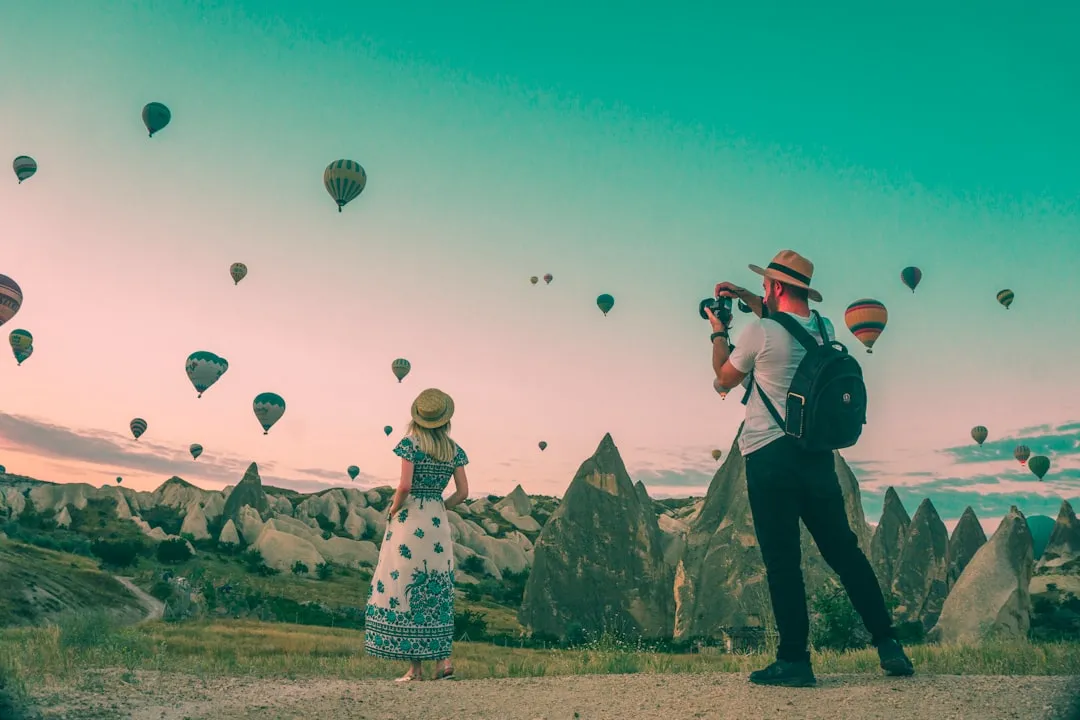
The appeal of spontaneous travel lies in its inherent freedom. In a world that often feels over-scheduled and over-planned, the idea of packing a bag and heading out on a whim is genuinely liberating. The destinations above share something specific that makes this possible: they are not destinations that require translation. Their beauty, character, and cultural weight are immediately legible, even on day one, even without preparation.
For 2025, holiday experts listed “JOMO trips” and detour destinations among the dominant travel predictions, reflecting a widespread fatigue with itinerary maximalism. The best version of each of these five destinations is not reached through a checklist. It’s reached through presence, patience, and a willingness to be surprised by what a Tuesday morning looks like when you have nowhere particular to be.
The Responsible Traveler’s Note

Each of these places is navigating the honest tension between welcoming visitors and protecting what makes them worth visiting. The Faroe Islands face the risk that successful tourism may destroy the unique, untouched nature used to attract visitors in the first place. The same concern applies, in different forms, to Kyoto, Tromsø, and Oaxaca. The smart moves for any traveler in 2026 are to go in shoulder season, stay longer, book local experiences, and choose destinations making honest efforts at sustainability.
Staying in locally-owned accommodation, eating where residents eat, and learning even a handful of words in the local language go further than any app-curated experience. Northern Norway’s tourism growth reflects global travel trends: travelers are looking for cooler destinations in warmer seasons, and for nature-led travel experiences that feel authentic. Authenticity, it turns out, is best protected when we travel with some humility about our own footprint.
How to Choose Between These Five
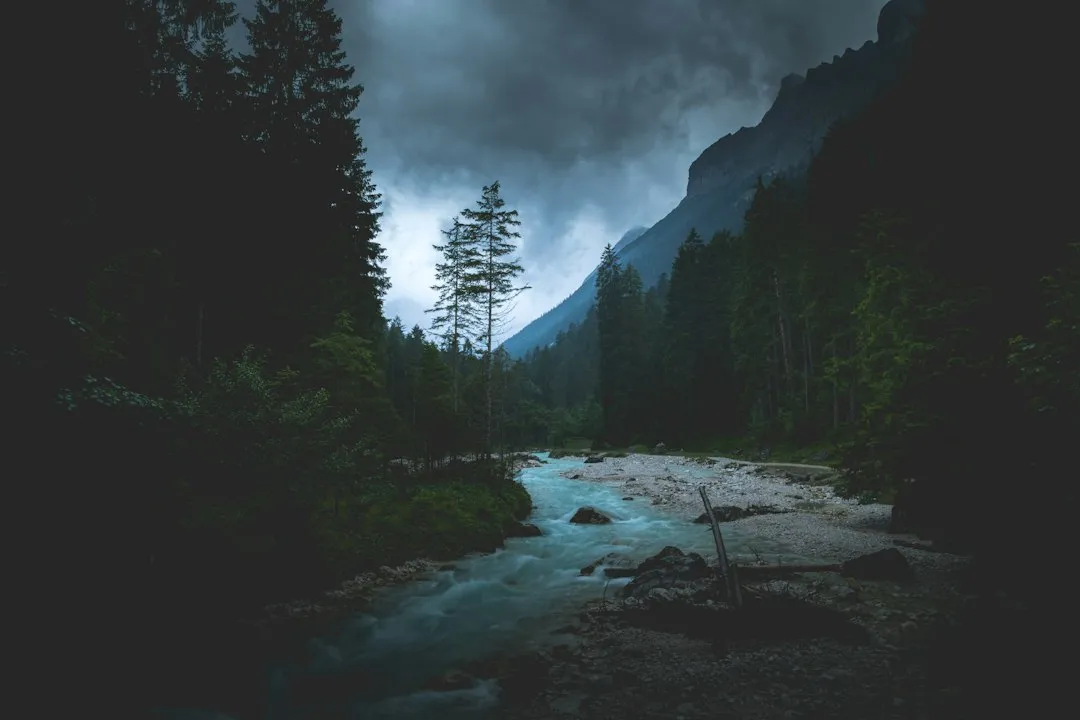
The honest answer is temperament. If you’re drawn to dramatic, moody landscapes with almost no crowd noise, the Faroe Islands or the Azores will feel like home immediately. If city culture, food, and art are what restore you, Oaxaca and Kyoto offer that in abundance, in very different registers. Tromsø is for the traveler who wants the natural world to feel genuinely wild, even from a comfortable base with good coffee nearby.
Travelers who value experiences over possessions and prioritize the freedom to explore new places without being tied down by a fixed schedule will find all five destinations generous and forgiving. None of them punish the traveler who gets pleasantly lost. That’s precisely the point. The itinerary is simply: wake up and see what the day offers. These are places where that is more than enough.
A Final Thought

The best travel memories are rarely the things that were scheduled. They’re the market stall you found by wandering a wrong turn, the conversation with a local over a meal you almost didn’t order, the light on a hillside that nobody told you to look for. These five destinations are built, whether by geography, culture, or sheer character, for exactly those kinds of moments.
The world doesn’t always need an itinerary. Sometimes it just needs your full attention.
AI Disclaimer: This article was created with the assistance of AI tools and reviewed by a human editor.