

Kyoto, Japan: Cold, Quiet, and Quietly Magical
Kyoto is almost universally beloved, which means it’s also almost universally crowded for most of the year. Spring cherry blossom season and autumn foliage draw enormous numbers, and Golden Week is Japan’s biggest domestic holiday period, flooding the city with tourists while hotels fill up and prices rise sharply. Winter offers a genuinely different experience.
Kyoto’s winter average sits around 2 to 8 degrees Celsius, cold but not extreme. The season brings the fewest tourists of any time of year, the lowest prices, and a peaceful atmosphere that the rest of the year simply cannot replicate. The historic streets feel contemplative rather than performative.
Crowds are significantly smaller than in spring and autumn, prices are often lower, and temples and historic neighborhoods feel calmer and more reflective. Winter illuminations also light up Kyoto Station, Heian Shrine, Arashiyama, and more, transforming historic spaces into glowing pathways after dusk.
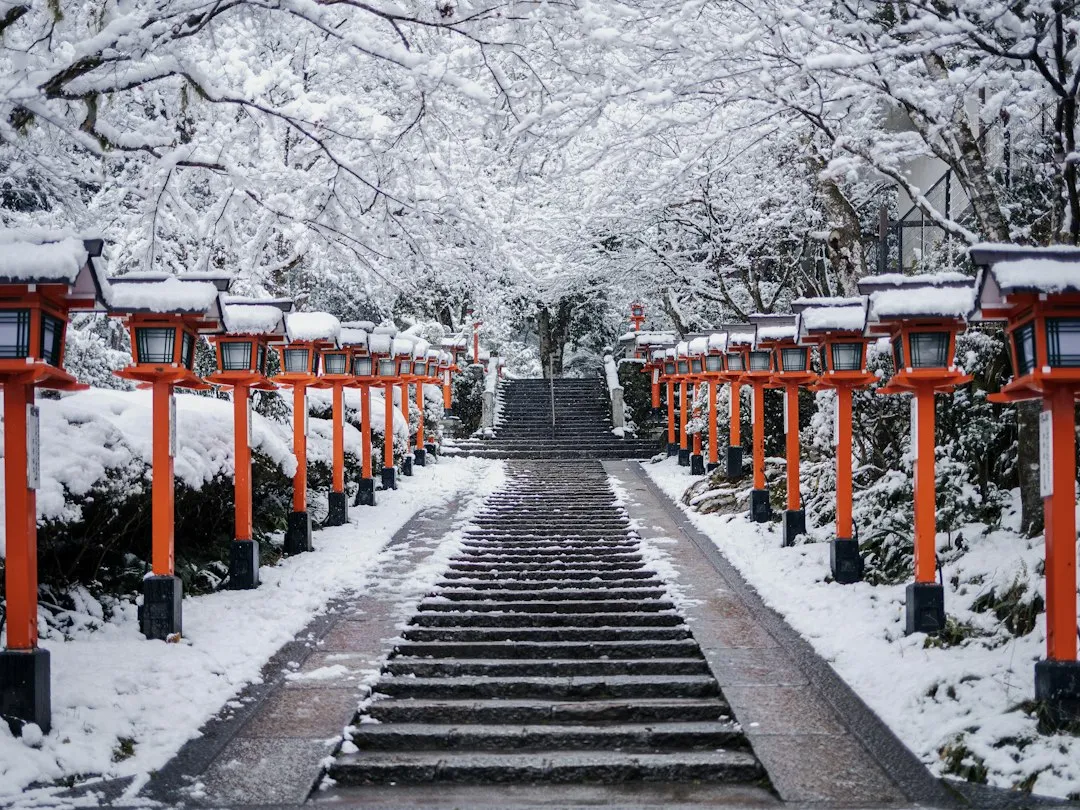
Kyoto’s winter is not too cold for traveling, with average temperatures ranging from 2 to 9 degrees Celsius and occasional snowfall. When snow does arrive, it adds to the atmosphere, making the ancient buildings look even more peaceful and sacred. For culturally minded travelers, that quiet is the whole point.
Marrakech, Morocco: Warm Days and Calmer Medinas
Marrakech draws visitors year-round, and with good reason. A colossal 17.4 million visitors came to Marrakech in 2024, meaning hotel rooms are in very high demand at peak times. Summer, however, is genuinely punishing, with inland temperatures soaring well above 35 degrees Celsius and creating uncomfortable conditions for exploring the medina on foot.
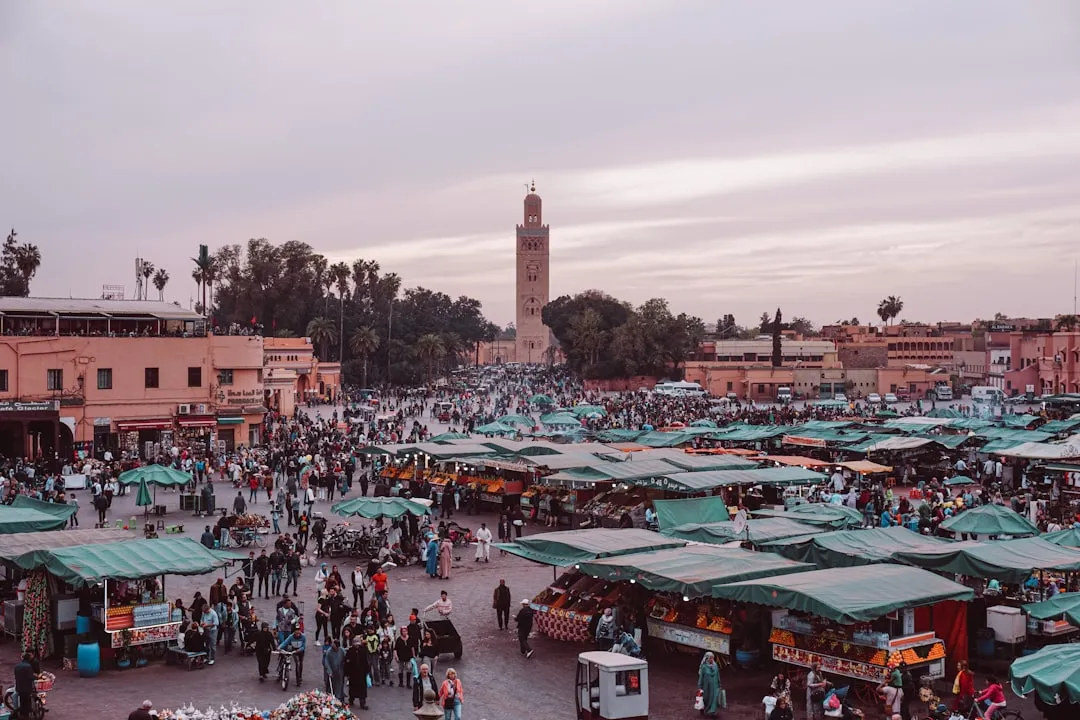
Winter is a great time to visit Marrakech, with temperatures around 20 degrees Celsius. The city’s street life continues unabated, all attractions stay open, and restaurants, cafés, and shops remain busy. It’s the same beguiling city, just with fewer crowds.
Winter is ideal for those who prefer milder weather, with the added benefit of fewer tourists, making it perfect for exploring the city at a relaxed pace. The cooler months provide a chance to experience Marrakech’s indoor cultural sites and cozy cafes without bustling crowds, and it’s also a season of clear skies ideal for photography and enjoying the city’s historical architecture and vibrant markets.
February is a wonderful time to visit and sees some of the lowest crowd levels of the year. Temperatures range in the 40s and 60s Fahrenheit in late winter, with mornings and evenings requiring a light jacket but afternoons that are perfectly pleasant. It’s an entirely more manageable version of a city that can overwhelm in high summer.
Patagonia, Argentina and Chile: Winter for the Adventurous and the Patient
A word of honesty first: Patagonian winter is not for everyone. Short, cold days and heavy snowfall command Patagonia’s winter months, which are severe enough that most attractions, lodging, and restaurants shut down. This is a destination where context matters enormously before packing a bag for June or July.
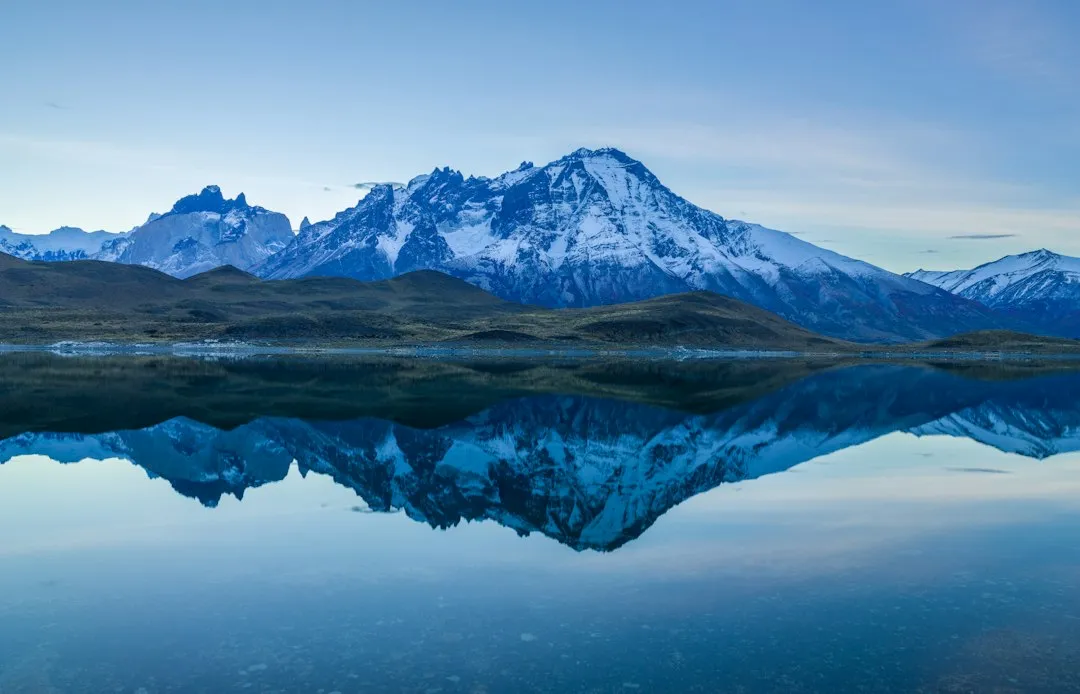
That said, for experienced travelers who are prepared and self-sufficient, the rewards can be extraordinary. Winter in Patagonia is suited to people who enjoy exploring the great outdoors in all its forms, seeing dynamic landscapes covered in snow and ice, and having space almost entirely to themselves. Temperatures range from around minus 3 to 8 degrees Celsius, with milder winds on some days and unpredictable conditions overall. Winter produces captivating, snowbound landscapes showcasing classic sights like Torres del Paine, Los Cuernos, and Grey Glacier in glistening snow and ice.
Winter is actually the best time to visit Patagonia for wildlife enthusiasts hoping to spot the elusive puma. The cold encourages these big cats to descend from chilly mountaintops into warmer valleys, which are no longer filled with tourists who might scare them away.
Winter, spanning June to September, is the quietest time to visit Patagonia overall, and it’s also the best time to hit the ski slopes in nearby Tierra del Fuego. Cerro Castor in Tierra del Fuego remains active when most other regional ski centers have closed, and it holds the distinction of being the southernmost ski resort in the world, with excellent powder conditions.
Marrakech to the Atlas Mountains: A Pairing Worth Making
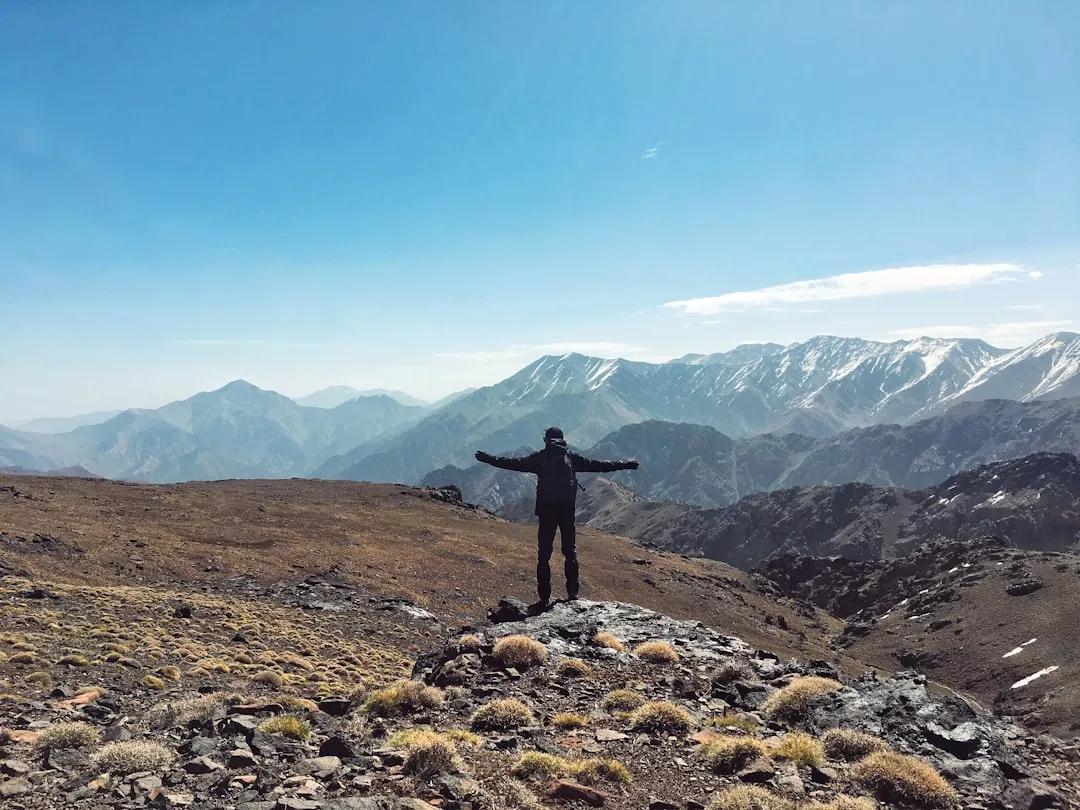
While Marrakech shines in winter as a city destination, the surrounding High Atlas Mountains take on an entirely different character in the colder months. Snow caps the peaks of Jebel Toubkal, North Africa’s highest mountain, and the dramatic contrast between the warm tones of the city and the white-capped mountains above it becomes genuinely striking.
To avoid crowds and high prices in Marrakech, visiting during the low season between November and February makes clear practical sense. During these months, the city experiences a drop in tourist numbers, leading to more accommodation availability and often lower prices. The period also offers a more authentic experience of Marrakech’s culture and daily life, with less competition for popular attractions and dining venues.
Day trips from Marrakech into the Atlas Mountains during winter allow travelers to witness a landscape that feels untouched and genuinely remote. Villages in the valleys remain active year-round, offering a closer look at Amazigh culture and hospitality that the summer tourist rush can obscure. The quiet is not a drawback here. It’s the experience itself.
Kyoto to Osaka: Winter as a Travel Lens for Japan
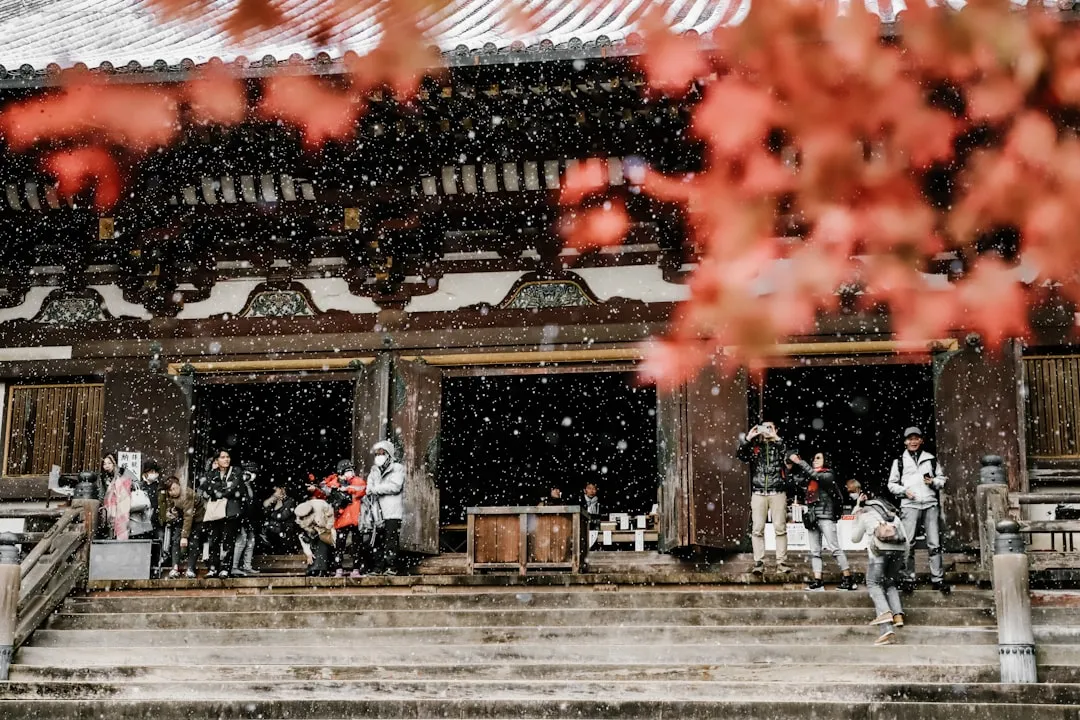
For visitors planning a broader Japan itinerary, building the trip around winter opens up a version of the country that’s surprisingly under-visited. Unique cultural events like New Year shrine visits and Setsubun bean-throwing rituals mark the winter calendar. For travelers who value atmosphere and meaning over crowds and heat, winter reveals Kyoto in a way that feels deeply reflective and authentic.
The New Year celebration at Yasaka Shrine starts at 7:30 pm on December 31st and lasts until 5 am on January 1st. Visiting Chion-in Temple to witness the New Year’s bell-ringing ceremony is a highly popular and deeply moving celebration activity in Kyoto. These aren’t tourist-facing events. They’re genuine community rituals that happen to be open to respectful visitors.
December temperatures in Kyoto average a high of around 11 degrees Celsius and a low of 3 degrees. Winter skies are often clear, with temperatures ranging from cool to cold during the day and cold in the evening. For travelers with an aversion to crowds, this is a genuinely good time to visit.
London, England: Museums, Markets, and No Queues
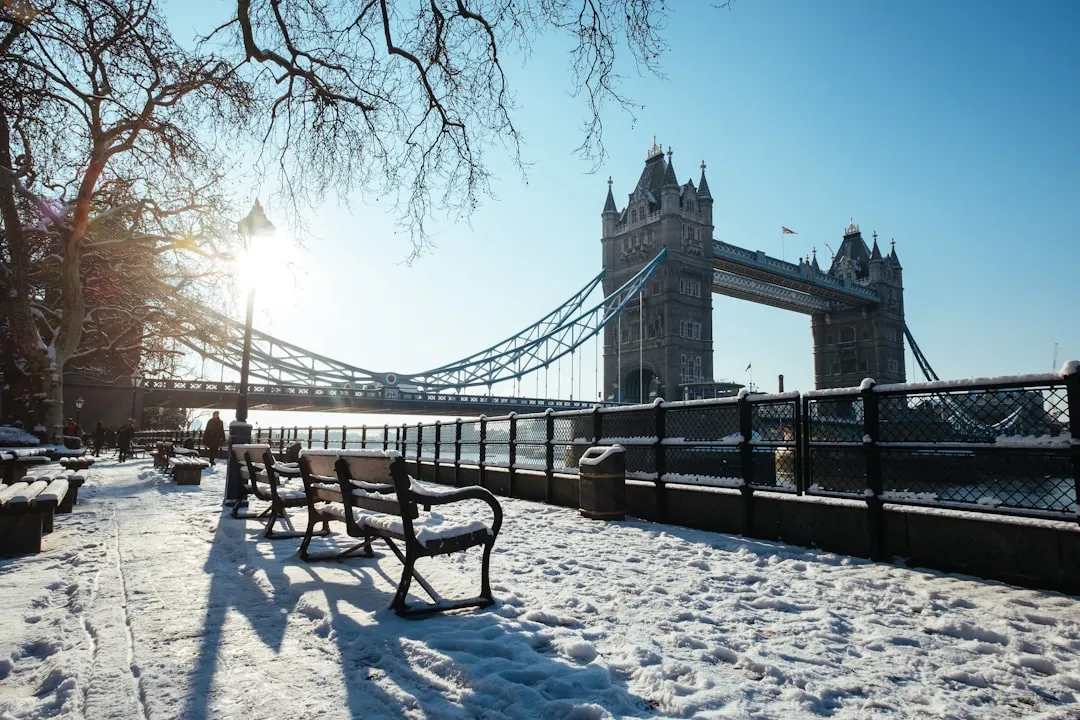
Winter in London offers crisp air, shorter lines at major museums, and quieter streets for historic walking tours. Landmarks like the Tower of London, Westminster Abbey, and the British Museum can be experienced without the peak-season crowds that make summer visits feel like organized chaos.
Markets such as Borough or Camden are accessible for food and crafts, theatre tickets are easier to secure, and seasonal lighting along the South Bank and Hyde Park enhances the atmosphere without overwhelming tourist numbers. London in winter is quieter, but it’s far from closed. The city’s cultural calendar stays busy.
The Expedia Winter Travel Outlook for late 2024 found that travelers’ interest in winter trips jumped roughly ten percent year-over-year, while average hotel prices in January and February were about ten percent lower than summer peaks. In some cities including London and Rome, winter ticket prices fell around fifteen percent below summer fares. That’s a meaningful saving on a city that can otherwise be expensive.
Oman: Desert, Mountains, and Coast in Perfect Winter Conditions
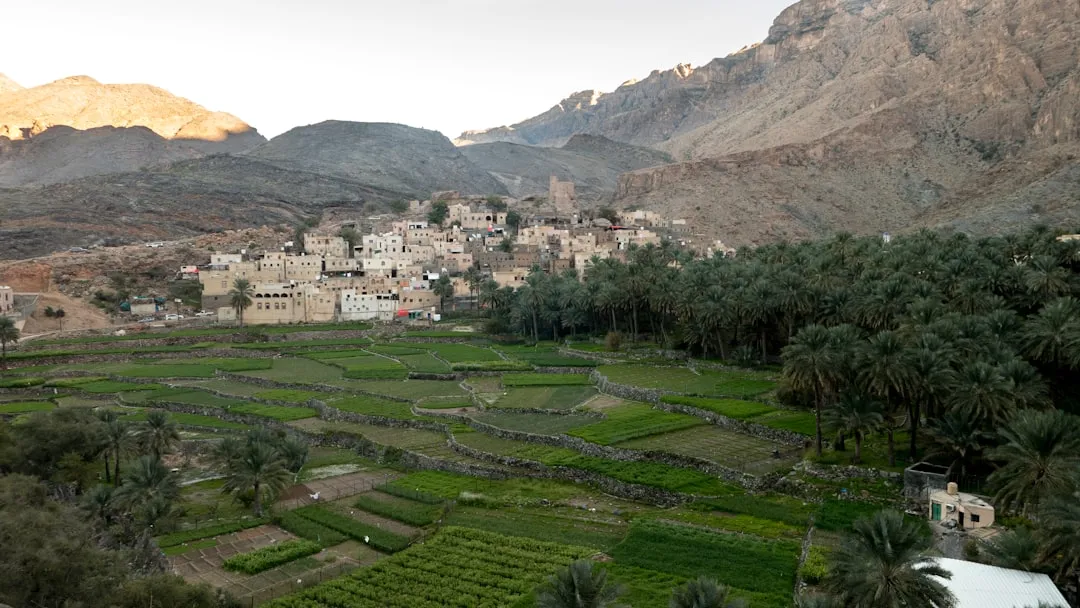
Winter is the ideal time to explore Oman’s mountains, deserts, and coastline. Temperatures are mild, allowing treks in Jebel Akhdar, coastal drives along the Arabian Sea, and desert camping in Wahiba Sands. Muscat’s souks, forts, and coastal promenades are quiet and atmospheric, offering genuine insight into local life and Omani culture.
Wadis and natural pools provide comfortable exploration, while traditional villages remain unhurried. Summer in Oman is functionally off-limits for most outdoor activities, with temperatures regularly exceeding 40 degrees Celsius. Winter, by contrast, is when the country opens up fully to exploration without physical cost.
Oman remains one of the genuinely undervisited destinations in the Middle East, particularly among travelers from Europe and North America. Winter is when the country is most itself, with its landscape and hospitality culture most accessible. The timing, for once, actually rewards a quieter season.
The Broader Case for Off-Season Thinking
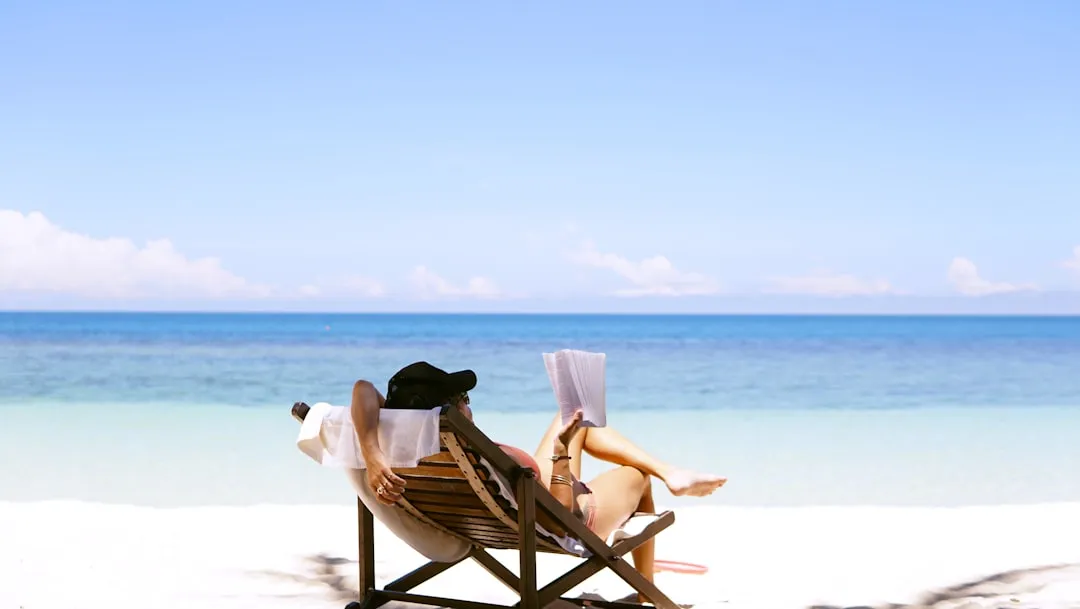
One of the great joys of off-peak travel is the space it creates, not just physically but mentally. Fewer crowds at iconic locations mean less competition for clear views at places like major historic landmarks and cultural capitals that feel genuinely different when not overwhelmed.
Travelling off-season opens doors to quieter streets, easier access to attractions, and experiences that feel authentic rather than performative. Whether wandering city streets, hiking scenic trails, or exploring cultural landmarks, off-season travel allows you to move at your own rhythm and observe local life up close.
One of the greatest benefits of off-season travel is the opportunity to see a destination as the locals do. That’s not a small thing. It’s often the difference between a trip that stays with you and one that fades into a stack of photographs.
How to Plan a Winter Trip That Actually Works
The key to making any off-season trip worthwhile is honest research. Not every destination improves in winter. Some genuinely close down, become logistically difficult, or simply lose the qualities that make them worth visiting. Patagonia is the clearest example in this list, where winter is genuinely only suited to a specific kind of prepared, experienced traveler.
Airfares and hotel rates follow predictable patterns. After the New Year, demand drops and airlines and hotels reduce prices. The Expedia Winter Travel Outlook for late 2024 confirmed that average hotel prices in January and February ran roughly ten percent lower than summer peaks. Booking early still matters, but the window is wider and the competition is lighter.
Cultural awareness also matters more in winter, not less. Some destinations have significant religious or public holidays in winter months that will either enrich a visit or close off access to key sites. Checking local calendars, understanding community rhythms, and traveling with flexibility built into the itinerary are habits that make winter travel far more rewarding.
What Winter Travel Actually Feels Like
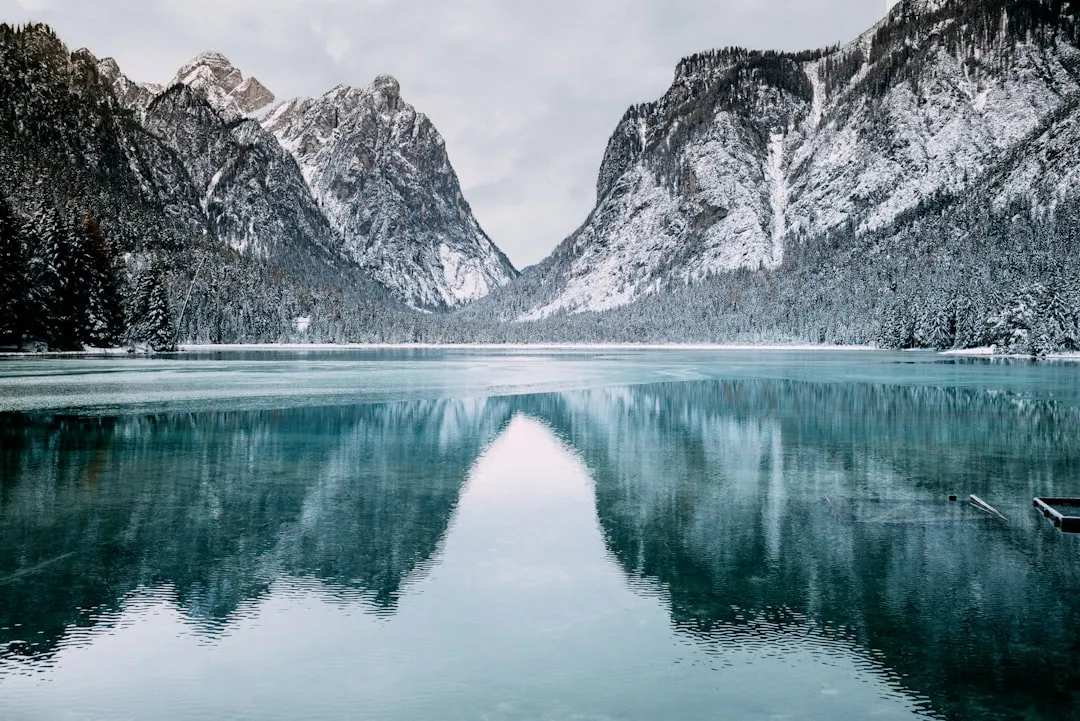
While many people enjoy visiting certain destinations during the summer, checking them out in winter means many tourists are gone and you can experience them almost to yourself, with locals who might just welcome you with unique traditions, exciting cultural opportunities, and authentic seasonal activities.
Instead of jostling through crowds in major cultural capitals, you find yourself cozing up with locals in neighborhood spaces. You’ll still experience some of the world’s most awe-inspiring destinations, just through a softer, more intimate lens. There’s something quietly satisfying about that.
The destinations in this list aren’t secrets exactly. They’re simply places where winter asks something of you and gives back more than you might expect. Kyoto in snow, Marrakech on a quiet January morning, Oman’s desert under a clear winter sky. None of these require suffering the cold for the sake of it. They just reward those willing to show up when the crowds have gone home.
The Takeaway
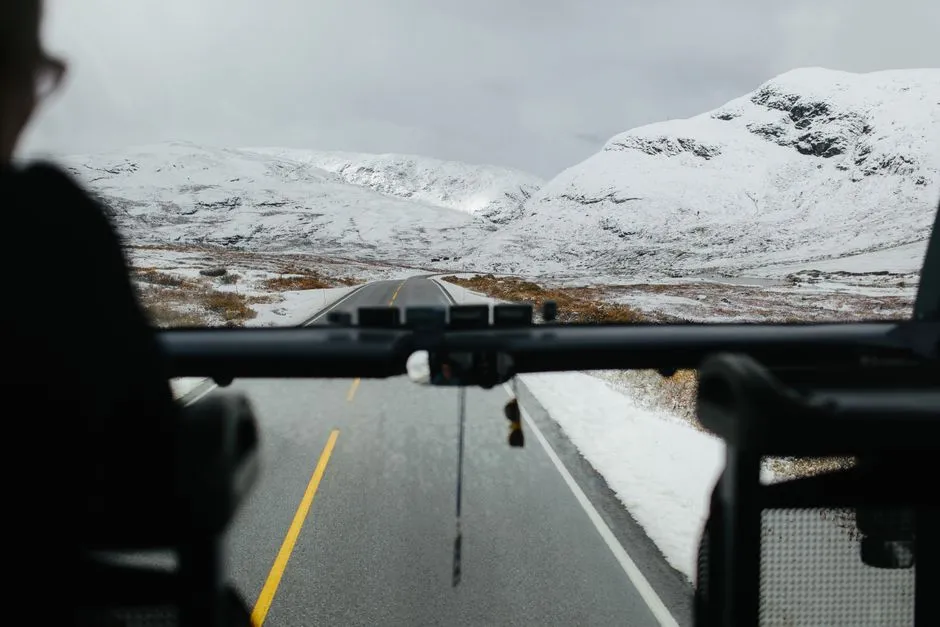
Winter travel doesn’t mean tolerating poor conditions in exchange for cheaper flights. At its best, it means experiencing places with a depth and calm that peak season simply cannot offer. The five destinations here cover very different climates, cultures, and travel styles, but they share one thing: the version of themselves that winter reveals is genuinely worth seeking out.
Travel at its most meaningful tends to happen in the spaces where you feel like a guest rather than a number. Winter, more often than people give it credit for, creates exactly those conditions. The question isn’t whether these destinations are worth visiting in winter. It’s whether you’re willing to find out for yourself.
AI Disclaimer: This article was created with the assistance of AI tools and reviewed by a human editor.