
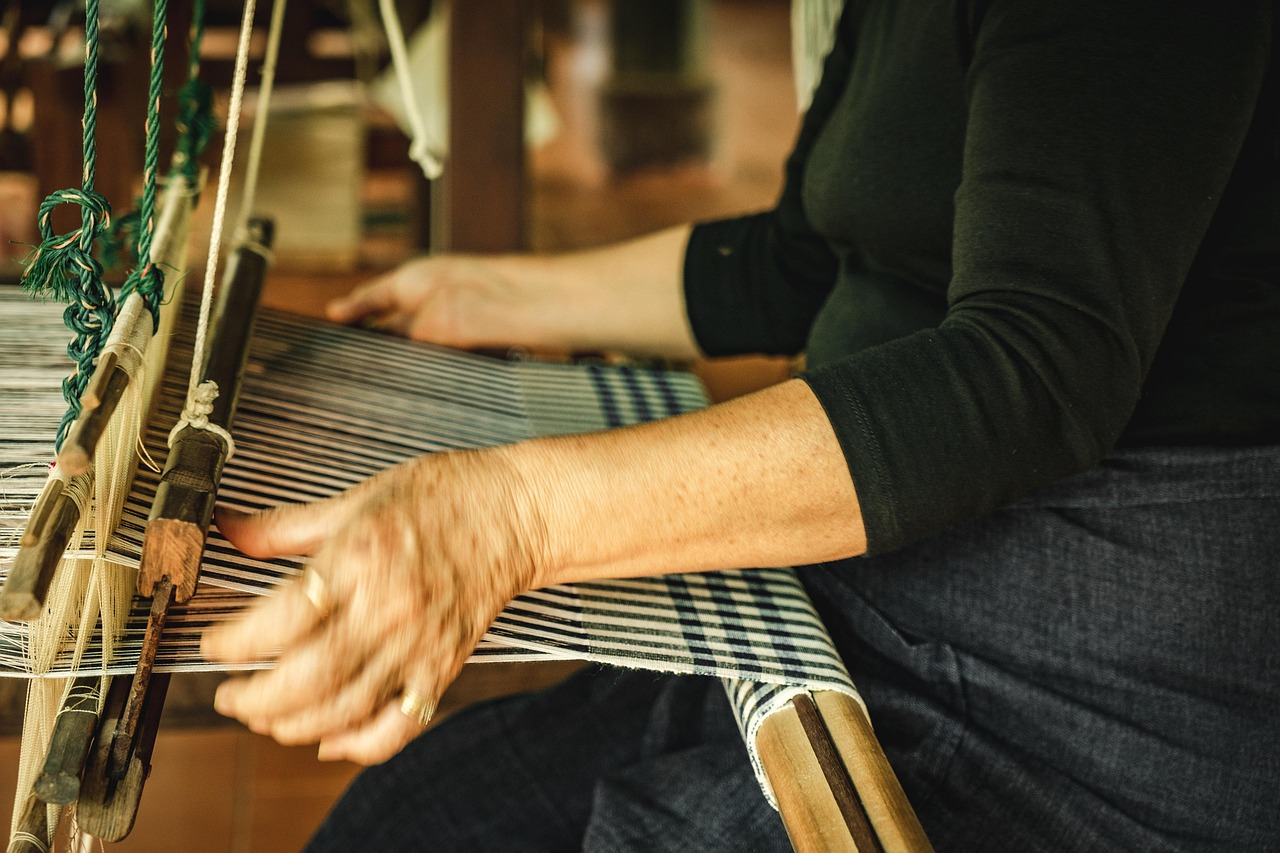

There’s a quiet kind of travel that asks you to slow down, sit at a loom, and let your hands do the learning. Across several corners of the world, communities have been weaving textiles for centuries, not as a hobby, but as a living language of identity, ceremony, and daily life. Modern travelers are increasingly seeking authentic connections with local makers who preserve centuries-old cultural heritage through every single thread they spin.
The global indigenous weaving workshop market was estimated at around $180 million in 2025, and is projected to nearly double by 2033. That growth reflects something real: people want experiences that go deeper than observation. They want to sit beside the artisan, feel the resistance of the warp thread, and understand why a particular color or pattern matters. These five destinations make that possible.
1. Teotitlan del Valle, Oaxaca, Mexico: Where Every Thread Is Dyed by Hand
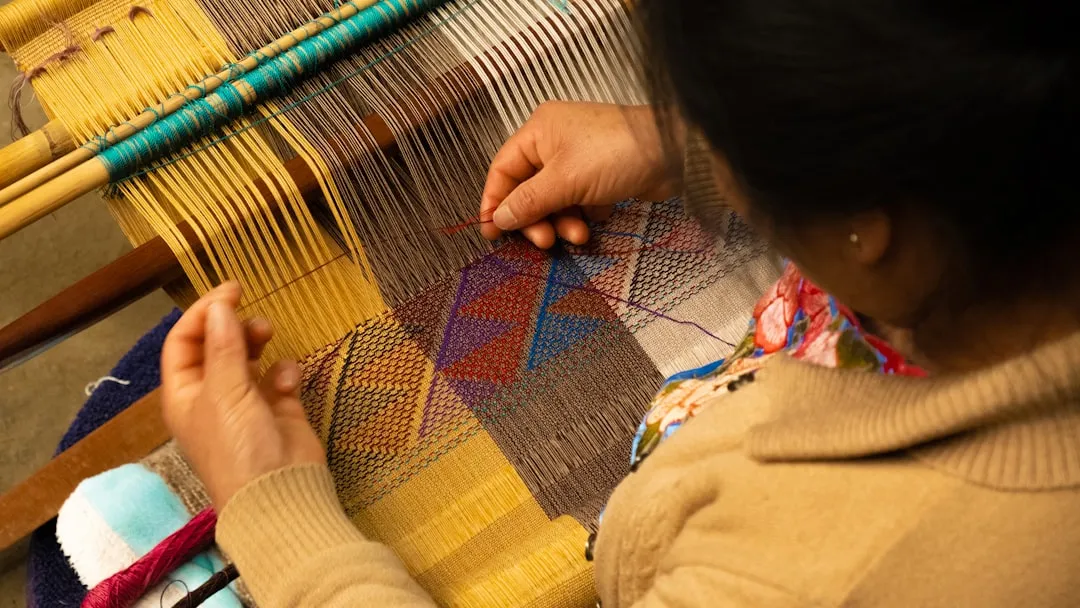
Oaxaca is a UNESCO World Heritage colonial city with a textile culture and history that goes back centuries. The village of Teotitlan del Valle, just outside the city, is the undisputed heart of Zapotec weaving. Weavers here have maintained their traditions through generations, and the craft remains woven into everyday life in a way that feels entirely unperformed.
Study tours in the region focus on the revival of ancient textile techniques, encompassing the use of natural dyes, backstrap loom weaving, drop spindle hand spinning, and pre-Hispanic native cotton. Several organizations offer hands-on workshops where no prior experience is needed. Natural dye workshops explore locally sourced indigo, pomegranate, wild marigold, and cochineal, covering dye chemistry, preparation, and techniques for over-dyeing.
Week-long intensive floor loom weaving workshops in Teotitlan del Valle are hosted by Zapotec artisan instructors. Visitors work directly in artisan homes and studios, which gives the experience an intimacy that a formal classroom setting simply can’t replicate. You can dip your hands in an indigo dye bath and travel to remote villages you may never reach on your own.
2. The Sacred Valley, Peru: Learning Alongside Quechua Weavers
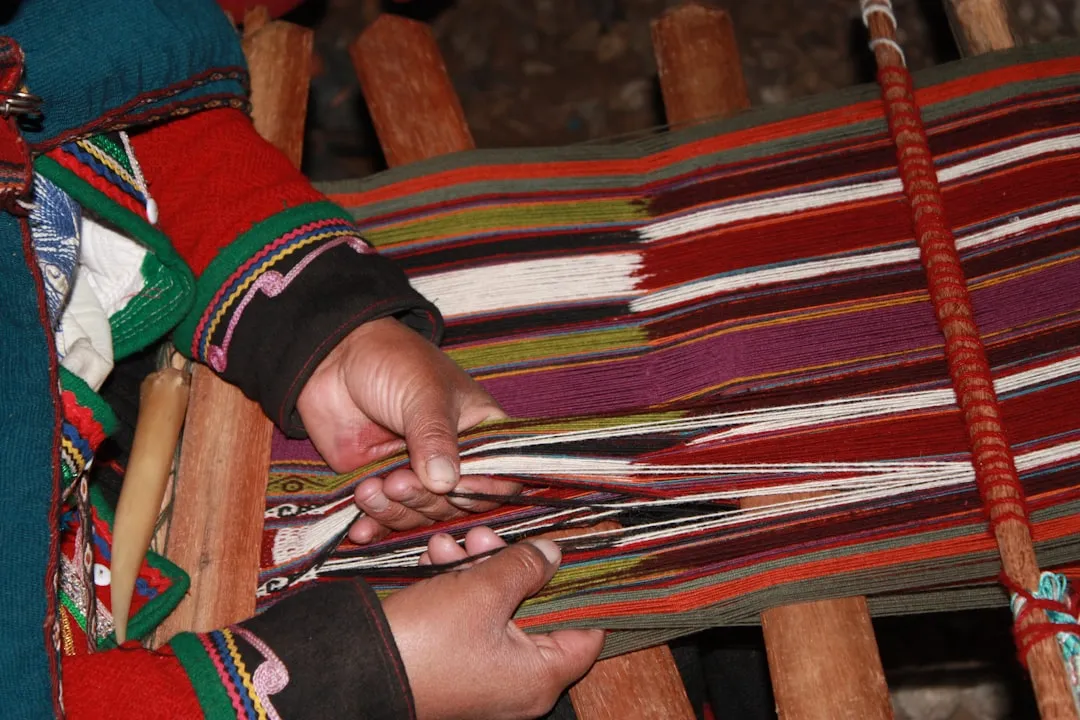
Nestled within the heart of Peru’s Sacred Valley, workshops like the San Blas Workshop serve as a living archive of ancient textile practices, with the art of alpaca wool dyeing passed down through generations of Quechua artisans dating back to at least 1922. The setting itself, surrounded by Andean peaks and terraced hillsides, makes the work feel deeply rooted in place.
Participants can delve into the fascinating world of natural dyeing, venturing out to gather plants used to craft the rich hues that have long characterized these cherished textiles. This is far from a passive demonstration. Travelers card wool, work natural dyes from plants gathered in the surrounding landscape, and eventually sit at a loom to begin weaving their own sampler.
The Ccaccaccollo Women’s Weaving Association stands as a testament to the positive impact that tourism can have on indigenous communities, with local women leveraging tourism to not only preserve their ancient crafts but also to empower themselves economically. Visiting and participating in these workshops is a direct, tangible form of support. A stay at the Machu Picchu Weaving School is more than a simple tourist activity; it’s a chance to appreciate the historical roots of Andean weaving traditions.
3. Lake Atitlan and Chichicastenango, Guatemala: Mayan Backstrap Traditions Still Alive
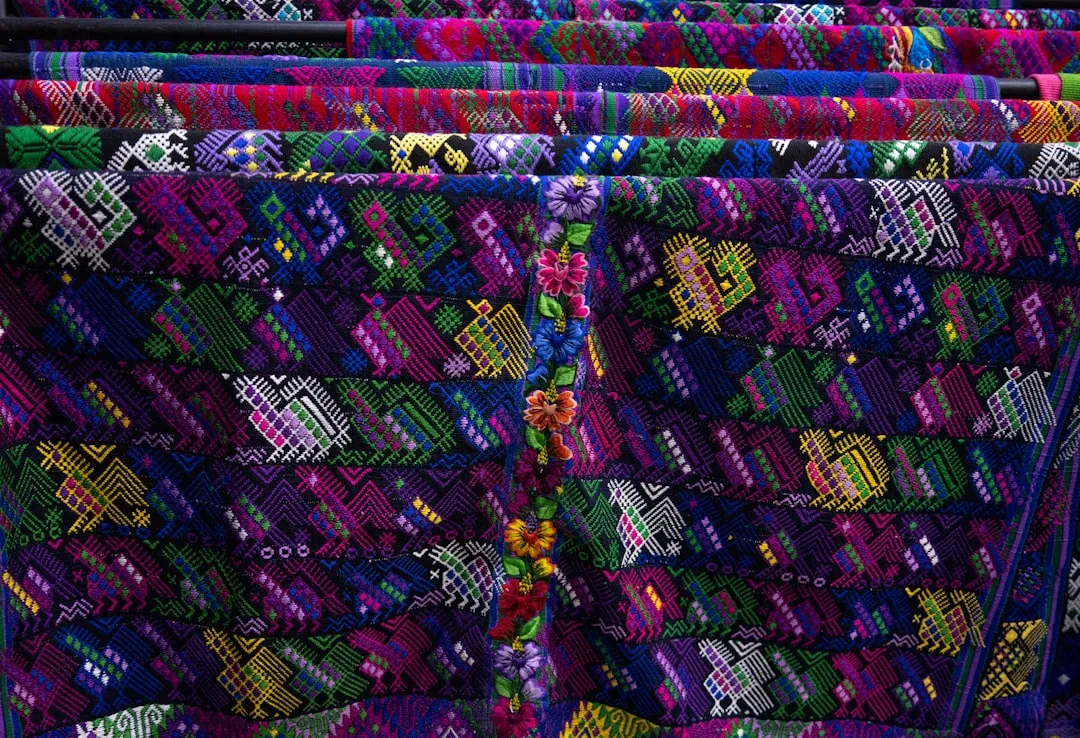
Guatemala’s highland weaving culture is one of the most visually striking in the world, and it carries deep cultural weight. Visiting workshops in towns like Chichicastenango and San Juan La Laguna offers an immersive dive into native weaving traditions, where skilled artisans continue centuries-old techniques using backstrap looms, creating vibrant textiles rich in cultural significance.
For travelers keen on hands-on experiences, the village of Santiago Atitlan provides excellent workshops led by local artisans, where participants can learn traditional backstrap weaving techniques while gaining insights into the cultural significance behind each design. The patterns used are not merely decorative. Each community has its own visual vocabulary, and weavers will often explain what specific motifs mean to their family or village.
Chichicastenango hosts what many consider to be the largest textile market in the world, giving participants a look at weaving’s impact on local women’s daily lives. Many workshops welcome visitors to observe the entire process, from spinning natural fibers to dyeing with traditional plants, providing a rare glimpse into this delicate craft. Alongside Lake Atitlan’s extraordinary landscape, these communities offer one of the most immersive textile experiences in the Americas.
4. Tenganan Village, Bali, Indonesia: The Rarest Textile in the World
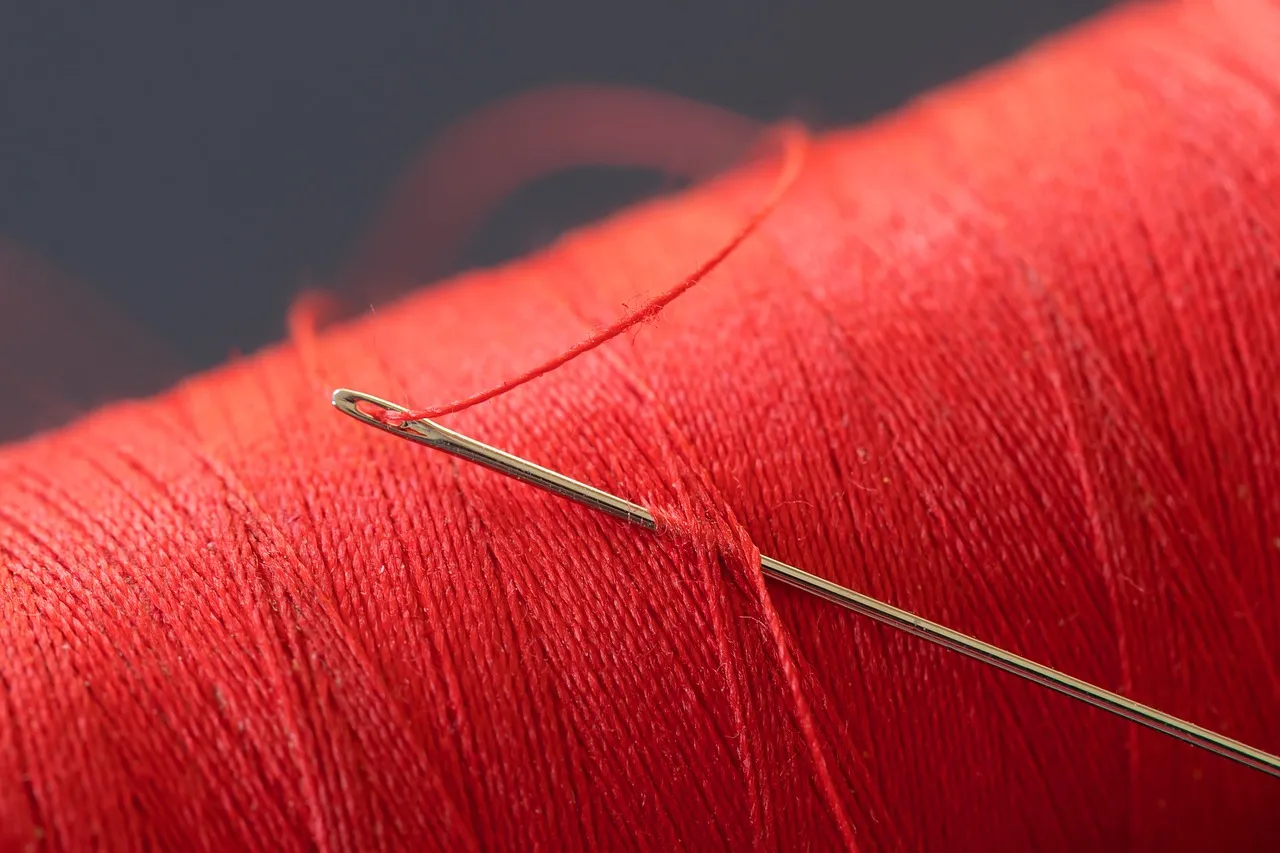
Tenganan Village in East Bali is known for its heirloom gringsing textile, a dyed, hand-woven fabric also known as double ikat, and is one of the few places where the Bali Aga, an indigenous community, still preserves this ancient craftsmanship. What makes Tenganan so extraordinary is how completely the village has maintained its own customs across centuries.
Double ikat weaving is considered one of Bali’s rarest textiles because the weaver tie-dyes both the warp and weft threads before weaving them together, a process requiring extraordinary tension control. Producing a single gringsing is so intricate that it can take up to two and a half years to complete. Visitors who sit with a weaver and watch the process unfold often describe it as one of the most humbling craft experiences they’ve ever had.
Tenganan is the only place in Indonesia where double ikat is made, and one of very few villages in Bali that has never submitted to Hindu rulers from Java, continuing to follow its own centuries-old aboriginal customs. The village welcomes visitors without a fixed entrance fee, inviting guests to donate at their discretion, with contributions helping to preserve and maintain the village’s rich cultural heritage.
5. The Mayan Highlands of Guatemala via Lake Atitlan: Cooperatives Woven Into Community Life
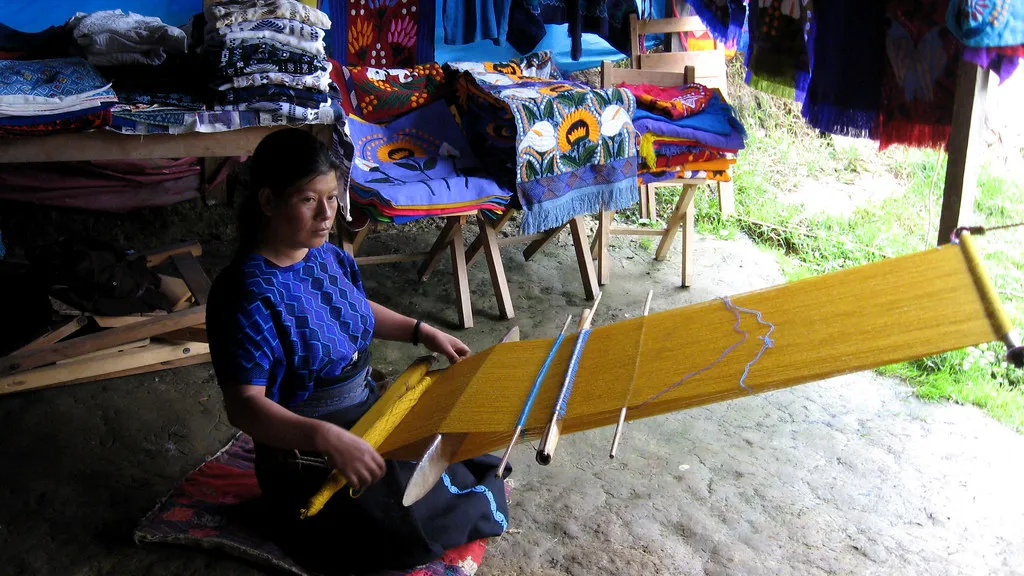
San Juan La Laguna, a small village on the shores of Lake Atitlan, deserves particular attention for how intentionally its weaving cooperatives engage with visitors. Thread Caravan, one of the leading organizations offering immersive craft travel, runs multi-day backstrap weaving workshops on the shores of Lake Atitlan that include heirloom cotton spinning, natural dye workshops, embroidery, and visits to bustling textile markets.
Guatemala has distinct regional weaving styles, with each area like San Juan La Laguna and Chichicastenango using its own colors and patterns. Weavers in San Juan, for example, are known for their bright blues and oranges, with each style reflecting specific cultural stories and community identity.
The cooperatives in this region are largely women-led, and the income generated through workshops and textile sales goes directly into supporting families and keeping the craft viable for younger generations. This intentional form of slow tourism ensures that financial benefits flow directly into rural communities while keeping fragile artisan traditions alive against the pressures of fast fashion.
Why This Kind of Travel Matters Now
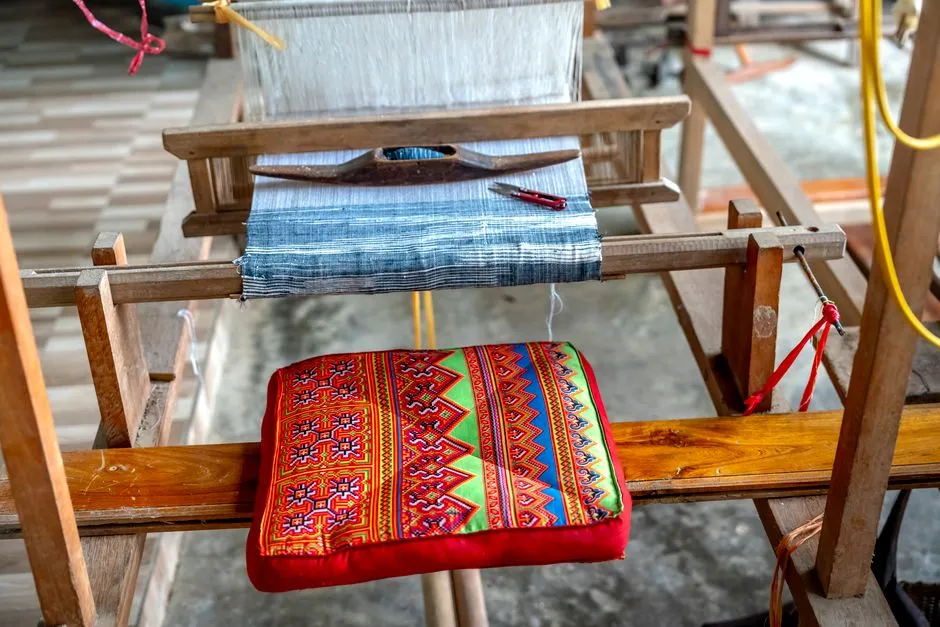
Artisanal tourism is a form of cultural travel that focuses on experiencing and supporting traditional craftsmanship and artisans. It might sound simple, but the implications reach far beyond the workshop itself. When travelers pay fair prices for lessons and take time to understand a craft’s cultural context, they become part of the preservation process, not just witnesses to it.
By purchasing handmade goods directly from artisans and supporting local craft markets and studios, artisanal tourism provides economic opportunities and empowerment for artisans and their communities, helping to preserve traditional craftsmanship for future generations. The decision of which goods to buy, and from whom, carries real weight in these communities.
Traditional handloom and textile trails are emerging as a transformative global tourism movement that maps journeys directly through indigenous weaving villages, natural dye workshops, and ancient loom heritage hubs. This is travel at its most purposeful: slowing down enough to actually learn something, and leaving something of value behind.
Practical Tips Before You Go

Booking in advance matters more than many travelers expect. Many of the most respected textile tours sell out each year, so registering early is strongly advised. It’s also worth researching whether the workshop works directly with local artisans or operates through an intermediary, since the former keeps a larger share of income within the community.
Bringing small cash in local currency to support artisans by purchasing textiles directly is a meaningful gesture, and approaching the experience with a respectful and curious attitude will enrich your interactions with the local community. Come ready to listen, not just to create. The stories behind the patterns are often as rich as the textiles themselves.
Prior weaving or dyeing experience is not necessary for most programs, as they are open and valuable to all levels of fiber artists and admirers alike. The willingness to be a beginner, to fumble with the thread and ask honest questions, is often exactly what these artisan hosts most appreciate from their visitors.
How to Choose the Right Workshop for You
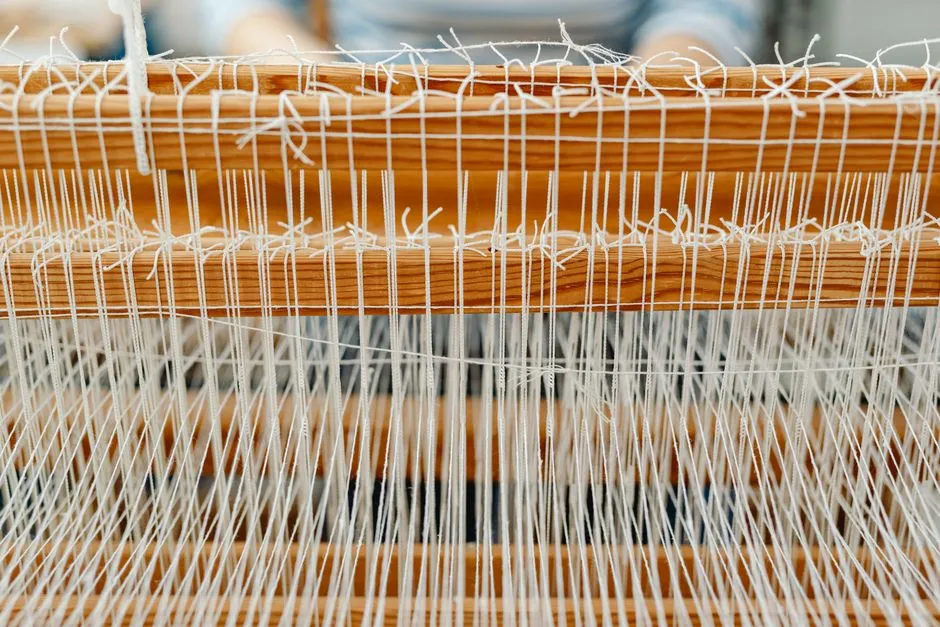
The scope and format of weaving workshops vary significantly. Some are single-afternoon introductions while others run for a full week or more. Longer textile programs might include visits to archaeological sites to ground participants in the region’s history and culture before spending the week immersed in workshops covering natural dyes, designing, and weaving a wool rug on a floor loom. Think about how much depth you want before choosing.
Transparency is a good signal of quality. Reputable programs are usually clear about how they compensate their artisan instructors, what percentage of fees goes to the community, and whether participants are welcomed as guests into private homes or studios. Artisanal tourism allows you to immerse yourself in the cultural heritage and traditions of destination communities, gaining insight into their history, values, and way of life through hands-on experiences and interactions with local artisans.
Among the top global destinations for craft workshop tourism in 2025, Oaxaca, Mexico and Ubud, Bali regularly appear as leading choices for textile-focused travel. Each of the five destinations in this article offers something distinct in terms of weaving tradition, landscape, and community structure. Matching the destination to your interests, your travel pace, and your willingness to engage respectfully is the truest way to make the experience worthwhile.
The Takeaway
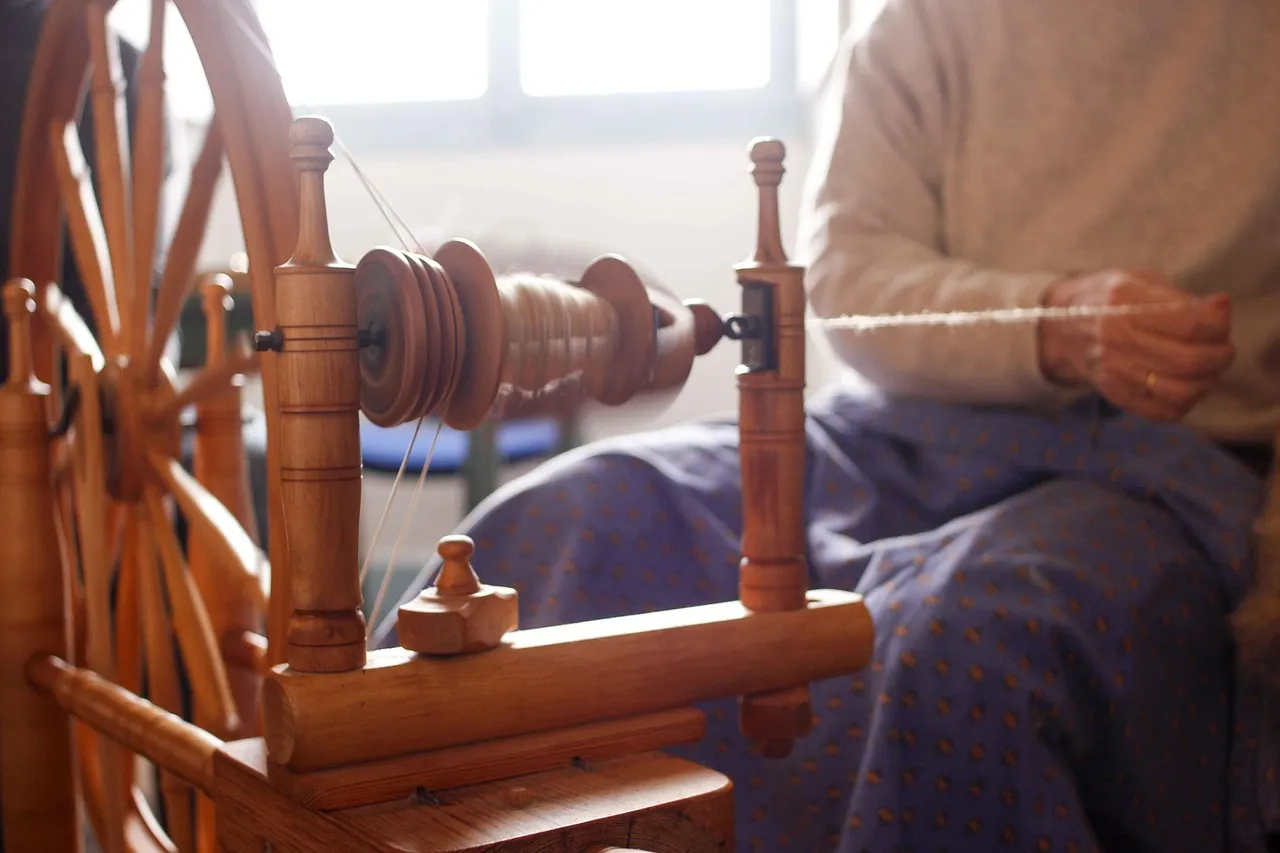
Learning to weave from a local artisan is not about walking away with a finished product, though you often do. It’s about the hour or two spent watching someone’s hands move with total confidence over a tool they’ve used since childhood, and then trying, clumsily at first, to follow along. That moment of humility is where real cultural understanding tends to begin.
These five destinations, Oaxaca, Peru’s Sacred Valley, the Guatemalan highlands, Tenganan in Bali, and Lake Atitlan, each offer a doorway into a textile tradition that has survived remarkable pressures. The immersive nature of these workshops provides travelers with a genuine chance to interact with the skilled local artisans who preserve age-old techniques, and highlights how traditional practices can be effectively integrated with modern engagement while respecting the rich cultural identity of the region.
Travel slowly. Sit with the loom. Buy directly from the maker. The thread you pull through that heddle connects you, however briefly, to something that has been worth protecting for a very long time.
AI Disclaimer: This article was created with the assistance of AI tools and reviewed by a human editor.