
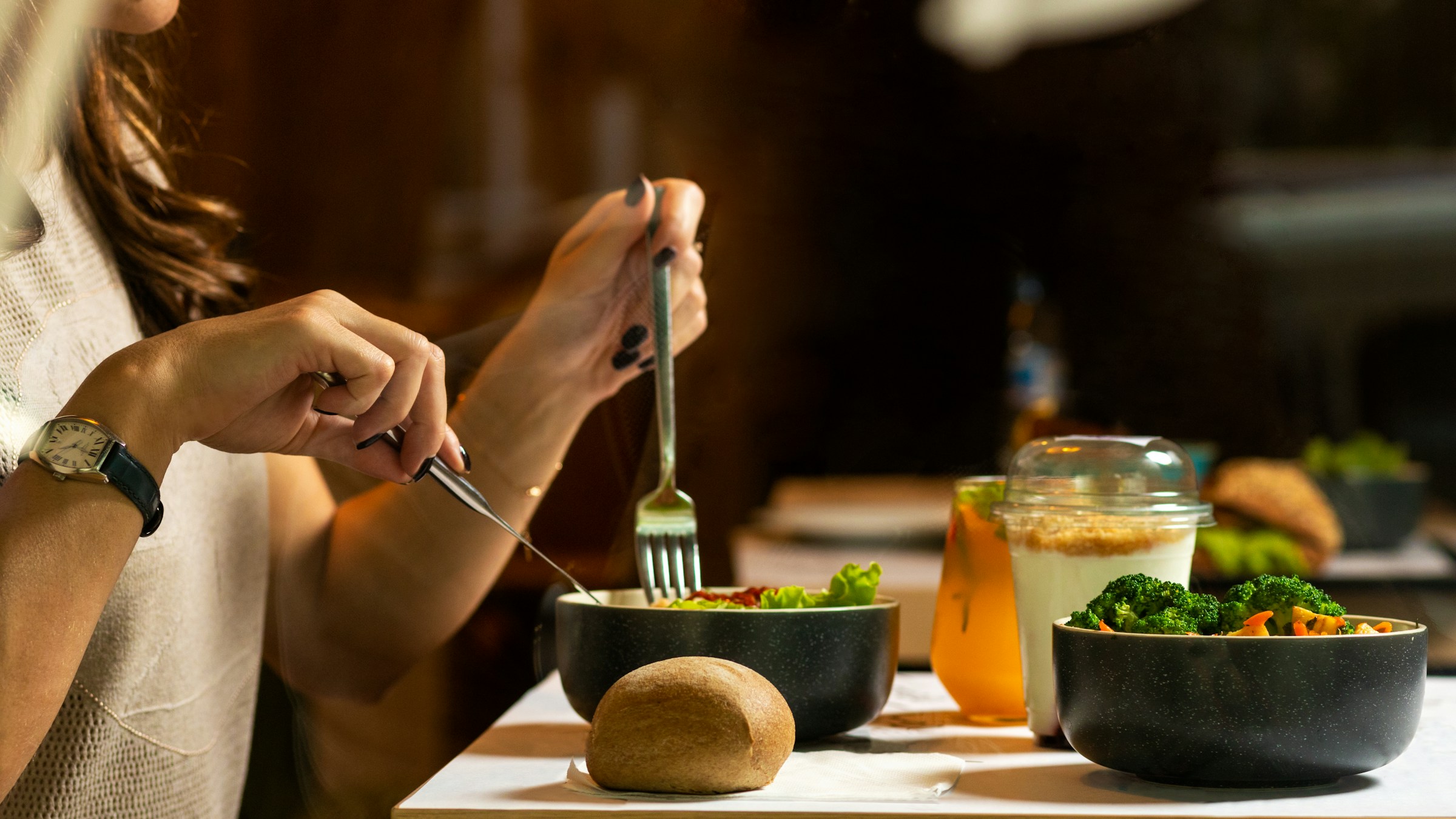

There’s a particular kind of joy that happens when you walk through a single doorway and suddenly smell grilled meats, fresh bread, and slow-cooked stew all at once. Food halls have always understood something that restaurants sometimes forget: eating is rarely just about one dish, one mood, or one culture.
Over the past eight years, the number of food halls across Europe alone has doubled, reshaping the dining scene in ways nobody quite predicted. The trend of multiple vendors and a variety of cuisines under one roof has now reached more than 135 locations across Europe, with more sites being developed every week. Globally, the numbers are just as striking. The Food Institute reported that there were 321 food halls operating in the United States, with another 145 in development and an expectation of double-digit growth into the foreseeable future. What follows is a portrait of five of the most remarkable places on Earth where an entire culinary tradition lives under a single roof.
Time Out Market Lisbon, Portugal: The One That Started It All
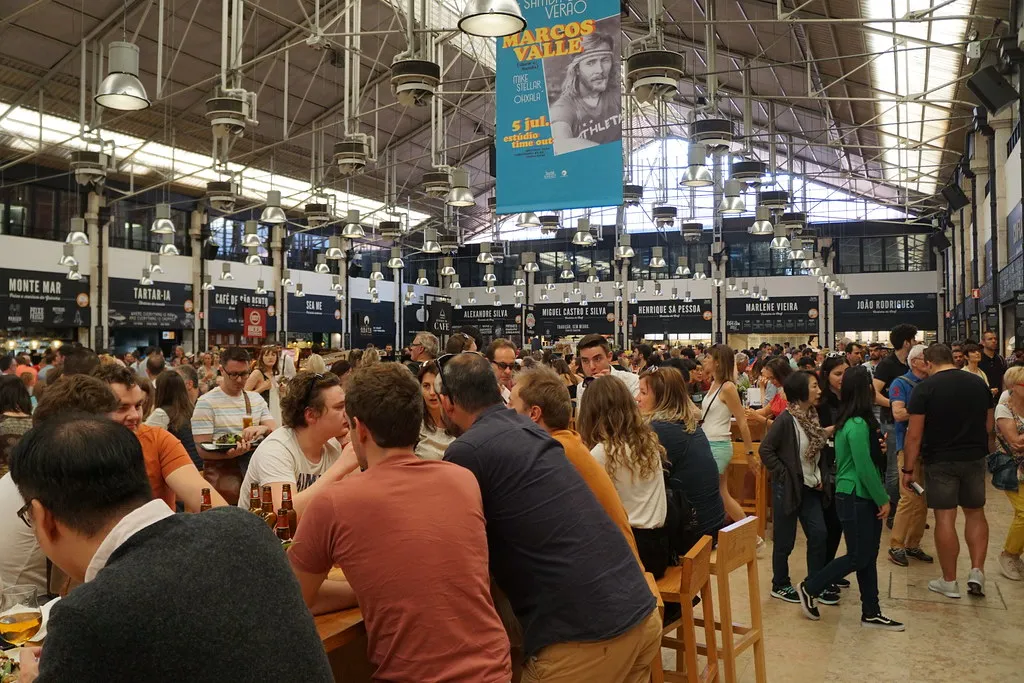
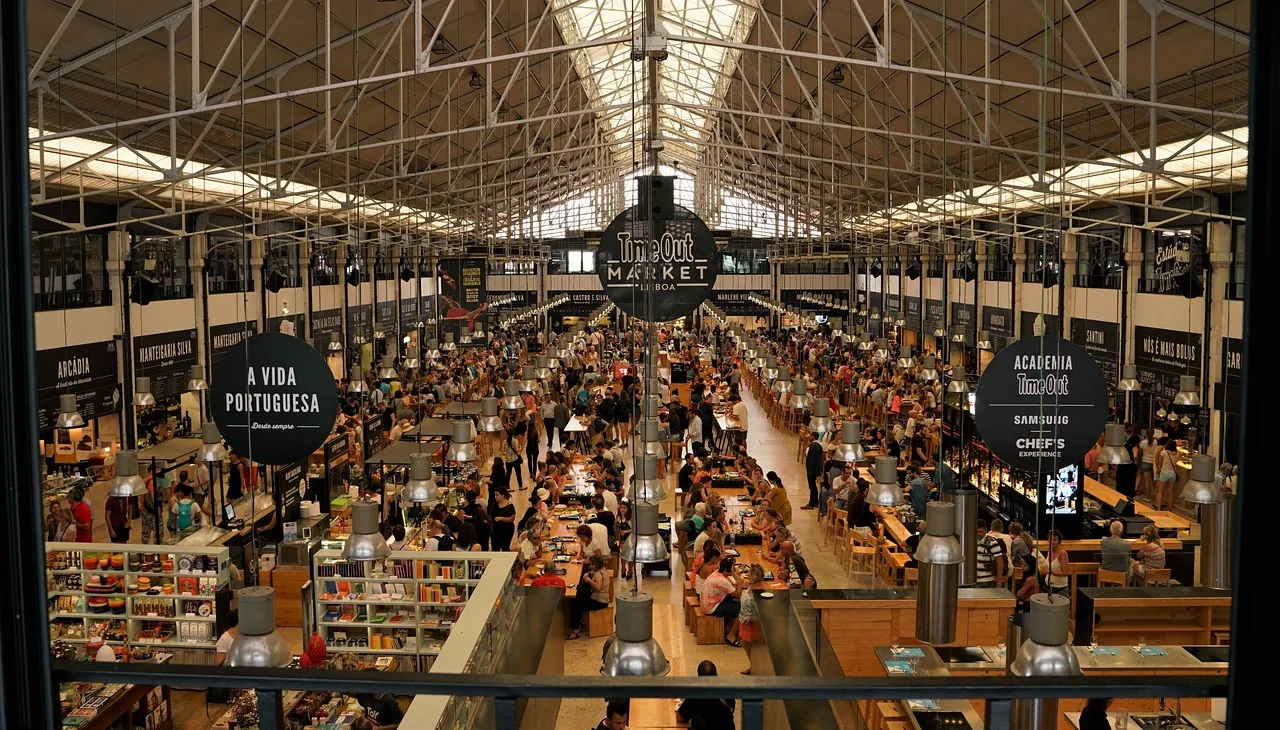
It all began in 2014 when Time Out Market Lisbon introduced the world’s first food and cultural market based on editorial curation, bringing the best of the city under one roof. That editorial model matters. Editors in each city identify which restaurant owners should join the market and play key roles in determining whether a restaurant should stay involved, keeping a close watch on the food and the performance.
Time Out’s Lisbon market drew 3.9 million visitors in 2018, making it the most-visited attraction in the entire city that year. That’s a staggering figure for a food hall. What makes Lisbon’s market particularly special is its commitment to Portuguese culinary identity, gathering chefs who work with bacalhau, pastéis de nata, and regional wines in the same space where international visitors discover these traditions for the first time.
The Lisbon market continues to welcome millions of visitors every year, and its influence is difficult to overstate. The concept has since expanded to markets in New York, Boston, Montreal, Chicago, Dubai, Cape Town, Porto, Bahrain, and Barcelona. Still, Lisbon remains the flagship, the proof of concept, and for many travelers, the most authentic version of the idea.
Maxwell Food Centre, Singapore: A Nation’s Soul in 103 Stalls
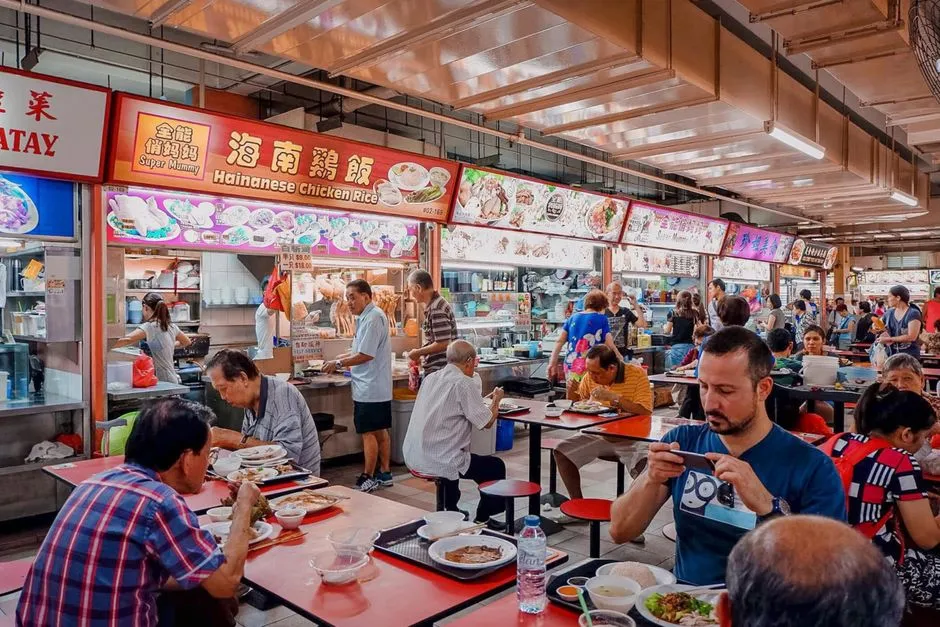
Maxwell Food Centre has been operating since November 1928 and sits in the Downtown Core of Singapore at 1 Kadayanallur Street. It houses 103 stalls across a floor area of over 36,000 square feet. That’s nearly a century of uninterrupted cooking under one roof. What was once a wet market called Maxwell Market transformed into a hawker centre in 1987, and it never looked back.
The aromatic symphony of char kway teow, laksa, and legendary Hainanese chicken rice represents Singapore’s most authentic culinary experience. Singapore’s hawker culture is genuinely democratic. Prices stay affordable, queues are honest, and nothing is for show. Tian Tian Hainanese Chicken Rice at Maxwell Food Centre is widely considered the city’s most iconic dish, and the stall earned a Bib Gourmand recognition in the Michelin Guide Singapore 2024.
The collection of over 100 stalls is home to veteran hawkers who have perfected their recipes across generations, creating a culinary landscape that rivals even the finest dining establishments in Singapore. It’s not a curated experience in the design-forward sense. It’s something more durable than that. Authenticity, locality, and sustainability are key factors for many visitors, and by offering a limited but high-quality menu with thoughtfully sourced ingredients, the combination becomes genuinely achievable.
Mercato Centrale, Florence, Italy: Where Renaissance Architecture Meets Regional Cooking
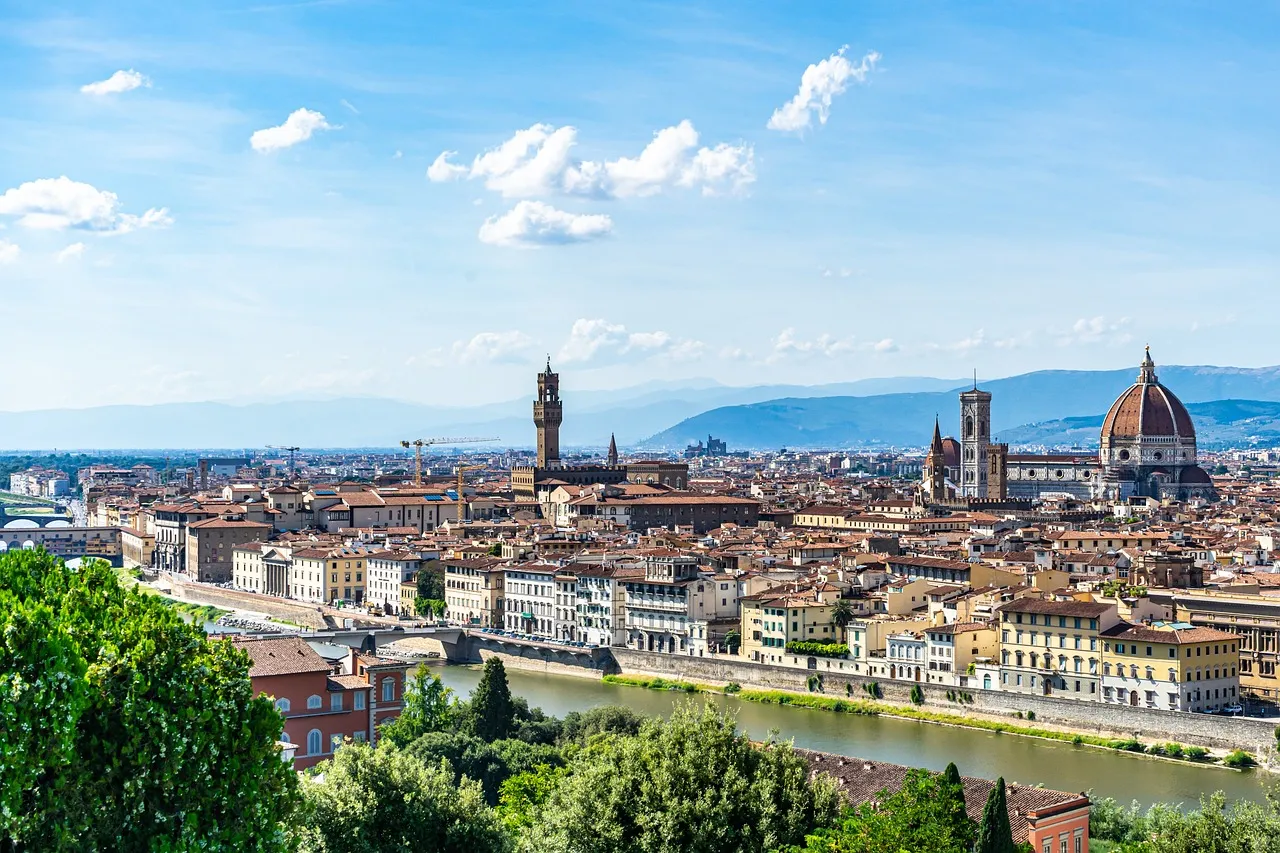
Out of all the Florence food markets, none are quite as famous as Mercato Centrale, one of the oldest and largest of its kind in the city. A landmark in the San Lorenzo neighborhood, it stands as one of two permanent indoor markets in Florence and is an architectural marvel designed by Giuseppe Mengoni. The building itself earns a visit before you’ve even eaten a thing.
The traditional ground floor completely contrasts with the contemporary first floor. The lower level is mainly for meat and cheese, while the upper floor boasts flowers, fruits, hot food, gelato, and the Medici cooking school. This two-level design means visitors can move through centuries of Italian food culture in a single afternoon, from raw ingredients to finished dishes. The market showcases some of Tuscany’s finest products, from farm-fresh produce to cured meats and cheeses.
Mercato Centrale has since grown beyond Florence, with local artisans bringing Italian flavors to life in Milan, Rome, and Turin as well. The expansion signals something meaningful: the idea that one country’s cuisine is diverse enough to fill multiple halls in multiple cities, each with its own regional character. The upper floor also houses a wine shop specializing in Chianti Classico selections and a cooking school, making it as much an educational space as a place to eat.
Mercado Roma, Mexico City, Mexico: Three Floors of a Country’s Culinary Depth
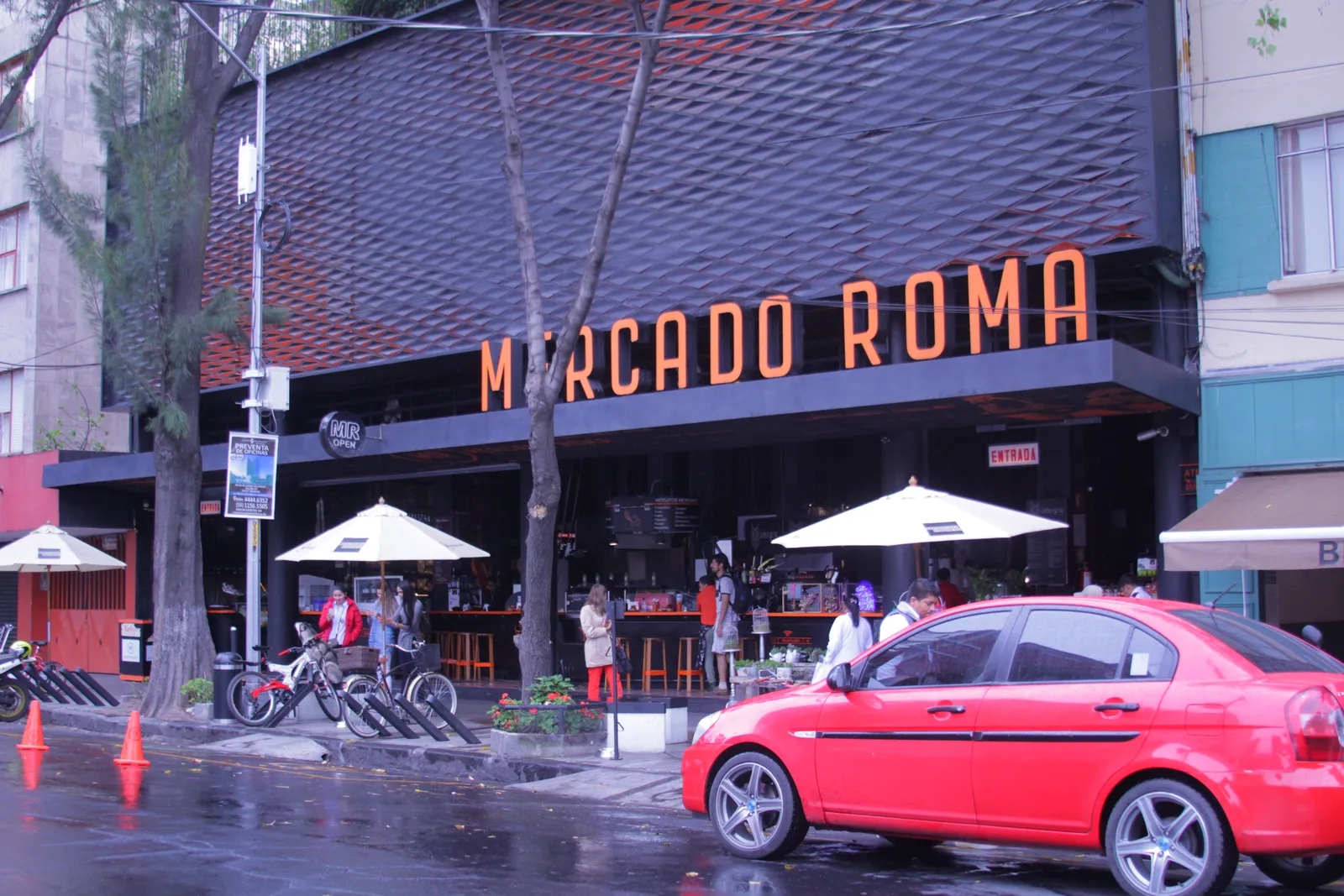
Mercado Roma sits on Querétaro 225 in Roma Norte and brings together 53 vendors across three floors, including a rooftop beer garden. Mexico City’s food scene has long been one of the world’s most complex, and Mercado Roma captures that complexity with unusual grace. It’s a trendy and sophisticated multi-level food hall that offers a wide variety of cuisine while paying tribute to Mexico’s traditional open markets, bringing together an eclectic mix of vendors offering high-quality food, beverages, and goods all under one roof.
The hall doesn’t try to flatten Mexican cuisine into a single idea. Regional cooking from Oaxaca, the Yucatan, and central Mexico all share space here, alongside international vendors who reflect the city’s cosmopolitan character. Mercado Roma is a key player in the city’s growing food scene, paying tribute to Mexico’s traditional open markets while bringing together an eclectic mix of vendors offering high-quality food, beverages, and other goods.
Visiting on a weekend afternoon, you’ll find families, off-duty chefs, and curious travelers all moving through the same floors, which tells you something about how well the space serves its community. For the vendor, food halls provide a platform to showcase their talent without the risks associated with opening a restaurant; for the visitor, a wide variety of options at a more affordable price point. Mercado Roma demonstrates that principle with particular clarity.
Foodhallen, Amsterdam, The Netherlands: A Tram Depot Turned Culinary Hub
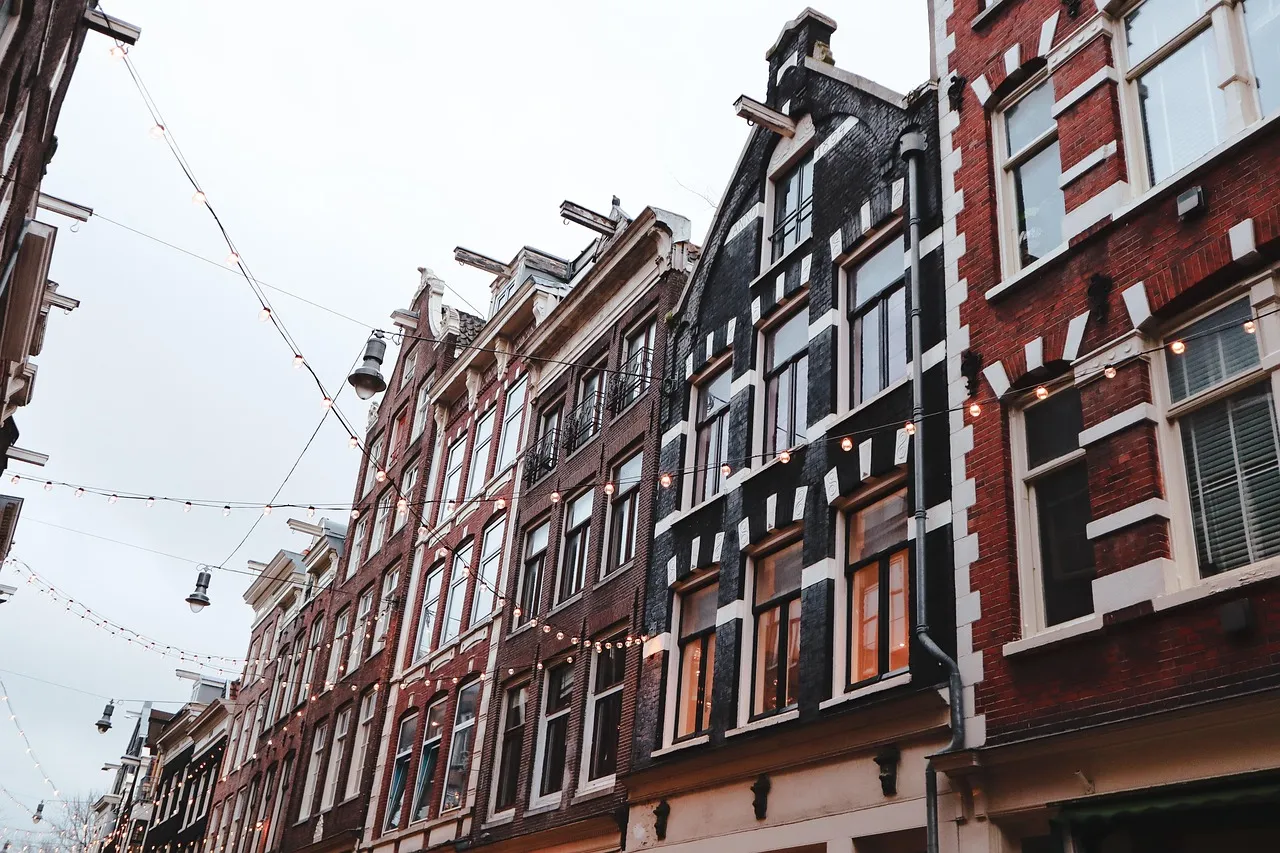
Located in a renovated tram depot, Foodhallen offers a vibrant mix of food stalls where visitors can sample Dutch specialties, international cuisine, and craft beverages in a lively atmosphere. The building itself is part of what makes this hall work. The high ceilings, exposed steel, and industrial bones give it a character that newer, purpose-built food halls often struggle to match.
Dutch culinary tradition is sometimes underestimated by visitors who associate the Netherlands only with stroopwafels and raw herring. Foodhallen pushes back on that assumption quietly, by placing traditional Dutch bites alongside more globally inspired stalls in a way that reframes the national palate as genuinely diverse. Food halls like this one have a clear multi-generational appeal, drawing older locals who remember the building as a working tram depot and younger visitors who know it only as a weekend destination.
Food halls have undergone a renaissance in recent years, evolving from simple marketplaces to gastronomic destinations. These modern hubs showcase a diverse array of culinary delights, ranging from traditional street food to gourmet delicacies, all under one roof. Foodhallen is one of Europe’s cleaner examples of that evolution done with restraint and genuine personality. It feels lived-in rather than designed, which is exactly the right tone for a city like Amsterdam.
What These Halls Actually Have in Common
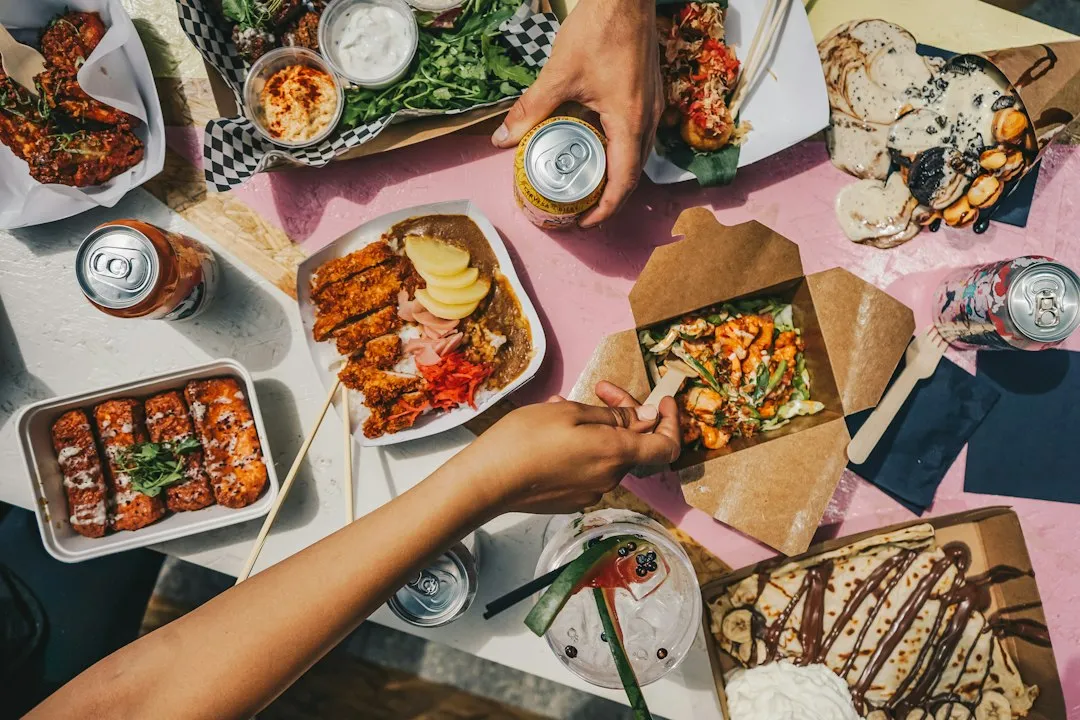
When traveling, immersing yourself in local culture through food is one of the most meaningful experiences available. While restaurants offer a taste of regional cuisine, food halls provide a vibrant, dynamic experience that encapsulates the culinary essence of a place in a single space. Each of the five halls in this list does something slightly different with that idea, but all of them share the same fundamental quality: they make a country’s food culture legible to a newcomer without diluting it for the people who grew up with it.
Over the last decade, urban food halls have become exciting, interesting places that showcase the history and food culture of a local region. Local chefs and longtime market vendors share space with new concepts under one roof. That mix of old and new is harder to achieve than it looks. These venues offer something you can’t get anywhere else: the ability to sample multiple cuisines, experience different cultures, and connect with your community all in one place.
The Economics Behind the Experience
For the vendor, food halls provide a platform to showcase their talent without the risks associated with opening a restaurant; for the consumer, a plethora of options comes at a more affordable price point. This shared-risk model has proven remarkably durable. Most successful food halls operate on a shared kitchen model where vendors rent space and share common areas.
Premium food halls in major cities may cost roughly twenty to forty dollars per person, but still provide better value than equivalent restaurant experiences. For travelers on a meaningful but not unlimited budget, that distinction matters considerably. You’re not choosing between quality and cost. You’re getting both.
Why Hawker Culture Deserves Particular Respect
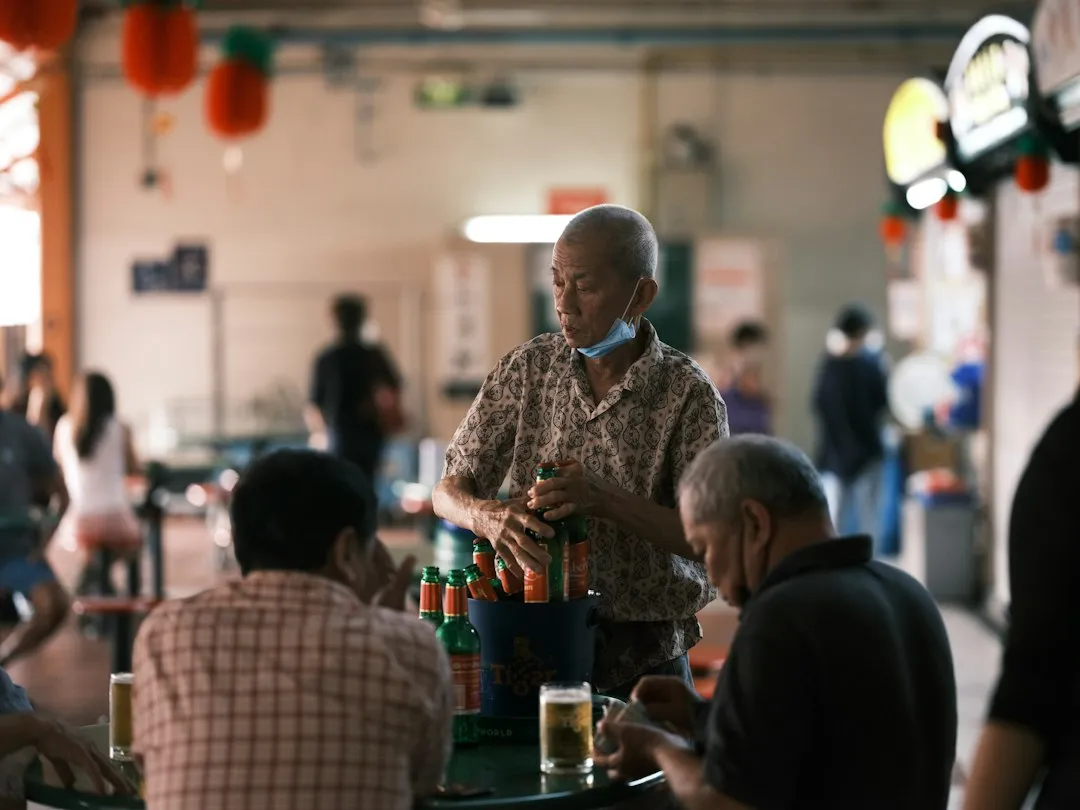
Singapore’s hawker model occupies its own category within the food hall world, and it’s worth separating it from the more design-conscious European and American versions. Hawker centres are open-air complexes of vendor stalls offering affordable food compared to air-conditioned food courts or restaurants. The affordability isn’t incidental. It’s the whole point. Prices at Maxwell Food Centre start at around S$8 for a small pot to S$20 for a large, which makes serious, generational cooking accessible to everyone.
Family-run stalls like Maxwell Fuzhou Oyster Cake continue to do things the old way, assembling rounds to order by hand before deep-frying them, a kind of craft that would cost considerably more in a formal restaurant context. The Michelin Guide’s recognition of multiple Maxwell stalls in its 2024 Singapore edition is a formal acknowledgment of what locals have always known. This is serious cooking that happens to be served on plastic trays.
The Global Expansion of the Food Hall Model
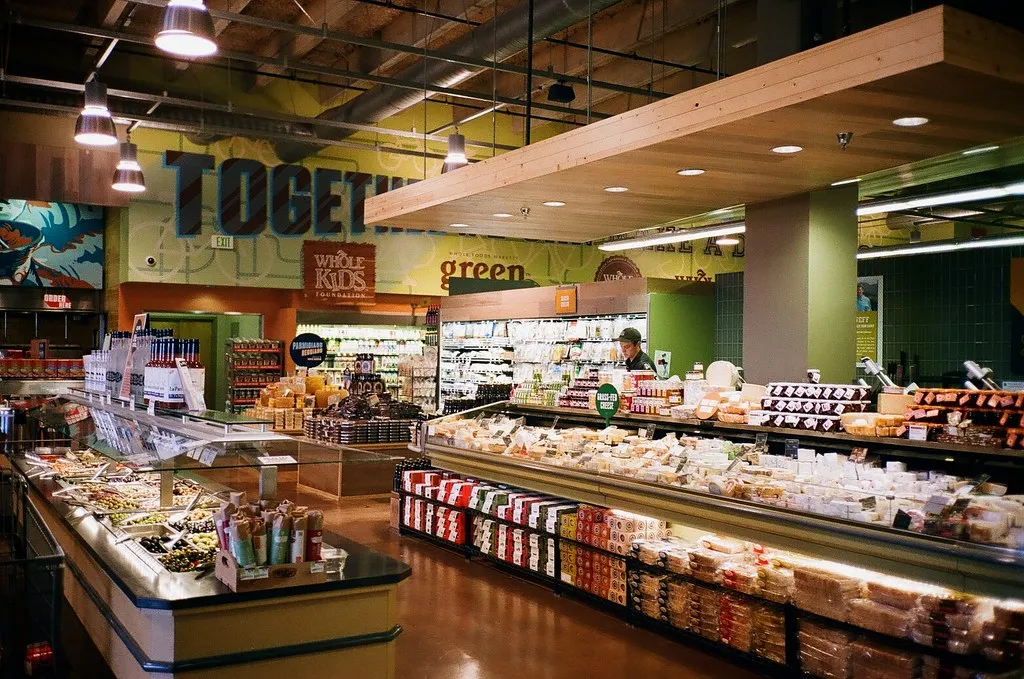
The Time Out Market portfolio currently includes open markets in Lisbon, New York, Boston, Chicago, Montreal, Dubai, and Cape Town, with further locations signed and due to open through 2027, including Porto, Barcelona, Bahrain, Vancouver, Abu Dhabi, Osaka, Prague, and Riyadh. That global spread is significant because it proves the model travels. Once all currently signed markets are open, the portfolio will more than double in size, spanning a total of over 55,000 square meters and more than 250 kitchens across all sites.
At a time when people are increasingly spending time on digital channels, they still want to socialize in real life, and that is one reason why food halls continue to be so popular. There’s something grounding about that observation. The food hall is, at its core, a social infrastructure. It gives people a reason to gather that doesn’t require a special occasion.
How to Travel These Halls Thoughtfully
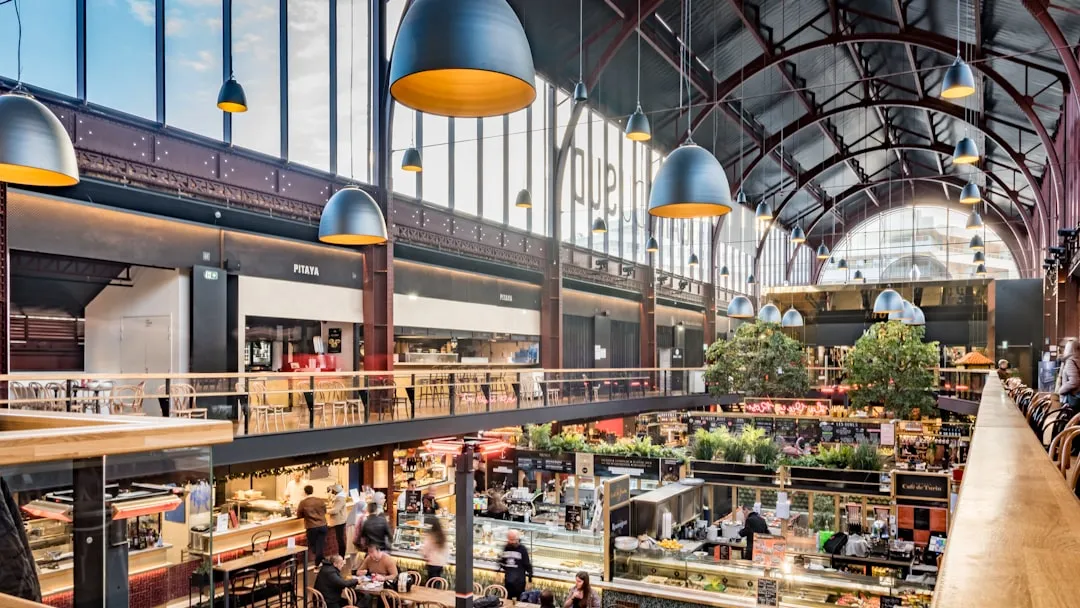
The best way to experience any of these spaces is slowly. Arrive without a fixed plan. Walk the entire floor before committing to anything. Watch what the regulars order. Arriving in the morning is recommended at places like Mercato Centrale for a more relaxed visit, and that advice applies broadly to most food halls around the world. The midday rush is real, and the experience is genuinely different when you’re not competing for a seat.
Responsible travel through food halls also means making intentional choices. Seek out the long-established stalls over the newer, trend-forward additions. Ask vendors about their ingredients. Authenticity, locality, and sustainability are key factors for many visitors, and by offering a limited but high-quality menu with thoughtfully sourced ingredients, that combination is achievable. The vendors at these halls have often spent decades refining a small menu, and that level of focus deserves your attention.
The Takeaway
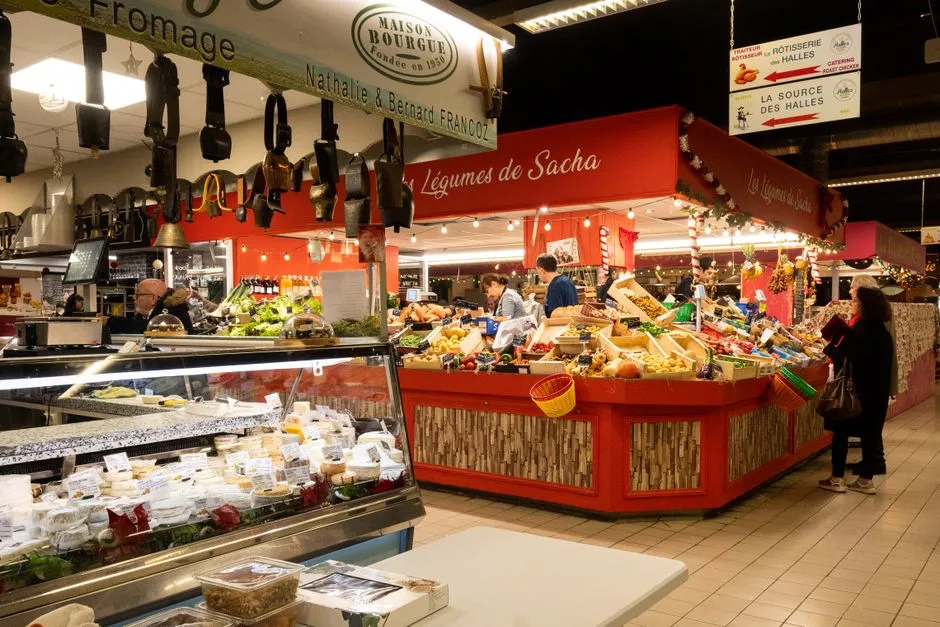
Food halls, at their best, are honest places. They don’t pretend a country’s cuisine is simple, and they don’t reduce it to a greatest-hits list. What the five halls on this list share is a kind of institutional generosity: they make room for the full range of a culture’s food traditions, from the cheap and beloved to the technically ambitious.
Whether it’s a century-old hawker stall in Singapore’s Chinatown, a Tuscan butcher working below a vaulted iron ceiling in Florence, or a Portuguese chef whose restaurant happens to sit beside eleven others equally worth visiting, the food hall asks you to pay attention to more than one thing at a time. That, arguably, is the most honest way to experience where food comes from and what it means to the people who make it.
AI Disclaimer: This article was created with the assistance of AI tools and reviewed by a human editor.