
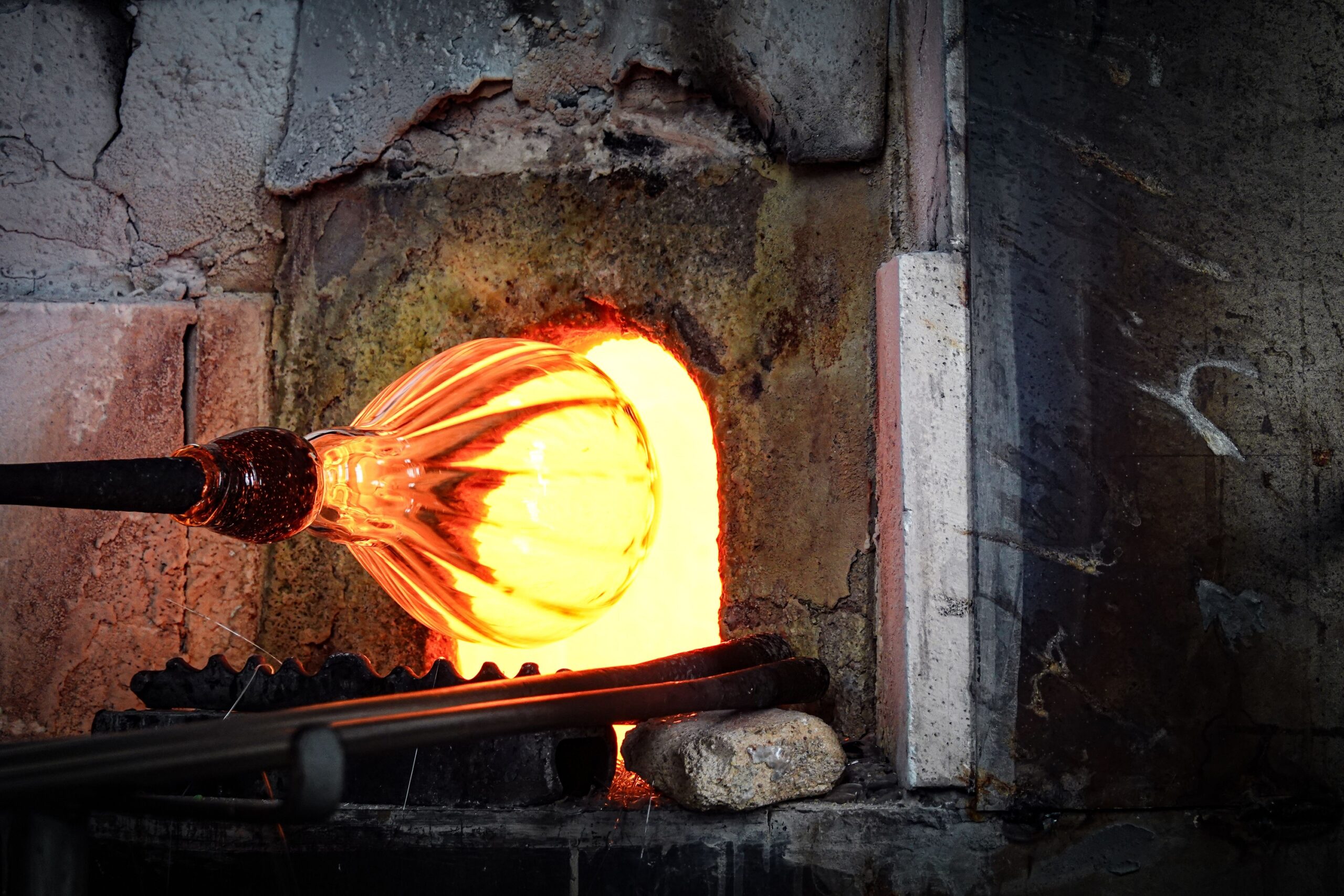

There is something almost primal about watching a glassblower work. A molten gather of glass, glowing orange and alive, turns on the end of a blowpipe while skilled hands coax it into a vase, a sculpture, or a vessel so thin it hardly seems real. The heat is visible, the skill undeniable, and the whole process takes place in real time right in front of you.
Across the world, a handful of towns have built their entire cultural identity around this craft. Some have done so for centuries. Others are newer to the story but no less serious about it. What they share is an invitation: come watch, come learn, and come away with a genuine appreciation for one of the oldest art forms still practiced in its original form.
Murano, Italy: Where the Craft Has Lived Since the 13th Century
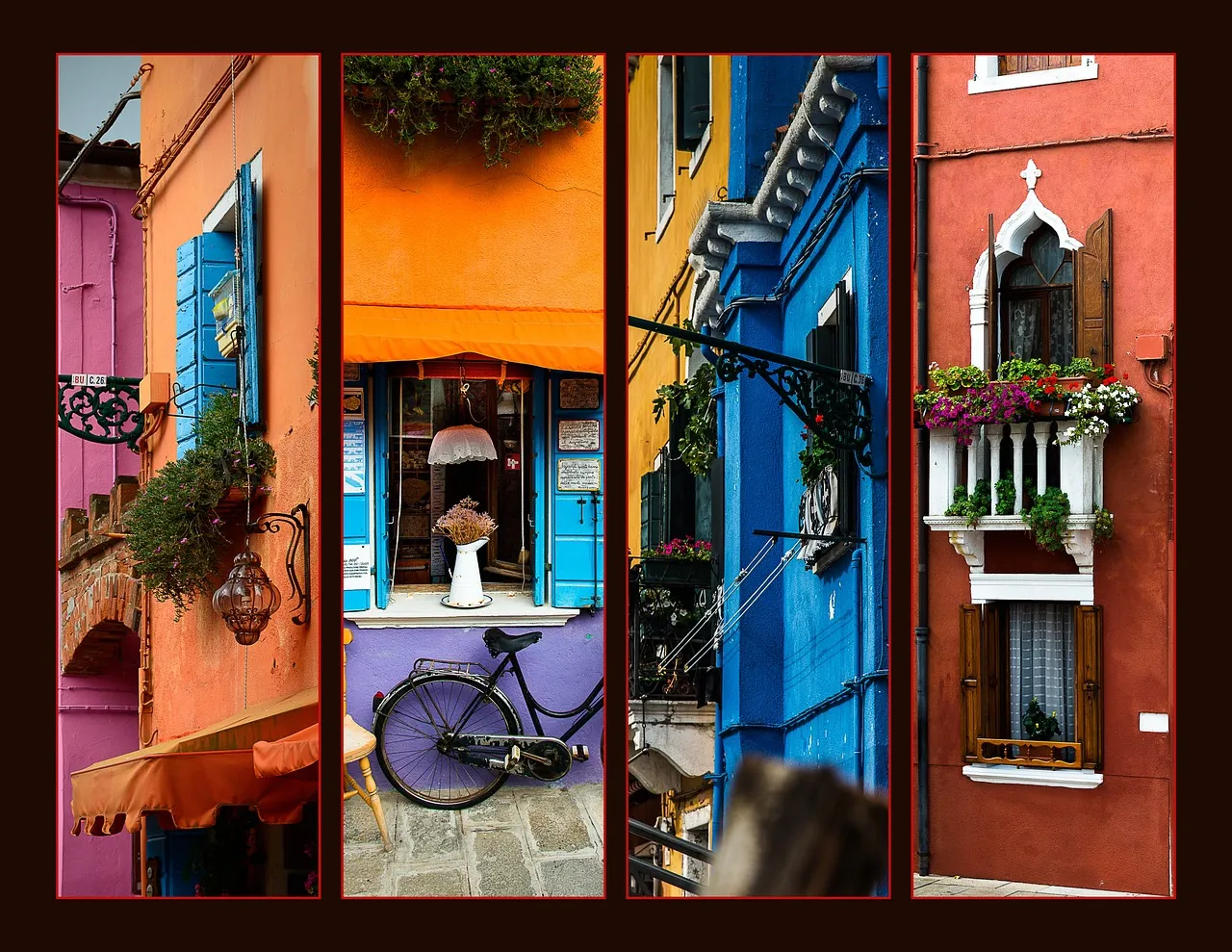
Synonymous with exquisite glass craftsmanship since the 13th century, the island of Murano in the Venetian Lagoon is one of the most celebrated glassmaking destinations in the world. The prominence of Murano glass dates to 1291, when the glass industry relocated to the island from Venice as a fire precaution and to protect the lucrative trade secrets of Venetian glassmakers.
Sequestered on Murano, glassblowers were rewarded with wealth and status, but subjected to tight security measures. Master craftsmen typically passed down secret techniques through generations, establishing closely guarded glassmaking dynasties on the island – some of those families continue the tradition today.
The island is now home to approximately 100 glass factories, many of which are family businesses where the craft has been handed down across generations. The beautiful storefronts along the canals are galleries, not workshops, and the real glassblowing happens inside active factories. Visitors who book a dedicated factory visit or a small-group demonstration will find the experience far more rewarding than a casual stroll alone.
The Glass Cathedral: A Particularly Striking Way to Watch in Murano
If you’re planning a day trip from Venice to Murano, one of the most memorable settings for a live demonstration is the Ex Chiesa di Santa Chiara – a former church transformed into a stage for the ancient art form. Master glassblowers spin and shape molten glass into elaborate shapes inside this historic space, with soft music adding an ambient atmosphere.
The experience keeps groups small for a more intimate atmosphere, and certain dates in Venice now carry a €5 access fee for visitors staying outside the city – details and exemptions are available at the official Venice access portal. It’s worth checking current entry conditions before you plan your trip, as the city’s approach to visitor management has continued to evolve through 2025 and into 2026.
Corning, New York: The Crystal City of the American Northeast
The Corning Museum of Glass in Corning, New York, is dedicated to the art, history, and science of glass, and currently holds a collection of more than 50,000 glass objects, some over 3,500 years old. The museum celebrates 75 years as the foremost authority on the art, history, and science of glass.
Annually welcoming over 300,000 visitors from around the globe, the museum invites guests to explore its galleries spanning 35 centuries of glassmaking, and to step into the Amphitheater Hot Shop for a live, narrated demonstration of the glassblowing process. Corning itself has built a reputation as one of the premier centers for glass cutting in the United States.
Live glassblowing demonstrations, offered both at the museum and on the road, bring the material to life in ways a static collection simply cannot. The annual GlassFest, held each spring on Market Street, is family-friendly and open to the public for free, with dozens of local vendors, live glassmaking demonstrations, live music, local food, and activities for children.
Toledo, Ohio: Birthplace of the American Studio Glass Movement
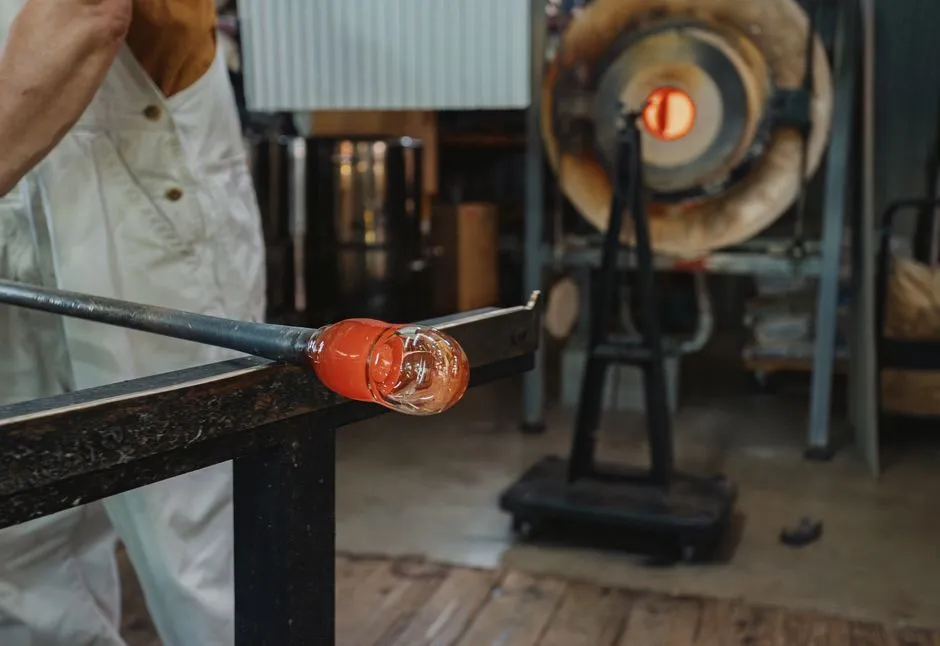
Toledo, Ohio, situated at the western tip of Lake Erie, is known as “The Glass City,” and for good reason – Toledo glassmakers have a long, rich history and produced everything from ketchup bottles to fiberglass to astronaut space suits. In 1888, Edward Drummond Libbey relocated his father’s struggling New England Glass company to Toledo, drawn by large supplies of natural gas and high silica-content sandstone necessary for glass manufacturing.
Toledo’s history is rich not only in industrial innovation but in artistic experimentation, and the origin story of the Studio Glass Movement takes place in a garage at the Toledo Museum of Art in 1962. That workshop, which gathered a small group of artists around a furnace to explore what glass could become outside a factory setting, changed the course of the art form in America.
Toledo became the birthplace of the American Studio Glass Movement in the early 1960s, and today, studios like Gathered Glassblowing Studio have carved out their own space in Toledo’s glass history, bringing glassmaking possibilities to Toledo communities through functional glassware, public art, and community artmaking. The Toledo Museum of Art’s glass collection is among only three in the United States of its scope and scale.
Tacoma, Washington: A Living Hot Shop on the Pacific Northwest Coast
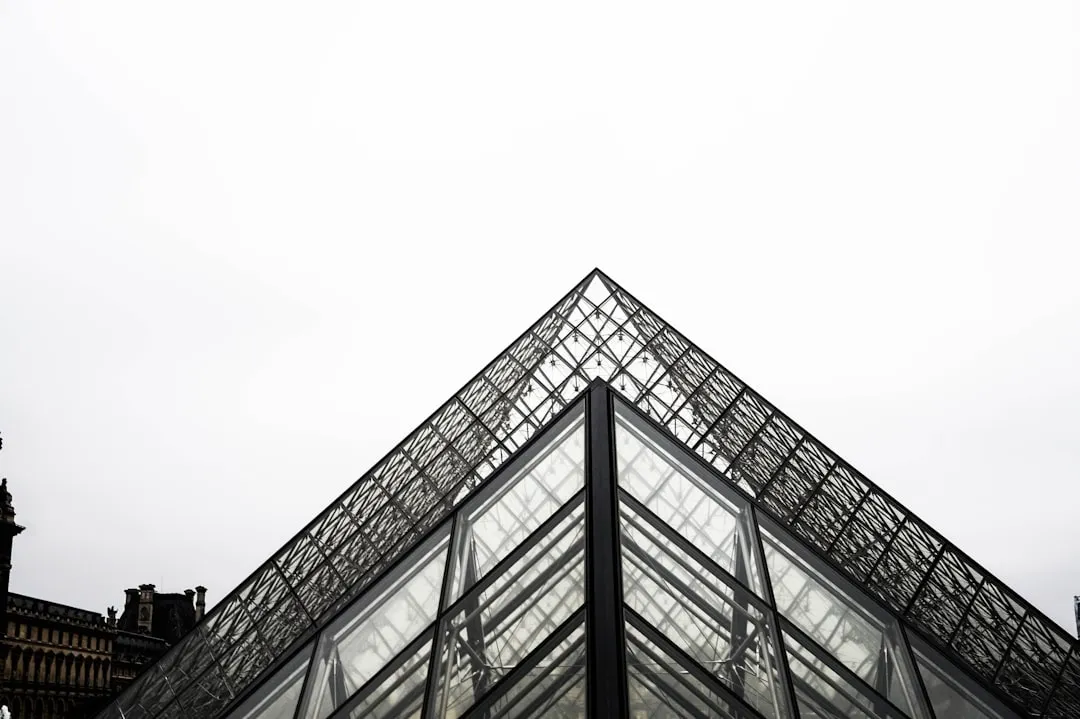
Located in Tacoma, Washington, the Museum of Glass is a premier contemporary art museum dedicated to glass and glassmaking, operating the West Coast’s largest and most active museum glass studio. The Museum has established a reputation for hosting impactful artist residencies, organizing nationally traveling exhibitions, and creating unique programs for visitors.
Visitors can watch talented artists create pieces from molten glass at the museum’s Hot Shop, which is set inside a distinctive 90-foot tall stainless steel cone – a defining feature of the museum’s architecture. The museum is also connected to downtown Tacoma by the remarkable Chihuly Bridge of Glass, a 500-foot long walkway featuring three colorful glass installations.
As of 2026, the Museum of Glass has begun construction on a capital renovation project, so it is worth confirming the current status of galleries before visiting. Visitor reviews from April 2026 note that some galleries are closed during the renovation, though the museum remains open, with free admission on the third Thursday of each month, and a full reopening expected in fall 2026.
Milton, West Virginia: Where American Hand-Blown Glass Found Its Home
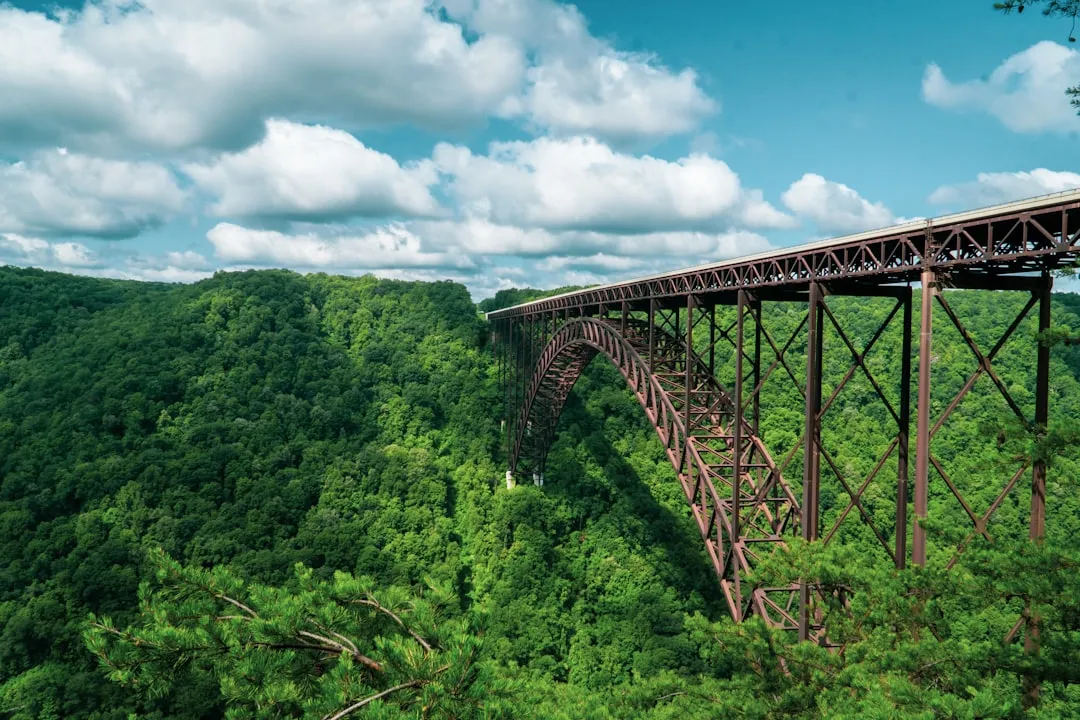
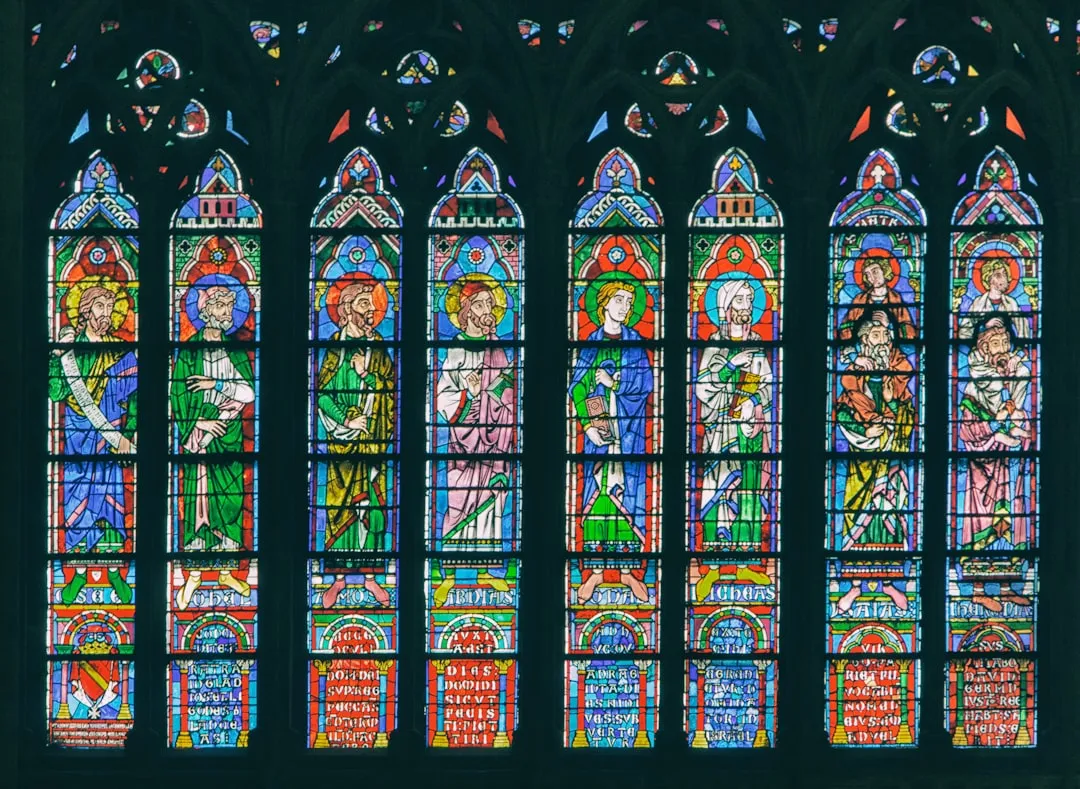
Blenko Glass Company, located in Milton, West Virginia, is a family-owned glass factory specializing in hand-blown sheet glass, architectural glass, and tableware. Founder William J. Blenko began making colored plate glass for use in stained glass windows in 1893 and established the Milton operation in 1921.
The largest of West Virginia’s surviving glassmakers, Blenko’s skilled artisans still craft colorful handmade glassware in much the same way it’s been done for over a century, within a multi-building complex that includes a factory, offices, a warehouse, and a two-story visitor center. Blenko’s sheet glass has adorned places as prominent as St. Patrick’s Cathedral in New York.
Rich deposits of natural gas and silica, along with access to river and railroad transportation, helped make West Virginia a locus of glass manufacturing after the Civil War. By the early 1900s, nearly 500 glass factories were operating in the tristate region encompassing neighboring parts of Ohio and Pennsylvania. By 2009, fewer than a dozen companies were still producing – and Blenko remains one of the last.
The Festival of Glass in Milton: A Town-Wide Celebration
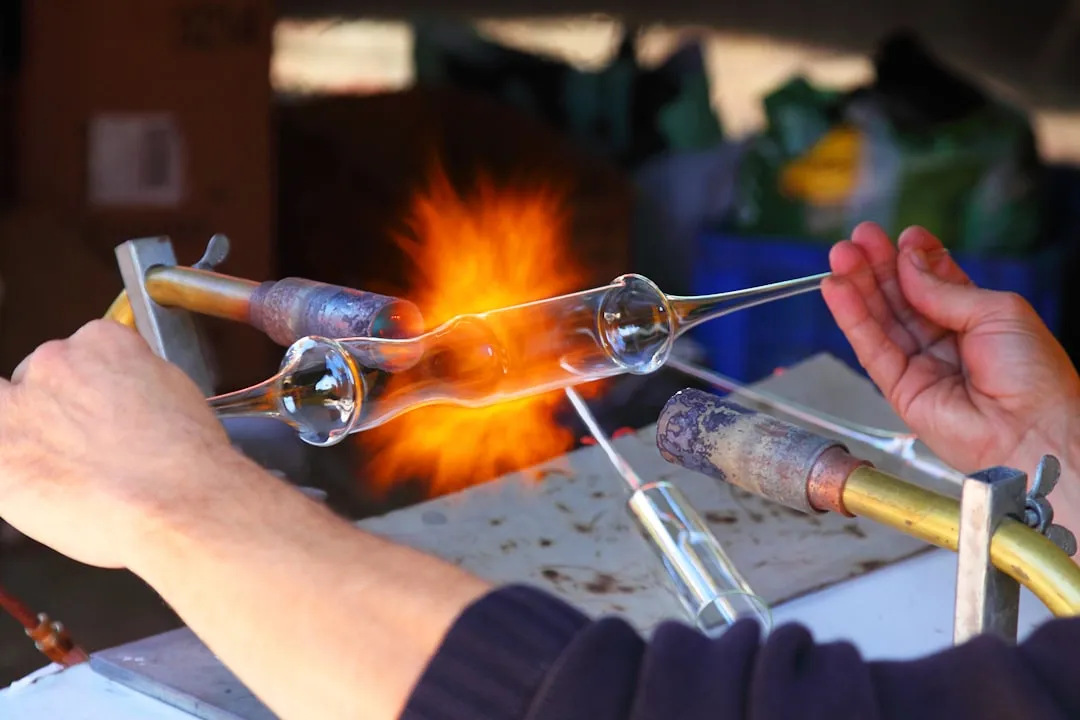
Blenko Glass Company hosts its annual Festival of Glass, a public event that celebrates West Virginia’s glassmaking heritage at its factory in Milton. The company offers free on-the-hour factory tours for guests aged 14 and over, along with opportunities to watch glass being made from an Observation Deck on the hot shop floor.
The festival weekend includes classes and hands-on experiences with glass, exciting demonstrations from guest artists and designers, a vintage sale, and food trucks. It’s one of the more genuinely communal events in American craft culture – a small town that takes visible pride in something it has been doing for over a century.
What to Expect When You Watch a Live Demonstration
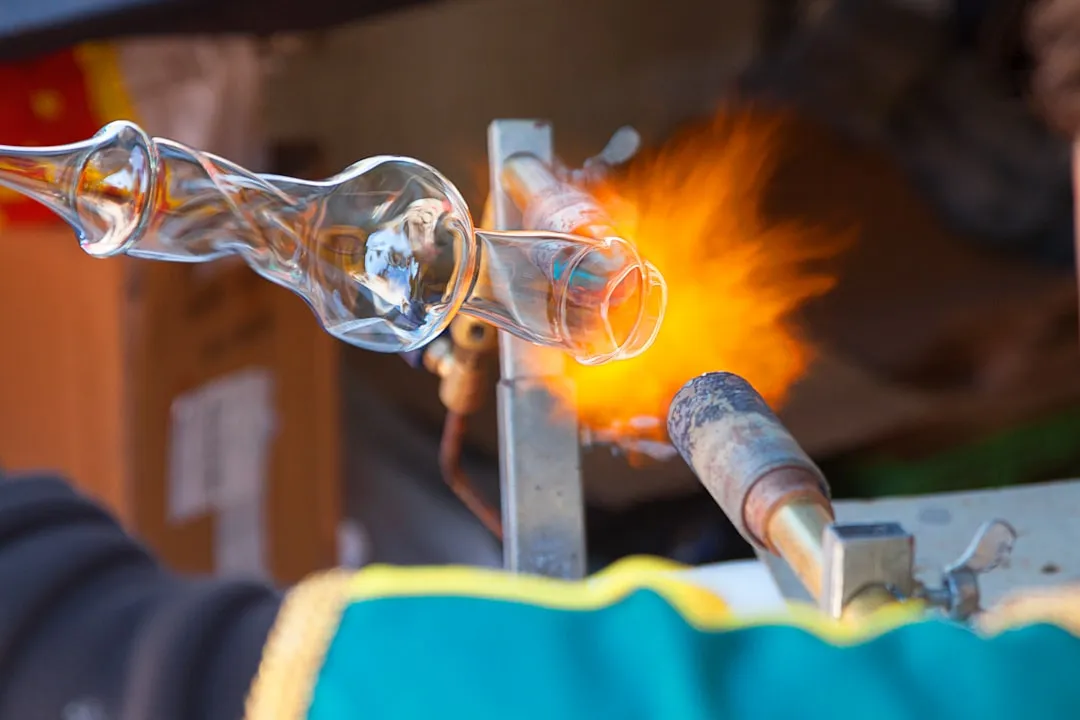
Glass works between roughly 700 and 1,200 degrees Celsius when it’s in a workable molten state. The furnace heat in a hot shop is real and immediate – you feel it standing several feet away. This is part of what makes watching a live demonstration so viscerally compelling compared to seeing finished objects in a display case.
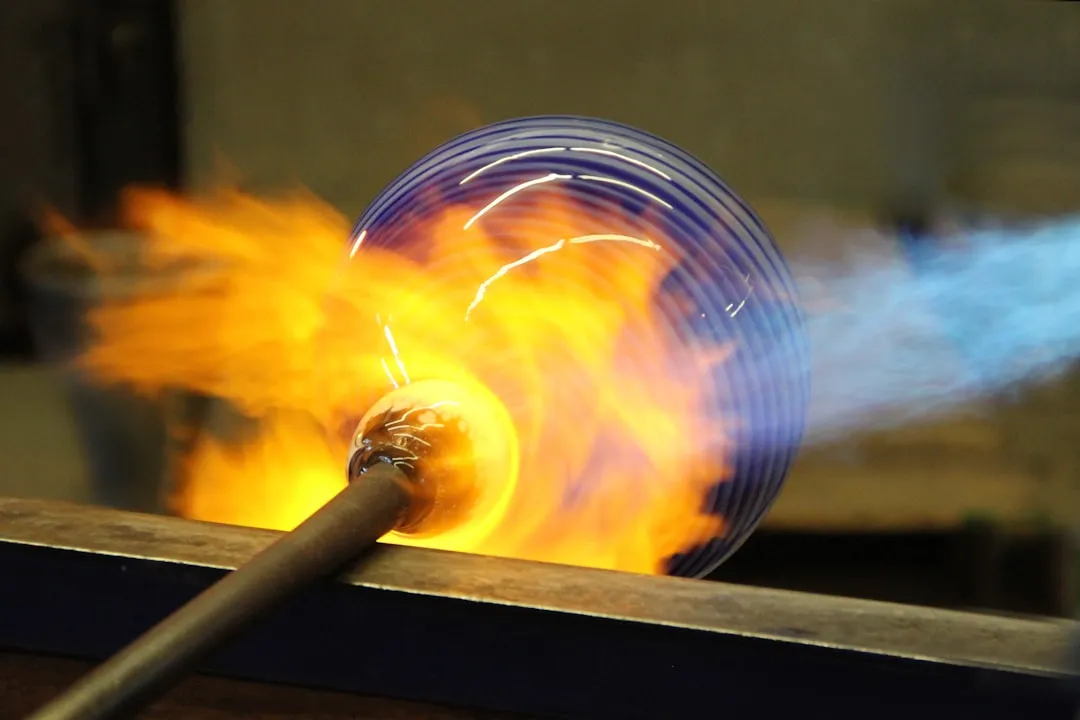
Live glassblowing demonstrations are educational experiences that provide insight into working with various hot glass techniques. Narrated by a glass professional, they offer an informative look at what glass is, how it behaves at high temperatures, and how artists manipulate it to create works of art. Most professional venues provide seating, and the narration helps visitors understand what would otherwise seem almost impossibly fast and instinctive.
Demonstrations typically last between 20 and 45 minutes depending on the complexity of the piece being made. At larger venues like the Corning Museum, visitors should plan for three to four hours to take in everything the museum offers, including several live demonstrations running through the day. Make-your-own glass experiences tend to sell out, so booking ahead is strongly recommended.
Practical Tips for Visiting a Glassblowing Town
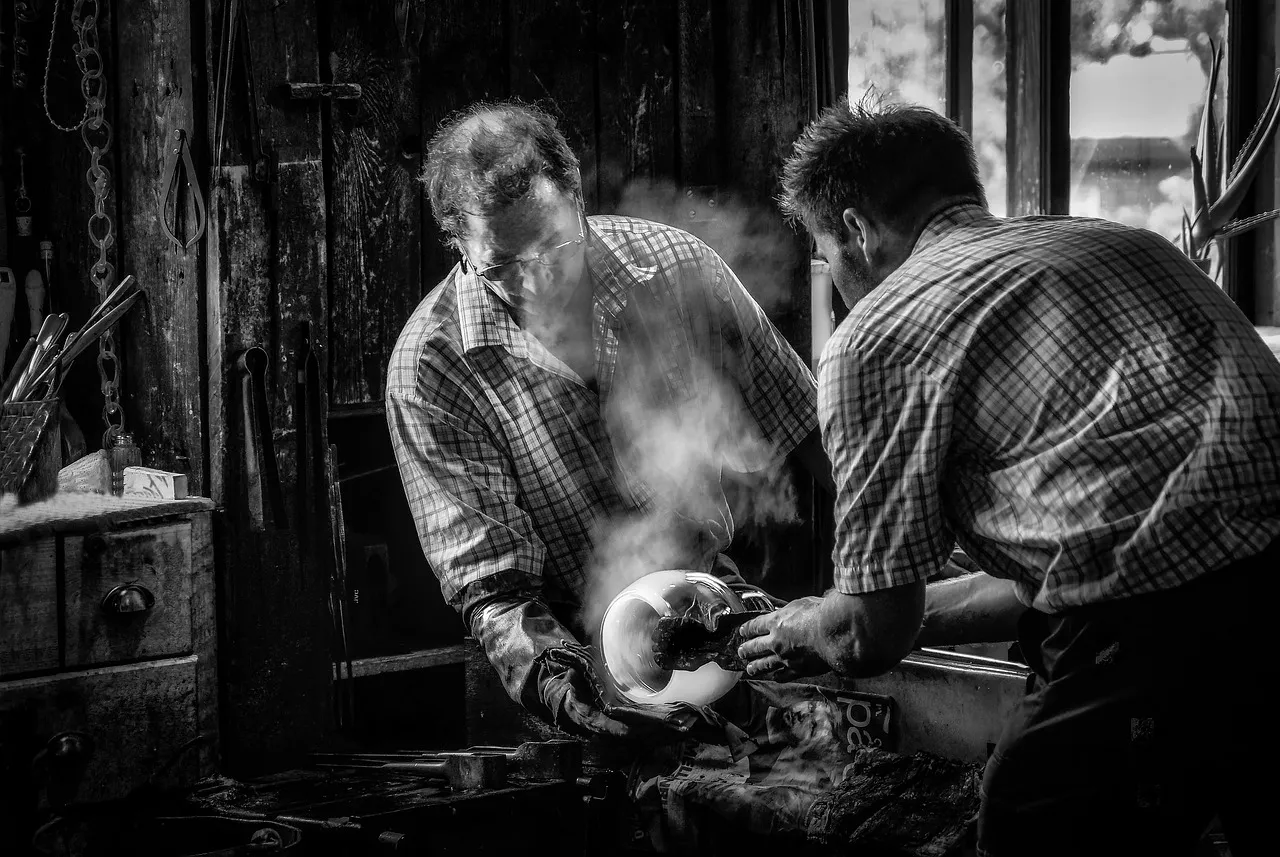
Wear layers, especially in summer. The areas adjacent to working furnaces can be significantly warmer than the surrounding space, and you’ll want the option to peel off a layer when you get close. Comfortable shoes matter too – factory floors and cobblestoned European islands both reward sensible footwear.
If visiting Murano specifically, you need to know in advance where demonstrations actually happen, or book a visit that includes one. Glassblowing takes place in working factories, which are not designed for casual drop-in visitors. The average starting cost of a paid Murano glass factory tour is around €30 per person, though options vary considerably by format and group size.
For American destinations, check the specific venue’s schedule before you arrive. Demonstration times at museums like Corning and Tacoma are posted in advance, and popular time slots fill quickly during peak travel months. Many studios also offer hands-on participation classes, which tend to be more memorable than passive viewing for those willing to try.
Why Glassblowing Towns Endure as Travel Destinations
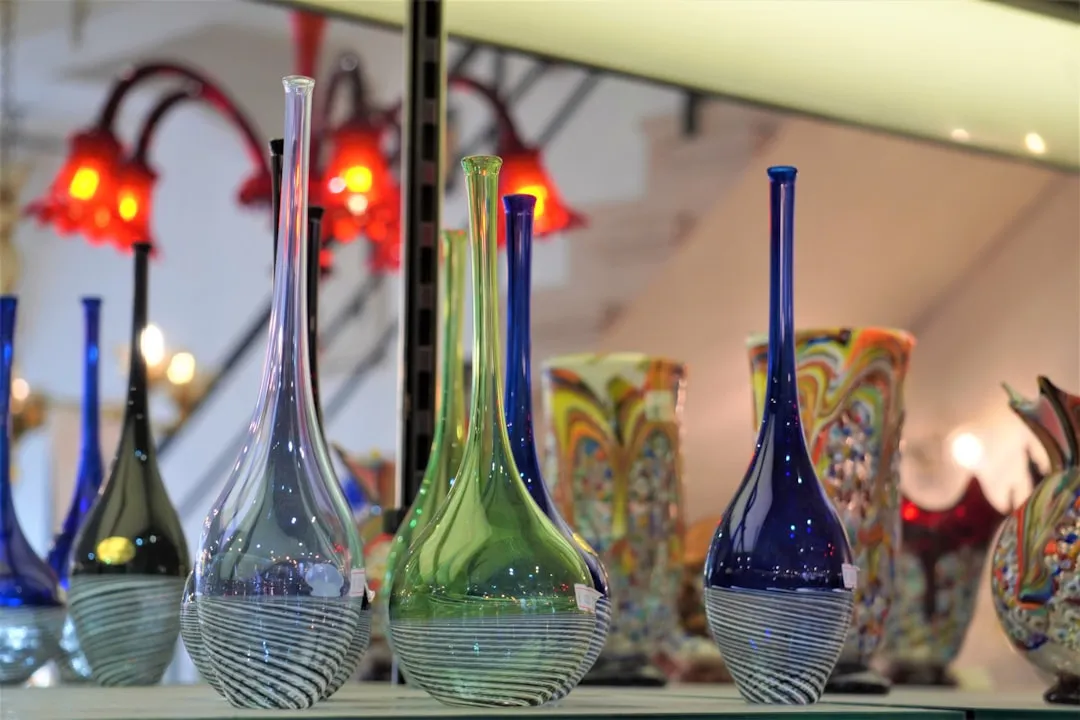
There’s a reason these towns continue to draw curious travelers year after year, even in an era when almost anything can be streamed on a screen. The experience of watching molten glass being shaped by human breath and hands is one that genuinely resists digital reproduction. The heat, the rhythm, the physical skill, and the impermanence of each piece as it cools and becomes permanent – none of that translates fully through a camera lens.
The Corning Museum of Glass, celebrating 75 years as the foremost authority on glass, is home to the world’s most important collection of glass, including the finest examples of glassmaking spanning 3,500 years. That kind of depth of institutional knowledge, combined with living artisans still practicing the craft in public, creates something rare in modern tourism: a destination where history and the present moment occupy the same physical space simultaneously.
From the lagoon islands of Venice to the Ohio River valley and the Pacific Northwest coast, glassblowing towns offer a particular kind of travel experience – one rooted not in spectacle, but in genuine skill passed carefully from one generation to the next. The craft is patient. So is the reward of watching it unfold.
The Takeaway
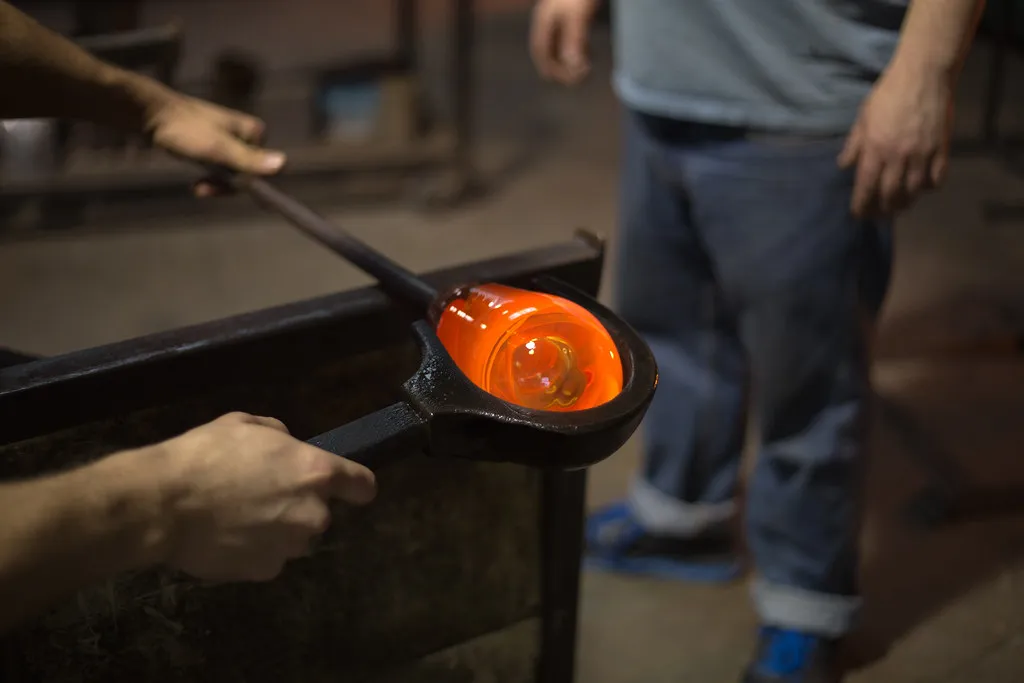
Molten glass has been shaped by human hands for thousands of years, and the towns that have kept this tradition alive are doing something quietly remarkable. They’re preserving a form of making that is irreducibly physical, irreducibly human, and impossible to automate without losing what makes it worth watching in the first place.
Whether you plan a day trip to Murano from Venice, make the journey to Corning in the Finger Lakes, or drive through the hills of West Virginia to Milton, each of these destinations offers something that goes beyond a tourist attraction. They offer access to a living craft – and that, more than any finished piece on a gallery shelf, is the real reason to go.
AI Disclaimer: This article was created with the assistance of AI tools and reviewed by a human editor.