


Most people picture mountain towns covered in snow. Ski lifts, après-ski cocktails, frozen waterfalls. That’s the postcard version. But come June, something remarkable happens in these places. The slopes turn into wildflower meadows, the trails open up, the light lasts longer, and the whole character of the landscape shifts into something softer and more alive.
Summer in a mountain town is its own thing entirely, and it deserves far more attention than it usually gets.
1. Telluride, Colorado: A Box Canyon That Blooms
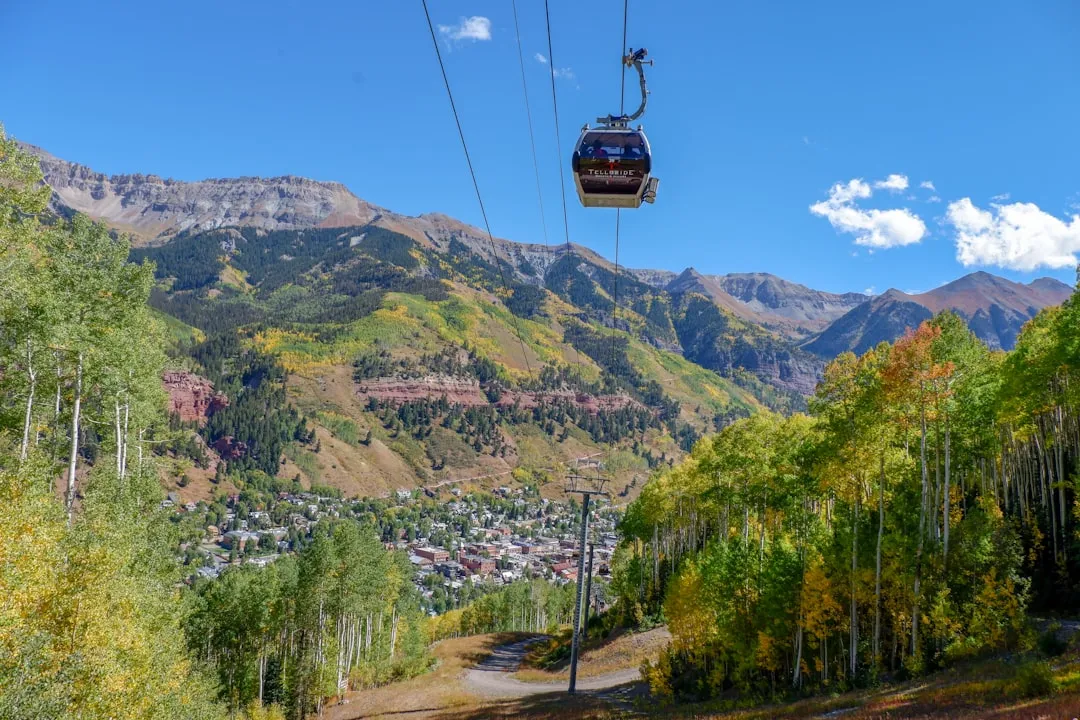
The town of Telluride is tucked into a box canyon surrounded by 13,000- and 14,000-foot peaks, just eight blocks wide and twelve blocks long. In winter, that geography means dramatic skiing. In summer, it means you’re essentially living inside a painting, with wildflowers running up the canyon walls and waterfalls visible from Main Street.
Because of its significant role in the history of the American West, Telluride was designated a National Historic Landmark District in 1964. Colorful Victorian-era homes, clapboard storefronts, and historic buildings now mix with boutiques, art galleries, gourmet restaurants, and luxury hotels.
Telluride and Mountain Village are linked by a spectacular, 13-minute ride on a free gondola, the first and only free public transportation system of its kind in North America. From hiking Wilson Peak to tubing down the San Miguel River and cycling all around the San Juan Mountains, there’s something for every outdoor enthusiast. The summer festival calendar here is relentless in the best possible way, drawing visitors who never once think about ski season.
2. Stowe, Vermont: New England’s Green Mountain Jewel
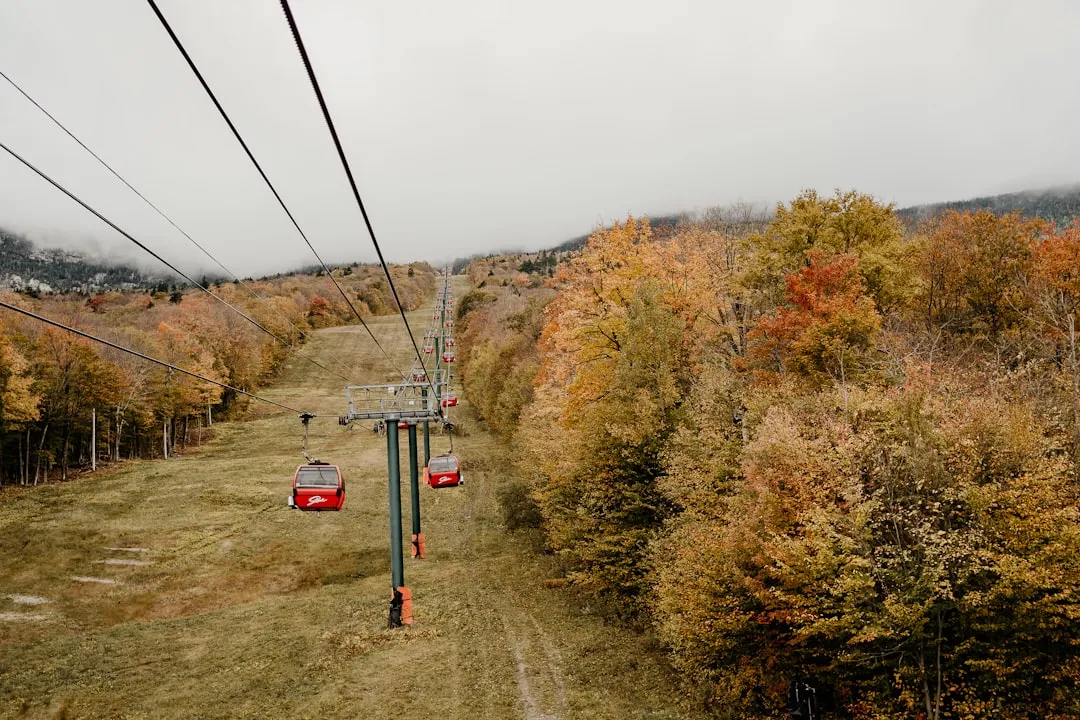
Stowe Mountain Resort, nestled in Vermont’s Green Mountains, transforms into a summer paradise with scenic gondola rides, miles of hiking, and breathtaking views from Mount Mansfield, Vermont’s highest peak. The transition from ski town to summer retreat is seamless here, and the pace of things shifts into something genuinely relaxed.
Stowe should be on your radar as one of the best mountain towns to visit if you want to hike to a waterfall in the warmer months, bask in fall foliage during autumn, and, of course, go skiing during peak season. Summer is arguably the most photogenic season of all.
Summers in this adorable Vermont town are relaxed and delicious. Don’t leave without checking out one of the outstanding microbreweries. Stowe sits in a valley between the Green Mountains and the Worcester Range, which means the surrounding terrain is lush, layered, and constantly surprising. It’s the kind of place that rewards slow exploration.
3. Banff, Alberta: The Canadian Rockies at Their Most Vivid
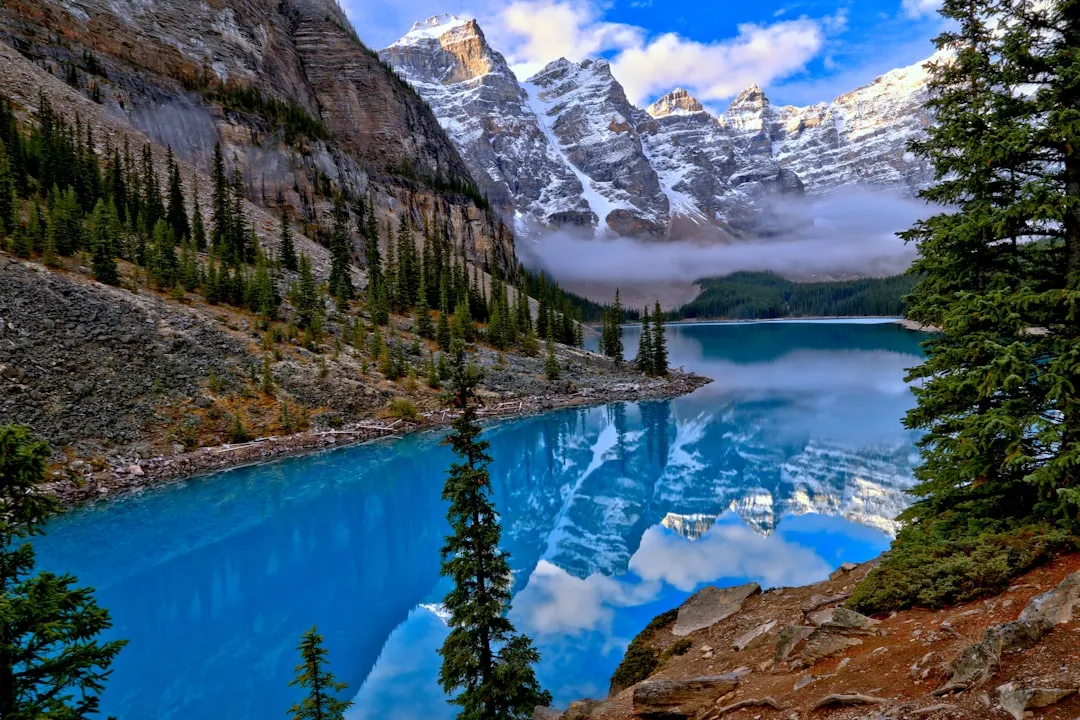
Nestled in the Canadian Rockies, Banff offers a refreshing escape with its pristine natural beauty. The town is a gateway to Banff National Park, known for its stunning glaciers, hot springs, and wildlife. In summer, the turquoise lakes thaw out and take on that impossibly bright color that makes every photo look edited.
Banff National Park saw a record-breaking 4.1 million visitors in 2023, and 2024 was set to be even busier. That level of interest is no surprise when you consider what summer here actually looks like: glacial rivers, flower-covered meadows, and elk wandering near town center.
From the Nightrise experience at the Banff Gondola to an expanding network of e-bike trails, Banff in Alberta continues to evolve while preserving its timeless natural wonders. Banff’s vibrant downtown, with its boutiques and cafes, provides a charming contrast to the wilderness. It’s a rare place where a gourmet dinner and a wildlife sighting can happen on the same evening.
4. Jackson Hole, Wyoming: Wild West Meets Wilderness
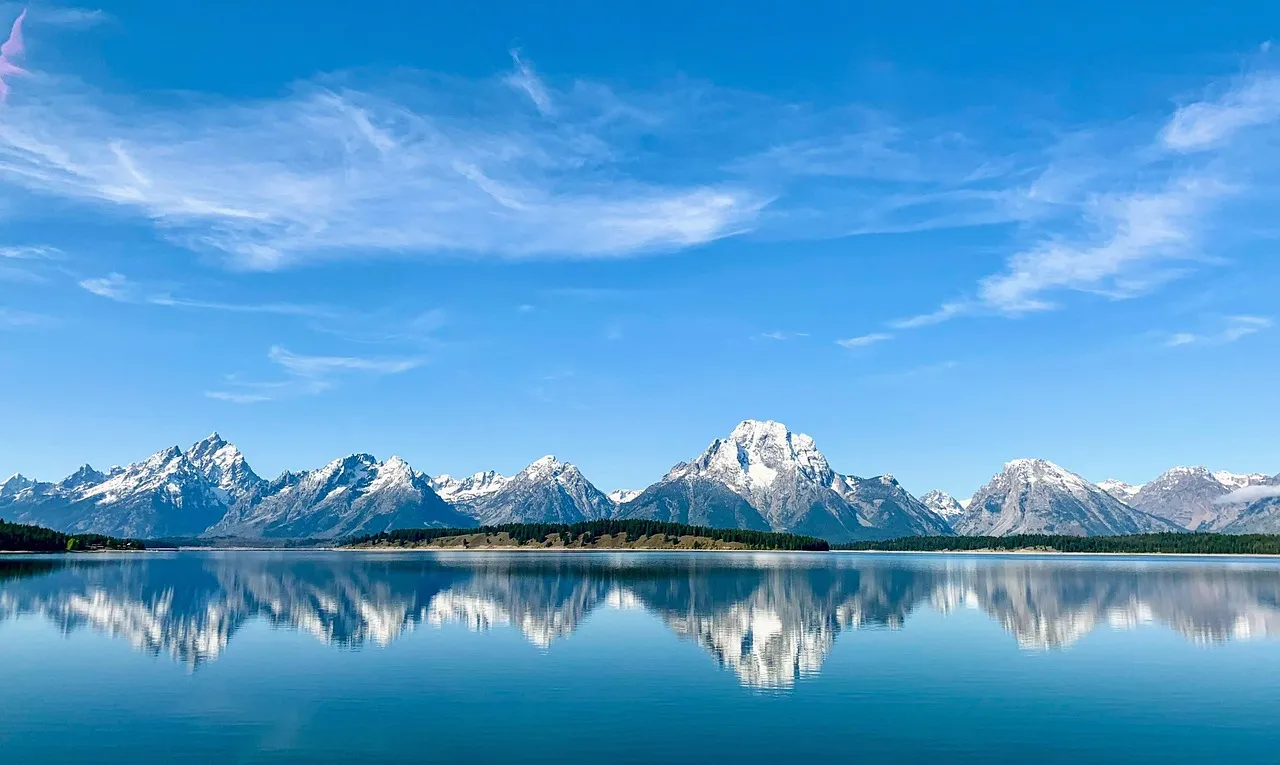
Sitting at the base of the imposing Tetons at just above 6,000 feet, Jackson Hole is both gorgeous and primely located near Grand Teton National Park and Yellowstone National Park. Summer here is genuinely different from anywhere else in the American West. The landscape is that dramatic.
U.S. News and World Report named Jackson Hole one of the Best Family Vacations in the USA for 2024. A Jackson Hole summer really comes alive from June through early September, offering all manner of activities and adventures throughout the valley and in Grand Teton National Park.
Grand Teton Music Festival musicians have been bringing the finest classical music from around the nation to the Jackson Hole Valley since 1962. Over 250 classical musicians from more than 84 different orchestras and 72 institutions of higher learning in North America and Europe participate in the summer festival. A classical music festival set against the Tetons is exactly the kind of detail that makes Jackson Hole feel like it exists on its own terms.
5. Queenstown, New Zealand: Summer From the Other Side of the World
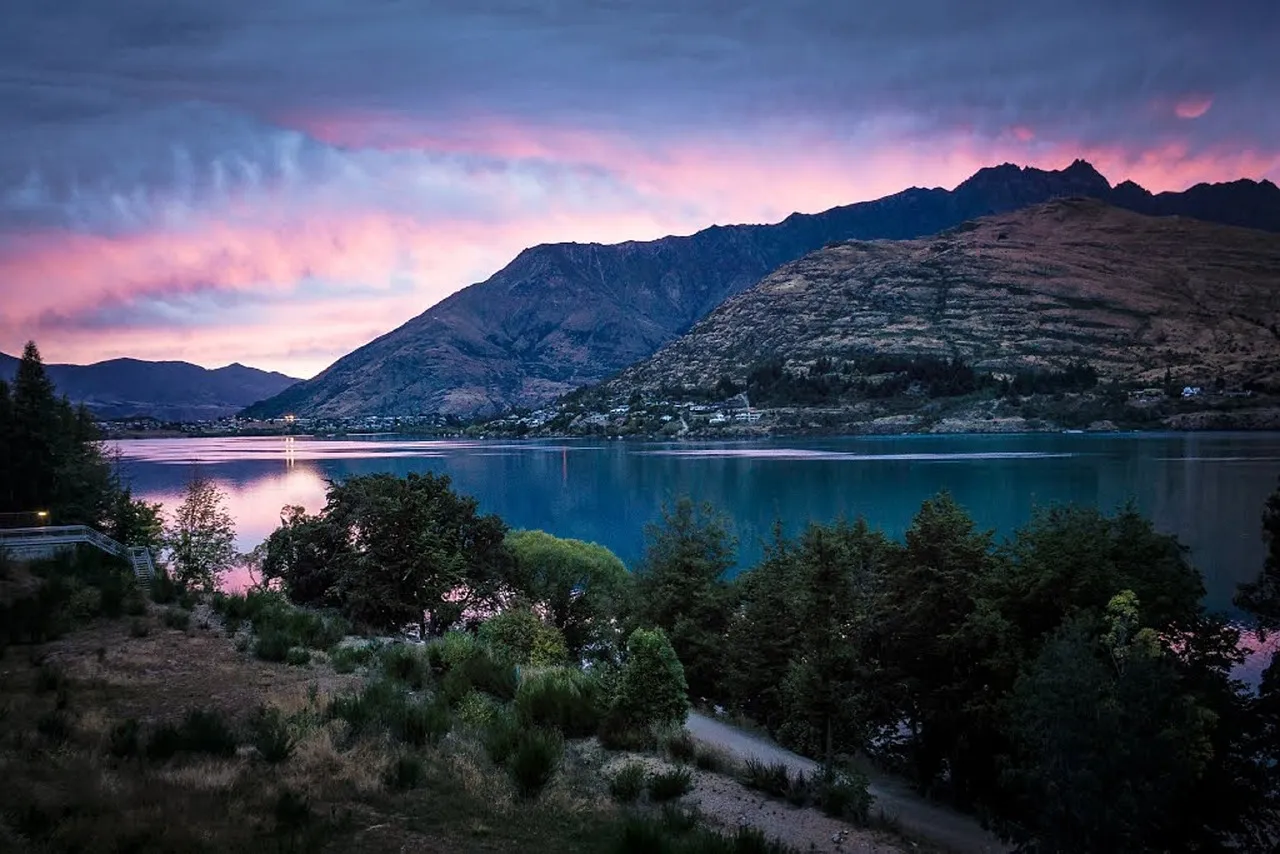
Queenstown is a major destination for adventure tourism, offering activities such as bungee jumping, skiing, and jet boating. In the Southern Hemisphere, summer runs from December through February, which means December in Queenstown is warm, long-daylight, and festival-ready.
Queenstown welcomed 412,897 international visitors in 2024. This number reflected an increase from the 368,045 arrivals in 2023 and surpassed the pre-pandemic peak of 324,079 arrivals recorded in 2019 by nearly 28 percent. Those numbers reflect something real: word is clearly out about this place, and it keeps drawing people back.
In the 2025 Travel and Leisure World’s Best Awards, Queenstown was ranked 4th best city in the Australia, New Zealand, and South Pacific region, and was inducted into the Hall of Fame for achieving consistently high scores over three years. Visitors spent approximately $2.83 billion during their visit to Queenstown in the year ending March 2025. The scenery surrounding Lake Wakatipu and the Remarkables mountain range is, quite simply, hard to argue with.
What Makes Mountain Towns So Special in Summer?
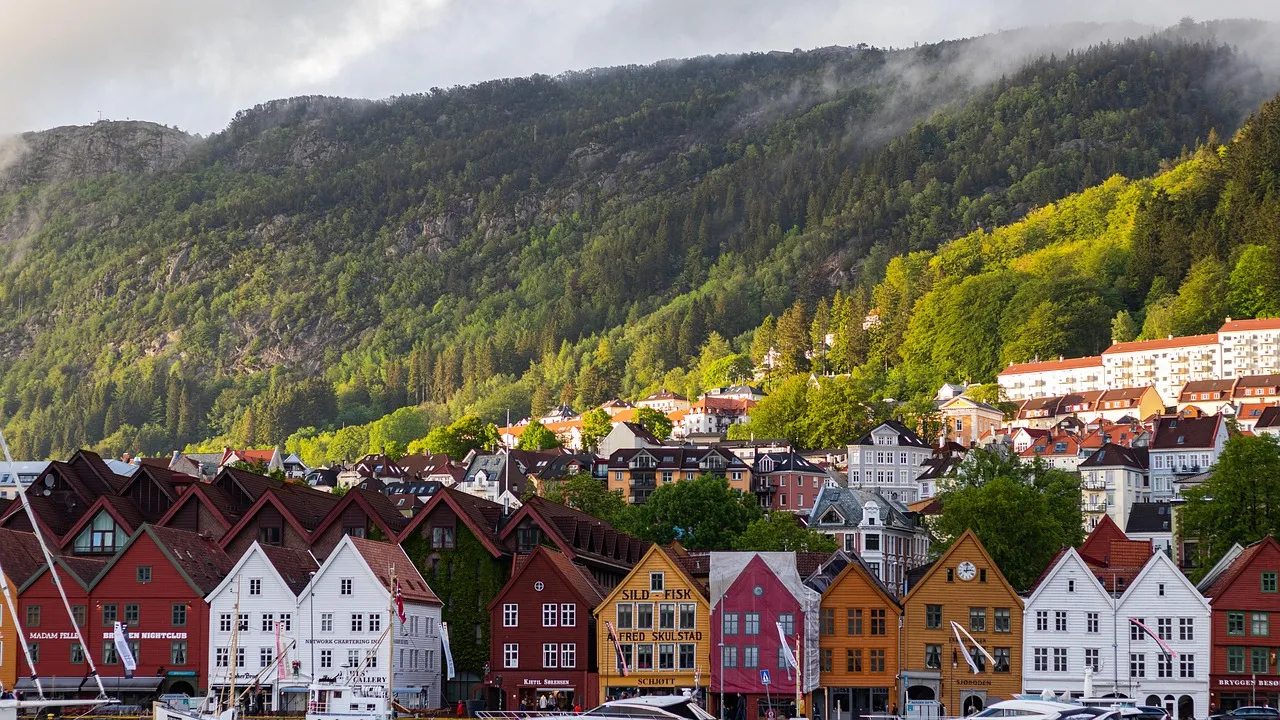
Mountain vacations are especially wonderful in the summer. With warm weather, longer days, and comfortable temperatures, conditions are perfect for hiking, biking, trail running, fly fishing, rafting, or just relaxing with stunning vistas. The seasonal contrast is part of what makes it feel like a discovery, even in well-known places.
Mountain towns are also great places to just take it easy and enjoy picturesque surroundings. Offering world-class food and libations with unmatched ambiance, the perfect mountain town provides an ideal way to escape the daily grind and relax.
There’s also something about the scale of these places. They’re small enough to feel genuinely personal, but surrounded by landscapes that dwarf you completely. That combination is rare, and summer is when it’s most accessible to the most people.
Planning Around Altitude and Crowds
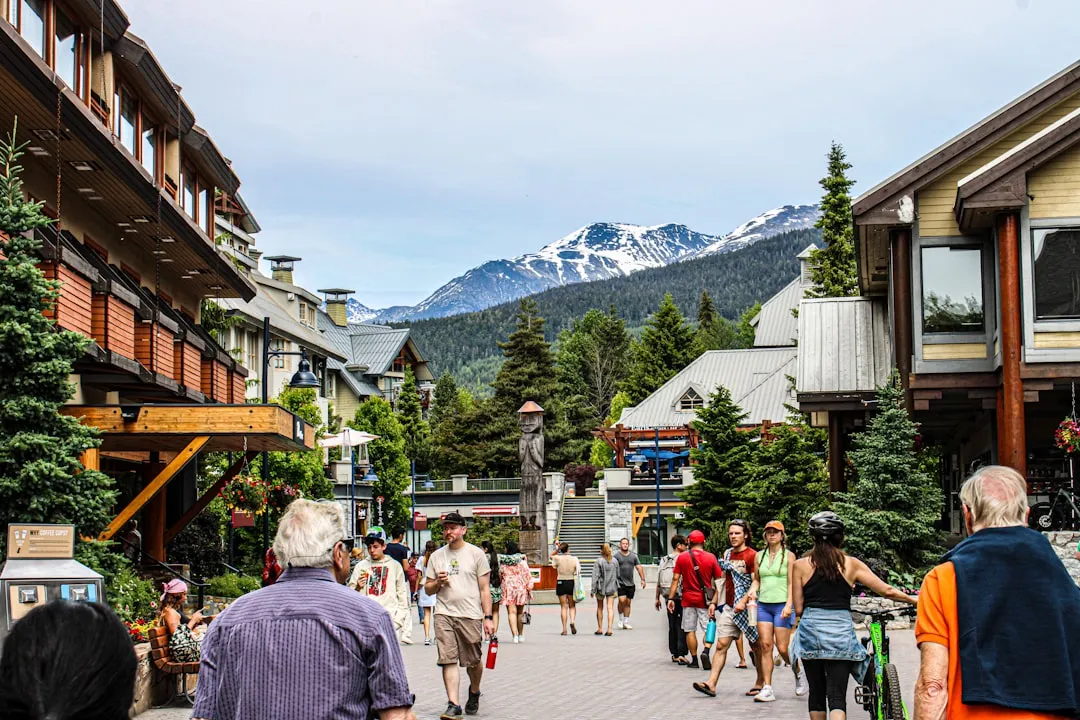
Regardless of which mountain town you choose, be sure to prepare yourself for high altitudes. Ascending gradually, being well hydrated, and prioritizing rest may help prevent altitude sickness. Wearing sunscreen to avoid sun damage, particularly while somewhere elevated, is another good idea.
Summer crowds are a real factor in popular mountain destinations. Banff, Queenstown, and Telluride all see their heaviest foot traffic between June and August, so booking lodging well in advance is less of a tip and more of a necessity. Shoulder weeks, like early June or mid-September, often offer the best balance of access and breathing room.
Many luxury resorts have more reasonable rates during the summer, and some even offer promos like stay three nights and get the fourth free. That’s worth keeping in mind if budget is a consideration, since some of these towns carry a reputation for being expensive that isn’t always the full picture.
The Culture Side: Festivals, Art, and Music
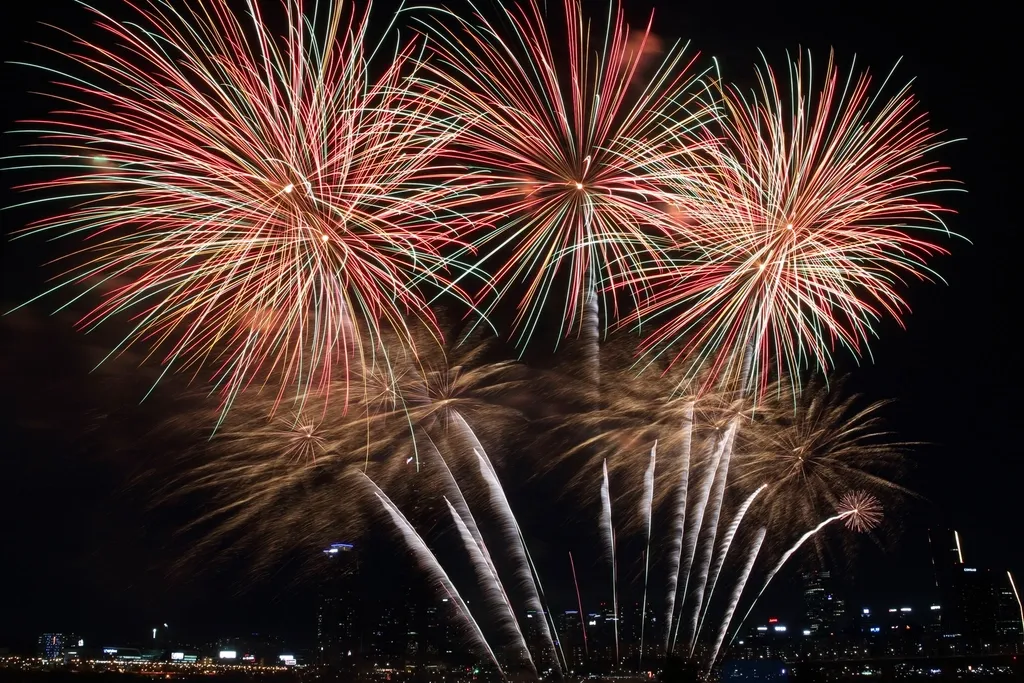
The outdoor beauty is one thing, but what separates truly great mountain towns from simply scenic ones is the cultural life that fills the warmer months. Summer festivals are practically a religion in many of these places.
The Grand Teton Music Festival in Jackson Hole spans eight weeks, featuring orchestral and chamber music performances, Gateway series concerts, special events, outdoor concerts, and free community events. Meanwhile, Telluride hosts everything from its legendary Bluegrass Festival to film and jazz events across the season.
To some, Telluride is known for world-class alpine skiing, and to others, summers full of cultural events and endless outdoor activities. That dual identity is exactly what makes places like this so enduring. They don’t need winter to justify themselves.
Wildlife and Nature: Summer’s Hidden Bonus
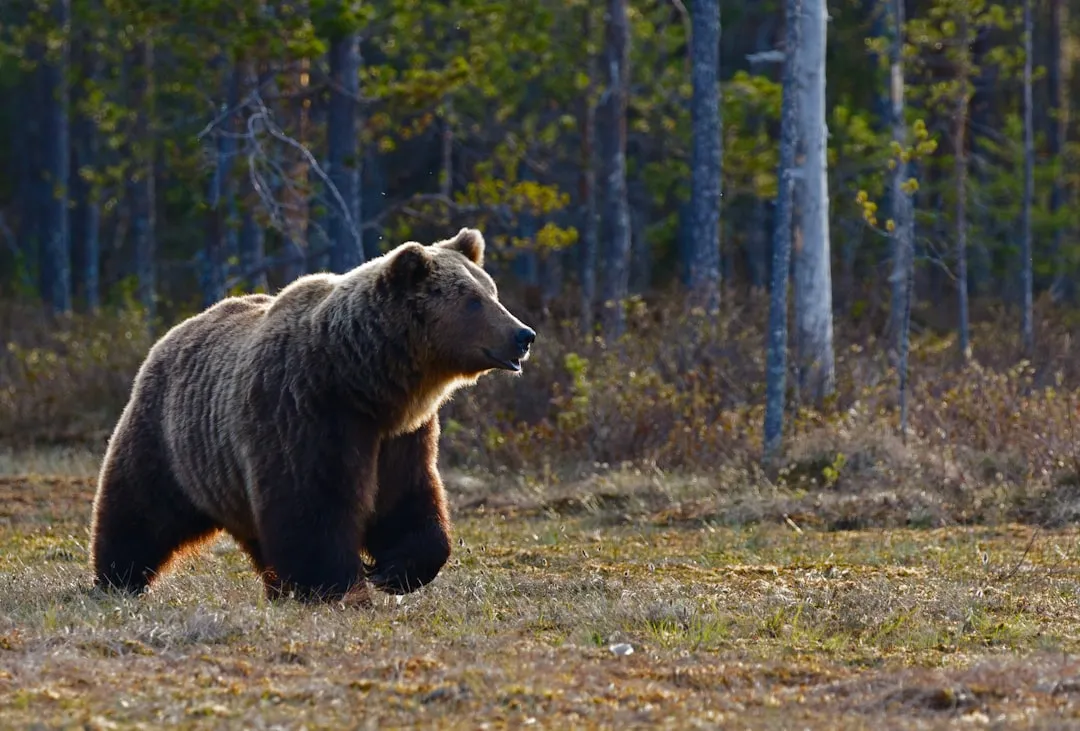
Wildlife is what brings the majority of visitors to the Grand Teton area. The Greater Yellowstone Ecosystem is the perfect place to view a variety of wildlife from bears, moose, and bison. Summer mornings in Jackson Hole can feel like a nature documentary that hasn’t been edited yet.
In Banff, grizzly bears, elk, and mountain goats become visible along roadsides and hiking trails once the snow recedes. Responsible wildlife viewing requires staying well back and moving slowly, but the reward is the kind of encounter you’ll talk about for years.
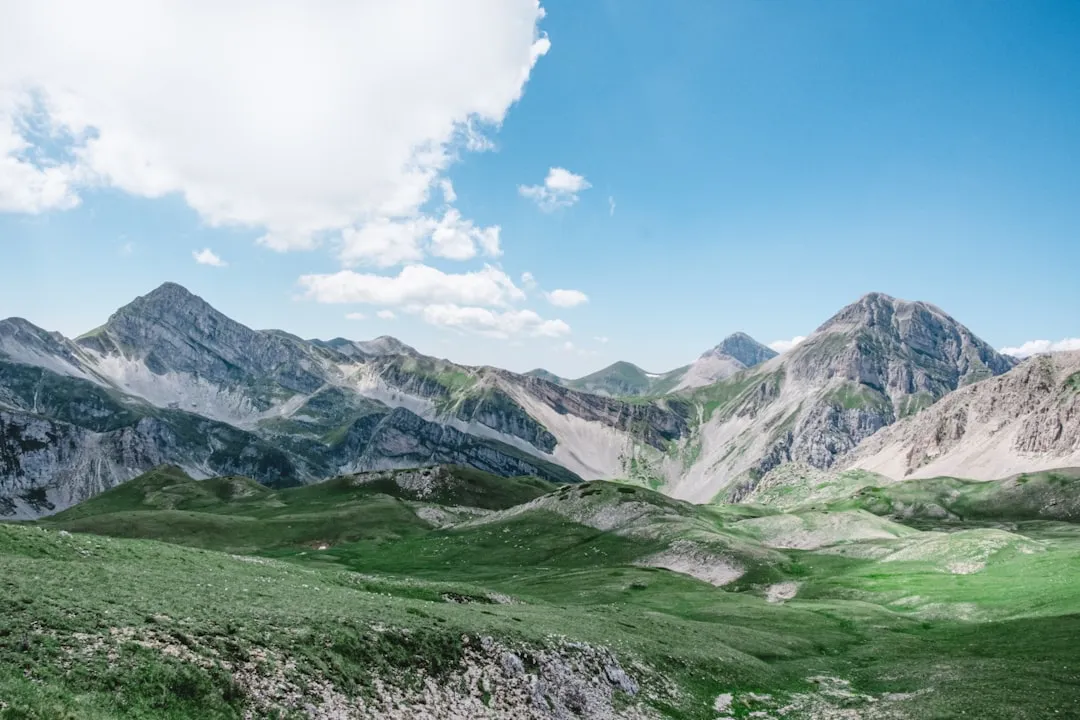
Queenstown offers its own natural drama, with the lake, surrounding peaks, and nearby Fiordland creating a layered ecosystem that changes character by the hour. A morning hike, an afternoon on the water, and a clear-sky evening watching the mountains turn gold is a perfectly complete day.
Accommodation and Access in Peak Summer Season
Getting to these destinations varies significantly. Telluride has a small regional airport with connections from Denver and Dallas. Jackson Hole has its own airport with direct flights from several major U.S. cities. Banff is accessible via Calgary Airport, roughly an hour and a half away. Queenstown has an international airport with direct flights from Australia and connections from major hubs.
Stowe is the most drive-friendly of the five, sitting within reasonable distance of Boston and New York. Only about 2,500 residents live in Telluride permanently, which adds to its appeal with visitors looking to get away from the hustle and bustle of larger resort towns. That intimacy is something you can feel almost immediately on arrival.
Across all five destinations, early booking matters more than almost anything else. Summer windows are short, demand is high, and the best properties fill months in advance. If you wait until May to plan a July trip to Banff or Queenstown, you’ll likely be disappointed.
Why Summer Might Actually Be the Better Season
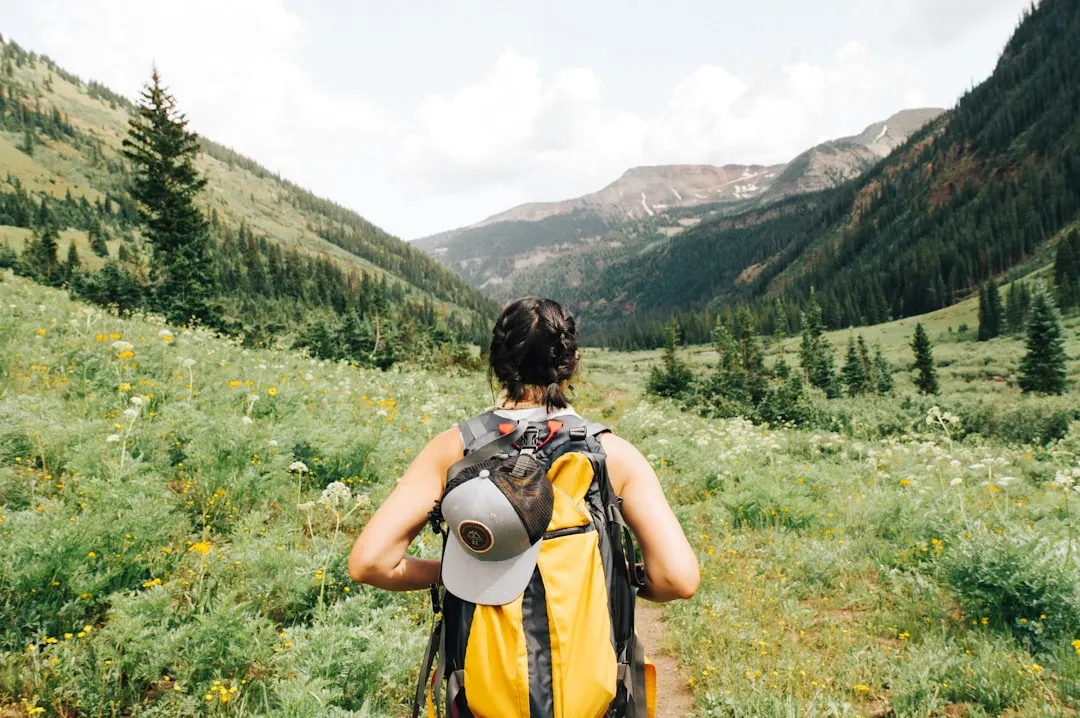
Mountain ranges are increasingly becoming a go-to travel destination as Gen Z and Gen X seek out treetop views and fresh mountain air. That interest extends well beyond ski season, and it’s reshaping how these towns think about their off-peak months, many of which are no longer actually off-peak.
The honest case for summer is this: the landscape is fully accessible, the weather is milder, the days are long, and you don’t need specialized gear to enjoy most of it. You can hike to a ridge that skiers dream of all winter, have lunch at altitude, and be back in town in time for dinner. That’s a genuinely compelling offer.
Winter will always have its loyal followers, and fairly so. Still, these five towns prove that the most beautiful version of a mountain landscape isn’t always the snowy one. Sometimes it’s the one covered in wildflowers, bathed in evening light, with a trail that’s finally, mercifully, clear.
AI Disclaimer: This article was created with the assistance of AI tools and reviewed by a human editor.