
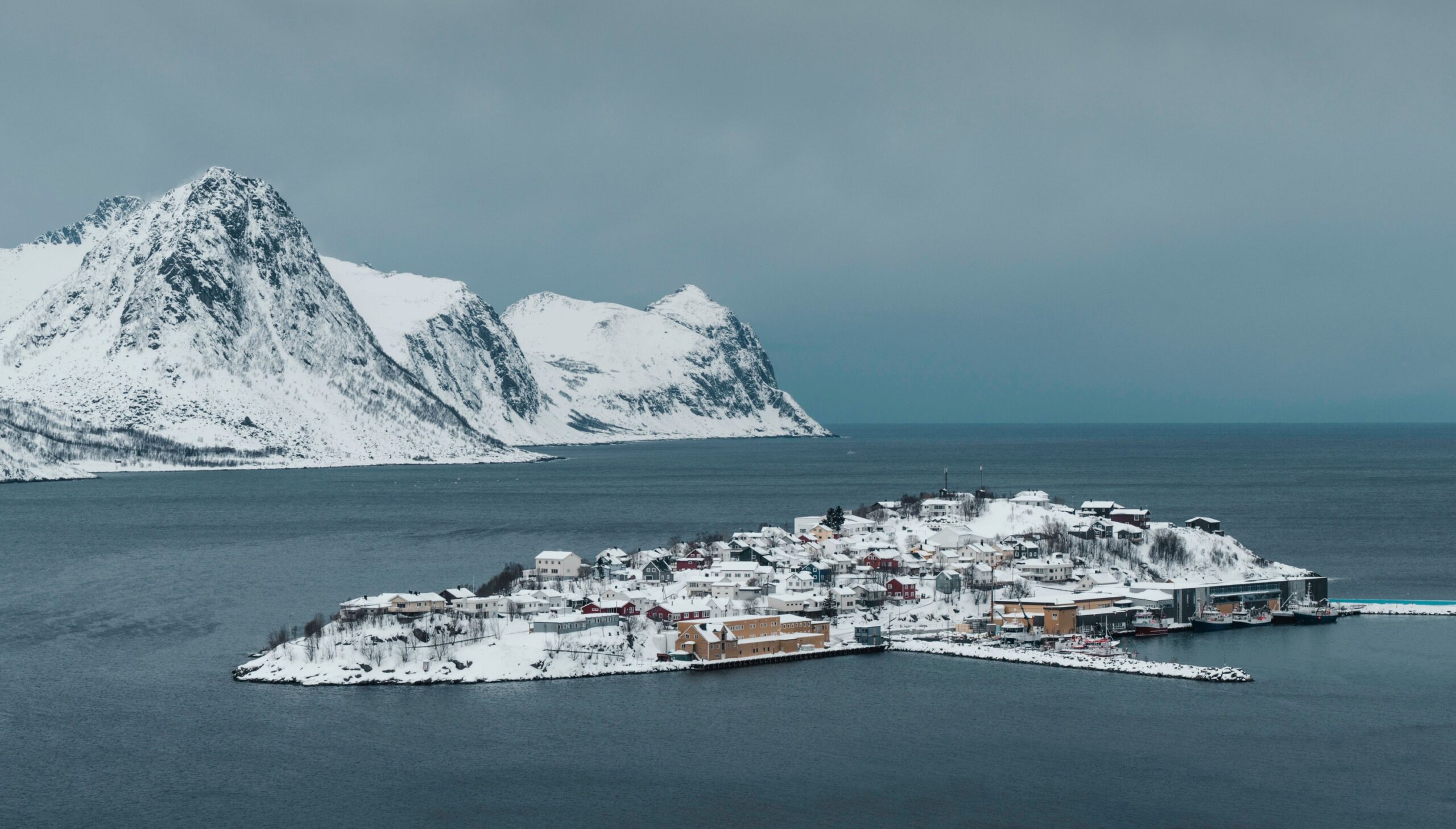

Every winter, in pockets of North America and beyond, something quietly extraordinary happens. Temperatures drop, lake surfaces harden over weeks of deep cold, and then people start moving in. Shanties appear first in ones and twos, then in dozens, then in hundreds, until an entire community has materialized on what, just weeks earlier, was open water. These are ice fishing villages, and they’re more than just a cold-weather hobby. They’re seasonal towns with their own roads, neighborhoods, social rhythms, and even a kind of civic pride.
The experience of visiting one is unlike almost anything else in winter travel. You drive out onto a frozen lake on a groomed ice road, park among a cluster of heated shelters, and suddenly realize you’re sitting in a living room that floats above several feet of ice and, beneath that, very cold, very alive water. Five destinations around North America do this better than almost anywhere else.
1. Sainte-Anne-de-la-Pérade, Quebec, Canada: The World’s Tomcod Capital

Fishing for tomcod, a fish also commonly known as “frostfish,” is a unique winter experience that happens in Sainte-Anne-de-la-Pérade, located about two hours from Montreal. Every year, as soon as the ice sets in, a magical village of little cabins pops up and welcomes anglers of all ages, from late December to mid-February.
Starting on December 26, the outfitters of Sainte-Anne-de-la-Pérade invite you to join the ranks of the roughly 100,000 anglers who come each season to fish for tomcod in the cottages set up on the ice. The fishing village has over 500 huts at its peak – no wonder it’s considered the Atlantic tomcod fishing capital of the world.
The discovery of tomcod in the Sainte-Anne River was a pure coincidence. On a cold and sunny winter morning in 1938, a villager was cutting large blocks of ice when he saw some fish dancing on the sandy river bed – and that’s when the great adventure began. The cabins are heated by wood-burning stoves, creating an atmosphere typical of Quebec winters.
At the height of the fishing season, the start alone can attract as many as 15,000 visitors and at least one million dollars in revenue. Fishing cabins come in a variety of sizes, some accommodating up to 25 people, making them ideal for families who choose to go fishing together. It’s a genuine community economy that springs up each December and dissolves again by February.
2. Lake of the Woods, Minnesota: Ice Roads That Stretch for Miles
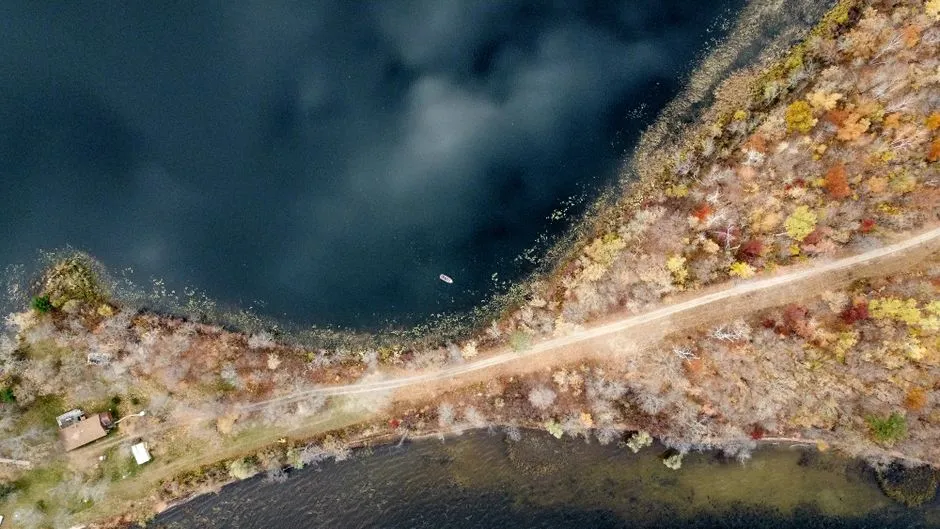
Lake of the Woods is a legendary fishery with over 14,000 islands and 65,000 miles of shoreline, home to thousands of fish. Sprawling across two provinces and nudging the US border, it transforms in winter into a glittering highway, with villages of pop-up shacks dotting the horizon.
Some ice roads during peak season extend more than 20 miles out, and with nearly 40 inches of ice in many areas, auger extensions become necessary for independent anglers. In extreme cold winters, semi-trucks haul supplies to Northwest Angle island resorts – a logistical feat that speaks to how seriously this frozen infrastructure is taken.
Lake of the Woods, Minnesota, regularly gets off to an outstanding start to the ice fishing season, with excellent fishing reports coming in from the South Shore, Rainy River, and Northwest Angle. The main catch includes walleye and saugers, but it’s not uncommon to reel in an occasional northern pike, eelpout, sturgeon, perch, crappie, or tullibee.
When most Minnesota lakes close in February, Lake of the Woods stays open, with fish houses allowed overnight through March 31 and walleye season running through April 14. It’s a social scene too – neighbors wave from nearby shelters, kids tumble in snowbanks, and snowmobile tracks stitch together a cheerful community.
3. Mille Lacs Lake, Minnesota: A Satellite City on Ice
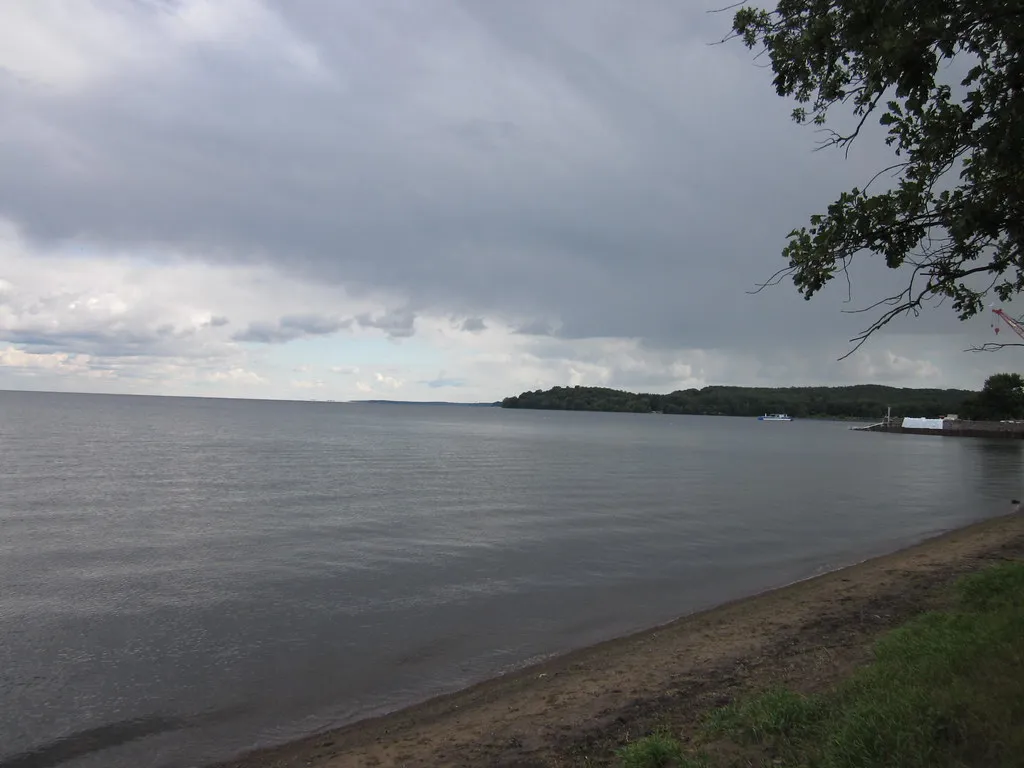
Mille Lacs Lake is a shallow, clear lake with abundant rocks and gravel beds. At 132,516 acres, it’s the second-largest lake in the state and also has plenty of frozen real estate for ice shanties. The number of ice houses on Mille Lacs Lake can exceed 5,500 during peak winter season, which is a staggering figure for what is essentially a temporary town.
What looks from above like a temporary geoglyph on the ice or a series of abstract doodles are actually ice roads on Mille Lacs Lake, providing a way for ice fishers to get to their ice shacks on the frozen lake, with some roads extending for a few miles. Even Landsat satellite observations have been used to track how these temporary villages and ice roads change over time on the large frozen lake.
With an average depth of 30 feet or less, it is ideal for walleye, crappie, and yellow perch action. The winter window starts in early December and continues through February when walleye season closes for spawning, with panfish available until the end of March depending on temperatures.
Imagine getting a community vibe out on the ice – there’s a patch with your name on it in this temporary village where some anglers sit cozily around their fishing hole while others stand on the glassy floor, swapping fishing stories or chatting about the grandkids. It’s an oddly warm place, even when it’s genuinely cold.
4. Lake of the Woods, Ontario and Manitoba: The Canadian Side of the Maze

The region’s mix of small towns, including Kenora and Sioux Narrows, gives the area an easygoing, outdoorsy feel. On the hardwater, the draw is variety and sheer possibility, with mornings often revolving around classic winter headliners like walleye and sauger. Come midday, yellow perch and slab crappie go after the bait, while flags and tip-ups can tempt northern pike and deeper stretches hold lake trout.
The Canadian side of Lake of the Woods offers a different character to its Minnesota neighbor, with the area’s wilderness feel amplified by fewer paved roads and more remote access points. The island geography creates natural shelter zones on the ice, and outfitters here tend to run smaller, more personalized operations.
Winter in the Great White North is more than a season – it’s a playground of frozen horizons and cabin-warm camaraderie. If you’re searching for the best ice fishing destinations in Canada, the country dishes up vast shield lakes, prairie reservoirs, and huge waters loaded with winter fish. The Ontario and Manitoba side of Lake of the Woods is one of the most compelling expressions of that promise.
5. Green Bay, Wisconsin: A Great Lakes Ice Town
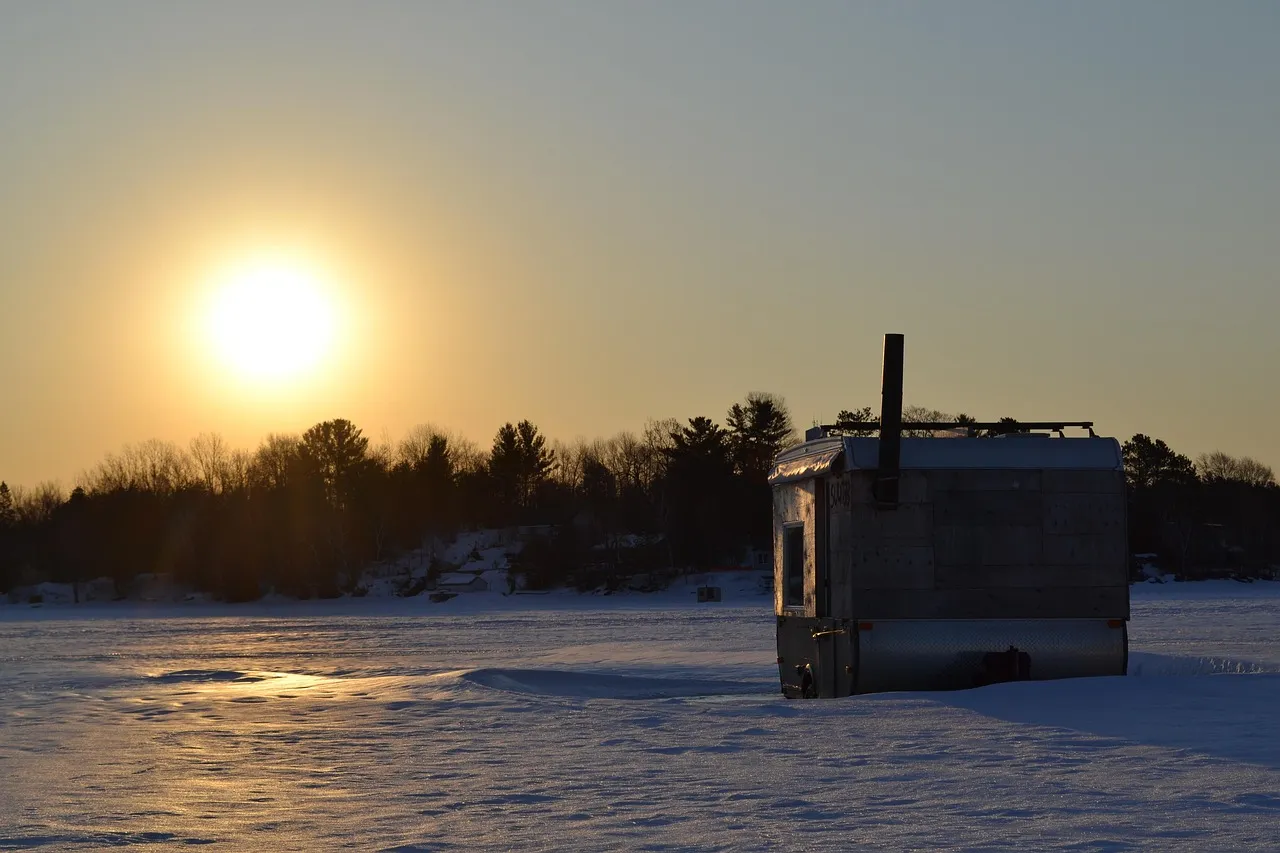
Green Bay is both the name of the city and the Lake Michigan bay it sits on. It’s a fun time to visit the lake since it basically turns into a little town as numerous anglers prop up their shanties across the frozen surface. The city may be primarily famous for the Green Bay Packers, but the waters it sits on are known as some of the best ice fishing grounds in the entire Great Lakes.
Much like in the rest of the Midwest, the ice in Green Bay typically gets thick enough around early January and remains so until mid to late March, giving anglers plenty of time to partake in the ice fishing bonanza. Green Bay is home to trophy walleye, delicious yellow perch, huge northern pike, and whitefish, all of which will bite during wintertime.
There’s lodging you can book right on the western shores of the lake, meaning you’ll be only a short walk away from the fishing grounds. The combination of an established city nearby and a wild, ice-covered bay just steps away gives Green Bay a unique dual character that few ice fishing destinations can match. Families can post up in a warm hotel and walk out each morning to their rented shanty as if heading to an office, just one that happens to be sitting over fifteen feet of frozen Great Lake.
The Infrastructure Behind the Ice
What makes these villages genuinely impressive isn’t just the fishing. It’s the engineering and logistics that appear every December and disappear every March. At some operations on Lake of the Woods, guests are transported to heated fish houses in track vehicles equipped with positive floatation and global positioning systems, with guides using GPS to position houses on exactly the right spots.
Ice roads require constant monitoring. Resorts and outfitters check ice daily, maintain ice roads and trails, and provide the safest access for guests. The thickness and load ratings of these roads shift week by week and sometimes day by day depending on temperature swings.
Sleeping on the Ice: The Overnight Experience
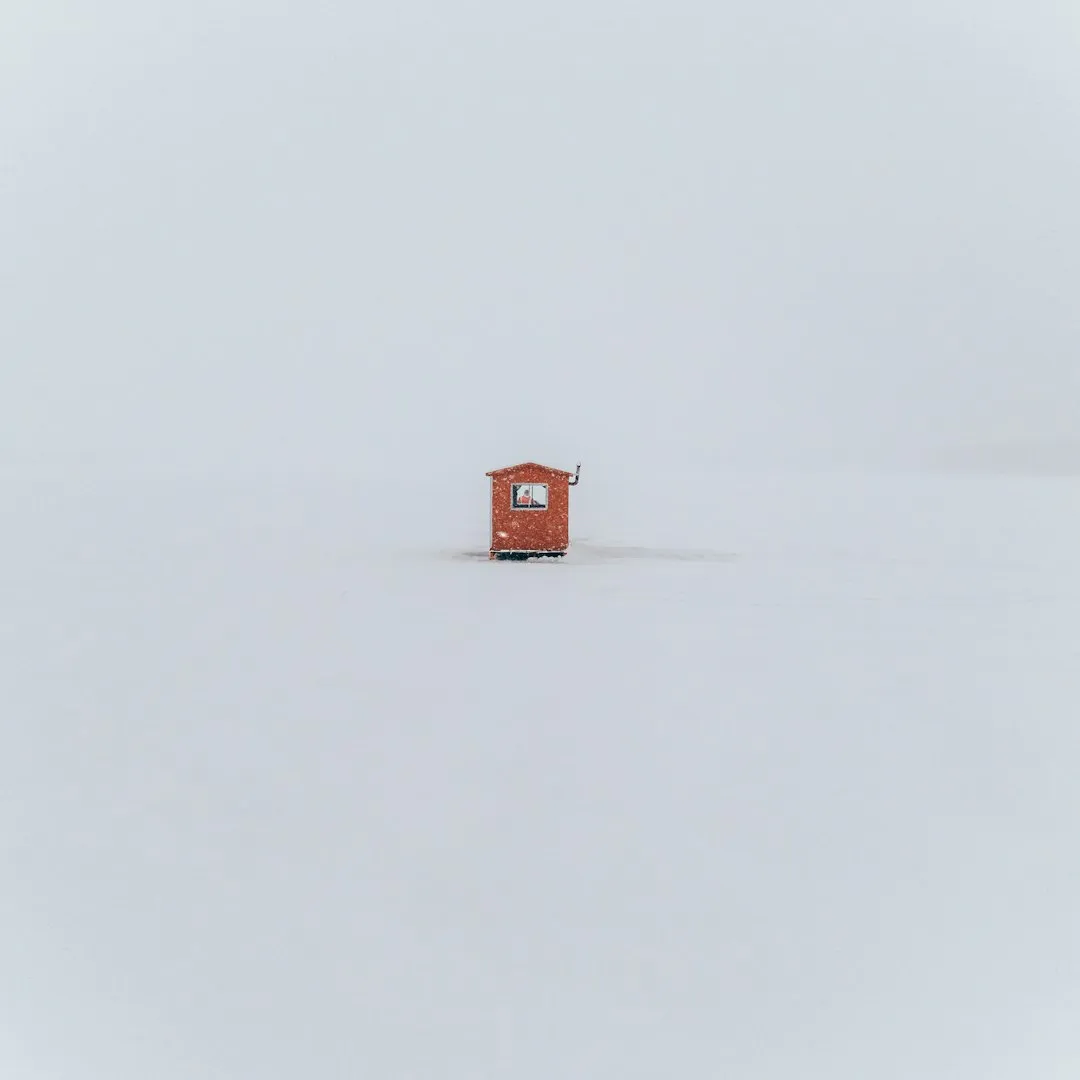
One of the more unusual offerings at many of these villages is the overnight fish house. Guests can stay overnight right on the ice in warm, fully equipped fish houses – waking up in the morning with coffee and starting to jig immediately, no commute required. It’s described as an unforgettable Minnesota experience.
At some resorts on Lake of the Woods, the idea is simple: eat, drink, and sleep with the fish. Warm, well-equipped sleeper houses can accommodate groups of up to six people. Guests can expect to fish anywhere from a couple of miles to 25 miles out on the lake, depending on where the fish are running that particular week.
What Climate Variability Is Doing to These Villages
Ice fishing villages are genuinely vulnerable to shifting winter patterns. The winter of 2023-24 was uncommonly warm in Minnesota and brought lower than average snowfall, and Landsat imagery shows a stark difference to other years in how the ice villages formed. The satellite record provides a surprisingly vivid visual record of how season-to-season variability affects these communities.
In Quebec, the challenge has been similarly felt. In one recent season, the village was set up by December 18, but temperatures warmed up and the ice melted. Organizers noted that the start of the season can attract as many as 15,000 visitors and at least one million dollars in revenue – all of which is at risk when ice formation is delayed or interrupted.
Local operators have adapted with better monitoring tools and more flexible booking systems. The resilience of these communities is part of what makes them worth visiting. They exist because of a deep, collective commitment to a winter tradition, and that commitment doesn’t bend easily to a warm December.
The Social Life of a Frozen Town

What visitors often don’t expect is how genuinely social these ice villages are. People make friends through the walls of neighboring shanties. Kids run between shelters. Someone always has a propane stove going with something good on it. At Sainte-Anne-de-la-Pérade, ice skating, tramway rides, tobogganing, inflatable games, and snowmobile rides await outside the cabins, rounding out a full day that goes well beyond fishing.
The Tomcod Ice Fishing Festival in Sainte-Anne-de-la-Pérade features live music, inflatable games, pony rides, tramway rides, slides, and a mini-farm – elements that turn a fishing trip into something closer to a winter carnival. The festival draws visitors who’ve never baited a hook in their lives and sends them home with stories about catching fish through river ice in a Quebec February.
Practical Considerations for First-Time Visitors

For anyone planning a first trip to an ice fishing village, the logistics are simpler than they look from the outside. Most major destinations offer fully guided, all-inclusive packages where everything, including transport across the ice, bait, tackle, and fish cleaning, is handled by the outfitter. For first-timers and families, the full-service resort option is by far the most popular and the most productive.
Ice fishing is an extraordinary activity, accessible to all, even complete beginners. No prior experience is needed at any of the five destinations listed here, and guides are typically available throughout the day to check on guests, adjust presentations, and help beginners get their first catch. Layered, waterproof clothing is the main preparation required.
Booking in advance is important, particularly at Sainte-Anne-de-la-Pérade, where booking during the day on weekends captures the liveliness of the fishing village and its family activities, while booking during the evening or on a weekday offers more tranquility and the quiet beauty of the village in winter light.
The Quiet Magic of a Town That Doesn’t Last
AI Disclaimer: This article was created with the assistance of AI tools and reviewed by a human editor.