
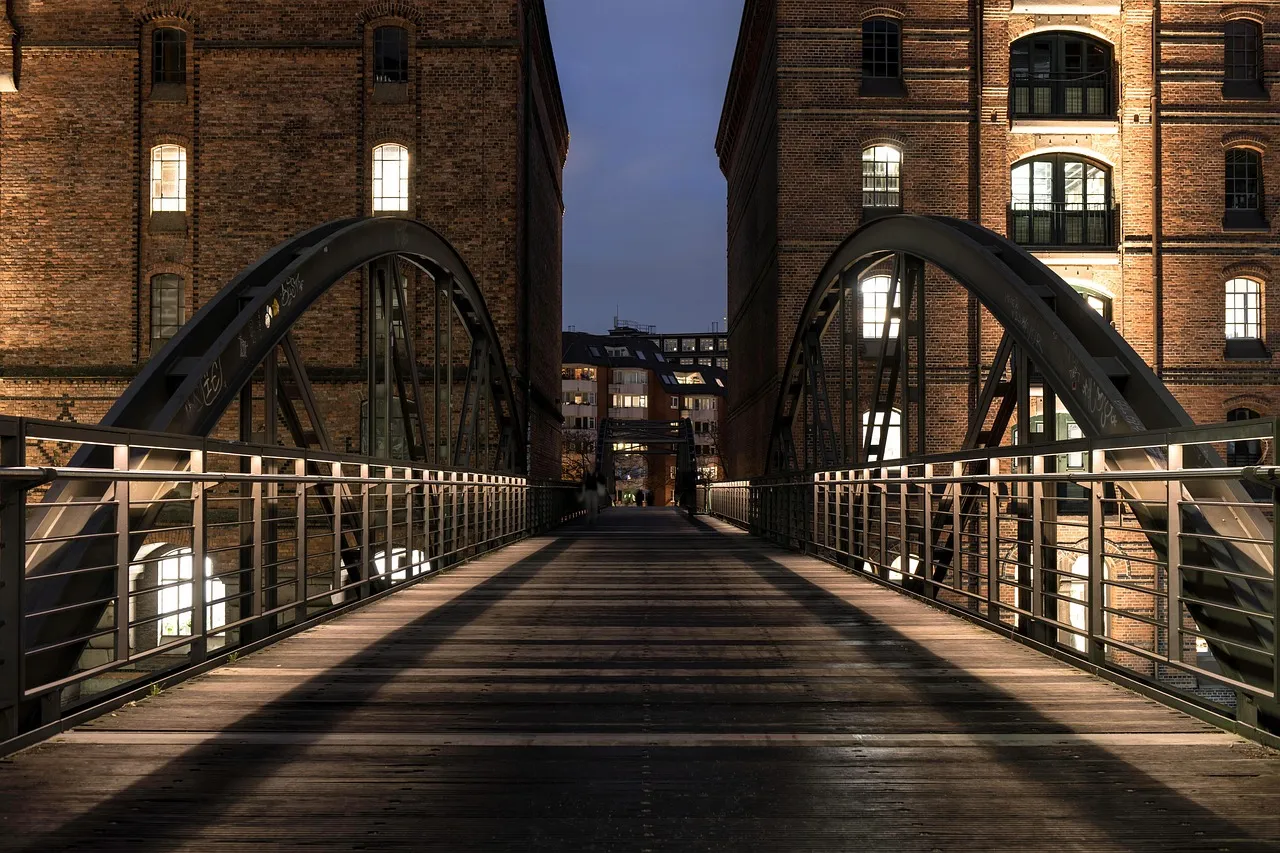

Most people can name the world’s blockbuster heritage sites without pausing to think. The Colosseum, Machu Picchu, the Taj Mahal. These places are genuinely remarkable, but they also come with enormous crowds, inflated expectations, and the strange sensation that you’re sharing a profound historical moment with ten thousand other tourists at the same time.
Lesser-known heritage sites receive a fraction of the visitors found at their more famous counterparts, yet in many cases they can convey just as much about a country’s culture and history without the crowds that the bigger names attract. The five sites below each offer something harder to find at the famous ones: room to actually think, and a real connection to the people who built these places.
Why the Overlooked Sites Often Go Deeper
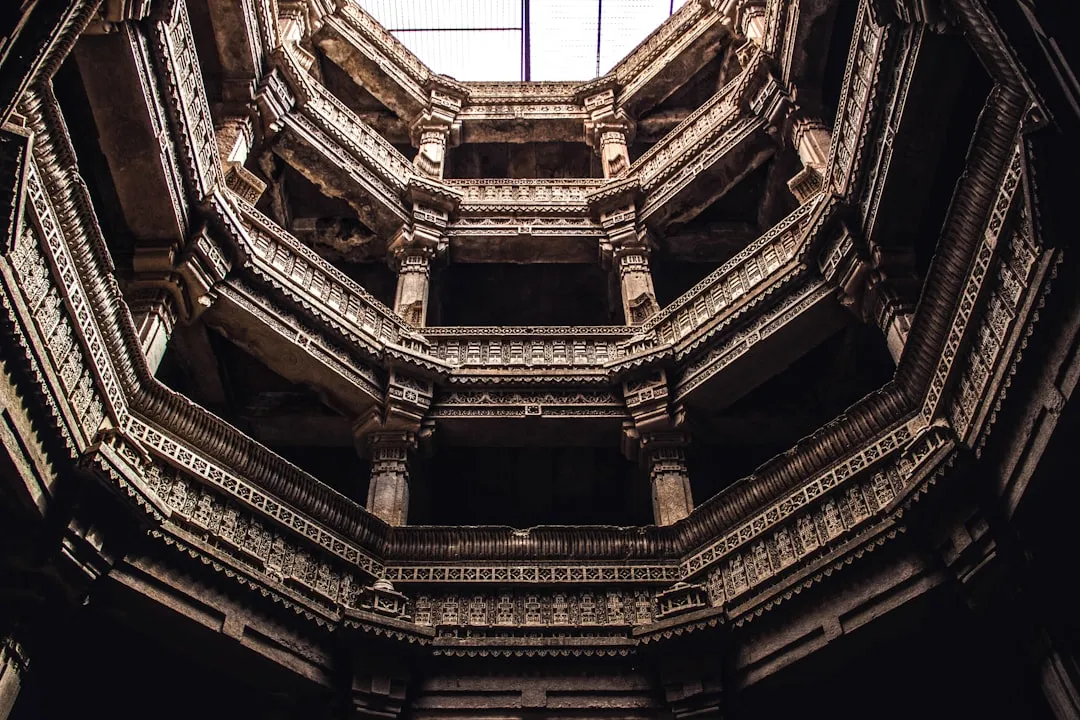
Each summer, the UNESCO World Heritage Committee evaluates nominations from countries around the world, designating sites that meet its criteria of “outstanding universal value,” whether through cultural, historical, or natural significance. The program began in 1972 as a way to identify and protect the world’s most irreplaceable places.
The World Heritage List now includes 1,248 properties forming part of the cultural and natural heritage considered to have outstanding universal value. These include 972 cultural, 235 natural, and 41 mixed properties in 170 States Parties.
With a list that large, it’s almost inevitable that some extraordinary places get overlooked. The five sites below are among those quiet outliers, each one offering layers of history that can take days to fully absorb.
Gallery Site 1: Gobustan Rock Art Cultural Landscape, Azerbaijan
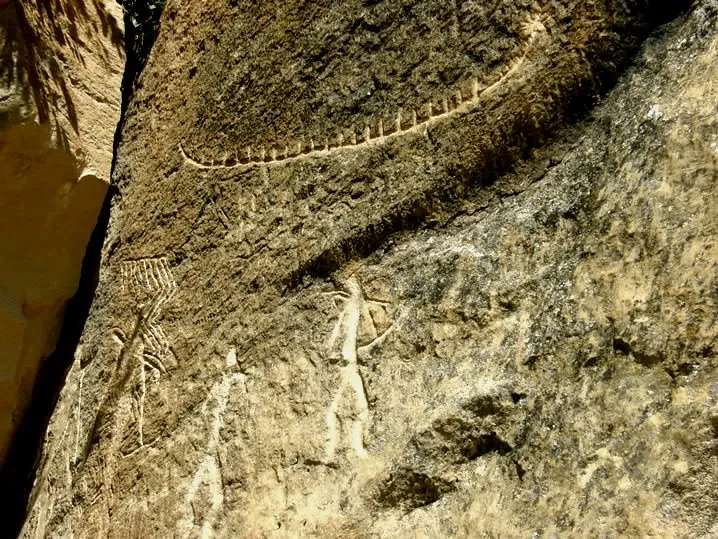
The Gobustan Rock Art Cultural Landscape covers three areas of a plateau of rocky boulders rising out of the semi-desert of central Azerbaijan, with an outstanding collection of more than 6,000 rock engravings bearing testimony to 40,000 years of rock art. The site also features the remains of inhabited caves, settlements and burials, all reflecting an intensive human use during the wet period that followed the last Ice Age, from the Upper Paleolithic to the Middle Ages.
The reserve encompasses the Gobustan Rock Art Cultural Landscape, which spans 537 hectares and contains over 6,000 rock carvings depicting people, animals, battles, ritual dances, bullfights, boats with armed oarsmen, warriors with lances, camel caravans, and celestial symbols such as the sun and stars, dating back 5,000 to 20,000 years.
One of the rocks even bears a Latin inscription dating to the reign of Roman Emperor Domitian (81–96 AD), indicating the temporary presence of the Roman Legion XII Fulminata on the shores of the Caspian Sea. That kind of layered detail, prehistoric art beside a Roman soldier’s graffiti, is what separates a site like this from anything you’ll find in a glossy brochure. The site also includes the Petroglyph Museum, which has been operating within the reserve since 2011, and the Mud Volcanoes Tourism Complex, inaugurated in 2024.
Gallery Site 2: Diy-Gid-Biy Cultural Landscape of the Mandara Mountains, Cameroon
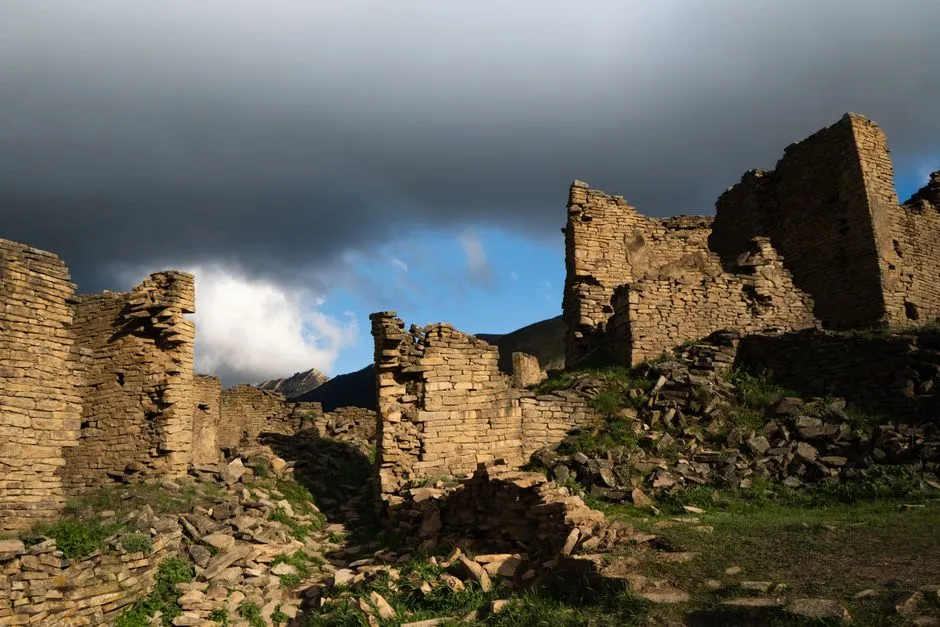
Located in the Far North Region of Cameroon, this property includes sixteen archaeological sites across seven villages. Known as Diy-Gid-Biy, meaning “Ruin of the Chief’s Residence” in the Mafa language, these dry-stone architectural structures were likely built between the 12th and 17th centuries. While their original builders remain unknown, the area has been inhabited by the Mafa people since the 15th century.
This site was freshly inscribed to the UNESCO World Heritage list in July 2025, with the formal inscription taking place at the 47th session of the UNESCO World Heritage Committee held at UNESCO Headquarters, Paris. It is genuinely new to the world stage.
Diy-Gid-Biy met UNESCO’s Outstanding Universal Value criterion through four pillars: its architectural setting, material remains, terraced agriculture, and associated oral traditions. These structures constitute the earliest confirmed evidence of human settlement in the region. The cultural landscape comprises seven villages with traditional farming systems and cultural practices, alongside sixteen dry-stone archaeological ruins built without mortar.
Gallery Site 3: Cultural Heritage Sites of Ancient Khuttal, Tajikistan
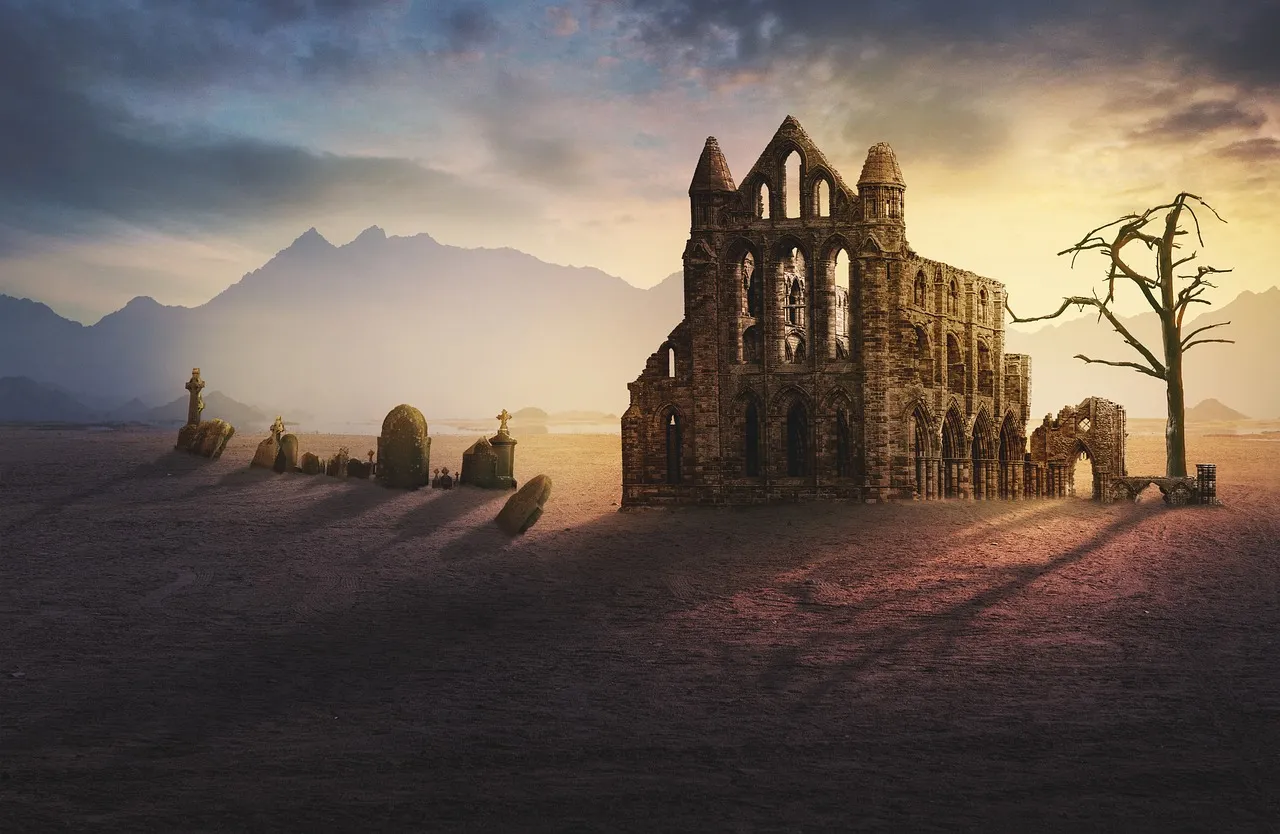
Ancient Khuttal was a medieval kingdom located between the Panj and Vakhsh Rivers and the Pamir piedmonts. The property includes ten sites and one monument reflecting its role from the 7th to 16th centuries in Silk Roads trade. Khuttal contributed valuable goods like salt, gold, silver, and horses, and served as a hub for cultural, religious, and technological exchanges.
Its diverse archaeological remains, including Buddhist temples, palaces, settlements, manufacturing centres, and caravanserais, illustrate its strategic importance and vibrant interactions with neighbouring empires. This is a site that sits precisely where East met West for centuries, yet almost no casual traveler has heard its name.
The property encompasses 10 sites and one monument, ranging from Buddhist temples and palaces to caravanserais and manufacturing centres. Khuttal’s economic contributions included salt, gold, silver, and horse trade, combined with cultural exchanges that reflected the region’s role in transcontinental interaction. For anyone genuinely curious about the Silk Road beyond the clichés, Khuttal is likely the most intellectually rewarding place on this list.
Gallery Site 4: Wixárika Route through Sacred Sites to Wirikuta, Mexico
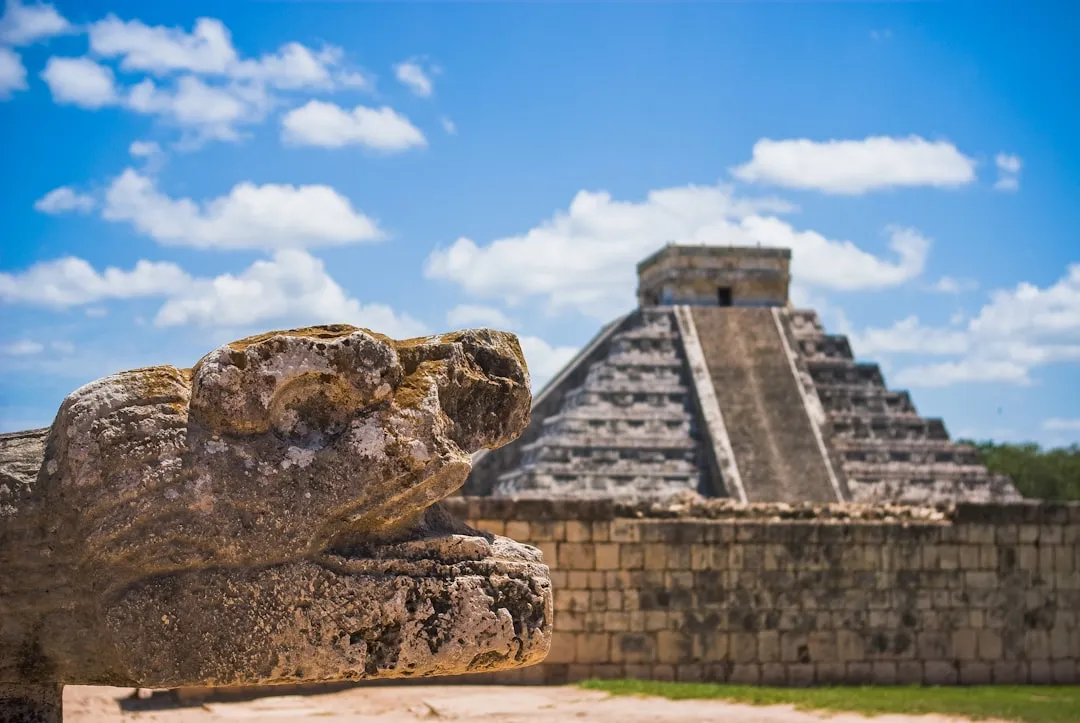
The Wixárika Route is a serial property of 20 sites, spanning over 500 km across five states in north-central Mexico. This “braid of trails” connects sacred landscapes central to the spiritual and cultural practices of the Wixárika Indigenous Peoples. Beginning in the Huichol Sierra, the route leads to Wirikuta in the Chihuahuan Desert, with additional sacred sites in Nayarit, Jalisco, Zacatecas, San Luis Potosi and Durango.
Traversing diverse ecological regions, the route supports rituals tied to ancestral deities, agriculture, and community well-being. Known as “Tatehuarí Huajuyé” or the Path of Our Grandfather Fire, it embodies deep spiritual and environmental significance.
This route was inscribed in 2025, giving it the freshest possible recognition. Unlike so many heritage sites that exist primarily as archaeological ruins, this one is a living pilgrimage route, still actively used by the Wixárika people today. The depth of cultural meaning embedded across more than 500 kilometres of landscape makes it one of the most unique heritage listings anywhere in the Americas.
Gallery Site 5: Great Zimbabwe National Monument, Zimbabwe
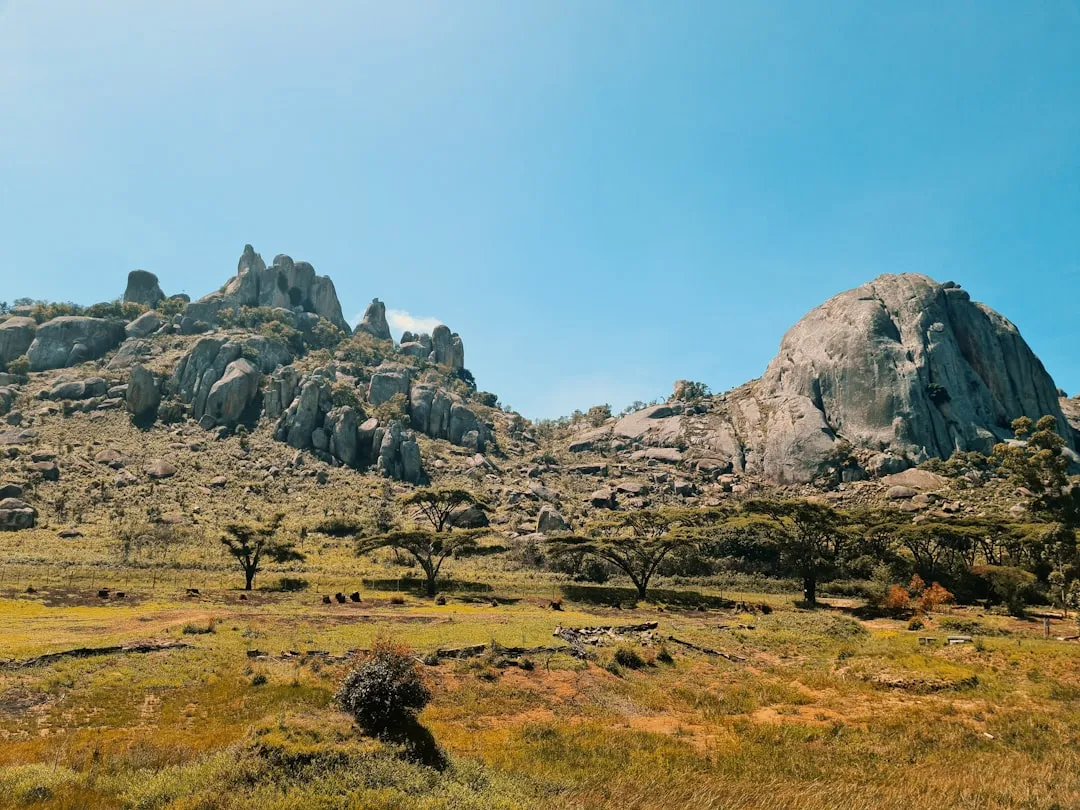
While many travelers associate Africa’s ancient history with Egypt, Zimbabwe is home to one of the most impressive and mysterious ruins on the continent. The Great Zimbabwe National Monument consists of massive stone walls and structures that were once the center of a powerful medieval kingdom between the 11th and 15th centuries. The massive granite ruins, including the Great Enclosure, leave visitors in awe of the engineering skills of the civilization that built them.
Unlike other historical sites in Africa, Great Zimbabwe remains relatively unknown, making it an ideal stop for those seeking a deeper connection to the continent’s history. The scale of the construction is genuinely staggering when you see it in person, and the historical context surrounding it, a thriving, sophisticated African civilisation centuries before European colonists arrived, reframes a great deal of conventional historical thinking.
There are no reconstructed facades here, no Disney-style presentation. Just the stones, the surrounding landscape, and a site that raises more questions than it answers. That quality of open-ended discovery is rare, and it is exactly what makes a heritage site worth the effort of getting there.
What Sets These Sites Apart from the Usual Tourist Circuit
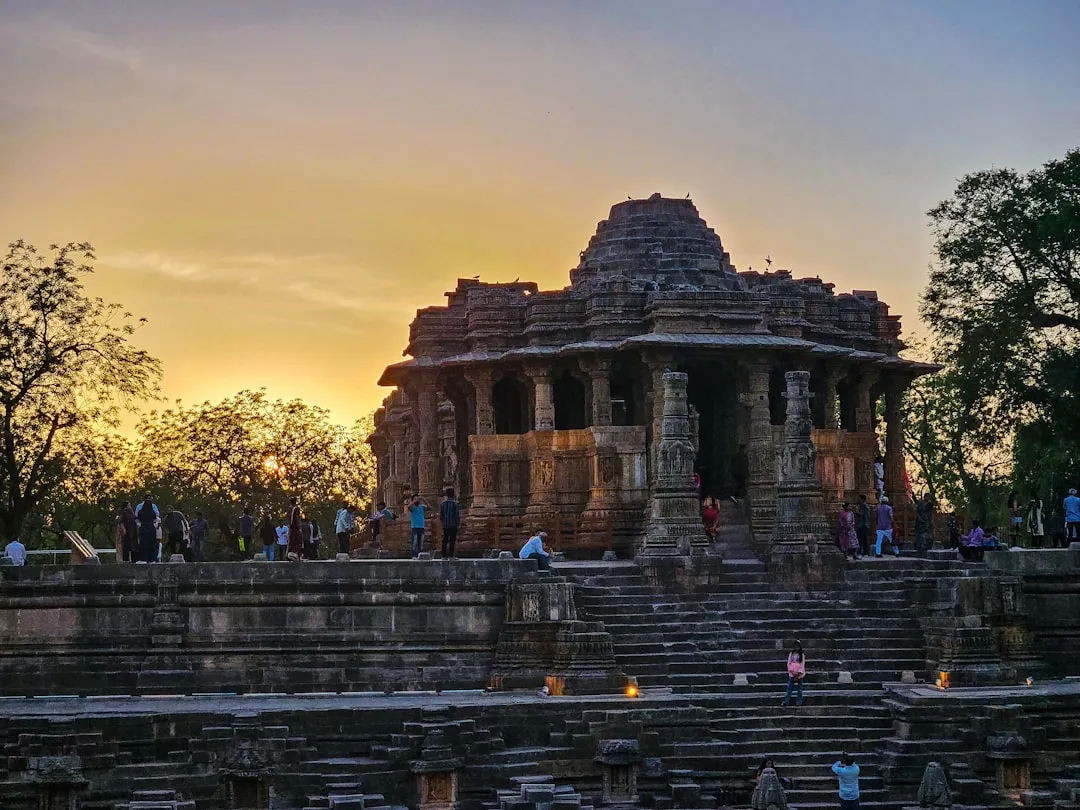
UNESCO’s program has faced criticism for adverse impact of mass tourism on sites unable to manage rapid growth in visitor numbers. The five sites above face the opposite problem. They are under-visited, which means the experience is quieter, more personal, and often more meaningful.
UNESCO is famous for its designation of well-known World Heritage Sites, but performs a much less recognized role in preserving places at genuine risk of being forgotten. There’s almost no risk that Machu Picchu or the Great Pyramid of Giza should somehow be neglected, but smaller, lesser-known sites face a very different reality.
The practical implication is straightforward. Going to a site before it becomes famous changes the experience entirely. You walk through history rather than a crowd. That distinction matters more than most travel advice ever admits.
The Role of Intangible Heritage in a Deeper Cultural Experience
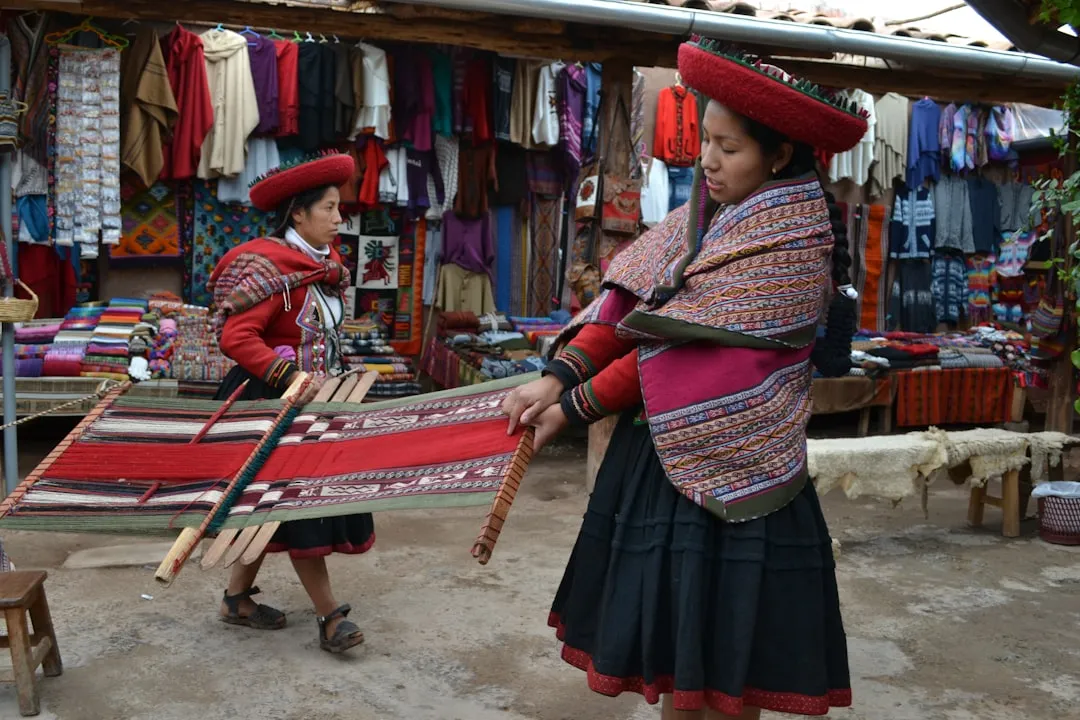
The Intangible Cultural Heritage Committee of UNESCO has been actively expanding its lists, with its 19th session adding 58 cultural practices. This matters for travelers, because the deepest cultural experiences at any heritage site almost always involve the living traditions that surround it, not just the stones and ruins.
When you see something truly characteristic of a certain part of the globe, the question worth asking is whether you are looking at intangible world heritage, the activities and customs that define the story of the human experience.
At a place like Diy-Gid-Biy or the Wixárika Route, the intangible and tangible dimensions are inseparable. The ruins and the landscape only make complete sense when you understand the living community that still interacts with them. That inseparability is the very thing that makes these sites culturally rich in ways that polished, high-footfall destinations rarely achieve.
How to Visit Responsibly

Several listed locations have struggled to strike a balance between the economic benefits of catering to greatly increased visitor numbers after recognition and preserving the original culture and local communities. The lesson from those examples is worth keeping in mind when visiting the lesser-known alternatives.
Hiring local guides, spending money within the surrounding communities, and approaching these places with genuine curiosity rather than a checklist mentality goes a long way. Several of the sites mentioned here are actively managed by local communities who depend on culturally informed visitors.
Getting onto the UNESCO World Heritage list requires rigorous evaluation and proof that the site is both unique and of lasting importance to humanity. The rewards include recognition, preservation support, and an unofficial open invitation to the world’s travelers. Accepting that invitation thoughtfully makes the experience better for everyone, including future visitors who come after you.
Planning Your Visit: Practical Considerations

Some of these sites require real planning. Gobustan is accessible from Baku, roughly 70 kilometres away, and the newly opened Mud Volcanoes Tourism Complex in 2024 has made logistics more straightforward. The Wixárika Route in Mexico spans multiple states, so it warrants several days at minimum. Ancient Khuttal in Tajikistan is best approached through Dushanbe, with the sites spread across a wider landscape.
UNESCO’s own Dive into Heritage platform, funded by the Ministry of Culture of Saudi Arabia, enables users to explore heritage sites through free, interactive and guided experiences using 3D models, geolocated narratives, and other media. This makes preliminary research much easier before you arrive on the ground.
None of these sites are physically difficult to reach, though some require more logistical thought than booking a flight to Rome. That effort is partly the point. Sites that ask something of you before you even arrive tend to reward you more thoroughly once you’re standing in them.
The Bigger Picture: Why These Places Matter Now
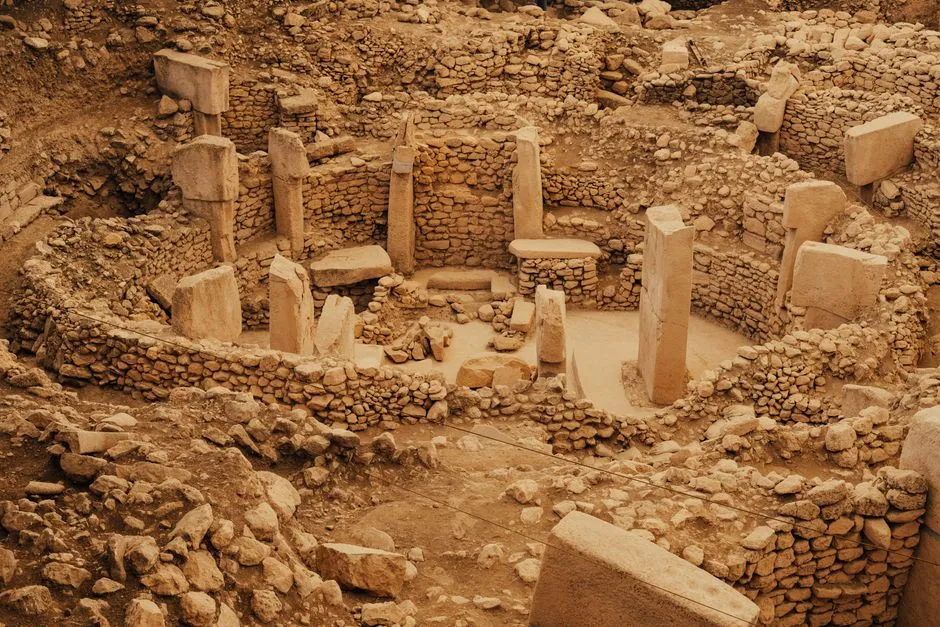
By assigning places as World Heritage Sites, UNESCO wants to help preserve them for future generations. Its motivation is that heritage is “our legacy from the past, what we live with today” and that both cultural and natural heritage are “irreplaceable sources of life and inspiration.”
At its 2025 session, the World Heritage Committee inscribed 26 new cultural and natural properties to the UNESCO World Heritage List, bringing the total figure to 1,248 sites. Each new inscription is an opportunity to redirect some of the world’s travel attention to places that genuinely need it.
The cultural deep-dive that travelers often claim to want is almost always available at these quieter, less-photographed places. The only thing separating most travelers from a genuinely transformative heritage experience is the decision to look slightly past the obvious names on the list.
A Final Note on What “Deep” Really Means
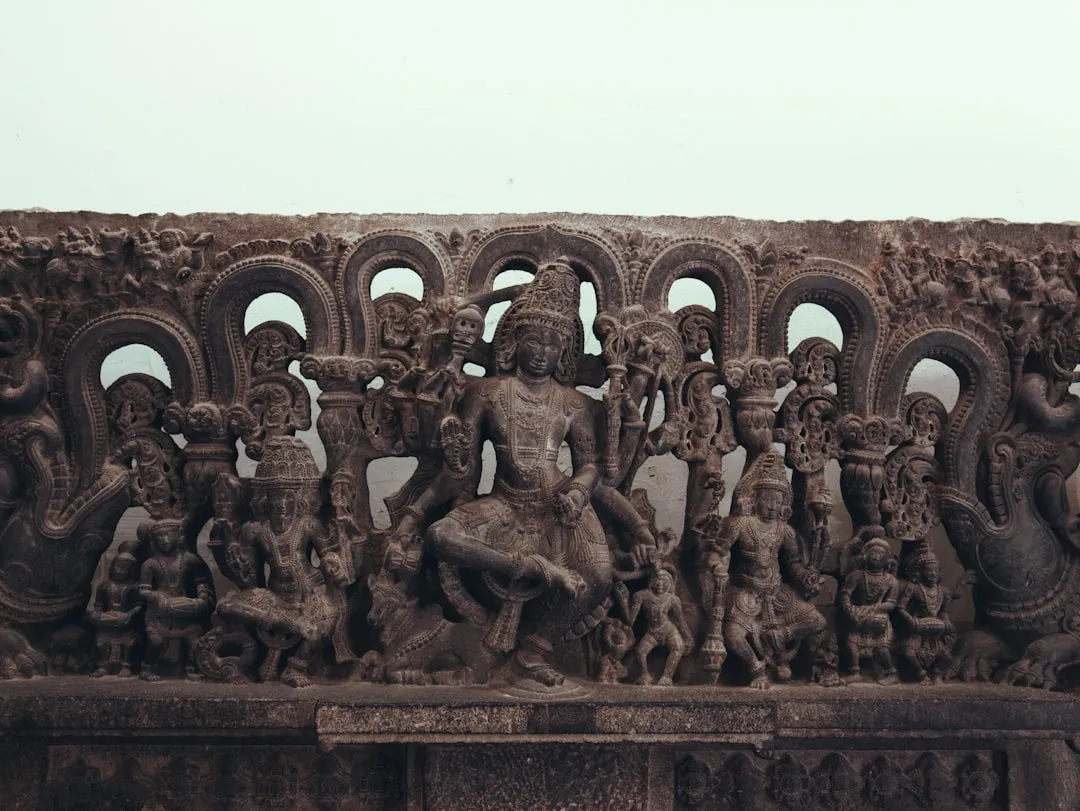
There’s a version of heritage travel that is about accumulation, sites visited, stamps collected, photos taken. That version is fine. But the sites described here tend to produce something different. The Gobustan carvings, made by people who lived there more than 20,000 years ago, connect you to human continuity in a way that is hard to intellectualise away. The living pilgrimage routes of the Wixárika connect you to a culture that is still actively shaping those places today.
Depth in heritage travel tends to come from sites where time feels genuinely layered rather than presented. Where the history hasn’t been tidied up into a single clean narrative. Where you need to slow down to understand what you’re actually looking at.
These five sites all have that quality. The world’s most famous monuments will still be there when you’re ready for them. These quieter ones are ready for you now.
AI Disclaimer: This article was created with the assistance of AI tools and reviewed by a human editor.