


1. Trinity College Library, Dublin, Ireland – The Long Room That Stopped Time
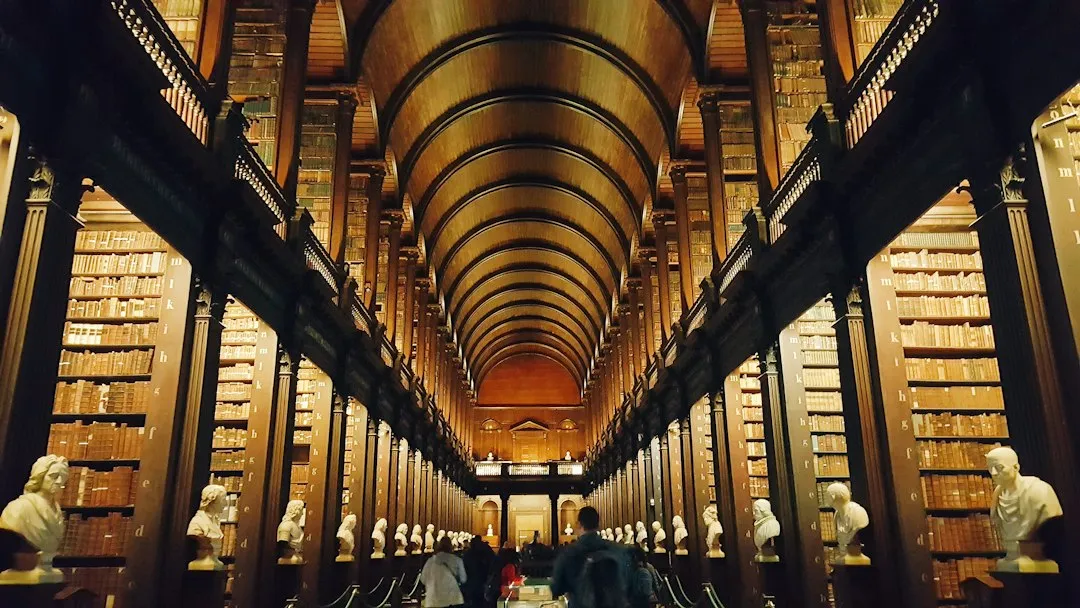
The Long Room stretches 65 meters and holds 200,000 of Trinity College’s oldest books on dark oak shelves that climb two stories to a barrel-vaulted ceiling. Marble busts of great thinkers line the central aisle, staring silently back at visitors who are usually too awestruck to notice them at first. The atmosphere is unlike anything else in Dublin, or perhaps in Europe.
In August 2025, Trinity College Dublin Library was ranked first in a global literary tourism initiative called “1000 Libraries,” drawing on votes from more than 200,000 participants worldwide. This iconic university library is known for its atmospheric barrel-vaulted Long Room, which holds thousands of rare books and displays literary treasures such as the Book of Kells, a spectacular illuminated manuscript that dates to the late eighth or early ninth century.
After a four-year renovation that ended in 2025, the Long Room reopened with improved climate control and visitor flow, and tickets sell out weeks in advance during summer. Booking ahead is strongly recommended, especially for peak months.
2. Admont Abbey Library, Styria, Austria – The World’s Most Beautiful Room
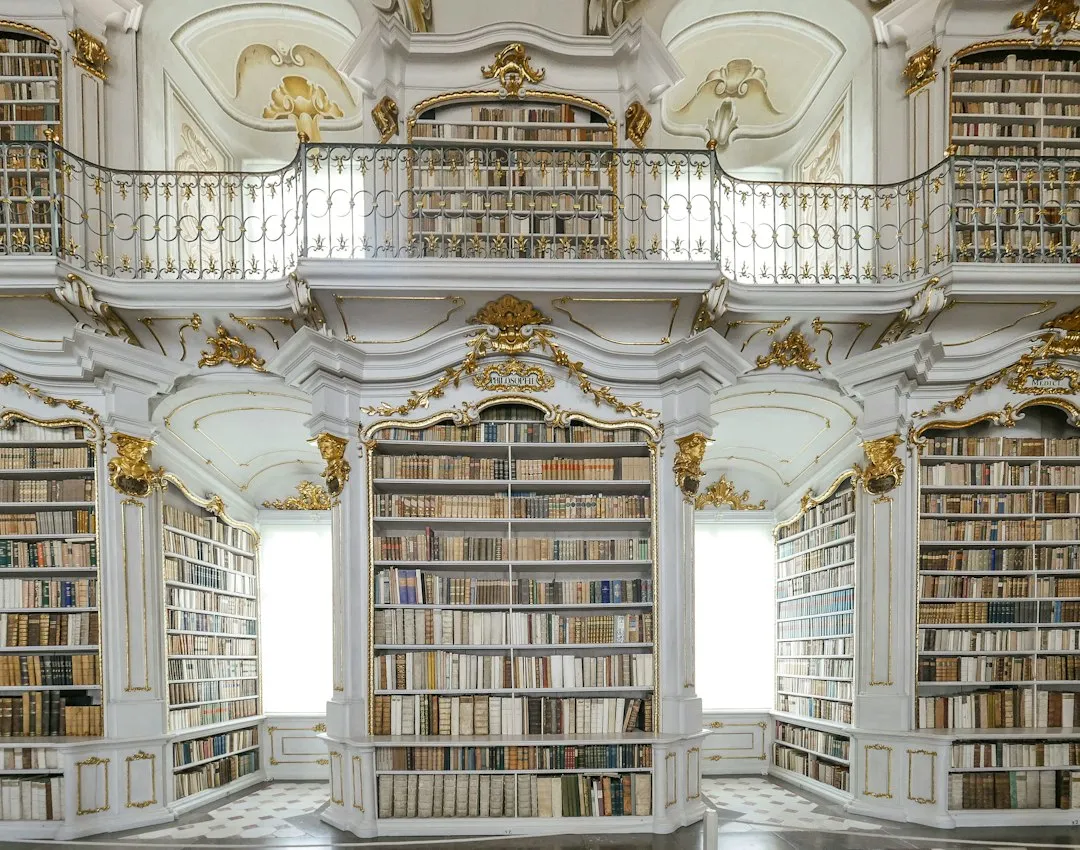
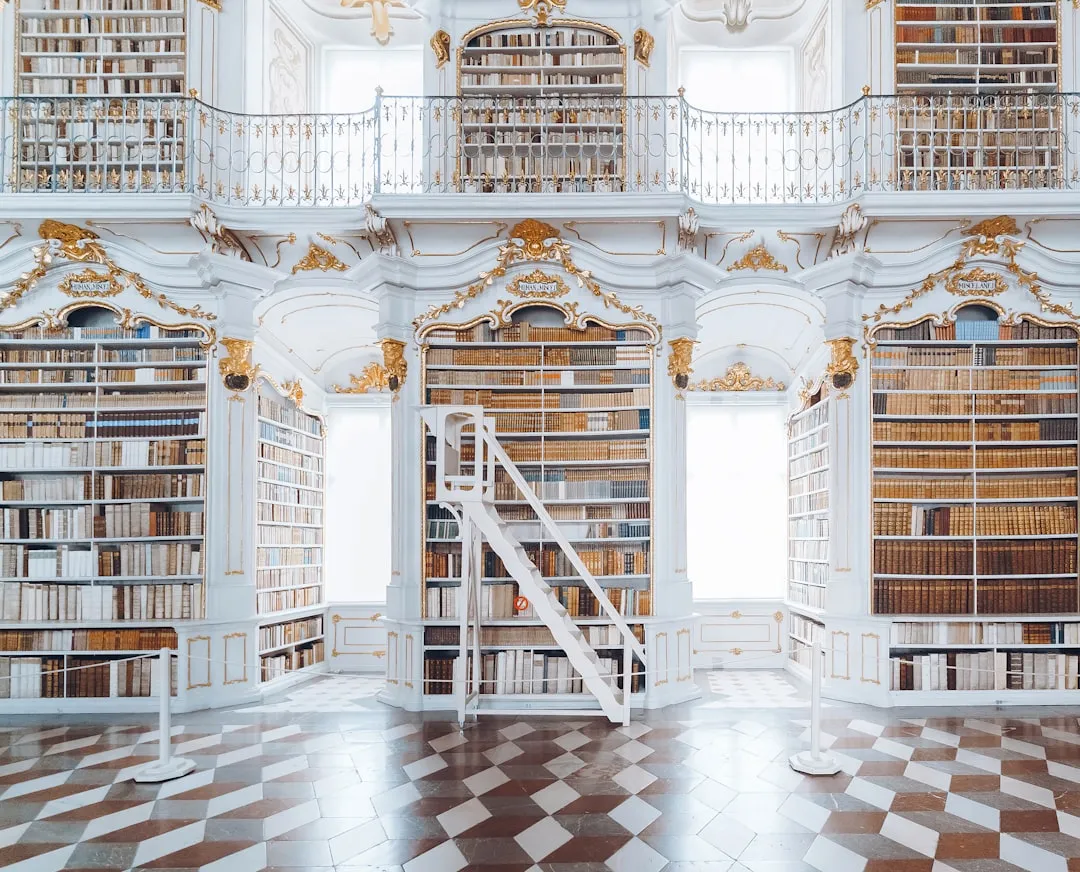
Admont Abbey Library is the largest monastic library in the world, and for many visitors, it is simply the most astonishing interior they have ever stood inside. Founded in 1074, Admont Abbey is the oldest existing monastery in Styria, Austria, and the library itself is considered the oldest monastic library in the entire world.
Designed by architect Josef Hueber, the library is a masterclass in Baroque architecture, stretching over 70 meters long, featuring a central dome and seven ceiling frescoes painted by Bartolomeo Altomonte, each representing various branches of human knowledge. Sculptor Josef Stammel created imposing figures in the ceremonial hall, including the monumental group entitled “The Four Last Things” – Death, Judgement, Heaven and Hell – whose expressive power remains moving to this day.
The library is home to over 1,400 valuable manuscripts, more than half of which are from the Middle Ages, and a collection of over 530 incunabula – books printed before 1500. Unlike some other famous libraries, visitors can explore this one on their own, and photography is permitted throughout.
3. Strahov Monastery Library, Prague, Czech Republic – Two Rooms, Two Centuries of Wonder
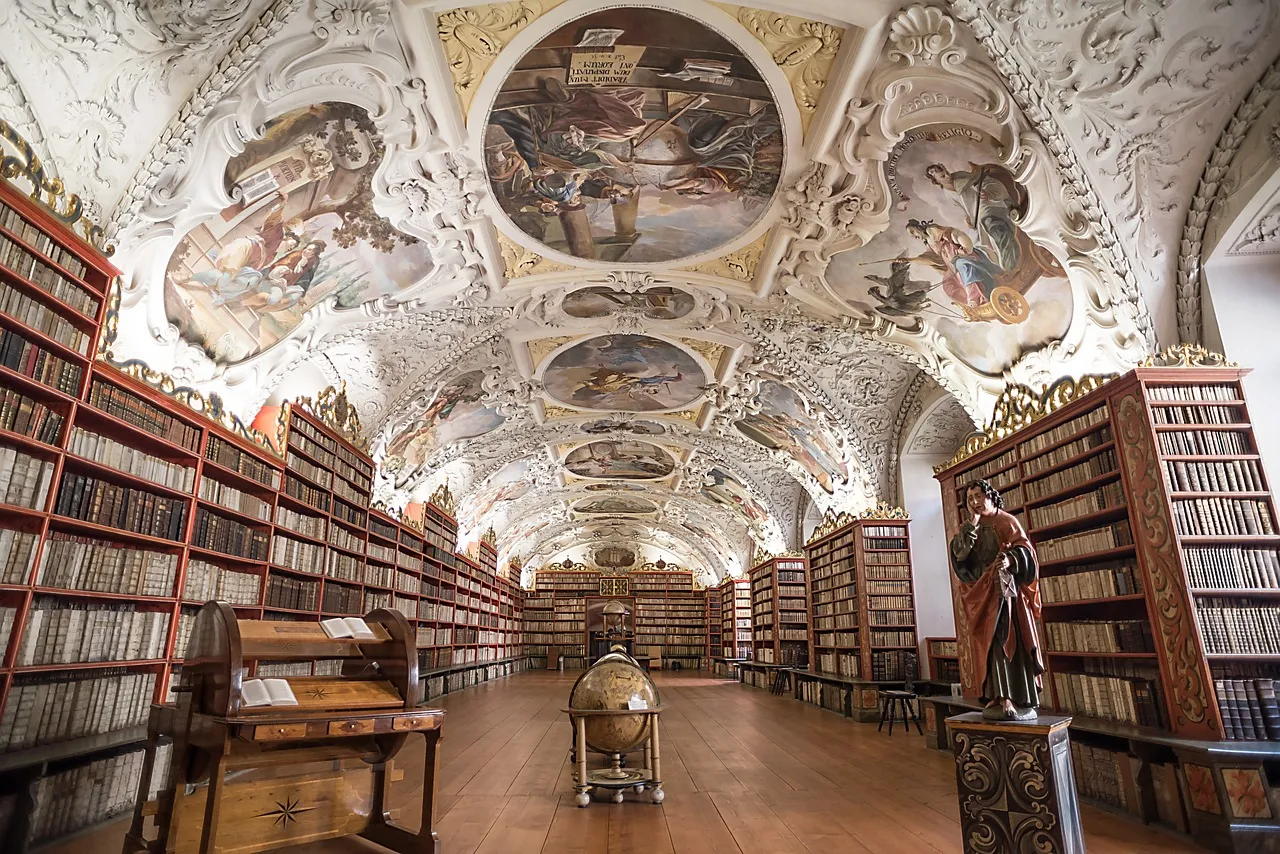
One of the most beautiful libraries in the world, the Strahov Library is located in an ancient monastery in Prague and contains two breathtaking Baroque rooms: the Theological Hall and the Philosophical Hall, built in the 17th and 18th centuries, filled with ancient tomes, ceiling frescoes, stucco artwork, and astronomical globes. Standing at the doorway of either hall, even just peering in, is enough to make most visitors go completely still.
The library’s collection consists of approximately 200,000 volumes. The oldest part, the Baroque Theological Hall, was established between 1671 and 1674, while the main Classicist vaults of the Philosophical Hall date from 1794 and are two storeys tall. Both halls are dominated by ceiling frescoes by Siard Nosecký and Anton Maulbertsch.
A regular self-guided visit includes a view into the library halls without the possibility of entering them, to protect the stored books from damage caused by increased humidity, and also includes an exhibition about the Strahov Library, a Cabinet of Curiosities, and a selection of historical books. The magnificent Baroque library, situated close to Prague Castle and Petřín Hill, regularly appears in lists of places well worth seeing at least once in your life, and Strahov Monastery ranks among the oldest monasteries in Czech lands that still serve their purpose and are home to monks.
4. The Library of Congress, Washington D.C., USA – A Palace Built for Knowledge
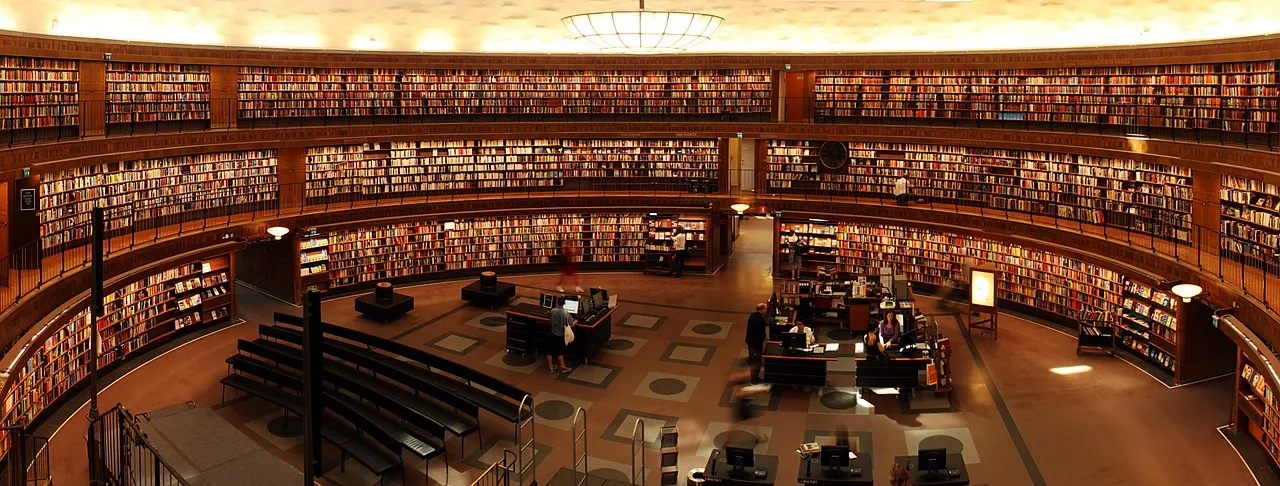
The Library of Congress is much more than a library – it’s a breathtaking architectural masterpiece filled with magnificent artwork, historic treasures, and one of the world’s largest collections of books. Most visitors don’t fully appreciate what they’re walking into until they round the corner and see the Great Hall for the first time.
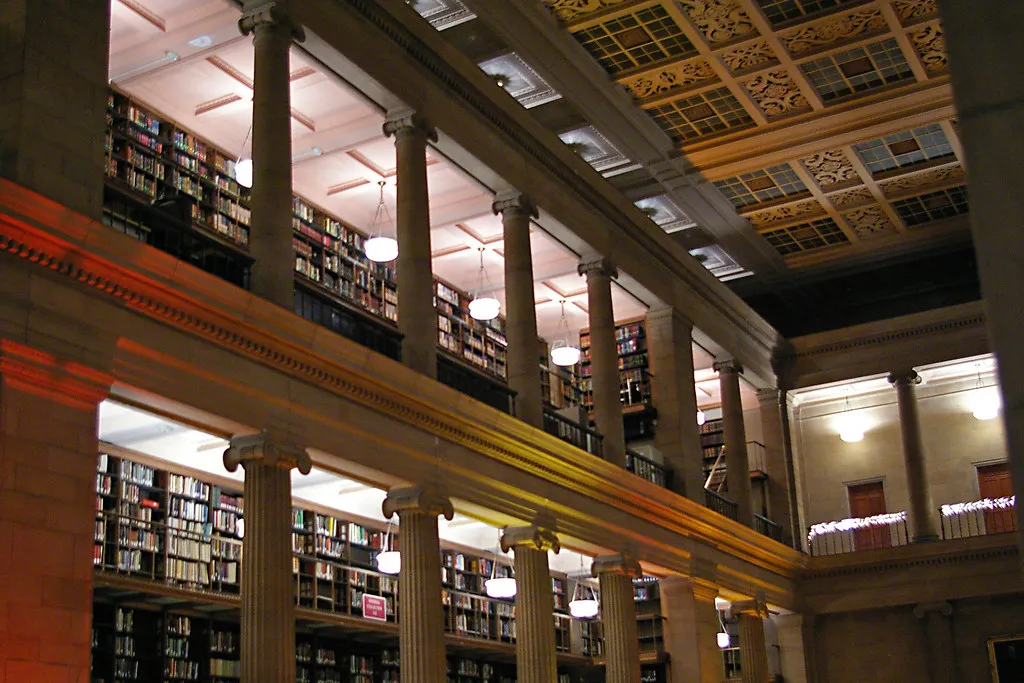
The Great Hall greets visitors upon entry into the building, with stunning Gilded Age architecture and painted ceilings decorating a 75-foot high interior. In the reading room, eight giant marble columns support 10-foot-high allegorical female figures representing different aspects of civilized life and thought: religion, commerce, history, art, philosophy, poetry, law, and science.
The Bibles Gallery includes two historic artifacts: the Giant Bible of Mainz, which signifies the end of the handwritten book, and the Gutenberg Bible, which marks the beginning of the printed book. All Library of Congress buildings are open to the public free of charge, making it one of the most accessible grand interiors anywhere in the world.
5. Abbey Library of St. Gallen, Switzerland – A UNESCO Treasure Older Than Nations
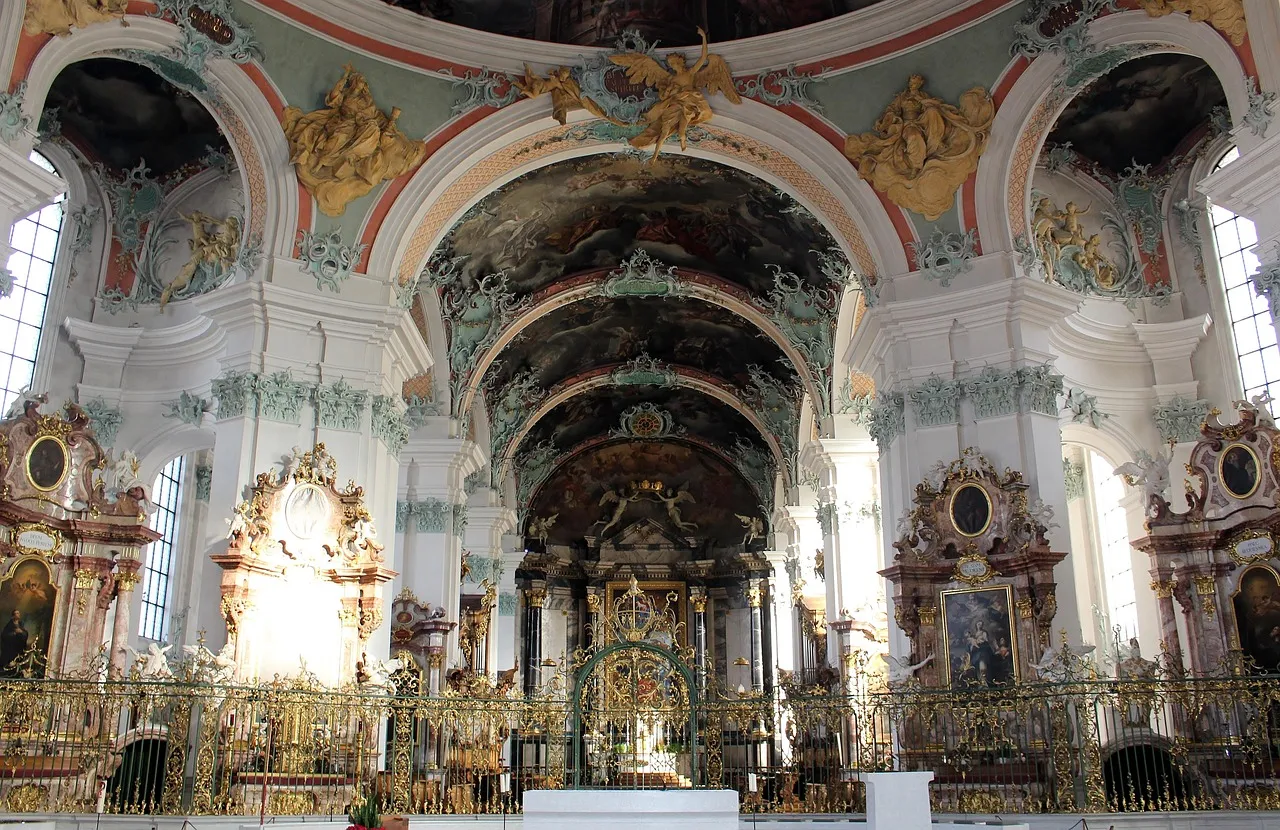
The Abbey Library of St. Gallen traces its roots to the mid-8th century, when a scriptorium was established to serve the monastery that had grown up on the site where the Irish monk Gallus founded a hermit community in 612. Today, it stands as one of the world’s oldest and most important monastic libraries, its gleaming wooden interior crowned by intricate Baroque frescoes completed in 1767.
The Abbey Library of St. Gallen is a UNESCO World Heritage Site known for its beautiful Baroque interior. The collection it holds is equally significant: ancient manuscripts that predate most European universities, preserved through centuries of careful monastic stewardship. Few places on the continent carry this combination of visual beauty and genuine historical weight.
Visitors are asked to wear felt overshoes to protect the historic parquet floors, a small ritual that somehow deepens the experience rather than disrupting it. The library is open from mid-March to mid-December, Wednesday through Sunday, so it’s worth checking the seasonal schedule before planning a trip to this part of eastern Switzerland.
Why Libraries Have Become One of Travel’s Most Rewarding Detours
A 200,000-person poll by book lovers ranked the world’s most beautiful libraries in 2025, and the results confirmed what travelers have been sharing on social media for years: some buildings exist to hold books, and some buildings exist to make you stop and stare at what a civilization decided knowledge should look like. That shift in perspective – seeing a library not just as infrastructure but as a statement of human values – seems to resonate more widely than ever.
Functional and beautiful, many of these great libraries are worth visiting not only for their architecture and history but also for the highlights of their collections on display in permanent or rotating exhibitions. The architecture draws you in, but the objects inside tend to keep you there longer than you expected.
Practical Tips Before You Go
Each of these libraries operates differently, and a little preparation makes the difference between a smooth visit and a disappointing one. Trinity College Dublin requires advance ticket booking, particularly in summer, while the Library of Congress offers free timed-entry passes that can be reserved online. Admont Abbey is seasonal, so checking current hours before making the journey from Graz or Salzburg is essential.
Strahov Monastery does not allow visitors to enter its hall interiors, only to view them from doorways, which is worth knowing in advance so the experience meets expectations. Visitors to Admont consistently praise the library’s breathtaking visual impact, with many noting the sense of awe they experience upon entering the main hall, and the sheer scale of the room coupled with its elaborate decorations creates an atmosphere that many find both inspiring and humbling.
The Architecture of These Libraries Is Itself a Form of Storytelling
What unites all five spaces is this: every design decision was made deliberately. The frescoes at Admont map the stages of human knowledge from science to divine revelation. The allegorical figures at the Library of Congress name the pursuits a young democracy wanted to honor. The twin halls at Strahov separate theology from philosophy, as though the monks understood that these two disciplines needed their own rooms to breathe.
At the Jefferson Building, architects invited more than forty American artists to contribute sculptures, murals, and mosaics, and the program celebrates the development of human civilization and the pursuit of knowledge. These are not decorative choices. They are arguments, made in marble and fresco and gilded wood, about what matters.
Who These Libraries Are Really For
There’s a gentle irony in recommending libraries to people who may not read in them. Travelers, architecture enthusiasts, photographers, historians, and anyone who finds beauty in craftsmanship will feel equally at home in these spaces. You don’t need to be a bibliophile to sense what’s special about a room where generations of monks sat copying manuscripts by candlelight.
It is not required that one become a book lover in order to appreciate the beauty and drama in a library’s architecture and decor. That point applies to every destination on this list, from the warm Styrian countryside of Admont to the marble corridors of Capitol Hill.
Planning a Library-Focused Journey Through Europe and Beyond
Dublin, Prague, and St. Gallen are all reachable within a well-planned two-week European trip. Trinity College sits in central Dublin, walkable from most of the city’s major accommodations. Strahov Monastery overlooks Prague Castle and pairs naturally with a morning exploring Hradčany. St. Gallen sits in northeastern Switzerland, just over an hour from Zurich by train, making it an easy add-on to any Swiss itinerary.
Admont requires more intention. By car, Stift Admont is about two hours and fifteen minutes from Salzburg, one and a half hours from Graz, and three hours from Vienna, which makes it best suited for travelers with their own vehicle and a flexible itinerary. The reward for that effort, as travelers consistently report, is considerable.
A Final Thought
There’s a quiet argument embedded in the existence of places like these. Societies that invested this much care into rooms meant for reading were making a claim about what they believed in. The gilded shelves, the painted heavens, the marble columns inscribed with the names of human endeavors – all of it says the same thing: that knowledge deserves a beautiful home.
You don’t have to open a single book to feel the weight of that idea. Sometimes walking through the door is enough.
AI Disclaimer: This article was created with the assistance of AI tools and reviewed by a human editor.