


Something shifts when history stops being something you read about and becomes something you can touch, hear, and watch unfold in real time. Living museums do exactly that. They aren’t frozen displays behind glass. They’re places where ancient skills are still practiced, where traditional languages are still spoken, and where communities actively choose to keep their ways of life visible and alive.
The urgency behind this work has only grown. As of the end of 2024, UNESCO has inscribed 812 intangible cultural heritage elements worldwide, and identified 863 separate threats to those traditions. The gap between the two figures is telling. Across five continents, a small but determined group of living museums is working to close it.
1. The Ju/’Hoansi-San Living Museum, Namibia – Where the Oldest Culture on Earth Still Breathes
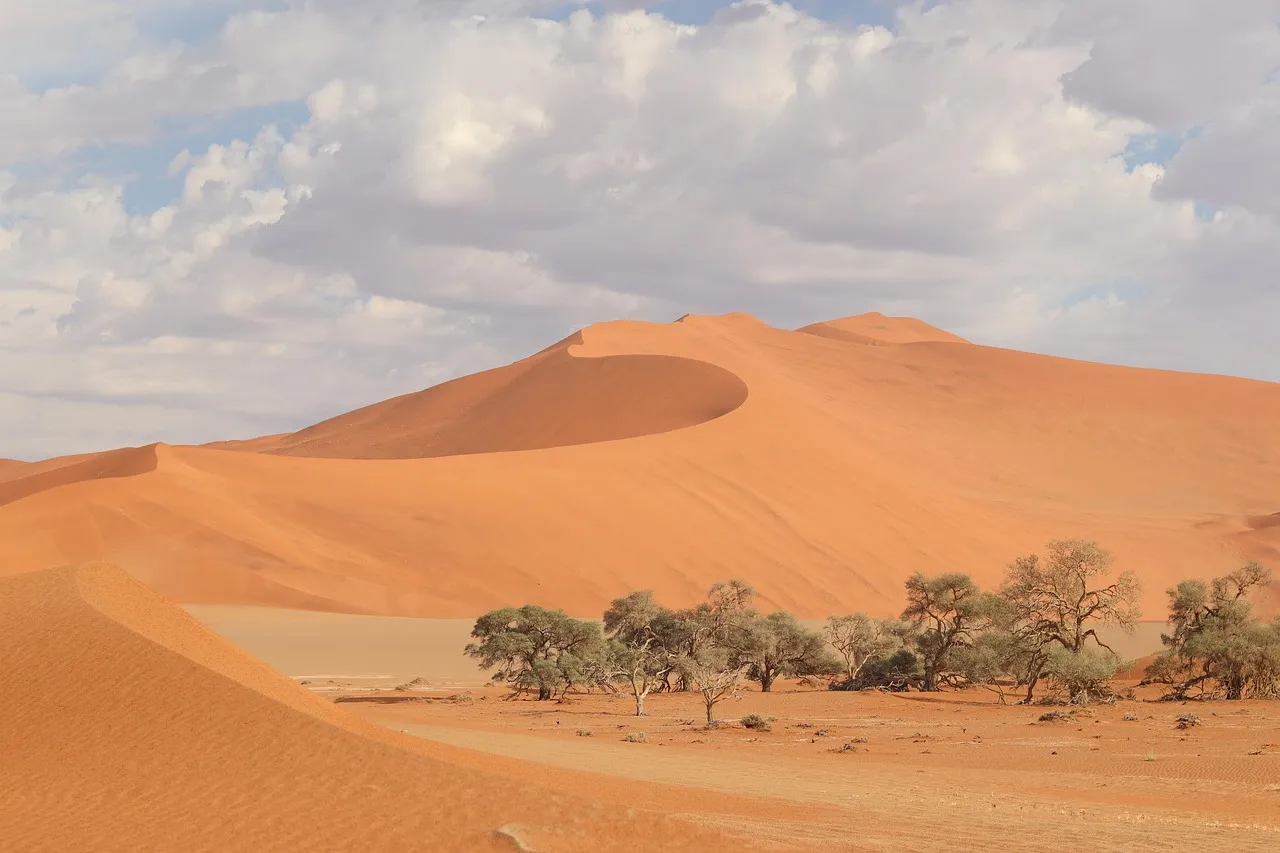
Situated in the heart of Namibia, the Ju/’Hoansi-San Living Museum stands in the village of Grashoek, about seven kilometers north of the C44 road between Grootfontein and Tsumkwe. The museum celebrated its 20th anniversary in 2024 and has been run completely by the Ju/’Hoansi themselves since July 2004.
The Ju/’Hoansi of Nyae Nyae in remote northeastern Namibia are the only pocket of San in all of Southern Africa who still have access to wildland across the Kalahari Basin, the right to hunt using traditional methods, the right to gather bush food, and a knowledge bank that stretches back unbroken for millennia.
The Living Museum is an authentic open-air museum where guests can learn about the traditional culture and original way of living of the San, and it also functions as a traditional school for the community and a communal business for everyone in the village. On one hand, it gives the San an opportunity to rediscover their almost forgotten culture, while on the other hand, it also serves as a sustainable business, with around nine-tenths of the generated income reinvested directly back into the museum.
2. Colonial Williamsburg, Virginia, USA – A Century of Living History
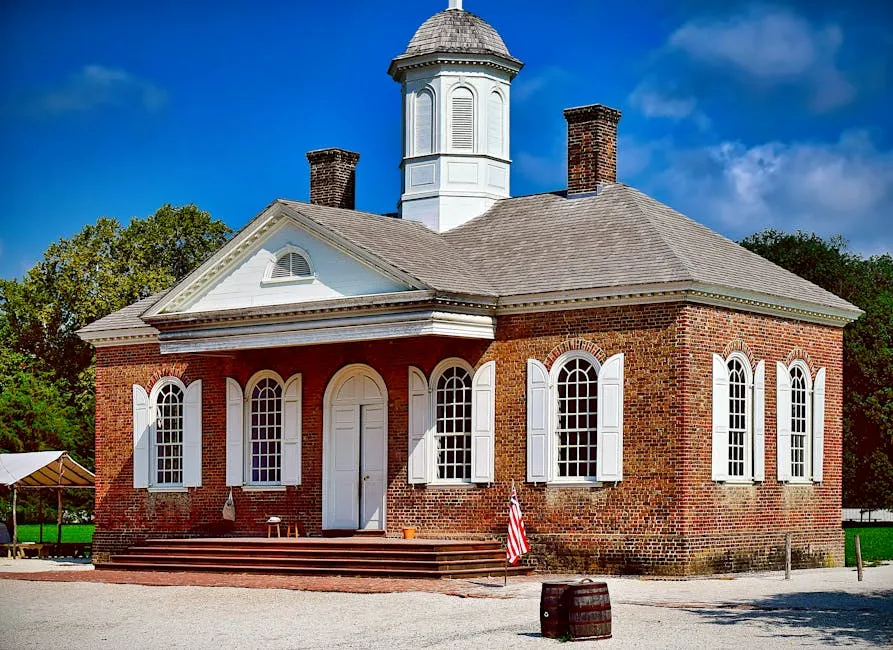
Colonial Williamsburg is a living-history museum and private foundation presenting a part of the historic district in Williamsburg, Virginia, with a 301-acre historic area that includes several hundred restored or recreated buildings from the 18th century. The restoration and preservation of Williamsburg began in 1926 and has been ongoing ever since, with research, conservation, and historic preservation lying at the heart of its mission.
The museum offers a unique experience where live re-enactors, dressed in period costumes, portray townspeople from the colonial era, bringing history to life through interactive demonstrations of traditional crafts such as blacksmithing and weaving, while also showcasing the experiences of various social groups, including free and enslaved African Americans.
Beginning with Rockefeller’s initial purchase of the Ludwell-Paradise House in 1926, Colonial Williamsburg has evolved from a patriotic preservation project into its current role as a premier educational organization that operates the world’s largest U.S. history museum. In 2026, it is celebrating both the nation’s 250th anniversary and Colonial Williamsburg’s own 100th, welcoming visitors from America and the world.
3. The British Museum’s Ancient India: Living Traditions – Community-Led Preservation in Practice
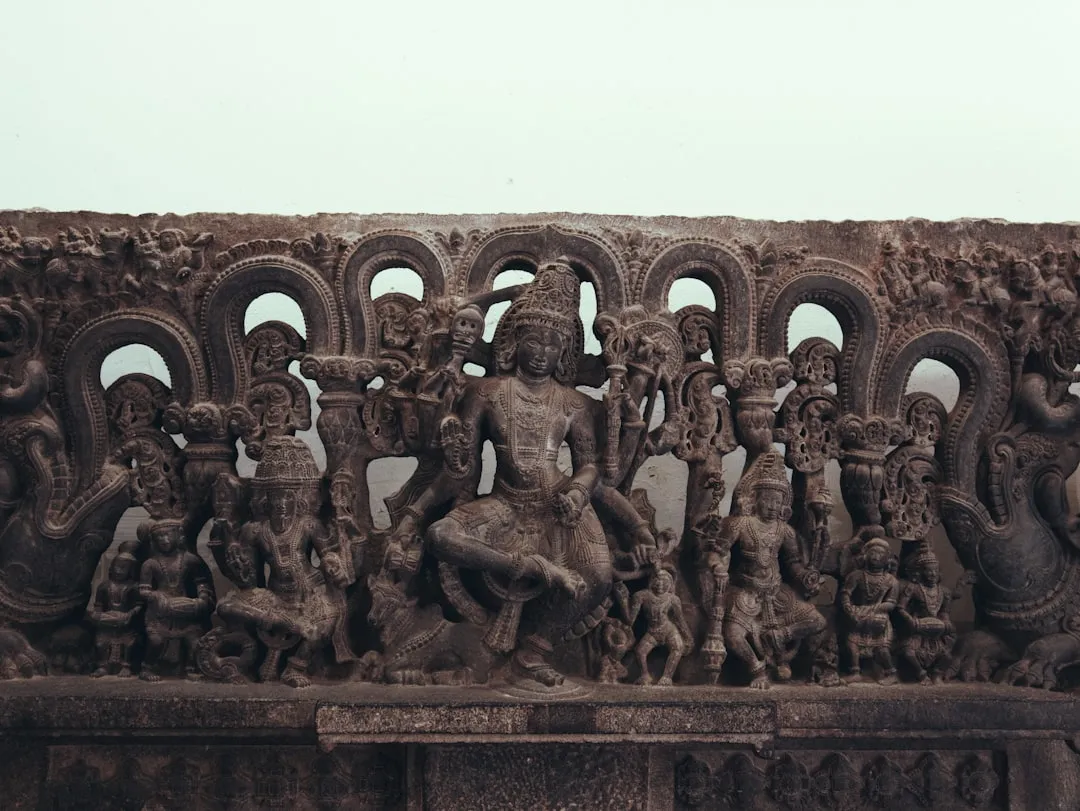
Ancient India: Living Traditions, open from May to October 2025, was the British Museum’s first major exhibition on India in decades, reaching back over more than 2,000 years to reveal the origins of Hindu, Buddhist, and Jain devotional art, exploring Indian sacred art and imagery from a multi-spiritual, contemporary, and global perspective.
These living traditions and their devotional art remain integral to the lives of billions of people worldwide, and with that in mind, the exhibition was developed in consultation with an advisory group of ten London-based practicing Hindus, Buddhists, and Jains, who helped shape interpretation and influenced the ways of working across the whole exhibition.
The consultation process began almost two years before the exhibition opened, with the museum meeting regularly with community partners from the very start to ensure they informed and guided the entire process. Vegan materials were even used in the conservation and care of the objects, with this principle extending to how the objects were displayed, including vegan paints and textiles.
4. The Pitt Rivers Museum’s Maasai Living Cultures Partnership, Oxford – Tradition Guiding Preservation
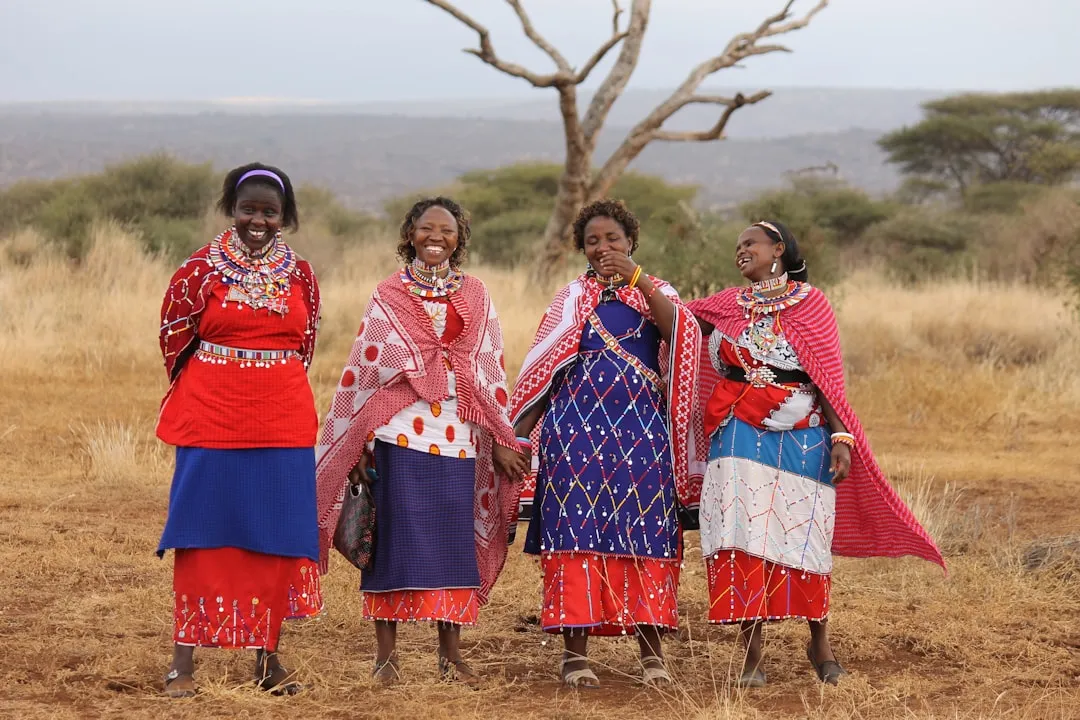
The Pitt Rivers Museum was founded in 1884, when General Pitt-Rivers gave his collection to the University of Oxford. In more recent decades, however, it has evolved into something far more collaborative. In 2022, a pilgrimage took place across Tanzania and Kenya to consult five families linked to five culturally sensitive artefacts, and in 2023 the Elaata Oo Ngiro ceremonies, described as Maa rituals for wrongs committed against humans, were led by the Orkiaama, the Maasai council of traditional leaders, alongside the Pan African Living Cultures Alliance.
The project was led by women, and it transformed into one of cultural revival and healing, recognizing that among the Maasai, cultural knowledge in the form of language and traditions of making and meaning-giving is often transferred by mothers, whose crucial contributions to this knowledge transfer had for too long been unacknowledged.
The continued presence of the objects in the museum, described by the PRM as a Maa-led peaceful process of Osotua, meaning relationship building in peace, represents a bond for life, and Maasai representatives are now working with the Museum on future collaborations to decide how their cultural traditions can best be represented in the permanent galleries.
5. The China Intangible Cultural Heritage Museum, Beijing – A Nation’s Living Archive
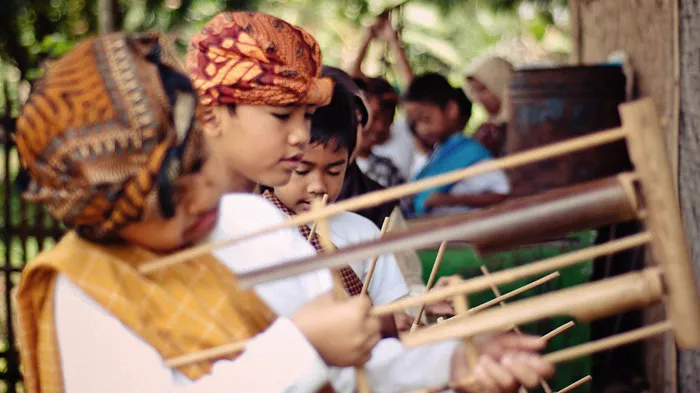
According to academic Yi Sun, publishing in 2024, China has played an increasingly dynamic role in energizing the Intangible Cultural Heritage Cooperation program. The China Intangible Cultural Heritage Museum in Beijing serves as the country’s foremost institution dedicated to documenting and presenting these traditions in active, living form.
Chinese people celebrated the first Spring Festival since it was inscribed on UNESCO’s Representative List of the Intangible Cultural Heritage of Humanity, and the museum played a central role in connecting visitors to that milestone. China’s rich intangible cultural heritage is deeply rooted in its vast and varied history, encompassing millennia of dynastic rule, philosophical developments, and artistic achievements, with China’s regional diversity producing a vast array of cultural practices, from ancient rituals and traditional music to unique culinary arts and crafts.
Why Living Museums Matter More Than Ever
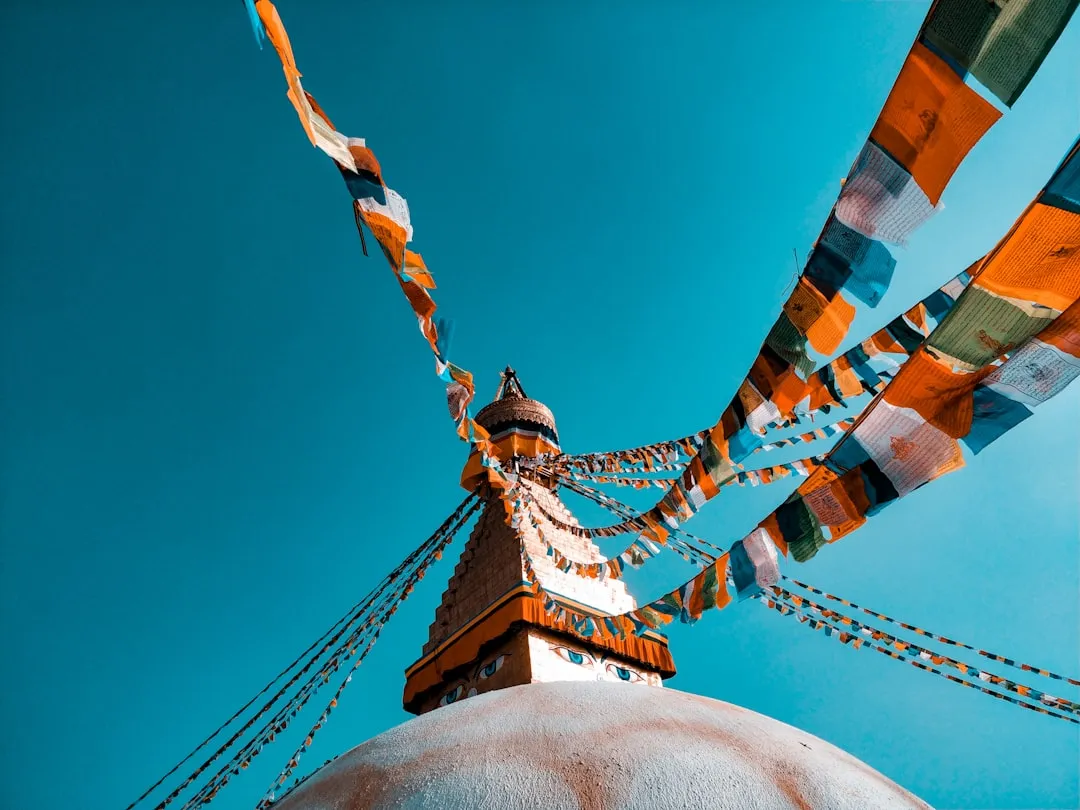
The 2003 UNESCO treaty defines intangible cultural heritage as “the practices, representations, expressions, knowledge, skills, as well as the instruments, objects, artefacts and cultural spaces associated therewith, that communities, groups and, in some cases, individuals recognise as part of their cultural heritage.” Living museums are the single most direct way to keep those definitions from becoming obituaries.
UNESCO organizes intangible cultural heritage into five broad categories including oral traditions, performing arts, social practices, rituals, and traditional craftsmanship, and research shows that language is the most threatened of all these elements. The museums featured here address all five of those categories in daily practice.
The Role of Community in Keeping Traditions Alive
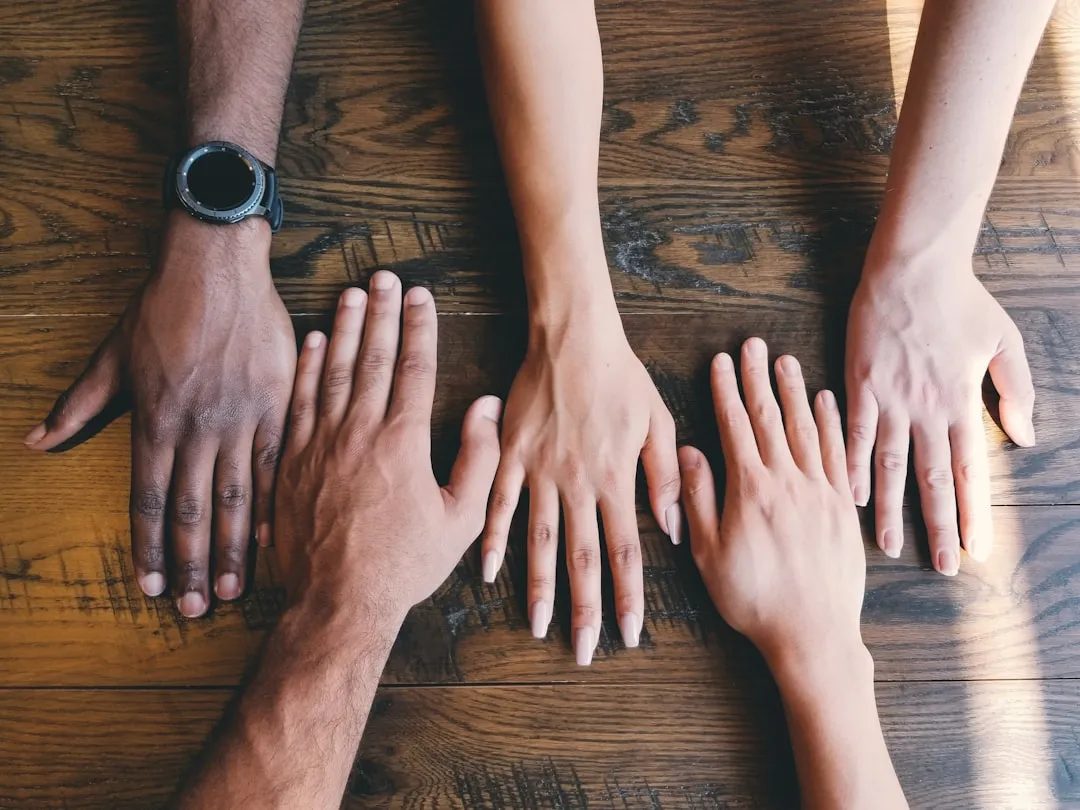
Contemporary museums increasingly recognize that meaningful heritage preservation requires collaboration with the communities whose cultures are represented, with collaborative curation models inviting community members to participate in decisions about what is collected, how it is interpreted, and how it is presented, helping to ensure that museum representations respect community perspectives and values.
A woven basket, for instance, makes far more sense when visitors can watch how it is made and listen to people who continue to use similar techniques, with collaboration taking forms such as community advisory groups, co-curated displays, joint research projects, and events where makers and performers demonstrate traditional practices.
Threats That Make These Institutions Necessary
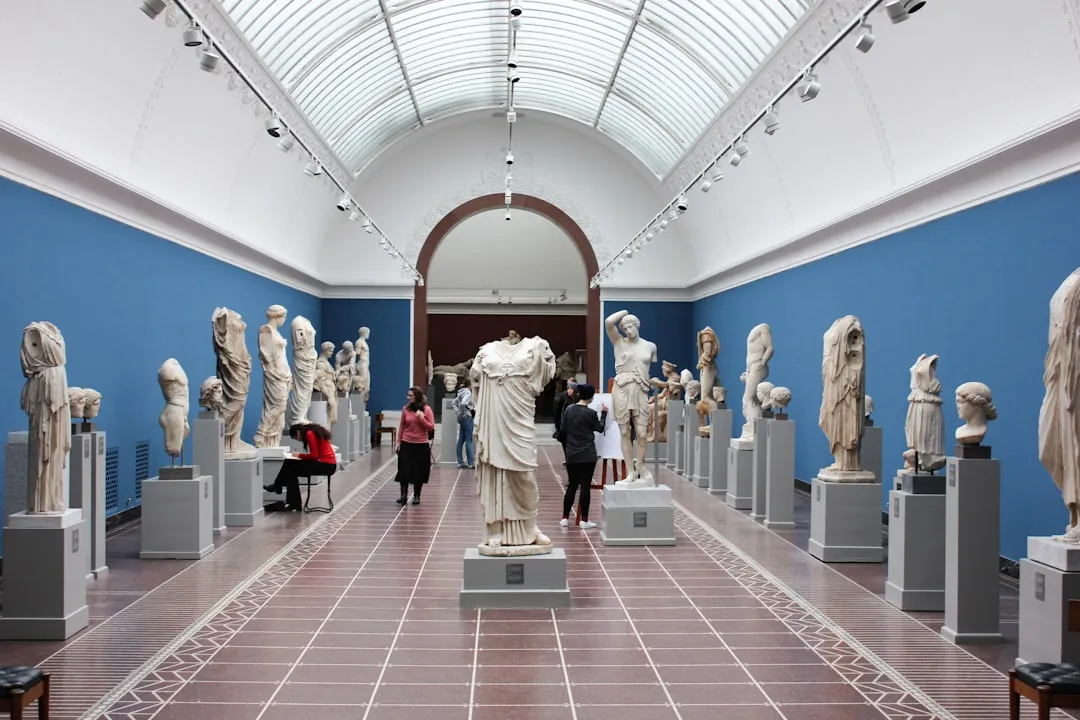
The 2003 UNESCO treaty was driven by countries in the Global South and the recognition that globalisation, intolerance, and rapid social change threatened the deterioration, disappearance, and destruction of living heritage, particularly where there is a lack of resources for safeguarding it.
Threats to intangible heritage are often internal as well as external, including the ageing of practitioners, waning interest and participation, and a decline in passing on heritage to the next generation. Living museums directly tackle that last threat by turning cultural transmission into a daily, structured activity rather than an accidental one.
How These Museums Differ From Conventional Institutions
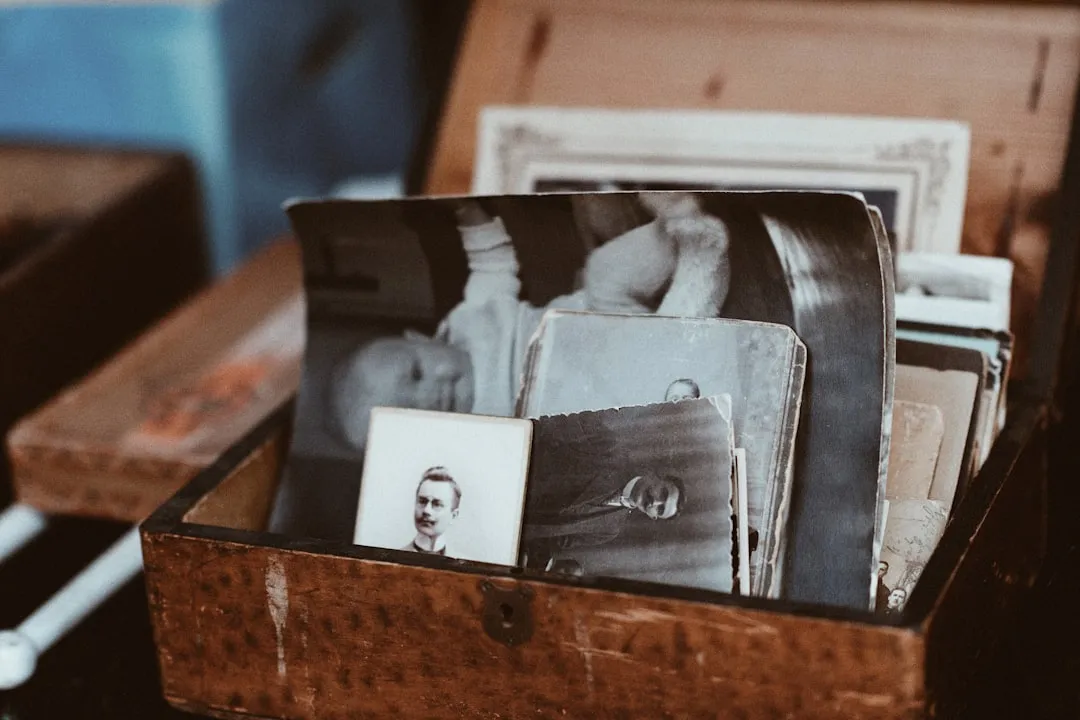
While preserving objects has long been associated with museum work, documenting and safeguarding intangible heritage presents different challenges, since intangible heritage exists primarily through practice and transmission, requiring museums to develop specialized approaches to support living traditions.
As one commentator put it plainly in a 2024 Museums Journal discussion, “The museum community has to do the intangible heritage, not just collect it.” That shift from passive holding to active doing is precisely what distinguishes the five institutions described here from traditional museum models.
Looking Ahead: A Living Heritage in Uncertain Times
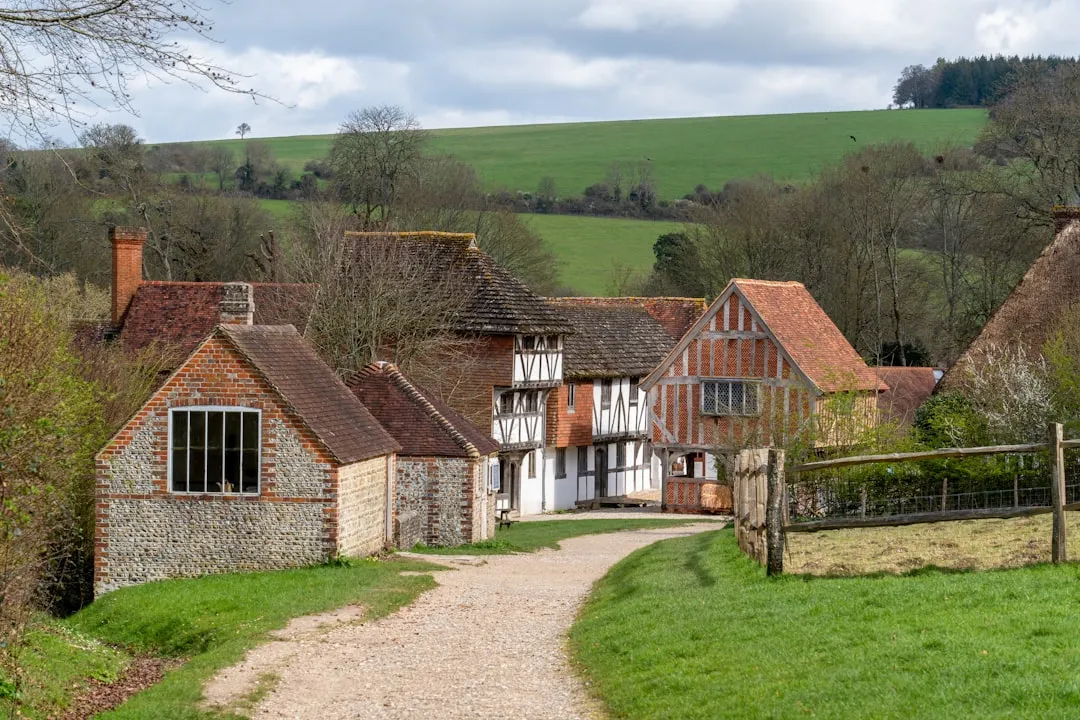
With more than 700 inscriptions to date, the UNESCO Convention has reinvented the very notion of heritage, to the extent that we can no longer separate the tangible from the intangible, the sites from the practices, and what is inscribed is very much alive and needed.
These community partnerships support cultural continuity by creating opportunities for knowledge transmission between generations. That transmission is never guaranteed. It depends on political will, adequate funding, the presence of tradition bearers, and institutions that take the work seriously enough to adapt their own practices when communities ask them to.
The five museums in this gallery represent different continents, different scales, and very different cultures. What they share is a refusal to let living knowledge become a historical footnote. Whether it’s a Ju/’Hoansi elder demonstrating fire-making in the Kalahari or a London-based Jain priest offering blessings in the Great Court of the British Museum, the argument they make is the same: some things are only truly preserved when they are still being done.
AI Disclaimer: This article was created with the assistance of AI tools and reviewed by a human editor.