


There’s a specific kind of travel challenge that rarely gets talked about openly: getting three generations into the same itinerary without someone silently suffering through it. Grandparents want comfort and cultural depth. Parents want a manageable pace. Kids want stimulation. Teenagers want to feel like they’re not on a family trip.
The good news is that certain destinations and trip formats are genuinely built to absorb all of that at once. Nearly half of all travelers opted for multigenerational or family trips in 2025, surpassing every other type of group travel and rising significantly over 2024, and the travel industry has taken notice. The five ideas below aren’t workarounds. They’re formats where every generation tends to feel like the trip was made for them.
Why Multi-Gen Travel Is Surging Right Now

Studies by Virtuoso and Forbes show that multi-generational vacations are one of the fastest-growing travel segments. Part of that is demographic. Multigenerational travel is surging as families increasingly value experiences that bring together grandparents, parents, and children, with roughly three quarters of parents embracing the idea of vacations involving extended family.
The American Express 2025 Global Travel Trends report indicates that more than half of Millennial and Gen Z parents surveyed plan to bring their extended family on vacation, with the vast majority citing quality time as the primary reason. That’s not just sentiment – it’s a shift in how families are spending meaningful money together.
Sixty-one percent of respondents agreed that grandparents were more active than expected during travel, with sixty-two percent saying they were more adventurous than expected. That finding matters for trip planning. The assumption that older travelers need a slow, sedentary itinerary is outdated.
Idea 1: The Caribbean All-Inclusive Resort
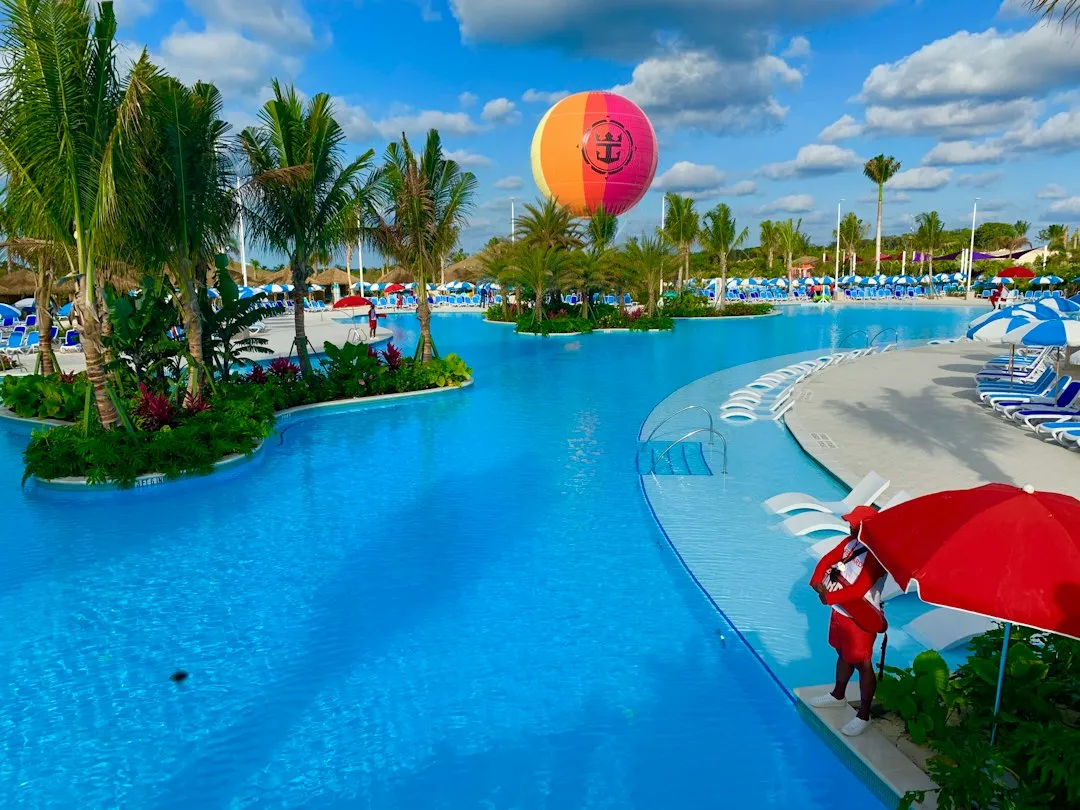
All-inclusives are a strong option for multigenerational families because so many travel expenses are bundled into one cost, typically including airport transfers, food, activities like water sports and golf, childcare, and sometimes guided tours. Nobody has to argue about where to eat or who pays for what. That alone removes an enormous source of group friction.
Planning a multi-gen trip to an all-inclusive resort allows large groups to have their own rooms, choose to eat together or separately, and even plan adult evenings while children are in the kids’ club. The format essentially gives everyone permission to do their own thing without anyone feeling abandoned.
Accessibility for all mobility levels is a defining strength of resorts in this category, with elevators, flat terrain, and accessible facilities accommodating limited mobility without compromising the experience for more active family members. It’s one of the few formats where a grandmother with a knee replacement and a seven-year-old chasing lizards can both thrive.
Idea 2: A Family Cruise
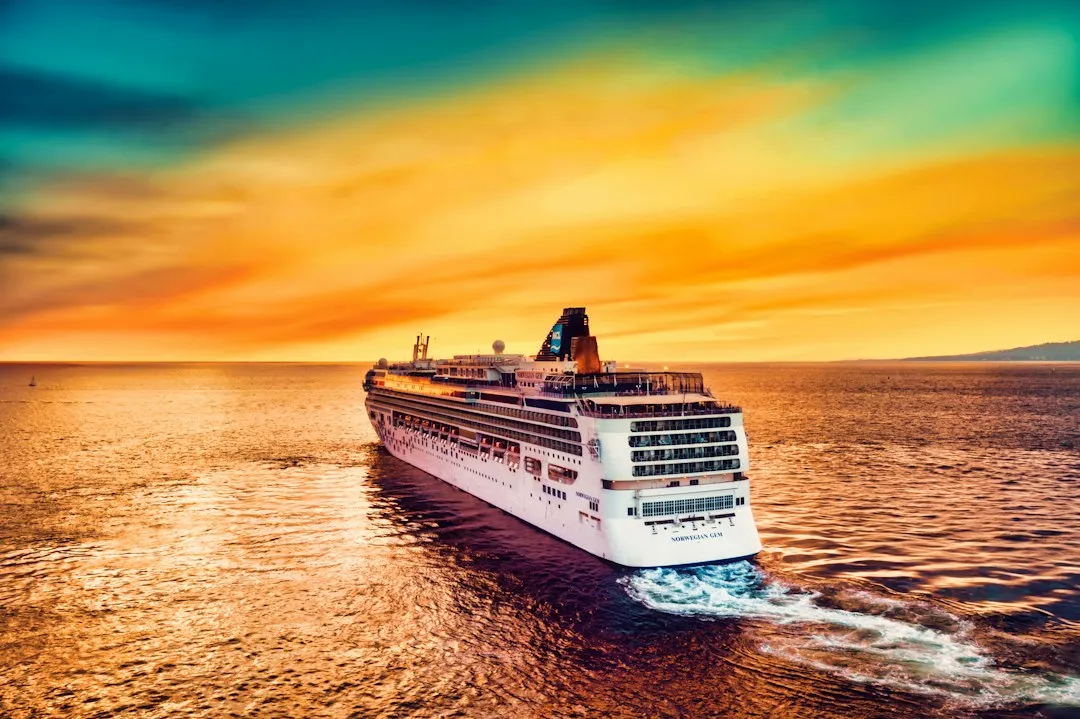
Cruises win for groups with mixed ages and interests because you can be together for meals and apart for activities without anyone needing to plan the middle. That balance, togetherness without constant negotiation, is the central challenge of multi-gen travel. Cruises solve it structurally.
Cruises remain appealing because they combine transport, accommodation, and activities in one package, an especially attractive approach for families with young children and multigenerational groups. Grandparents are comfortable in well-appointed cabins. Teenagers have enough independence to feel like they have their own experience. Kids have dedicated clubs with staff.
For international options like European river cruises and Disney Cruise sailings, booking nine to twelve months out is advisable, as connecting cabin configurations sell out early. Caribbean cruises tend to offer more flexibility, but accessible and connecting staterooms go quickly regardless of the route.
Idea 3: U.S. National Parks

Whether stargazing on the rim of the Grand Canyon or watching geysers erupt in Yellowstone, national parks offer a rare chance to share natural wonder across generations. The scale of these landscapes tends to quiet the age gap entirely. There’s something genuinely equalizing about standing in front of a waterfall or a bison herd.
Major national parks like the Grand Canyon and Yellowstone offer wheelchair-accessible overlooks and trails, while activities naturally span age ranges, combining easy ranger talks with more strenuous hikes. Junior Ranger programs, which parks have continued expanding through 2025 and 2026, give younger kids structure and a sense of accomplishment.
National park lodges centralize accommodations near attractions, minimizing daily logistics for groups managing different energy levels and mobility needs. Staying inside the park, at properties like the South Rim’s Bright Angel Lodge or Yellowstone’s Old Faithful Inn, reduces driving fatigue significantly, which matters when you’re coordinating multiple generations.
Idea 4: Italy or Japan for Cultural Depth

Families consistently prefer traveling to developed areas like Italy and Japan, which offer accessible infrastructure and a wide variety of activities suitable for all ages. Both countries deliver on culture, food, history, and comfort in ways that satisfy a grandparent’s wish for meaning and a child’s appetite for novelty simultaneously.
In Italy, a villa rental in Tuscany or a slow week in the Veneto gives the family a shared home base with room for private retreats. Cooking classes in European villas appeal to all generations, and a communal meal prepared together in a rented farmhouse kitchen tends to become one of those memories that gets retold for years. Japan’s combination of ultra-accessible public transport, seamless urban infrastructure, and deeply layered culture makes it a surprisingly smooth destination for groups spanning 60-plus years of age difference.
Nearly one in five multigenerational travelers prefer exploring the history, art, and culture of a given city, with local cuisine tours, cooking classes, and educational programs rounding out top choices. These are exactly the kinds of activities Italy and Japan offer in abundance, and they’re genuinely enjoyable for an eight-year-old, a forty-five-year-old, and a seventy-year-old alike.
Idea 5: The European River Cruise
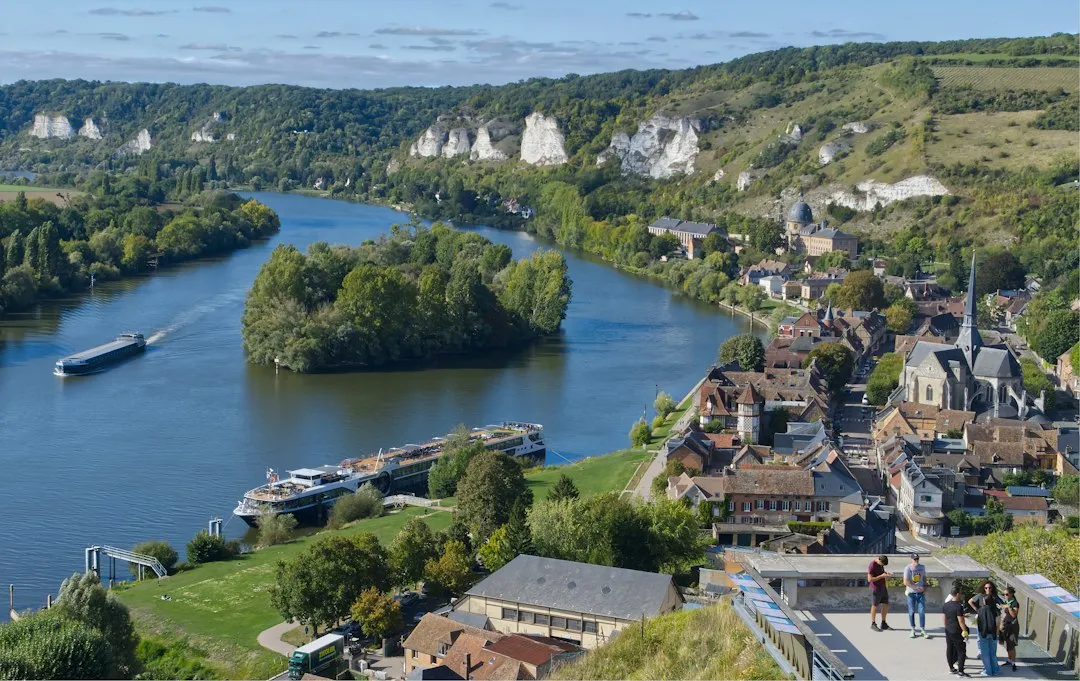
River cruising occupies a specific and underrated sweet spot for multi-gen groups. The ships are smaller, the pace is slower, and the itineraries are built around cultural stops rather than high-stimulation entertainment. Activities spanning age ranges are built into the format, with European cultural experiences through cooking, art, and history that appeal across generations.
The Rhine, Danube, and Douro are among the most well-established routes, moving through cities with walkable old towns, accessible waterfront promenades, and excellent food at every stop. Older travelers appreciate not repacking every night. Teens often respond to the novelty of waking up in a different country. The demand for experiences that balance connection and personalization across multiple generations is reshaping how tour operators design their itineraries.
It’s worth noting that European river cruises book nine to twelve months out for connecting cabin configurations, so this is one trip style where early planning genuinely pays off. Availability tightens fastest in summer, when school schedules align and demand from family groups peaks.
The Compromise That Isn’t: Flexible Structure
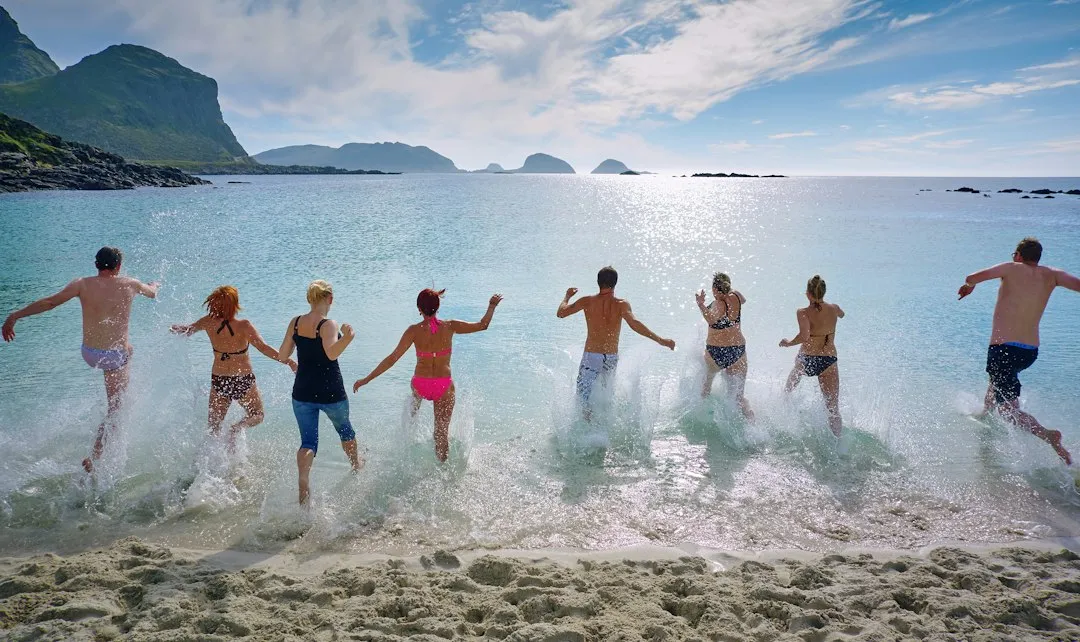
All-inclusive resorts and cruise ships allow different family units to split up for activities and reconvene for meals, while villa rentals provide communal spaces for togetherness and private bedrooms for quiet downtime. That combination, shared anchors with personal autonomy, is the design principle behind every trip format on this list.
Balancing different energy levels, interests, and comfort needs takes a little extra planning, but with thoughtful coordination, a multigenerational family vacation can be stress-free, meaningful, and full of genuine connection. The families who navigate it best tend to plan around the most limited traveler rather than the most enthusiastic one. It sounds like a constraint. In practice, it’s the decision that keeps everyone comfortable.
Accessibility Should Come First, Not Last

Roughly a third of multigenerational travelers cite accessibility as a top priority when choosing destinations, yet many families overlook this until problems arise. The smarter approach is to audit accessibility early, before itineraries are built, rather than retrofitting plans around a mobility limitation discovered mid-trip.
Mobility scooters can be rented at theme parks and at some national parks, while major parks like Yellowstone offer extensive wheelchair access. For international trips, Japan’s public transit is among the most accessible in the world, and Italy’s major cities have made meaningful improvements in recent years. Neither destination requires sacrificing the experience in order to accommodate varying mobility levels.
Planning Timelines Matter More Than You Think

Multi-gen trips involve more people, more logistics, and more budget than most vacations. To keep costs manageable, families do well to look for all-inclusive programs that bundle lodging, transportation, and meals. That bundling also removes the friction of ongoing financial decisions within the group, which is a real source of tension on longer trips.
Involving everyone in the trip planning process early, and holding a family meeting to discuss desires and limitations for activities and pace, allows you to find common ground before departing. It sounds administrative. It actually prevents the most common cause of multi-gen travel disappointment, which is someone feeling like their needs were never considered.
What the Data Says About Who’s Actually Traveling Together
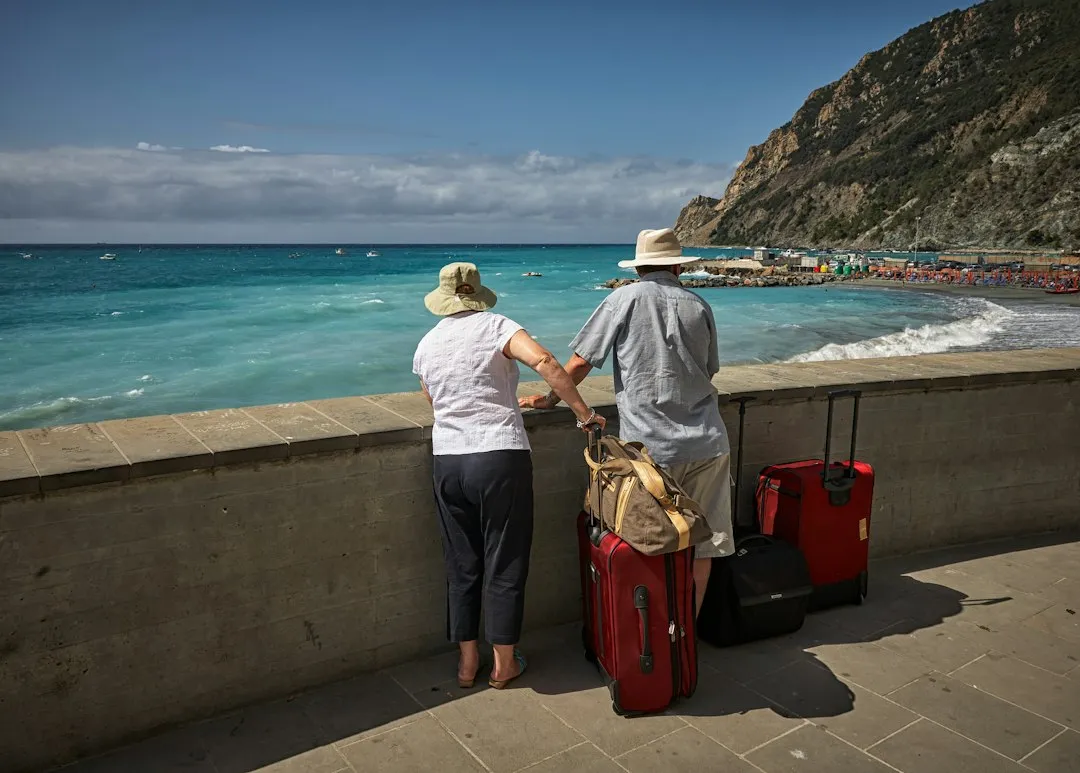
Among parents who have taken a multigenerational vacation, more than half are bringing their children’s grandparents, with nearly half of those grandparents traveling internationally an average of twice per year, and roughly half of working grandparents taking paid time off to join family trips. This is a materially different portrait than the one many families carry in their heads, where grandparents are reluctant participants who need to be coaxed.
A report from Virtuoso and Globetrender notes that in 2025, seven generations were traveling simultaneously for the first time in recorded history. The shape of the family trip is genuinely changing, and the travel industry is slowly catching up to what that means in practice, from cabin configurations to tour design to resort programming.
The Takeaway

The word “compromise” tends to underestimate what good trip design can actually do. The formats above don’t ask anyone to settle. They work because they create conditions where a grandmother, a parent, a teenager, and a six-year-old can all look back at the same week and feel like it was built for them.
The most important variable isn’t the destination. It’s whether the structure of the trip has enough flexibility built in that no single person ends up dragging through activities they dread. Multigenerational travel offers retirees, adult children, and grandchildren a chance to make real discoveries and share experiences that they’ll carry for years. That’s a high standard, and these five ideas are genuinely equipped to meet it.
AI Disclaimer: This article was created with the assistance of AI tools and reviewed by a human editor.